📍Galway · West📋IFI (Republic of Ireland)Season Open
3Species Present
Ballynahinch River — also known as the Owenmore (Ballynahinch) river — is a western acidic spate river draining part of the Connemara Bog Complex SAC near Recess, County Galway. It is a good spawning and nursery system for Atlantic salmon, and Ballynahinch Lake, through which it flows, holds a population of the nationally rare Arctic char.
County
Galway
Region
West
Type
River
Nearest towns
Recess
River system
Owenmore River
Species
Atlantic Salmon, Sea Trout, Brown Trout
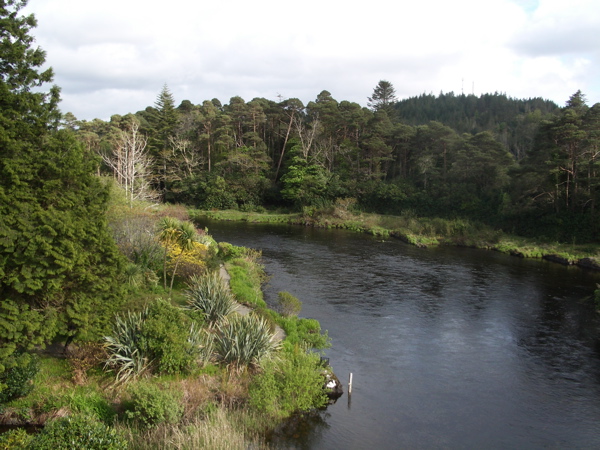
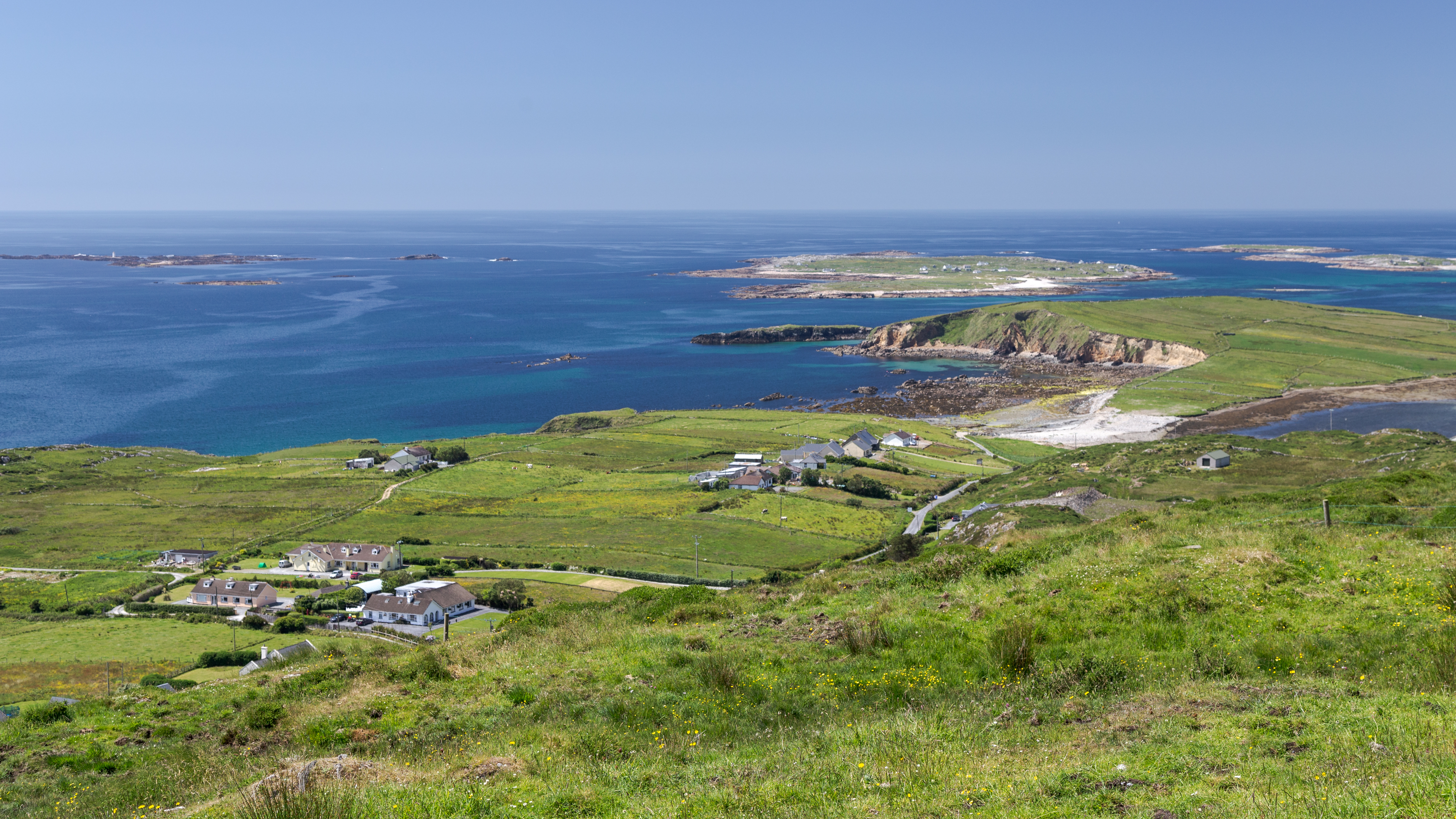
The Ballynahinch River is one of Ireland's most famous and prestigious salmon and sea trout fisheries, flowing through the wild heart of Connemara in County Galway. Managed by the celebrated Ballynahinch Castle Hotel, this storied fishery has drawn anglers from around the world for over a century, drawn by the combination of exceptional fishing, dramatic mountain scenery, and a rich heritage that includes a Pirate Queen and an Indian Maharaja among its former custodians.
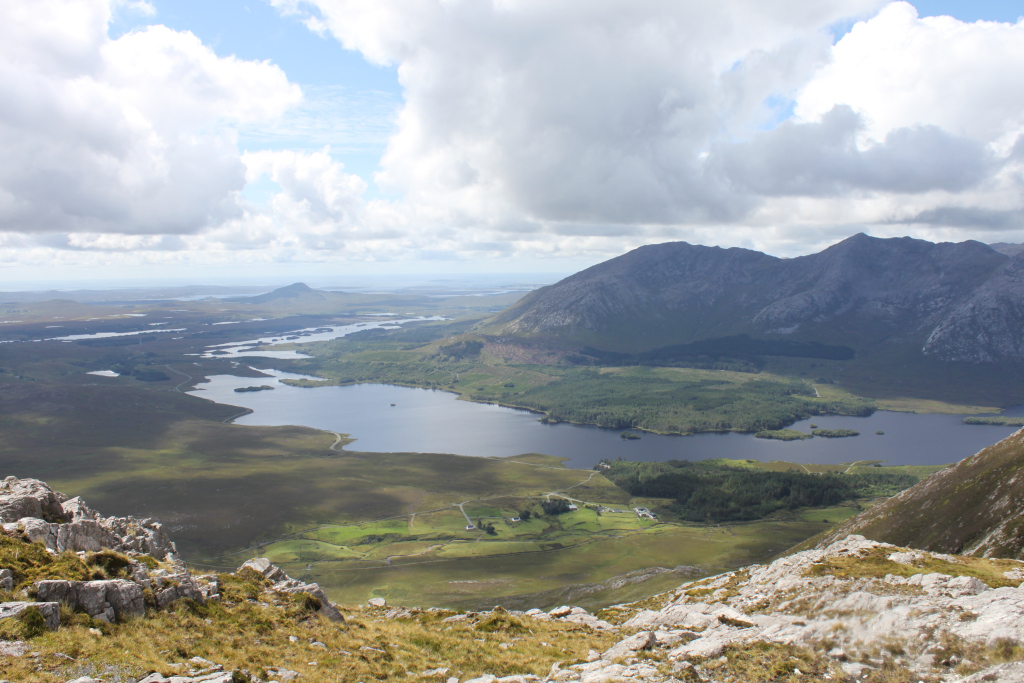
The river itself is approximately four kilometres long, flowing from Ballynahinch Lough downstream to the Atlantic at Bertraghboy Bay. It is a wide, deep river by Irish spate standards, fed by a catchment that drains 68 square miles of the Connemara landscape. The wider system encompasses a chain of interconnected loughs and rivers — including Lough Inagh, Derryclare Lough, and Ballynahinch Lough — creating a vast and varied fishery set against the spectacular backdrop of the Twelve Bens mountain range.
Atlantic salmon are the primary quarry, with a small run of spring fish averaging ten pounds from March through May, followed by the main grilse run from late June through September. Ballynahinch grilse are traditionally large by Irish standards, averaging five to seven pounds with fish up to nine pounds not uncommon. Since the closure of the Irish drift net fishery in 2007, salmon stocks have doubled, and the fishery has entered a golden era.
Sea trout have made a remarkable comeback following the downsizing of local salmon farms, with catches increasing twelve-fold in the first year of recovery. Best fishing runs from early June through July, with sea trout entering on every flood through to the end of season. Night fishing is often the most productive approach. All sea trout must be released under current legislation.
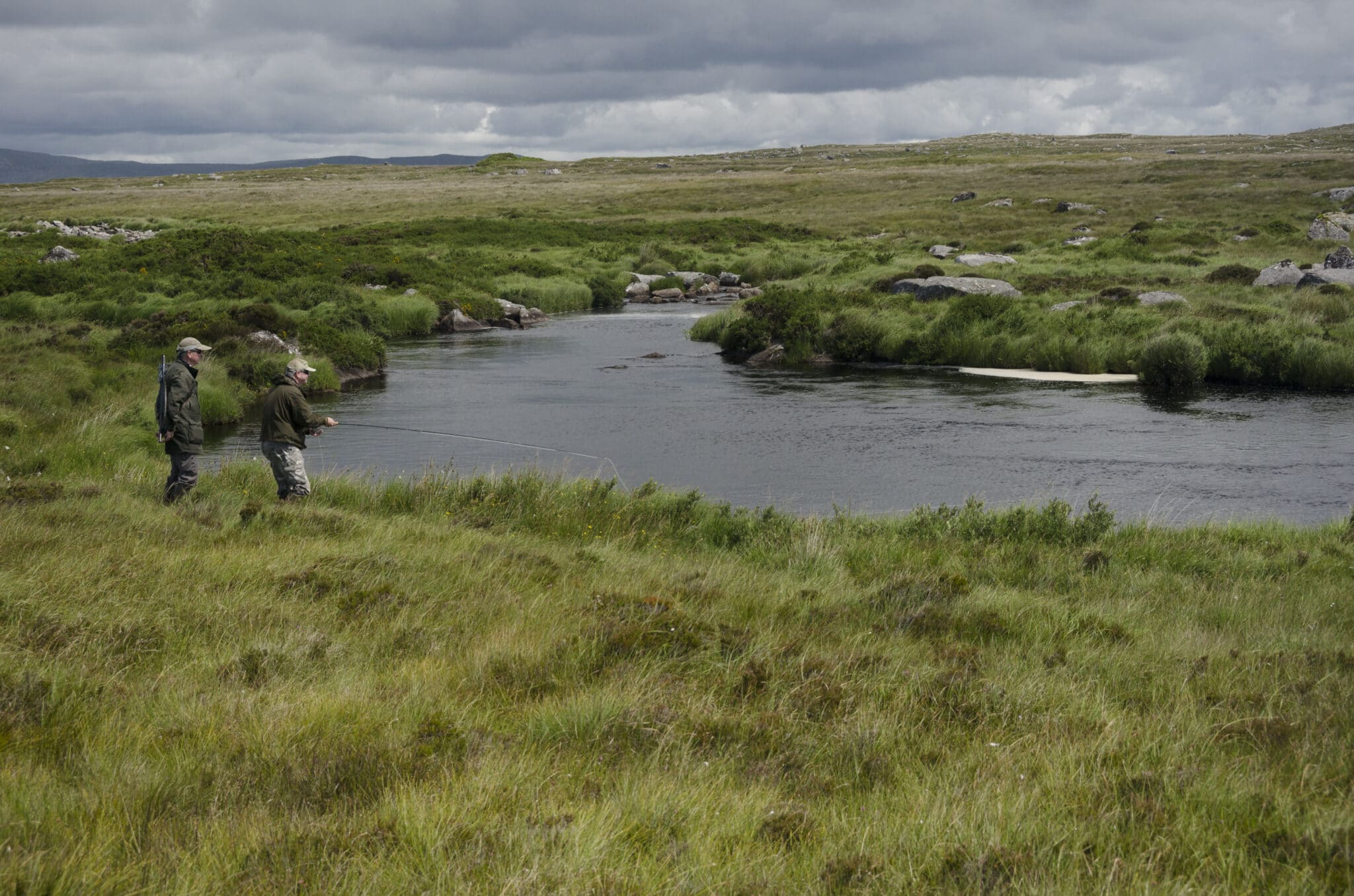
The fishery is fly-only, with eight salmon beats and four sea trout pools strictly rotated on a half-daily basis. Over seventy stone casting piers line the riverbanks — originally built by Maharaja Ranjitsinhji in the 1920s and 1930s — allowing comfortable casting without waders. Ghillies are available through the castle and highly recommended for first-time visitors, offering not just local knowledge but decades of experience reading the water.
Access is exclusively through Ballynahinch Castle Hotel, located near Recess village off the N59 between Galway City and Clifden. The castle itself is a Relais & Chateaux property set on a 700-acre estate, offering world-class accommodation alongside the fishing. Tackle, flies, and equipment are available for hire, and fly casting tutorials can be arranged for beginners. The nearest town is Clifden, approximately twenty minutes west.
Grilse: June, July, August
Sea Trout: June, July
Brown Trout: May, June, July, August, September
Spring Salmon: March, April, May
Difficulty
Intermediate
Access & bases
Located near Recess village, off the N59 road between Galway City and Clifden. Approximately one hour from Galway City and two hours from Shannon Airport. Eircode: H91 F4A7. Access is exclusively through Ballynahinch Castle Hotel — advance booking essential during peak season (June–August). Ghillies and guides available through the hotel. Tackle, flies, and equipment available for hire. Fly casting tutorials available for beginners (half-day and full-day with qualified guides). Accommodation at Ballynahinch Castle Hotel (48 rooms) or nearby lodges including Lough Inagh Lodge upstream.
Signature features
The Maharaja's Casting Piers
Over seventy stone casting piers line the banks of the Ballynahinch River, built in the 1920s and 1930s by Maharaja Ranjitsinhji ('Ranji'), the famous cricketer who owned Ballynahinch Castle. These beautifully constructed piers allow anglers to cast comfortably without waders, providing stable platforms at precisely the right positions along each beat. They are unique to Ballynahinch and represent a remarkable piece of angling heritage.
Ballynahinch Castle Estate
The 700-acre castle estate provides a world-class setting for the fishery. The castle dates to 1754 and was once home to Richard Martin ('Humanity Dick'), founder of the RSPCA. Grace O'Malley, the Pirate Queen of Connacht, once resided at an older castle on Ballynahinch Lake. Now a Relais & Chateaux hotel voted among the top ten in the UK and Ireland by Conde Nast Traveler, it combines exceptional fishing with luxury accommodation.
Sea Trout Recovery
The Ballynahinch system has become a remarkable conservation success story. Following the downsizing of salmon farms in Bertraghboy Bay, sea trout populations have rebounded dramatically — catches increased twelve-fold in the first year of recovery. The fishery now operates a strict catch-and-release policy for all sea trout, ensuring this recovery continues for future generations.
Interconnected Lough System
The Ballynahinch catchment encompasses a diverse chain of interconnected loughs and rivers draining 68 square miles of Connemara. Lough Inagh, Derryclare Lough, and Ballynahinch Lough all feed the river system, creating a varied fishery with opportunities for both river and lough fishing. Lough Inagh Lodge manages fishing on the upstream waters, while Ballynahinch Castle controls the river and lower system.
Season by season
February - May
The spring salmon season opens in February, though fishing picks up meaningfully from March. Spring fish average ten pounds and are prized for their size and fight. Water levels are generally good through spring, and the river fishes well on a falling flood. This is a quieter period on the fishery, offering solitude amid stunning Connemara scenery.
June - July
The prime period on the Ballynahinch, when the main grilse run coincides with the peak of the sea trout fishing. Late June and July see the river at its most productive, with fresh fish entering on every tide. Sea trout fishing is particularly exciting during this period, with night sessions on the sea trout pools often the highlight. Advance booking is essential.
August - September
Grilse continue to run through August and into September, with fish often in superb condition. Autumn spates bring fresh fish into the system and can produce exceptional sport. Water temperatures begin to cool, and salmon become increasingly active. The surrounding landscape takes on its autumn colours, making this a beautiful time to fish the Ballynahinch.
Best conditions
Based on 0 reports, these conditions consistently produce the best fishing on Ballynahinch River:
💨
SW Force 2-4
Best wind
☁️
Overcast with occasional breaks
Best sky
🌡️
10-16C
Water temp
⏰
Early morning and late evening in summer; all day in spring and autumn
Spring salmon fishing on the Ballynahinch requires patience and persistence. Fish larger flies (sizes 6-8) early in the season when water is cold, switching to smaller patterns as temperatures rise. Focus on the deeper pools and slower runs where spring fish tend to lie. A floating line with a long leader works well in normal conditions, switching to an intermediate or sink-tip when water is high and coloured.
⚠️Common mistake: Fishing too fast through the pools. Spring fish need time to see and react to the fly — slow down your retrieve and let the fly swing properly through the lies.
Summer Grilse (June - August)
Patterns
Collie DogStoat's TailBlue CharmHairy MaryBadger
When the grilse arrive, switch to smaller flies (sizes 10-14) fished on a floating line. Grilse are energetic fish that respond well to a fly fished just below the surface. The casting piers provide excellent positions for covering the main lies. In low water, fish early morning and late evening when fish are most active. A riffle hitch can be deadly on warm summer evenings.
⚠️Common mistake: Using flies that are too large for summer conditions. In warm, low water, scale down to size 12-14 and use sparse dressings.
Sea Trout (June - August)
Patterns
Peter RossBibioConnemara BlackClaret BumbleMedicine Fly
Sea trout fishing on the Ballynahinch is often best at night, particularly during the darker hours around midnight. Fish the designated sea trout pools with a team of wet flies on a floating line. Cast across and slightly downstream, allowing the flies to swing through the pool. Sea trout take with a distinctive sharp pull. All sea trout must be carefully released.
⚠️Common mistake: Striking too quickly on a take. Sea trout often pluck at the fly before committing — wait for the line to tighten before lifting into the fish.
Core technique
Wet Fly Swing from Casting Piers
1Position yourself on the casting pier at the head of the pool.
2Cast across and slightly downstream at approximately 45 degrees.
3Allow the fly to swing across the current on a tight line.
4Mend upstream if the fly is dragging too quickly.
5Follow the swing through with your rod tip until the fly hangs directly below.
6Take two steps downstream and repeat to cover new water.
7Fish through the entire pool systematically before returning to the top.
💡 The casting piers are positioned at optimal points along each beat. Trust the positioning — generations of anglers have proven these spots productive.
What works here
Flies and methods reported most successful by the community.
Where to Fish at Ballynahinch River
Upper Beats (1-3)
The upper beats fish from Ballynahinch Lough downstream through the first major pools. These beats often produce the first fish of the day, particularly when fresh salmon have moved upstream overnight. Good holding water with a mix of pools, glides, and faster runs.
Castle Beats (4-5)
The beats immediately around Ballynahinch Castle are among the most productive on the fishery. Deep pools and steady currents create ideal lies for both salmon and sea trout. The castle provides a dramatic backdrop, and these beats benefit from consistent water flow.
Lower Beats (6-8)
The lower beats fish downstream towards Bertraghboy Bay and are often the first to receive fresh fish from the tide. These beats can be outstanding after a flood, when salmon push upstream through the lower pools. Sea trout are particularly plentiful in the lower river.
Sea Trout Pools
Four dedicated sea trout pools are fished separately from the salmon beats. These deeper, slower pools are perfect for night fishing and hold good numbers of sea trout from June onwards. Fishing is typically in the evening and after dark.
Suggested trip formats
🎣 Guided Full Day
A full day with a Ballynahinch ghillie, fishing two beats (morning and afternoon rotation). The ghillie provides all local knowledge, fly selection advice, and casting instruction. Equipment can be hired from the castle. Ideal for first-time visitors or those wanting to maximise their chances. Approximately 8 hours on the water.
🎣 Self-Guided Half Day
Fish one beat rotation (morning or afternoon) independently. Suitable for experienced salmon anglers familiar with spate river fishing. Permits and beat allocation arranged through the fisheries manager. A good option for those staying at the castle who want to combine fishing with other activities.
🎣 Sea Trout Evening Session
An evening and night session focused on the dedicated sea trout pools. Typically begins in the late evening and can continue past midnight during June and July. A ghillie is recommended for those unfamiliar with night fishing techniques. One of the most exciting and atmospheric fishing experiences available in Ireland.
🎣 Connemara Fishing Break
A multi-day stay at Ballynahinch Castle combining river fishing with lough fishing on Ballynahinch Lough and potentially Lough Inagh (managed by Lough Inagh Lodge upstream). Allows anglers to experience the full diversity of the Connemara fishery system. Three to five days recommended during the peak June-July period.
Conservation & stewardship
🌿
The Ballynahinch fishery operates a strict catch-and-release policy for all salmon and mandatory release for all sea trout under current legislation. The remarkable recovery of sea trout populations following the reduction of salmon farming in Bertraghboy Bay demonstrates the direct link between aquaculture management and wild fish stocks. Anglers are expected to use barbless hooks, handle fish carefully in the water, and minimise air exposure during unhooking. The estate actively manages the river habitat and works with Inland Fisheries Ireland on stock monitoring and conservation programmes.
Main access: Professional ghillies available through Ballynahinch Castle Hotel — full and half-day guided trips, Stanley's tackle shop, Clifden — licences, flies, and local advice, Ballynahinch Castle Hotel fisheries manager — advance booking essential