📍Mayo · West📐9.6 km²📋IFI (Republic of Ireland)Season Open
3Species Present
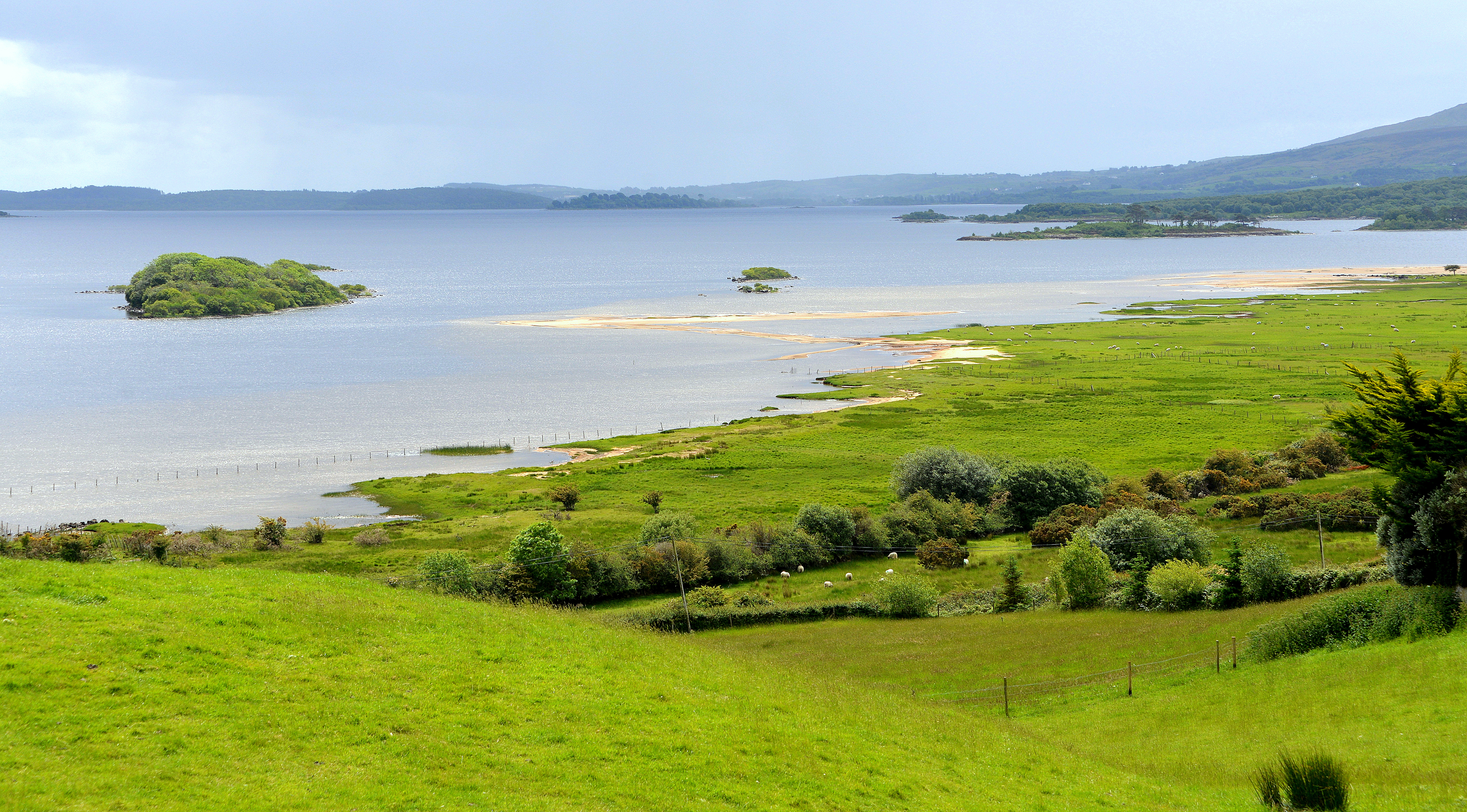
Carrowmore Lake is a 9.6 km² shallow, nutrient-poor lake north and east of Bangor Erris, County Mayo, with a stony bottom and a maximum recorded depth of approximately 2.5 m. It sits within the Carrowmore Lake Complex SAC alongside the Largan More blanket bog, and its neutral, oligotrophic waters support salmon, trout, and sea trout angling.
County
Mayo
Region
West
Type
Lough
Surface area
9.6 km²
Maximum depth
2.5 m
Nearest towns
Bangor Erris
Species
Atlantic Salmon, Brown Trout, Sea Trout
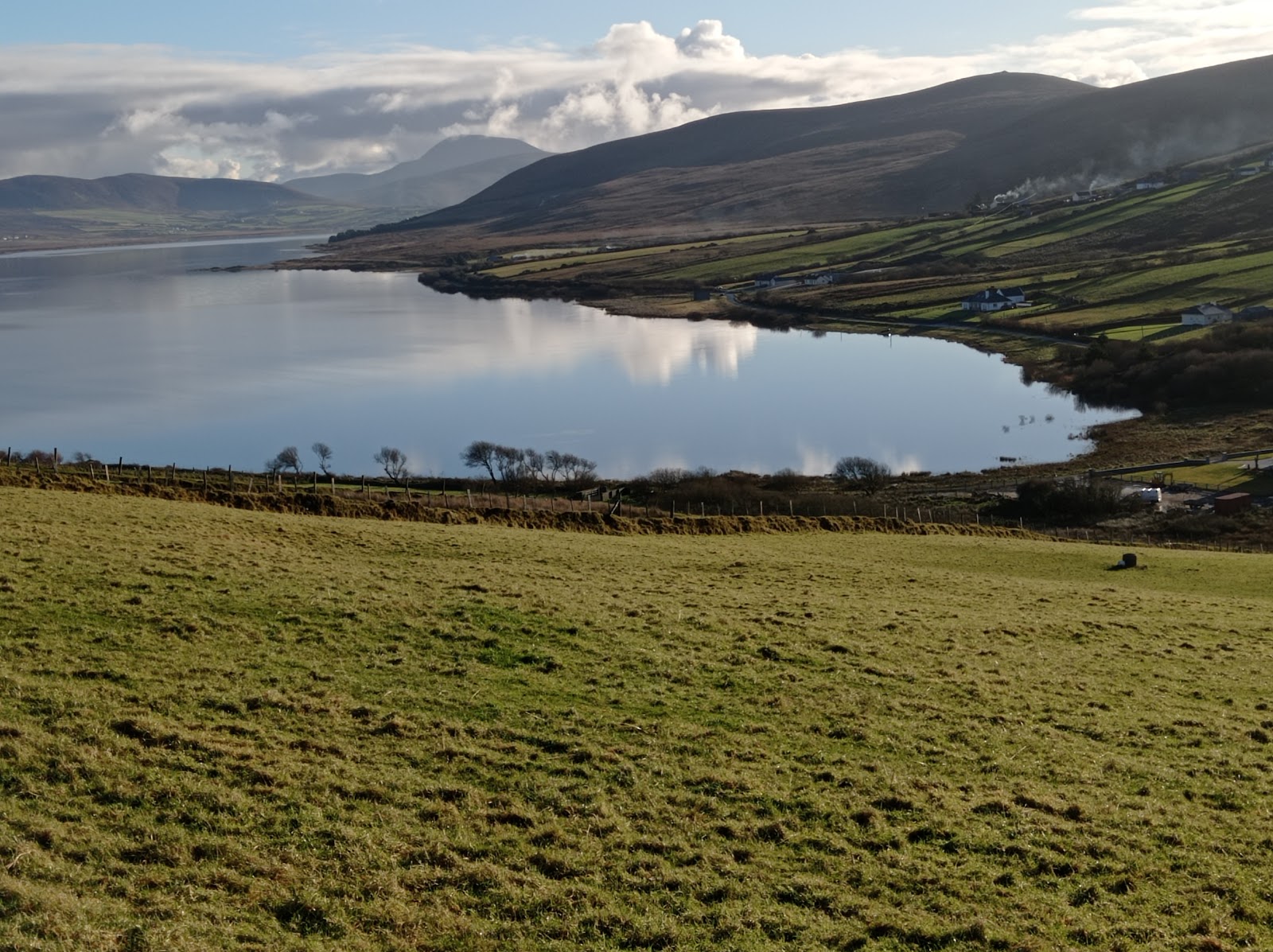
Carrowmore Lake is one of Ireland's most storied wild fisheries — a vast, shallow Atlantic lough lying north-west of Bangor in County Mayo, beneath the slopes of Knocknascollop and open to every weather system that rolls in off the Atlantic. It is a place that demands respect, rewards preparation, and offers something increasingly rare in Europe: genuine wild salmon and sea trout fishing at scale.
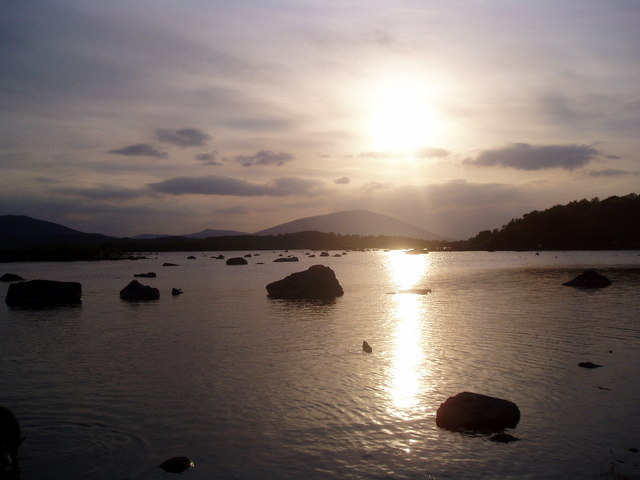
Stretching for over four miles and up to three miles wide, Carrowmore is a serious expanse of water. Much of it is deceptively shallow, threaded with submerged reefs and rock hazards that require local knowledge to navigate safely. The peat-stained water takes on a deep amber hue after rain, and the lake's mood changes rapidly with the wind — which is also what makes it fish so well when conditions align.
Carrowmore has long been regarded as one of Ireland's premier spring salmon loughs. Fresh Atlantic salmon enter the system from January, with the most consistent early-season fishing beginning once the worst of the winter storms ease and a settled south-westerly settles in. Fishing a calm morning in February here, with fresh fish rolling at the boat, is an experience that draws anglers back year after year.
From mid-summer, the character of the lake shifts entirely. Sea trout become the dominant species, moving freely across the lake under wind lanes and gathering on the shallow margins during the evening rise. Dapping is historically practised on Carrowmore during suitable breezes — a technique that rewards patience and an instinct for where fish are likely to show. Resident brown trout are present throughout the season, with occasional better fish encountered as a welcome bonus.
All fishing on Carrowmore is conducted from boats — bank fishing is not permitted. This is a lough that fishes best with a drogue over the side, a careful read of the wind, and confidence in drift technique. For visiting anglers, guided sessions are strongly recommended for the first visit. For experienced anglers comfortable on open water, it represents one of the last genuinely wild salmon and sea trout fisheries in the west of Ireland.
Grilse: June, July
Sea Trout: July, August
Brown Trout: April, May, June
Spring Salmon: February, March, April
Difficulty
Advanced / Experienced
Access & bases
Carrowmore Lake lies north-west of Bangor Erris in County Mayo, in a remote corner of northwest Ireland. The nearest town is Bangor Erris, with Belmullet approximately 20km to the north-west and Ballina to the south-east providing a wider base for accommodation and services. The lake is accessible via local roads from Bangor, but navigation on the water requires local knowledge — the lake is studded with submerged rock hazards that are not always visible. Boats are essential; bank fishing is not permitted anywhere on the fishery. Historically, boats were available locally, and visiting anglers should confirm boat hire arrangements in advance. A reliable outboard motor and a drogue are strongly recommended given the lake's size and the wind conditions typically encountered. Life jackets and full waterproofs are mandatory equipment.
Signature features
Premier Spring Salmon Lough
Carrowmore's reputation for early spring salmon is well established among serious Irish salmon anglers. The ability to encounter fresh Atlantic salmon from January onwards, in wild open-water conditions on the Atlantic fringe of Ireland, places it in a small category of genuinely exceptional early-season fisheries.
Classic West-Coast Sea Trout Fishing
From July onward, Carrowmore becomes a traditional Irish sea trout lough in the finest sense — wind-driven drifts across open water, fish showing under wind lanes, and the possibility of taking sea trout on a dapped fly in a good south-westerly breeze. This style of fishing is increasingly rare and Carrowmore preserves it intact.
Wind-Driven Drift Fishing
The lake's entire character is shaped by the wind. A soft south-westerly is the classic Carrowmore condition — pushing fish towards productive shores and islands, establishing the wind lanes that sea trout follow, and providing the drift angle that covers the most productive ground. Reading the wind and positioning the boat accordingly is the core skill of fishing here.
Remote Atlantic Setting
Carrowmore sits at the edge of the Irish-speaking Erris peninsula, surrounded by bog and mountain in one of the least populated corners of Ireland. Fishing here feels genuinely remote — Atlantic weather, wild fish, no roads in sight. This is the west of Ireland at its most elemental.
Season by season
January – April
Spring salmon season. The lake can fish from the opening day, but realistic boat-safe conditions typically begin in February as the worst Atlantic storms ease. A settled period with a soft south-westerly bringing mild air is the trigger — fish that have been lying dour will often move freely. The north shore and island drifts are the traditional early-season grounds. Intermediate and sinking lines in cold water; moving to doubles and medium-weight patterns as water temperatures climb through March and April.
May – June
The transition period. Spring salmon remain available and grilse begin arriving from late May. Silver-based patterns work well in clearer water conditions. Floating or intermediate lines in calmer spells. Sea trout begin appearing in the back end of June, creating the possibility of mixed sessions with fresh grilse and early sea trout in the same drift.
July – August
Peak sea trout season. The fishing shifts to evening drifts along wind lanes and the shallow island margins. Small silver wet flies, dapping in a good breeze, and slow boat speeds define this period. The best fishing often comes in the final hour before dark. Grilse continue to arrive and provide sport throughout this period.
September
Late season. Fish tend to move towards river mouth areas and traditional holding water as they prepare for the upstream run. Tactics become more location-specific and benefit significantly from local knowledge. A worthwhile final window for anglers who know the water.
Best conditions
Based on 0 reports, these conditions consistently produce the best fishing on Carrowmore Lake:
Position the boat upwind and drift broad shorelines and island edges. In cold water early in the season, fish intermediate or slow-sinking lines to get flies down into the lanes where salmon are lying. As water warms through March and April, move to medium doubles fished closer to the surface. Systematic overlapping drifts across known ground produce more consistently than hunting visible fish. Focus on the island edges, north shore, and inflow zones.
⚠️Common mistake: Fishing too fast in cold water. Spring salmon on Carrowmore are sluggish and the fly needs to be in front of them long enough to provoke a take. Slow down, use a drogue, and cover the water methodically.
Grilse & Early Sea Trout (May–June)
Patterns
Silver Doctor (small)Blue CharmHairy MarySilver StoatSmall Double in Size 10–12
Water clarity typically improves through May and smaller, silver-based patterns come into their own. Fish intermediate lines in calmer spells and floating lines when there is a good ripple. Sea trout begin appearing from late June — switching to smaller wets on a floating line in the evenings can produce mixed bags of grilse and early sea trout on the same drift.
⚠️Common mistake: Continuing to fish spring salmon patterns and heavy lines when the water has warmed and fish are responding to surface movement. Downsize early and be willing to switch to a floating line when fish are showing near the surface.
Sea Trout Peak (July–August)
Patterns
Teal Blue & SilverBlack PennellPeter RossDunkeldSilver Doctor (small)Small Black & Silver Wet
Dapping
Artificial Daddy LonglegsArtificial Mayfly
Fish the evening sessions from an hour before sunset. Position the boat to drift wind lanes and shallow island margins. Slow the boat with a drogue and fish a team of three small wet flies on a floating line. Dapping in a good south-westerly breeze is highly effective and underused by visiting anglers — it requires patience but can produce explosive takes from fresh sea trout. Watch for surface activity and adjust drift lines accordingly.
⚠️Common mistake: Missing the evening window by packing up too early. The best sea trout sport on Carrowmore often happens in the final 45 minutes of light, and the fish can switch on very suddenly after a quiet afternoon.
Late Season (September)
Patterns
Local advice recommendedSmaller wets in size 12–14Dark patterns
Fish are moving towards river mouth areas and holding water as the season winds down. Location becomes the critical factor and local knowledge pays dividends. Focus on the Glencullin river mouth and any obvious holding structure near inflows. Smaller, darker patterns often work well in the lower water temperatures.
⚠️Common mistake: Covering too much open water without local advice. Late-season Carrowmore rewards those who know where fish are staging, not those drifting the same broad shorelines that worked in spring.
Core technique
Drift Fishing on Open Water
1Position the boat well upwind of your intended drift line — allow at least 100 metres of approach before reaching productive ground.
2Deploy a drogue if the wind is above Force 3 to slow the drift and keep flies fishing at a natural pace.
3Cast across or slightly downwind, allowing the flies to swing naturally in a controlled arc as the boat drifts.
4Focus systematic drifts on island edges, inflow zones, and any shoreline structure that creates a transition between deep and shallow water.
5In cold spring water, pause and let the flies sink briefly before beginning the retrieve. In summer, a steady figure-of-eight retrieve on a floating line produces consistent takes from sea trout.
💡 Rock awareness is critical on Carrowmore. Much of the lake is deceptively shallow with submerged hazards that are not always visible. Never drift blind into unfamiliar ground — always identify safe channels before committing to a drift line.
What works here
Flies and methods reported most successful by the community.
Where to Fish at Carrowmore Lake
Herrity's Island (South Side)
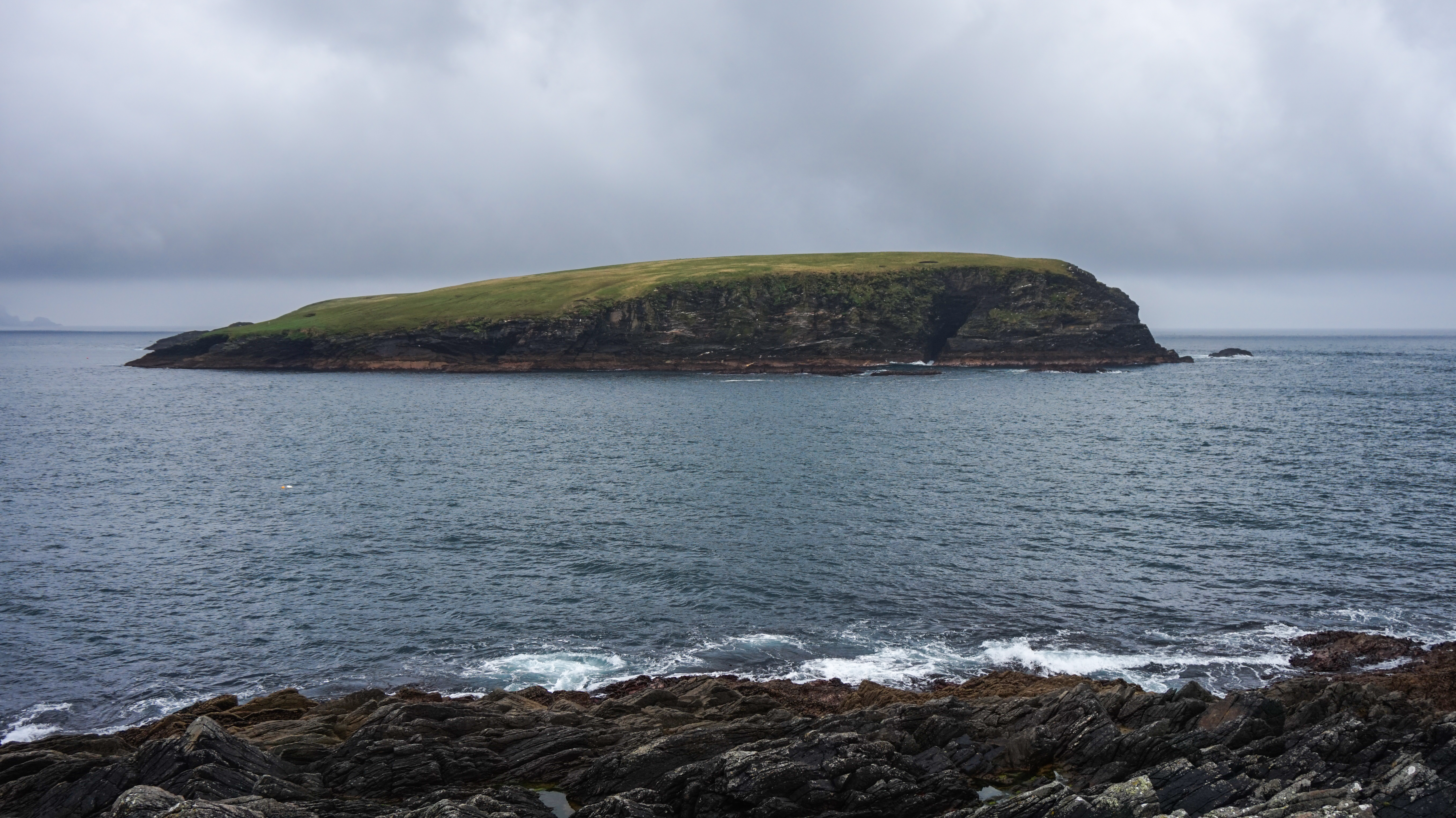
A traditionally productive spring salmon drift running along the south face of the island. The transition between deeper water and the shallow shelf adjacent to the island creates the classic lie that early-season salmon favour.
Derren's Island (North-West)
Classic drift ground on the north-west side of the lake. Provides excellent coverage under south-westerly winds and is one of the most reliable areas on the fishery across both the salmon and sea trout seasons.
North Shore
Long, broad drifts across the northern shore under favourable south-westerly conditions. This is productive open-water ground for both spring salmon and mid-summer sea trout, covering significant distance on each drift.
Glencullin River Mouth (East)
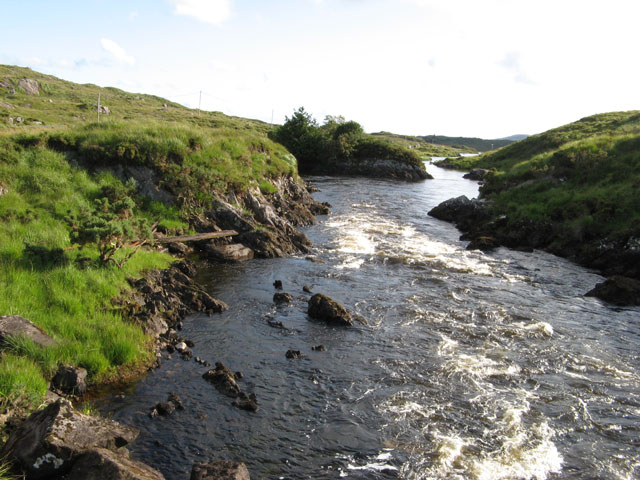
The inflow of the Glencullin River creates holding and transition water at the eastern end of the lake. Fish congregate here as they prepare to move upstream, making it particularly productive in late season and after heavy rain.
Suggested trip formats
🎣 2–3 Day Spring Salmon Break
Target the February to April window with guide support. Book during a forecasted mild spell with south-westerly winds. Focus morning and afternoon sessions on the island drifts and north shore. Ideal base: Bangor or Belmullet.
🎣 4–5 Day Summer Sea Trout Trip
Arrive in July for the peak sea trout season. Fish evening sessions on the wind lanes and island margins. Combine with some dapping in suitable breezes for a complete Irish sea trout experience. Mixed salmon opportunity throughout.
🎣 West Mayo Multi-Water Itinerary
Combine Carrowmore Lake with salmon fishing on the River Moy and coastal angling along the Erris and Belmullet peninsulas. A week-long itinerary covering three very different types of west of Ireland fishing, all within an hour's drive of each other.
Conservation & stewardship
🌿
Carrowmore Lake is part of an important Atlantic salmon and sea trout catchment system. Salmon stocks in Irish west-coast systems are subject to ongoing monitoring and annual conservation assessments — catch-and-release requirements for salmon may apply depending on current stock status, and this must be confirmed with IFI before each season. Sea trout stocks in the west of Ireland can fluctuate significantly from year to year; all fish should be handled with care, barbless hooks are strongly encouraged, and only fish in excellent condition should be considered for retention within any permitted limits. Submerged habitat, spawning gravels, and inflow channels should not be disturbed. Leave the water and shoreline exactly as you find it.
Frequently asked questions
Before You Go — Key Regulations
Jurisdiction
Republic of Ireland (IFI)
Season
February 1 – September 30
Licence required
Yes — State Salmon Rod Licence
A state salmon licence is required when targeting Atlantic salmon. A local permit may also be required — confirm with the relevant fishery management body or local angling supplier before fishing.
Main access: Guided boat sessions are available and strongly recommended for first-time visitors. Local guides provide both boat handling expertise and knowledge of safe drift lines and productive ground across the seasons., Local tackle and permit queries via Bangor Erris or Belmullet angling suppliers — confirm current arrangements before travel, North Mayo / Erris fishery management — contact IFI North Western Regional Office for current permit and access information