📍Cork · South West📋IFI (Republic of Ireland)Season Open
15Species Present
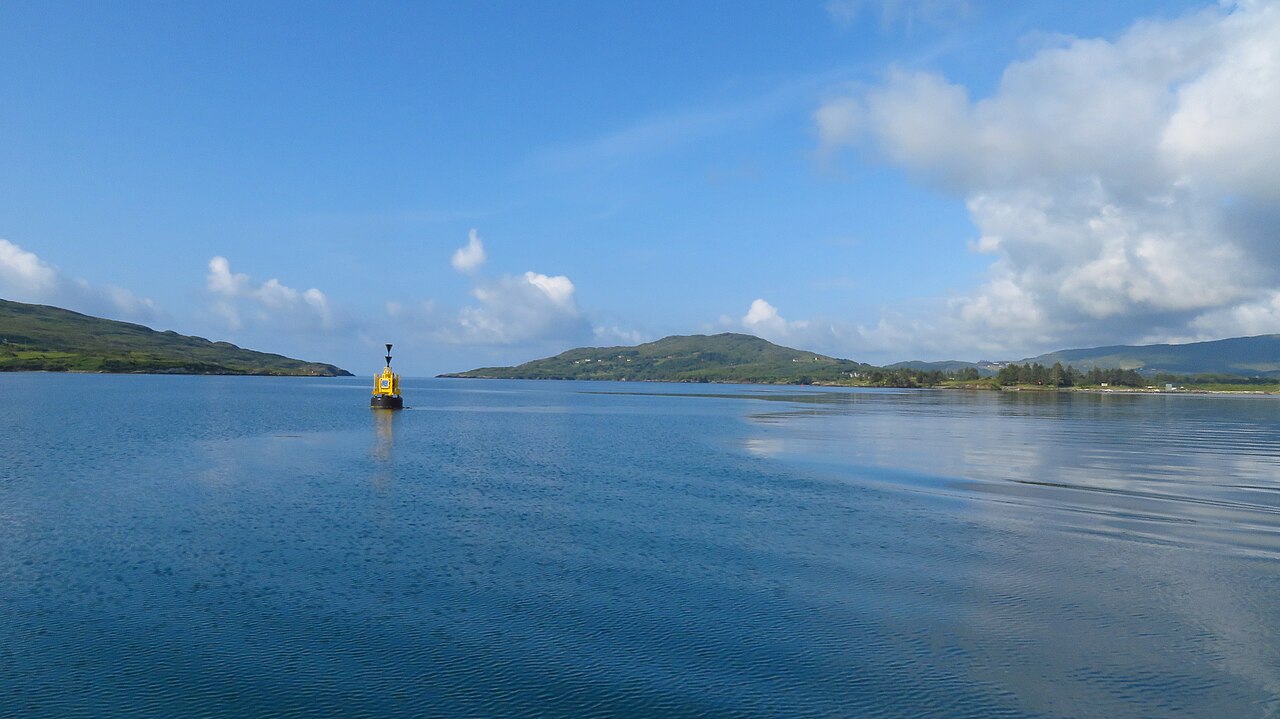
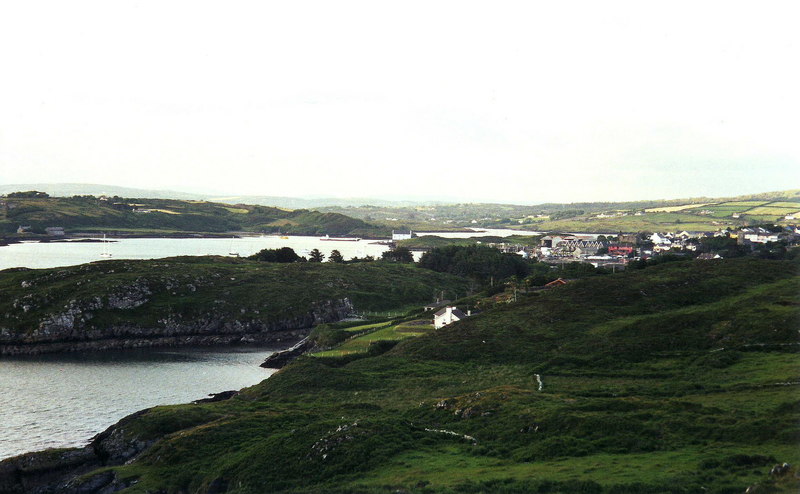
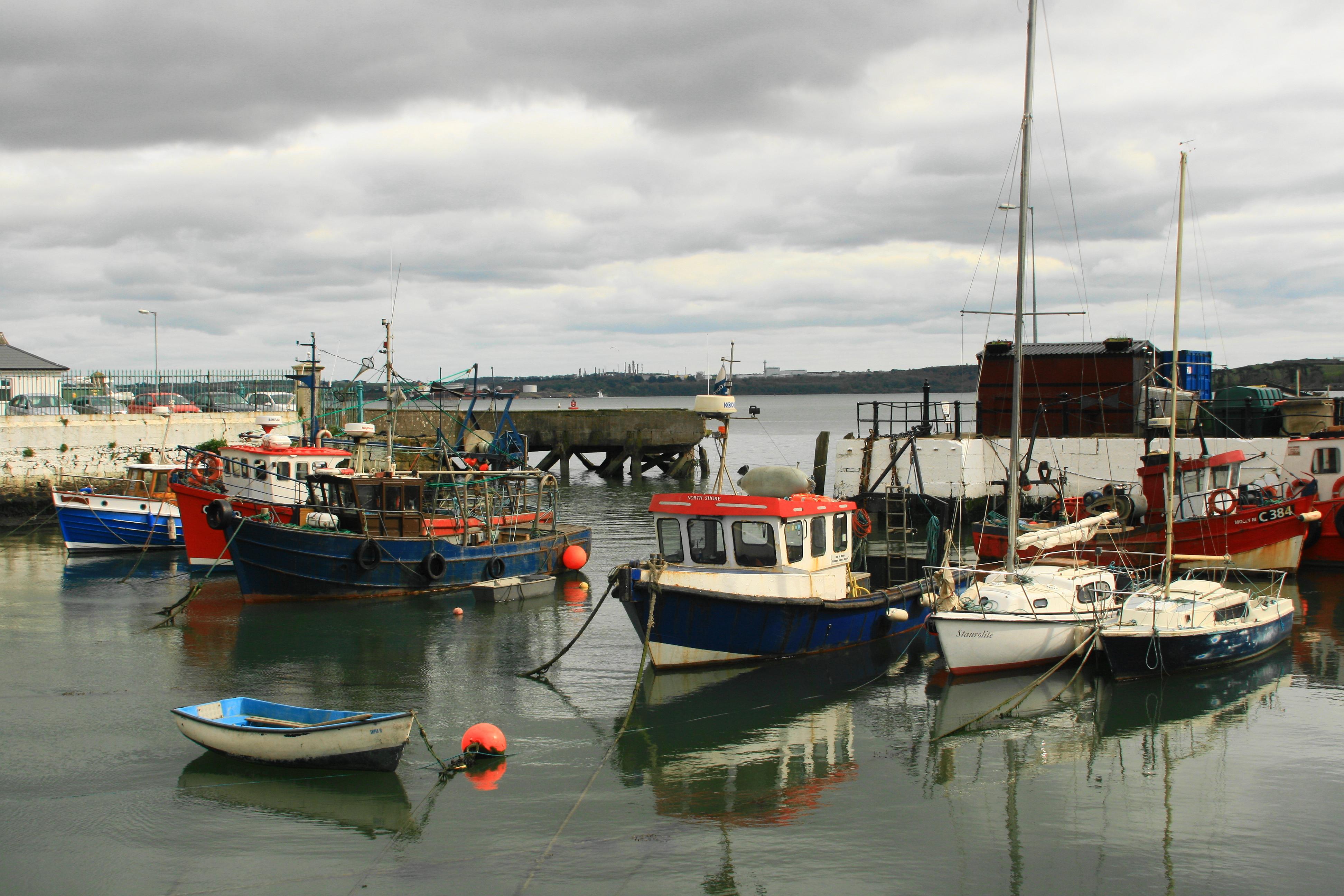
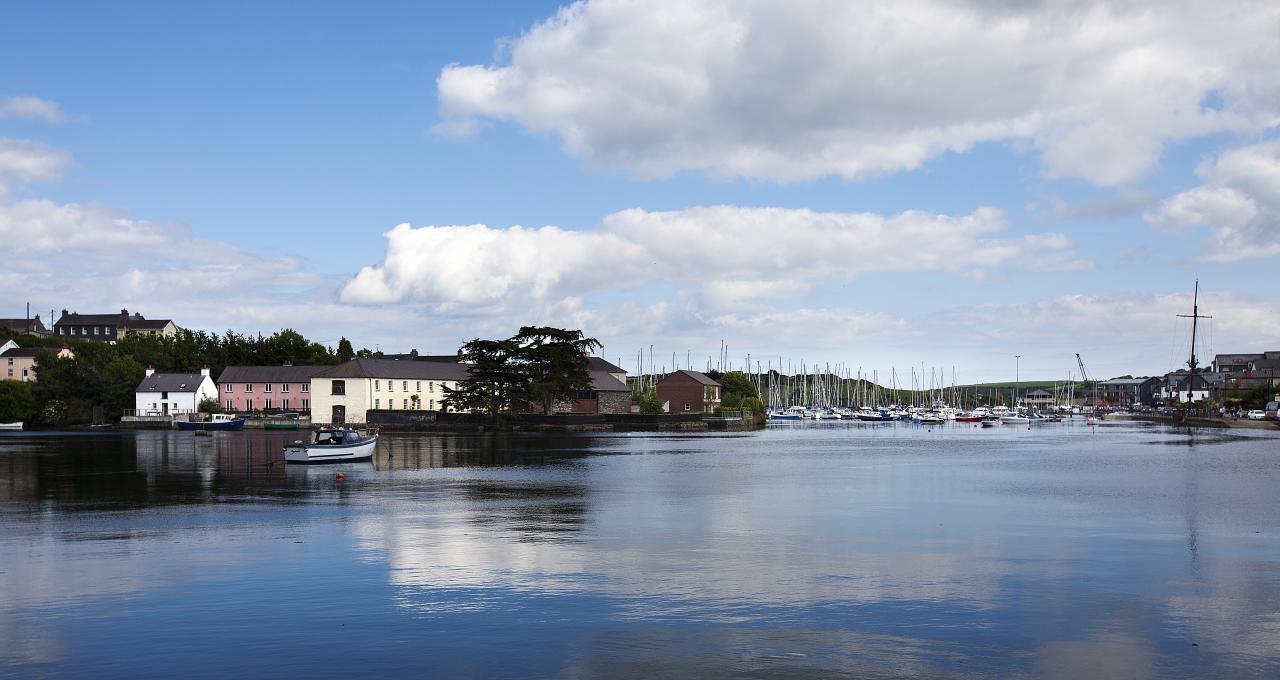
Castletownbere is a harbour town on the Beara Peninsula in west Cork, sheltered by Bere Island within Bantry Bay, and is one of Ireland''s largest whitefish landing ports. The surrounding deep water is a noted base for shark and reef fishing charters.
County
Cork
Region
South West
Type
Coastal
Nearest towns
Bantry
Species
Blue Shark, Pollack, Cod, Ling, Conger Eel, Coalfish +9 more
Castletownbere sits at the far reach of the Beara Peninsula, one of Ireland's wildest and most dramatic Atlantic promontories. The town's deep natural harbour — sheltered by Bere Island from the open ocean — has been a centre for fishing since the fifteenth century, and today it ranks among the five busiest fishing ports on the island. For sea anglers, this is a gateway to some of the richest and most varied saltwater fishing in Europe, where the warm Gulf Stream waters meet the rugged reef systems and wrecks of the south-west coast.
Berehaven Harbour is a remarkable natural feature, stretching several kilometres between the mainland and Bere Island with depths reaching thirty metres at its eastern entrance. This deep-water haven provides shelter in all conditions, meaning charter boats can operate here when other ports along the coast are weatherbound. The harbour itself holds ray, dogfish, flatfish and mullet, while the open water beyond Bere Island opens up to Atlantic reefs, pinnacles and wreck marks teeming with life.
Charter boats based in Castletownbere target blue shark from June through October, with fish averaging fifty to eighty pounds and specimens exceeding a hundred pounds not uncommon in good years. The shark fishing grounds lie ten to twenty miles offshore where clean Atlantic water and abundant baitfish create ideal conditions. The same boats work the deep-water reefs and pinnacle rocks for cod, haddock, pollack, ling, cuckoo wrasse, conger and coalfish — species that have declined elsewhere but remain plentiful in these relatively unfished waters.
Shore fishing on the Beara Peninsula is equally rewarding and largely undiscovered. Rocky marks throughout the peninsula produce big pollack, wrasse, bull huss and conger, with some shore-caught ling exceeding double figures — a rarity anywhere in Ireland. Dursey Sound near the famous cable car offers superb spinning for pollack and mackerel, while the DOD Pier and Dunboy Head within the harbour provide easier access for ray, dogfish, gurnard and mullet. Sandy marks like Ballydonegan Strand produce bass, flounder and flatfish.
The Beara Peninsula's angling potential remains largely untapped compared to better-known destinations, which is precisely its appeal. The rugged coastline offers hundreds of uncharted rock marks where adventure-minded anglers can discover their own fishing. Kayak fishing has become increasingly popular here, opening up remote marks inaccessible from shore. The combination of deep water close to shore, varied seabed structure, and the warming influence of the Gulf Stream creates an environment where an extraordinary range of species can be encountered on any given day.
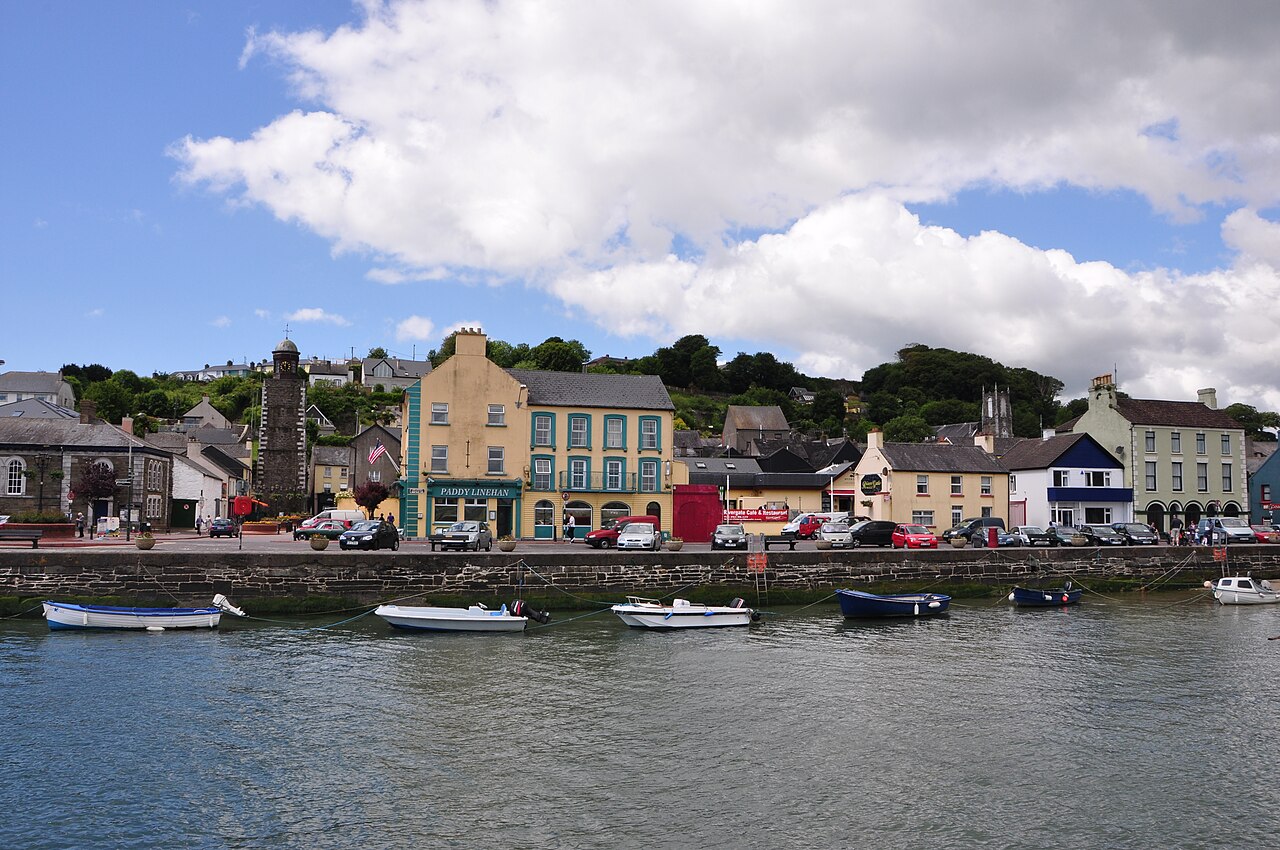
Castletownbere itself is a characterful working port town on the Wild Atlantic Way, with excellent seafood restaurants, traditional pubs, and accommodation ranging from B&Bs to self-catering cottages. The town makes an ideal base for exploring the wider peninsula, with the Ring of Beara drive, Healy Pass, Dursey Island cable car, and the ruins of Dunboy Castle all within easy reach.
Charter BoatShore FishingSpinningBait FishingKayak Fishing
Venue details
Season dates
Fishing season: Year-round – Year-round
Best times
Pollack: April, May, June, July, August, September
Cod Ling: September, October, November, December
Blue Shark: June, July, August, September, October
Shore Bass: September, October, November
Difficulty
Beginner friendly
Access & bases
Castletownbere is located on the R572, approximately 51km from Bantry via Glengarriff, or accessible from Kenmare via the Healy Pass (R574). The harbour area has ample parking near the pier. Shore marks are scattered along the peninsula — an OS Discovery Series map (sheets 84 and 85) is essential for finding rock marks. Ferry services run to Bere Island from the town pier. Charter boats depart from the town quay.
Signature features
Ireland's Undiscovered Shore Fishing
The Beara Peninsula has hundreds of largely unfished rock marks offering extraordinary variety. Shore-caught ling exceeding double figures, massive bull huss, big pollack, and prolific wrasse make this one of Ireland's premier shore fishing destinations. The rugged terrain means many marks require a spirit of adventure to reach, but the rewards are exceptional.
Sheltered Deep-Water Harbour
Berehaven harbour, protected by Bere Island, provides one of the safest natural anchorages on the Atlantic coast. When other ports are windbound, charter boats here can still operate. The harbour itself offers excellent fishing for ray, mullet and flatfish, while the open Atlantic beyond Bere Island holds blue shark, reef species and wreck fish.
Gulf Stream Influence
The warm waters of the Gulf Stream brush the Beara coast, bringing unusual species and supporting exceptional marine biodiversity. Trigger fish, cuckoo wrasse and even sunfish are encountered alongside the more typical Atlantic species. This warm water influence extends the effective fishing season and supports larger fish populations than might be expected at this latitude.
Season by season
March – May
Spring marks the start of the offshore season as water temperatures rise. Pollack, cod and ling fishing improves steadily on the reefs and wrecks. Shore fishing produces good wrasse, pollack and early mackerel. Ray fishing in the harbour picks up. Charter boats begin regular sailings.
June – August
Peak season with the widest variety of species available. Blue shark fishing is at its best from late June through August. Reef and wreck fishing produces excellent mixed bags of pollack, ling, cod, coalfish and haddock. Shore marks produce mackerel, pollack, wrasse and bull huss. Long daylight hours allow extended sessions.
September – November
Autumn brings excellent all-round fishing. Blue shark remain into October. Shore bass fishing peaks from September. Cod fishing improves as water cools. Pollack and wrasse fishing remains strong from the rocks. Some of the biggest bull huss of the year are caught from shore marks in autumn.
December – February
Winter fishing is weather-dependent but can be rewarding. The harbour provides sheltered fishing for ray, dogfish and flatfish. Shore marks produce codling, whiting and occasional larger cod. Wrasse remain active through mild spells. Charter boats operate on calm days targeting deep-water species.
Best conditions
Based on 0 reports, these conditions consistently produce the best fishing on Castletown-Bearhaven:
💨
Offshore or light winds for boat fishing. Moderate onshore for shore fishing.
Best wind
☁️
Overcast with good swell for shore marks. Calm for offshore charters.
Best sky
🌡️
12–17°C (shark season peaks when water exceeds 14°C)
Water temp
⏰
Dawn and dusk for shore. Mid-morning to afternoon for shark.
Best window
Seasonal fly & tactics guide
Shark Fishing (June – October)
Patterns
Mackerel flapper baitWhole mackerel on 8/0 hookRubby-dubby trail
Charter boats anchor up over deep water and establish a chum trail using rubby-dubby (a mesh bag of mashed fish). Baits of whole or half mackerel are fished at varying depths beneath balloon floats. Shark are typically fought on 30lb class tackle. Most operations practice tag-and-release. Expect bites from mid-morning onwards once the scent trail is established.
⚠️Common mistake: Striking too early — wait until the shark has taken the bait properly and is running before setting the hook. Premature strikes result in missed fish.
Reef and Wreck Fishing (April – November)
Patterns
PirksShad bodies on jig headsMackerel strip baitsHokkai feathers
Charter boats drift over reef marks or anchor on wrecks in forty to one hundred metres of water. For pollack and coalfish, shads worked on the drift are deadly. Ling and cod respond to pirks bounced on the bottom or large baited rigs. Mixed fishing on the reefs can produce half a dozen species in a session. The skipper's knowledge of mark positions is crucial.
⚠️Common mistake: Using tackle that is too light for the depth — strong tides and deep water require heavy leads and robust gear. Losing fish in reef structure is the most common frustration.
Rock marks fish best in moderate swell and onshore winds. Spinning with sidewinders or shads picks up pollack and mackerel from headlands. Bottom fishing with crab or fish baits targets ray, bull huss and conger from deeper rock marks. Float fishing in gullies and channels produces wrasse and pollack. Always fish the tide — the last two hours of the flood and first hour of the ebb are typically best.
⚠️Common mistake: Underestimating the Atlantic swell — rock marks on exposed headlands can be dangerous. Always fish with a companion and watch for rogue waves, particularly on westerly-facing marks.
Core technique
Shore Spinning for Pollack
1Select a rock mark with deep water close to shore — look for kelp beds and reef structure visible at low tide.
2Use a 9-10ft spinning rod rated 10-40g with a 4000-size reel loaded with 20lb braid and a 15lb fluorocarbon leader.
3Cast a 15-25g sidewinder, wedge or soft plastic shad as far as possible and allow it to sink for a count of five to ten.
4Retrieve with a steady medium pace, pausing occasionally to let the lure flutter — pollack often hit on the drop.
5When a fish takes, keep the rod tip up and maintain steady pressure — pollack dive hard for kelp and reef structure.
6Fish the first and last hours of light for the best chance of larger fish.
💡 Copper, silver and natural sandeel colours work well in clear water. In coloured conditions, try brighter chartreuse or white patterns.
What works here
Flies and methods reported most successful by the community.
Where to Fish at Castletown-Bearhaven
Berehaven Harbour
The sheltered harbour between the mainland and Bere Island offers year-round fishing for ray, dogfish, flatfish, mullet and gurnard. The DOD Pier and town quay provide easy access. Bottom fishing with crab and fish baits over the sandy ground is most productive. A good option when conditions are too rough for open water.
Dunboy Head & Surrounds
Rock marks within walking distance of Castletownbere producing ray, dogfish, gurnard, pollack, wrasse and conger. The headland offers a mix of deep rock fishing and shallower ground. Accessible and productive marks suitable for visiting anglers getting to know the area.
Offshore Reefs & Wrecks
Deep-water marks ten to thirty miles offshore accessed by charter boat. Atlantic reefs and pinnacle rocks hold cod, haddock, pollack, ling, coalfish, cuckoo wrasse and conger. Wreck marks add additional structure and species variety. Some of the most productive and least pressured offshore fishing in Ireland.
Dursey Sound
The narrow strait between the mainland and Dursey Island at the tip of the peninsula. Strong tidal flows concentrate fish, making it one of the finest shore marks in Cork. Superb spinning for pollack and mackerel, with wrasse, conger and mullet also present. The area around the cable car provides the best access.
Peninsula Rock Marks
Scattered rock marks along the entire Beara coastline between Allihies, Eyeries, Ardgroom and Adrigole. Many are unfished and unnamed. These marks produce big pollack, wrasse, bull huss, conger, and occasionally ling from the shore. Exploring with OS maps and local knowledge is essential. The Blue Islands area north of Allihies also offers sand marks for plaice, dab and codling.
Suggested trip formats
🎣 Full-Day Charter
A full day aboard a licensed charter boat targeting blue shark, reef fish or wreck species depending on season and conditions. All tackle and bait typically provided. Suitable for groups of up to twelve anglers. Book through local operators — expect to depart around 9am and return by 5pm.
🎣 Shore Fishing Explorer
A self-guided day exploring the rock marks of the Beara Peninsula with spinning and bait gear. Start at accessible marks like Dunboy Head or the DOD Pier, then work out towards Dursey Sound or the Allihies coastline. Bring OS maps, good footwear and a sense of adventure.
🎣 Beara Peninsula Week
A week-long fishing holiday combining two or three charter boat days with shore fishing sessions around the peninsula. Mix reef and wreck fishing with shark trips, and spend calmer evenings fishing the harbour for ray and flatfish. Base yourself in Castletownbere for pubs, restaurants and convenience.
🎣 Half-Day Harbour Trip
A shorter trip within Berehaven harbour, ideal for beginners or families. Target ray, dogfish and flatfish with bottom-fished baits over the sandy ground. Sheltered conditions and reliable fishing make this an enjoyable introduction to sea angling.
Conservation & stewardship
🌿
European sea bass are subject to conservation measures under Irish and EU law. Under 2026 IFI regulations, bass must be returned alive during February and March. In all other months, the minimum size to retain a fish is 42cm and the daily bag limit is 2 fish per angler. Regulations are reviewed annually — check fishinginireland.info for the current season rules before retaining any bass. Catch and release is practised as standard by local guides and serious bass anglers throughout the year, regardless of what the regulations permit. Handle bass with wet hands, support the fish fully, minimise time out of water, and return it carefully. This approach protects a hard-won recovery in bass stocks and ensures the sport survives for future generations.
Frequently asked questions
Before You Go — Key Regulations
Jurisdiction
Republic of Ireland (IFI)
Season
Year-round – Year-round
No licence or permit is required for sea fishing in Ireland. European sea bass are subject to annual regulations set by Inland Fisheries Ireland.
Main access: Martin Sullivans in Castletownbere stocks bait, tackle and local knowledge, B&Bs, guesthouses and self-catering options available in Castletownbere and surrounding villages on the Beara Peninsula, Several licensed charter boats operate from Castletownbere harbour offering full-day, half-day and evening trips for shark, reef and wreck fishing