📍Galway · West📋IFI (Republic of Ireland)Season Open
10Species Present
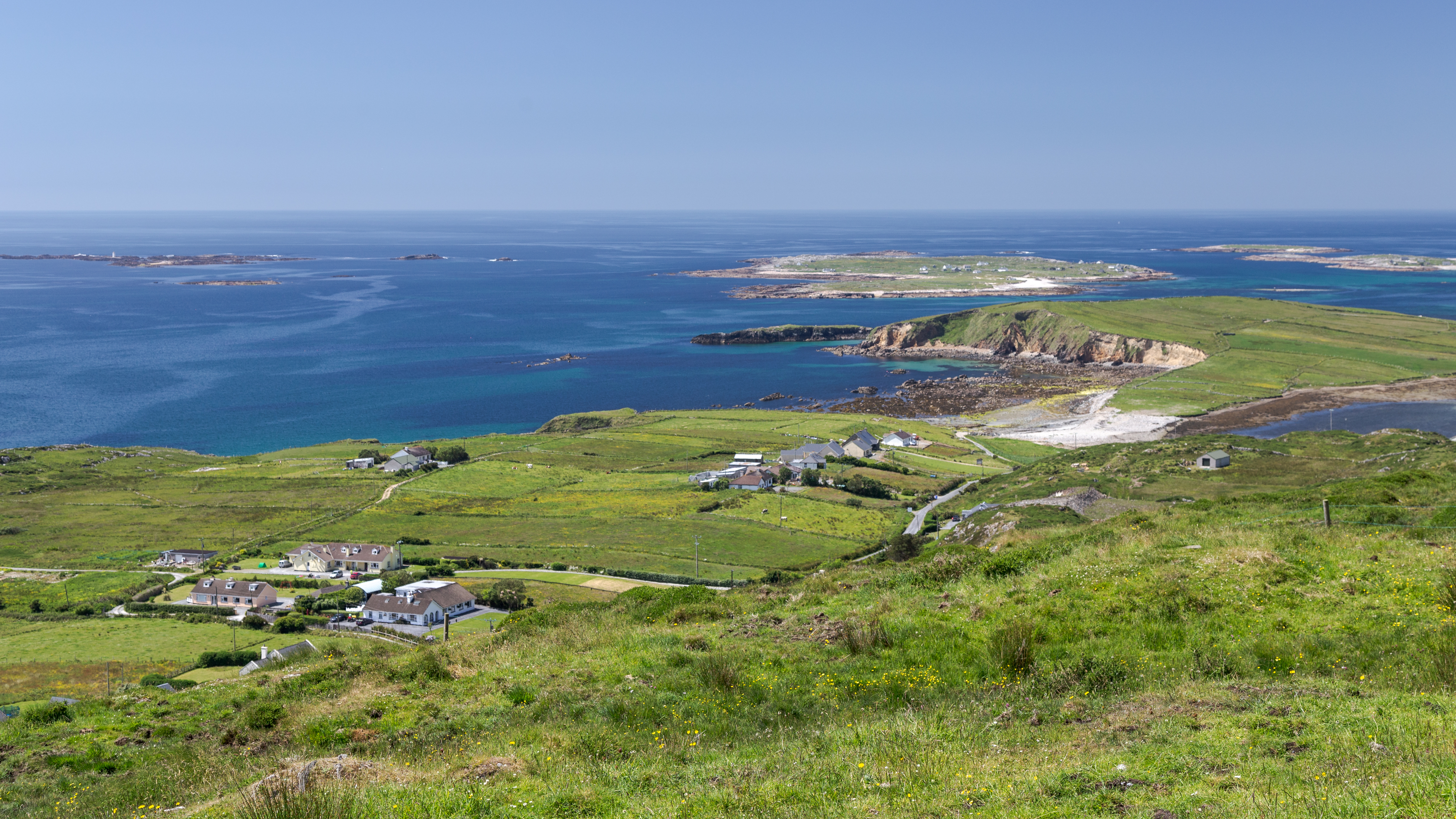
Clifden is the principal town of Connemara, County Galway, set on the Owenglin estuary between the Twelve Bens and the Atlantic coast. The surrounding coastline of bays and inlets is fished for pollack, wrasse, and mackerel from both shore and boat.
County
Galway
Region
West
Type
Coastal
Nearest towns
Clifden
Species
Ray, Pollack, Wrasse, Mackerel, Bass, Coalfish +4 more
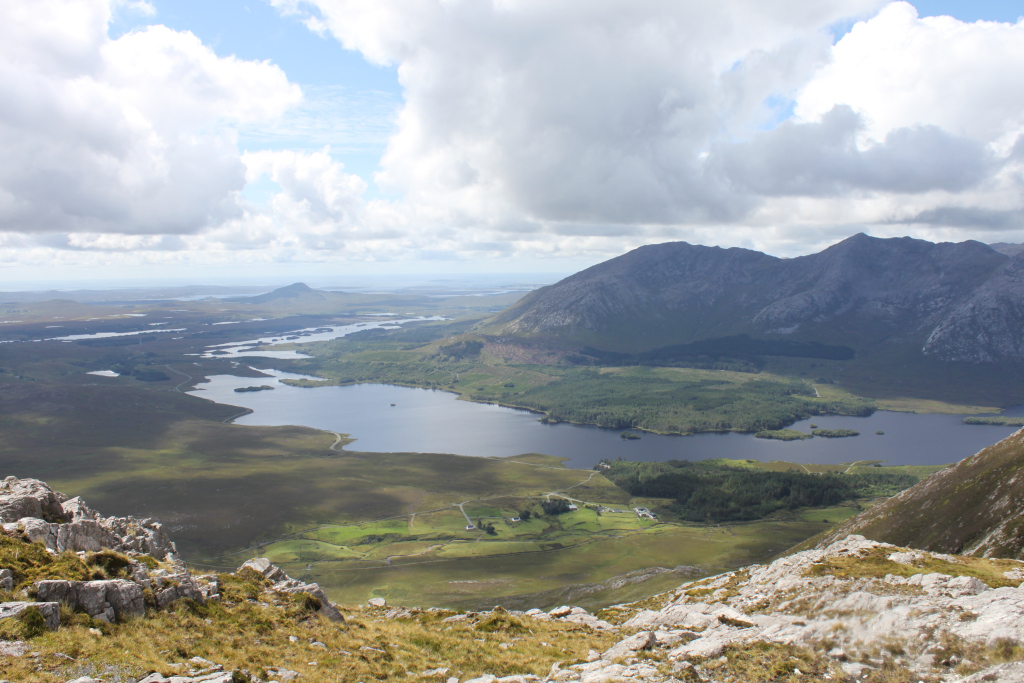
The Connemara coastline around Clifden is one of Ireland's most dramatic shore fishing destinations — a wild Atlantic seaboard where rocky headlands, sheltered bays, and long sandy beaches create an extraordinary variety of fishing marks.
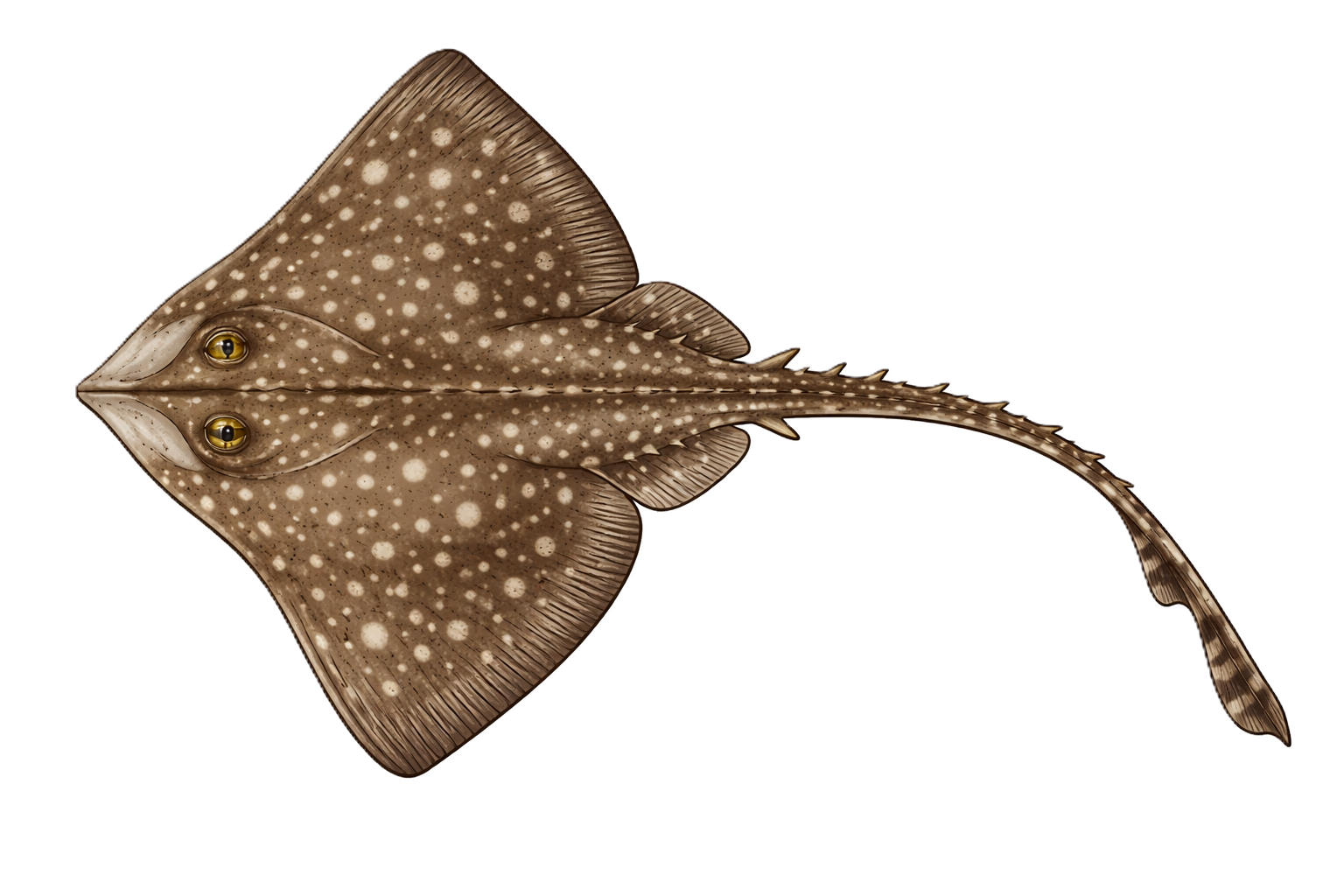
Ray fishing defines this coastline — thornback ray in particular are caught reliably from accessible marks throughout the year, with specimen fish to 6kg+ recorded from autumn beach sessions and spring rock marks. The sheltered bays between Coolacloy and Clifden produce consistent ray fishing on mackerel strip and herring baits. This is some of the finest accessible ray fishing in Connacht, complemented by abundant pollack on reef marks and wrasse in the kelp forests.
Pollack are the second headline species, found on every rocky mark along this coast. Fish crash-dive for the kelp when hooked, testing tackle and technique. Spinning with lures from headlands at dawn or working soft plastics over reef ground from a kayak produces fast-paced action. Double-figure fish are not uncommon on the deeper marks around Doon Hill and Errisbeg.
Wrasse fishing is excellent throughout the summer months, with ballan wrasse over 4lb taken regularly from kelp-covered rock marks. Float-fished crab baits or small soft plastics worked tight to the rocks are the go-to methods. The species provides reliable sport when other targets are less cooperative.
Mackerel arrive in huge shoals from June onwards and remain through September, providing both sport and bait for ray fishing. Feathering from rocks or piers is productive, and the first mackerel of summer signal the start of the prime ray fishing season when fresh bait becomes readily available.
The coastline is wild and exposed — Atlantic swells can make marks unfishable for days at a time, but when conditions settle, the fishing quality matches anywhere in the west of Ireland. Local knowledge of mark selection based on tide and weather is essential for consistent results.
Ray: March, April, May, September, October, November
Wrasse: May, June, July, August, September
Pollack: April, May, June, July, August, September, October
Mackerel: June, July, August, September
Difficulty
Beginner friendly
Access & bases
Clifden town is the main hub, located on the N59 from Galway city (approximately 75 km, 1 hour 15 minutes). Cleggan pier for charter boats and ferry access to Inishbofin is 16 km north of Clifden on the R341. Roundstone pier is 25 km south on the R341. Many shore marks are accessible directly from the road — parking is available at most headlands and pier access points. A car is essential for exploring the full range of marks. Several marks off the main road require a short walk across bog or rough ground — appropriate footwear is necessary.
Signature features
Accessible Ray Fishing
Unlike many ray marks in the west of Ireland that require long walks or boat access, the Clifden/Connemara coastline offers specimen ray fishing from marks that are within easy walking distance of car parks. The sheltered bays at Coolacloy, Streamstown, and Ballyconneely provide consistent fishing without the need for extreme casting distance or difficult terrain. This accessibility makes it one of the best ray fishing destinations in Connacht for visiting anglers.
Diverse Mark Selection
Within a short drive of Clifden, anglers can choose between sandy beaches for ray and flatfish, rocky headlands for pollack and wrasse, sheltered bays for mixed species, and pier marks for mackerel and flounder. This diversity means there is always a productive mark available regardless of wind direction or sea state. A southwest gale might see you fishing the sheltered east side of Roundstone Bay for ray, while a calm day opens up the exposed headlands for pollack.
Wild Atlantic Setting
Fishing the Connemara coast is as much about the setting as the catch. The dramatic Twelve Bens mountain backdrop, crystal-clear Atlantic waters, white coral beaches, and abundance of wildlife — seals, dolphins, sea birds — make every session memorable. Many marks are quiet and uncrowded even in peak season, offering a genuine wilderness fishing experience rare in western Europe.
Season by season
Spring (March – May)
Ray fishing picks up as water temperatures rise — specimen thornback ray are caught from beach marks and accessible rock platforms. Pollack become increasingly active on reef marks. Wrasse fishing begins in earnest from May. This is the prime window for large ray, with fish over 6kg possible from Ballyconneely and Streamstown beaches.
Summer (June – August)
Peak season with all species available. Mackerel arrive in force, providing fresh bait for ray sessions. Ray catch rates are highest (though average size smaller than spring). Pollack fishing is excellent on all rocky marks. Wrasse fishing peaks. Longest days allow extended sessions. Occasional bass may appear in sheltered bays but are not a reliable target.
Autumn (September – November)
The finest ray fishing of the year — specimen thornback ray feed heavily before winter, with the largest fish of the season taken from beach marks on calm autumn evenings. Pollack also feed aggressively before retreating to deeper water. Late mackerel provide bait. Weather becomes more variable, but settled windows offer outstanding fishing.
Winter (December – February)
Ray continue to be caught from accessible marks on calmer days. Flounder provide sport from piers and sheltered estuaries. Pollack retreat to deeper water but are still catchable from deeper rock marks. The coast is exposed to Atlantic gales, limiting opportunities, but productive sessions are possible between storms.
Best conditions
Based on 0 reports, these conditions consistently produce the best fishing on Clifden & the Connemara Coast:
💨
Light to moderate, any direction (mark selection adapts to wind)
Best wind
☁️
Overcast or low cloud for ray; bright days fine for pollack
Best sky
🌡️
10-16°C for ray; 12-18°C for pollack and wrasse
Water temp
⏰
Flooding tide for ray; dawn/dusk for pollack; any state for wrasse
Best window
Seasonal fly & tactics guide
Spring Ray (March – May)
Patterns
Mackerel stripWhole small mackerelHerring filletSandeel
Target ray from sandy beaches and mixed ground marks on a flooding tide. Use a running leger rig with a 4/0-6/0 hook baited with mackerel strip or whole small mackerel. Cast 40-80 metres onto clean sand or sand/rock boundaries where ray patrol. Fish two rods and be patient — long waits between takes are normal. When the rod tip nods, give the ray time to turn the bait before striking firmly. Spring produces the largest specimens, with fish over 6kg possible.
⚠️Common mistake: Striking too early. Ray pick up the bait and move off slowly — wait for a sustained pull before setting the hook. Also, using old frozen bait when fresh mackerel is available. Fresh bait massively outperforms frozen for ray.
Summer Pollack and Wrasse (June – August)
Patterns
4-5 inch shadsMetal jigsSoft plastic paddle tailsCrab bait (wrasse)
Fish dawn and dusk sessions on rocky headlands for pollack, using shads or metal jigs cast out and worked back with an erratic sink-and-draw retrieve. For wrasse, float-fish crab baits tight to kelp-covered rocks in 2-4 metres of water. Mackerel can be caught on feathers from any rock mark or pier. Use the fresh mackerel immediately as ray bait for evening beach sessions — the combination of a morning pollack/mackerel session followed by an evening ray session is the classic Connemara coast day.
⚠️Common mistake: Using tackle that is too light for pollack near kelp. When hooked, pollack dive straight for cover — you need a rod with enough backbone to turn them before they reach the kelp. 20-30lb braid mainline is standard.
The prime window for specimen ray. Fish beach marks on calm autumn evenings, targeting the last two hours of the flood and first hour of ebb. Use larger baits than summer — whole mackerel sides or mackerel/squid cocktails on 6/0 hooks. The largest ray feed close in, so do not neglect the 20-40 metre range. Calm, mild evenings with light onshore winds produce the best results. Multiple rod approach covers more ground.
⚠️Common mistake: Only fishing at distance. Specimen ray often feed surprisingly close to shore, particularly on the flood tide. Always fish one rod short (20-30m) as well as one at range.
Winter Flounder and Ray (December – February)
Patterns
LugwormRagwormMackerel stripPeeler crab
Target flounder from piers and sheltered estuaries using lugworm or ragworm on size 2-4 hooks with a two-hook paternoster rig. Ray continue on calmer days from beach marks using the same tactics as autumn but fish during the warmest part of the day (midday to early afternoon). Winter fishing requires flexibility — check forecasts and grab settled windows when they appear.
⚠️Common mistake: Giving up on ray in winter. While catch rates are lower, thornback ray are caught year-round on this coast. Mild, settled days in January and February can produce good fishing.
Core technique
Shore Ray Fishing — Running Leger
1Rig a running leger: 4-6oz grip lead on a pulley rig or running boom, 3ft trace of 40lb mono to a 4/0-6/0 O'Shaughnessy hook.
2Bait with fresh mackerel strip (6-8 inches long, skin on) or a whole small mackerel. Secure with bait elastic to prevent casting damage.
3Cast onto clean sand or sand/rock boundaries at 40-80 metres. Set the rod in a rest with the tip high and a slight bow in the line.
4Wait patiently. Ray takes are distinctive — a series of gentle nods as the ray settles over the bait, followed by a slow, sustained pull as it moves off.
5When the rod tip pulls down steadily, reel into the fish and set the hook with a firm strike. Ray fight with powerful wing-beats — maintain steady pressure and pump them in.
💡 Fresh bait is critical for ray. If mackerel are available, catch your own on feathers before starting the ray session. Fresh-caught mackerel outperforms frozen bait by a wide margin.
What works here
Flies and methods reported most successful by the community.
Where to Fish at Clifden & the Connemara Coast
Ballyconneely Beaches
The sandy beaches around Ballyconneely are the premier ray fishing marks on this coast. Clean sand and mixed ground hold thornback ray year-round, with specimen fish taken regularly in spring and autumn. Fish the flood tide with mackerel strip on running leger rigs. Easy access and parking. Also produces flatfish (flounder, plaice) and occasional turbot.
Streamstown Bay
A sheltered bay between Clifden and Roundstone offering consistent ray fishing from accessible marks. The mixed sand and rock bottom is ideal ray habitat. Best fished on a flooding tide. Also good for flounder in winter. Relatively sheltered from prevailing southwest winds, making it fishable when more exposed marks are blown out.
Coolacloy and Mannin Bay
Sheltered bays with sandy bottoms producing ray and flatfish. Mannin Bay is the one area where occasional bass are reported during summer, though they are not reliable. Good mackerel fishing from rocky marks at the bay entrances. The coral strand beaches are scenic but exposed — fish the sheltered inner bays for best results.
Doon Hill and Errisbeg Headlands
Rocky headlands offering excellent pollack fishing. Deep water close to shore holds fish over 8lb. Spinning with shads and jigs at dawn and dusk is the standard approach. Wrasse fishing is also excellent on float-fished crab. Exposed to Atlantic swells — only fishable in calm to moderate conditions. Requires scrambling over rocks, so proper footwear is essential.
Roundstone Pier and Harbour
Easy-access pier fishing for mackerel (summer), flounder (year-round), and occasional pollack. Good for beginners and families. The harbour area produces flounder on lugworm through winter. Also a useful mackerel-catching mark for stocking up on fresh ray bait before heading to the beaches.
Suggested trip formats
🎣 Dawn Pollack Session (3-4 hours)
Early start targeting pollack from rocky headlands with lures and shads. Fast-paced action as pollack feed aggressively at first light. Catch mackerel on feathers for bait, then move to a beach mark for ray if desired. Suitable for reasonably fit anglers comfortable on rocks.
🎣 Evening Ray Session (4-5 hours)
Afternoon/evening session targeting specimen ray from sandy beach marks. Set up with two rods on running leger rigs and fish the flooding tide into darkness. Patient, contemplative fishing with the chance of a specimen thornback ray. Suitable for all abilities — no rock scrambling required.
🎣 Full Day Mixed Species
The classic Connemara coast day: morning pollack and mackerel from rocky marks, followed by an evening ray session from the beach using fresh-caught mackerel as bait. Covers the full diversity of the coastline. Guided trips recommended for first-time visitors.
🎣 Winter Flounder and Ray (Half day)
Pier and beach fishing targeting flounder and ray during the quieter winter months. Sheltered marks provide fishable conditions even in poor weather. Lugworm and mackerel strip are the key baits. Fewer anglers and a different, quieter atmosphere on the coast.
Conservation & stewardship
🌿
European sea bass are subject to conservation measures under Irish and EU law. Under 2026 IFI regulations, bass must be returned alive during February and March. In all other months, the minimum size to retain a fish is 42cm and the daily bag limit is 2 fish per angler. Regulations are reviewed annually — check fishinginireland.info for the current season rules before retaining any bass. Catch and release is practised as standard by local guides and serious bass anglers throughout the year, regardless of what the regulations permit. Handle bass with wet hands, support the fish fully, minimise time out of water, and return it carefully. This approach protects a hard-won recovery in bass stocks and ensures the sport survives for future generations.
Frequently asked questions
Before You Go — Key Regulations
Jurisdiction
Republic of Ireland (IFI)
Season
Year-round – Year-round
No licence or permit is required for sea fishing in Ireland. European sea bass are subject to annual regulations set by Inland Fisheries Ireland.
Main access: Several experienced sea angling guides operate from the Clifden/Roundstone area. Guided trips cover ray, pollack, and wrasse fishing with all tackle provided. Booking recommended in peak season., Stanley's Tackle Shop, Clifden (bait, tackle, local advice), Connemara Sea Angling Club — local knowledge and mark information