📍Cork · South West📋IFI (Republic of Ireland)Season Open
16Species Present
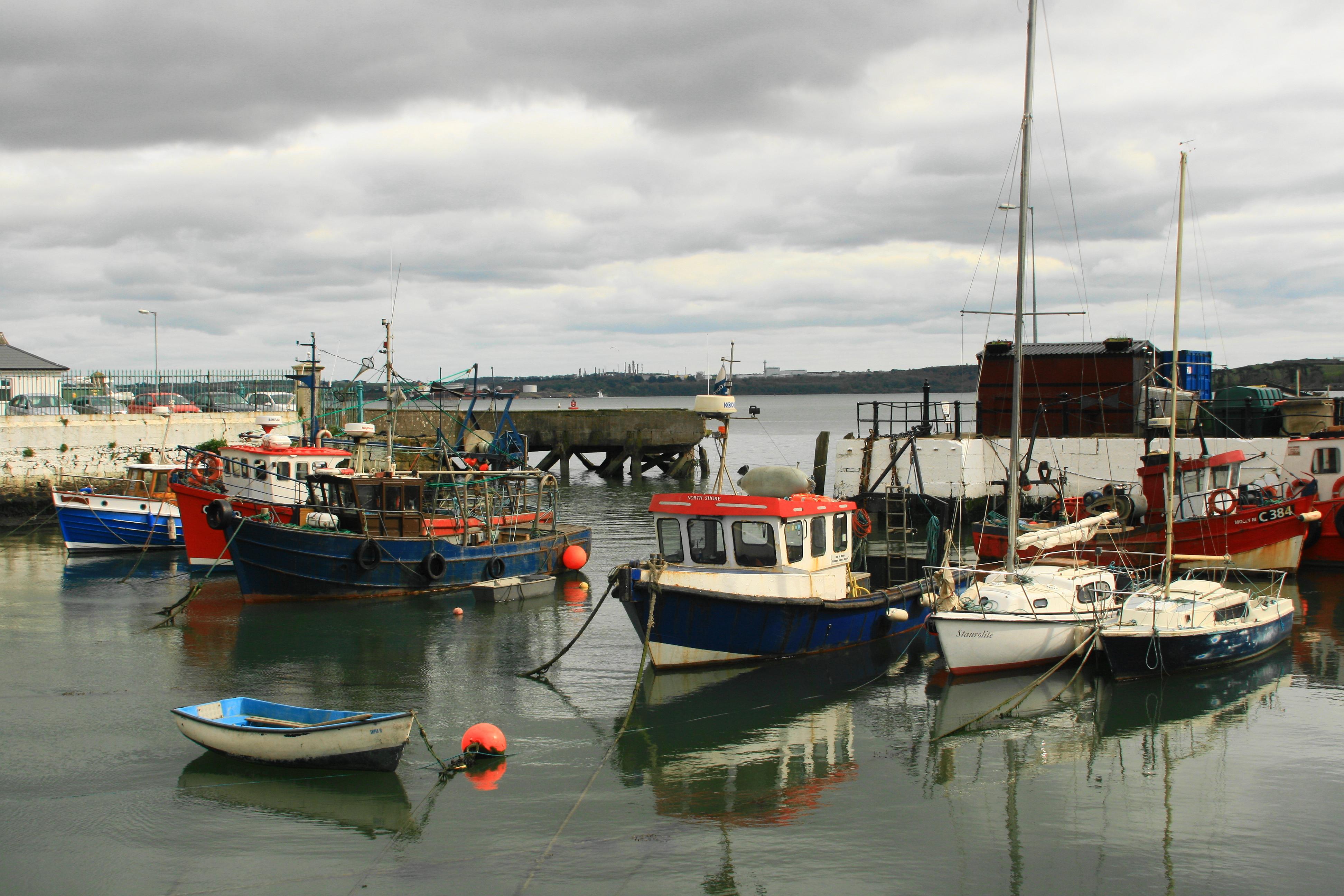
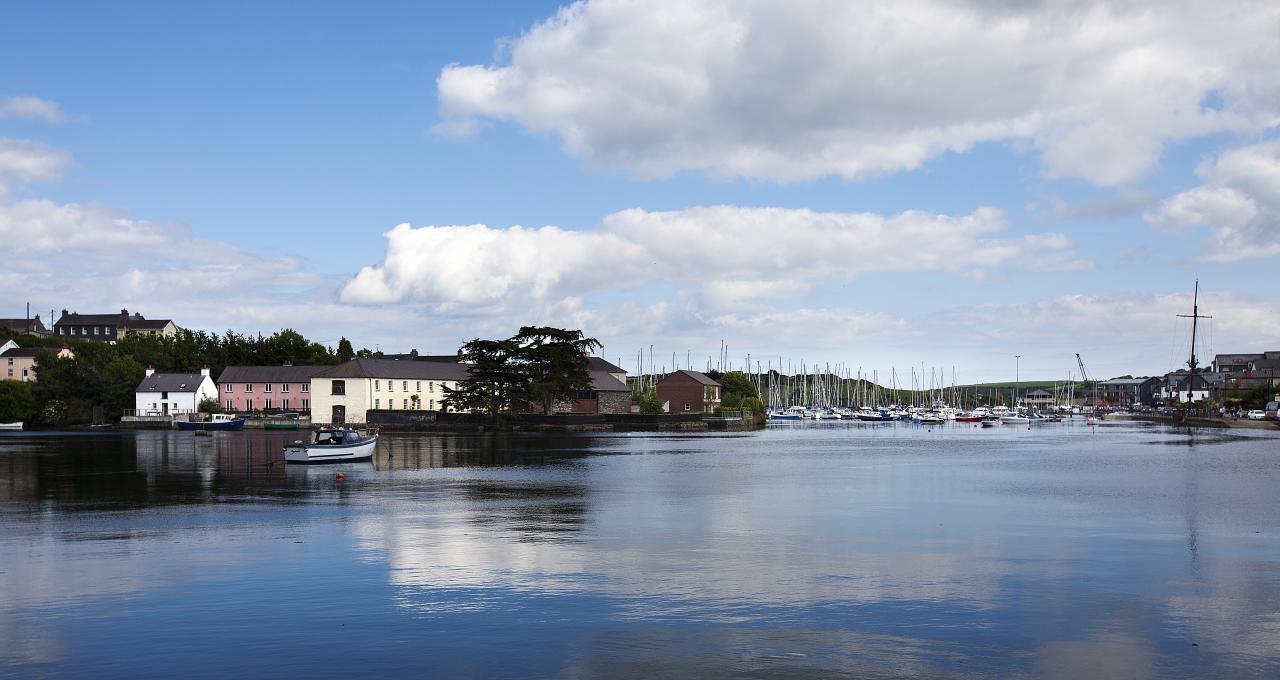
Cobh sits on Great Island within Cork Harbour, one of the largest natural harbours in the world, at the mouth of the River Lee. The harbour and its shoreline are fished for bass, flatfish, and mackerel.
County
Cork
Region
South West
Type
Coastal
Nearest towns
Cobh, Cork City
Species
Bass, Wrasse, Flounder, Thick-Lipped Grey Mullet, Pollack, Mackerel +10 more
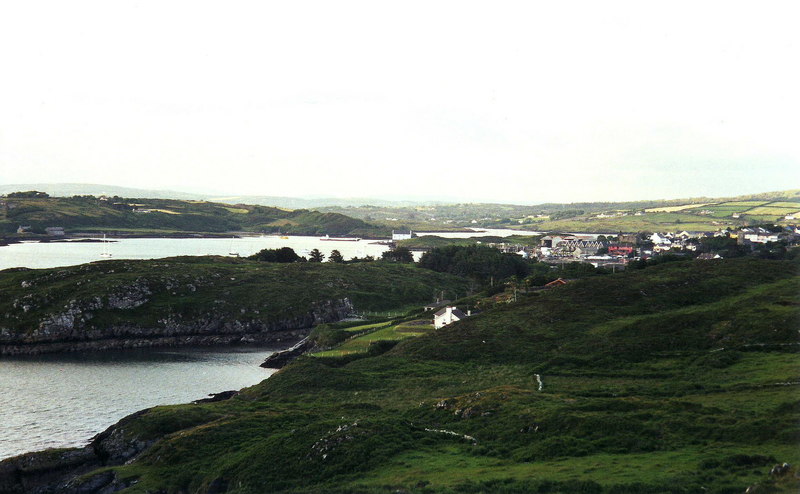
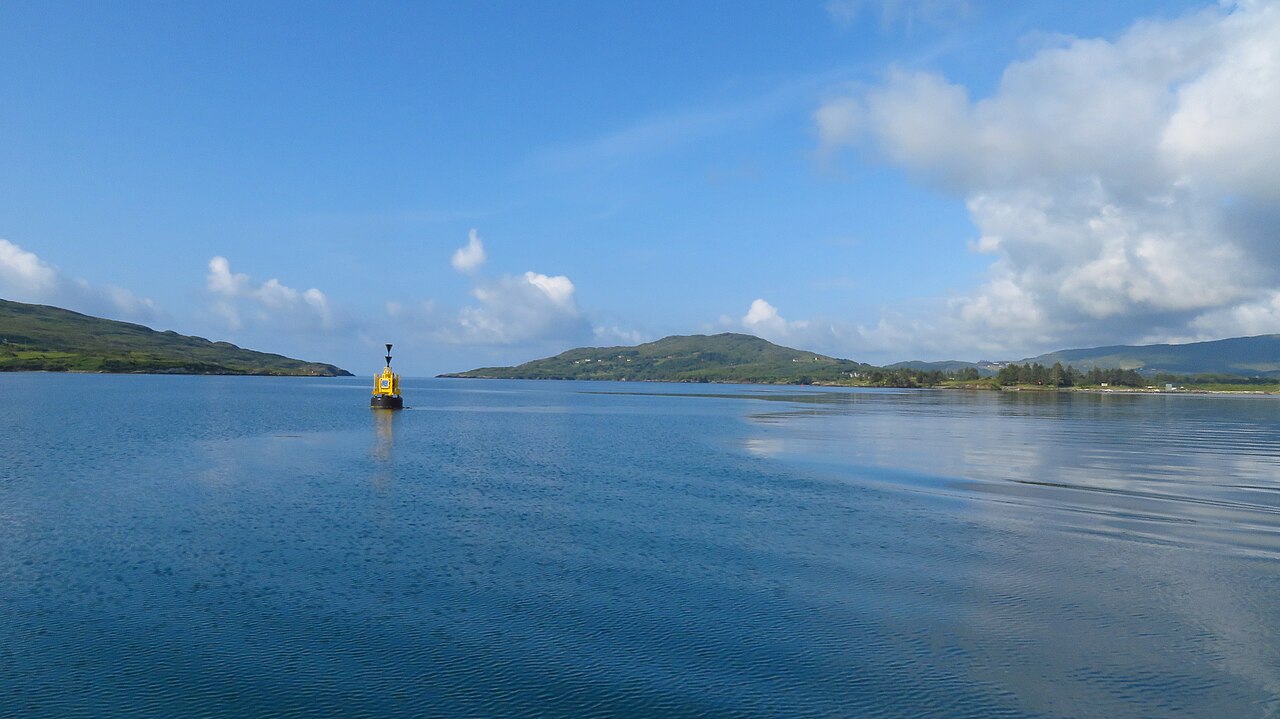
Cork Harbour is the second largest natural harbour in the world by navigable area — a vast, sheltered tidal system stretching inland from the Celtic Sea through a complex network of channels, islands, bays, and river estuaries. For sea anglers, this scale translates into an extraordinary diversity of habitat and species within a compact, accessible area. From the open-water marks around the harbour mouth at Roches Point to the sheltered upper reaches where the River Lee meets the tide, Cork Harbour offers fishing that ranges from serious specimen hunting to relaxed family sessions — often within sight of each other.
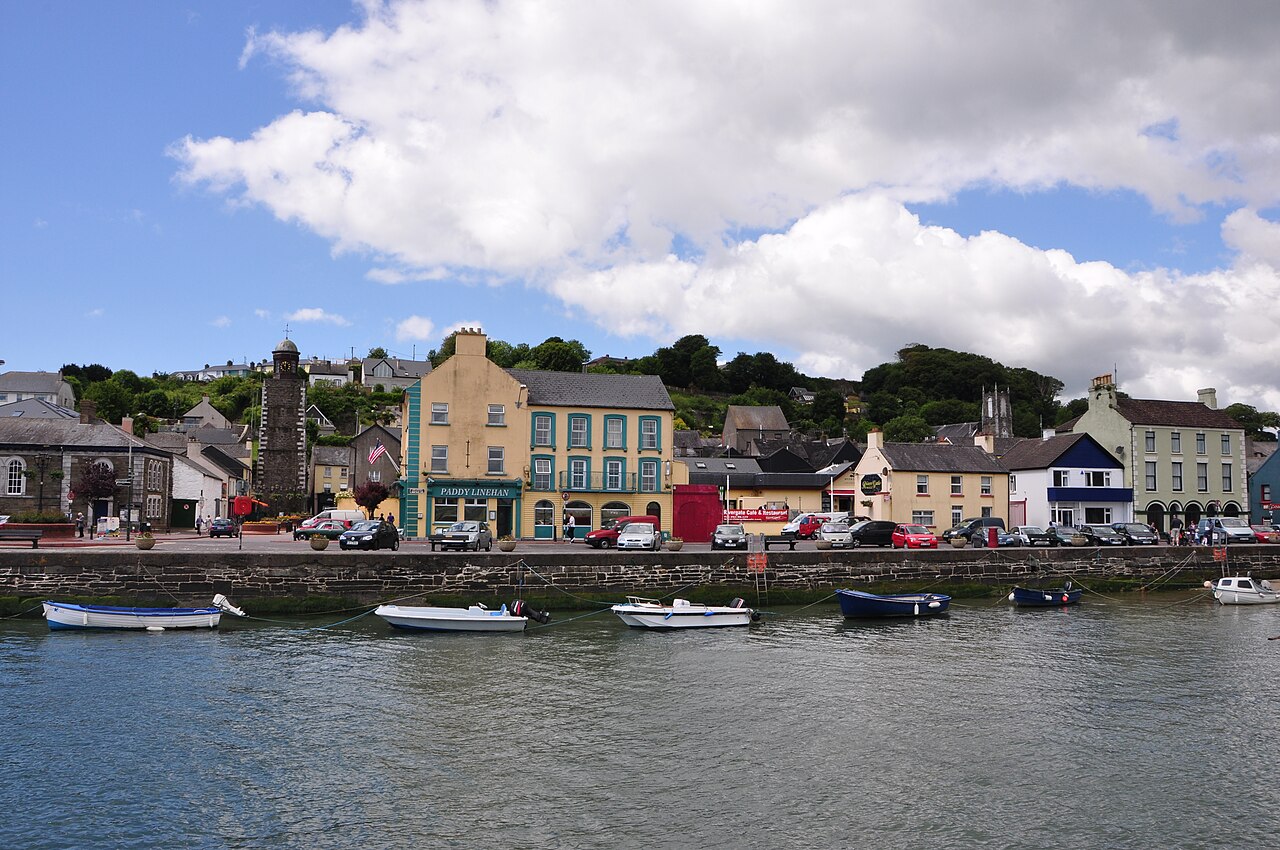
Cobh, the harbour's principal town, sits on Great Island at the centre of this system. Its deep-water quays, sheltered promenade, and commanding position over the main shipping channel make it both the natural base for visiting anglers and a productive fishing venue in its own right. The town's maritime heritage runs deep — this was the final port of call for the Titanic and the embarkation point for generations of Irish emigrants — and that connection to the sea gives Cobh a character that feels entirely appropriate for a fishing destination.
What makes Cork Harbour exceptional for sea angling is the interaction between tidal saltwater and the freshwater influence of the River Lee and its tributaries. This mixing creates a rich, nutrient-dense environment that supports dense populations of bass, flounder, mullet, and a wide range of other species. The harbour's sheltered nature means it fishes well in conditions that would make open-coast marks impossible — a significant and practical advantage during Ireland's frequent Atlantic weather systems. On days when the west and south-west coasts are blown out, Cork Harbour remains productive.
The harbour's sheer extent means there is always somewhere productive to fish. Rocky shorelines, sandy coves, deep-water quay walls, mudflats, estuary channels, pier heads, and open-water marks are all available within a twenty-minute drive of Cobh. For a visiting angler based in Cork city — Ireland's second city, with excellent international connections — this harbour represents a world of sea fishing on the doorstep.
Cork Harbour is consistently underrated relative to the more celebrated Atlantic venues further west. The species diversity is genuine, the fishing quality is very real, and the infrastructure is exceptional. It is among the most accessible serious sea angling venues in Ireland.
Mullet Fishing · All-Weather Harbour · Bass Fishing · Species Diversity · City Proximity · Year-Round Fishing
Difficulty
Beginner friendly
Access & bases
Cobh is connected to Cork city by a direct rail service (approximately 25 minutes) and is also accessible by road via the N25 and R624. Cork city is 15 to 25 minutes by car from most harbour marks. Crosshaven on the southern shore is reached by road from Cork in approximately 30 minutes. The harbour is well served by public parking at Cobh town centre, the promenade, and at Crosshaven harbour. The Cobh promenade and deep-water quays are within walking distance of the train station — productive fishing without any transport beyond the rail line. Rocky shoreline marks around the harbour require appropriate footwear but are generally accessible from roads and paths. Tackle shops are available in Cork city — stock up before heading to the harbour. Bait (ragworm, lugworm, peeler crab) can be sourced in Cork city or collected from the harbour at low tide.
Signature features
Scale and Shelter — The All-Weather Fishery
Cork Harbour's sheer size and sheltered configuration mean there is always somewhere fishable regardless of wind direction and sea state. When the Atlantic coast is storm-bound, the inner harbour marks fish on. When conditions are calm, the open-water marks near the harbour mouth and Roches Point offer exposed-coast-quality fishing. This reliability is a major practical advantage for visiting anglers who cannot afford blank days due to Atlantic weather.
The Mullet Challenge
Cork Harbour is one of Ireland's finest mullet venues. The warm, nutrient-rich water supports large shoals of thick-lipped grey mullet that cruise harbour walls, pier edges, and sheltered coves throughout summer. Mullet fishing is a discipline apart — light coarse fishing tackle, delicate presentation, and extraordinary patience. For anglers who enjoy the technical challenge, a session targeting mullet at Cobh or Crosshaven is among the most engaging experiences available in Irish sea angling.
Estuarine Species Diversity
The meeting of the River Lee with the tidal harbour creates a gradient of habitats from fully marine to brackish water. This gradient supports species that would not normally coexist — bass and flounder, pollock and mullet, wrasse and codling all occupy different niches within the same harbour system. The result is a species count from a single base that rivals destinations with far larger coastlines.
City Proximity with Genuine Quality
Cork Harbour is remarkable for combining genuine fishing quality with immediate accessibility from Ireland's second city. A visiting angler staying in Cork city centre can be fishing productive marks within twenty minutes. The harbour towns — Cobh, Crosshaven, Passage West — offer their own accommodation and character, but the option to base in Cork and reach the water quickly adds a level of flexibility available at few comparable venues.
Season by season
January – March
Flounder fishing is at its most productive in the estuarine channels of the upper harbour and River Lee estuary. Codling and whiting are present on deeper marks and from pier walls at night. Conger fishing from harbour walls and deep-water quays continues regardless of season. Bass are largely inactive in the coldest months but may appear during mild spells. The sheltered harbour remains fishable when the open coast is storm-bound — the key practical advantage of this venue during winter.
April – May
The harbour comes alive. Bass return to the rocky marks and channel edges. Wrasse become active as water temperatures rise above 10°C. Pollock appear on the deeper marks around the harbour mouth. Mullet begin shoaling along harbour walls from late April. The first mackerel scouts arrive by late May. Light angling pressure, improving conditions, and growing species variety make this one of the most pleasant periods to fish the harbour.
June – August
Peak season with the full species complement active simultaneously. Bass, wrasse, pollock, mullet, mackerel, and garfish are all productive. Evening bass sessions on the flooding tide are the highlight for many visiting anglers. Mullet fishing from the harbour walls is at its most visual and engaging. Mackerel from the piers provide sport for families and bait for specimen bass. The harbour is at its most diverse and accessible.
September – October
Outstanding autumn fishing. Bass are in peak condition, feeding aggressively before winter. Wrasse remain strong. Mullet continue into early October. Flounder fishing improves as water temperatures begin to fall from late September. Codling start appearing from October on the deeper marks. Many experienced harbour anglers consider this the prime period — excellent fishing with significantly less pressure than summer.
November – December
The harbour transitions to winter species. Flounder fishing peaks in the estuarine channels. Codling and whiting provide reliable sport from pier walls and deeper marks. Conger fishing from the harbour structures is consistent. Late bass are still possible in mild conditions. The shelter of the harbour means productive fishing continues through weather that would halt all activity on the open coast.
Best conditions
Based on 0 reports, these conditions consistently produce the best fishing on Cobh & Cork Harbour:
💨
Any direction — the harbour's shelter makes it viable in most conditions; harbour mouth marks suit offshore or light onshore winds
Best wind
☁️
Overcast to broken cloud ideal for bass and pollock; calm sunshine suits mullet fishing from the harbour walls
Best sky
🌡️
Seasonal
Water temp
⏰
Flooding tide for bass and pollock on rocky marks; high water for mullet on harbour walls; ebbing tide for flounder in estuarine channels
Best window
Seasonal fly & tactics guide
April – May (Harbour Awakens)
Patterns
3–4 inch shads (natural colours, bass and pollock)Small surface lures (calm evenings)Ragworm (early wrasse on float)Peeler crab (bass on leger)
Target the deeper-water marks first — the harbour mouth area and Roches Point warm before the inner reaches. Fish the flooding tide around rocky points and channel edges for returning bass. Mullet begin appearing along harbour walls from late April — observe their patrol patterns before setting up. Scale tackle down significantly from open-coast setups; Cork Harbour is a light-tackle venue.
⚠️Common mistake: Using gear that is too heavy. The sheltered harbour conditions rarely demand beachcaster-class tackle. Anglers arriving with open-coast setups miss the subtlety of harbour fishing and spook fish — especially mullet — with heavy presentations.
June – August (Peak Diversity)
Patterns
Soft plastics and surface poppers (bass)Metal spinners and feathers (mackerel)Bread flake and groundbait (mullet)Live prawn and sand eel (specimen bass)Crab (specimen wrasse)
Diversify sessions across species and methods — morning bass on the rocks, midday mullet fishing from the harbour wall, evening mackerel from the pier. The harbour rewards mobile, adaptable anglers who are prepared to switch methods as conditions and species change through the day. Do not ignore the mullet; they are visible, abundant, and represent one of the most satisfying challenges in Irish sea angling.
⚠️Common mistake: Dismissing mullet as uncatchable. They are not. They require the right approach — light tackle, patience, and a slow groundbait build-up. Anglers who invest time in learning the mullet marks at Cobh or Crosshaven are rewarded with outstanding sport.
September – October (Specimen Window)
Patterns
5–6 inch shads and medium diving plugs (specimen bass)Slow-rolled shads (late pollock)Whole sand eel or live prawn (bass, leger)Ragworm (flounder, from late September)Squid strip (early codling)
This is the best window for a large bass from the harbour. Fish the deeper channel marks on strong tides — bass that have spread through the harbour during summer begin concentrating on feeding edges as water cools. Dawn sessions with large lures produce the biggest fish. Flounder fishing picks up from late September in the estuarine channels as the season transitions.
⚠️Common mistake: Remaining on summer marks into autumn. Bass change behaviour significantly as water temperatures fall — they shift into deeper channels and feed in shorter, more aggressive windows. Anglers who identify these autumn marks consistently outperform those who fish familiar summer spots into October.
November – March (Winter Harbour)
Patterns
Heavy jigs and shads (codling, deep marks)Small soft plastics (harbour pollock)Ragworm and cocktail baits (flounder, channels)Lugworm and squid (codling, whiting, pier walls)Large baits (conger, deep-water quays)
Flounder fishing is the winter highlight — light tackle in the sheltered estuarine channels is genuinely rewarding fishing even in cold weather. Night sessions from the piers for codling and whiting. Conger from the deep-water quay walls and harbour structures. The harbour's shelter means comfortable fishing continues through conditions that would stop all activity on the open coast.
⚠️Common mistake: Thinking the season ends with summer. Cork Harbour fishes productively through winter and the shelter makes it comfortable when the rest of the coast is unfishable. Winter flounder fishing in particular is a largely untapped opportunity for visiting anglers.
Core technique
Harbour Wall Mullet Fishing
1Set up quietly on a harbour wall or promenade where mullet are visible or known to patrol. Avoid heavy footsteps and sudden movements — mullet are acutely sensitive to vibration and shadow.
2Mix groundbait using liquidised bread, optionally with a small amount of pilchard oil. Introduce small balls at regular intervals to build a feeding zone against the base of the wall.
3Use a light rod (match or light spinning, 10–12ft), small fixed-spool reel, 6–8lb mainline, and a size 8–10 hook. A small waggler float set 2–3 feet deep is the standard rig for harbour wall mullet.
4Bait with a thumbnail-sized piece of bread flake pinched lightly onto the hook — firm enough to cast but soft enough to break apart in the water. Harbour ragworm on a small hook is an effective alternative.
5Watch the float closely. Mullet bites are subtle — a gentle dip, a slow draw under, or the float lifting slightly as the fish mouths the bait. Strike firmly but not violently at any definite movement.
6A hooked mullet runs hard and fast along the wall. Keep the rod high and use the drag — do not attempt to bully the fish. Let it tire progressively before drawing it to a landing net.
💡 Mullet fishing demands patience that most sea anglers are unused to. Sessions of several hours with few bites are entirely normal during the building phase. The reward is proportionate to the effort — a mullet of 1.5 kg from Cork Harbour on light tackle is a more demanding achievement than many open-sea species of twice the weight.
What works here
Flies and methods reported most successful by the community.
Where to Fish at Cobh & Cork Harbour
Cobh Promenade & Deep Water Quay
Accessible year-round pier and wall fishing. Mackerel, pollock, wrasse, and mullet in summer. Codling and whiting in winter. The deep-water quay accesses the main shipping channel and holds bigger fish — conger, pollock, and occasional bass on the tide. The promenade is family-friendly, suitable for beginners, and within walking distance of the train station.
Roches Point & Harbour Mouth
Open-water marks where the harbour meets the Celtic Sea. Deeper water, bigger pollock, bass on the rocks, and access to ray and tope from boats. The most exposed section of the harbour, offering the closest thing to open-sea conditions. Rocky shore marks here require experience and awareness of swell — treat with the same respect as exposed coastline venues.
Crosshaven & Currabinny
The southern shore of the harbour. Rocky marks for wrasse and pollock, sheltered coves for bass, and productive mullet fishing from the harbour walls. Currabinny gives access to quieter marks on the Owenboy River estuary — flounder and bass territory that receives considerably less pressure than the more prominent harbour marks.
Spike Island & Haulbowline Area
The waters around these central islands hold bass, pollock, and wrasse. The tidal flows between the islands and the mainland create productive current edges. Some shore marks are accessible when Spike Island is open to visitors; the area is also well-suited to kayak anglers who can reach marks unavailable from the shore.
Upper Harbour & River Lee Estuary
Sheltered, brackish water from Passage West upstream. Prime flounder territory in winter — the productive season runs from October through March. Mullet in summer along the channel edges. Bass on the flooding tide along the margins. Light tackle fishing in calm, sheltered water — a complete contrast in character to the harbour mouth marks.
Ballycotton (30 minutes east)
Outside the harbour proper but within easy reach. Ballycotton's charter fleet offers access to serious offshore fishing — blue shark, tope, specimen ray, and deep-water reef species that are not easily reached from within the harbour. Worth a day trip from a Cobh or Cork city base for anglers wanting deepwater charter fishing.
Suggested trip formats
🎣 City Break Add-On
One to two days of fishing attached to a Cork city visit. Train to Cobh for harbour wall fishing, or drive to Crosshaven for rock marks. No specialist preparation required — light tackle and basic bait provide a full day's sport.
🎣 Mullet Specialist Sessions
Three to four days dedicated to the harbour's mullet population. Cobh promenade, Crosshaven walls, and sheltered coves on the flooding tide. Bring freshwater match tackle and bread. The ultimate light-tackle challenge for experienced anglers seeking something genuinely different.
🎣 Mixed Species Explorer Week
A week covering the full harbour system — bass on lures at dawn, mullet from the walls at midday, wrasse in the afternoon, mackerel in the evening. Add a charter day to Ballycotton for offshore species. Fifteen or more species from the harbour complex is a genuinely achievable target.
🎣 Family Introduction
Two to three days of accessible fishing from Cobh promenade and pier walls. Mackerel, wrasse, and harbour species on simple setups for all ages. Combine with Cobh Heritage Centre, Spike Island tour, and Cork city attractions. Suitable for children and beginners with no previous fishing experience.
Conservation & stewardship
🌿
European sea bass are subject to conservation measures under Irish and EU law. Under 2026 IFI regulations, bass must be returned alive during February and March. In all other months, the minimum size to retain a fish is 42cm and the daily bag limit is 2 fish per angler. Regulations are reviewed annually — check fishinginireland.info for the current season rules before retaining any bass. Catch and release is practised as standard by local guides and serious bass anglers throughout the year, regardless of what the regulations permit. Handle bass with wet hands, support the fish fully, minimise time out of water, and return it carefully. This approach protects a hard-won recovery in bass stocks and ensures the sport survives for future generations.
Frequently asked questions
Before You Go — Key Regulations
Jurisdiction
Republic of Ireland (IFI)
Season
January – December
Licence required
Yes — State Salmon Rod Licence
No licence or permit is required for sea fishing in Ireland. European sea bass are subject to annual regulations set by Inland Fisheries Ireland.
Main access: Charter boats operating from Cobh and Crosshaven for harbour and mixed-species fishing; Ballycotton charter fleet (30 minutes east) for offshore shark, tope, and deep reef species, Cork city — tackle shops and bait suppliers; stock up before heading to harbour marks; Cobh and Crosshaven have limited in-village tackle supply, Cork Harbour Fisheries; IFI South Western Region — local angling development and harbour fishery information