📍Kerry · South West📋IFI (Republic of Ireland)Season Open
15Species Present
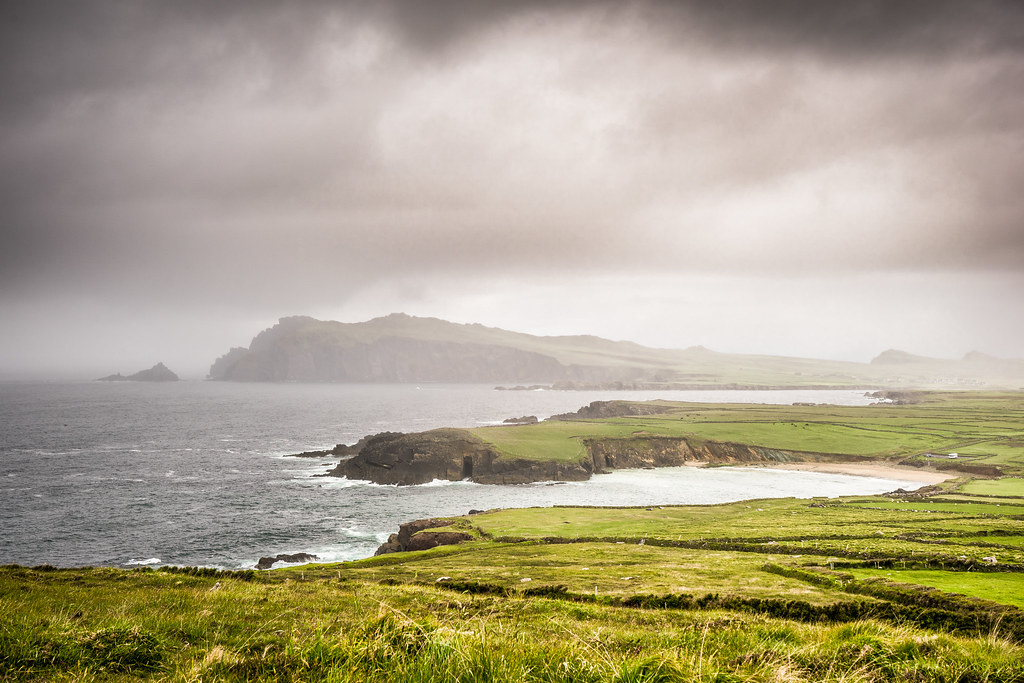
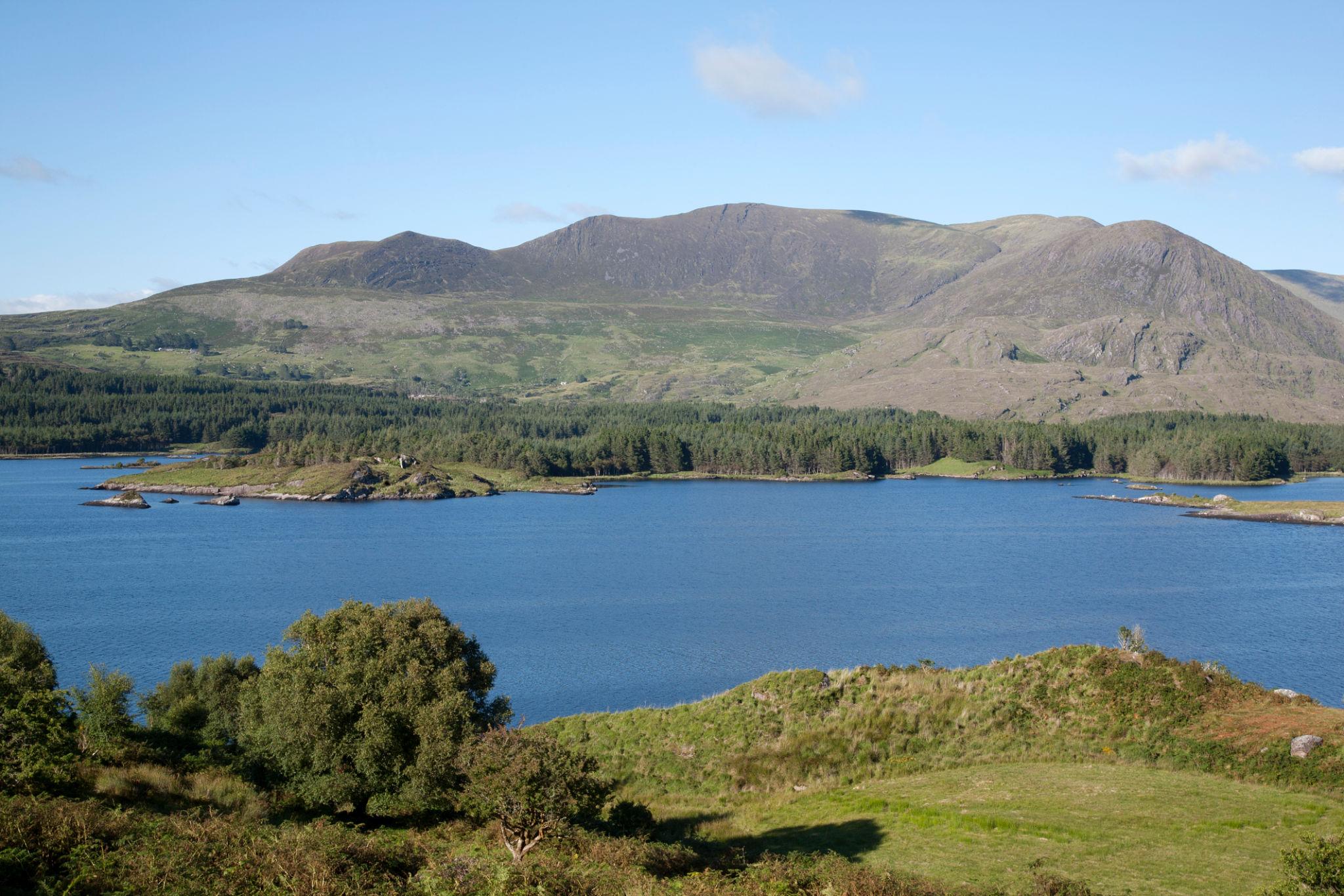
The Dingle Peninsula in west Kerry is bounded by Dingle Bay to the south and the open Atlantic to the north, centred on Dingle town and harbour. Its varied rocky and sandy coastline is fished for pollack, bass, and wrasse.
County
Kerry
Region
South West
Type
Coastal
Nearest towns
Dingle
Species
Bass, Pollack, Mackerel, Wrasse, Blue Shark, Tope +9 more
The Dingle Peninsula is one of Ireland's most dramatic and productive sea fishing destinations — a rugged finger of land extending into the North Atlantic where deep water, strong tidal flows, and a complex coastline of reefs, harbours, surf beaches, and sheer cliff faces create a remarkable diversity of angling opportunity. From the sheltered inner waters of Dingle Harbour to the exposed Atlantic headlands of Slea Head and Brandon Point, the peninsula offers quality fishing to every level of sea angler, from beginners dropping feathers for mackerel off the pier to experienced shore anglers working remote surf beaches for specimen bass.
The town of Dingle serves as the natural base for visiting anglers. Its harbour is home to a charter fleet working the offshore grounds where blue shark, porbeagle, tope, and deepwater species including ling, pollock, and coalfish are found in genuine abundance. The continental shelf drops away relatively close to shore along this stretch of coast, and the influence of the North Atlantic Drift brings warmer water and pelagic species within reach throughout the summer months.
What distinguishes the Dingle Peninsula from many Irish sea angling venues is the sheer variety available within a compact area. A visiting angler can fish a dawn session for bass in the surf at Inch Strand, spend the afternoon targeting pollock from the rocks at Dunmore Head, and return to Dingle Harbour for an evening mackerel session — all within a twenty-minute drive. Add the offshore charter grounds and the peninsula comfortably fills a full week of varied, high-quality sea angling.
The coastline is wild, largely unspoilt, and strikingly beautiful. Fishing here is as much about the experience as the catch — the Blasket Islands on the horizon, gannets diving offshore, the quality of Atlantic light on open water. For international visitors in particular, this combination of serious fishing and iconic Irish landscape is difficult to match anywhere else on the island. The peninsula sits at a meeting point of temperate and warmer Atlantic currents, which occasionally pushes warm-water visitors such as triggerfish and John Dory into inshore waters — a reminder that this is not an ordinary stretch of coast.
Conservation is taken seriously among the Dingle angling community. Shark and tope fishing operates on a strict catch-and-release basis, bass regulations are observed, and the long-term health of the fishery is understood to depend on responsible practices. This culture of stewardship, combined with the peninsula's relative remoteness and lower fishing pressure than east-coast venues, means stocks remain in good condition.
Blue Shark · Atlantic Bass Fishing · Offshore Charter · Blasket Islands · Inch Strand · Year-Round Fishing
Difficulty
Intermediate
Access & bases
Dingle town is the primary base for the peninsula and is well served by road — the N86 from Tralee and the R559 coast road from Killarney via the Connor Pass. The town is approximately two and a half hours from Cork and Shannon airports and four hours from Dublin. Ample parking is available at the harbour and marina, where charter boats depart. Shore marks along the R559 coast road are accessible via lay-bys and short walks, though the western headlands around Slea Head and Dunmore Head require careful access assessment and appropriate footwear. Inch Strand is reached from the N70 on the southern shore and has designated parking. Brandon Bay and Brandon Point on the northern coast are accessed via the Conor Pass or the northern coast road through Castlegregory. Tackle shops in Dingle town stock sea fishing gear and bait, and can advise on current conditions and productive marks. No licence is required for sea angling from the shore in the Republic of Ireland.
Signature features
World-Class Blue Shark Grounds
The deep Atlantic water off the Dingle Peninsula is among the most consistent blue shark territory in the northeast Atlantic. The convergence of the North Atlantic Drift with deeper cold water creates a productive mixing zone that concentrates baitfish, drawing sharks from considerable distances. Dingle's shark fleet has accumulated decades of knowledge of these grounds, and catch-and-release practices are fully established.
Inch Strand — A Landmark Surf Beach
Inch Strand is among the most celebrated bass marks in Ireland. A vast arc of sand backed by dunes, it faces into the prevailing south-westerly weather and receives consistent Atlantic swell. The beach creates gutters, channels, and sandbanks that concentrate bass, particularly on the flooding tide. Fishing Inch in the right conditions — moderate surf, coloured water, early morning — is one of the defining experiences of Irish sea angling.
The Blasket Islands Offshore
The Great Blasket and its satellite islands sit just off the western tip of the peninsula. The waters around them are highly productive — strong tidal flows through the Blasket Sound create feeding opportunities for pollock, coalfish, and bass. Charter boats working the Blasket reefs and wrecks encounter large pollock and ling, and the seabird activity over these grounds reliably indicates concentrations of baitfish and the predators that follow them.
Year-Round Variety
Few stretches of Irish coastline offer such variety within such a compact area. Surf beaches, boulder storm beaches, cliff marks, sheltered harbours, pier fishing, rocky headlands, and deep offshore water are all accessible from a single base in Dingle town. This makes the peninsula an exceptional destination for mixed-discipline anglers or groups with varying experience levels and species targets.
Season by season
January – March
The quietest period for shore fishing. Wreck and reef marks offshore continue to produce pollock, ling, and conger for charter boats in settled weather. Shore anglers targeting bass in mild spells can find fish in estuarine areas and harbour mouths. Codling occasionally appear on bait-fished marks during cold snaps.
April – May
The season opens. Pollock return to inshore marks in numbers, wrasse become active as water temperatures climb above 10°C, and the first mackerel arrive by late May. Bass fishing improves steadily through April, particularly on surf beaches after onshore storms push food into the shallows. An excellent period for shore lure fishing — fewer anglers, hungry fish, and long evenings.
June – August
Peak season across all disciplines. Mackerel shoals are thick along the coast, bass fishing hits its stride on surf beaches and rocky marks, and the offshore charter season is in full swing with blue shark, tope, and reef species all available. Water temperatures reach 14–17°C, bringing warmer-water visitors within range. This is the optimum window for visiting anglers and charter bookings fill quickly.
September – October
Autumn is quietly one of the best periods on the peninsula. Bass are at peak condition, feeding hard ahead of winter, and the largest shore fish of the year are typically encountered now. Pollock remain strong on inshore marks. Shark and tope are still available offshore into October. Fewer visiting anglers mean the best marks are less pressured.
November – December
Shore fishing shifts toward winter species — codling, whiting, and ray on bait-fished marks. Bass become less predictable but remain present in sheltered estuarine areas. Charter activity winds down for most boats, though wreck fishing remains productive for those willing to venture out. Storm beaches can produce exceptional fishing in the aftermath of Atlantic weather systems.
Best conditions
Based on 0 reports, these conditions consistently produce the best fishing on Dingle Peninsula:
💨
Offshore or light onshore (shore fishing); moderate conditions for charter boats
Best wind
☁️
Overcast to broken cloud; low light periods most productive for bass and pollock
Best sky
🌡️
Seasonal
Water temp
⏰
First two hours of the flooding tide for most shore species; dawn and dusk for bass and pollock
Best window
Seasonal fly & tactics guide
April – May (Season Opening)
Patterns
4-inch paddle tail shadsSavage Gear sand eelsSmall metal spinnersLugwormRagworm
Target sheltered rocky marks for early-season pollock. Work lures slowly through mid-water at reduced retrieve speed — fish are sluggish in cooler water and will not chase fast presentations. Bass begin feeding on surf beaches as temperatures lift; fish the gutters on a flooding tide with lugworm or ragworm on a running ledger.
⚠️Common mistake: Fishing too fast. Early season fish in cold water require a significantly slower retrieve than peak summer. Anglers accustomed to summer presentations often cover the water without ever getting a take.
Dawn and dusk sessions on rocky marks produce the best pollock sport. Live-bait a mackerel under a float for bass around harbour walls and estuary mouths. Offshore shark drifts begin in earnest with whole mackerel or mackerel flapper on circle hooks below a balloon float. Tide state is critical — the first two hours of the flood are significantly more productive than slack water.
⚠️Common mistake: Ignoring the tide. Experienced local anglers structure their entire session around the tide tables. An average mark fished on the right tide will consistently outperform a better mark fished at slack water.
This is the window for specimen fish. Target deeper drop-offs for large pollock on heavier jig heads. Fish Inch Strand at dawn for bass in peak condition. Book shark charters well in advance. Move marks with the tide — locations that fish well on the flood often die completely on the ebb.
⚠️Common mistake: Fishing the same mark all session. Productive shore marks on the Dingle Peninsula are highly tide-dependent. Visiting anglers who do not adjust position as conditions change will see results drop sharply.
October – November (Autumn Transition)
Patterns
3–4 inch shadsMetal jigsMackerel strip (codling)Squid (offshore)Lugworm (pier)
Storm beach fishing after Atlantic weather produces exceptional bass — fish follow the disturbed food into the shallows. Codling begin to appear on pier marks and bait-fished beaches. Metal jigs fished from shore produce pollock feeding aggressively ahead of winter. October is frequently the best month of the year for specimen shore bass.
⚠️Common mistake: Ending the season too early. Many visiting anglers assume the fishing is over by September. The autumn transition period is underrated and less pressured — local anglers who know this fish the best marks almost undisturbed.
Core technique
Shore Lure Fishing for Pollock
1Select a rock platform with access to deep water — at least 3 metres within casting range. Look for kelp beds, gullies between submerged rocks, and depth transitions indicated by colour changes in the water.
2Cast beyond the target area and allow the lure to sink to depth — count it down consistently so you can repeat productive retrieve windows.
3Retrieve with a slow, steady wind punctuated by occasional pauses and rod-tip lifts. Pollock typically strike on the drop or during a pause rather than on the retrieve itself.
4When a fish takes, resist striking hard. A firm lift of the rod is sufficient — pollock hook themselves on the turn.
5Keep the rod tip high during the fight to steer fish away from kelp. The first dive is the most powerful — be prepared to give controlled line rather than forcing the fish.
💡 Reading the water is the skill that separates consistently productive shore lure anglers from average ones. Current lines, wash from submerged rocks, and colour transitions indicating depth changes all mark the ambush points where pollock concentrate. Fish these features systematically before moving to the next mark.
What works here
Flies and methods reported most successful by the community.
Where to Fish at Dingle Peninsula
Inch Strand & Castlemaine Harbour
The peninsula's premier surf fishing zone. Three miles of sand with gutters, channels, and sandbanks that concentrate bass, flatfish, and ray on the flooding tide. The inner harbour area also produces flounder and school bass on lighter tackle. Best fished at dawn or dusk with a moderate onshore swell.
Dingle Harbour & Marina
Accessible year-round pier fishing suitable for all levels. Mackerel from May onwards, pollock around the harbour walls, and occasional bass. The departure point for all charter trips. Family-friendly and well suited to beginners or those wanting a low-effort session.
Slea Head to Dunmore Head
Spectacular cliff-edge and rock-platform marks with deep water access — among the most productive pollock marks on the peninsula. Fish of 2 kg and above are realistic from these positions. Also holds wrasse, mackerel, and occasional bass. Requires careful access assessment and is not suitable for inexperienced anglers or heavy swell conditions.
Clogher Head & Wine Strand
Mixed ground offering both rock and beach fishing with easier access than the Slea Head marks. Clogher is a productive pollock and wrasse mark. Wine Strand produces bass and flatfish on bait. A good choice for anglers wanting the variety of the western peninsula without the technical demands of the exposed cliff marks.
Brandon Point & Brandon Bay (North Coast)
The northern face of the peninsula offers different character — more exposed to northerly weather but highly productive for bass, pollock, and autumn codling. Brandon Creek is a dramatic deepwater mark. Brandon Bay provides extensive beach fishing options less visited than Inch Strand.
Offshore Marks (Charter Required)
Blue shark grounds lie 15–30 miles offshore. Reef systems around the Blasket Islands hold large pollock, ling, and coalfish. Wreck marks produce conger, ling, and cod. Tope marks are found over mixed sand and reef ground at moderate depth. Charter skippers select marks based on conditions, season, and target species — prior booking is essential for July and August departures.
Suggested trip formats
🎣 Weekend Shore Explorer
Two days covering the peninsula's key shore marks — surf fishing at Inch Strand, lure fishing from the rocks at Slea Head or Clogher Head, and an evening pier session in Dingle Harbour. Ideal as a self-guided short break based in Dingle town.
🎣 Shark & Shore Week
Five days combining two offshore charter days targeting blue shark, reef pollock, or wreck species with three days of varied shore fishing across the peninsula's zones. The complete Dingle sea angling experience.
🎣 Family Introduction
Two to three days designed around accessible marks — mackerel fishing from Dingle Pier, a half-day charter departure, and a beach fishing session at Inch Strand. All ages and abilities accommodated with light tackle.
🎣 Bass Specialist Break
Three to four days focused on bass — dawn surf sessions at Inch Strand, lure fishing from rocky headlands, and float-fished live bait around harbour walls. Best timed for September or October when specimen fish are at peak condition and angling pressure has dropped.
Conservation & stewardship
🌿
European sea bass are subject to conservation measures under Irish and EU law. Under 2026 IFI regulations, bass must be returned alive during February and March. In all other months, the minimum size to retain a fish is 42cm and the daily bag limit is 2 fish per angler. Regulations are reviewed annually — check fishinginireland.info for the current season rules before retaining any bass. Catch and release is practised as standard by local guides and serious bass anglers throughout the year, regardless of what the regulations permit. Handle bass with wet hands, support the fish fully, minimise time out of water, and return it carefully. This approach protects a hard-won recovery in bass stocks and ensures the sport survives for future generations.
Frequently asked questions
Before You Go — Key Regulations
Jurisdiction
Republic of Ireland (IFI)
Season
January – December
No licence or permit is required for sea fishing in Ireland. European sea bass are subject to annual regulations set by Inland Fisheries Ireland.
Main access: Charter boats operate from Dingle Harbour offering full-day and half-day offshore trips for shark, reef, and wreck species; local guided shore fishing sessions also available on request, Dingle town — tackle shops, charter bookings, and local fishing advice available in the town centre, Kerry County Board Angling — regional angling development and information