📍Donegal · North West📋IFI (Republic of Ireland)Season Open
24Species Present
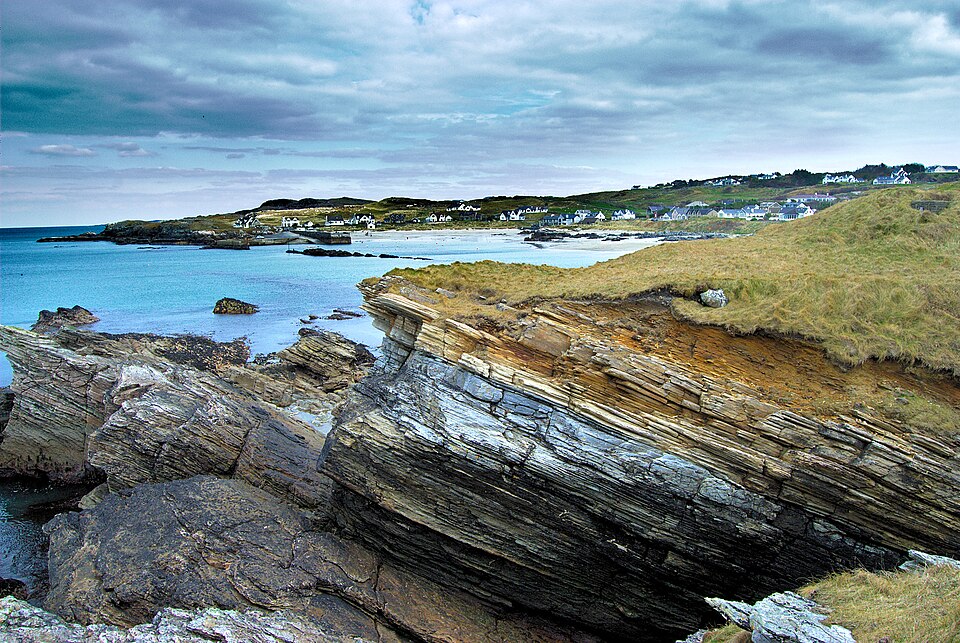
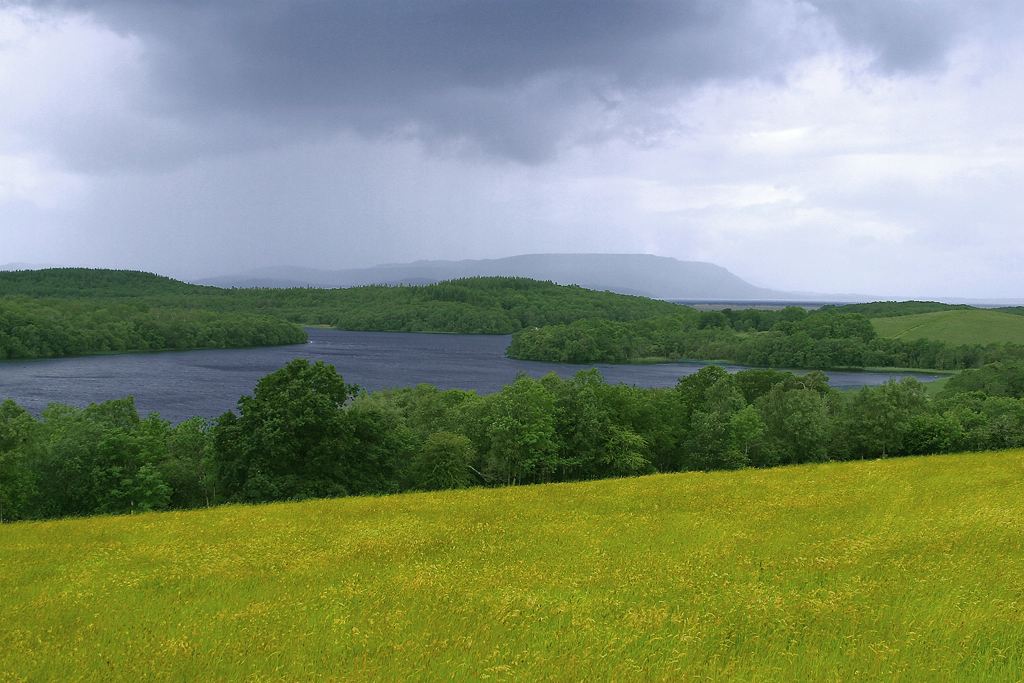
Downings and Sheephaven Bay sit on the north Donegal coast, with Downings on the bay itself and Portnablagh on its western side. The bay and its surrounding dune and machair habitats form part of the Sheephaven SAC, designated for coastal and marine conservation.
County
Donegal
Region
North West
Type
Coastal
Nearest towns
Downings, Portnablagh
Species
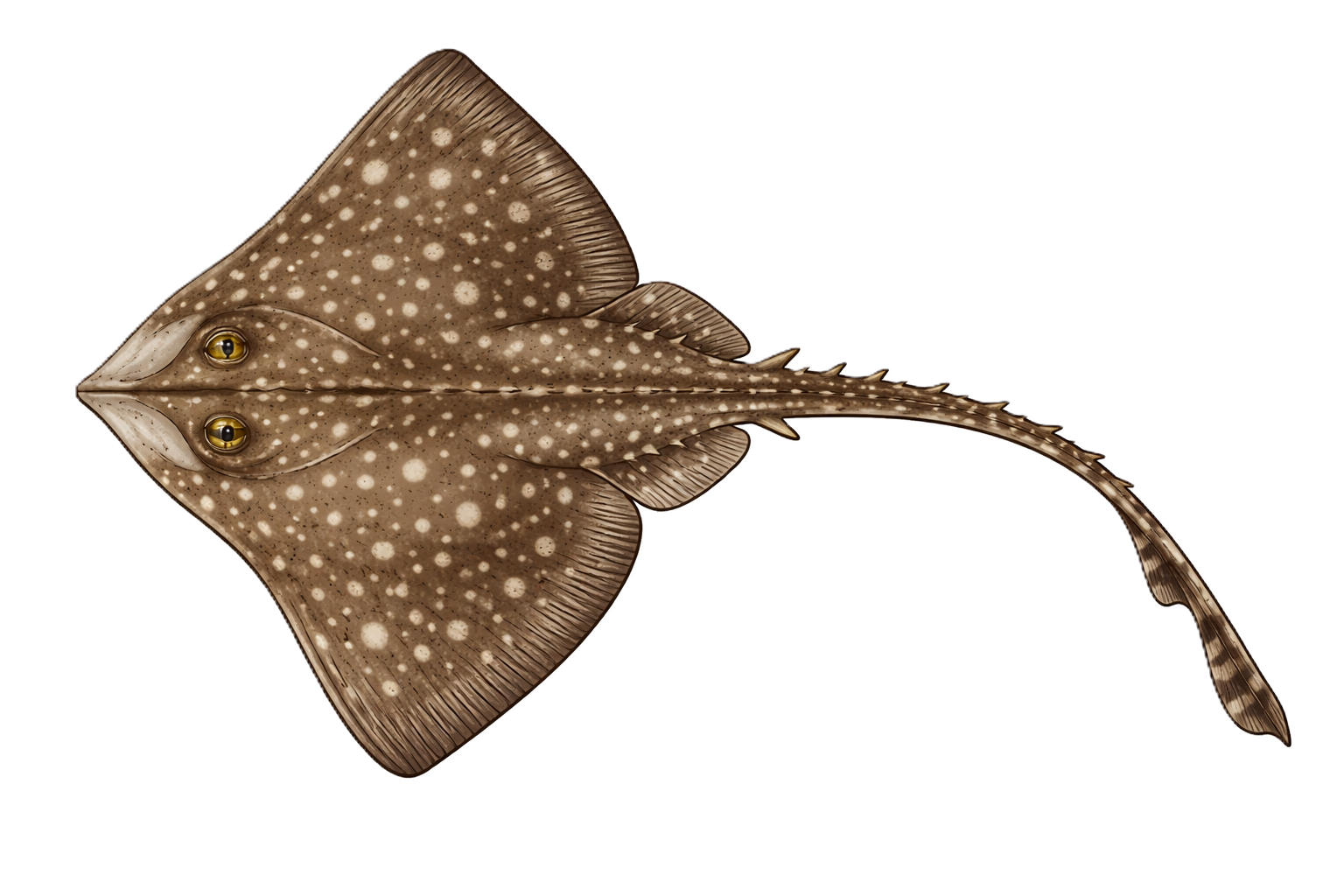
Tope, Pollack, Thornback Ray, Homelyn Ray, Mackerel, Blue Shark +18 more
Sheephaven Bay is a broad, sheltered inlet on the north coast of County Donegal, bounded by the Rosguill Peninsula to the east and the dramatic cliffs of Horn Head to the west. The fishing village of Downings sits at the heart of this bay, its pier serving as both a productive shore mark and the departure point for some of the finest charter boat fishing in Ireland's northwest. The combination of sheltered inner waters, diverse seabed habitats, and ready access to the open Atlantic beyond Horn Head creates a sea fishing destination of exceptional range — one that can accommodate an angler chasing mackerel from the pier wall one morning and bluefin tuna in the open ocean the next.
What distinguishes Sheephaven Bay from other Donegal sea angling venues is its variety. The bay's seabed transitions from clean sand through mixed ground to kelp-covered rocky reefs and offshore wrecks, each habitat supporting a different suite of species. Tope are the headline charter target, patrolling the sandy grounds from June through September, while the offshore marks beyond Horn Head hold blue shark and, in recent remarkable years, bluefin tuna. Inshore, the reefs of the Rosguill Peninsula produce pollack and wrasse of impressive quality, and the gurnard fishing in this area has earned it a national reputation among specimen hunters.
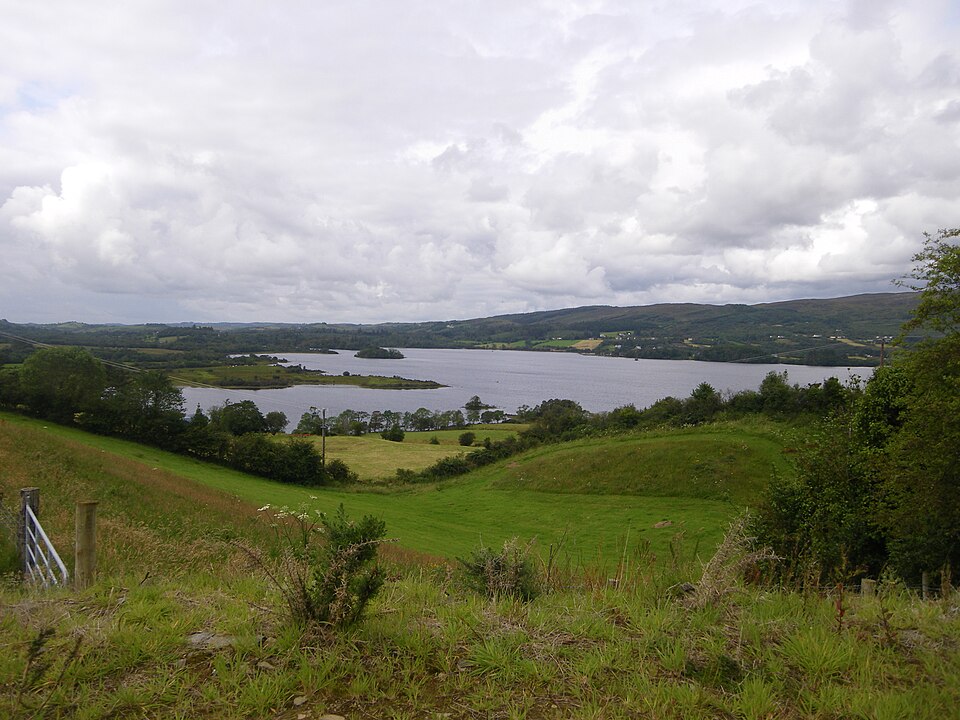
The nearby waters of Mulroy Bay — a sheltered sea lough to the east of Downings, accessible by small boat from Fanny's Bay slipway — add further dimension. The deep holes in Mulroy's main channel hold thornback ray and dogfish in excellent numbers, and the mudflats at low water provide bait digging for lugworm, ragworm, and clam that is among the best in Donegal. The combination of Sheephaven, Mulroy, and the open Atlantic gives visiting anglers a range of options rarely matched at a single departure point.
Downings sits on the Wild Atlantic Way and is enclosed by some of Donegal's most dramatic scenery. The Atlantic Drive around the Rosguill Peninsula is one of the great coastal roads in Ireland. For visiting anglers, this is a destination that justifies the drive north — whether the charter fleet delivers a tope day on the open grounds or a pier session at Downings ends with fresh mackerel and a view of Horn Head catching the evening light.
The charter fleet at Downings is experienced and versatile, working grounds from the sheltered inner bay to Tory Island and beyond. Tope, porbeagle shark, blue shark, pollack, ling, and wrasse are all targeted across different marks and seasons. The national record for gurnard has been challenged from these waters. For an angler seeking the full range of what the northwest can offer — including the rare possibility of bluefin tuna — Sheephaven Bay is the place to base a serious fishing trip.
Also present: Homelyn Ray, Mackerel, Blue Shark, Porbeagle Shark, Wrasse, Cod, Coalfish, Conger Eel, Common Skate, Bull Huss, Dab, Flounder, Plaice, Dogfish, Garfish, Grey Mullet, Sea Trout, Ling
Methods
Charter BoatPier FishingLure FishingFloat FishingBait FishingSmall Boat
Venue details
Season dates
Fishing season: March – November
Best times
Ray: May, June, July, August, September
Tope: June, July, August, September
Gurnard: June, July, August, September
Pollack: April, May, June, July, August, September, October
Mackerel: June, July, August, September
Difficulty
Beginner friendly
Access & bases
Downings is approximately 40 minutes north of Letterkenny via the R245, and around 4 hours from Dublin via the N2/M1 and Letterkenny. The roads through north Donegal are scenic but winding — allow extra travel time. Downings Pier has a slipway suitable for small boat launches and car parking. Fanny's Bay, off the R248 Carrigart/Downings road, provides a sheltered alternative launch point for Mulroy Bay. There is limited tackle availability locally — purchase tackle in Letterkenny before heading north. Bait can be dug on the Mulroy Bay mudflats at low water (lugworm, ragworm, clam) or mackerel can be caught fresh from the pier. Accommodation includes Downings hotels, guesthouses, B&Bs, caravan and camping parks, and the Rosapenna Hotel just outside the village. Dunfanaghy and Carrigart offer additional accommodation nearby.
Signature features
Exceptional Diversity in a Single Location
Within a single day at Sheephaven, an angler can fish from the pier for mackerel and flatfish, launch a small boat for ray and dogfish over sand, or head offshore for tope, shark, and the emerging bluefin tuna fishery. The bay's diverse seabed — ranging from clean sand through mixed ground to rocky reefs and offshore wrecks — supports an extraordinary range of species accessible from a single harbour.
Mulroy Bay
The sheltered sea lough of Mulroy Bay, accessed from Fanny's Bay slipway, adds a completely separate fishing environment within minutes of Downings. The deep holes in Mulroy's main channel hold thornback ray and dogfish in excellent numbers, and the mudflats at low water provide outstanding bait digging for lugworm, ragworm, and clam. For small boat anglers, Mulroy offers protected fishing in conditions that would make Sheephaven uncomfortable.
Nationally Renowned Gurnard Grounds
The mixed and sandy ground marks around Sheephaven Bay and Tranarossan are among the most productive gurnard marks in Ireland. Red, grey, and tub gurnard are all present, and specimen fish that challenge national records have been taken from these grounds. For specialist anglers targeting gurnard, this area offers a genuine destination-quality opportunity that few other Irish ports can match.
Offshore Wrecks
Numerous wrecks lie within 30–60 minutes' steam from Downings. Minimal commercial fishing pressure means these structures are consistently productive for pollack, ling, coalfish, cod, and conger. Charter skippers have built detailed wreck knowledge over decades of exploration, and the offshore wreck fishing from Sheephaven remains genuinely excellent — fish populations on these marks have not been subjected to the pressure that has diminished similar grounds elsewhere in Ireland.
Season by season
March – May
The season opens with pollack and wrasse returning to the inshore reefs. Early mackerel may show from late April. Shore fishing picks up significantly as water temperatures rise. Boat anglers begin targeting mixed ground species and early ray on the sand. Cod and coalfish from the winter period may still be present into March. A transitional period that rewards exploring the warming inshore marks.
June – August
The peak season. Mackerel flood into the bay from June, drawing tope in behind them. Charter boats run regular tope trips, with blue shark and offshore species in play from July. Shore fishing is at its most varied, with multiple species available from piers, rocks, and beaches simultaneously. Ray fishing on the sand peaks in July and August. Downings is at its busiest — book charter boats well in advance.
September – November
Excellent fishing continues through September with tope still present and some of the best shore fishing of the year. Cod and coalfish begin moving inshore, and autumn storms can produce outstanding beach fishing for codling, flounder, and occasionally bass. Sea trout appear along the beaches. Offshore wreck fishing remains productive for pollack, ling, and coalfish through October.
December – February
The quietest period but not without opportunity. Shore marks produce cod, whiting, and coalfish particularly after northerly gales push fish close to shore. Conger fishing from piers at night is productive year-round. Charter boat trips are weather-dependent but wreck fishing can be excellent on calm winter days for anglers willing to commit.
Best conditions
Based on 0 reports, these conditions consistently produce the best fishing on Downings & Sheephaven Bay:
💨
SW to NW Force 2–3 for offshore work; any wind manageable in Mulroy Bay
Best wind
☁️
Overcast to partly cloudy; calm evenings for pier mackerel
Best sky
🌡️
Above 14°C for tope and summer species; cooler water extends pollack and coalfish activity
Water temp
⏰
Morning sessions consistently outperform afternoon for tope; first two hours of flood tide for shore ray fishing
Best window
Seasonal fly & tactics guide
Tope Fishing (June – September)
Uptide or downtide drifting with fresh whole mackerel or mackerel flappers on 6/0–8/0 circle hooks. Wire trace essential — three to four feet minimum to prevent tope rolling into the mainline. 30 lb class rod and multiplier reel loaded with 30–50 lb braid. Fresh bait is critical. Catch mackerel early in the session and use them immediately — frozen bait catches significantly fewer tope.
⚠️Common mistake: Using traces that are too short. Tope roll in the wire and a short trace means their body and tail abrade the mainline above the wire, causing break-offs just as the fish tires.
Shore Ray Fishing
Bottom fishing from piers or beaches at night on slack tides using pulley or running ledger rigs. Size 2/0–4/0 hooks. Fish the first two hours of a flooding tide for best results — ray move onto the sand as the tide pushes in. Mulroy Bay's sheltered channels are the most reliable location for consistent ray catches, particularly thornback.
⚠️Common mistake: Fishing only in daylight. Ray feed most actively after dark on flooding tides. Night sessions from piers and beaches dramatically outperform daytime fishing for this species.
Wrasse on Float
Sliding float rig set to fish 6–10 feet over rocky ground at Melmore Head and the Rosguill Peninsula marks. Let the bait drift naturally over the kelp beds. Wrasse are visual feeders that rise to intercept a slowly sinking bait — the float allows natural presentation at the right depth without snagging constantly.
⚠️Common mistake: Using too large a hook and bait. Wrasse have relatively small mouths — size 1 to 1/0 hooks with a single hardback crab produce far more takes than large baits on heavy hooks.
Spinning for Pollack
Light spinning rod (7–9ft) with 10–15 lb braid. Cast along rock edges and reef margins at Dooey, Pollmore, and along the Rosguill Peninsula, retrieve with a slow erratic action. Early morning and late evening are prime times — pollack ambush prey from cover in the kelp, so work the edges of beds and drop-offs rather than open water.
⚠️Common mistake: Retrieving too fast. A slow, erratic retrieve with pauses significantly outperforms a continuous fast wind — pollack follow the lure and take on the pause or a sudden change of direction.
Core technique
Tope Fishing on the Drift
1The skipper positions the boat up-tide of known sandy ground and sets a drift with the current. Fresh mackerel caught earlier in the session are prepared as whole fish or flappers — bait quality is the single most important factor in tope success.
2The bait is presented on a wire trace of 3–4 feet (60–80 lb wire) running from a flowing boom or zip slider on the mainline. Use 6/0–8/0 circle hooks for clean hook-ups and easier release.
3Lower the bait to the seabed and leave the reel in free spool with the ratchet engaged. Tope pick up a bait and run before turning it to swallow — do not strike into a running fish.
4When the fish has run and turned, engage the reel and apply steady, increasing pressure. Circle hooks find the corner of the jaw on a sustained pull — resist the urge to strike hard.
5Expect powerful, sustained runs as the fish realises it is hooked. Tope are strong swimmers — three or four surges before the fish tires is normal. Pump the rod steadily and gain line on each downward stroke.
6Minimise air exposure during photography. Tope should be unhooked at the boat side in the water where possible and released immediately — they are a protected species.
💡 Fresh bait is the critical variable that separates consistent tope anglers from those who simply wait. Catch your mackerel at the start of every session and use them straight from the water.
What works here
Flies and methods reported most successful by the community.
Where to Fish at Downings & Sheephaven Bay
Downings Pier & Harbour
The most accessible shore mark and the departure point for the charter fleet. Fishes year-round for dogfish, flounder, dab, plaice on bottom rigs, with conger from the pier wall at night on large baits. Float fishing mid-water produces mullet, coalfish, and small wrasse. Spinning from the pier head in July and August produces mackerel, launce, and garfish. A fine slipway allows small boat launches onto the bay.
Melmore Head & Tranarossan Bay
A rocky headland with deep water within casting range and exceptional wrasse, pollack, and coalfish fishing from rock ledges and platforms. Tranarossan Bay beach behind the headland is nationally renowned for gurnard, dabs, ray, and pollack. More exposed than the inner bay — best fished in settled conditions. Wrasse over 2.25 kg have been landed from the Melmore Head marks.
Sheephaven Bay (Inner)
Clean sandy ground ideal for small boat fishing for ray, flatfish, dogfish, and whiting. Sheltered in most conditions. The inner bay around Doe Castle and Creeslough offers calm water fishing in rough weather. Productive for beginners and suitable for launching kayaks.
Sheephaven Bay Outer & Horn Head
Deeper water with reef and mixed ground accessed by charter boat. Tope, shark, pollack, ling, and wrasse. The cliffs north of Horn Head drop into deep water where pelagic species including blue shark and, in recent years, bluefin tuna are encountered in summer.
Mulroy Bay
A sheltered sea lough east of Downings accessed from Carrigart and Fanny's Bay slipway. Excellent for small boat fishing with deep holes in the main channel holding thornback ray, dogfish, and occasional tope. Outstanding bait digging at low water on the mudflats — lugworm, white ragworm, and clam available for those willing to dig.
Offshore Wrecks & Open Atlantic
Wrecks within 30–60 minutes of Downings hold pollack, ling, coalfish, cod, and conger in significant numbers with minimal commercial pressure. Charter boats work these marks year-round in suitable weather. The open Atlantic beyond Horn Head provides the tope, shark, and bluefin tuna grounds that have made Sheephaven's offshore reputation.
Suggested trip formats
🎣 Weekend Tope and Mixed Charter
Two charter days covering the principal offshore marks — a tope day over the sandy grounds and a wreck/reef day for pollack, ling, and mixed species. Evening pier sessions at Downings for mackerel and garfish between charter days.
🎣 Specimen Hunter's Week
Five to six days targeting specimen species systematically — gurnard at Tranarossan Bay, wrasse at Melmore Head, tope offshore, ray in Mulroy Bay. One of the most complete specimen hunting locations in the northwest.
🎣 Small Boat Explorer
Three to four days exploring both Sheephaven and Mulroy Bay from a small boat or kayak. Launch from Downings Pier for Sheephaven and from Fanny's Bay for Mulroy. Ray, flatfish, pollack, and wrasse across two entirely different water types.
🎣 Family Summer Week
Pier fishing from Downings, a half-day charter for mackerel and mixed species, a visit to Dunfanaghy, and the Atlantic Drive around Rosguill. Fishing as part of a broader Donegal holiday — the scenery more than compensates for any quiet fishing days.
Conservation & stewardship
🌿
Sheephaven Bay's marine environment supports a diverse and valuable ecosystem. All tope must be returned alive — they are a protected species and the charter fleet treats this as non-negotiable. Shark must be returned. Respect bass regulations. Practice catch and release for ray, wrasse, and any other species not being retained for the table. The gurnard fishing that has made this area nationally renowned depends on responsible harvest — take a reasonable number for the table and release the rest. The mudflats of Mulroy Bay are an ecologically sensitive habitat — dig bait responsibly and restore ground as you go. Remove all tackle waste and litter from shore marks.
Frequently asked questions
Before You Go — Key Regulations
Jurisdiction
Republic of Ireland (IFI)
Season
March – November
Licence required
Yes — State Salmon Rod Licence
No licence is required for recreational sea angling in the Republic of Ireland. A state licence is required if targeting or retaining salmon or sea trout.
Main access: Seas The Bay charter (Portnablagh, +353 87 613 6400), Rosguill Charters 43ft Aquastar (Downings, +353 87 646 5165), Mevagh Dive Centre catamaran (Carrigart/Downings, +353 87 659 0264) — advance booking strongly recommended for July and August, Tackle available in Letterkenny before heading north — stock up comprehensively as local tackle availability in Downings is limited, Rosguill Sea Angling Club — local angling organisation; Donegal Sport and Outdoors for regional angling information