📍Waterford · South East📋IFI (Republic of Ireland)Season Open
18Species Present
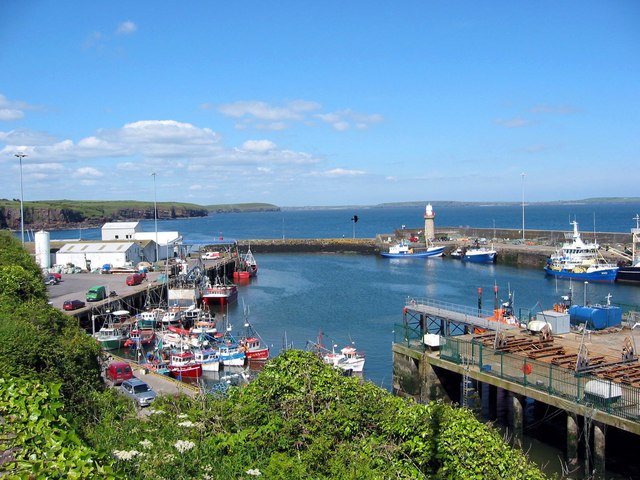
Dunmore East is a fishing village at the mouth of Waterford Harbour on the County Waterford coast. Its harbour and surrounding cliffs are a base for boat charters and shore marks fishing for mackerel, pollack, and wrasse.
County
Waterford
Region
South East
Type
Coastal
Nearest towns
Waterford City
Species
Pollack, Bass, Tope, Cod, Thornback Ray, Blonde Ray +12 more
Dunmore East is a working fishing village at the mouth of Waterford Harbour on Ireland's south coast — and one of the most versatile sea fishing destinations in the country. Perched on red sandstone cliffs above sheltered coves, the village commands a position where the Suir estuary meets the Celtic Sea, creating a confluence of habitats that supports an extraordinary range of species. Within easy reach of the harbour, charter boats can access open-water shark grounds, productive reef and wreck systems, and sheltered estuary fishing — while shore anglers have miles of cliff-edge rock marks, harbour walls, and accessible beaches to explore.
The harbour reflects Dunmore East's heritage as a working fishing port. A local charter fleet operates from the harbour, and the area has produced notable catches across multiple disciplines over many decades. The red sandstone coastline running in both directions from the village is broken by coves, headlands, and reef systems that provide habitat for bass, pollock, wrasse, and a variety of other species. The eastern aspect offers protection from prevailing south-westerly weather, giving Dunmore East significantly more fishable days than many comparable stretches of the south coast.
What distinguishes Dunmore East from other south-coast ports is the influence of Waterford Harbour. This significant estuary system pushes nutrient-rich water into the sea at the village's doorstep, creating a productive feeding zone that draws fish inshore throughout the season. The tidal exchange through the harbour mouth is substantial, and the mixing of estuarine and open-sea water supports dense baitfish populations that in turn attract predators — bass, tope, pollock, and seasonal visiting species.
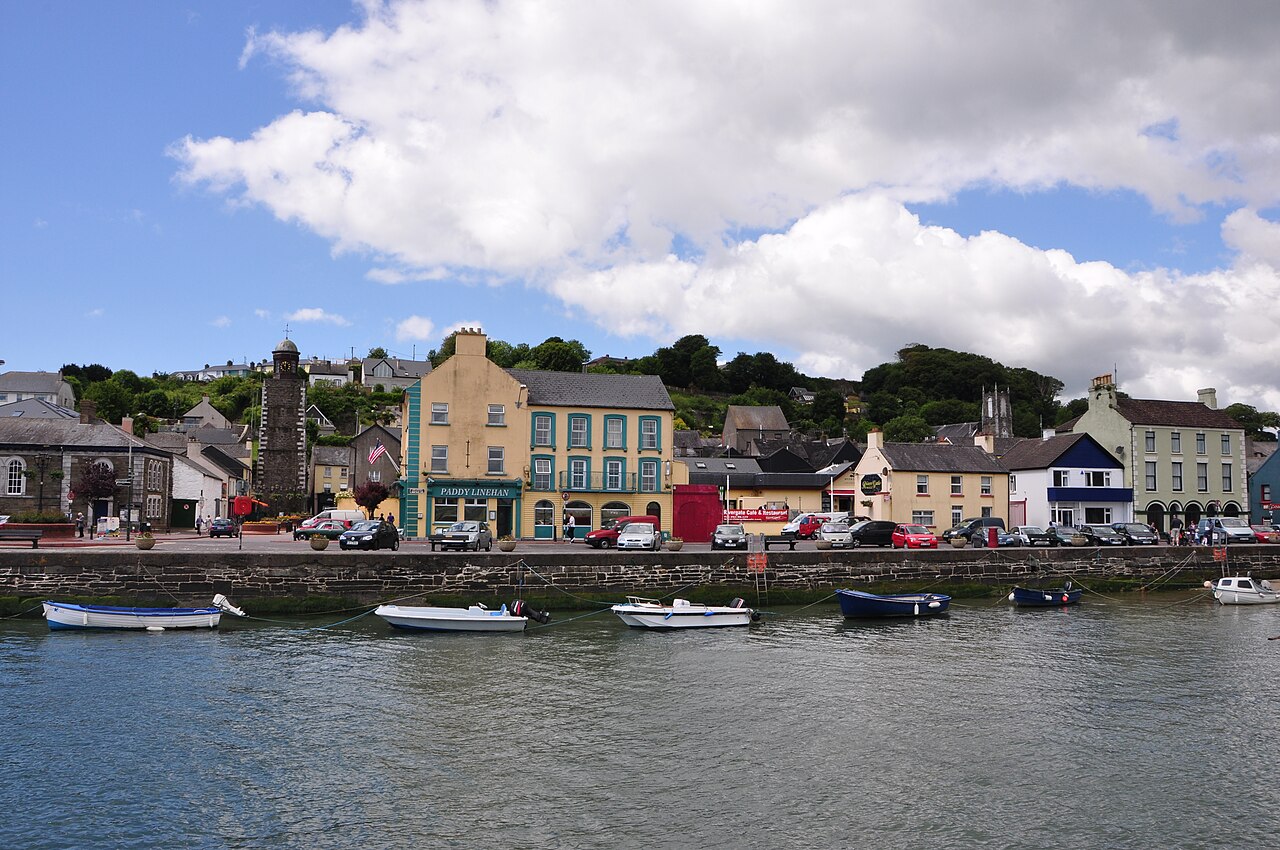
The village itself is an appealing base for a fishing trip. Well-kept and unhurried, it has accommodation ranging from B&Bs to self-catering properties, good pubs, and a rhythm that suits a fishing holiday. Waterford city is fifteen minutes away for wider amenities. For visiting anglers seeking a south-coast base with genuine variety in a pleasant setting, Dunmore East is difficult to match.
The area's practical advantage is often overlooked: its south-facing, harbour-sheltered position means it fishes well in conditions that would close down exposed Atlantic marks. When westerly gales make the Kerry and Clare coasts unfishable, Dunmore East frequently remains productive — a significant benefit for visiting anglers with limited time and a full week's trip to justify.
Waterford Harbour Estuary · Red Sandstone Cliffs · Pollock Shore Fishing · Wreck Fishing · Species Diversity
Difficulty
Beginner friendly
Access & bases
Dunmore East village is the primary base and is fifteen minutes south of Waterford city via the R684. The village is approximately 1.5 hours from Cork and 2 hours from Dublin. Parking is available near the harbour and at the main village access points. The cliff marks to the east and west of the village are reached on foot via coastal paths — walks of 5 to 20 minutes depending on the mark, over generally well-maintained but occasionally rough ground. Some platforms require moderate scrambling and appropriate footwear. The harbour pier and walls are directly accessible from the village and suitable for all levels. There is no dedicated tackle shop in the village — stock up in Waterford city before arrival. Bait can be pre-arranged through charter skippers.
Signature features
The Harbour Mouth — Where River Meets Sea
The confluence of Waterford Harbour and the Celtic Sea is the defining feature of Dunmore East's fishery. Nutrient-rich estuarine water meeting clean open sea creates a productive feeding zone that drives the inshore fishery throughout the season. The tidal exchange is powerful, and species from bass to tope exploit this current-driven corridor. Understanding how the tide works through the harbour mouth is the most important piece of local knowledge for any shore angler at this venue.
Red Sandstone Coast — Quality Rock Marks
The distinctive red sandstone cliffs running east and west from the village create a coastline of ledges, platforms, gullies, and boulder fields with exceptional access to quality rock fishing. The sandstone erodes into features that fish naturally exploit — undercut ledges, shallow reefs, and deep gullies serving as ambush points for pollock, bass, and wrasse. The variety of marks accessible on foot from the village is one of the area's most significant practical advantages.
All-Weather Reliability
Dunmore East's south-facing, harbour-sheltered position means it fishes productively in conditions that would close down exposed Atlantic marks. When westerly gales make the Kerry and Clare coasts unfishable, Dunmore East often remains viable — a meaningful practical advantage for visiting anglers with limited time and a full trip to plan around.
Exceptional Species Diversity
The combination of estuary, reef, open sea, wreck, and sandy ground within the Dunmore East catchment supports genuine species diversity. A visiting angler fishing for a week could realistically encounter 15 or more different species without repeating a method. This variety is the area's greatest strength and the principal reason anglers return year after year.
Season by season
January – March
Cod and whiting dominate winter charter fishing on wrecks and reef marks. Shore fishing is weather-dependent but codling, flounder, and whiting are available on baited rigs from harbour walls and sheltered beaches. Wreck fishing for conger and ling continues regardless of season. The south-facing aspect and harbour shelter mean fishable conditions occur more frequently than on exposed Atlantic coasts.
April – May
Pollock return to inshore marks in numbers. Wrasse become active as water temperatures climb. Bass begin appearing around rocky marks and in the estuary. The first mackerel arrive by mid to late May. Charter boats begin targeting tope from late May. A strong transitional period with growing species variety and lighter angling pressure than the summer months.
June – August
Peak season with the full species range available. Pollock, bass, tope, ray, mackerel, and wrasse are all in prime condition. Charter boats offer varied multi-species days. Shore lure fishing is most productive in early morning and evening sessions on the cliff marks. Pier fishing for mackerel and pollock is reliable from the harbour for families and beginners.
September – October
Outstanding autumn fishing that many regular visitors consider the best period of the year. Bass are at their heaviest, feeding aggressively ahead of winter. Pollock remain strong on reef marks. Tope continue into early October. Cod begin appearing on offshore marks. Ray fishing peaks. The best marks are noticeably less pressured than in high summer.
November – December
Cod and whiting fishing picks up on wrecks and reef marks. Shore codling on baited rigs from harbour walls. Conger fishing on wrecks remains strong throughout winter. Late bass are still possible in mild spells. The south-facing harbour orientation provides regular shelter from prevailing westerly weather.
Best conditions
Based on 0 reports, these conditions consistently produce the best fishing on Dunmore East:
💨
South-east to east for exposed cliff marks; fishable in most directions due to harbour shelter
Best wind
☁️
Overcast to broken cloud; low light most productive for bass and pollock
Best sky
🌡️
Seasonal
Water temp
⏰
First two hours of the flooding tide and last two hours of the ebb for shore marks; dawn and dusk for bass and pollock
Best window
Seasonal fly & tactics guide
April – May (Season Opening)
Patterns
3–4 inch shads (pearl, white, sand eel)Small metal spinnersRagworm (wrasse, flounder)Lugworm (early ray)
Focus on sheltered marks with early sun exposure — these water pockets warm fastest. Pollock and wrasse are the first to respond. Fish the flooding tide around the harbour mouth for early-season bass. Jig heads of 7–10g are correct — early fish feed higher in the water column and a slow-sinking presentation is essential.
⚠️Common mistake: Using jig heads that are too heavy. Early season pollock feed in mid-water and will not descend to chase a fast-sinking lure. Start lighter and only increase weight if the tide demands it.
Cover multiple marks in a session — start on the cliff marks at dawn for pollock, move to the harbour mouth for bass as the sun rises, work wrasse marks in the afternoon. Mobility is rewarded at Dunmore East. The variety of accessible marks within walking distance makes multi-species days straightforward.
⚠️Common mistake: Spending an entire session on a single mark. The diversity of marks within the Dunmore East area is the venue's principal asset — anglers who move between them consistently outperform those who remain stationary.
August – September (Specimen Window)
Patterns
5–6 inch shads (specimen pollock)Surface lures fished slowly at dusk (bass)Whole sand eel or mackerel (bass on leger)Ragworm and squid cocktail (ray)Large baits (conger, wreck charter)
September is the specimen month. Target the biggest marks — deeper cliff edges, exposed headlands, and the harbour entrance on strong tides. Bass are at peak weight and feeding most aggressively before the water begins to cool. The last hour of light and into darkness produces some of the best autumn bass of the season.
⚠️Common mistake: Fishing only daylight hours. Some of the finest autumn bass fishing at Dunmore East happens at last light and after dark — anglers who pack up at sunset miss the most productive window.
October – December (Autumn into Winter)
Patterns
Metal jigs and heavy shads (cod over reef)Slow-rolled shads (late pollock)3-inch lures (downsized as baitfish migrate)Lugworm cocktails (shore codling, whiting)Squid and mackerel (wreck conger)Large baits (late tope)
Cod arrive on the offshore marks from October and build steadily through winter. Shore codling fishing picks up from November on baited rigs from harbour walls and accessible beaches. Wreck trips become the mainstay of charter activity. Dress adequately for the weather — November and December produce excellent fishing for those willing to go.
⚠️Common mistake: Assuming the season ends in October. Winter fishing at Dunmore East is productive and underutilised. Wreck fishing for conger and cod is consistent, and shore sport continues for those who dress appropriately.
Core technique
Rock Mark Lure Fishing for Pollock
1Choose a platform with safe access and depth within casting range. Look for kelp beds, submerged boulders, and gullies visible at low water — these are the features pollock use as ambush points.
2Cast beyond the visible reef edge and count the lure down from the surface. Start shallow (5-second count) and increase depth on subsequent casts until you locate the feeding zone.
3Retrieve with a slow, steady wind — not fast cranking. The lure should move just above the kelp canopy. Pause for 2–3 seconds every few turns of the handle.
4Pollock typically hit on the pause or as the lure begins to drop after a pause. The take feels like a sudden heaviness, immediately followed by a powerful dive toward the kelp.
5Keep your rod high and apply firm side pressure to steer the fish away from the kelp. The first dive is the critical moment — if the fish reaches the kelp, it is almost always lost.
6Change lure colour and weight methodically if bites are not forthcoming. Pollock can be strongly colour-selective on any given day — what works one session may produce nothing the next.
💡 Discipline with your count-down depth and retrieve speed is what separates consistently productive pollock anglers from average ones. Pollock occupy a narrow band of the water column — identify that band and fish it systematically across the full arc of your casting range before moving to the next mark.
What works here
Flies and methods reported most successful by the community.
Where to Fish at Dunmore East
Dunmore East Harbour & Pier Walls
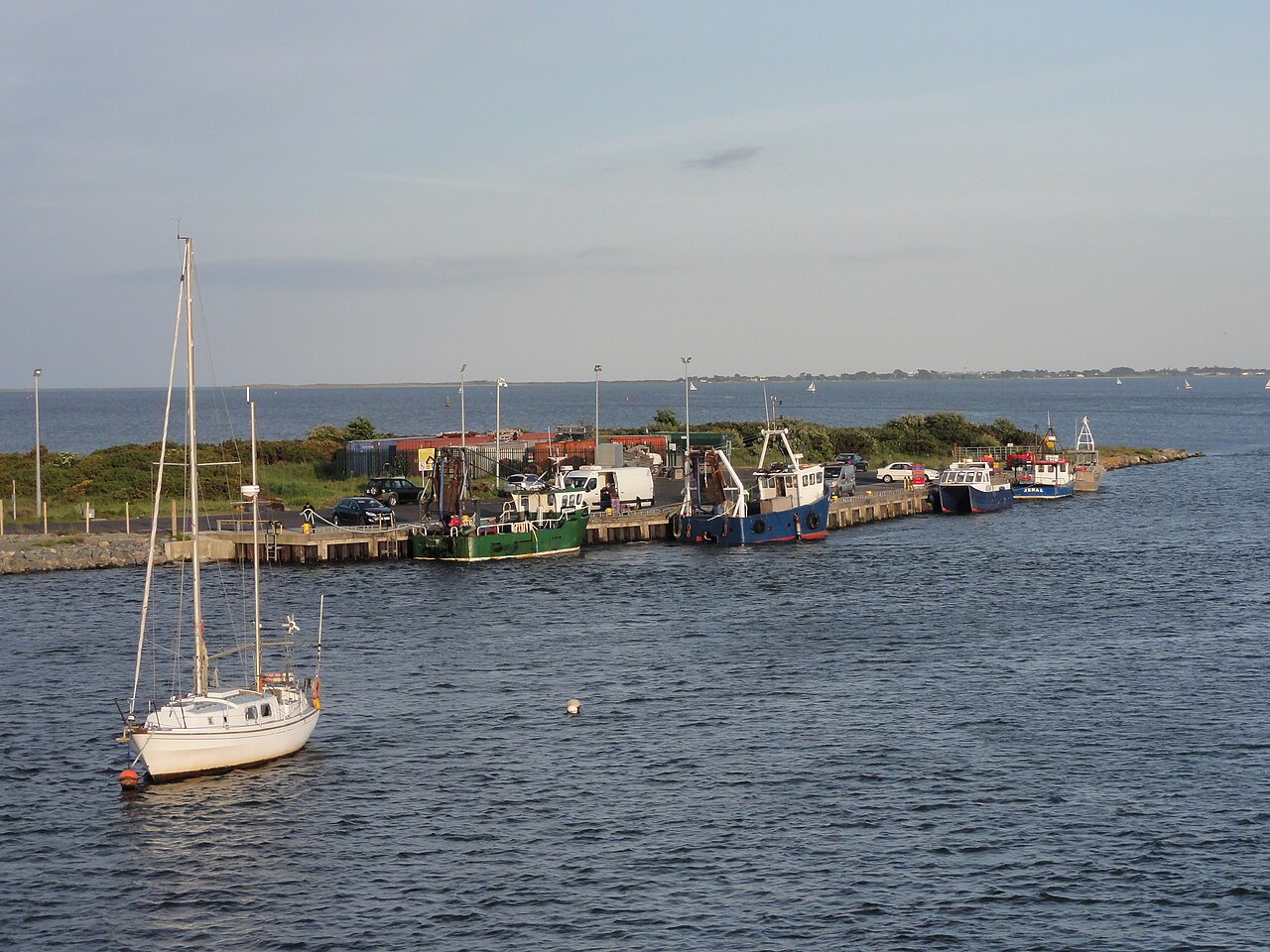
Accessible year-round with mackerel, pollock, wrasse, and flounder in season. The harbour entrance fishes best on the flooding tide when tidal exchange draws predators through the channel. A family-friendly starting point and a productive mark in its own right.
Eastern Cliff Marks (Toward Swines Head)
Red sandstone ledges and platforms east of the village offering excellent access to deeper water. Premium pollock territory — fish of 2 kg and above are realistic. Also holds bass, wrasse, and mackerel. Several named marks with established reputations among local anglers who have worked them for decades.
Western Cliff Marks (Toward Portally)
More exposed marks facing south-west. Productive for pollock and bass when conditions allow. Less fished than the eastern marks — anglers willing to walk a little further encounter noticeably lighter pressure and often better sport.
Harbour Mouth & Estuary Edge
Where the Suir estuary meets the Celtic Sea. The tidal exchange creates powerful current lines that concentrate bass and pollock. Lure fishing on the flooding tide is particularly effective here. The area also produces flounder and occasional turbot on sandy patches inside the harbour proper.
Offshore Reefs (Charter)
Reef systems within 5–15 miles of the harbour hold pollock, cod, ray, and a range of reef species. Drifting artificial sand eels and shads over the reef edges is the standard method. Your skipper will select marks according to tide, conditions, and target species.
Wreck and Deep Marks (Charter)
Wreck marks south of the harbour produce conger, ling, and cod. Deeper ground further offshore holds tope and blue shark in season. Winter wreck fishing for cod and conger is the mainstay of charter activity from October onwards.
Suggested trip formats
🎣 Weekend Shore Explorer
Two days working the cliff marks and harbour. Dawn lure sessions for pollock, midday wrasse fishing on the rocks, and evening bass around the harbour mouth. No charter required — all marks accessible on foot from the village.
🎣 Mixed Shore and Charter
Three to four days combining shore lure fishing with one or two charter trips — reef drifting for pollock, tope fishing on the offshore banks, or a wreck session for conger and ling in season.
🎣 Species Hunt Week
A week dedicated to maximising species count. Shore lures for pollock, wrasse, and mackerel. Bait fishing for ray, flounder, and codling. Charter trips for tope, conger, and reef species. Fifteen or more species in a week is a genuinely achievable target from Dunmore East.
🎣 Family Fishing Break
Two to three days of accessible fishing from the harbour pier and walls — mackerel, wrasse, and harbour species on simple setups for children aged 8 and above. Combine with Waterford city attractions and the nearby Copper Coast.
Conservation & stewardship
🌿
European sea bass are subject to conservation measures under Irish and EU law. Under 2026 IFI regulations, bass must be returned alive during February and March. In all other months, the minimum size to retain a fish is 42cm and the daily bag limit is 2 fish per angler. Regulations are reviewed annually — check fishinginireland.info for the current season rules before retaining any bass. Catch and release is practised as standard by local guides and serious bass anglers throughout the year, regardless of what the regulations permit. Handle bass with wet hands, support the fish fully, minimise time out of water, and return it carefully. This approach protects a hard-won recovery in bass stocks and ensures the sport survives for future generations.
Frequently asked questions
Before You Go — Key Regulations
Jurisdiction
Republic of Ireland (IFI)
Season
January – December
No licence or permit is required for sea fishing in Ireland. European sea bass are subject to annual regulations set by Inland Fisheries Ireland.
Main access: Charter boats operate from Dunmore East Harbour offering reef, wreck, tope, and offshore fishing; guided shore sessions available on request from local contacts, Waterford city — tackle shops, bait suppliers, and angling information available; stock up before departing for the village, Waterford Harbour Fisheries — local angling development and harbour fishery information