📍Dublin · East📋IFI (Republic of Ireland)Season Open
15Species Present
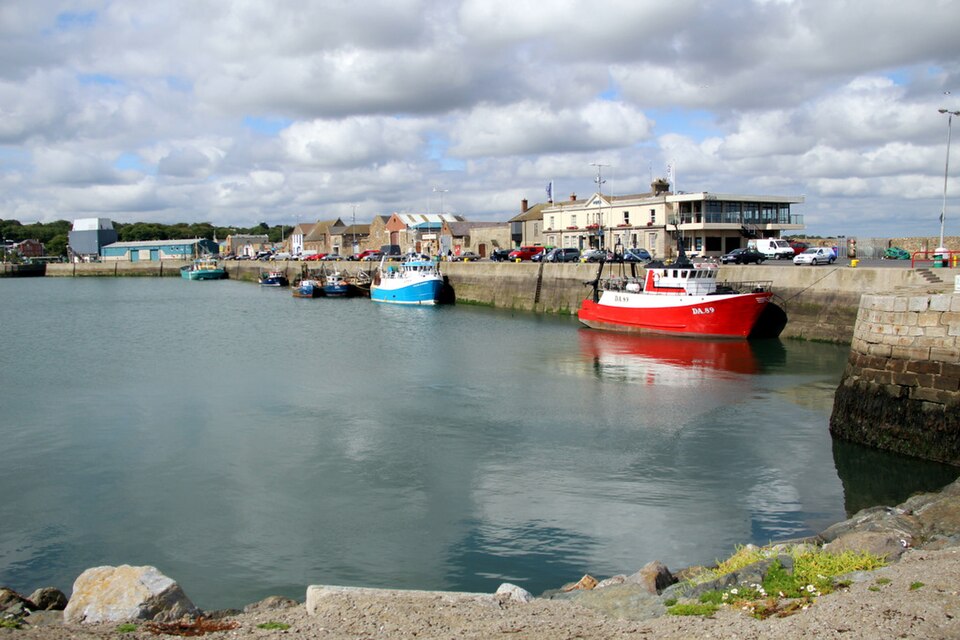
Howth is a fishing harbour and headland on the northern side of Dublin Bay, County Dublin. Its piers and surrounding cliffs are among the most fished shore marks in the greater Dublin area, targeting mackerel, pollack, and codling.
County
Dublin
Region
East
Type
Coastal
Nearest towns
Dublin City
Species
Mackerel, Pollack, Wrasse, Cod, Bass, Coalfish +9 more
Howth is Dublin's gateway to sea fishing — a quartzite headland rising nearly 170 metres above the Irish Sea at the northern edge of Dublin Bay, where a working harbour, coastal village, and productive marine environment combine to create the most accessible quality sea angling venue in the east of Ireland. Connected to Dublin city centre by DART rail in twenty-five minutes and to Dublin Airport by a twenty-minute drive, Howth is unique among Irish sea fishing destinations in its proximity to Ireland's largest population centre and its international transport links.
The head itself is a substantial piece of coastal geography. Its coastline encompasses cliff faces, rocky platforms, sheltered bays, and the harbour walls and piers that have introduced generations of Dubliners to the sport of sea angling. The East and West Piers are the most famous fishing marks — long, accessible structures that reach into deeper water and hold fish throughout the year. Beyond the piers, the cliff walk path circling the headland gives access to a succession of rock marks that produce quality fish for those willing to walk a little further.
The species available at Howth reflect the richness of Dublin Bay's marine ecosystem. Mackerel dominate the summer piers in numbers that can produce extraordinary sport — vast shoals moving through the bay from June to September, visible from the pier walls and accessible on the simplest of tackle. Through the warmer months pollack and wrasse inhabit the rocky headland, while bass patrol the harbour approaches and rock marks. From October through March the emphasis shifts to codling, whiting, and conger — baited rigs after dark, the pier lights reflecting on the water and the city glowing across the bay.
The small charter fleet operating from Howth Harbour extends the fishing significantly offshore. The Kish Bank, Codling Bank, and Burford Bank lie in the Irish Sea to the east and have been productive fishing grounds for generations. Ireland's Eye, the small island sitting just offshore, creates reef systems and tidal flows that hold pollack, wrasse, and mackerel. The steaming distances are short — the island is minutes away, the banks less than an hour — which means maximum time with lines in the water rather than transit.
Howth is not a remote wilderness destination, nor does it pretend to be. It is a connected, popular place with excellent restaurants and amenities, and the piers on a July evening are busy with anglers of all ages and backgrounds. That accessibility is precisely the point. As a place where Ireland's capital city meets the sea, and where anyone with a spinning rod and a DART ticket can catch fish the same evening, Howth occupies an irreplaceable position in Irish sea angling.
Bass: June, July, August, September, October
Codling: October, November, December, January, February, March
Pollack: April, May, June, July, August, September, October
Mackerel: June, July, August, September
Difficulty
Beginner friendly
Access & bases
Howth is served by the DART rail line from Dublin Connolly and Pearse stations — the journey takes approximately 25 minutes, with trains running every 10–15 minutes. The harbour has ample car parking, though spaces fill quickly on summer weekends and bank holidays. Dublin Airport is 20 minutes by car or taxi. The village has no dedicated tackle shop — purchase tackle and bait in Dublin before travelling. Some harbour fishmongers carry frozen bait. The cliff walk marks are accessed on foot from the harbour, following the coastal path in either direction.
Signature features
Dublin's Sea Fishing Gateway
Howth holds a unique position as the most accessible quality sea fishing venue for Ireland's largest population centre. The DART connection means anyone in Dublin can be fishing within the hour, at any time of day, without a car. This accessibility does not compromise on quality — the headland's ecology supports a diverse marine environment that rewards both the casual visitor and the experienced angler.
The Howth Cliff Walk
The cliff walk circling Howth Head is one of Dublin's most popular trails, and for anglers it serves a dual purpose. The coastal path gives access to a succession of rock marks producing pollack, wrasse, and bass along the entire headland. An angler with a compact backpack rod can walk the path, stopping to fish promising gullies and platforms as they go — a combination of hiking and fishing available at few other Irish venues.
Ireland's Eye
The small island visible from Howth Harbour sits just offshore, and the reef systems around it hold productive populations of pollack, wrasse, and mackerel. The tidal flow between the island and the headland creates feeding zones that concentrate fish. Charter boats and sea kayak anglers work these reefs throughout the season — a rewarding half-day destination within sight of the harbour.
Offshore Banks
The Kish Bank, Codling Bank, and Burford Bank in the Irish Sea east of Howth have been productive fishing grounds for generations. These shallow sandy and rocky areas hold cod, ray, tope, and mixed species throughout the year. Their accessibility from Howth adds genuine offshore capability to what might otherwise appear to be primarily a pier fishing destination.
Season by season
January – March
Winter fishing from the piers focuses on codling, whiting, and dogfish on baited rigs. Night sessions are most productive as the fish feed actively after dark. Charter boats work the offshore banks for cod and wreck species when weather permits. Flounder fishing in the harbour on mild days can be surprisingly productive. This is the quietest period — regular anglers have the piers largely to themselves.
April – May
The season transitions as water temperatures climb. Pollack return to the rocks and pier walls. Wrasse become active in the warming shallows. The first mackerel scouts appear in late May — their arrival is eagerly anticipated by pier anglers. Bass begin showing on the rocky marks. An excellent period for shore lure fishing with lighter pressure and increasingly active fish.
June – August
Peak season. Mackerel dominate the piers — evening sessions can be spectacular, with shoals visible from the harbour walls and fish taking on every cast. Pollack are strong on the rock marks. Wrasse fishing peaks in warm settled weather. Bass patrol the headland marks. Garfish provide fast surface sport from float rigs. The piers attract families, tourists, and regulars alike, making this the busiest period of the year.
September – October
An underrated period that experienced anglers prize highly. Mackerel numbers decline but pollack and bass are at peak condition and fighting weight. The first codling appear from late October. Conger fishing improves as the nights lengthen. Fewer casual anglers mean the piers and marks are noticeably less crowded — and the fish are in excellent shape after a summer of feeding.
November – December
Winter species take over. Codling, whiting, and dogfish are the primary pier targets. Night fishing from the East Pier becomes the productive pattern. Conger eel from the harbour walls on large fish baits. Charter boat activity reduces but wreck fishing for cod and ling continues for operators willing to work around the weather. The DART means late-night sessions remain practical for city-based anglers.
Best conditions
Based on 1 reports, these conditions consistently produce the best fishing on Howth:
💨
SW or NW Force 2–3 — light to moderate breeze
Best wind
☁️
Overcast or hazy for lure fishing; calm evenings for pier mackerel
Best sky
🌡️
Above 12°C for mackerel and summer species; colder for codling
Water temp
⏰
Evening flood tide in summer; first hours of darkness in winter
Best window
Seasonal fly & tactics guide
April – May (Spring Awakening)
Fish the sheltered south-facing marks first — they warm earliest. Walk the cliff path with a compact rod and work promising gullies systematically. Pollack are the first reliable species of the year, taking shads worked near the kelp canopy.
⚠️Common mistake: Arriving at the piers expecting mackerel too early. Mackerel rarely appear before late May — concentrate on pollack and wrasse in April and early May.
June – July (Mackerel Season)
Evening pier sessions for mackerel — arrive by 5pm on a flooding tide. For pollack and bass, fish the cliff marks at dawn before the walkers arrive. A float-fished mackerel strip on the outer East Pier wall reliably produces garfish on summer evenings.
⚠️Common mistake: Concentrating on the most crowded section of pier. Walk to the far end of the East Pier or find a quieter section — mackerel move along the wall and the fishing is just as good with more space around you.
August – September (Peak Variety)
Diversify beyond mackerel. Target bass on the north side of the headland in low light. Fish deeper rock marks for quality pollack. September is the transition month when summer and autumn species overlap — a single session can produce mackerel, pollack, bass, and early codling.
⚠️Common mistake: Only fishing the piers. The rock marks around the headland are significantly less pressured and consistently produce better quality fish.
October – February (Winter Fishing)
Night fishing from the piers is the productive winter pattern. Arrive before dark and fish through the first few hours of darkness — codling feed actively after sunset. The East Pier's outer wall is the most consistent winter mark.
⚠️Common mistake: Giving up too quickly on cold nights. The first hour after dark is often quiet — the best codling fishing typically comes between 7pm and 10pm as fish move onto the marks.
Core technique
Pier Mackerel Fishing
1Use a spinning rod of 7–9ft with a fixed-spool reel loaded with 10–15lb line. A set of 4–6 mackerel feathers with a 1–2oz weight at the bottom is the standard rig.
2Cast from the pier wall and allow the rig to sink, counting down to find depth. Mackerel may be anywhere in the water column — start at mid-depth and adjust until you find them.
3Retrieve with a steady rhythmic wind. Vary speed until you find what triggers strikes. A slow-to-medium retrieve often outperforms fast cranking.
4When the first fish hits, keep winding. Other mackerel in the shoal will take the remaining feathers — hooking two or three fish on a single cast is common.
5Swing fish over the pier wall carefully. Have a cool bag or bucket ready. Mackerel deteriorate rapidly — keep them cold or return them immediately.
6If the shoal moves, follow it along the pier wall. Watch for surface disturbance, diving seabirds, and other anglers hooking up — these locate the fish. Keep only what you will eat.
💡 The skill in mackerel fishing lies in reading the shoal. They move constantly — finding their depth and position is more important than any particular technique.
What works here
Flies and methods reported most successful by the community.
Where to Fish at Howth
East Pier
The primary pier fishing location. The outer wall accesses deeper water and is the most productive section for mackerel, pollack, and codling. The inner sheltered side produces flounder, wrasse, and smaller species. Year-round access, though busy on summer evenings. Walk to the far end for more space and consistently better fishing.
West Pier
Less popular than the East Pier but productive for mackerel, wrasse, and winter codling. The outer wall faces the harbour mouth current and fishes well on the flooding tide. Often quieter than the East Pier, making it a better option for serious anglers who value space and concentration.
Cliff Walk Rock Marks (South Side)
The coastal path running from the harbour toward Baily Lighthouse passes a succession of rock platforms and gullies producing pollack, wrasse, and bass. These marks are accessed via the walking trail — carry a backpack rod and fish promising spots as you walk. Dawn sessions are best before the path becomes busy with walkers.
Nose of Howth & North Side
More exposed marks on the seaward face of the headland, with deeper water, bigger pollack, and better bass prospects than the sheltered south side. Requires more scrambling to access and demands awareness of swell conditions. The north side faces into prevailing weather — check forecasts before committing.
Ireland's Eye (Boat or Kayak)
The small island's reef systems hold excellent pollack, wrasse, and mackerel. Accessible via charter boat or sea kayak from the harbour. The tidal race between Ireland's Eye and Howth Head concentrates fish and creates productive feeding edges. A rewarding half-day trip for adventurous anglers.
Offshore Banks (Charter)
The Kish Bank, Codling Bank, and Burford Bank in the Irish Sea offer charter fishing for cod, ray, tope, and mixed species on historically productive grounds. Full-day charter trips access these marks, adding significant offshore depth to the Howth fishing offer.
Suggested trip formats
🎣 After-Work Evening Session
DART from the city centre, fish the East Pier for mackerel from 6pm until dusk, eat at one of the harbour seafood restaurants. Home by 10pm. The quintessential Dublin fishing experience, available any evening from June through September.
🎣 Half-Day Headland Explorer
Morning rock mark session along the cliff walk for pollack and wrasse, followed by a pier session at the East Pier and lunch in the village. Combine fishing with the full Howth cliff walk for a complete half-day.
🎣 Family Introduction Day
Summer pier fishing for mackerel and garfish using simple gear — a spinning rod each and feathers. Followed by ice cream or lunch in the village. The best way to introduce children and beginners to sea fishing with minimal preparation required.
🎣 Winter Night Session
Arrive before dark with bait, warm clothing, and a flask. Fish the East Pier for codling and whiting from dusk until around 10pm. The pier is atmospheric after dark — city lights across the bay, the sound of the harbour, and the anticipation of a rod tip pulling over.
Conservation & stewardship
🌿
European sea bass are subject to conservation measures under Irish and EU law. Under 2026 IFI regulations, bass must be returned alive during February and March. In all other months, the minimum size to retain a fish is 42cm and the daily bag limit is 2 fish per angler. Regulations are reviewed annually — check fishinginireland.info for the current season rules before retaining any bass. Catch and release is practised as standard by local guides and serious bass anglers throughout the year, regardless of what the regulations permit. Handle bass with wet hands, support the fish fully, minimise time out of water, and return it carefully. This approach protects a hard-won recovery in bass stocks and ensures the sport survives for future generations.
Frequently asked questions
Before You Go — Key Regulations
Jurisdiction
Republic of Ireland (IFI)
Season
January – December
No licence or permit is required for sea fishing in Ireland. European sea bass are subject to annual regulations set by Inland Fisheries Ireland.
Main access: Charter boats operate from Howth Harbour — contact via harbour office for current operators and availability, No dedicated tackle shop in Howth village — purchase tackle and bait in Dublin city before travelling, Dublin Sea Angling Club — active local angling community