📍Wexford · South East📋IFI (Republic of Ireland)Season Open
21Species Present
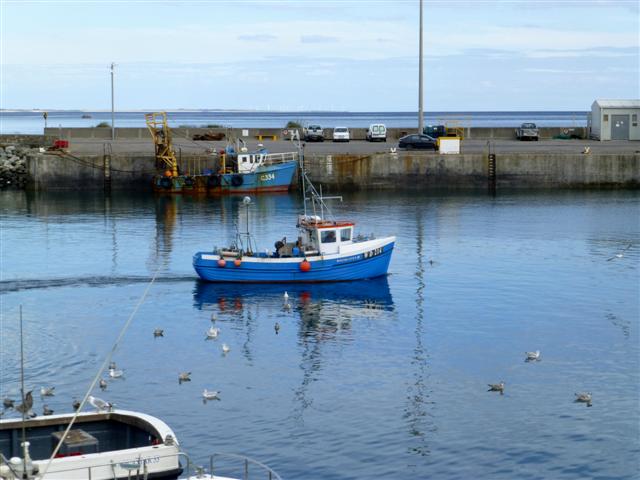
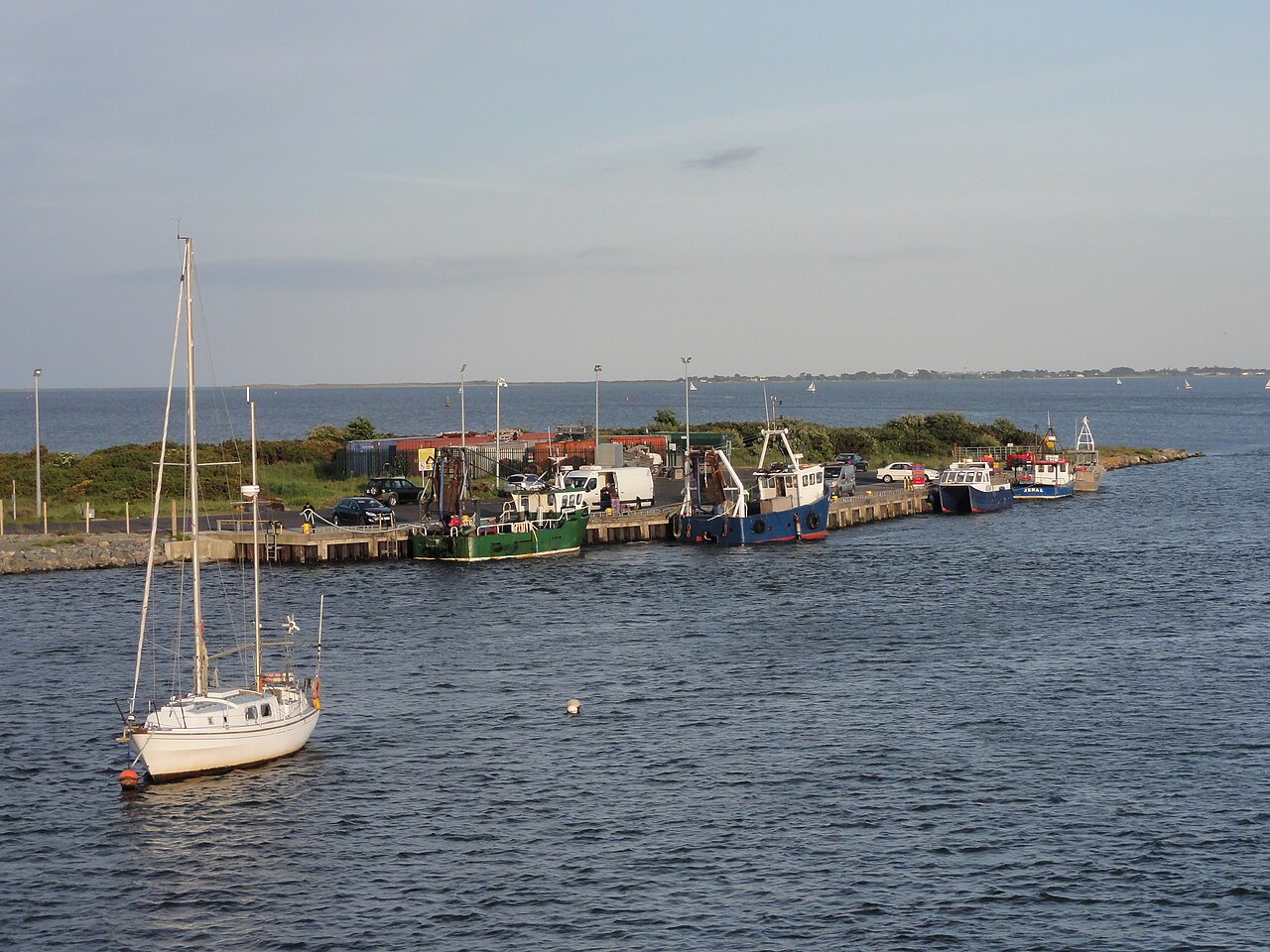
Kilmore Quay is a fishing village and harbour on the south County Wexford coast, the main departure point for boat trips to the Saltee Islands. It is a well-established base for deep-sea boat angling and shore fishing along the adjoining coastline.
County
Wexford
Region
South East
Type
Coastal
Nearest towns
Wexford Town
Species
Tope, Bass, Blue Shark, Pollack, Coalfish, Thornback Ray +15 more
Kilmore Quay is the premier charter fishing port on Ireland's south-east coast — a compact working harbour village in County Wexford that occupies a position at the southern tip of the Wexford coastline, looking directly across to the Saltee Islands and beyond them to some of the most productive offshore grounds in Irish waters. The combination of deep water in close proximity, prolific reef systems, historic wreck grounds, and the warming influence of Celtic Sea currents makes this a genuinely world-class mixed sea fishing location that draws visiting anglers from across Europe each season.
The harbour is the operational heart of the south-east charter fleet. Experienced skippers have worked these waters for decades, targeting everything from tope and bass to blue shark and specimen ray. What sets Kilmore Quay apart from many Atlantic coast ports is the proximity of productive marks — the Saltee Islands sit just four miles offshore, and prime reef and wreck ground lies within 10–20 miles of the harbour mouth. This closeness translates directly into fishing time. Where other ports spend an hour steaming each way, Kilmore Quay boats are on productive marks within thirty to forty-five minutes.
The south-east coast offers exceptional diversity of target species for a single departure point. Tope — powerful members of the shark family in the 25–45 lb range — are found on sandy ground within easy reach, while the seabed south of Wexford holds a remarkable variety of ray species: thornback, blonde, painted, undulate, and homelyn ray have all been recorded from these grounds. The Celtic Sea wreck population, accumulated over centuries of maritime traffic, supports conger eel, ling, and cod. Blue shark arrive offshore in summer. Bass are present along the shore marks and in the Bannow Bay estuary system throughout the warmer months.
Shore fishing around Kilmore Quay is often overlooked in favour of the charter fleet, but the coastline on either side of the village offers genuine quality. Rocky platforms, sandy beaches, and the quay walls themselves produce bass, pollack, wrasse, mackerel, and a variety of flatfish. Ballyteige Bay to the west holds significant bass populations accessible to beach casters, while the rocky marks east of the quay provide lure fishing for pollack and wrasse throughout the season.
The village has long attracted international sea anglers, particularly from the UK, Germany, and the Netherlands, and its reputation rests on consistency — these grounds produce fish reliably through a long season. The village itself is a genuine working harbour with excellent seafood restaurants, comfortable accommodation, and the authentic maritime atmosphere of a place that still makes its living from the sea.
Charter BoatBait FishingLure FishingPier FishingShore Fishing
Venue details
Season dates
Fishing season: January – December
Best times
Cod: October, November, December, January, February, March
Ray: April, May, June, July, August, September, October
Bass: May, June, July, August, September, October
Tope: June, July, August, September
Blue Shark: July, August, September
Difficulty
Intermediate
Access & bases
Kilmore Quay is approximately 30 minutes from Wexford town, 1.5 hours from Waterford, 2 hours from Cork, and 2.5 hours from Dublin via the M11 motorway. The village has a tackle shop, and bait can be sourced locally or pre-ordered through your charter skipper. Charter boats depart from the main quay wall. Accommodation ranges from B&Bs and self-catering cottages to hotel options in Wexford town. The nearby villages of Bridgetown and Kilmore also offer accommodation. Ballyteige Bay and the rocky marks east of the quay are accessible on foot or by car along coastal roads.
Signature features
The Saltee Islands
Great Saltee and Little Saltee sit four miles offshore and define the Kilmore Quay fishery. The islands create complex tidal flows, reef systems, and current edges that concentrate fish throughout the season. The waters around the Saltees hold pollack, bass, ray, and diverse reef species. They are also one of Ireland's most important seabird colonies — fishing alongside breeding gannets, puffins, and guillemots adds a remarkable dimension to the experience.
South-East Ray Diversity
The sandy and mixed seabed south of Wexford supports an exceptional variety of ray species. Thornback, blonde, painted, undulate, homelyn, and small-eyed ray have all been recorded from these grounds. For ray specialists, Kilmore Quay is arguably the most productive single port in Ireland — a session focused on ray can realistically encounter three or four distinct species.
Wreck Fishing Heritage
The Celtic Sea south of Wexford has claimed vessels for centuries, and the seabed holds wrecks that now function as artificial reefs supporting substantial fish populations. Conger, ling, pollack, and cod colonise these structures in numbers. Charter skippers have built detailed wreck knowledge over decades of exploration, and the quality of wreck fishing from Kilmore Quay remains among the best in the country.
Proximity to Prime Marks
Unlike many charter ports that require long steaming times to reach productive ground, Kilmore Quay's position at the south-eastern corner of Ireland means deep water and prime marks are within easy reach. The Saltees are a fifteen-minute run, and productive tope ground is reached within 30–45 minutes. This maximises fishing time — a critical advantage on day trips.
Season by season
January – March
Winter fishing focuses on wreck and reef species — cod, ling, conger, and pollack. The south-east coast is generally more sheltered than Atlantic venues, offering more fishable winter days. Shore fishing produces codling, whiting, and ray on baited rigs. A quiet period for visitors but productive for those prepared for the conditions.
April – May
The season opens in earnest. Bass return to inshore marks as water temperatures rise. Tope begin appearing on the offshore banks from late May. Pollack become active on reef marks. Ray fishing improves steadily through May. The first mackerel appear by mid to late May. This transitional period offers excellent variety and lighter competition for marks and charter availability.
June – August
Peak season with the full range of species simultaneously available. Tope, blue shark, bass, pollack, ray, and all surface species can be targeted in a single day. Multi-species charter trips are the norm — tope at dawn, shark through midday, reef fishing in the afternoon. Shore marks produce bass, pollack, and wrasse reliably. Mackerel are abundant from the quay.
September – October
Autumn is outstanding and many experienced anglers consider it the best period. Tope and shark remain into October. Bass are at peak condition and weight. Cod begin arriving on offshore marks. Ray fishing reaches its peak for species diversity. Fewer visitors mean easier charter availability and noticeably quieter shore marks.
November – December
Transition to winter species. Cod, whiting, and ling become primary charter targets on wrecks and reefs. Shore fishing shifts to bait tactics for codling, ray, and whiting. Wreck fishing remains consistently productive. Weather has the final say, but the south-east benefits from more sheltered conditions than exposed Atlantic ports.
Best conditions
Based on 0 reports, these conditions consistently produce the best fishing on Kilmore Quay:
💨
SW to SE Force 2–3 — offshore tope and shark prefer settled conditions
Best wind
☁️
Overcast to partly cloudy; calm for comfortable offshore drifts
Best sky
🌡️
Above 14°C for tope and summer species; dropping water temperature triggers autumn cod
Water temp
⏰
Neap tides often preferred for tope drifts; early morning consistently outperforms afternoon for most species
Best window
Seasonal fly & tactics guide
April – May (Early Season)
Focus on sheltered south-facing marks as water temperature climbs. Pollack return to reef marks before bass are consistently active on beaches. Charter boats begin targeting tope in late May — fresh bait is critical at the start of the run when fish are selective.
⚠️Common mistake: Expecting peak season productivity too early. May is transitional — fish are building up but not yet at full density on the offshore marks.
June – July (Peak Charter Season)
Multi-species charter days maximise the seasonal overlap. Start on tope marks at dawn, move to reef fishing or a shark drift through midday. Shore bass fishing peaks on flooding evening tides around the quay and rocky marks. Book charters well in advance — peak summer dates fill months ahead.
⚠️Common mistake: Not booking charters sufficiently in advance. The most experienced skippers in peak season are fully committed weeks or months ahead.
August – September (Specimen Window)
Target ray marks specifically — this is the prime window for blonde and painted ray, and the variety of species available is at its annual peak. Tope remain strong through September. Bass reach peak weight and condition. Do not overlook the shore marks during this period.
⚠️Common mistake: Ignoring ray fishing in pursuit of more high-profile species. The south-east ray fishery is genuinely exceptional and should be a dedicated focus for at least one session.
October – February (Autumn/Winter Shift)
Cod fishing dominates. Wrecks are most productive in the colder months for large conger and quality cod. Shore marks produce reliable codling in settled conditions. Do not dismiss winter — some of the most memorable wreck sessions happen between November and February.
⚠️Common mistake: Assuming winter fishing is not worthwhile. The south-east coast fishes well through the colder months for those willing to target the right species.
Core technique
Tope Fishing on the Drift
1The skipper positions the boat up-tide of known tope ground and sets a drift with the current over sandy or mixed seabed.
2A fresh mackerel or herring bait is presented on a wire trace (12–18 inches of 60–80lb wire) running from a flowing boom or zip slider on the mainline.
3Lower the bait to the seabed and leave the reel in free spool with the ratchet engaged — tope take a bait and run before turning it head-first to swallow.
4On the run, engage the reel and apply steady pressure. Do not strike hard — circle hooks will set in the corner of the jaw with a sustained pull rather than a sharp strike.
5Tope make powerful sustained runs. Expect three or four surges before the fish tires. Use the rod to pump the fish, gaining line on each upward lift.
6At the boat, minimise air exposure during photography. Tope should be unhooked in the water where possible and released immediately — all tope must be returned alive.
💡 Patience is the critical skill in tope fishing. Bites can come in concentrated flurries or require long waits. Keep bait fresh and stay alert — the take when it comes can be sudden and powerful.
What works here
Flies and methods reported most successful by the community.
Where to Fish at Kilmore Quay
Kilmore Quay Harbour & Walls
Accessible pier fishing for mackerel, pollack, wrasse, and occasional bass. Good for beginners and families. Fish on the flooding tide for best results. Evening mackerel feathering from late May through September is reliable and popular.
Ballyteige Bay (West)
A long sandy bay west of the village offering surf beach fishing for bass, ray, and flatfish. Fish the gutters and deeper channels on the flooding tide with lugworm and sand eel. Less pressured than many south-east beaches and consistently productive for bass.
Forlorn Point & Rocky Marks (East)
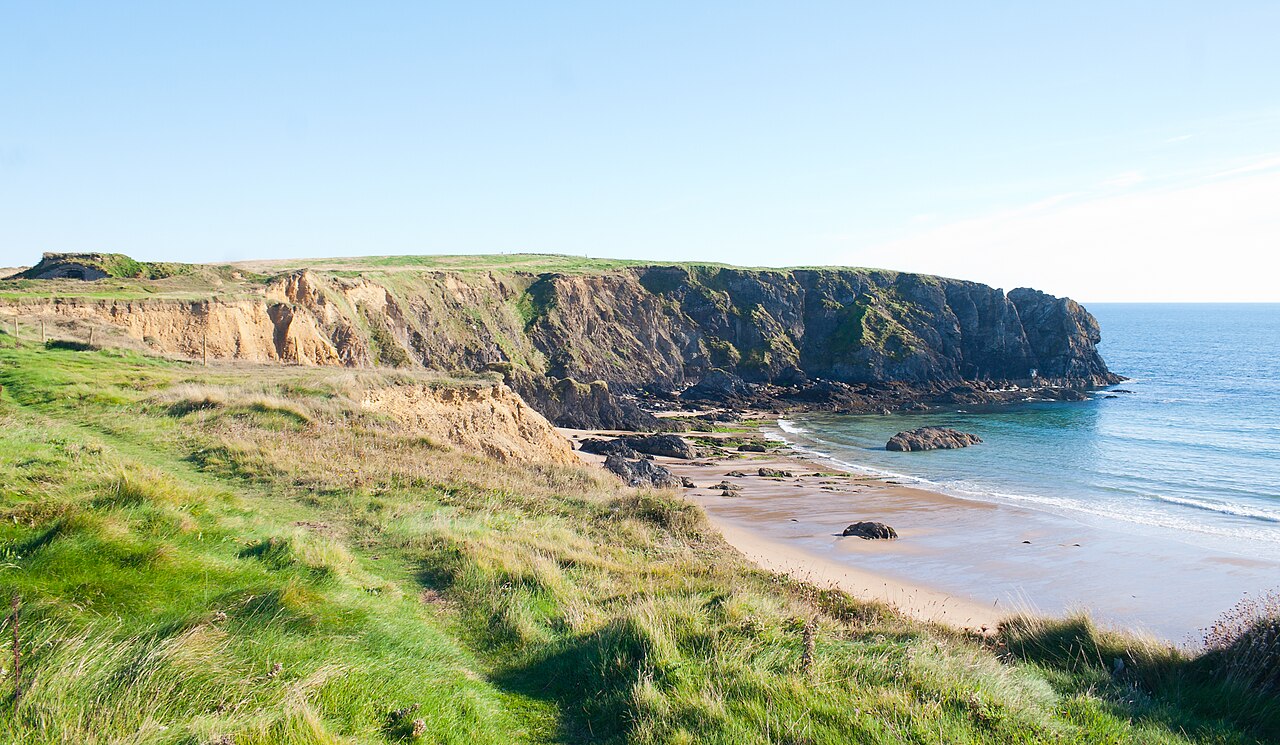
Rocky headlands and reef edges east of the quay providing shore lure fishing for pollack and wrasse. Deeper water is accessible from higher rock platforms. Requires care with access assessment and swell awareness before descending.
Saltee Islands Reefs (Charter)
The waters around Great and Little Saltee hold pollack, bass, conger, and diverse reef species. Drifting artificial sand eels over the reef edges is the primary technique. Strong tidal flows around the islands dictate when specific marks are fishable — the skipper will time drifts to the current.
Offshore Sand and Mixed Ground (Charter)
Tope marks on sandy ground 10–20 miles south of the harbour, sharing the seabed with ray species, spurdog, and bull huss. Productive from May through October with May and June often bringing the first concentrated tope activity of the season.
Celtic Sea Wreck Marks (Charter)
Numerous wreck sites scattered across the seabed south of Wexford hold conger, ling, pollack, and cod. Some wrecks are closely guarded skipper knowledge built up over decades of exploration — your skipper will select marks based on conditions, tide, and target species.
Suggested trip formats
🎣 Weekend Charter Break
Two charter days covering the principal disciplines — a tope and shark drift day plus a reef and wreck session. Evening shore sessions from the quay for mackerel and pollack between boat trips.
🎣 Ray Specialist Trip
Two to three days focused on the offshore ray marks with a dedicated skipper. Target multiple species — thornback, blonde, painted, undulate. Best timed for July to September when species diversity is at its peak.
🎣 Week-Long Mixed Fishing
Three charter days covering tope, shark, and wreck fishing, interspersed with shore sessions at Ballyteige Bay for bass, lure fishing for pollack and wrasse, and quay wall mackerel fishing in the evenings. The full Kilmore Quay experience.
🎣 Family Discovery Day
Half-day charter covering mackerel, pollack on reef, and general mixed species. Suitable for children and complete beginners — the experienced skippers cater for all levels. Combined with a pier fishing session and a walk to view the Saltee Islands.
Conservation & stewardship
🌿
European sea bass are subject to conservation measures under Irish and EU law. Under 2026 IFI regulations, bass must be returned alive during February and March. In all other months, the minimum size to retain a fish is 42cm and the daily bag limit is 2 fish per angler. Regulations are reviewed annually — check fishinginireland.info for the current season rules before retaining any bass. Catch and release is practised as standard by local guides and serious bass anglers throughout the year, regardless of what the regulations permit. Handle bass with wet hands, support the fish fully, minimise time out of water, and return it carefully. This approach protects a hard-won recovery in bass stocks and ensures the sport survives for future generations.
Frequently asked questions
Before You Go — Key Regulations
Jurisdiction
Republic of Ireland (IFI)
Season
January – December
No licence or permit is required for sea fishing in Ireland. European sea bass are subject to annual regulations set by Inland Fisheries Ireland.
Main access: Established charter fleet operating from Kilmore Quay harbour — book directly through individual skippers, advance reservations strongly recommended for peak season, Tackle shop in Kilmore Quay village — bait and equipment available locally or through charter skippers, Wexford Sea Anglers — active local angling and conservation organisation