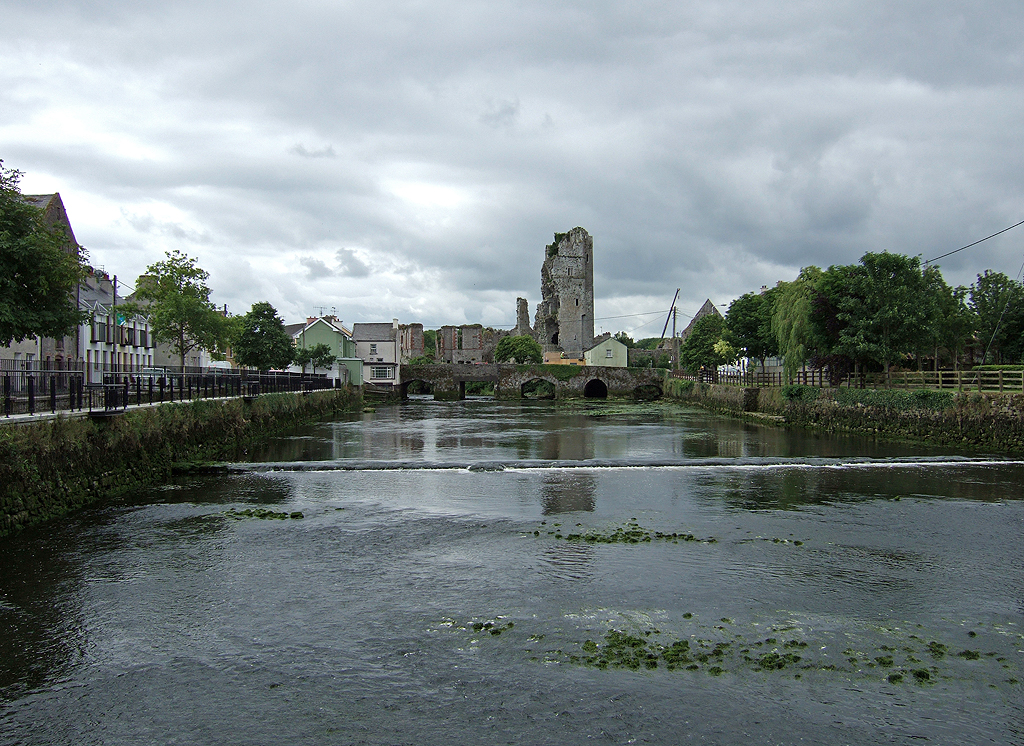
📍Clare · Mid-West📋IFI (Republic of Ireland)Season Open
14Species Present
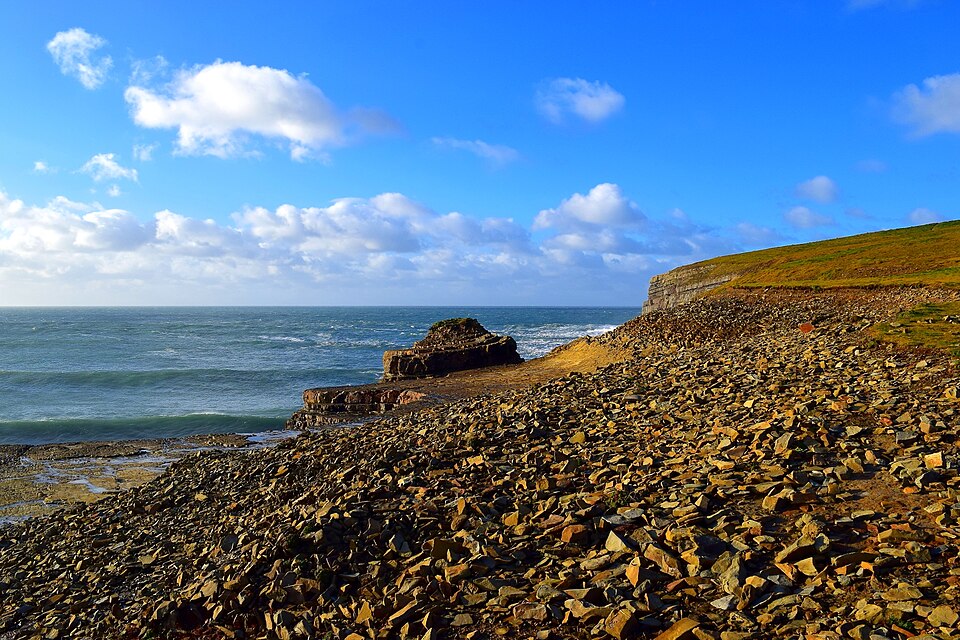
Loop Head Peninsula forms the south-western tip of County Clare, bounded by the Shannon Estuary to the south and the open Atlantic to the north. Its exposed cliffs and rock platforms are fished for pollack, wrasse, and bass.
County
Clare
Region
Mid-West
Type
Coastal
Nearest towns
Kilkee, Kilrush
Species
Pollack, Wrasse, Bass, Coalfish, Mackerel, Blue Shark +8 more
Loop Head Peninsula is a narrow blade of land driven westward into the Atlantic from County Clare, separating the mouth of the Shannon Estuary to the south from the open ocean to the north and west. It is one of Ireland's most dramatic and least commercialised stretches of coastline — a place where towering cliffs, storm-carved rock platforms, hidden coves, and deep Atlantic water converge to create sea fishing of genuine quality in a landscape that borders on the elemental.
For shore anglers, the peninsula is extraordinary. Its exposed position means the Atlantic meets the rod tip directly — deep water within casting range, powerful tidal currents pressing baitfish against the rock faces, and a coastline of ledges, gullies, and reef systems holding resident populations of pollack, wrasse, and bass alongside seasonal visitors including mackerel, coalfish, and the occasional southern species drawn north by the warming influence of the North Atlantic Drift. The peninsula's split personality is one of its greatest assets. The north and west coasts face the full force of the Atlantic — exposed cliff marks with deep water and genuine power. The south coast faces into the Shannon Estuary — sheltered, calmer, with estuary-influenced fishing producing bass, flounder, and mullet when the Atlantic side is unfishable.
Pollack are the defining shore species on Loop Head and the fish that most visiting anglers come specifically to target. The exposed Atlantic coastline provides textbook pollack habitat — deep water against the rock face, extensive kelp forests, strong tidal currents, and an abundance of sand eel driven against the reef by the ocean. Shore anglers casting lures from rock platforms on the north and west faces encounter fish of 2–6 lb as a matter of routine, with specimens above 7 lb a realistic possibility on the better marks. The quality reflects the angling pressure — many marks on this peninsula see only a handful of anglers per season.
Charter boats operate from Carrigaholt on the Shannon side, offering offshore shark drifts, reef fishing for pollack and ling, and the opportunity to encounter the resident bottlenose dolphin population of the Shannon Estuary — one of only a handful of such populations in Europe and a remarkable sight from the boat. The combination of Atlantic shore fishing, Shannon estuary character, and genuine offshore capability makes Loop Head one of the most versatile sea fishing destinations on the Irish west coast.
The peninsula is quiet in a way that is increasingly difficult to find. There are no tackle shops on the peninsula itself, no charter fleets with multiple boats, and the shore marks are not documented in mainstream fishing guides. This obscurity is its greatest asset. An angler willing to travel and explore will find fishing that more famous venues can no longer consistently deliver — unmarked rock platforms above deep Atlantic water, wrasse in kelp forests that have not seen a hook in seasons, and the rare experience of being entirely alone with a spectacular coastline.
Bass: May, June, July, August, September, October
Wrasse: May, June, July, August, September
Pollack: April, May, June, July, August, September
Mackerel: June, July, August, September
Blue Shark: July, August, September
Difficulty
Intermediate
Access & bases
A car is essential — there is no practical public transport to the peninsula's fishing marks. The peninsula is approximately 1.5 hours from Shannon Airport, 2 hours from Limerick, and 3.5 hours from Dublin. Kilkee is the recommended base for visiting anglers, with B&Bs, hotels, self-catering properties, and restaurants. Carrigaholt is the base for charter boats with a small number of B&Bs and a pub. There is no tackle shop on the peninsula — stock up comprehensively in Kilrush or Ennis before travelling. Crab for wrasse can be collected from the rocks, and mackerel for deadbait once the season opens, but all other bait must be brought in. Mobile signal can be intermittent on remote parts of the peninsula.
Signature features
Wilderness Atlantic Shore Fishing
Loop Head offers something increasingly rare in Ireland — genuine wilderness shore fishing with minimal angling pressure. The rock marks on the western and northern faces of the peninsula are remote, rarely visited by anglers, and staggeringly beautiful. There are marks here where it is possible to fish an entire day without encountering another angler. The combination of deep Atlantic water against the rock face and powerful tidal currents holds quality fish that more accessible venues simply cannot match.
Two Coastlines in One
The peninsula's unique geography creates a dual character that no other Irish venue can replicate. The north and west coasts face the full Atlantic — exposed cliff marks with deep water and powerful swell. The south coast faces the Shannon Estuary — sheltered, calmer, with estuary-influenced fishing for bass, flounder, and mullet. This duality means visiting anglers always have productive options regardless of wind direction and sea state.
Shannon Estuary Influence
The mouth of the Shannon — Ireland's longest river — creates a massive tidal exchange along the south coast of the peninsula. This nutrient-rich tidal flow supports baitfish populations that attract bass, flounder, and mullet throughout the season. The mixing of estuarine and Atlantic water creates productive feeding zones that experienced anglers learn to exploit. The Shannon's resident bottlenose dolphin population is also encountered by charter boats working these waters.
Unexplored Marks
Loop Head sees a fraction of the angling pressure of better-known Clare and Kerry destinations. There is no charter fleet with multiple boats, no tackle shop on the peninsula, and the shore marks are not systematically documented in mainstream guides. Every headland has an accessible platform, every gully has potential. An angler willing to explore systematically will discover exceptional fishing that the angling press has not yet found.
Season by season
January – March
Winter fishing is governed by weather. The exposed Atlantic marks are frequently unfishable in January and February, but the Shannon-side marks remain accessible and produce codling, flounder, and whiting on baited rigs in settled conditions. Charter activity is minimal. Pollack and wrasse are available from the sheltered south coast during high pressure windows. A period for hardy anglers rather than visiting groups.
April – May
The peninsula comes alive. Pollack return to the rock marks in strength as water temperatures rise. Wrasse become active in the kelp. Bass appear on the Shannon-side marks. The first mackerel arrive by late May. Daylight lengthens dramatically, the cliff marks are at their most pleasant — quiet, productive, and bathed in Atlantic light. An outstanding window for shore anglers who value solitude and wild fishing.
June – August
Peak season across all disciplines. Pollack, wrasse, bass, mackerel, and coalfish are simultaneously available from shore marks. Charter boats offer shark drifts, reef trips, and mixed species days. The Atlantic marks are accessible in typically calmer summer weather, and long daylight hours make dawn-to-dusk sessions possible. The optimum window for visiting anglers, and the peninsula is never crowded.
September – October
Autumn is exceptional at Loop Head. Pollack and bass are at peak condition and fighting weight. Coalfish feed aggressively before winter. Shark remain offshore into October. Mackerel thin out but other species intensify their feeding. Weather becomes more unpredictable but settled days produce outstanding fishing with noticeably fewer other anglers present.
November – December
Shore fishing shifts predominantly to the sheltered Shannon-side marks as Atlantic conditions become challenging. Codling, whiting, and flounder on baited rigs from estuary marks and Kilkee. Pollack and wrasse remain available from accessible Atlantic marks in the occasional calm winter windows. Rare settled high-pressure days on the open coast can produce extraordinary conditions.
Best conditions
Based on 0 reports, these conditions consistently produce the best fishing on Loop Head Peninsula:
💨
SW to NW Force 2–3 for Atlantic marks; any wind manageable on Shannon side
Best wind
☁️
Overcast with moderate visibility; avoid bright high-pressure days for lure fishing
Best sky
🌡️
Above 12°C for full species range; cooler water extends pollack and coalfish activity
Water temp
⏰
Dawn sessions on exposed marks before swell builds; afternoon on Shannon side when Atlantic deteriorates
Best window
Seasonal fly & tactics guide
April – May (Season Opens)
Begin on the Shannon side where water warms first and conditions are more manageable. Fish the Atlantic marks only in settled weather. Pollack are the first species to respond consistently — find them on current-swept reef edges by working shads through the kelp canopy. Move frequently, covering new marks each session.
⚠️Common mistake: Underestimating the Atlantic swell. A mark that appears calm from the clifftop can be significantly more challenging at water level. Always observe the swell pattern for several minutes from above before descending.
June – July (Peak Building)
Explore the coastline systematically rather than returning to the same mark. Walk the cliff path and fish different platforms each session — Loop Head rewards exploration over routine. Dawn sessions on exposed Atlantic marks, sheltered Shannon-side marks in the afternoon if conditions deteriorate. Charter shark fishing should be booked for August.
⚠️Common mistake: Repeatedly fishing the same accessible mark. The peninsula's greatest asset is the number of unfished marks — every headland has potential and the best fish are rarely on the easiest platform.
August – September (Specimen Season)
Target the deepest, most current-swept marks for large pollack. Fish the Shannon side at dawn for bass in peak feeding condition. This is the prime window — specimen pollack, bass at their best, coalfish feeding aggressively before winter. Book shark charters for August in advance.
⚠️Common mistake: Only fishing the most accessible marks. The best fishing on Loop Head requires a walk. Fifteen minutes from the road separates you from productive ground that rarely sees a lure.
October – February (Autumn into Winter)
Fish the Shannon side predominantly as Atlantic conditions deteriorate. Kilkee pier and the sheltered marks around Carrigaholt remain consistently productive. Codling and flounder from estuary marks provide reliable autumn sport. Watch for rare settled high-pressure windows in November — a calm Atlantic day in late autumn can produce exceptional pollack fishing.
⚠️Common mistake: Assuming the exposed marks are always unfishable in winter. High-pressure November spells produce flat conditions on the Atlantic face, and the fishing on those rare days is often outstanding.
Core technique
Exposed Rock Mark Lure Fishing
1Always assess the mark from above before descending. Watch the swell pattern for at least five minutes. If waves are washing over the platform you intend to fish, choose a higher or alternative mark.
2Wear studded boots or wading boots with grip. Seaweed-covered wet rock is among the most treacherous surfaces in shore angling. Carry pliers, leader material, and spare lures in a chest pack — do not bend to a tackle box on an exposed platform.
3Use heavier jig heads than you would in sheltered water — 15–25g is standard on Loop Head marks. The current is strong and you need the lure to reach the productive zone near the kelp canopy. Undersized jig heads will not fish the right depth.
4Cast across or into the current and retrieve across the tidal flow. Pollack and coalfish hold on the downstream side of reef features — your lure should sweep past these ambush positions naturally.
5Keep the rod tip high during the fight to steer fish away from kelp. Loop Head pollack fight hard in heavy current — expect powerful surges and apply decisive side pressure rather than simply pumping the fish upward.
6Move frequently along the platform. Fish three or four casts into each likely position, then move ten metres. The angle of presentation is often more important than the lure choice itself.
💡 The reward for fishing these exposed marks is access to quality fish that rarely encounter lures. Approach with respect for the environment and the conditions, and never fish an exposed Atlantic mark alone.
What works here
Flies and methods reported most successful by the community.
Where to Fish at Loop Head Peninsula
Kilkee Bay & Pier
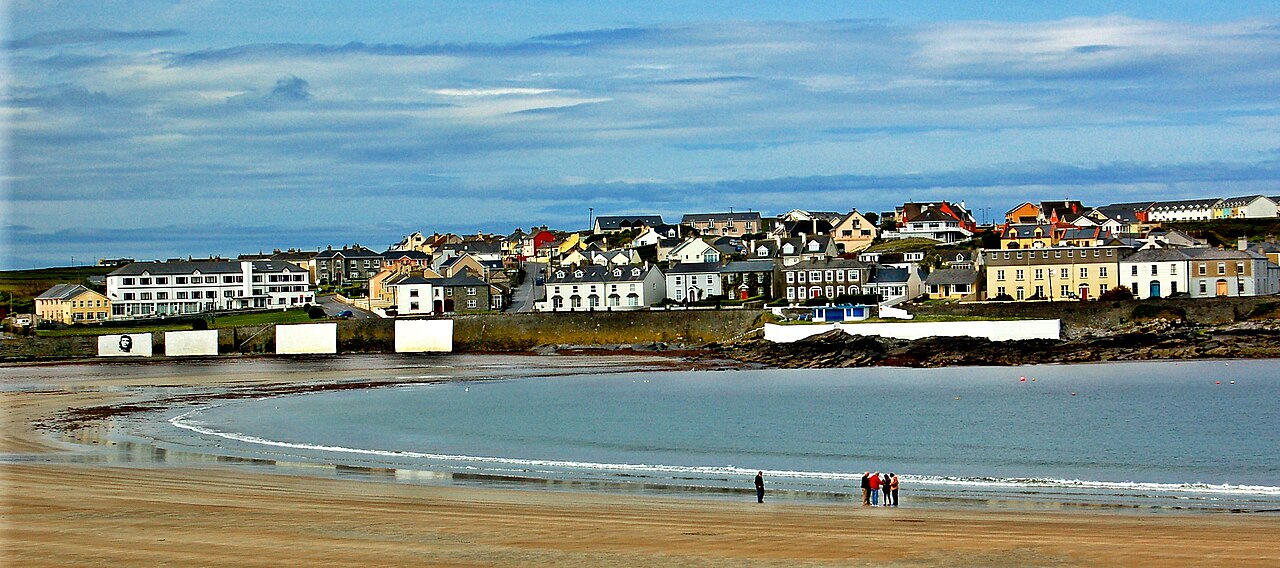
Sheltered horseshoe bay with pier fishing for mackerel, pollack, wrasse, and garfish. The pollock holes — natural rock pools at the north end of the bay — are a local landmark producing wrasse and small pollack on float-fished crab. Family-friendly and accessible to all levels. The recommended starting point for visiting anglers new to the peninsula.
North Coast — Bridges of Ross to Loop Head
Dramatic exposed cliff and rock marks facing the open Atlantic. Deep water, powerful swell, and exceptional pollack, coalfish, and wrasse fishing. The Bridges of Ross — natural rock arches with deep water in the channel — are a landmark mark well-known to experienced Atlantic shore anglers. Loop Head itself commands deep water and strong tidal flows. Experienced anglers only on these marks.
West Coast — Exposed Headlands
A succession of rocky headlands between Kilkee and Loop Head on the ocean-facing coast. Each headland offers platforms over deep water for pollack, coalfish, and wrasse. Many are unnamed and see minimal angling pressure. Exploration is consistently rewarded — bring a Ordnance Survey map and approach each mark from above before committing to a descent.
South Coast — Shannon Side
Sheltered marks facing the Shannon Estuary. Rocky shorelines, small coves, and pier access at Carrigaholt produce bass, flounder, mullet, and ray in calmer water. The essential alternative when the Atlantic side is unfishable. Carrigaholt pier produces mackerel, pollack, and wrasse reliably from May through October.
Offshore — Charter from Carrigaholt
Blue shark drifts in the Atlantic west of the peninsula. Reef and wreck marks for pollack, ling, coalfish, and conger. The Shannon Estuary waters provide regular dolphin encounters during charter trips. The fleet is small — advance booking is essential and early in the season.
Suggested trip formats
🎣 Weekend Shore Expedition
Two days exploring the peninsula's rock marks on foot. Dawn sessions on the Atlantic side for pollack and coalfish, afternoon wrasse fishing on sheltered marks, evening sessions on the Shannon side for bass. Based in Kilkee. Self-sufficient with tackle and a sense of adventure.
🎣 Wild Coast Week
Five to seven days combining systematic exploration of the shore marks with one or two charter days from Carrigaholt. Target the full species range — pollack, wrasse, bass, and coalfish from shore; shark, reef species, and dolphin encounters from the boat. Walk the cliff paths, discover unmarked marks, and experience genuinely wild Atlantic fishing.
🎣 Shark and Shore Combination
Three days with charter shark fishing as the centrepiece, supplemented by shore sessions for pollack and bass on non-charter days. Based in Carrigaholt. Best timed for July or August when shark presence is most consistent.
🎣 Family Base at Kilkee
Kilkee's sheltered horseshoe bay and accessible pier provide family fishing for mackerel, wrasse, and pollack in safe conditions. Combine with beach time, the Cliffs of Moher 45 minutes north, and walks on the Loop Head trail. The bay is safe for swimming and well-suited to children.
Conservation & stewardship
🌿
European sea bass are subject to conservation measures under Irish and EU law. Under 2026 IFI regulations, bass must be returned alive during February and March. In all other months, the minimum size to retain a fish is 42cm and the daily bag limit is 2 fish per angler. Regulations are reviewed annually — check fishinginireland.info for the current season rules before retaining any bass. Catch and release is practised as standard by local guides and serious bass anglers throughout the year, regardless of what the regulations permit. Handle bass with wet hands, support the fish fully, minimise time out of water, and return it carefully. This approach protects a hard-won recovery in bass stocks and ensures the sport survives for future generations.
Frequently asked questions
Before You Go — Key Regulations
Jurisdiction
Republic of Ireland (IFI)
Season
January – December
No licence or permit is required for sea fishing in Ireland. European sea bass are subject to annual regulations set by Inland Fisheries Ireland.
Main access: Charter boats operate from Carrigaholt Pier on the Shannon side — small fleet, advance booking essential for peak season; contact Carrigaholt village for current operators, Kilrush — nearest town with tackle shops; Ennis also has tackle suppliers — stock up before reaching the peninsula, Loop Head Peninsula Tourism — local visitor information; Clare County Council coastal access guides