📍Leitrim · North West📐35 km²📋IFI (Republic of Ireland)Season Open
6Species Present
County
Leitrim
Region
North West
Type
Lough
Surface area
35 km²
Depth
15 m
Species
Brown Trout, Pike, Roach, Bream, Perch, Hybrids
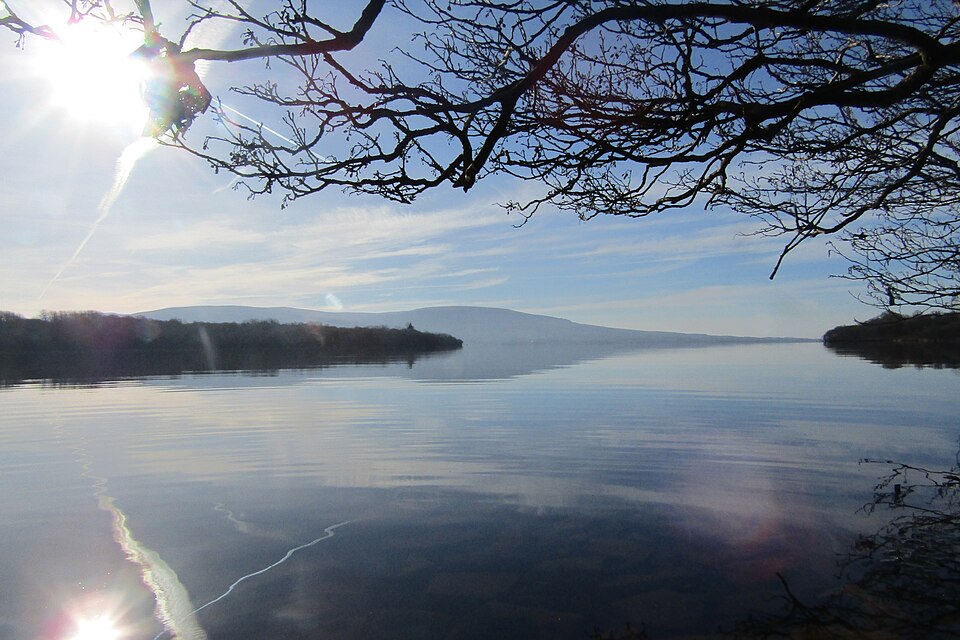
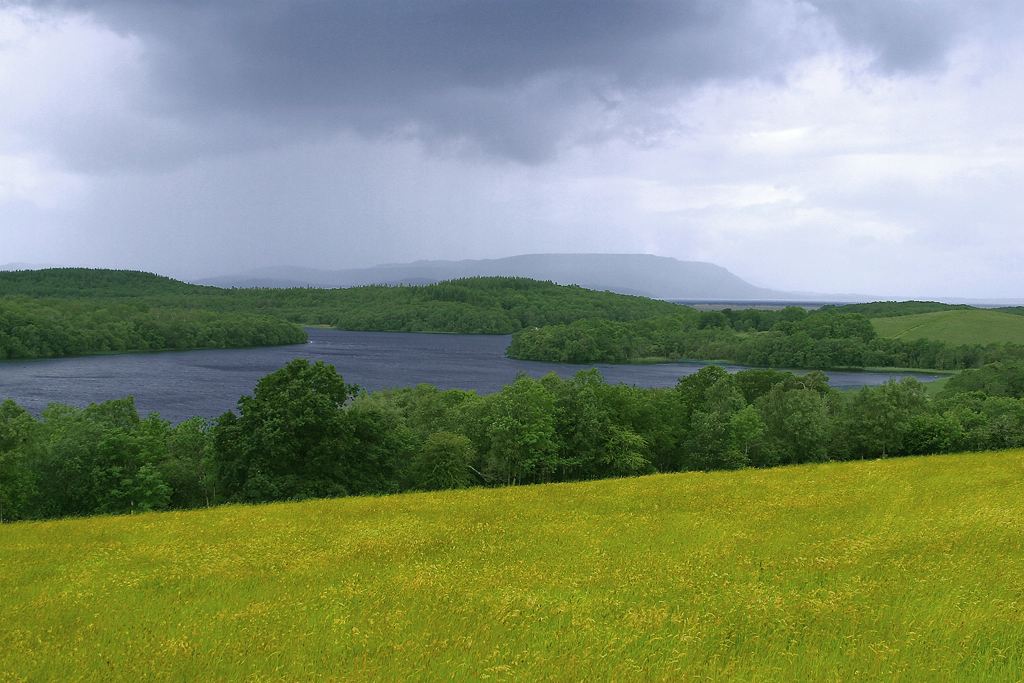
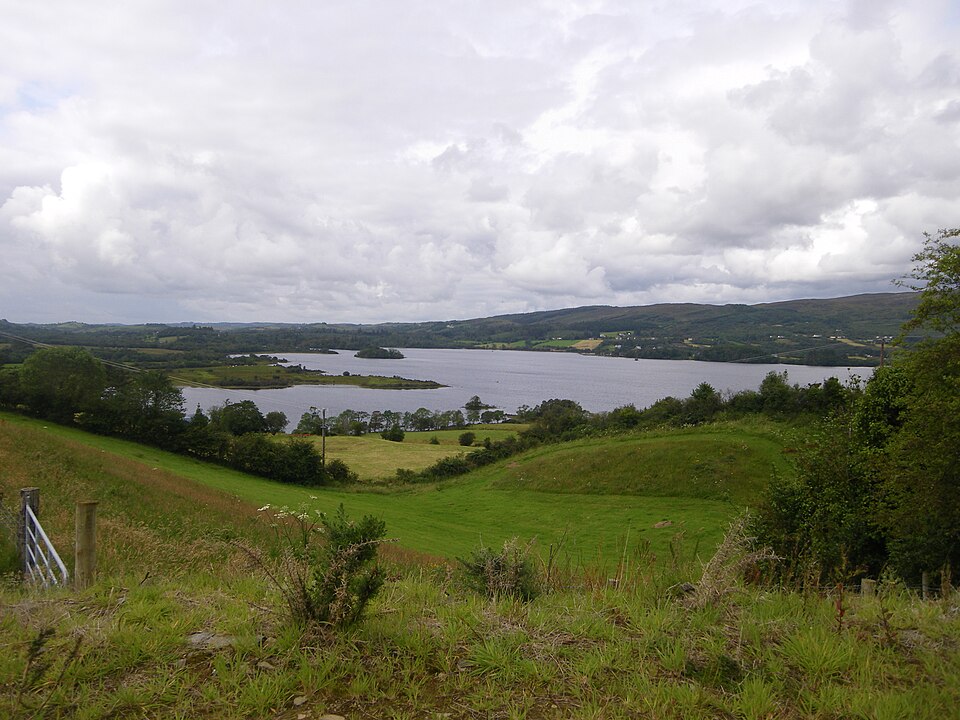
Lough Allen is the uppermost major lake of the River Shannon system and one of Ireland's most distinctive inland fisheries. Set against the mountainous backdrop of Sliabh an Iarainn and the Arigna Mountains, where Counties Leitrim, Roscommon and Cavan converge, this expansive upland lough forms the headwater reservoir of the Shannon before the great river continues south through the midlands. It is a water of character, scale and seasonal possibility.
Unlike the famous limestone trout loughs of the west, Lough Allen is a large, open, slightly peaty upland lake with fluctuating water levels and a varied shoreline of sheltered bays, rocky points and submerged structure. The lake stretches approximately eleven kilometres in length and eight kilometres at its widest point, covering some 3,500 hectares of water that can feel almost maritime under a fresh wind. Its position at the head of the Shannon gives it a unique ecological identity, influenced by the upland streams and rivers that feed it from the surrounding hills.
Historically, Lough Allen was known primarily as a wild brown trout fishery, and quality trout remain central to the lake's angling identity. Spring and early summer produce the most consistent trout sport, particularly during insect hatches when fish move into windward feeding lanes and over shallow shoals. In September, the lake has a deserved reputation for producing larger trout as fish feed aggressively before winter.
In more recent decades, Lough Allen has gained significant recognition as a mixed fishery. Pike populations are well established, with specimens exceeding 30lb recorded, and the lake supports healthy stocks of roach, bream, perch and hybrids. This multi-species character makes Allen a versatile destination — an angler can target trout on the drift in the morning, switch to pike lures in the afternoon, and fish a feeder rod for coarse species in a sheltered bay by evening.
The lake rewards anglers who understand wind patterns, depth transitions and seasonal fish movement between the Shannon inflow and the main basin. A boat is strongly recommended for both trout and pike fishing, though accessible shoreline pegs exist for coarse angling, notably at Heron's Shore near Drumshanbo. The surrounding landscape of bog, mountain and quiet agricultural country provides a setting of genuine tranquillity.
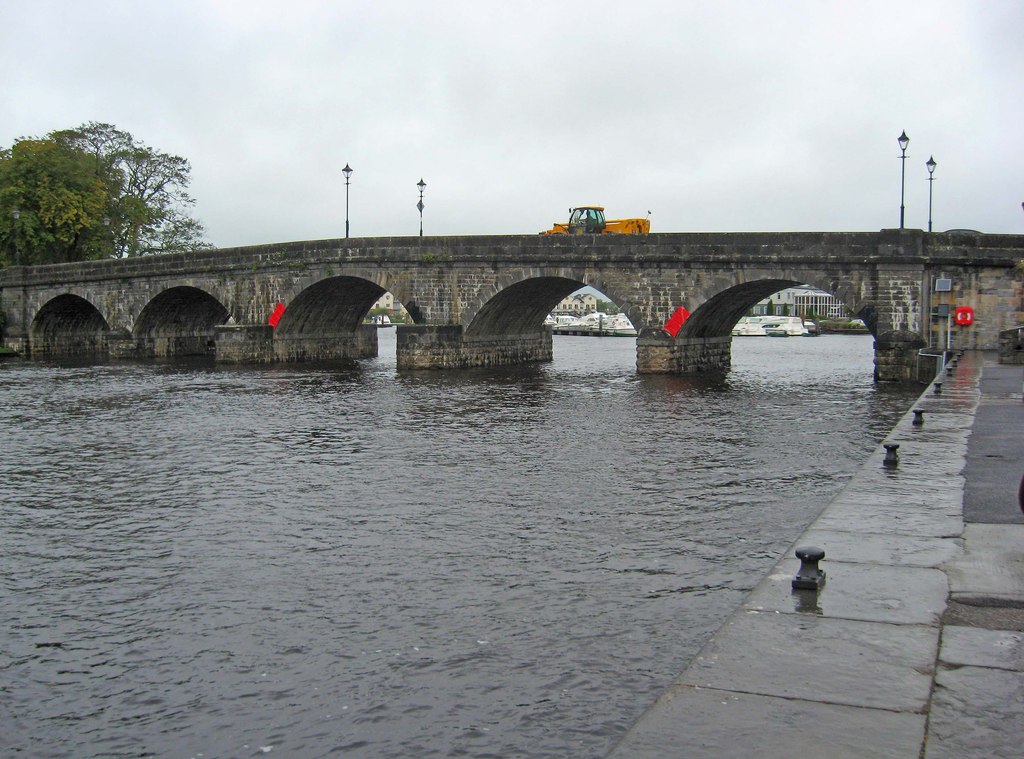
Drumshanbo, at the southern end of the lake, serves as the primary base for visiting anglers, with boat hire, accommodation and local knowledge readily available. The town's position on the Shannon Blueway adds a broader tourism appeal for non-angling companions, while the lake's relative lack of crowding compared to more famous western fisheries ensures a peaceful experience on the water.
Pike: October, November, December, January, February, March
Brown Trout: April, May, June, September
Coarse Fish: July, August, September
Difficulty
Intermediate
Access & bases
Primary access is from Drumshanbo at the southern end and Ballinaglera to the north. Public slipways are available for launching boats. Shoreline access varies — some stretches require walking across rough ground while others, such as Heron's Shore near Drumshanbo, offer easy access with car parking nearby. Boat hire is available locally and is strongly recommended for trout and pike fishing. The lake is approximately two hours from Dublin via the N4 and ninety minutes from Galway.
Signature features
Shannon Headwater Ecosystem
As the first major expansion of the River Shannon, Lough Allen occupies a unique position in Ireland's most important river system. The Shannon inflow and outflow create current patterns and nutrient dynamics that influence fish distribution throughout the lake. The upland streams feeding Allen from the surrounding hills support spawning habitat for wild brown trout, while the connection to the wider Shannon system has facilitated the establishment of coarse fish populations.
Expansive Wind-Driven Fishing
Lough Allen's size and exposure to prevailing winds create large drift paths that are fundamental to productive trout fishing. Windward shores concentrate food items along feeding lanes, and experienced anglers plan their sessions around wind direction and strength. A moderate south-westerly is generally considered ideal, creating enough surface disturbance to move fish while remaining comfortable to fish from a drifting boat.
Multi-Species Versatility
Few Irish loughs offer the breadth of angling opportunity available on Lough Allen. The ability to target wild brown trout, specimen pike and quality coarse fish from a single base makes it an appealing destination for anglers who enjoy variety or for groups with mixed preferences. A family or club trip can easily accommodate different disciplines without travelling between venues.
Season by season
March – April
The trout season opens with fish beginning to feed in the shallower margins as water temperatures rise. Early-season wet fly fishing can be productive on calmer days, targeting the warmer bays and wind-sheltered shorelines. Pike remain active from winter and respond well to deadbaits and slow-retrieved lures.
May – June
The prime trout window. Insect hatches intensify through May, with Green Peter sedges and various olive patterns bringing fish to the surface. Windward drifts across shoals produce the best sport. Evening sedge activity can be excellent. Pike fishing transitions to more active lure methods as water warms.
July – August
Trout fishing can slow during bright, settled conditions, with early morning and late evening providing the best windows. Coarse fishing comes into its own after the close season lifts in mid-June, with bream, roach and hybrids responsive to feeder tactics in sheltered bays. Pike move into weed-edge ambush positions.
September – October
September is renowned on Lough Allen for producing the best trout of the season as fish feed heavily before winter. Pike become increasingly aggressive as water temperatures drop, and larger specimens are targeted along the deeper drop-offs and in structured bays. Autumn colours and quieter conditions make this a particularly rewarding time to visit.
November – February
The trout season is closed, but pike fishing continues through winter and can be excellent. Deadbaiting on the deeper margins and slow trolling with large lures are the primary methods. Cold, settled days with light frost often produce the best pike results.
Best conditions
Based on 0 reports, these conditions consistently produce the best fishing on Lough Allen:
💨
SW Force 3–4
Best wind
☁️
Overcast with occasional breaks
Best sky
🌡️
10–16°C for trout; pike active in cooler conditions
Water temp
⏰
Trout: all day in moderate wind; Pike: morning and late afternoon; Coarse: afternoon into evening
Best window
Seasonal fly & tactics guide
Early Season (March – April)
Patterns
Small dark wetsBlack PennellHare's Ear nymphBibio
Focus on the slightly warmer margins and sheltered bays where water temperatures rise earliest. Fish teams of small dark wet flies on a floating line, targeting shallow shoals and the edges of reed beds. Nymph patterns can be effective in the calmer conditions typical of early spring. For pike, slow-retrieve deadbaits along the deeper margins and transition zones.
⚠️Common mistake: Fishing the open, exposed areas too early in the season when trout are still concentrated in warmer marginal zones.
Peak Trout (May – June)
Patterns
Green PeterMurroughOlive BumbleGolden Olive BumbleBibio
Target windward shores where insect life concentrates along feeding lanes. Set up long drifts across shallow shoals using a traditional team of three wet flies. The Green Peter becomes increasingly important through May. Evening sessions can produce excellent sedge activity — switch to a bushy dry fly or a half-sunk sedge pattern when fish rise in the last hour of light.
⚠️Common mistake: Drifting too quickly in strong wind without using a drogue to control speed and coverage.
Summer Coarse & Pike (July – August)
Patterns
MaggotCasterCornWorm
For coarse species, groundbait sheltered bay swims and fish feeder rods at medium range. Roach and hybrids respond to maggot and caster, while bream favour larger hookbaits over a bed of groundbait. For pike, work the weed edges with jerkbaits, soft plastics and shallow-running crankbaits during the warmer months.
⚠️Common mistake: Expecting consistent trout sport during bright, calm midsummer conditions — better to focus on coarse species or fish very early and very late.
Autumn (September – October)
Patterns
Daddy LonglegsFiery BrownLarge dark sedges
Dapping
Daddy LonglegsGrasshopper
September trout fishing can be superb, particularly when dapping with natural or artificial daddy longlegs patterns. Fish feed aggressively as temperatures drop, and larger specimens are more willing to move to the surface. Pike fishing intensifies — target the deeper drop-offs with larger lures and deadbaits, working structured areas methodically.
⚠️Common mistake: Neglecting the September trout opportunity by assuming the best fishing ended in June.
Core technique
Wind-Lane Drift Fishing
1Read the wind direction and identify the windward shore where food items will concentrate.
2Position the boat to begin drifts across known shoals, using a drogue if needed to control speed.
3Fish a team of three wet flies on a floating line — typically a Bibio or Bumble on the point, a brighter attractor on the middle dropper, and a natural imitation on the top dropper.
4Cover the water methodically, casting ahead of the drift and allowing flies to swing across the wind lane before lifting and recasting.
5When a productive line is found, motor back upwind and repeat the drift along the same corridor.
6Adjust fly size and pattern based on what insects are active — match the hatch when possible but maintain a general attractor as insurance.
💡 On large, exposed loughs like Allen, wind management is the single most important skill. Too much wind makes boat control difficult and dangerous; too little reduces trout feeding activity. Force 3–4 is ideal.
What works here
Flies and methods reported most successful by the community.
Where to Fish at Lough Allen
Northern Basin
The shallower northern end of the lake, fed by upland streams, warms earliest in spring and produces good early-season trout sport. Rocky points and shallow bays create feeding stations that concentrate fish during hatches.
Western Shores
The western shoreline benefits from prevailing south-westerly winds, creating productive drift lanes for trout fishing. Windward feeding zones here can be excellent from May through June when hatch activity peaks.
Southern Inflow Area
Where the Shannon enters and exits the lake, transition zones between flowing water and still water create ambush territory for pike and holding lies for trout. The depth changes and current influence make this a productive multi-species area.
Reed Margins and Sheltered Bays
The reed-fringed margins and sheltered bays throughout the lake provide excellent coarse fishing habitat. Heron's Shore near Drumshanbo is particularly well known for roach, hybrids and bream, and is accessible from the shore with car parking nearby.
Suggested trip formats
🎣 3-Day Mixed Species Trip
Combine a morning trout drift session with an afternoon pike lure session and an evening coarse fishing session in a sheltered bay. Base in Drumshanbo for easy access to all parts of the lake. Ideal for groups with varied interests.
🎣 Spring Trout Focus
A dedicated two or three-day trout trip during May or early June. Concentrate on windward drift fishing during the day and evening sedge sessions as light fades. Book boat hire in advance and bring a drogue for wind management.
🎣 Autumn Pike Weekend
September through November pike sessions targeting structured margins and deeper drop-offs. Lure fishing in the morning, deadbait sessions in the afternoon. Explore the lake's bays and channels to locate fish. Bring appropriate pike-handling gear.
Conservation & stewardship
🌿
As part of the Shannon headwaters, Lough Allen plays a critical ecological role in Ireland's most important river system. Responsible angling practice includes careful handling and release of trout, use of appropriate pike-handling equipment including unhooking mats and long-nose pliers, strict observance of the coarse fish close season, and avoidance of disturbance to spawning tributaries. The lake's multi-species balance depends on sustainable management — pike should be returned alive, and anglers are encouraged to support local conservation efforts.
Frequently asked questions
Before You Go — Key Regulations
Jurisdiction
Republic of Ireland (IFI)
Season
March 1 – September 30
Brown trout open season applies (typically March to September — verify annually). Coarse fish close season runs from 15 March to 15 June in the Republic of Ireland.
Main access: Local guides and boat hire available through Drumshanbo-based operators. Contact the Lough Allen Hotel or local angling contacts for recommendations., Tackle and permits available in Drumshanbo and Carrick-on-Shannon, Lough Allen Angling Club, based in Kilglass, Roscommon — offer coaching and local guidance