📍Sligo · North West📐12.66 km²📋IFI (Republic of Ireland)Season Open
2Species Present
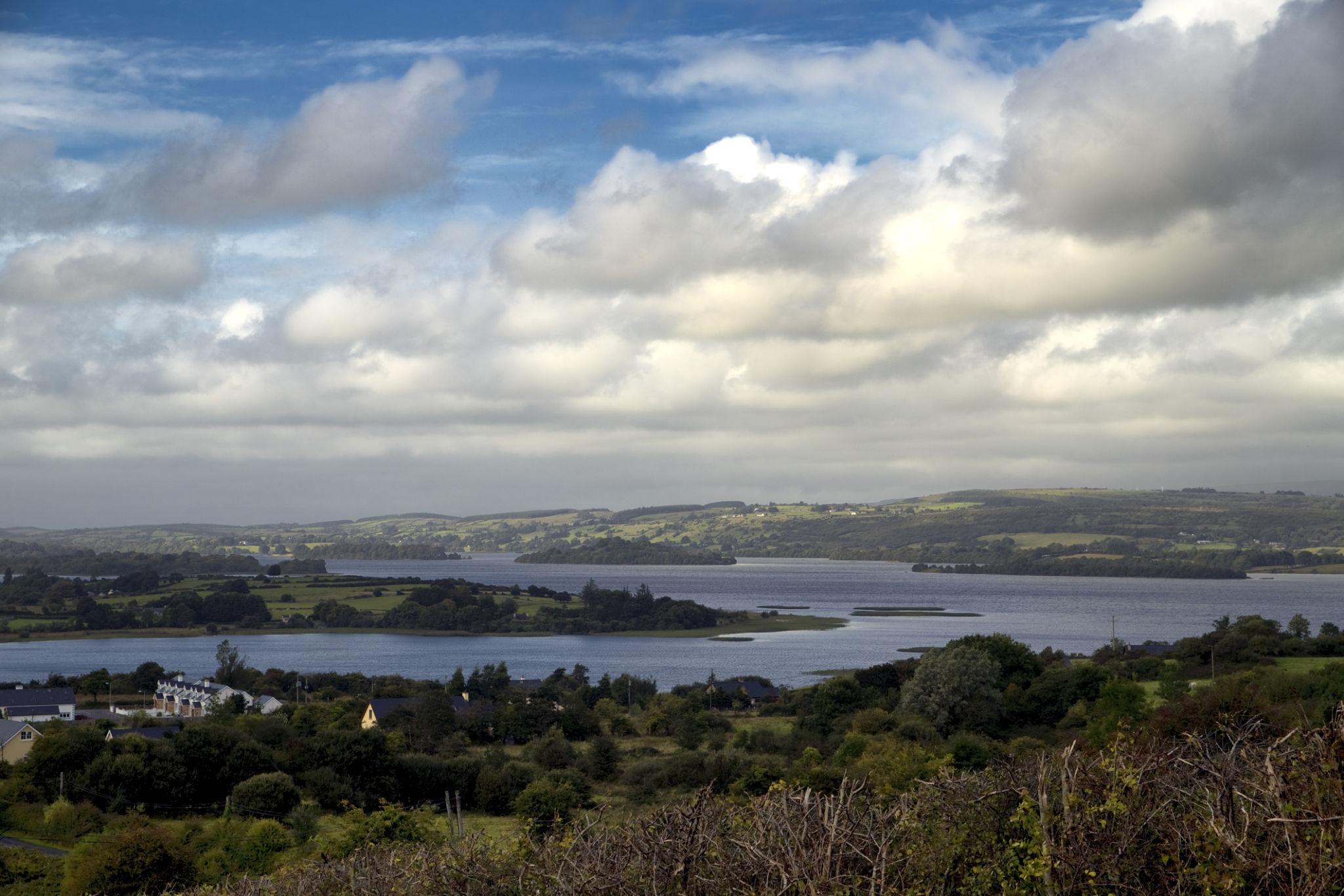
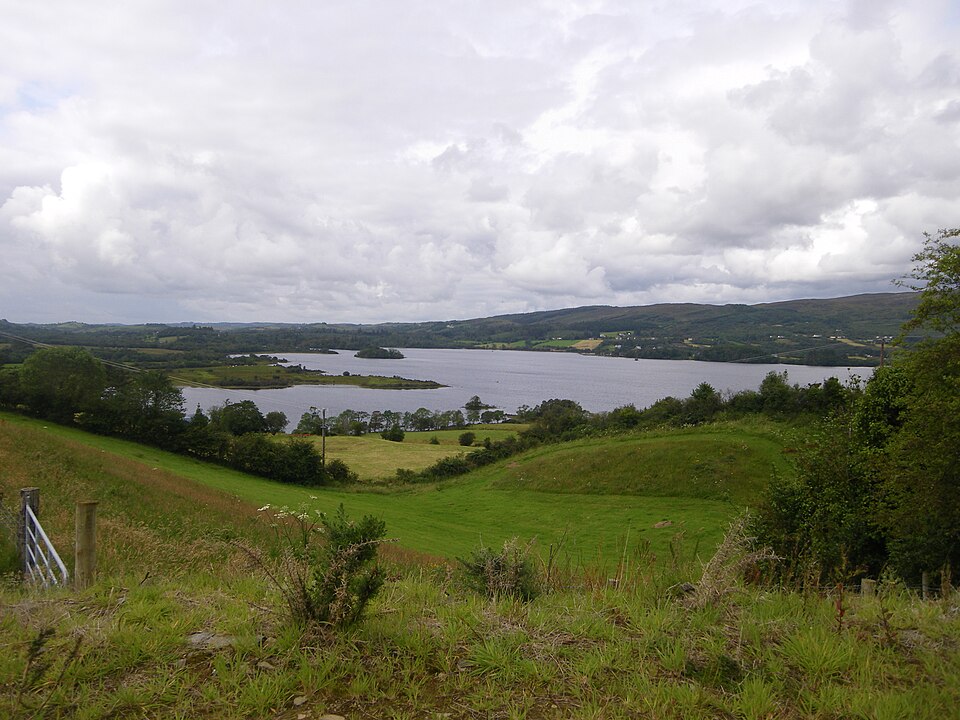
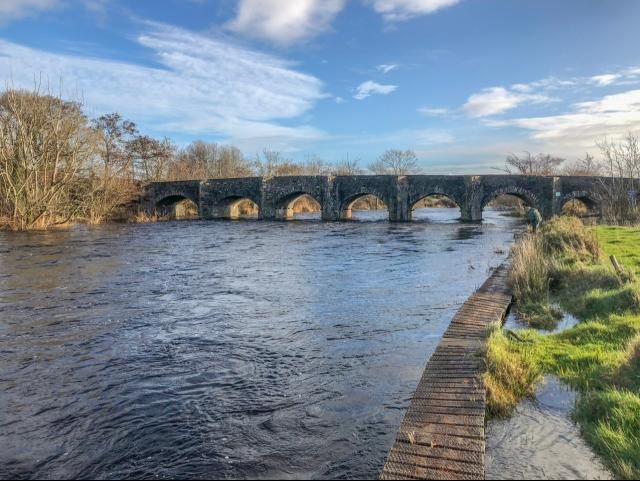
Lough Arrow is a 12.66 km² limestone lake in County Sligo, 6.4 km north-west of Boyle, and the source of the River Unshin. It has a mean depth of 9 m and a maximum depth of 33 m, and is managed as a wild brown trout game fishery.
County
Sligo
Region
North West
Type
Lough
Surface area
12.66 km²
Maximum depth
33 m
Nearest towns
Boyle, Sligo
River system
River Unshin
Species
Pike, Brown Trout
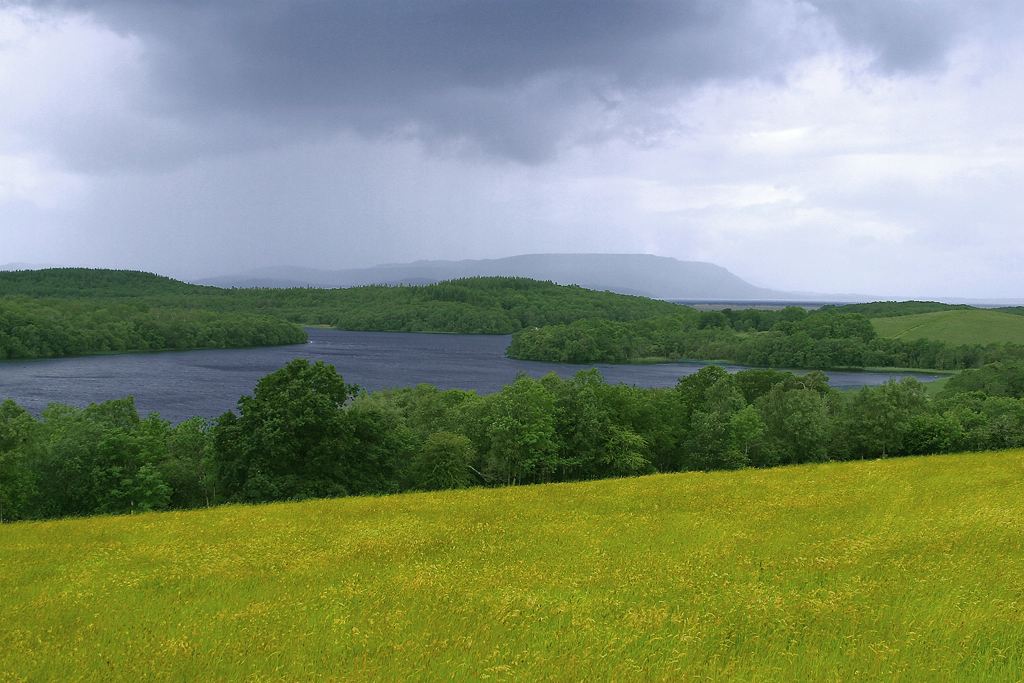
Lough Arrow sits quietly on the Sligo–Roscommon border, cradled in upland limestone country that gives its water an extraordinary fertility. It is one of the great Irish trout loughs — not in scale, but in character and quality. This is a lake that has drawn serious fly anglers for generations, not for its size but for the calibre of its wild brown trout and the reliability of its hatches.
At around 1,200 acres, Arrow is intimate by western Irish standards. Its spring-fed limestone basin supports dense invertebrate populations that sustain a genuinely wild, self-perpetuating trout stock. Fish averaging 1–2lb are the norm here, and every season produces specimens of 4–7lb from anglers who understand how to fish a drifting team of wets across the marl bays and island margins that define this water.
The mayfly hatch is the event the lake is known for. Usually arriving around mid-May and lasting two to three weeks, it draws visitors from across Ireland, the UK, and further afield. Trout abandon their usual caution and feed with abandon in the shallow bays, making this one of the few windows when even a visitor unfamiliar with Arrow can experience the best of it.
Outside the mayfly, Arrow rewards anglers who persist and adapt. Duckfly and olive hatches produce consistent spring sport. Buzzer fishing in June can be exceptional at dusk. And in late July, the Green Peter sedge brings trout back to the surface in a second evening peak that those in the know plan their summers around.
Bird fishing is the primary method — traditional wet fly drift fishing, with teams of three patterns fished across wind lanes from a boat. Shore fishing is limited. The lake demands an understanding of boat control, drift lines, and hatch timing, but it repays that effort with some of the most authentic and rewarding wild trout fishing in Ireland.
Boyle is the natural base, just six kilometres away, with accommodation, tackle, and local knowledge readily available. Ballinafad and Ballymote are also within easy reach. Book boats well in advance for the mayfly peak — demand reliably outstrips supply.
Brown Trout: May, June, July
Green Peter: July, August
Mayfly Peak: May
Difficulty
Intermediate
Access & bases
Public pier access is available at several points around the lake on both the eastern and western shores. Boat fishing is the primary and strongly recommended method — shore fishing is limited and largely situational. Boat hire is available seasonally through local accommodation providers and angling contacts in Boyle and Ballinafad; advance booking during the mayfly season in May is essential. The nearest town is Boyle (approx. 6 km), which has accommodation, fuel, and supplies. Some access points involve private land — respect any signage encountered.
Signature features
The Mayfly Hatch
The defining event of the Arrow calendar. Typically starting around mid-May, the mayfly emergence draws trout into the shallow bays where they feed with unusual boldness. Traditional dapping techniques — dropping a natural fly onto the surface from a long blow line — remain highly effective and deeply connected to the heritage of this lake. Intelligence data confirms the mayfly's dominance with 50 mentions across 107 field reports, generating 73% positive reports and catch rates of 3.5 fish per rod. The combination of active fish, accessible sport, and atmospheric conditions makes this one of the most anticipated events in the Irish angling year.
Limestone Fertility
Unlike the acidic peat-stained waters of the far west, Lough Arrow is a limestone lough fed by springs that produce mineral-rich, invertebrate-dense water. This fertility is the reason the trout grow large and why the hatches are so reliable. The marl bays — pale, shallow-bottomed areas over limestone substrate — are the most productive feeding areas and the focus of traditional drift fishing routes. This exceptional fertility supports the record fish documented in intelligence reports, including specimens up to 9lb and 27 confirmed fish over 5lb.
Green Peter Season
Arrow is one of Ireland's most dependable waters for the Green Peter sedge hatch in late July. The evenings during this period can produce remarkable sport as large sedge flies draw trout to the surface along island margins and shallow shorelines. Intelligence confirms this period's exceptional quality with 92% positive reports and catch rates of 3.7 fish per rod — rivalling even the mayfly period. Green Peter patterns appear in field reports more than any other summer fly. Anglers who know to return after the mayfly often consider the Green Peter evenings their favourite fishing of the year.
Traditional Wet Fly Heritage
Lough Arrow remains a stronghold of the classical Irish drift fishing tradition. Teams of three wet flies — typically with a bushy attractor on the bob and an imitative pattern on the point — fished slowly across wind lanes from a drifting boat are as effective here as they were a century ago. The lake's intimate scale and structured bays reward methodical coverage and deep local knowledge. Wet fly fishing dominates the intelligence reports, appearing in 43 mentions compared to 36 for dry fly methods.
Season by season
April
The lake opens in April to early duckfly and olive hatches. Cool water keeps fish close to the bottom early in the month, but mild overcast days with a ripple bring trout up to feed. Sheltered bays on the eastern shore tend to fish best. A slow drift with traditional wets on a floating line is the standard approach. Intelligence shows only 33% positive reports in April with catch rates averaging 1.2 fish per rod, making this the most challenging period. Duckfly and olive hatches are reported consistently, but fishing remains technical.
Mid-May to Early June
The peak of the season. The mayfly emergence typically begins around mid-May and can last two to three weeks. Trout move into shallow marl bays and along island margins to feed on the large upwing flies, and fish that are rarely seen during the rest of the year become catchable. Traditional mayfly patterns, Green Drake dries, and dapping with a natural fly are all highly effective. Evening fishing during calm conditions produces the spent gnat fall — some of the finest dry fly sport on any Irish lough. Field data confirms this period's dominance with 73% positive reports in May and catch rates of 3.5 fish per rod. Spent gnat activity extends well into June, maintaining the excellent fishing.
June
As the mayfly fades, buzzer (chironomid) fishing comes into its own. Dusk sessions with a floating line and slow retrieve can produce excellent results. Midge clusters and CDC emergers work well. Fish are still active but more selective, and long leaders with subtle presentation are rewarded. Intelligence shows 80% positive reports in June, with spent gnat activity remaining strong alongside buzzer hatches.
Late July
The Green Peter sedge hatch is Lough Arrow's second peak of the season. Evening drifts near islands and shallow margins become highly productive. Traditional wet fly teams with sedge imitations, and modern dry patterns like the Sedgehog, both produce results. This is a period known to regulars but often overlooked by visiting anglers. Data confirms exceptional quality with 92% positive reports and catch rates of 3.7 fish per rod. Green Peter patterns dominate successful fly choices, with Murrough and G & H Sedge also proving effective.
August – September
More technical fishing as the season winds down. Olives and small sedges provide hatch activity, but fish are harder to locate and more selective. Focus on windward shores in the evening, use lighter leaders, and scale down fly sizes. A satisfying challenge for experienced wet fly anglers. August shows moderate success (33% positive, 2.5 fish per rod) while September improves to 58% positive with continued Green Peter activity and emerging olive hatches.
Best conditions
Based on analysis of 107 IFI reports (2011–2025):
💨
Northeast winds show 89% positive reports, with Force 3 conditions (73% success) optimal. Traditional south/southwest preference shows only 53-75% success rates
Best wind
☁️
Mostly cloudy (60-80%)
Best sky
68% positive
🌡️
10-12°C
Best air temp
74% positive
⏰
All day during mayfly; evenings for sedge and buzzer
Fish slow drifts across sheltered bays on the eastern shore in mild, overcast conditions with a ripple on the water. A floating line with a team of three traditional wets is the standard approach. Let the bob fly skate lightly on the surface as the boat drifts — this triggers takes from trout feeding on emerging duckfly and early olives. Intelligence shows duckfly and olive hatches consistently reported in April, with the Sheltered Bays area featuring in field reports.
⚠️Common mistake: Fishing too fast in cold water. Early April trout are sluggish — slow your retrieve right down and give fish time to turn on the fly.
Mid-May to Early June – Mayfly Peak
Patterns
Green DrakeSpent GnatInvictaClaret SpinnerTraditional Mayfly WetsGrey WulffDry MayflyGreen MayflySpent Mayfly
Dapping
Natural MayflyDaddy Longlegs
Target the shallow marl bays and island margins where trout are visibly feeding. Drift traditional mayfly wets across feeding areas during the day. Switch to dapping along island shores in a steady breeze. In the evening, watch for the wind to drop and the spent gnat fall to begin — fish the surface with a Spent Gnat or Claret Spinner on a long, fine leader. Flynn's Pier area is particularly productive during this period, mentioned in more mayfly reports than any other location.
⚠️Common mistake: Covering too much water and not waiting. When fish are rising, position the boat and work systematically across the feed lane rather than drifting through once and moving on.
June – Buzzer & Midge
Patterns
Black BuzzerRed BuzzerOlive BuzzerCDC EmergerSpent GnatGreen MayflyGrey WulffMurroughBuzzer
Fish the buzzer hatch at dusk with a floating line and a long, fine leader (16–20 ft). Cast towards rising fish and retrieve very slowly — a figure-of-eight retrieve or almost no movement at all. Fish two or three buzzers at different depths. Narrow neck areas and sheltered bays concentrate feeding fish. Spent gnat activity often continues strongly into June alongside buzzer hatches.
⚠️Common mistake: Fishing too shallow. Buzzers ascend through the water column — set the middle dropper 4–5 ft down and the point fly deeper to intercept fish at different stages of the hatch.
Late July – Green Peter
Patterns
Green PeterClaret & MallardSedgehogBumble patternsMurroughG & H SedgeDaddy Long LegsSilver Dabbler
Arrive at the lake by 7pm and focus on island margins and shallow shorelines. Drift with wet fly teams including sedge imitations, or fish a dry Sedgehog in calm conditions as sedge flies become active. Fish respond to a light dibbling of the bob fly on the surface. Sport intensifies as light fades. The Thumbs, Ballindoon, and Mouth of the River Unshin areas are particularly productive during this period.
⚠️Common mistake: Leaving too early. Green Peter sport peaks in the last hour of light — the best fishing often comes in the 30 minutes before dark.
Core technique
Traditional Drift Fishing
1Position the boat windward of a productive bay, island margin, or known feeding area.
2Allow the wind to carry the boat naturally across the drift lane — use the oars only to make minor corrections, not to fight the drift.
3Fish a team of three wets on a 12–15 ft leader, with a bushy bob fly, an imitative pattern on the dropper, and a point fly that sinks a little deeper.
4Retrieve with a slow figure-of-eight, pausing occasionally to let the flies hang and rise naturally in the drift.
5At the end of the retrieve, hold the bob fly in the surface for a moment before lifting — trout often follow and take at this point.
💡 Wind direction defines everything. While a moderate south or south-westerly wind creates the classic drift lanes across the shallow mayfly bays, intelligence data shows northeast winds producing 89% positive reports compared to just 53% for southwest winds. Study the wind before you launch and plan your drift route accordingly.
What works here
Flies and methods reported most successful by the community.
Where to Fish at Lough Arrow
Eastern Bays
Sheltered bays on the eastern shore that fish well throughout the season, particularly during duckfly and early olive hatches in spring. Good starting areas for visiting anglers. Intelligence shows these areas mentioned specifically in early season reports from March-April.
Shallow Southern Bays
The focus of peak mayfly activity. Marl-bottomed shallows where trout move in to feed on the surface during the hatch. The most productive area from mid-May onwards. Flynn's Pier area within this zone features in mayfly reports more frequently than any other named location.
Island Margins
The area around the lake's islands is prime territory for mayfly dapping and evening sedge fishing. Trout congregate along the sheltered edges during calm evenings. The Thumbs area is particularly productive during summer months for Green Peter fishing.
Narrow Neck Areas
Constricted sections of the lake that concentrate buzzer activity and feeding fish during the midge hatches of June and August. Productive in calmer conditions. Buzzer activity peaks in May and extends into June according to field reports.
Western Shore
Comes into its own in late season when southerly and westerly winds push olives and small sedge flies along the shoreline. Worth exploring in August and September. Areas like Ballindoon and the Mouth of the River Unshin become focal points during summer Green Peter hatches.
Suggested trip formats
🎣 3-Day Mayfly Break (Mid-May)
The classic Arrow visit. Arrive on Day 1 to find your drift lanes and observe the hatch timing. Day 2 is a full mayfly day covering the southern bays and island margins, finishing with an evening spent gnat session if the wind drops. Day 3 focuses on dapping around the islands — the most traditional and atmospheric Arrow experience. Intelligence shows May averaging 3.5 fish per rod with 73% positive reports, making this the most reliable trip format.
🎣 2-Day Green Peter Evening Trip (Late July)
Arrive early afternoon for daytime orientation drifts with wet fly teams, then shift focus entirely to the evening sedge fishing from 7pm onwards. Two consecutive evenings in the right conditions can produce extraordinary sport. A good choice for experienced anglers who already know the lake. Data confirms July's excellence with 92% positive reports and 3.7 fish per rod — second only to the mayfly period for consistent results.
🎣 Mixed Trout & Pike Week
A full week that makes the most of everything Arrow offers. Morning trout drifts targeting hatches, afternoon pike fishing on the deeper areas of the lake, and evening sedge sessions. Ideal for two anglers with different preferences or a group that wants variety. Accommodation in Boyle provides a comfortable base.
Conservation & stewardship
🌿
Lough Arrow supports a genuinely wild brown trout population with no stocking. The long-term health of this fishery depends on anglers treating it with care. Catch and release is strongly encouraged, particularly for larger fish. Use barbless hooks during warm summer months to reduce stress on released fish. Minimise handling time and avoid fishing in very low water in late season when fish are concentrated in holding areas. Respect spawning tributaries in autumn and early spring — do not wade or disturb these areas. The lake's limestone fertility is its greatest asset; support local efforts to maintain water quality in the catchment.
Trout season typically runs 1 April to 30 September — verify annually with IFI. No state angling licence is generally required for brown trout on Lough Arrow, but regulations can change and should always be confirmed before travel at fishinginireland.info.
Main access: Local boatmen and guides available seasonally, particularly during the mayfly period. Advance booking strongly recommended for May. Ask at accommodation in Boyle or Ballinafad for current contacts., Local tackle advice and contacts available through accommodation providers in Boyle, Co. Roscommon, Lough Arrow Angling Club — contact locally for current information on boat hire and access