📍Mayo · West📐16 km²📋IFI (Republic of Ireland)Season Open
3Species Present
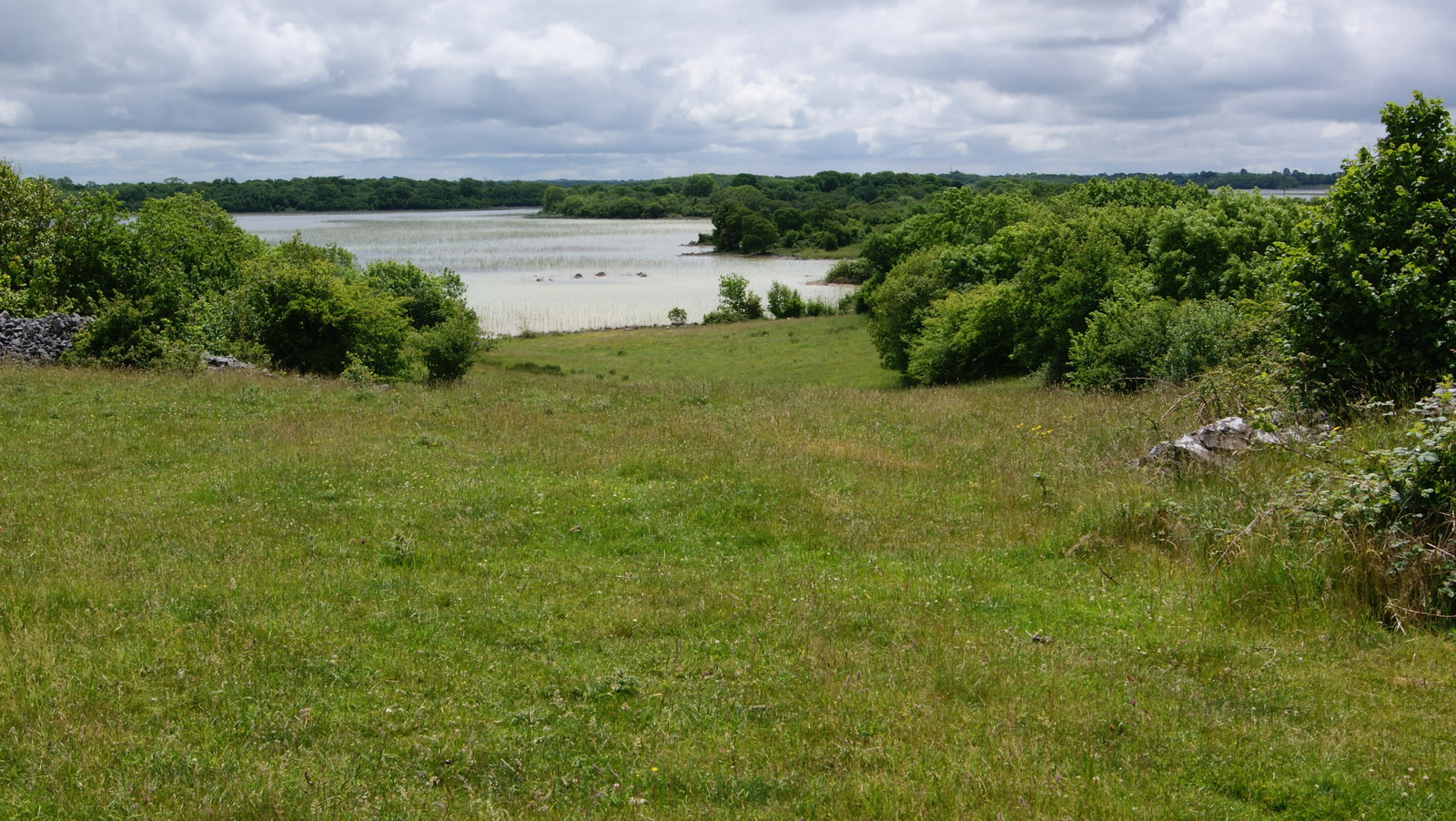
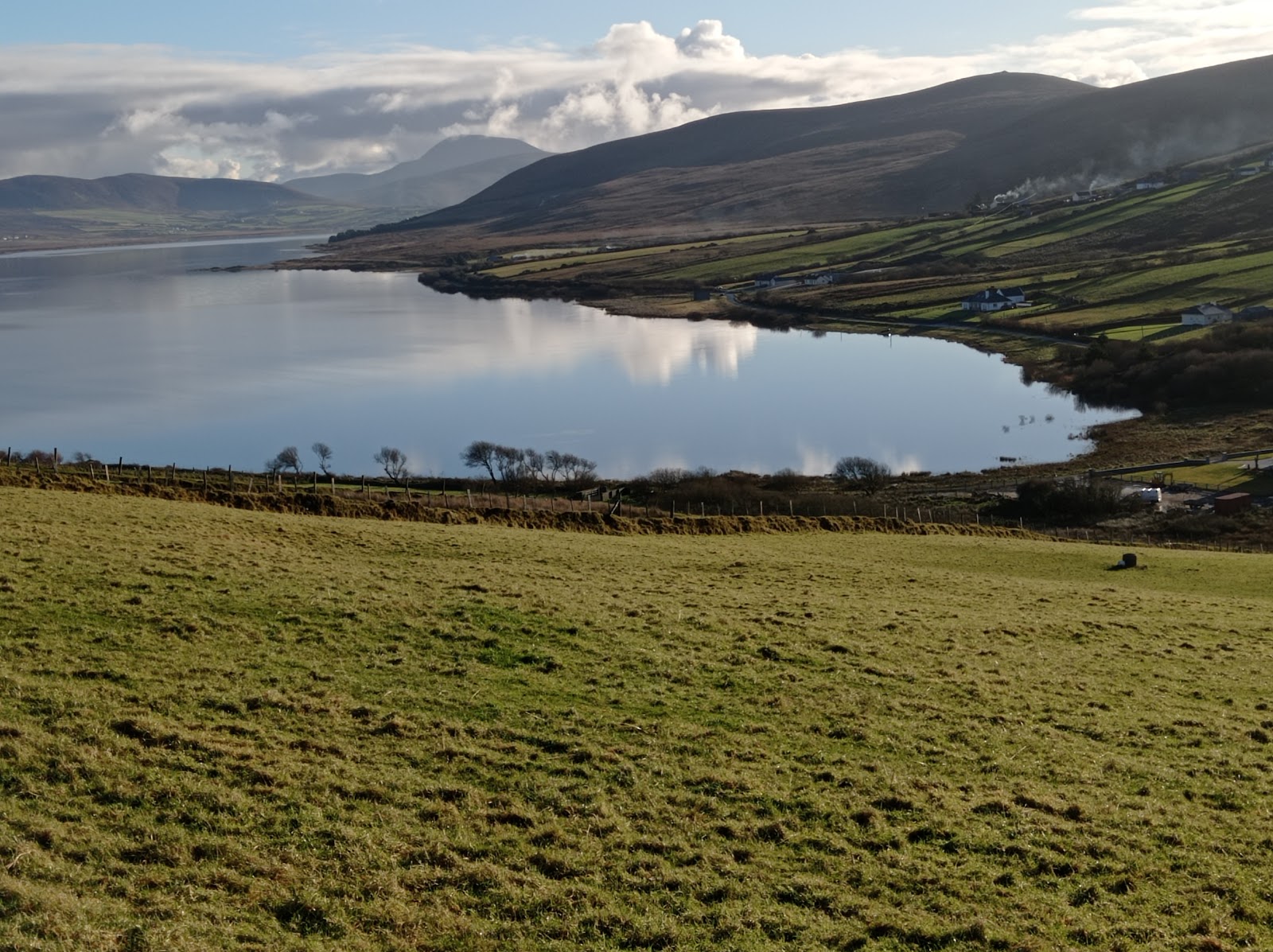
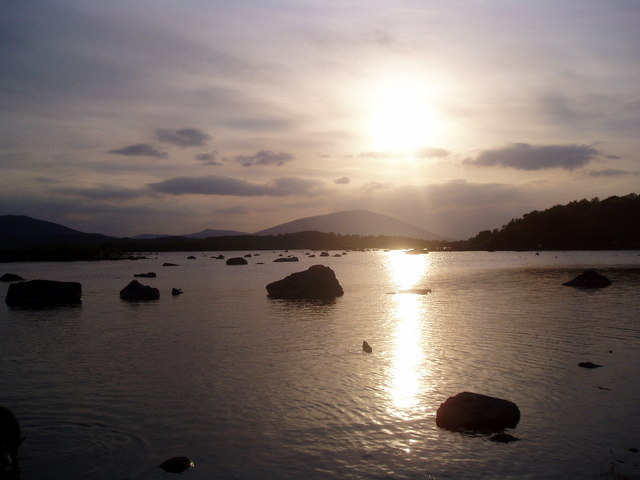
Lough Carra is a 16 km² marl lake — the largest of its kind in Ireland — 5 km north of Ballinrobe, County Mayo, forming the northern end of the Corrib–Mask–Carra lake complex. It is mostly shallow with a mean depth of around 1.8 m but reaches over 19 m in places, and is one of the few remaining wild brown trout fisheries on a calcareous lake in Europe.
County
Mayo
Region
West
Type
Lough
Surface area
16 km²
Maximum depth
19 m
Nearest towns
Ballinrobe
Species
Brown Trout, Pike, Perch
Lough Carra is one of Ireland's most technically demanding and intellectually rewarding wild brown trout lakes. Situated south of Castlebar in County Mayo and connected hydrologically to the Lough Mask and Lough Corrib system, Carra is a shallow marl lake of exceptional clarity and subtlety — a water that has earned the quiet devotion of serious trout anglers for generations.
Unlike the peat-stained western loughs, Carra's limestone base produces gin-clear water, extensive marl shoals and prolific invertebrate life. The lake covers approximately 1,600 hectares and is divided into two principal sections: the front lough and the back lough, connected by narrow channels. Its pale marl bottom can give the water an almost Caribbean appearance on bright days — white shorelines and turquoise shallows that belie the challenging fishing beneath.
Lough Carra trout are entirely wild and shaped by this transparency. They are cautious, selective and deeply responsive to natural hatches. The lake has historically supported excellent hatches of mayfly, olives and sedges, drawing trout to the surface in conditions that reward precise presentation and refined watercraft. Carra is not about numbers — it is about quality, timing and the satisfaction of deceiving a fish that has every reason to refuse.
The lake's reputation centres on the mayfly period, when rising fish and confident takes can transform a technically difficult water into a memorable day. Outside that window, Carra demands refined presentation, disciplined drifting and an understanding of structure rarely required on less exacting waters. Evening sedge hatches through summer offer a secondary window of opportunity for anglers willing to stay late.
Lough Carra has faced ecological challenges in recent years, with changes attributed to intensive agriculture in the catchment affecting water quality and the character of the marl bottom. The Lough Carra Catchment Association works actively to monitor and protect the lake's unique environment. For the visiting angler, Carra remains a water of exceptional beauty and genuine sporting challenge — a thinking person's lake in every sense.
Wild Brown Trout · Mayfly · Marl Lake · Clear Water · Technical Fly Fishing
Difficulty
Advanced / Experienced
Access & bases
Lough Carra is accessed primarily from the eastern shore near Brownstown and from Castle Carra on the western side. Boat hire is available locally and is strongly recommended — the lake's shallow, expansive nature means the most productive fishing is reached by boat. Slipways exist at several points, but bank fishing is limited. Castlebar (approximately 15km north) and Ballinrobe (to the south) serve as the main accommodation bases. The lake is connected to Lough Mask via underground channels, and the surrounding landscape is a designated Wildlife Sanctuary of considerable ecological importance.
Signature features
Marl Limestone Structure
Carra's pale marl bottom creates exceptional water clarity and prolific invertebrate life. This is the largest marl lake in Ireland, and its unique ecology produces hatches of mayfly, olives and sedges that sustain a wild trout population of genuine quality. The clarity means trout feed visually and can be highly selective — a characteristic that defines the Carra experience.
Mayfly Fishery
Lough Carra is respected throughout Ireland for its mayfly fishing. The hatch typically begins in late April or early May and the lake comes alive with rising trout. In suitable conditions — moderate wind, overcast skies — the fishing can be exceptional. Green Peter, Green Drake, French Partridge Mayfly and Fan Winged Mayfly patterns are among the local standards.
Extensive Shallow Shoals
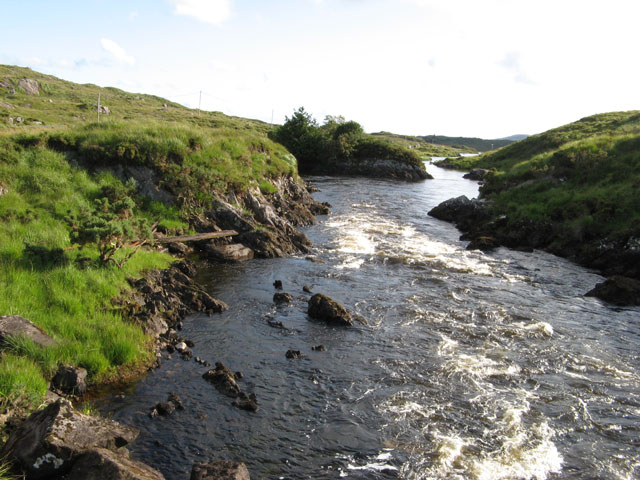
Large areas of the lake are between 1 and 3 metres deep, with extensive marl shoals that allow drifting over feeding fish. This shallow, clear water is what makes Carra both beautiful and challenging. Navigation requires caution — the channel between the front and back lough can be very shallow in summer, with depths as low as 30cm in places.
Wild Trout Population
Carra's trout are wild and self-sustaining, shaped by natural recruitment in a clear-water environment. While some stocking has supplemented the population historically, the fishery's character is defined by its wild fish. These are trout that have earned their caution through evolution — deceiving one is a genuine achievement.
Season by season
March – April
Early season fishing on Carra is for the dedicated angler. Buzzer hatches and olive activity can bring fish to the surface on calm, mild days. Small nymphs and wet flies fished on light tippets are the approach. Carra is often described as a late lough — meaningful sport rarely begins before late April.
Late April – Early June
The peak period. The mayfly typically appears in late April to early May on Carra — slightly earlier than on neighbouring Mask and Corrib. During the hatch, trout rise with confidence and the fishing can be superb. Dapping and dry fly are both effective. Post-hatch spent gnat fishing extends the opportunity into June.
June – July
The transition period. Sport can be variable as the mayfly fades, but evening sedge hatches — particularly the Murrough — can draw fish to the surface in the last hours of daylight. Carra rewards the patient angler willing to fish late.
August – September
Late season fishing is primarily an evening affair. Sedge and daddy-longlegs patterns become important. Grasshopper dapping can produce in suitable conditions. The season closes at the end of September.
Best conditions
Based on 0 reports, these conditions consistently produce the best fishing on Lough Carra:
💨
Moderate crosswind, SW to W preferred
Best wind
☁️
Overcast with occasional breaks
Best sky
🌡️
10–16°C
Water temp
⏰
Mayfly hatch (late April – early June); evening sedge July onward
Light tippets in calm water. Fish small nymphs and buzzer patterns on a slow drift. Olive wet flies fished in a traditional team of three can be effective when hatches are sparse. Patience is essential — Carra is slow to warm.
⚠️Common mistake: Fishing too heavy a leader. Carra's clarity demands refined presentation — step down to 4lb or lighter tippet.
Fish the wind lanes during heavy emergence. Dapping with natural or artificial patterns is a tradition on Carra. Dry fly on a long leader can be devastating when fish are rising freely. Stay mobile — rising fish shift quickly on this shallow lake.
⚠️Common mistake: Drifting too quickly over feeding lanes. Controlled drift speed is critical — slow down and cover the water methodically.
Evening sedge fishing becomes the primary approach. Small sedges fished dry or as a team of wets in the last hours of light. Return to traditional wet fly teams during the day. Grasshopper and daddy-longlegs dapping can be effective from July onward.
⚠️Common mistake: Ignoring subtle surface sips. Carra trout often take with barely visible rises — polarised glasses and concentration are essential.
Core technique
Controlled Drift Over Marl Shoals
1Wind Management: Moderate crosswind produces the ideal drift speed. Carra's shallow nature means strong winds destroy clarity and control.
2Boat Positioning: Begin upwind of visible shoal contour. Use a drogue to control speed if necessary.
3Fly Team: Three flies spaced appropriately on the leader. Point fly slightly heavier to maintain contact. Traditional combinations work — Bibio on point, Claret Dabbler on middle, Golden Olive on top.
4Presentation: Cast slightly ahead of the drift direction. Allow flies to fish naturally through the water column.
5Strike Discipline: Takes can be delicate in clear water. A gentle tightening is often more effective than a sharp strike.
💡 Drift control is everything on Carra. Over-speeding the drift is the most common error. If you're covering water too quickly, you're not fishing effectively.
What works here
Flies and methods reported most successful by the community.
Where to Fish at Lough Carra
Central Shoals & Open Water
Prime mayfly territory. The open water between Twin Islands and Castle Island averages 5m depth and is highly productive. The area between Derrinrush and Rineen is consistently good. Fish can be caught in any part of the lake when fly life is abundant.
Western Shore (Connors Island & Annies Shore)
Good fishing in southerly or south-westerly wind. The drift from Kilkeeran graveyard to Kiln Island and Ballincally Islands can be very rewarding. Some of the most consistent early season water on the lake.
Northern Section (Beyond Church Island)
The narrows at Church Island lead to the deeper water of the back lough. Good angling along the west shore from Church Island to Castleburke. Quinn's Bay offers deep water and good trout in westerly winds.
Doonbeg Islands & Otter Rocks
East of the Otter Rocks and around Doonbeg Islands is a particularly good area for both dry fly and wet fly angling at all times of the season. A reliable zone when conditions elsewhere are difficult.
Suggested trip formats
🎣 3-Day Mayfly Trip
Day 1: Explore shoals and wind lanes, establish productive drifts. Day 2: Dedicated hatch day — dry fly and dapping during peak emergence. Day 3: Post-hatch spent gnat fishing. Book boat hire in advance and bring a comprehensive mayfly box.
🎣 Early Season Technical Trip
Nymph and wet fly focus for the experienced angler. Light tackle precision on Carra's clear water. Bring fine leaders and small patterns — this is a masterclass in watercraft.
🎣 Western Loughs Tour
Combine Lough Carra with neighbouring Lough Mask and Lough Corrib for a comprehensive western lakes experience. Carra offers the most technical day of the three — a rewarding contrast to the larger, more forgiving waters.
Conservation & stewardship
🌿
Lough Carra is ecologically sensitive and has experienced environmental changes in recent decades. Intensive agriculture in the catchment has affected water quality and the character of the marl bottom. The Lough Carra Catchment Association actively monitors the lake and advocates for its protection. Best angling practice includes minimising fish handling time, using barbless or debarbed hooks, avoiding disturbance of shallow spawning areas, and observing bag limits strictly. Water clarity makes fish particularly vulnerable to over-exploitation — catch-and-release is strongly encouraged.
Frequently asked questions
Before You Go — Key Regulations
Jurisdiction
Republic of Ireland (IFI)
Season
February 15 – September 30
Brown trout fishing is free on Lough Carra — no licence or permit is required for brown trout. Loughs Corrib, Mask and Carra share regulations: only trout over 33cm (13 inches) may be retained, with a bag limit of 4 trout per angler per day, of which only one may weigh 4.43kg (10lbs) or more.
Main access: Local guides and ghillies are available — booking through IFI guide listings for Mayo or through local accommodation providers is recommended., Castlebar and Ballinrobe are the nearest towns with angling services. Tackle shops in Castlebar stock lake fly fishing gear., Lough Carra Trout Anglers Association is based on the lake and welcomes members. The Lough Carra Catchment Association works on environmental monitoring and protection.