📍Mayo · West📐47.04 km²📋IFI (Republic of Ireland)Season Open
4Species Present
Lough Conn is a 47.04 km² lake in the River Moy catchment, County Mayo, between Crossmolina, Pontoon and Foxford. It reaches a maximum depth of 37.9 m and holds brown trout, salmon, roach, perch and pike.
County
Mayo
Region
West
Type
Lough
Surface area
47.04 km²
Maximum depth
37.9 m
Nearest towns
Crossmolina, Pontoon, Foxford
River system
River Moy
Species
Atlantic Salmon, Pike, Perch, Brown Trout
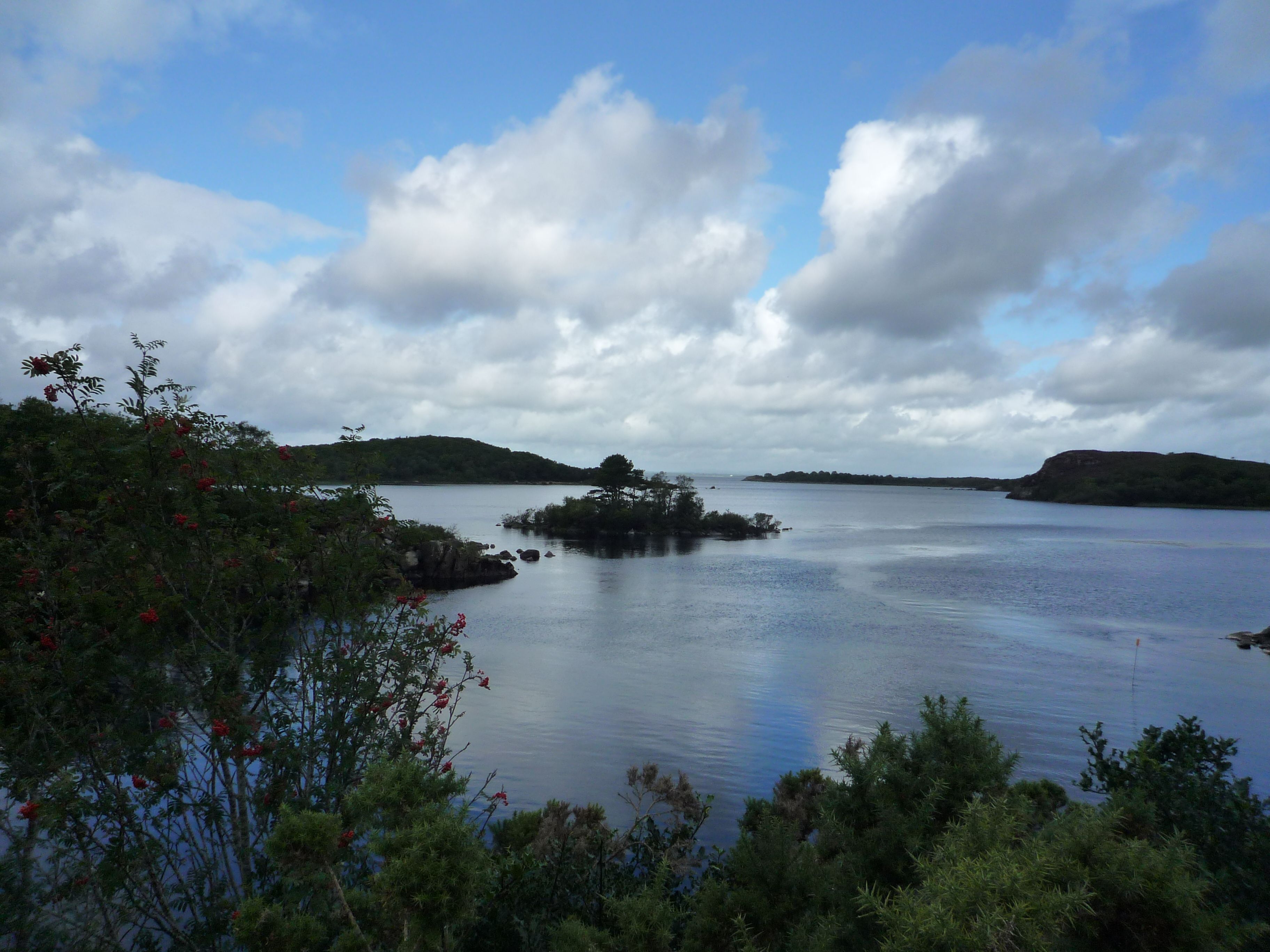
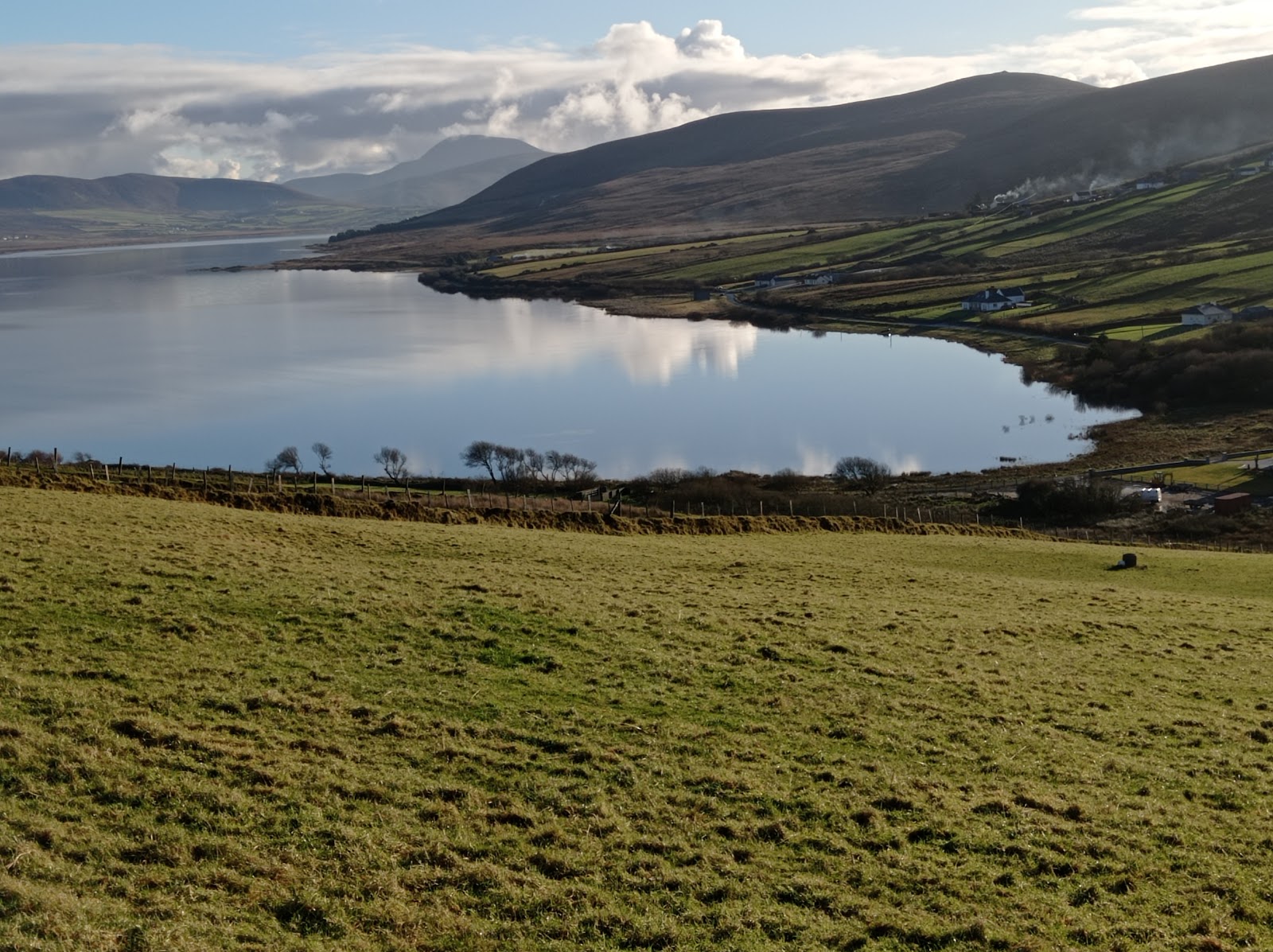
Lough Conn is one of Ireland's most celebrated wild brown trout lakes — a broad, wind-swept limestone lough set between the Nephin Beg mountains and the River Moy catchment in County Mayo. Long recognised as one of the west's premier trout fisheries, it combines exceptional natural fish stocks with a setting that feels genuinely remote, even on a busy season day.
The lake stretches approximately 14 kilometres from north to south and up to six kilometres wide, covering nearly 5,700 hectares of productive water. The character is defined by its shallow limestone bays, iron-marked shoals, and the rolling Atlantic winds that sweep in from the west — conditions that can transform a flat morning into demanding drift fishing within the hour.
Wild brown trout are the heart of Lough Conn fishing. The lake has historically sustained naturally reproducing populations without reliance on stocking, and that wild quality shows in the fish — strong, hard-fighting trout averaging 1–2 lb, with regular specimens above 3 lb during the mayfly period and larger fish encountered throughout the season. The stock is the result of clean water, productive limestone-fed margins, and decades of responsible management.
The mayfly hatch in late May and June defines the calendar for most visitors. When conditions align — a moderate south-westerly, broken cloud, temperatures rising through the morning — trout move into the shallow bays in numbers and feed with unusual confidence. This is the period that Lough Conn is famous for, and it delivers reliably enough that the lake has been chosen for international competitions.
Outside the mayfly, Conn rewards traditional wet fly technique across a long season. Early spring brings olive hatches and the first fish of the year along shorelines and shoal edges. Late August and September produce excellent sport as trout feed aggressively ahead of autumn, with sedge and bumble patterns doing the damage in the evenings. The lake fishes in some form from mid-February through to the close in early October.
Boat hire and ghillies are available from bases around Pontoon, Crossmolina, and Ballina. Hiring a local guide for at least an initial day is strongly recommended — reading Conn's shoal systems and safe navigation channels takes time to learn, and a good boatman will put you on fish immediately.
Pike: April, May, September, October
Atlantic Salmon: March, April, May, June, July
Wild Brown Trout: May, June, August, September
Difficulty
Intermediate
Access & bases
Lough Conn is well served by road access around much of the shoreline. Boat launching points include Gortnorabbey Pier, Crossmolina / Errew, Gillaro Bay, Pontoon, Knockmore Bay, Sandy Bay, and Cloghans Bay. The nearest towns are Crossmolina, Ballina, and Pontoon — all offering accommodation, boat hire, and ghillie services. Pontoon and Crossmolina are the most convenient bases for accessing the main trout fishing areas. The lake is approximately 8 km north of Pontoon Bridge and 10 km south-west of Crossmolina.
Signature features
The Mayfly Hatch
The Ephemera danica hatch on Lough Conn is one of the most consistent and celebrated events in Irish angling. Starting in late May, it concentrates trout into shallow bays where they feed openly on large mayfly patterns. The hatch is reliable enough that Conn has historically been chosen as the venue for international fly fishing competitions — a testament to the quality and consistency of its trout fishing during this period. Field data confirms mayfly activity across 77 reports from 2011-2025, with peak emergence in May (34 reports) extending through June (22 reports).
Free-Taking Wild Trout
Conn is widely regarded as a free-taking lough — its trout respond readily to traditional wet fly presentations when conditions are right. This is one of the characteristics that distinguishes it from more technical limestone fisheries. The dominant method is boat-based drift fishing with teams of three wet flies, and a well-executed drift over productive water will regularly produce from the surface. Wet fly fishing accounts for 108 of 199 field reports, with anglers consistently averaging 2.1 fish per rod across all conditions.
Limestone Shoals & Iron Markers
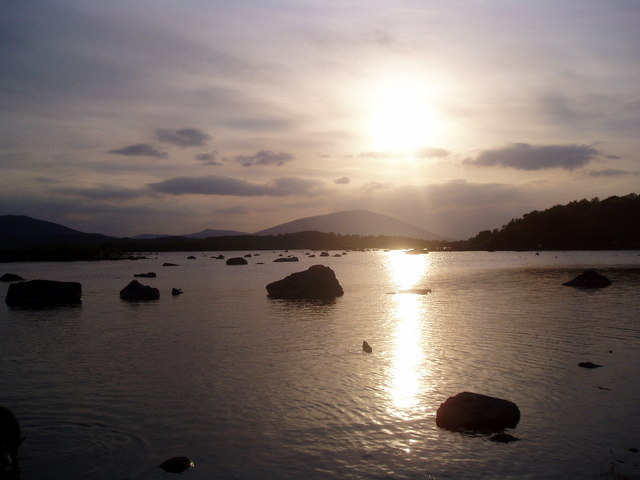
The lake is characterised by extensive shallow shoal systems, many marked with iron poles to aid navigation. These limestone shoals are the most productive areas of the lake — trout congregate over them during hatches, and the best drifts are those that run along shoal edges. Local knowledge of which shoals fish best at different times of year is invaluable, and a guide pays for themselves in fish found. Coleman Shallows and Woodford Shallows emerge as consistent summer producers, each mentioned in 4 post-mayfly reports.
Season by season
February – April
The season opens mid-February, and while conditions can be cold and unpredictable, early sport is available for those willing to brave it. Olive hatches begin in March and improve through April, drawing trout to the surface on milder days. Fish shorelines and shallow bars on slow, careful drifts. Patterns like Sooty Olive, Connemara Black, and Fiery Brown are the go-to choices. March-April shows 50% positive sentiment with anglers averaging 1.9 fish per rod. Bog Bay and Cloghans Bay are the most productive early season areas (18 reports combined). Buzzer hatches peak in April (mentioned in 5 of 28 reports).
Late May – June
The mayfly period is why most anglers plan their Conn trip. The Ephemera danica hatch typically begins in late May and can continue into mid-June, concentrating trout in the shallow bays in feeding mode. This is the lake at its most dramatic — fish are visible, confidently rising, and responding to well-presented size 10 and 12 artificials. Timing a trip for this window is the single best decision any visiting angler can make. May shows excellent 57% positive sentiment with catches averaging 1.7 fish per rod, while June records the highest catch rates at 3.2 fish per rod despite 47% positive reports. Dry fly fishing dominates with Grey Wulff and Royal Wulff patterns most successful.
July – September
As the mayfly fades, trout switch to sedges and smaller wet patterns. Green Peters, Murroughs, and Bumble patterns come into their own. Mid-lough shoals become more productive as fish move off the margins. Late August and September produce an excellent resurgence of wet fly sport as trout feed aggressively ahead of autumn — often some of the most underrated fishing of the season. September shows strong 58% positive sentiment with 2.1 fish per rod average. Sedge hatches peak in September (6 reports), while daddy longlegs emerge in August-September (8 reports combined). Victoria Bay becomes particularly productive in autumn with 5 September reports.
Fish slow drifts along shorelines and shallow bars as water temperatures rise. Trout are not yet in full feeding mode and prefer a measured presentation. Use a floating line and fish the flies just below the surface. Focus on sheltered bays on the south and west shores in cold or windy conditions. Bog Bay and Cloghans Bay are the most productive areas with 18 combined reports. Target rising water temperatures between 8-10°C which show 71% success rates.
⚠️Common mistake: Fishing too fast in cold water. Early season trout on Conn are lethargic and require a slow, deliberate drift to trigger takes.
Fish the shallows in Gillaro Bay, Castlehill, and Massbrook when the hatch is strong. Trout move into very shallow water — sometimes just 60–90 cm deep — and are visible feeding. Use a longer leader (12–15 ft) on a floating line and drift over the bays rather than anchoring. Late morning to early evening is the most productive window. Castlehill Bay leads productivity with 12 mayfly reports, followed by Brackwansha (11 reports). Dry fly fishing becomes dominant with 47 dry fly reports during May-June combined.
⚠️Common mistake: Fishing too deep during the hatch. Conn trout feed high in the water column during the mayfly — a fly dragging along the bottom will be ignored while fish sip naturals from the surface two metres away.
Post-Mayfly (July – September)
Patterns
Green PeterMurroughSooty OliveBibioBumble OlivePeacock SpiderCoch-y-BondduWatson's FancyBlack PennellInvictaConnemara BlackClaret DabblerDaddy Long LegsDry OliveBibio HopperDry SedgeOctopusRed WulffCock Robin
Move to the mid-lough shoals as trout follow the food source away from the margins. Evening fishing with sedge patterns becomes increasingly productive through August. A slightly faster retrieve on the top dropper — the classic 'dibbling' technique — triggers aggressive surface takes from active fish. Target Pontoon Bridge area (8 summer reports), Woodford and Coleman Shallows (4 reports each). Sedge hatches peak in September while daddy longlegs emerge in August-September.
⚠️Common mistake: Abandoning the lake after the mayfly. Late August and September can produce exceptional wet fly sport that many anglers miss by ending their season too early.
Core technique
Traditional Drift Fishing
1Position the boat upwind of your intended drift, ensuring you will run along a shoal edge or through a productive bay.
2Cast three wet flies across the wind on a floating or intermediate line. The point fly should be a heavier or more mobile pattern; the top dropper a bushy fly that can be dibbled on the surface.
3Allow the flies to swing naturally as the boat drifts downwind. Maintain steady tension without over-retrieving — the natural movement of the boat does the work.
4As the flies reach the dangle position directly below the boat, hold them momentarily at the surface. Many takes occur here, especially on the top dropper.
5Use a drogue in stronger winds to slow the drift and maintain control. Conn can generate significant wave height quickly — a drogue is standard kit.
💡 Local guides emphasise fishing wind lanes deliberately and covering water by drifting rather than anchoring. The middle dropper is often the most productive fly position on Conn.
What works here
Flies and methods reported most successful by the community.
Where to Fish at Lough Conn
Castlehill & Massbrook
The most celebrated mayfly area on the lake. Shallow limestone bays that concentrate feeding trout during the hatch. Classic drift water with excellent shoal edges. Castlehill Bay is the most productive mayfly zone, appearing in 12 reports during May-June, while Massbrook features in 7 mayfly reports.
Gillaro Bay
A sheltered bay that fishes well during the mayfly and in post-mayfly sedge conditions. Protected from strong westerly winds and a good option in rougher weather.
Northern Basin
Productive for trout and salmon in spring. Offers shelter depending on wind direction and tends to fish well in the early and late season when southern bays are less active. Northern areas show increased activity in summer months with zones like North Conn mentioned in 3 July-September reports.
Cormakill & Western Shorelines
Good early season drifts with reliable olive hatches. The western shore receives the full force of Atlantic winds and produces the classic rolling drift conditions Conn is known for. Western areas are particularly productive in March-April when olive hatches begin.
Mid-Lough Shoals
The extensive shoal systems across the middle of the lake are marked with iron poles. Trout move onto these shoals through summer and post-mayfly, and they are the most reliable year-round drifts. Coleman Shallows and Woodford Shallows each appear in 4 summer reports, with Pontoon Bridge area productive across all seasons (8 summer reports).
Suggested trip formats
🎣 2-Day Mayfly Break
A focused late May or early June trip targeting the hatch at its peak. Day one with a guide to learn the productive bays and shoal systems; day two fishing independently with confidence. Based in Pontoon or Crossmolina. Best record shows 18 fish from one boat during peak mayfly on June 1st, 2022.
🎣 3–4 Day Classic Western Lough Tour
Combine Lough Conn with nearby Lough Cullin and a day on the River Moy if water conditions suit. This circuit covers the best of the Mayo angling scene in a single trip and is a natural choice for visiting anglers planning their first western Ireland visit.
🎣 Late Season Wet Fly Trip
A late August or September visit targeting the autumn resurgence. Cooler weather, evening sedge hatches, and aggressive pre-spawning trout make this an underrated period. Lighter crowds, lower accommodation costs, and excellent fishing. September shows 58% positive reports with sedge and daddy longlegs hatches driving consistent surface activity.
Conservation & stewardship
🌿
Lough Conn's reputation rests entirely on its wild trout stocks — fish that have not been artificially supplemented and represent one of Ireland's most valuable natural fishery resources. Practice catch and release wherever possible, particularly for quality trout above 2 lb. Handle fish minimally and return them quickly. In late season, avoid wading or disturbing shallow areas where trout are approaching spawning condition. Comply fully with IFI salmon conservation measures including any mandatory catch and release orders. The long-term health of the lake depends on anglers treating it with the care its quality demands.
Trout fishing on Lough Conn is generally free — no State rod licence or permit is required for brown trout. A minimum trout size limit has historically applied (typically 10 inches — verify with IFI annually).
Main access: Ghillies and boat hire available through accommodation providers in Pontoon and Crossmolina — advance booking recommended during the mayfly period, Ballina Angling Centre and local tackle shops in Crossmolina provide bait, flies, and local advice, Connacht Fisheries and the local angling clubs in the Moy catchment manage parts of the system