📍Galway · West📐165.62 km²📋IFI (Republic of Ireland)Season Open
6Species Present
Lough Corrib is a 165.62 km² lake in the River Corrib catchment, County Galway, stretching from near Galway city past Oughterard to Cong. It reaches a maximum depth of 42 m and holds brown trout, salmon, perch, roach, bream, pike and eels.
County
Galway
Region
West
Type
Lough
Surface area
165.62 km²
Maximum depth
42 m
Nearest towns
Galway, Oughterard, Cong
River system
River Corrib
Species
Atlantic Salmon, Bream, Brown Trout, Eel, Perch, Pike
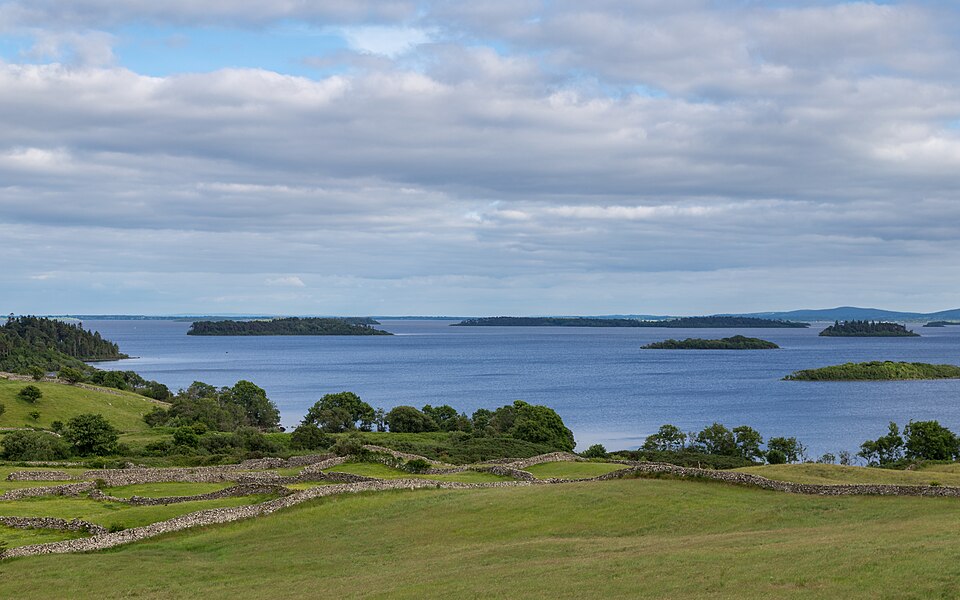
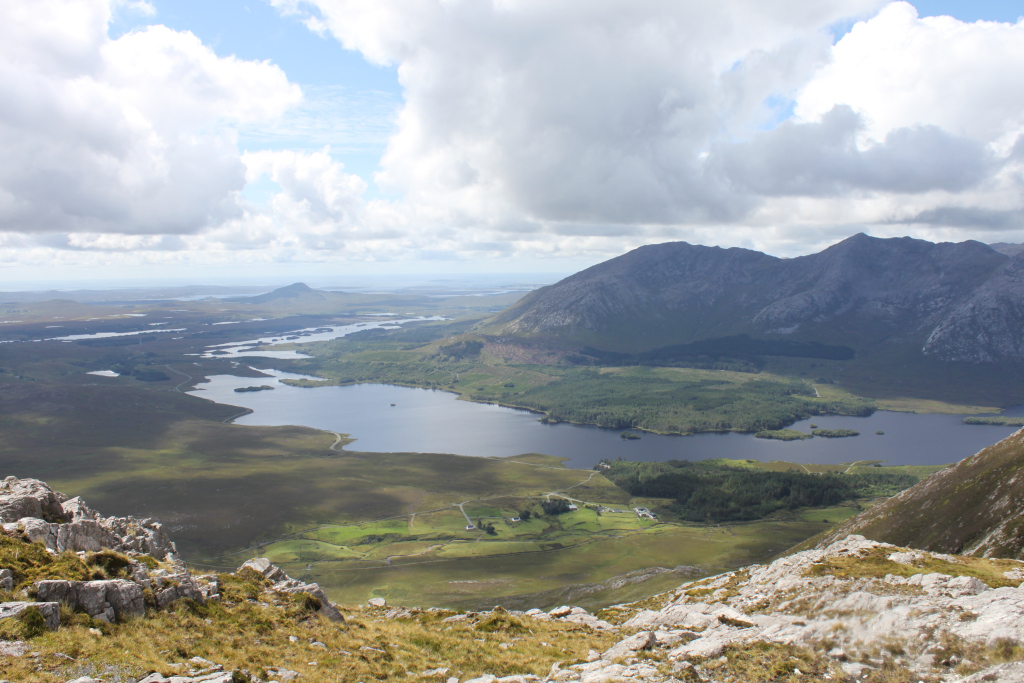
Lough Corrib is Ireland's largest lake in the Republic and one of the most celebrated game fisheries in Europe. Stretching almost 50km from the outskirts of Galway city northward to Maam Bridge in Connemara, the lough covers roughly 166 square kilometres and contains over 1,000 islands, ranging from tiny limestone outcrops to substantial islands with their own bays and shallows.
The lough divides into two distinct sections. Upper Corrib, roughly north of the Oughterard–Cornamona axis, is characterised by large open water, extensive island-dotted shallows, and the famous western shore from Oughterard up through Cornamona and on towards Maam. Lower Corrib, from Galway city to Annaghdown and across to the eastern shore, is generally deeper, with a different character and, by local tradition, trout that average slightly larger.
Corrib is renowned above all for its wild brown trout fishery, and in particular for the annual mayfly (Ephemera danica) hatch, typically running from mid-May through early June. During this period the lough attracts anglers from across Ireland and Europe. A full season of fly life — chironomids and duckfly from mid-March, lake olives in April, the great mayfly in May, spent gnat in June, grasshopper and daddy long-legs from late July, and sedges into September — means that a skilled angler with a boat can find fish on the surface for much of the six-month season.
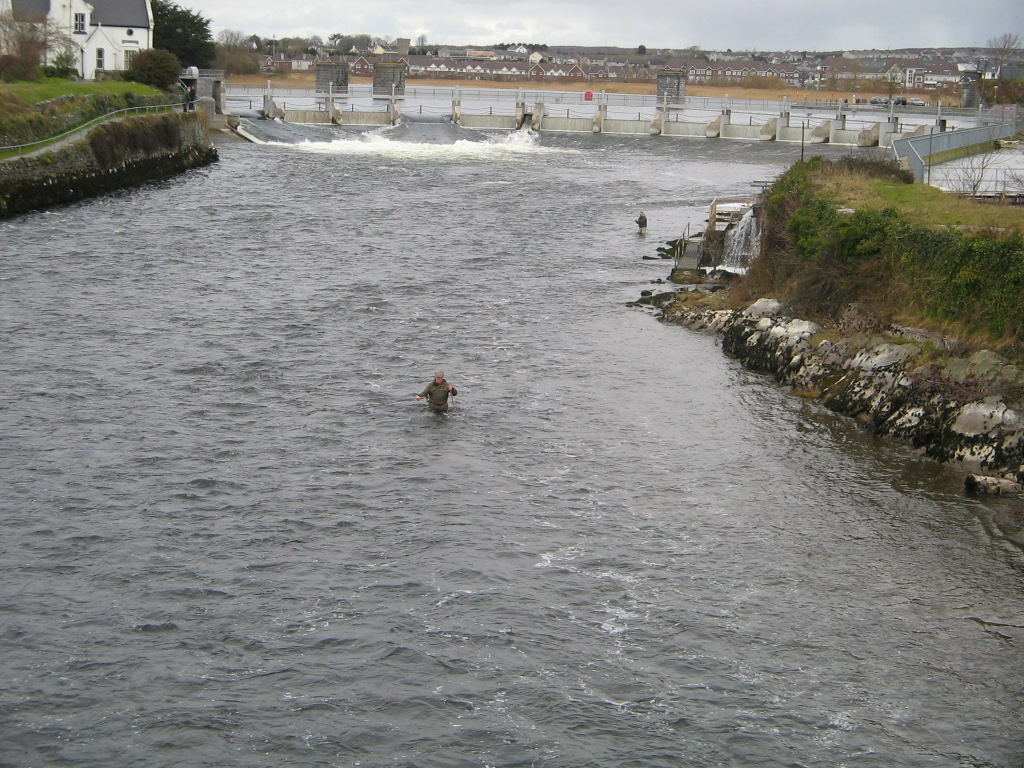
Salmon and grilse enter the lough via the Galway River and run through Lower Corrib before spreading to the upper reaches and the feeder rivers. Spring salmon arrive from February onwards, with grilse runs from June. Trolling with spoons and plugs is the traditional method for early-season salmon; fly and bait both take fish once they spread across the lough.
Pike are present throughout the lough, particularly around the mouths of river channels and in the shallower island bays. Large perch also occupy the limestone bay areas of Lower Corrib, where some record-class fish have been taken.
Access to the lough is excellent, with dozens of public car parks, piers, and slipways around the shoreline. On Upper Corrib, the main angling centres are Oughterard (with a large pier and multiple tackle shops), Cornamona, Clonbur, Cong (on the Mayo border), and Headford on the eastern shore. Knockferry, Birchall, Rinnaknock, Derrymoyle, and Greenfields are among the well-known access points on the western shore north of Oughterard. On Lower Corrib, Annaghdown Pier is the main access point, with the Streamers Quay in Galway city also used. Boats are available for hire at most angling centres, and ghillies can be arranged through local operators and tackle shops. Parking is generally free at all public piers.
Signature features
The Mayfly Hatch
Lough Corrib's Mayfly hatch is internationally recognised. Beginning typically around mid-May, it lasts roughly three weeks with 48 mentions in May reports alone. During this period trout feed aggressively in shallow limestone bays with 71% positive reports and 4.4 fish per rod average. Dapping the natural Mayfly is historically one of the most effective approaches. Large trout move confidently into shallow feeding areas.
Duckfly & Early Chironomid Activity
From mid-March, sheltered bays produce heavy chironomid hatches locally known as duckfly - mentioned in 23 of 39 March reports with first appearances typically early March. In calm conditions, pupa patterns can be effective; in breeze, traditional wets in sizes 10–14 often outperform. Peak activity March with good continuation into April (16 mentions).
Limestone Shallows & Reef Systems
Upper Corrib is characterised by extensive limestone shelves, sudden drop-offs, island clusters and submerged reefs. These structures create ideal trout feeding habitat and demand skilled boat handling.
Trophy Trout Potential
Corrib's combination of forage fish, deep water refuge and vast habitat allows certain trout to reach exceptional size. It remains one of the few Irish loughs where a genuinely large wild trout is always possible. Largest fish recorded in IFI field reports (2011–2025): 10lb 8oz, June 2014, with 104 fish over 5lb documented across field surveys. Best catch rate recorded: 18.75 fish per boat (May 2019).
Season by season
Mid-February – March
Early trout fishing begins (67% positive reports in February, 74% in March). Duckfly (large chironomids) hatch in sheltered bays with 4–12 ft depth and weed growth - duckfly mentioned in 23 of 39 March reports. Average 1.9 fish per rod in March with trolling and wet fly most effective.
April
Olive hatches build (mentioned in 24 of 37 reports). Trout feed freely on wet fly, nymph and occasionally dry fly in calm spells. 51% positive sentiment with 2.6 fish per rod average. Buzzer fishing becomes very effective (14 reports) alongside wet fly (25 reports).
Mid-May – Early June
The Mayfly hatch — Corrib's most famous event — peaks (48 mentions in May alone, 71% positive reports). Exceptional fishing with 4.4 fish per rod average in May. Wet fly (46 reports) and dry fly (40 reports) equally effective, with dapping (25 reports) producing best results.
June – July
Post-Mayfly transition with caenis emergence (28 mentions in June). Grilse appear. Dapping becomes increasingly productive. June shows 55% positive reports with 5.0 fish per rod, July improves to 63% positive with sedge hatches building (19 mentions).
August
Daddy-long-legs and grasshopper dapping. Olive resurgence during cooler, overcast spells. Excellent fishing with 74% positive reports and 3.9 fish per rod. Sedge hatches peak (22 mentions) with dry fly very productive.
September
Autumn wet-fly fishing along rocky shores and island edges. Strong sedge activity continues (22 mentions) with daddy longlegs prominent (7 mentions). 66% positive reports, 2.1 fish per rod. Greenfields area particularly productive (14 reports).
Fish sheltered bays over weed in 6–10 ft depths. Focus on Greenfields (6 Feb reports) and Oughterard areas (5 Feb reports). Duckfly hatches peak in March.
⚠️Common mistake: Fishing too deep too early.
April (Olives Building)
Patterns
Greenwell's GloryOlive BumbleSooty OliveInvictaClaret OliveBuzzer NymphPeter Ross
Controlled drifts across shallows with steady retrieve. Moderate breeze improves takes. Target Oughterard (10 reports) and Greenfields (9 reports). Buzzer fishing very effective.
Mayfly (Mid-May – Early June)
Patterns
Green PeterMayfly patternsInvictaBibioWet MayflyDry MayflyCaenisSpent Mayfly
Dapping
Natural Mayfly (where permitted)Artificial Mayfly
Maintain respectful spacing on classic drifts. Target prime areas: Oughterard (38 reports), Cornamona (31 reports). Caenis emergence begins in June (28 mentions).
June – July
Patterns
Black PennellSooty OliveRaymondClaret tonesCaenisDry Sedge
Early morning / late evening for surface feeders. Caenis hatches dominate June (28 mentions), sedges build in July (19 mentions).
August
Patterns
SedgeDry SedgeMayflyDry MayflyOlive
Dapping
Daddy-long-legsGrasshopper
Streamers or pulled wets near drop-offs during perch fry activity for larger trout. Sedge hatches peak (22 mentions). Focus on Oughterard (24 reports) and Inchagoill areas (7 reports).
September
Patterns
Green PeterInvictaSooty OliveDry SedgeDry OliveDabblerDaddy Long Legs
Fish shorelines, headlands and island chains in strong winds. Target Greenfields (14 reports), sedges remain active (22 mentions) with daddy longlegs prominent.
Core technique
Drift Fishing on Lough Corrib
1Set the boat to drift naturally across productive shallows.
2Cast across or slightly ahead of the drift.
3Allow flies to work just above weed tops.
4Maintain tension through slow, deliberate retrieve.
5Watch for subtle takes — often a tightening rather than a violent pull.
💡 Boat control is critical. Reading wind lanes and wave direction separates experienced Corrib anglers from beginners. Best conditions are NE winds (82% success) and NW winds (78% success) at Beaufort 3-4.
What works here
Flies and methods reported most successful by the community.
Fiery Brown
February – March · Wet fly
All season
Mallard Claret
February – March · Wet fly
All season
Connemara Black
February – March · Wet fly
All season
Bibio
February – March · Wet fly
All season
Peter Ross
February – March · Wet fly
All season
Silver Dabbler
February – March · Wet fly
All season
Where to Fish at Lough Corrib
Upper Corrib – Island & Shallow System
Classic Mayfly and olive territory. Technical navigation required. Most productive during May (38 Oughterard reports) and early season March-April (16 Oughterard reports).
Western Limestone Shores
Productive in westerly winds (65% positive reports). Noted salmon lies. W winds show consistent success despite variable conditions.
Renowned Mayfly and dapping drifts. The most consistently mentioned area across all seasons with 120+ total reports - peak activity during Mayfly season with 38 reports in May alone.
Lower Corrib
Deeper water; salmon trolling more prominent; holds larger trout. Most active early season (5 reports Mar-Apr) with good summer fishing.
Suggested trip formats
🎣 3-Day Mayfly Experience
Guided orientation + full drift days + evening dry-fly session.
Corrib is a wild, self-sustaining trout fishery. Particular care should be taken with larger trout (minimal air exposure), proper release technique, respect for spawning tributaries, and biosecurity (Check, Clean, Dry). The lake's long-term quality depends on responsible angling.
A valid State Salmon Rod Licence (annual or daily) is required to fish for salmon and sea trout. A separate salmon permit for the Western Fisheries Region may also be required — confirm current requirements with Inland Fisheries Ireland (IFI).