📍Kerry · South West📐10.11 km²📋IFI (Republic of Ireland)Season Open
3Species Present
County
Kerry
Region
South West
Type
Lough
Surface area
10.11 km²
Depth
60 m
Species
Atlantic Salmon, Brown Trout, Sea Trout
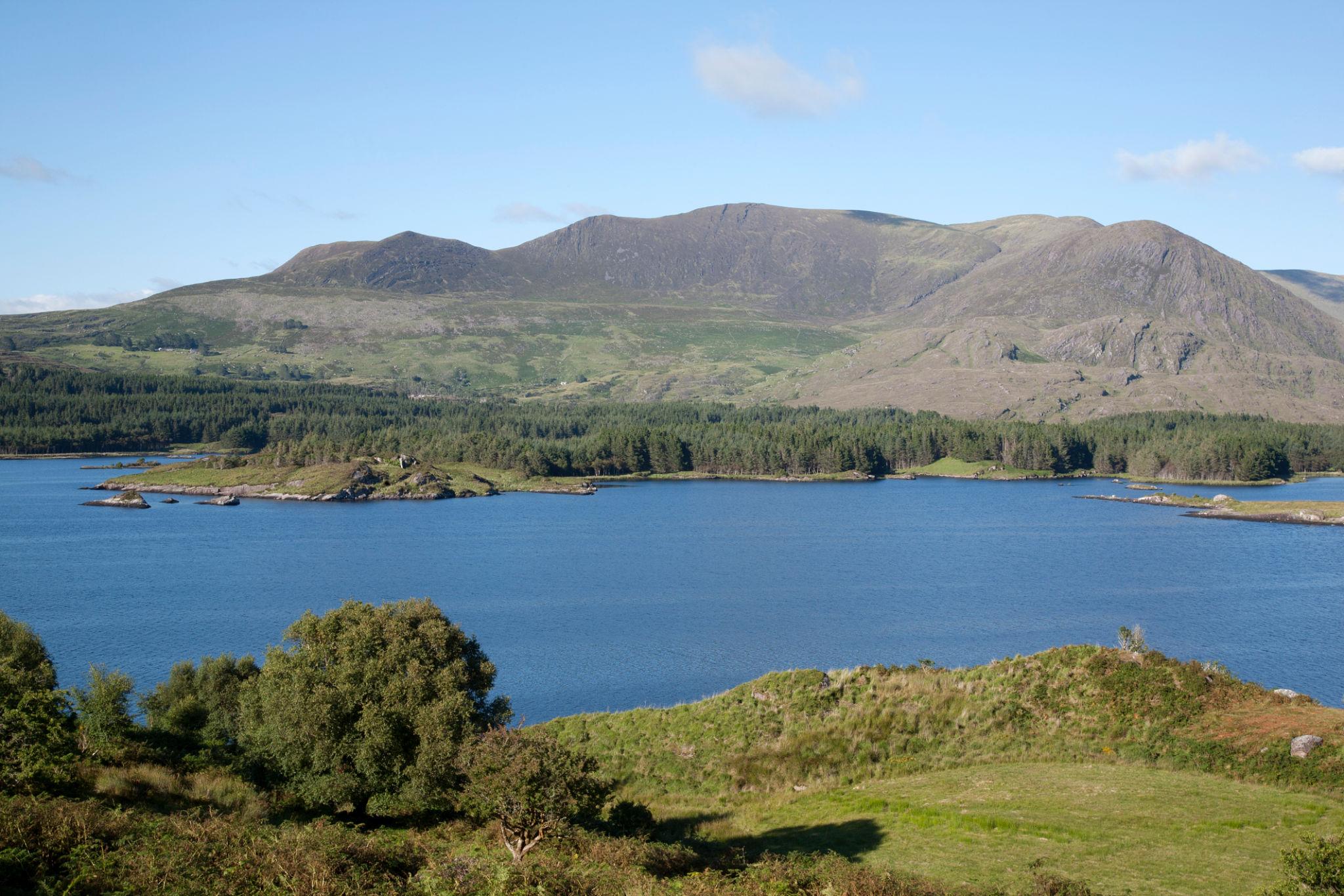
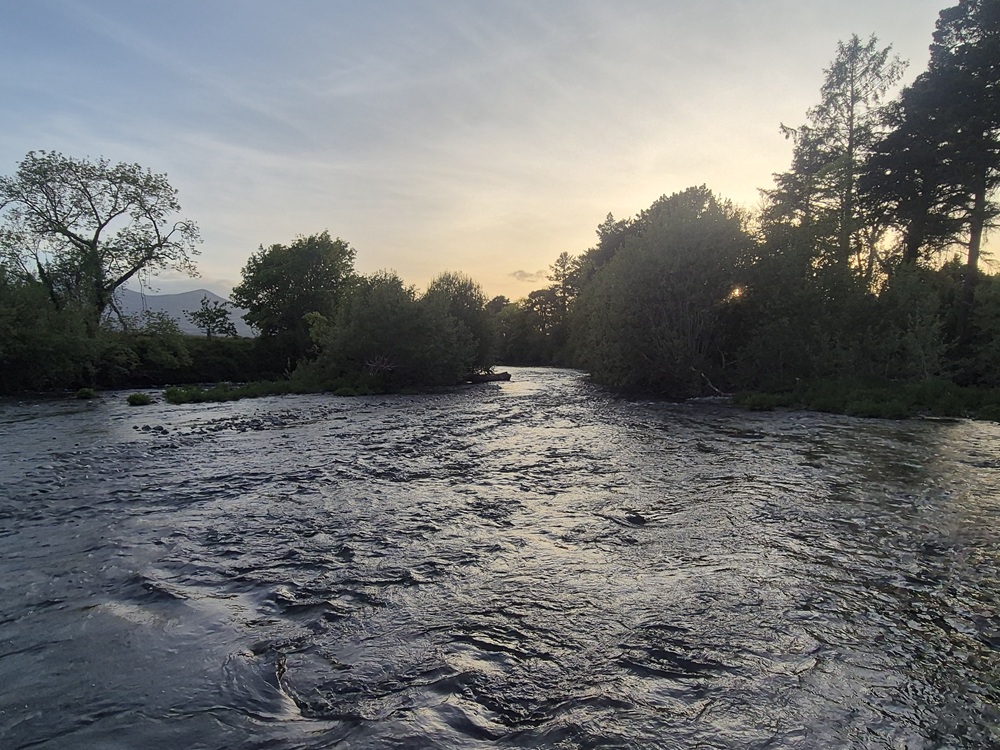
Lough Currane is one of Ireland's most celebrated wild fisheries — a 2,500-acre Atlantic lough at Waterville on the Iveragh Peninsula in County Kerry, where salmon and sea trout run straight from the ocean into some of the most dramatic scenery in the country. Situated on the Ring of Kerry and backed by the mountains of the southwest, this is a water with real heritage and serious fish.
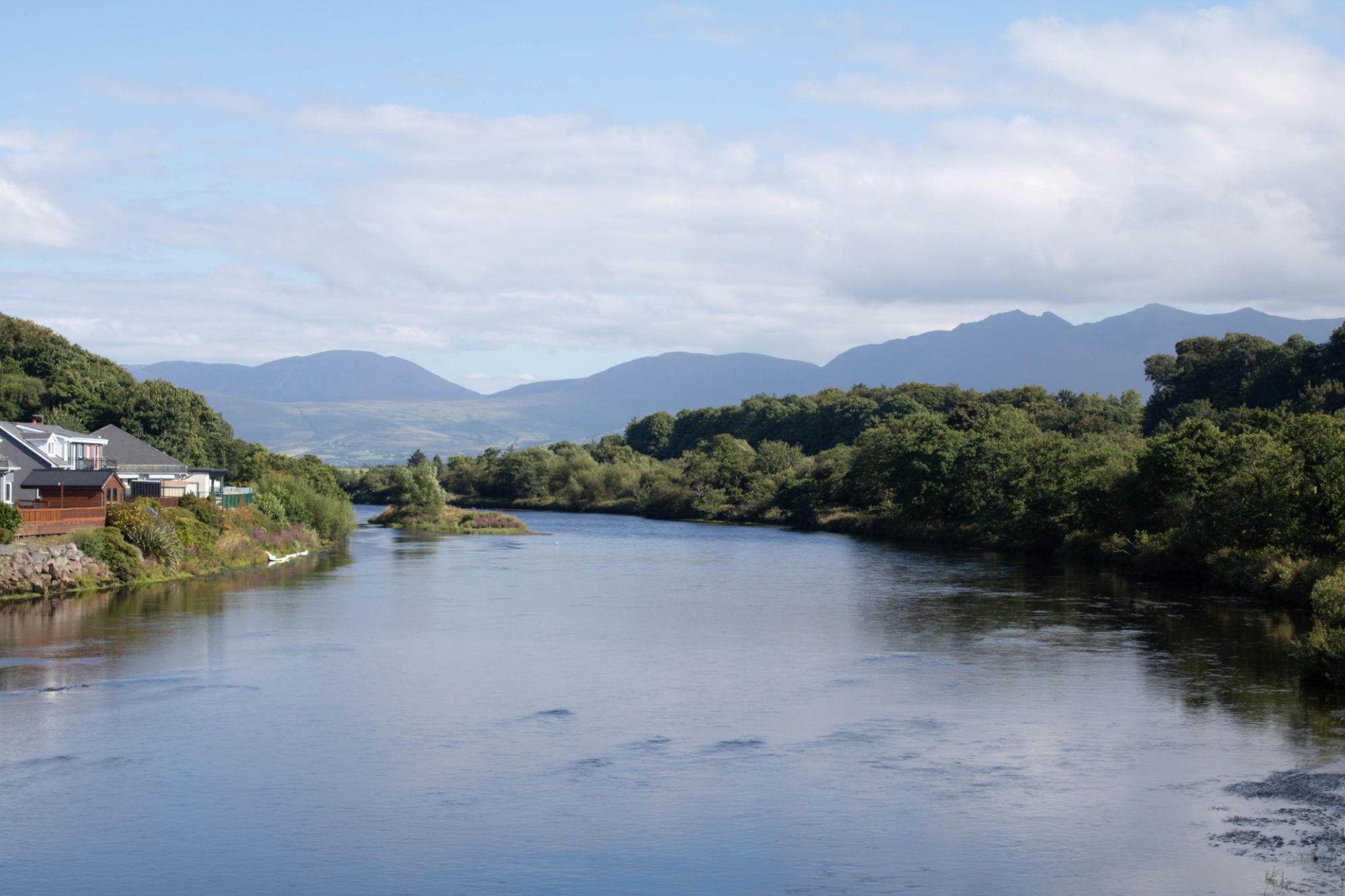
What makes Currane exceptional is its geography. Salmon and sea trout travel just 500 yards up the short Waterville River from Ballinskelligs Bay to reach the lough — which means the fish that anglers encounter are fresh from the Atlantic, powerful and silver-bright. At five miles long, two miles wide and reaching depths of 60 metres, the lough can hold large numbers of fish, but it is unquestionably a water that rewards local knowledge.
Salmon fishing opens on the 17th of January, making Currane one of Ireland's earliest-opening fisheries. Spring fish averaging around 10lbs arrive through February, March and April — heavy, cold-water fish that test tackle and angler alike. June brings the first significant grilse runs, with fresh fish averaging 5lbs arriving in numbers when conditions are right. The season for salmon runs to the 30th of September, and fish are present throughout, distributed across bays, rocky headlands and the many islands that break the open water.
Sea trout are arguably Currane's defining species. Regarded by many as the finest sea trout fishery in Ireland, the lough produces specimen fish in good numbers every season — and all sea trout fishing is now catch and release only, a reflection of the conservation commitment that protects this resource. The sea trout run typically begins in May, with larger fish entering early, and activity builds through June, July and August. Classic wet flies fished on the drift — Bibio, Black Pennell, Mallard and Claret, Watson's Fancy, Claret Bumble — account for the majority of fish.
Lough Currane is fundamentally a boat fishery, and the tradition of guided drifting defines the experience here. Local ghillies — some from families who have worked this water for four generations — hold boats across the wind lines that bring fish to the surface, positioning anglers on productive lies around islands, underwater rock structures and exposed headlands. Visiting anglers who fish without a ghillie are at a significant disadvantage; with one, the experience is transformed.
The fishery is free to access and no permit is required beyond a state salmon licence, though membership of the Waterville Fishery Development Group is strongly recommended. Boats can be hired from local operators based in Waterville, which offers a good range of angler-friendly accommodation. Currane's famous guests over the years have included Charlie Chaplin, a regular visitor to Waterville, and the lough retains that sense of a destination worthy of a proper trip.
Salmon: 17 Jan – 12 Oct
Sea Trout: 17 Jan – 12 Oct
Best times
Grilse: June, July
Sea Trout: July, August
Brown Trout: August, September
Spring Salmon: February, March, April
Difficulty
Advanced / Experienced
Access & bases
Lough Currane lies adjacent to Waterville village on the N70 Ring of Kerry road. Access the lake via the turn at the Lodge Hotel in the centre of town — keep right at the GAA club and continue to a spacious car park at the bog. The lake can also be accessed via Beenbane Road to the north and Lake Road to the south. Shore access exists near the bridge and designated shoreline points, though boat access is far more effective given the scale of the water. Local boatmen operate from Waterville with traditional lake boats and outboard engines available for hire.
Signature features
Early Spring Salmon
Lough Currane opens on 17 January, making it one of Ireland's earliest-opening salmon fisheries. The prospect of a fresh springer in February or March draws committed anglers each year. These fish are typically at peak condition — powerful, silver-bright, and straight from the Atlantic.
Direct Atlantic Connection
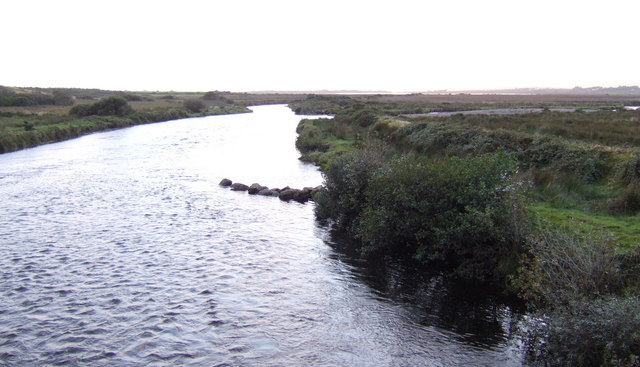
Few Irish lakes offer such immediate connection to the sea. Salmon and sea trout travel just 500 yards up the Waterville River from Ballinskelligs Bay to reach the lough. This short migration means every fish is ocean-fresh, making Currane one of the most exciting wild fisheries in Ireland.
June Grilse Runs
June grilse runs are a defining feature of Currane. Fresh fish can arrive in numbers during favourable conditions, providing exciting sport for anglers fishing traditional lake drifts. June is widely regarded as the peak month for visiting anglers targeting grilse and sea trout on the fly.
Specimen Sea Trout
Lough Currane produces specimen sea trout in good numbers every season, with the Irish record standing at 16lbs 6oz. These fish often lie close to structure — rocks, islands and headlands — and respond to well-presented flies under suitable wind conditions. All sea trout must be returned.
Season by season
January – April
Prime spring salmon season. Cold water conditions dominate and trolling accounts for the majority of early fish. Fly-caught spring salmon are possible in milder spells. Fish are powerful and fresh from the Atlantic. A double-handed 12–15ft rod is the standard outfit.
May – June
The sea trout run begins in earnest from May, with larger fish entering the lough early. June brings the first significant grilse runs — often the most exciting period of the year. Fly fishing becomes the dominant method as water temperatures rise and fish become more active on the surface.
July – August
Peak grilse and sea trout activity. Fly fishing on established drifts produces excellent sport in suitable conditions. Dapping with natural terrestrials — daddy longlegs and grasshoppers — can be highly effective in calmer weather. Weather and water levels significantly influence results.
September – October
Mixed salmon and sea trout opportunities as the season draws toward its close. Cooler water temperatures often improve trout activity. The season closes on 12 October for sea trout (fly only from 1 October) and 30 September for salmon. A quieter, atmospheric time to fish with fewer visitors on the water.
Best conditions
Based on 0 reports, these conditions consistently produce the best fishing on Lough Currane:
💨
SW Force 3–4
Best wind
☁️
Overcast with breaks
Best sky
🌡️
12–16°C
Water temp
⏰
All day in season
Best window
Seasonal fly & tactics guide
Spring Salmon (January – April)
Patterns
Blue CharmThunder & LightningHairy MaryGarry DogMunro KillerBlack Doctor
Trolling accounts for the majority of early season salmon when water temperatures are low and fish are holding deep. Use larger, more visible patterns in sizes 6–10 on a double-handed 12–15ft rod. As the season progresses into March and April, fly fishing becomes increasingly productive. A skilled boatman is essential for holding position over productive lies.
⚠️Common mistake: Fishing too small in cold water. Early season fish respond to larger, more visible patterns — go bigger than you think necessary.
As grilse arrive, reduce fly size and fish more actively across established drifts. Three flies on the cast is standard — popular combinations include Claret Bumble, Green Peter and Mallard & Claret. The ghillie positions the boat across the wind line, allowing a controlled drift over productive zones. Cast across and slightly downwind, allow flies to fish naturally on the swing, and retrieve smoothly at the end of each drift.
⚠️Common mistake: Drifting too fast. A good boatman controls pace with the oars — if the boat is moving faster than the wind, the flies are skating rather than fishing.
Sea trout and grilse fishing peaks in July and August. Dapping with natural terrestrials can be highly effective in calmer conditions — the sight of a large daddy longlegs dancing on the surface is irresistible to sea trout. In brisker conditions, fish three wet flies on a floating line across the main drifts. Classic combinations work best: sizes 10–14 with Bibio, Watson's Fancy and Claret Bumble.
⚠️Common mistake: Neglecting structure. Sea trout lie tight to rocks, islands and headlands — fish close to features rather than open water.
Cooler water temperatures can improve trout activity in autumn. Fish sizes 8–14 and adapt to prevailing conditions. The lough is quieter and the atmosphere is exceptional. Remember sea trout are fly-only from 1 October and the salmon season closes 30 September.
⚠️Common mistake: Fishing too late in the season without checking regulation changes — the rules shift in October.
Core technique
Drift Fishing on Lough Currane
1The ghillie positions the boat broadside across the wind, allowing a controlled drift over productive zones — headlands, island margins, rocky shallows.
2Cast across and slightly downwind with three flies on the cast. Allow the flies to fish naturally on the swing with light tension — avoid dragging.
3At the end of the drift, retrieve smoothly and the ghillie rows back up to repeat. Never anchor on Currane — the drift is everything.
4In calmer conditions, lengthen the leader and fish a slower retrieve. In stronger winds, shorten up and fish the bob fly actively on the surface.
💡 Local ghillies manage traditional drifts that have been fished for generations. Their knowledge of which zones are active on a given day is invaluable — trust their positioning.
What works here
Flies and methods reported most successful by the community.
Where to Fish at Lough Currane
River Mouth Area
Fish entering from the Atlantic may hold briefly in the area near the Waterville River mouth before distributing through the lough. Worth fishing early season when fresh fish are running.
Island & Rock Structures
Sea trout lie tight to underwater rocks, islands and any structural feature that breaks the flow. Ghillies will position the boat close to these features and drift along the edge.
Exposed Headlands
Productive during certain wind directions when the drift runs parallel to a headland. Fish stack up in the wind shadow on the lee side of prominent points.
Open Water Wind Drifts
The main grilse and sea trout drifts are defined by wind lines across open water. These are the classic Currane drifts — long, productive runs in south-westerly winds that experienced ghillies know intimately.
Butlers Pool (Waterville River)
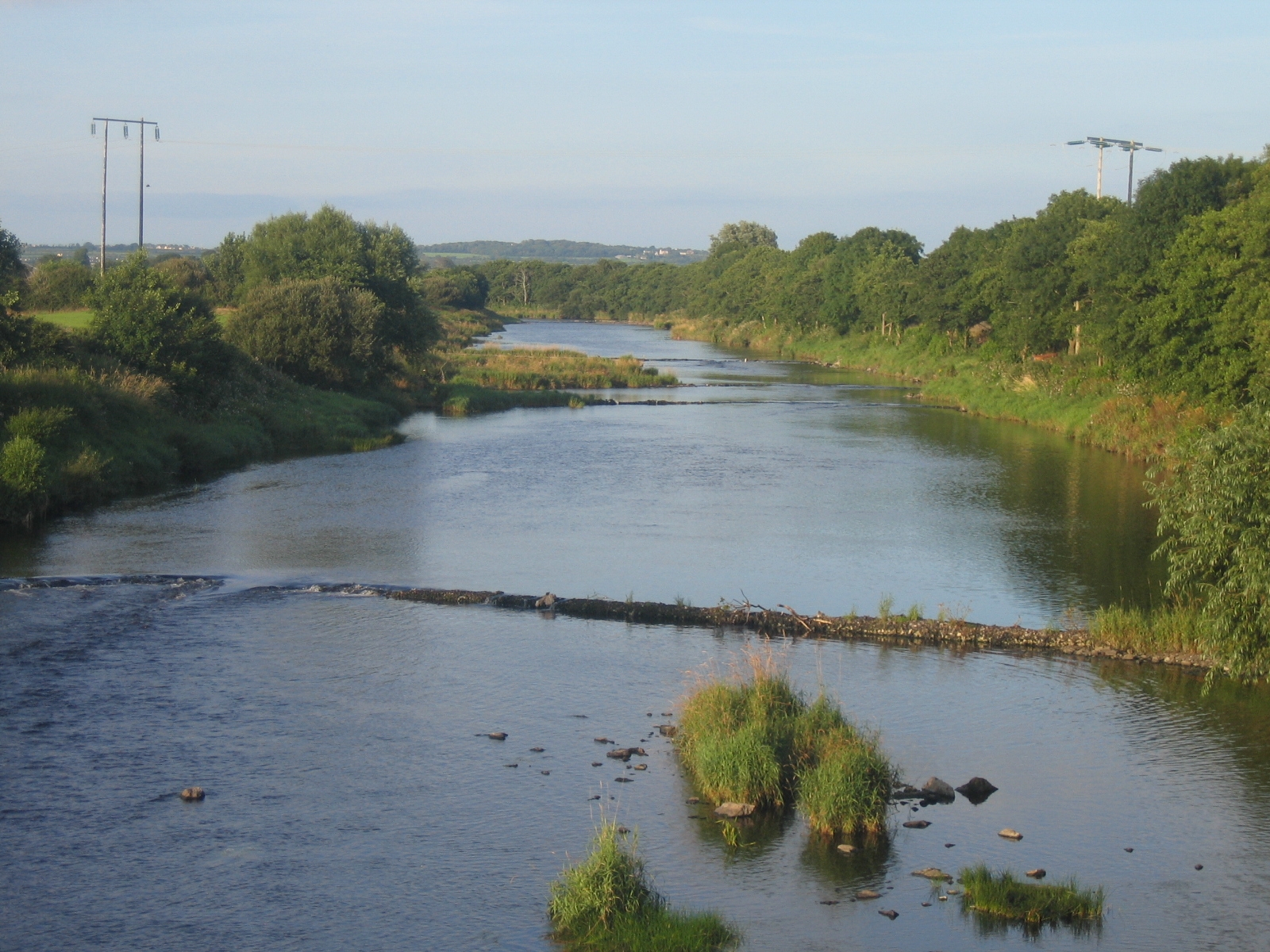
The famous pool on the short Waterville River, managed by Waterville House. Salmon fishing here is by arrangement only — contact the Waterville Fishery Manager. Fly only.
Suggested trip formats
🎣 2-Day Grilse Trip
June timing for peak grilse and early sea trout. Two guided days on established drifts — the classic Currane experience.
🎣 Spring Salmon Focus
February to April. Combination of trolling and fly depending on conditions. Quieter water, powerful fish, and the drama of early season Atlantic weather.
🎣 Sea Trout Week
July or August for peak sea trout activity. Multiple guided days covering the main drifts with dapping possible in calmer spells. Waterville provides an excellent base.
🎣 Ring of Kerry Angling
Combine Currane with river fishing on the Inny or Cummeragh, sea angling along the Kerry coast, and the iconic Ring of Kerry drive. Waterville is perfectly positioned.
Conservation & stewardship
🌿
Lough Currane's reputation as one of Ireland's finest sea trout fisheries depends on sustainable fish stocks. All sea trout fishing is strictly catch and release — handle fish carefully, minimise time out of water, and use barbless hooks where possible. Follow all IFI regulations regarding salmon bag limits and mandatory catch returns. Respect the lough's habitat and shoreline. The long-term health of Atlantic salmon and sea trout populations on the Iveragh Peninsula requires collective responsibility from every angler who fishes here.
Main access: Multiple experienced local ghillies available from Waterville — some families have guided this water for four generations. Book in advance for peak season., Waterville Angling Centre, Lower Main Street, Waterville, Co. Kerry — fully stocked tackle shop with local advice, Waterville Fishery Development Group — membership recommended, provides access to fishing reports and local information