📍Westmeath · Midlands📐11.51 km²📋IFI (Republic of Ireland)Season Open
3Species Present
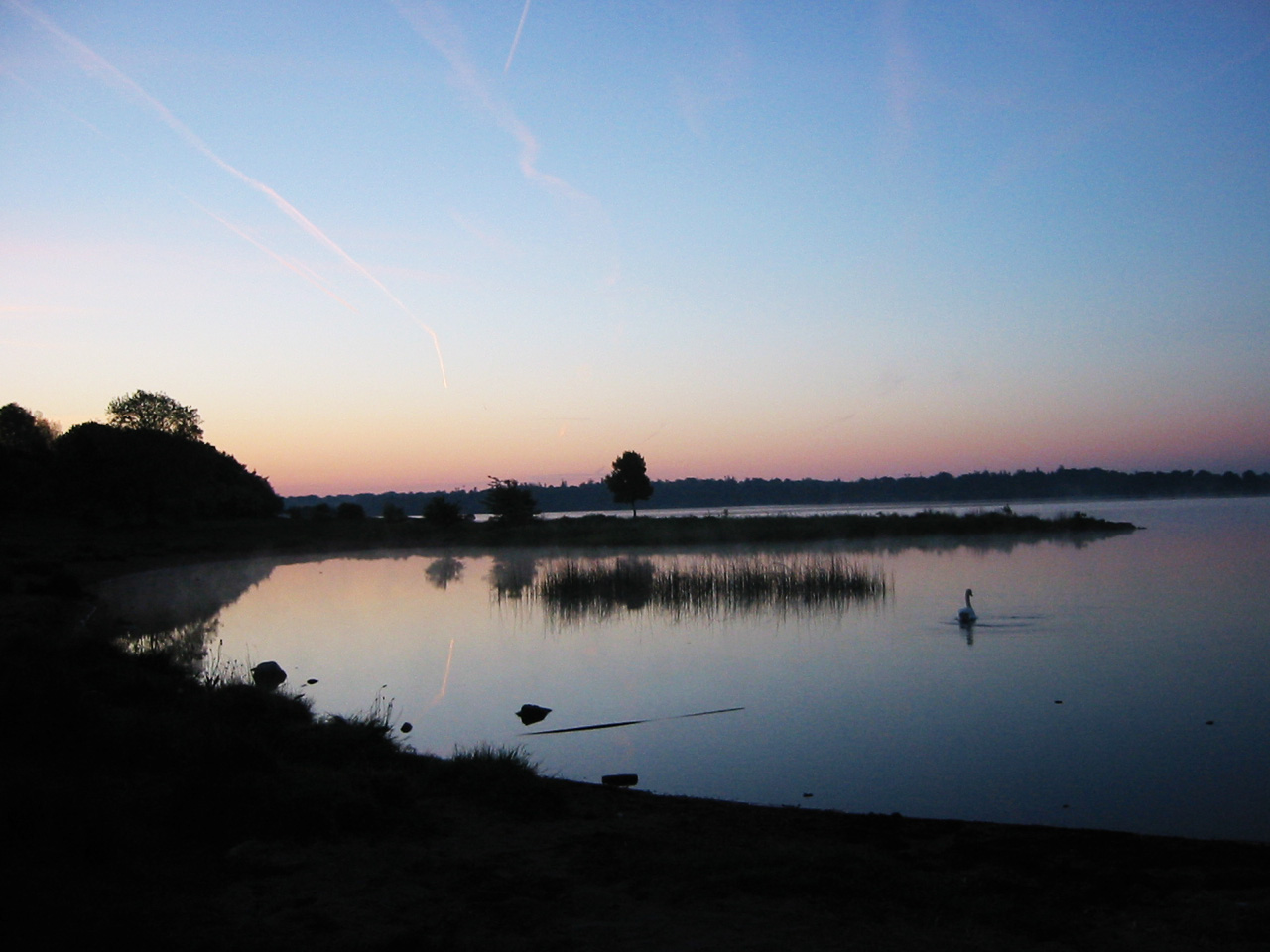
Lough Ennell is an 11.51 km² lake on the River Brosna, beside Mullingar in County Westmeath. It reaches a maximum depth of approximately 30 m and holds strong stocks of perch, roach, and wild brown trout — including Ireland’s record lake brown trout, caught in 1894.
County
Westmeath
Region
Midlands
Type
Lough
Surface area
11.51 km²
Maximum depth
30 m
Nearest towns
Mullingar, Lilliput
River system
River Brosna
Species
Brown Trout, Pike, Perch
Lough Ennell is one of Ireland's most storied midland trout waters — a broad, windswept lake south of Mullingar that has drawn anglers for generations with its wild brown trout, prolific hatches, and the unmistakable character of classic Irish lake fishing. This is the water that produced Ireland's largest ever lake brown trout at 26lb 2oz, a record that still resonates in the angling world and speaks to the lake's extraordinary potential.
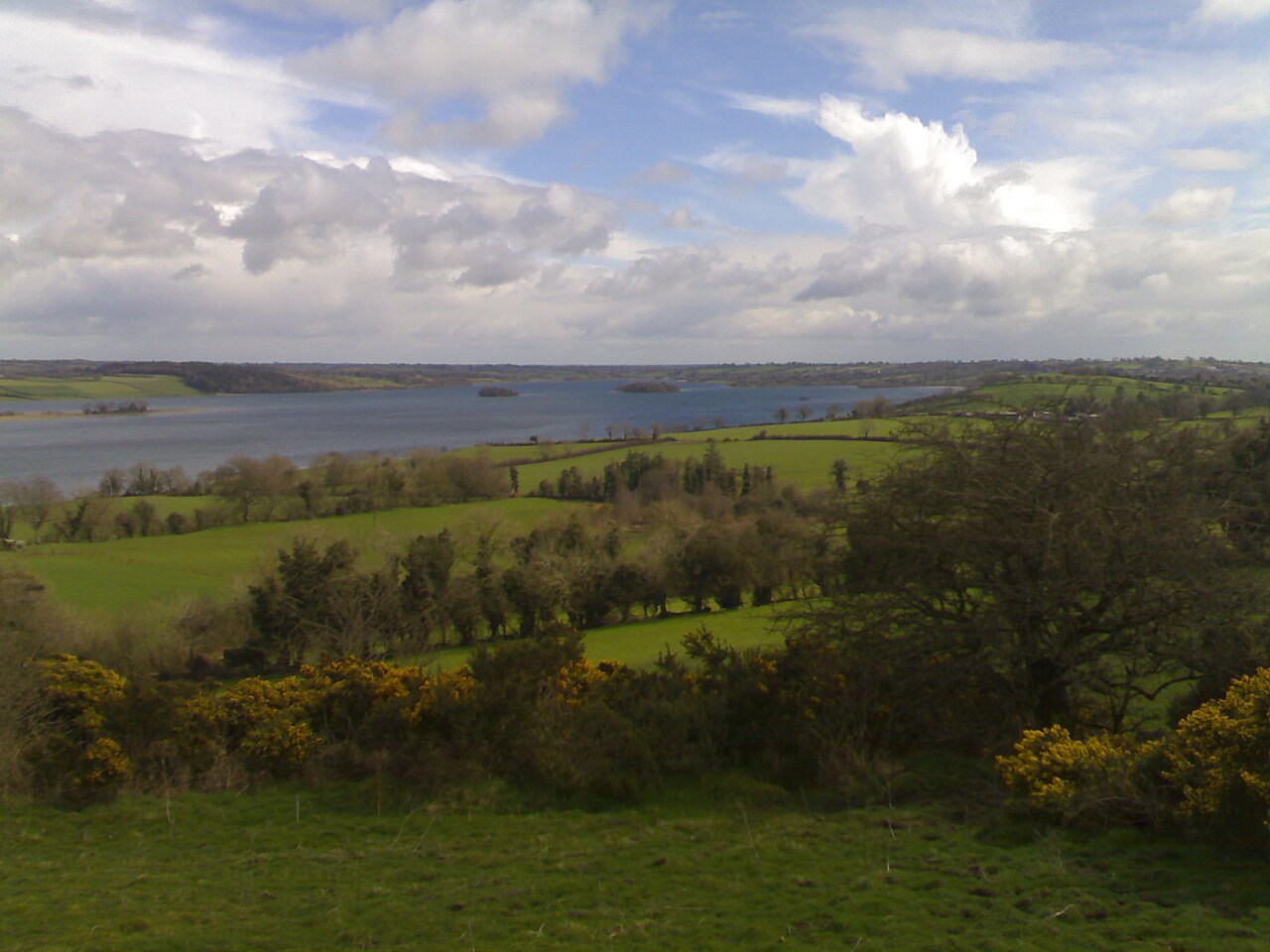
Stretching roughly seven kilometres in length and three kilometres wide, Ennell covers approximately 3,540 acres of predominantly shallow water. Nearly two-thirds of the lake is less than eight metres deep, and almost half sits under three metres. This shallow, fertile limestone basin produces vast quantities of invertebrate life, supporting a healthy trout population with an average weight approaching two pounds. Fish of three pounds are taken frequently, and specimens exceeding six pounds appear each season.
The lake's angling calendar is more complex than many visitors expect. While the mayfly period in late May and early June provides the headline sport, Ennell's most distinctive feature is its exceptional late-season fishing. A prolific second hatch of lake olives begins in early August and continues into September, producing some of the finest dry fly fishing of the entire year. This extended season sets Ennell apart from many Irish trout lakes where activity peaks earlier.
Lough Ennell has hosted the National Fly Fishing Championships, testament to the quality of sport it provides. The Lough Ennell Trout Preservation Association works actively to protect water quality and spawning habitat, ensuring the fishery's long-term sustainability. The lake is also a designated Special Area of Conservation, reflecting its ecological significance beyond angling.
For practical purposes, Ennell is among the most accessible quality trout fisheries in Ireland. Its proximity to Mullingar, barely four miles south on the N52, and its location within an hour of Dublin make it ideal for weekend trips. Boat hire is available from Lilliput on the southwest shore — a place with literary connections to Jonathan Swift, who is said to have drawn inspiration for Gulliver's Travels from the tiny figures he observed from his boat on the lake.
A boat is strongly recommended for serious trout fishing, though shore access is available at several points including Buttlersbridge, Whitesbridge Bay, Ladestown, and Lilliput. The River Brosna enters and exits the lake, connecting Ennell to the wider Shannon catchment.
Sedge: June, July
Mayfly: May, June
Olive Peak: August, September
Early Season: March, April
Difficulty
Intermediate
Access & bases
Lough Ennell lies 4 miles south of Mullingar off the N52 Mullingar–Kilbeggan road. Public piers and jetties at Buttlersbridge, Whitesbridge Bay, Ladestown, and Lilliput. Boat hire available from Lilliput Boat Hire on the southwest shore. Good road access from Dublin (approximately 1 hour via the M4/N4). Mullingar provides all services including tackle shops, accommodation, and dining.
Signature features
The August Olive Hatch
While most Irish trout lakes see their season peak in May, Ennell's most consistent high-quality fishing occurs from the second week of August through mid-September. A massive hatch of lake olives triggers intense surface feeding, and trout respond avidly to nymphs fished slowly on a floating line. This extended season is Ennell's great secret and a significant draw for serious anglers.
Record-Breaking Potential
The Irish record lake brown trout of 26lb 2oz was taken from Lough Ennell. While fish of that calibre are exceptionally rare, the lake's rich limestone ecology and extensive shallow feeding grounds continue to produce trout well above the national average. The combination of high pH water, abundant invertebrate life, and shallow contours creates ideal growing conditions.
Shallow Fertile Basin
With two-thirds of the lake under eight metres and half under three metres, Ennell is predominantly shallow water. This extensive littoral zone produces enormous quantities of fish food and means trout can be found feeding across wide areas rather than being confined to specific features. Wind lanes and shoreline contours become the key to locating fish.
Literary Heritage
Lilliput on the southwest shore takes its name from the hamlet where Jonathan Swift stayed. Local tradition holds that Swift observed tiny figures from his boat on the lake, inspiring the land of Lilliput in Gulliver's Travels. This connection adds cultural depth to what is already one of Ireland's most characterful fishing waters.
Season by season
March – April
Early season opens with duck fly and buzzer hatches. Trout can be taken subsurface on small nymphs and olive wets. Windward shores fish best as water temperatures slowly rise. Trolling with small lures also produces fish during this period.
May – Early June
The mayfly hatch draws anglers to Ennell for classic Irish dry fly and dapping sport. Fish feed avidly on mayfly duns in wind lanes where naturals accumulate. This is the traditional peak period, though timing varies annually depending on water temperature.
June – July
Post-mayfly fishing transitions to spent gnat patterns and early sedge hatches. Evening sessions become increasingly productive as sedge activity builds. Calm bays offer excellent dry fly opportunities as light fades.
August – September
Ennell's most distinctive period. A prolific second hatch of lake olives begins in early August and produces outstanding sport. The Black Pennell becomes essential on the point fly. Green Peter, Invicta, and Daddy Longlegs all produce. Many experienced local anglers consider this the finest fishing of the season.
Best conditions
Based on 0 reports, these conditions consistently produce the best fishing on Lough Ennell:
💨
SW Force 3–4
Best wind
☁️
Overcast with occasional breaks
Best sky
🌡️
12–16°C
Water temp
⏰
All day during hatches; morning and evening in bright weather
Best window
Seasonal fly & tactics guide
Early Season (March – April)
Patterns
Duck FlyBuzzerSmall Olive NymphBlack Pennell
Focus on windward shores where warming shallows concentrate early insect activity. Fish small nymphs and buzzers on a floating line, presented slowly with minimal movement. Dark wets fished in a team of three cover water efficiently on drift. Trolling with small lures also produces during cold early-season conditions.
⚠️Common mistake: Fishing too fast or too deep. Early-season trout in Ennell respond to slow, subtle presentation in the upper water column.
Fish wind lanes where natural mayfly duns accumulate on the surface. Dry fly and dapping both effective. Position the boat to drift across productive shallows, targeting areas where trout are visibly feeding. Wave conditions favour dapping; calmer water suits precise dry fly presentation.
⚠️Common mistake: Drifting too quickly without a drogue. Controlled speed is essential — trout need time to intercept flies in the chop.
Post-Mayfly and Sedge (June – July)
Patterns
Spent GnatGreen PeterSmall SedgeMurrough
Evening sessions become paramount. Fish spent gnat patterns during late afternoon, then transition to sedge imitations as light fades. Calm bays and sheltered shorelines produce the best evening sport. Light leaders essential in low-light calm conditions.
⚠️Common mistake: Packing up too early. The best sedge fishing on Ennell often occurs in the last hour before dark.
August Olive Peak (August – September)
Patterns
Black PennellGreenwell's SpiderGreen OliveGreen PeterClaret MurroughRaymondBibioInvictaDaddy Longlegs
This is Ennell's signature period. Fish a team of wets with Black Pennell on the point — it is indispensable during the olive hatch. When trout are taking olives, a nymph presented on a floating line and fished slowly with little movement is often most effective. Windward shores and structured shallows concentrate feeding fish. Daddies work well on breezy days.
⚠️Common mistake: Ignoring this period entirely. Many visiting anglers assume the season ends with the mayfly, missing Ennell's finest fishing.
Core technique
Traditional Midland Wet Fly Drift
1Position boat upwind of productive shallows or contour lines, using local knowledge or a depth finder to identify features.
2Set up a team of three flies on a floating line — point fly (Black Pennell or similar), middle dropper (Green Peter or Invicta), and top dropper (Bibio or Claret).
3Deploy a drogue in moderate to strong wind to control drift speed. Ennell's shallows mean you need to cover water methodically, not race across it.
4Allow flies to work just below the surface, maintaining contact through the drift. A controlled figure-of-eight retrieve keeps flies moving naturally.
5When a productive drift produces fish, motor back upwind and repeat the same line. Trout on Ennell often hold consistently along specific depth contours.
💡 Wind direction is everything on Ennell. A moderate southwest wind is considered ideal — enough to push insects and create a working wave, but not so strong as to make boat control difficult.
What works here
Flies and methods reported most successful by the community.
Where to Fish at Lough Ennell
Carrick Bay
A well-known mark on the eastern shore, particularly productive during hatches. The bay concentrates insect life and provides sheltered water in westerly winds.
Rinn Point to Northwall
A classic drift line along the northern section of the lake. The transition from shallow to deeper water along this stretch creates a feeding contour that trout follow consistently.
Dysart
The Dysart shore on the southwest provides excellent wet fly drifts and is close to the Lilliput boat hire. Productive in spring and during the August olive hatch.
Keoltown
Good trout water with varied depth contours. Produces well during the mayfly and again in August and September.
Hopes Point
An area that fishes consistently through the season, particularly during the olive and sedge hatches. Worth prioritising in southwesterly conditions.
Suggested trip formats
🎣 3-Day Mayfly Trip
Time your visit to late May or early June for the mayfly hatch. Day one explores the lake and identifies productive drifts; day two focuses on peak hatch fishing; day three targets post-hatch spent gnat and early sedge patterns.
🎣 August Olive Weekend
A two-day trip during the second or third week of August catches the olive hatch at its peak. Fish wet fly teams during the day and switch to dry sedge patterns in the evening. This is Ennell at its absolute best.
🎣 Midlands Lake Circuit
Combine Lough Ennell with neighbouring Lough Owel for a varied three-to-four day trout fishing trip. Ennell offers breadth and hatch fishing; Owel demands technical precision. The River Brosna adds a coarse fishing option for mixed-species variety.
Conservation & stewardship
🌿
Lough Ennell is a designated Special Area of Conservation. The Lough Ennell Trout Preservation Association (LETPA) works actively to protect water quality, improve spawning habitat in tributary streams, and advocate for reduced agricultural runoff and improved wastewater treatment. Anglers should observe bag limits, handle fish carefully for release, and avoid disturbance to spawning tributaries. The lake's ecology remains finely balanced, and responsible angling is essential to sustaining its exceptional trout fishery.
Frequently asked questions
Before You Go — Key Regulations
Jurisdiction
Republic of Ireland (IFI)
Season
March 1 – October 12
Brown trout season: March 1 to October 12. State fishing permit required (available from IFI online or local tackle shops).
Main access: Guided angling available through Midland Angling and other local services. Boat hire from Lilliput Boat Hire, Jonathan Swift Park, Lilliput (southwest shore)., O'Malley's Fishing Tackle, Dominick Street, Mullingar — the longest-established tackle shop in the area with excellent local knowledge. Also Conlon's Tackle in Mullingar., Lough Ennell Trout Preservation Association (LETPA) — active local body managing conservation, habitat improvement, and angling events on the lake.