📍Cavan · Midlands📐11.78 km²📋IFI (Republic of Ireland)Season Open
6Species Present
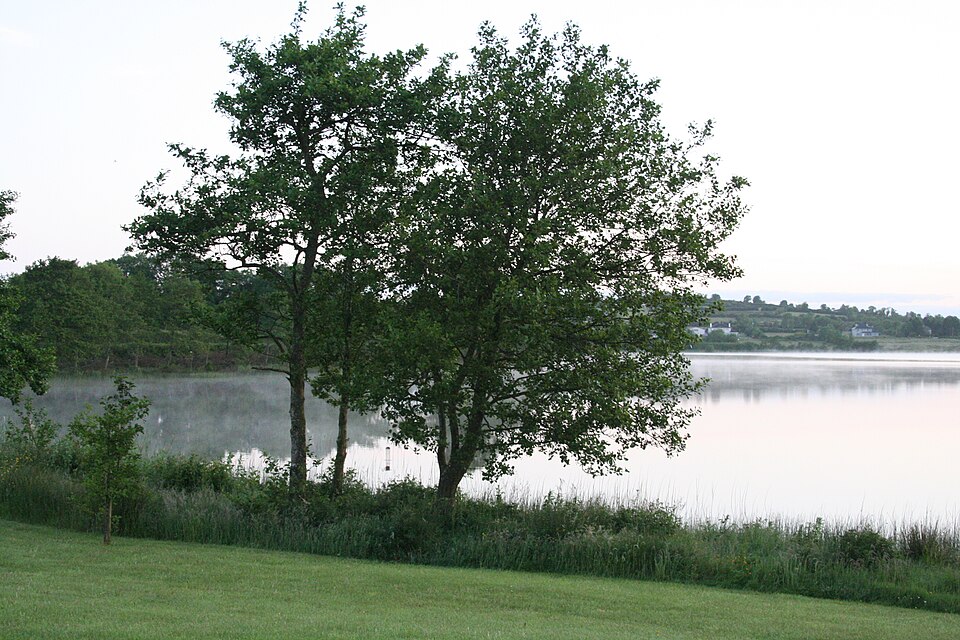
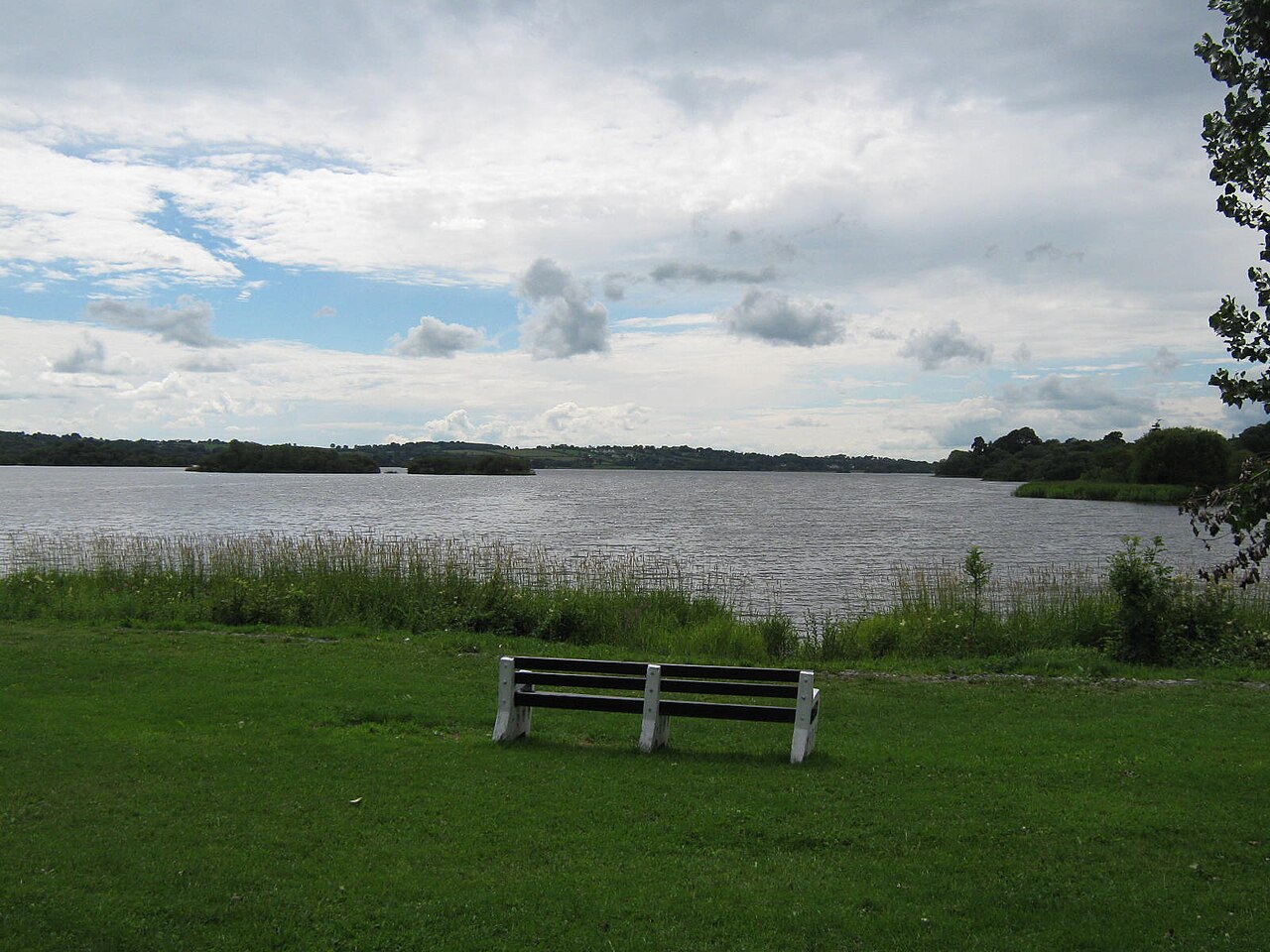
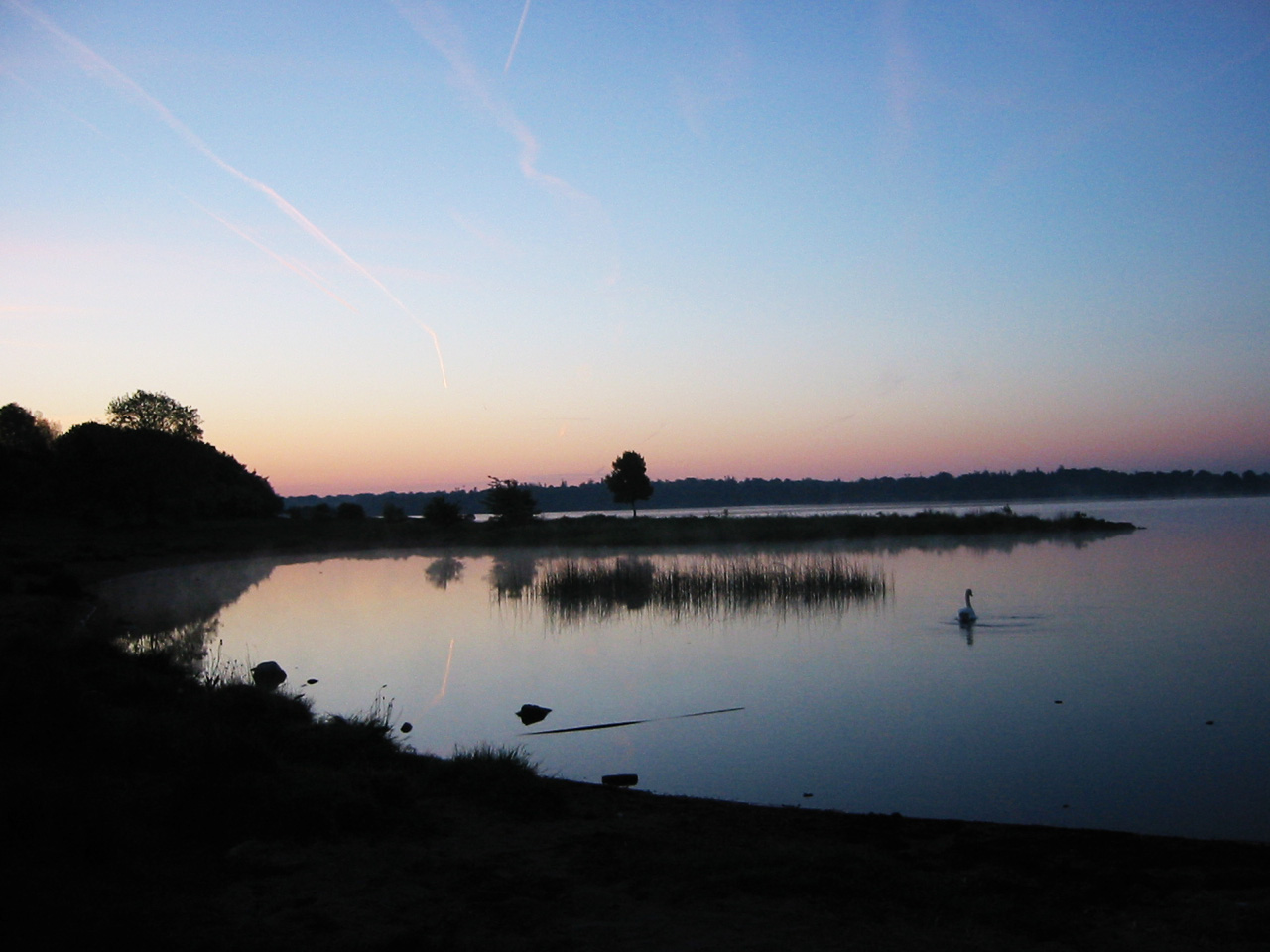
Lough Gowna is an 11.78 km² lake at the head of the River Erne system, spanning counties Cavan and Longford, near Lough Gowna village. It reaches a maximum depth of 15 m and holds a strong head of pike alongside roach and bream.
County
Cavan
Region
Midlands
Type
Lough
Surface area
11.78 km²
Maximum depth
15 m
Nearest towns
Lough Gowna, Granard
River system
River Erne
Species
Pike, Brown Trout, Bream, Roach, Perch, Rudd
Lough Gowna is one of Ireland's most extensive and structurally complex inland lake systems, straddling the border of Counties Cavan and Longford on the upper reaches of the River Erne. This is not a single body of water but a maze of interconnected basins, channels, and island clusters, each with distinct character, depth, and species composition. For anglers seeking genuine variety in one destination, Gowna delivers on a scale few Irish waters can match.
Covering approximately 1,178 hectares across its combined basins, Gowna is the principal pike fishing water on the upper Erne system and a stronghold for coarse species including bream, roach, hybrids, and perch. Pike to 30 pounds are recorded annually, and the lake has long been a fixture on the competitive coarse fishing circuit, regularly hosting major events including legs of the British King of Clubs championship.
The lake also supports a wild brown trout population, particularly in the cleaner, gravel-bottomed sections of the northern basins. Trout fishing on Gowna is less celebrated than on midland limestone lakes, but spring and early summer fly fishing can produce worthwhile sport for anglers who understand the lake's structure.
What defines Gowna is its complexity. Unlike the uniform expanse of a classic western lough, Gowna demands exploration and adaptability. The multiple basins connected by short river stretches and shallow channels behave differently under changing conditions. Fish move between basins seasonally, and the angler who treats Gowna as a single lake will consistently underperform the one who studies its structure and fishes accordingly.
The villages of Gowna and Arvagh serve as the principal angling bases. Both sit within the heart of Cavan's lakeland and provide access to not just Gowna itself but the wider Erne system and surrounding waters. The annual Arvagh International Angling Festival in September is a major fixture on the Irish coarse fishing calendar.
Access is generally good. Boats can be launched at Dernaferst, Lisanny, and Dring, and there are numerous well-maintained bank fishing positions with car park access. Gowna is permit-free for coarse fishing, making it an accessible and economical option for visiting anglers.
Pike: March, April, May, September, October, November
Bream: June, July, August, September
Trout: April, May, June
Difficulty
Intermediate
Access & bases
Lough Gowna is accessed from the villages of Gowna and Arvagh in County Cavan. Boat launching available at Dernaferst (3km southwest of Gowna village), Lisanny (3.5km from Gowna via Ballinagh road), and Dring (off the Granard road, 7km from Gowna). Multiple bank fishing positions with car park access at Dernaferst north and south shores, Lisanny, Rosduff, and other locations around the system. Boat hire available locally including through Piker's Lodge in Gowna village and Breffni Arms Hotel in Arvagh.
Signature features
Multi-Basin Structure
Gowna comprises several interconnected basins — Dernaferst, Lisanny, Dring, Church Lake, and others — each with different depth profiles, vegetation, and species concentrations. This structural complexity creates a lake that demands exploration and rewards anglers who understand basin transitions and connecting channels.
Specimen Pike Fishery
Pike to 30 pounds are recorded annually, making Gowna one of the premier pike waters in the Erne system. The combination of abundant forage fish (roach, bream, rudd), extensive weed cover, and varied depth creates ideal conditions for growing large predators. Since the draft nets on the Erne were removed, pike stocks have strengthened considerably.
Competitive Match Fishing Venue
Gowna has a long tradition in competitive coarse angling. The lake system regularly hosts legs of major festivals including the British King of Clubs, and the annual Arvagh International Angling Festival in September draws anglers from across Ireland and the UK. Multiple prepared match stretches with car park access accommodate large fields.
Erne System Connectivity
As part of the upper River Erne system, Gowna benefits from fish movement between its basins and the wider river. The Erne enters the lake at Lisanny and exits to flow north toward Lough Oughter and ultimately Upper Lough Erne in Fermanagh. This connectivity influences fish populations and seasonal movements across the system.
Season by season
March – May
Pike active in post-spawn recovery, feeding aggressively along margins and channels. Trout begin feeding on windward shallows as water warms. Early coarse fishing opportunities before the close season begins on March 15.
June – August
Coarse season reopens June 16. Bream and roach fishing peaks in sheltered bays. Trout fly fishing productive during evening sedge activity. Pike quieter in warm water but still takeable on early morning and late evening sessions.
September – November
Peak pike fishing as water temperatures drop and predators become increasingly aggressive. Autumn is the premier period for specimen pike on Gowna. The Arvagh International Angling Festival takes place in September. Coarse fishing remains productive until conditions deteriorate.
December – February
Dedicated pike fishing continues through winter. Deadbaiting in deeper basins and channel junctions produces the heaviest fish of the year. Challenging conditions but rewarding for prepared anglers.
Best conditions
Based on 0 reports, these conditions consistently produce the best fishing on Lough Gowna:
💨
Light to moderate for coarse fishing; any wind for pike
Best wind
☁️
Overcast for pike and trout; stable weather for bream
Best sky
🌡️
Variable — pike active below 12°C; coarse fish best above 14°C
Water temp
⏰
Dawn and dusk for pike; midday through afternoon for bream in summer
Best window
Seasonal fly & tactics guide
Spring Pike (March – May)
Patterns
JerkbaitsSoft PlasticsShallow-Running Crankbaits
Focus on shallow margins and weed-bed edges where pike move post-spawn. Slow-retrieved soft plastics and shallow-running lures cover the prime water. Deadbaiting with smelt or mackerel in channel junctions is also highly effective. Pike congregate where coarse fish shoals gather near access points popular with match anglers.
⚠️Common mistake: Fishing only open water. Gowna's pike hold tight to structure — reeds, islands, submerged timber, and channel narrows. Get your bait close to cover.
Summer Coarse (June – August)
Patterns
Feeder RigWaggler FloatGroundbait and Maggot
Target sheltered bays and prepared match stretches for bream and roach. Pre-baiting for two or three days dramatically improves catches — Irish bream shoals are often much larger than visiting anglers expect, requiring more feed than usual. Fish the feeder at range for bream; switch to waggler for roach in tighter swims.
⚠️Common mistake: Under-feeding. Gowna's bream shoals will eat through feed quickly. Build the swim aggressively and expect to use more groundbait than on smaller waters.
Trout Fly Fishing (April – June)
Patterns
Green PeterDark WetsMayfly DryClaret and Mallard
Focus on the cleaner, gravelly northern basins where trout are most abundant. Traditional wet fly drifts on windward points and shoals produce during spring hatches. Where mayfly appear, switch to dry patterns. Evening sedge activity in June can produce surface-feeding trout in sheltered bays.
⚠️Common mistake: Treating the whole lake as trout water. Trout are concentrated in specific basins with suitable habitat — the muddier southern sections are primarily coarse and pike territory.
Autumn Pike (September – November)
Patterns
Large JerkbaitsPike FlyDeadbait
This is Gowna's premier pike season. Fish along drop-offs between basins and at channel connections where pike intercept moving prey. Sink-and-draw deadbaiting is particularly effective. As water cools, pike move deeper — adjust tactics accordingly. Longer sessions with multiple methods increase the chance of specimen fish.
⚠️Common mistake: Staying in one basin all day. Mobility is key on Gowna — if one area is quiet, move to another basin. The connecting channels are often the most productive features.
Core technique
Exploring a Multi-Basin Lake System
1Study the map before your session. Identify the different basins, their connecting channels, and depth transitions. Each basin has distinct character and species concentration.
2Plan your session around wind direction. Fish windward points and shoals for trout; seek sheltered bays for coarse fishing; target channel connections and drop-offs for pike.
3Maintain mobility. Don't commit to one area for the entire day — Gowna rewards anglers who explore multiple basins and adapt to what they find.
4Be aware of seasonal fish movements. Trout favour shallow northern sections in spring; bream move into sheltered southern bays in summer; pike become increasingly active along drop-offs and channels from September onward.
5Use the connecting channels as key features. The narrow stretches between basins concentrate fish movement and create ambush points for pike. They are among Gowna's most productive features.
💡 Gowna is not a uniform lake — each section behaves differently under changing conditions. The angler who understands this structural variation will consistently outfish the one who treats it as a single water.
What works here
Flies and methods reported most successful by the community.
Where to Fish at Lough Gowna
Dernaferst (North and South Basins)
The primary access point for the Gowna system, with a car park between north and south shores. Generally shallow with clean gravelly shores. A popular destination for both coarse anglers and pike fishers. The connecting channel to Church Lake is navigable in most conditions.
Lisanny
One of the smaller basins, characterised by more emergent vegetation — reeds and rushes. The inflow and outflow of the River Erne make this area particularly attractive to pike following seasonal movements of coarse fish. Excellent for both bank and boat fishing.
Dring
The southern extremity of the lake, accessed off the Granard road. Open water with deeper sections. Good bream fishing in summer and pike fishing from autumn through winter.
Church Lake
Accessible from Dernaferst via the connecting channel, Church Lake is a well-known stretch offering varied fishing. Shallow margins and deeper mid-section create mixed habitat for multiple species.
Rosduff (Enaghan)
A long fishing stretch offering up to 60 match pegs, regularly used in competitive events. Bank fishing for bream, roach, hybrids, perch, and pike. Two access points available.
Suggested trip formats
🎣 3-Day Mixed Species Trip
Day one: pike lure fishing, exploring multiple basins and channel connections. Day two: coarse feeder fishing for bream in sheltered bays with pre-baiting. Day three: morning trout fly fishing on northern shallows, afternoon pike deadbaiting on drop-offs.
🎣 Autumn Pike Weekend
A dedicated two-day pike session during September or October when predators are at their most aggressive. Fish lures during the day and deadbait in deeper basins at dawn and dusk. Target channel connections and basin transitions for the best chance of specimen fish.
🎣 Cavan Lakeland Tour
Use Gowna as the centrepiece of a wider Cavan angling trip. Combine with Lough Oughter for pike, Lough Sheelin for wild brown trout, and the upper Erne river stretches for varied sport across a week-long visit.
Conservation & stewardship
🌿
As part of the upper Erne system, Gowna supports interconnected fish populations that are managed across the wider catchment. Responsible angling practice includes strict observation of the coarse fish close season (March 15 – June 15), proper pike handling with appropriate unhooking equipment, return of all pike over 4kg, and respect for spawning tributaries. Multi-species sustainability depends on careful management across all disciplines.
Main access: Pike and coarse fishing guides available locally including Danny Anderson (Lakeview Lodge, Gowna) and through accommodation providers. Guided services cover the full Gowna system and surrounding Cavan waters., Breffni Arms Hotel, Main Street, Arvagh — tackle, bait, and boat hire. Piker's Lodge, Gowna village — specialist angling accommodation with bait shed, cold room, and drying room., Local angling clubs manage match stretches and coordinate festival events. The Arvagh International Angling Festival runs annually in September.