📍Westmeath · Midlands📐4.17 km²📋IFI (Republic of Ireland)Season Open
4Species Present
Lough Lene is a 4.165 km² limestone lake in the Upper Boyne catchment, County Westmeath, near Collinstown and Castlepollard. It reaches a maximum depth of 20 m and holds perch alongside stocked brown and rainbow trout.
County
Westmeath
Region
Midlands
Type
Lough
Surface area
4.17 km²
Maximum depth
20 m
Nearest towns
Collinstown, Castlepollard
River system
River Boyne
Species
Brown Trout, Rainbow Trout, Perch, Pike
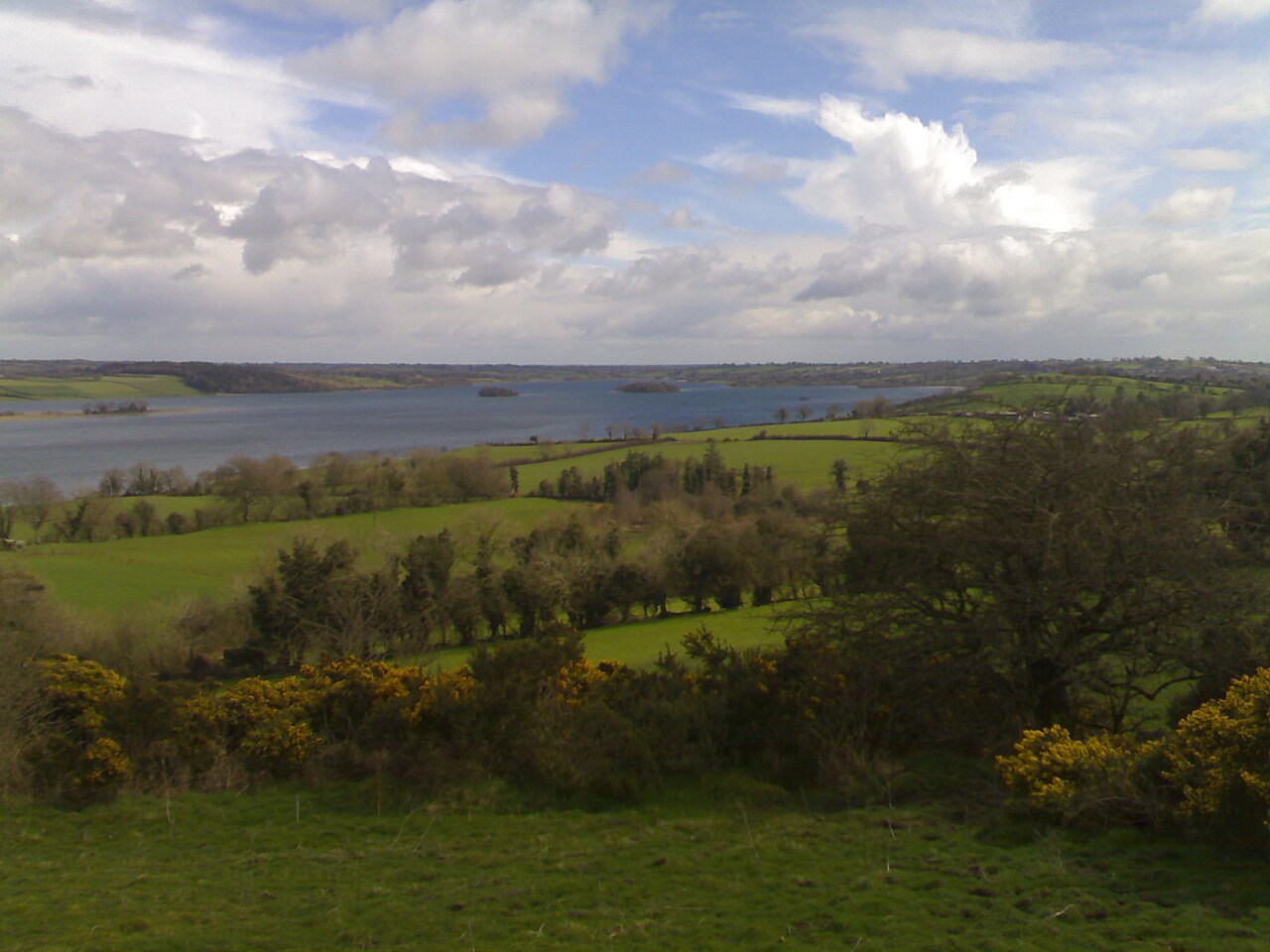
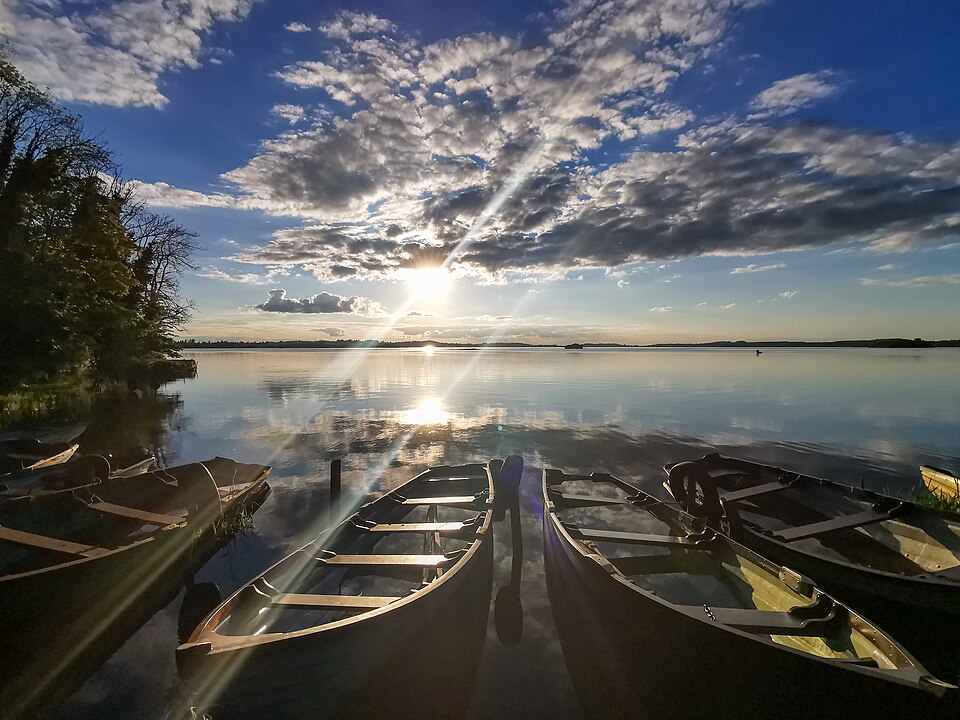
Lough Lene is one of the finest trout loughs in the Irish Midlands — a spring-fed limestone lake of exceptional clarity that has earned Blue Flag water quality status and a devoted following among fly anglers from across the country. Nestled in the rolling pastureland of north County Westmeath, just outside the village of Collinstown, it is the kind of water that rewards patience and rewards local knowledge in equal measure.
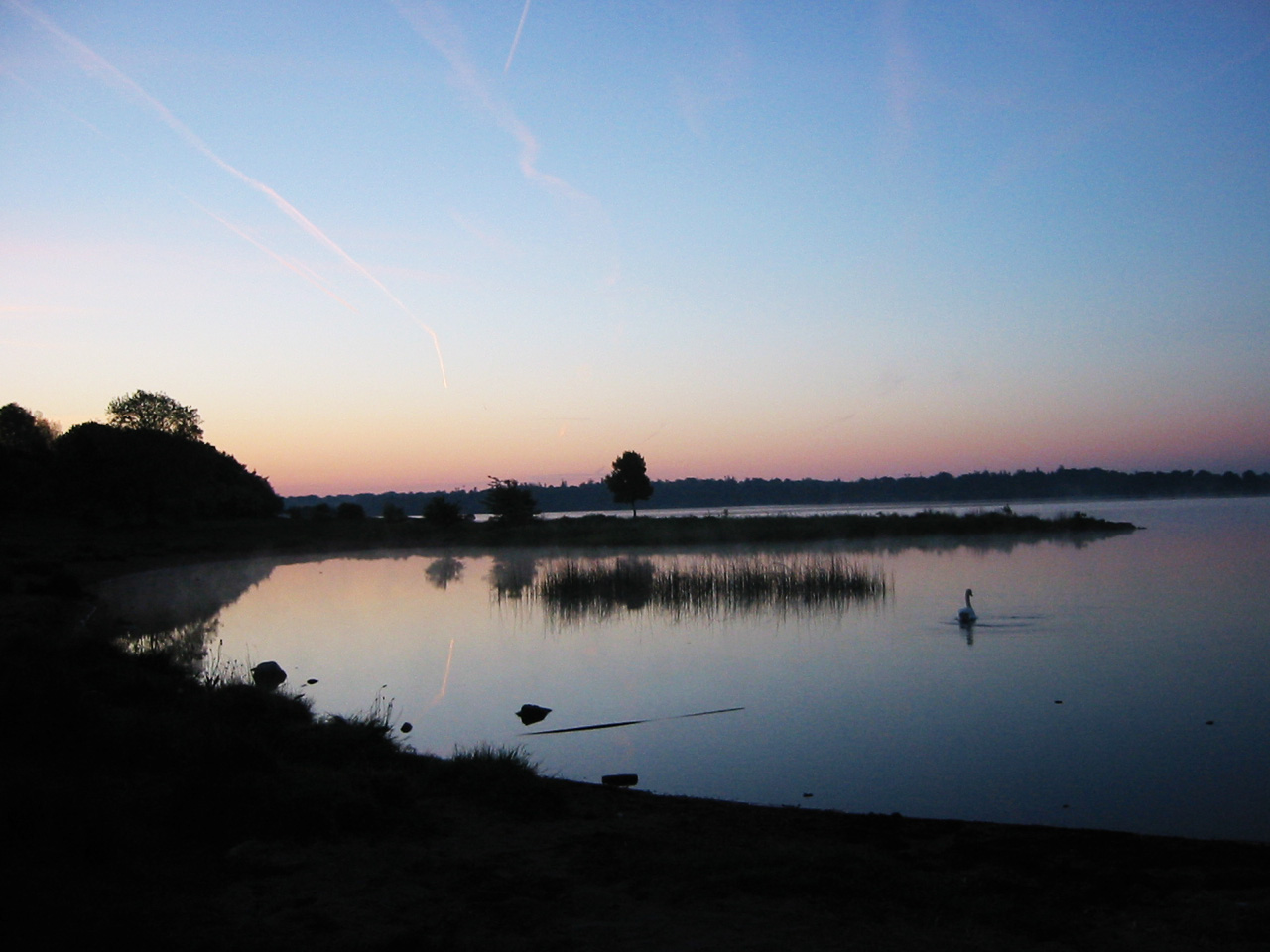
The lough covers 430 hectares and reaches depths of 20 metres, giving it a character that shifts dramatically with light and season. On a calm March morning the water is gin-clear to the lakebed; by the height of summer, drifting in a gentle south-westerly with the evening sedge coming off, it is simply one of the most atmospheric trout fisheries in Ireland. Wooded islands break the surface and provide shelter on exposed days — and on Lough Lene, wind direction matters enormously.
Brown trout are the heart of the fishery, and while wild fish are present throughout, the Lough Lene Anglers Association supplements the natural population with annual stockings of both brown and rainbow trout of catchable size — typically 40cm and above. The rainbows adapt quickly to the rich Westmeath limestone feeding, quickly becoming hard, muscular fish that bear little resemblance to their hatchery origins. Trout to 5lb are a realistic expectation; fish in the 6–8lb bracket have been recorded, and the water has a history of producing specimens.
Fly fishing is the method for which Lough Lene is celebrated. A reliable hatch calendar runs from the first week of March right through to September, covering everything from early buzzers and olives through the mayfly, the summer sedge, and into the spent gnat period. The Green Peter and Murrough are essential in July and August, and the Duckfly produces well in early spring. Lure and wet fly techniques also produce, particularly during the shoulder months when fish are holding deep.
Boat fishing is the most effective way to fish Lough Lene and gives access to the full range of productive water. Boat hire and day permits are available locally through the Lough Lene Anglers Association. Shore fishing is possible at several points around the lake but significantly limits your range. The Cut — the well-known access point about 2km north of the Collinstown crossroads — has car parking, changing facilities, and toilets, and is the main departure point for most fishing days.
The lough lies within easy reach of Mullingar (about 20km) and is a manageable two-hour drive from Dublin, making it a popular destination for day-trip and weekend anglers from the capital. Castlepollard to the south and Oldcastle across the county boundary to the north both offer accommodation options, and the broader Upper Boyne lakes area — including nearby Lough Bane and the White Lough — makes for an excellent multi-day angling base in the heart of Ireland.
Sedge: July, August
Mayfly: May
Brown Trout: March, May, June, September, October
Rainbow Trout: April, May, July, August
Difficulty
Intermediate
Access & bases
The main access point is The Cut, located approximately 2km north of the Collinstown crossroads on the western shore. There is a large car park, changing facilities, and public toilets on site. Boat hire and day permits are available locally through the Lough Lene Anglers Association — contact details available from local tackle shops and the IFI. The lough is approximately 20km from Mullingar and around 2 hours from Dublin via the M4/N4 and N52. Jet-skis and water-skiing are strictly prohibited on Lough Lene. Shore fishing is possible but boat fishing is strongly recommended to access the most productive water.
Signature features
Blue Flag Water Quality
Lough Lene holds Blue Flag status for water quality — a distinction that sets it apart even within Westmeath's impressive network of limestone lakes. The lake is spring-fed and the water is of exceptional clarity, often allowing visibility to several metres depth. This pristine environment produces trout in superb condition and makes the lough an outstanding natural resource.
Year-Round Hatch Calendar
Unlike some loughs that fish well only in short windows, Lough Lene offers fly activity from the first week of March through to October. Field intelligence confirms this diversity: buzzers and early olives in spring (6 buzzer mentions, 5 olive mentions), duckfly peaking March-April (5 mentions), Green Peter through summer (5 mentions peaking in July), and daddy longlegs in autumn (3 mentions peaking September). This sustained hatch calendar makes the lough one of the most reliable trout fisheries in the Midlands, with an overall 76% positive sentiment across 103 field assessments.
Active Angling Association
The Lough Lene Anglers Association has managed this fishery with dedication for decades. Annual stocking, conservation regulations including minimum size limits and bag limits, and a strong catch-and-release culture are all products of the association's stewardship. Their work is the primary reason Lough Lene continues to produce quality fish year after year — field data shows consistent catches averaging 1.5 fish per rod, with the lough's best recorded session producing 3 fish per boat.
Season by season
March – April
The opening weeks of the season coincide with cold, clear water and the first buzzer hatches. Early spring fishing on Lough Lene rewards patience — fish are holding deep after winter and respond best to slow-sinked wet fly and buzzer patterns fished on a long leader. The Duckfly (chironomid) is the key early hatch, peaking in March-April (mentioned in 5 field reports), and produces reliably in calm conditions on overcast days. Field reports show exceptional success rates during this period — March delivers 90% positive sentiment across 21 reports, while April maintains 89% positive across 9 reports. March can spring surprises with big early-season fish; the lough's record 7lb 10oz brown was actually taken in late April. Target Fagan's Point (8 mentions in early season reports) and The Cut areas where fish concentrate as they move from winter lies.
May – June
Mayfly (Ephemera danica) is the centrepiece of the Lough Lene season. Hatches typically begin in mid-May and peak through the last two weeks of the month, bringing the biggest fish to the surface. May shows outstanding 92% positive sentiment across 12 field assessments. Spent gnat fishing in the evenings during this period is exceptionally productive. The lake can get busy during the mayfly — early morning starts and midweek visits are worthwhile. June sees the mayfly tail off and the sedge fishing build, with Green Peter hatches beginning to show (1 mention in June reports). Intelligence data shows olive hatches are also strong during this period (3 mentions in May reports), making Olive Klinkhammer and Dry Olive patterns particularly effective additions to the traditional mayfly selection.
July – August
Summer sedge fishing defines this period. The Green Peter and Murrough are the essential patterns, with Green Peter hatches particularly strong in July (4 mentions across 21 reports) and Murrough patterns producing consistently (2 July mentions). Evening sessions produce the most consistent sport, though July can be challenging with 57% positive sentiment reflecting the summer doldrums effect. Calm, warm evenings with a light breeze can see fish rising across the lough. August improves significantly to 71% positive reports, with daddy longlegs hatches beginning (1 mention) and sedge activity continuing. Dapping with natural daddy longlegs is an option for experienced boat anglers. Rainbow trout are particularly active during warm-water periods and respond aggressively to surface patterns.
September – October
The final weeks of the season see the sedge fishing continue and some of the best dry fly sport of the year as temperatures cool. September maintains strong 71% positive sentiment across 14 reports, with daddy longlegs hatches at their peak (2 mentions) making this period exceptional for surface fishing. Fish are feeding hard before the season closes on October 12th. October fishing can be excellent, particularly on overcast days with a westerly breeze. The extended season (originally closed September 30th, extended to October 12th under Bye-law 322) gives anglers a valuable additional two weeks of sport. Fagan's Point remains the most productive area (4 mentions in September reports) during this period.
Best conditions
Based on analysis of 103 IFI reports (2012–2025):
💨
W F3
Best wind
72% positive
☁️
Partly cloudy (30-60%)
Best sky
93% positive
🌡️
<6°C
Best air temp
94% positive
⏰
Evening (6–9pm) in summer for sedge; all day during mayfly; morning and afternoon in spring and autumn
Fish a sinking or intermediate line with a long leader (14–18 feet) and two wet flies on a slow drift. Duckfly and buzzer patterns fished just sub-surface on calm days can be deadly — field reports confirm duckfly hatches peak during this period (5 mentions across March-April). A slow figure-of-eight retrieve rather than traditional pulls keeps flies in the fish's field of vision for longer. Target sheltered eastern bays in cold conditions where fish warm up earliest in the day, particularly Fagan's Point (8 mentions in early season reports) and The Cut area.
⚠️Common mistake: Fishing too fast in cold water. Early season trout on Lough Lene are deliberate feeders — slow down every retrieve significantly and let the flies hang in the water column.
Mayfly — Mid May to Early June
Patterns
Green DrakeGrey WulffSpent GnatGoslingShadow MayflyMurroughHummingbirdRed/black MontanaBlack KlinkhammerOlive KlinkhammerDry Olive
Dapping
Natural Mayfly
Fish a floating line with a single dry fly (Grey Wulff or Shadow Mayfly) or a two-fly team with a spent gnat on the point. Drift freely with the wind and watch for rising fish. Evenings during the mayfly period produce some of the finest sport — spent gnat fishing as light fades is a Lough Lene highlight. Intelligence shows olive hatches are also strong during May (3 mentions), making Olive Klinkhammer patterns particularly effective. If conditions allow, natural dapping produces spectacular takes from larger fish. Target Fagan's Point area which shows consistent productivity during this period.
⚠️Common mistake: Missing the spent gnat opportunity. Many anglers focus on the daytime hatch but the evening spent fishing — particularly from 7pm onwards in calm conditions — is where the biggest mayfly fish are taken.
Summer Sedge — July to August
Patterns
Green PeterMurroughCock RobinGolden Olive BumbleBibioPeter RossShuttlecockDry BuzzerEpoxy BuzzerDry SedgeDaddy Long Legs
Dapping
Daddy Longlegs
Evening is everything in summer. The Green Peter hatch typically begins around 7pm and fish can be heard slashing at sedges in the dusk — field reports confirm Green Peter as the dominant hatch with 4 mentions in July alone. Fish a floating or intermediate line, cast across the wind, and use a dibbing technique to bring the top dropper across the surface on the retrieve. Fishing from 6pm through last light gives the best chance of consistent sport. In flat calm conditions, dapping a daddy longlegs from the bow of a drifting boat is highly effective, particularly as August progresses when daddy longlegs hatches begin. Target Fagan's Point (most productive summer area with 9 mentions) and Northern Shoreline areas.
⚠️Common mistake: Giving up too early. The best summer fishing on Lough Lene often starts at 7pm and peaks after 8pm. Arriving for a morning session in July will often disappoint — invest in the evening instead.
Autumn — September to October
Patterns
Mallard and ClaretPeter RossMarch BrownInvictaSmall Brown SedgeBlack PennellDaddy Long Legs
Autumn fishing on Lough Lene rewards traditional wet fly technique. Fish a team of three wets on a floating or slow-intermediate line on good drifts across the open lough. Overcast days with a westerly or south-westerly breeze are ideal. Fish are feeding hard before the October close and can be surprisingly willing to take well-presented flies at this time of year. Daddy longlegs hatches peak in September (2 field report mentions), making this an exceptional surface fishing period. Concentrate on Fagan's Point (4 September mentions) and sheltered bays.
⚠️Common mistake: Neglecting October. Many anglers consider the season effectively over by mid-September. The extended season runs to October 12th and the final weeks often produce some of the best fishing of the year as conditions cool and fish bulk up.
Core technique
The Traditional Lough Drift
1Position the boat broadside to the wind at the upwind end of your intended drift. Engine off — let the wind carry you.
2Cast a team of two or three wet flies across and slightly downwind. Allow the line to straighten before beginning a slow retrieve.
3Use a figure-of-eight retrieve, pausing regularly to let flies hang in the current created by the boat drift.
4On the final pull before lifting off, bring the top dropper to the surface and dibble it — creating a surface wake that triggers following fish to take.
5Watch the top dropper carefully throughout the retrieve. Many takes come at this point, often violently.
💡 The key variable on Lough Lene is retrieve speed — slower than you think in spring, more active in summer sedge conditions. Let the conditions dictate, not habit.
What works here
Flies and methods reported most successful by the community.
Where to Fish at Lough Lene
The Cut and Western Shore
The main access area around the public facilities at The Cut offers productive shore fishing and is the departure point for most boat drifts. The western shore holds fish well in easterly winds (100% positive reports) and is a reliable early-season area where fish warm up first as the sun tracks across the lough. The Cut area shows consistent productivity in March with 2 separate field report mentions.
The Islands
Several wooded islands break the centre and eastern areas of Lough Lene, creating sheltered water on exposed days and productive drifts on either side. Drifting through the island channels during a good hatch is one of the classic Lough Lene experiences. Fish hold tight to island margins, particularly in calm conditions. Madams Island is specifically noted in September field reports for productive fishing.
Eastern Bays
The shallower eastern bays are particularly productive during the mayfly and sedge periods when fish move in to feed on emerging insects. These areas also warm up quickly in spring, making them worth targeting on cold March and April mornings when the rest of the lough may be slow. Collinstown area shows consistent mentions across spring and early summer reports.
Open Water — Central Drifts
The open central lough produces fish throughout the season, particularly in a good south-westerly when long free drifts can be made across the productive mid-lake feeding lanes. This is where the biggest fish are often encountered during the mayfly period, cruising on spent gnat in calm conditions. However, field data shows Fagan's Point as the most consistently productive open water area, appearing in 22 field reports across all seasons.
Suggested trip formats
🎣 Day Trip from Dublin
At roughly two hours from Dublin via the M4/N52, Lough Lene is a practical day-trip destination for city-based anglers. An early start targeting the morning rise followed by an evening sedge session makes for a full and rewarding day. Bring a flask and plan to be on the water by 7am. Field data shows anglers averaging 1.5 fish per rod across the season, making it a reliable day-trip choice.
🎣 Westmeath Lakes Weekend
Combine Lough Lene with nearby Lough Bane and the White Lough for a multi-day Westmeath lakes experience. Base yourself in Castlepollard or Mullingar and fish a different water each day. The Upper Boyne lakes area is one of the most underrated trout fishing destinations in Ireland.
🎣 Guided Day with Local Expertise
The lough rewards local knowledge — the most productive drifts, the timing of hatches, the reading of wind and light are all honed over years on this particular water. A day with a Midlands guide who knows Lough Lene well will compress the learning curve significantly and typically produces far better results for first-time visitors. Local knowledge is particularly valuable for targeting Fagan's Point effectively, the most consistently productive area appearing in 22 field reports.
Conservation & stewardship
🌿
The Lough Lene Anglers Association has established clear regulations to protect the fishery's long-term health. A minimum size of 36cm (14 inches) applies to all trout retained, and a bag limit of 2 trout per day is in force. The association actively promotes catch and release and anglers are strongly encouraged to return fish, particularly larger specimens which are disproportionately important for the wild gene pool. IFI fish stock surveys are conducted regularly on the lough and inform ongoing management decisions. Purchasing an association day permit directly supports the stocking programme and conservation work that keeps Lough Lene fishing well.
Frequently asked questions
Before You Go — Key Regulations
Jurisdiction
Republic of Ireland (IFI)
Season
March 1 – October 12
Lough Lene is managed by the Lough Lene Anglers Association under IFI regulations. The trout season runs from 1st March to 12th October (extended under Bye-law 322, 2017).
Main access: Local guides operating across the Westmeath Midlands lakes (including Lough Lene, Lough Sheelin, and Lough Owel) are available — enquire locally in Castlepollard and Mullingar or through Midland Angling. Guided days strongly recommended for first-time visitors to the lough., Lough Lene Anglers Association — day permits and boat hire available locally. Collinstown village is the nearest service point. Castlepollard (c. 7km) and Mullingar (c. 20km) offer the nearest full tackle shop facilities., Lough Lene Anglers Association — the managing body for fishing on the lough, responsible for stocking, permits, and conservation. IFI Eastern Region covers regulatory oversight.