📍Mayo · West📐82.18 km²📋IFI (Republic of Ireland)Season Open
3Species Present
Lough Mask is an 82.18 km² lake adjacent to Ballinrobe, County Mayo, linked to Lough Corrib by the Cong Canal. It has a mean depth of 5 m but reaches 57 m in a narrow trench on its western shore, and is one of Ireland’s premier wild brown trout and ferox trout fisheries.
County
Mayo
Region
West
Type
Lough
Surface area
82.18 km²
Maximum depth
57 m
Nearest towns
Ballinrobe
Species
Pike, Brown Trout, Ferox Trout
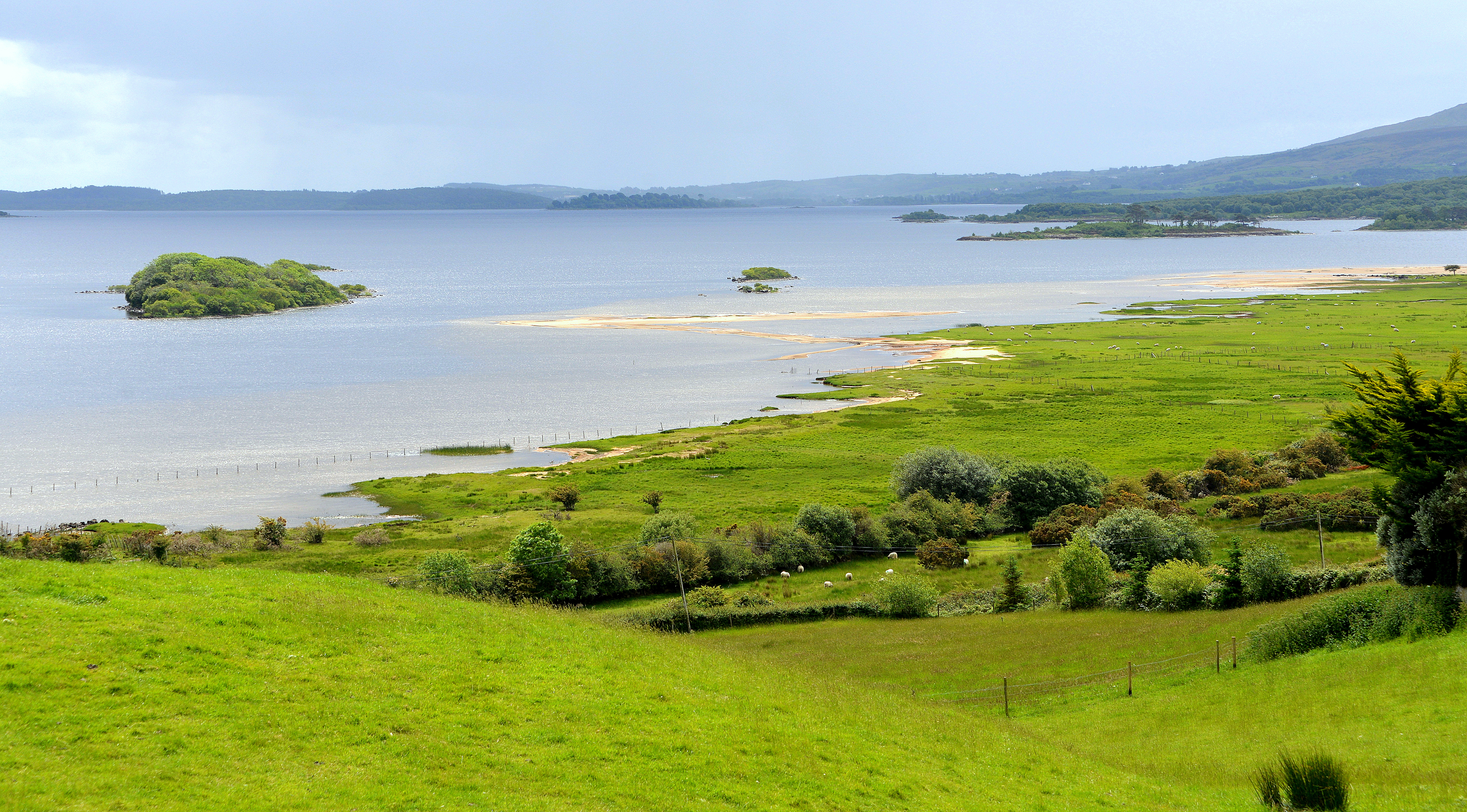
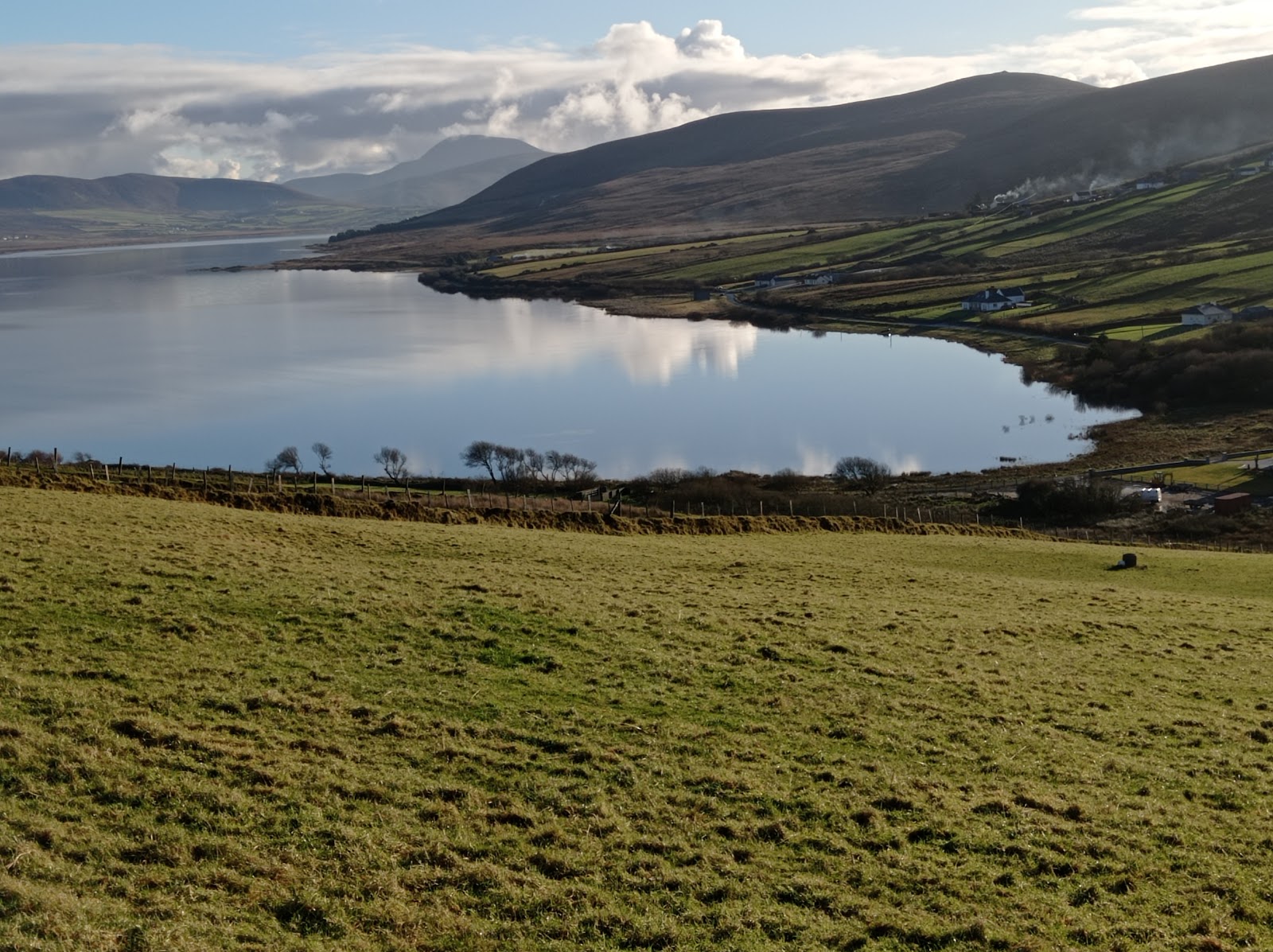
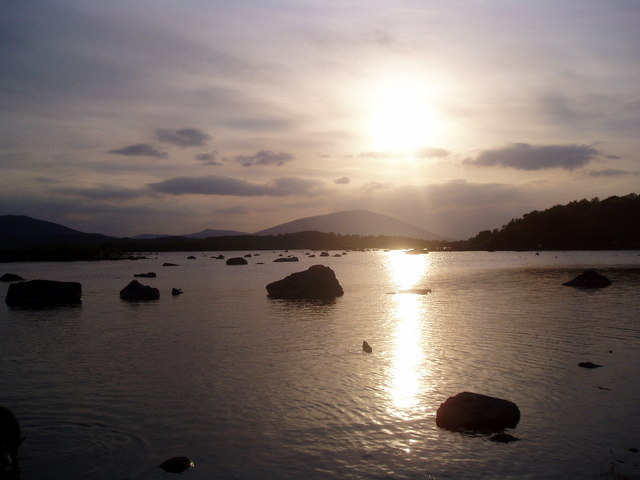
Lough Mask is one of Ireland's great wild brown trout lakes — a vast limestone system that stretches between County Mayo and County Galway, defined by its clarity, scale, and the quality of the fish it produces. At roughly 20,000 acres, it is one of the largest trout waters in Ireland, yet it rewards intimacy: the angler who learns its bays, reefs, and island margins will find fishing of the highest order.
The lake sits on a deep limestone bedrock that gives the water its characteristic clarity and alkalinity. Extensive shallows, submerged reefs, rocky islands, and marl flats create a mosaic of habitat that supports exceptional insect life — olives, buzzers, sedges, and, most famously, the mayfly. The shoreline shifts from open exposed limestone shelves in the west to quieter bays and sheltered coves along the northern and eastern margins.
Lough Mask is celebrated above all for its wild brown trout. These are hard-fighting, well-conditioned fish with the amber flanks and strong backs of limestone lake trout at their finest. A good fish runs to 1.5–2.5lb, but fish of 4lb and above are taken each season, and the lake's ferox population — predatory trout that inhabit the deep water around islands and reefs — can exceed 20lb in exceptional cases.
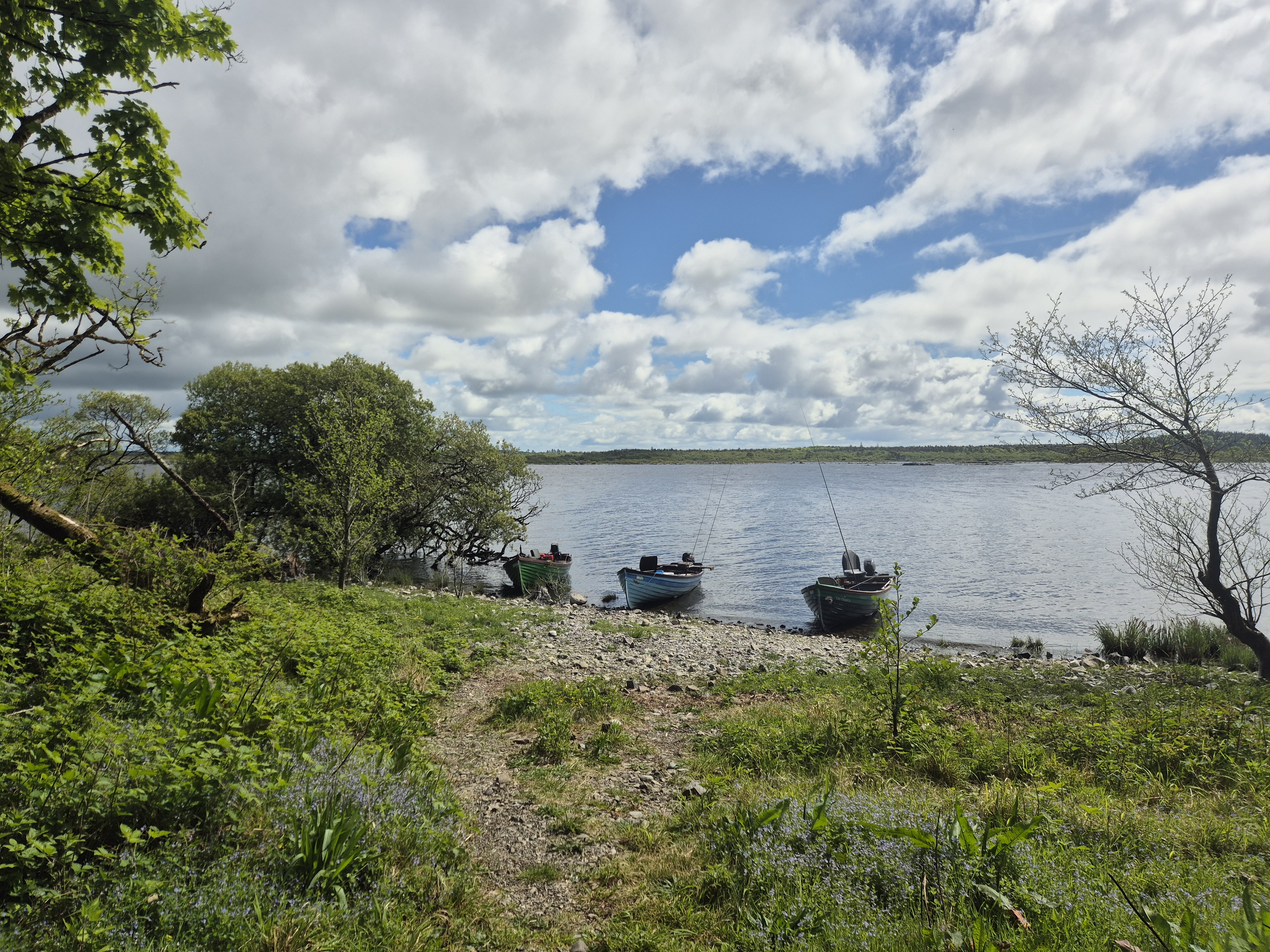
Lough Mask is boat-fishing water — most anglers drift the productive shallows over limestone reefs.
The mayfly period from mid-May into June is the defining event of the Mask season. When conditions align — steady south-west wind, overcast skies, water temperature in the right range — trout move up from depth onto the limestone shelves and feed with abandon on emerging duns and spent spinners. It is among the most celebrated dry fly spectacles in Irish angling. The lake does not switch off after the mayfly: August and September bring equally memorable fishing as large trout patrol island margins and shorelines in search of dapping flies and terrestrials.
Fishing Mask is boat fishing. The lake's extensive reefs, variable water levels, and often considerable swell make shore fishing a secondary option. Most anglers drift with the wind across productive shallows using a drogue to control speed, working three or four flies across the surface. A local boatman or experienced companion is strongly advised for first-time visitors: the lake's hidden rock systems and sudden weather changes demand respect.
The main angling base is Ballinrobe, with additional access points at Cushlough, Tourmakeady, Ferry Bridge, and Cong. Boat hire is available from several local operators. Lough Mask is not an easy water — it rewards preparation, local knowledge, and patience — but for the angler willing to put in the effort, it offers a quality of wild trout fishing that few waters in Europe can match.
Ferox: March, April, October
Dapping: August, September
Mayfly Fishing: May, June
Wild Brown Trout: March, April, May, September
Difficulty
Intermediate
Access & bases
The main angling base is Ballinrobe in Co. Mayo, which has tackle shops, accommodation, and boat hire services. Additional access points with slipways and moorings are at Cushlough (eastern shore), Tourmakeady (western shore), Ferry Bridge (upper lake), and Cong to the south. A boat is strongly advised — the lake's extensive reefs, submerged rock systems, and variable water levels make shore fishing limited in productivity and navigation hazardous without local knowledge. Experienced boatmen are available locally. Life jackets are essential: Lough Mask can produce sudden wind shifts and significant swell on its large open fetch.
Signature features
The Mayfly Hatch
The Lough Mask mayfly hatch is one of Ireland's great angling spectacles. Intelligence data shows mayfly activity mentioned in 27 of 36 May reports, with first emergence typically occurring between late April and early May across different years. Large, creamy mayfly duns emerge over shallow limestone areas as water temperatures reach the right range, typically from mid-May into June. Spinner falls on calm evenings can produce exceptional surface activity. Trout move into 2–6 feet over marl and broken rock, feeding with unusual confidence. Positioning the boat over a productive drift where fish are rising steadily — particularly in Dringeen Bay, the most consistently productive mayfly zone — rather than chasing individual fish is the key to success.
Late-Summer Dapping
Mask is renowned for its August and September dapping fishing. Intelligence data shows daddy longlegs emergence mentioned in 4 September reports, while sedge activity continues through summer months. On calm, humid evenings, large trout patrol shorelines and island margins, looking up for grasshoppers and terrestrials that fall onto the surface. Natural dapping with live grasshoppers is the traditional method; artificial dapping patterns produce consistently when natural insects are not available. Some of the heaviest fish of the season are taken in this late window, with reported catches including specimens over 4lb.
Limestone Ecology
As a limestone lough, Mask supports exceptional insect life year-round — strong olive hatches peaking in May (20 mentions), abundant chironomid populations active March through May (24 total mentions), sedge activity across 6 months (27 mentions), and of course the mayfly (38 total mentions). Duckfly provides excellent early season opportunities, peaking in March (7 mentions). The clear, fertile water produces fast-growing, hard-fighting trout. This richness of food source means fish are in excellent condition throughout the season, not just during the headline hatches.
Ferox Trout
The deep-water ferox population is part of Mask's mythology. These predatory trout, with intelligence data confirming a record 13.5lb specimen caught in April 2012, inhabit the deep water around islands and reefs. Historically fish exceeding 20lb have been recorded. Deep trolling in 10–30 feet with hardware or large streamers is the primary method. While not a fly fishing quarry, the possibility of encountering a ferox adds a distinct character to the lake that few Irish waters share.
Season by season
February – April
The early season begins quietly but intelligence data shows excellent potential — 85% positive reports across February-April with average catches of 2.7 fish per rod. Fish hold deeper and subsurface techniques dominate — slow wet fly drifts over deeper drop-offs, buzzer fishing in sheltered bays, and early olive patterns as April progresses. Duckfly hatches peak in March (mentioned in 7 of 13 reports), while buzzer activity builds through April. Evening rises increase late in the month. Wind direction becomes critical to success, with SE winds showing 100% positive reports in the data, though west winds (68% positive) offer the most productive conditions. Key areas include Tourmakeady, Ballinrobe, and Dringeen Bay.
Mid-May – June
The mayfly period is the defining event of the Lough Mask calendar. Intelligence data shows mayfly mentioned in 27 of 36 May reports, with timing varying from late April through June depending on temperature and weather. May shows 69% positive sentiment with an impressive 3.6 fish per rod average. Trout move from depth onto limestone shelves and feed confidently on emerging duns and spent spinners. Experienced anglers position boats over productive drifts where fish rise steadily. Dringeen Bay leads productivity with 9 mentions during mayfly period, followed by Tourmakeady, Cushlough, and Gortmore. Drift control and fly presentation are everything. June can be more challenging (36% positive reports) as post-mayfly conditions vary significantly.
July
Fishing can slow in high pressure and bright conditions, with intelligence data showing 53% positive sentiment and 2.4 fish per rod average. Early morning and late evening sessions produce best results. Sedge patterns come into play strongly in the evening — sedge activity mentioned in 9 of 17 July reports. Wind remains essential — a dead calm July day on Mask is a difficult one. Terrestrial patterns near the shore offer sport when hatch activity is limited.
August – September
Late-season fishing on Mask is special in its own right, with intelligence showing 50-56% positive sentiment and consistent catches averaging 1.8-2.5 fish per rod. Large trout patrol island margins and shorelines in search of dapping flies and terrestrials. Natural dapping with grasshoppers is the traditional approach; daddy longlegs becomes prominent in September (mentioned in 4 reports). Artificial dapping flies produce consistently when natural supply is short. The Deep and deep water areas become more productive as fish move to cooler zones. Larger wet patterns and claret-based flies work well as fish switch feeding mode. Night buzzer fishing can revive sport in warm spells.
Best conditions
Based on analysis of 151 IFI reports (2011–2025):
💨
W F5
Best wind
68% positive
☁️
Overcast (80%+)
Best sky
70% positive
🌡️
6-8°C
Best air temp
81% positive
⏰
All day during hatch; morning and evening in summer
Best window
Seasonal fly & tactics guide
Early Season (February – March)
Patterns
Green PeterPeter RossBlack PennellBibioOlive wet fliesMinkieHot Head Olive StimulatorInternational Stimulator
Fish hold deeper early in the season but intelligence data shows excellent potential (83-92% positive sentiment). Slow figure-of-eight retrieves on intermediate or sinking lines, drifting over deeper drop-offs. Focus on Tourmakeady and western areas where early season productivity is highest. Reduce drift speed and allow flies to hang in the water column. Wind direction is critical — SE winds show 100% success rate in the data, though productive south-west and west winds are more common.
⚠️Common mistake: Fishing too fast and in too-shallow water. Early season fish are deeper and slower to respond — patience and a slow retrieve outperform active fishing.
Concentrate on sheltered bays and shallow marl flats where olives (mentioned in 9 of 23 April reports) and buzzers (8 mentions) are active. Dringeen Bay becomes particularly productive this month. Fish buzzers on a floating line with a long leader, moving flies slowly or holding static. Evening rises increase toward the end of the month — be ready to switch to dry patterns as light fades. Intelligence shows 78% positive sentiment with 3.5 fish per rod average.
⚠️Common mistake: Fishing buzzer patterns too fast. Allow them to hang near the surface and resist the urge to retrieve constantly.
Drift over shallow limestone shelves, island margins, and bay edges where fish are visibly rising. Intelligence data shows mayfly activity in 27 of 36 May reports, with Dringeen Bay leading productivity (9 mentions). Two anglers fish opposite sides of the boat; the drogue controls drift speed. Cast to rising fish or ahead of the drift. Dry fly on the point works when fish are confident; wet mayfly patterns cover more water during the hatch build. Spinner falls in calm evenings call for a floating line and delicate presentation. May averages 3.6 fish per rod with 69% positive sentiment.
⚠️Common mistake: Changing flies constantly. During a good hatch, a well-presented standard pattern will outperform frantic experimentation. Focus on drift control and presentation.
Work island margins and exposed shorelines on a dapping rod in the afternoon and evening. Target The Deep and deep water areas where late season fish concentrate. A light breeze is ideal — enough to flutter the fly on the surface without dragging it. Daddy longlegs becomes prominent in September (4 mentions in intelligence data). For wet fly work, larger patterns in claret and olive produce well. Fish early morning and evening sessions to avoid midday heat. Expect 50-56% positive conditions with 1.8-2.5 fish per rod.
⚠️Common mistake: Dapping in too strong a wind. The fly should dance on the surface, not drag or skate — a moderate breeze is far more productive than a stiff one.
Core technique
Drift Fishing on Lough Mask
1Set up with two anglers fishing opposite sides of the boat, each working a 3–4 fly cast on a floating or intermediate line.
2Deploy a drogue to slow the drift to a productive pace — the flies should work through the water, not skim across it.
3Select your drift line based on wind direction: intelligence data shows SE winds with 100% positive reports, while west winds (68% positive) and south-west winds (59% positive) push boats across the most productive limestone shallows, reef edges, and island margins.
4Work flies on a slow, steady retrieve — a figure-of-eight or a gentle draw. Allow flies to hang at the end of the retrieve before lifting.
5Long drifts across productive shallows outperform short repositioning. Commit to a drift, work it thoroughly, then motor back upwind.
💡 Beginners consistently underestimate wind strength and overwork their flies. Mask trout respond best to controlled, steady presentation — let the boat do the work. Intelligence data shows optimal conditions in Force 3-4 winds (60-63% success rate) with overcast skies (70% positive reports).
What works here
Flies and methods reported most successful by the community.
Where to Fish at Lough Mask
Cushlough Bay
A sheltered bay on the eastern shore, productive early in the season for buzzer fishing. Good access with a slipway. A reliable starting point for anglers new to the lake. Intelligence data shows this zone productive in both early season (March-April) and late summer (August), appearing in 6 reports across these periods.
Carrigeenavall & Castle Hag Areas
Extensive shallow limestone shelves that produce excellent mayfly and sedge fishing. Among the most productive zones on the lake during the hatch period.
Ram's Horn Bay
Excellent drifts with particularly productive August–September dapping conditions. The sheltered margins and island edges draw large trout in late season.
Rocky Shore (Lively Bay to Ballygarry)
A large, shallow limestone expanse on the eastern shore. Ideal for mayfly and wet fly fishing, with extensive drifts available in south-west and west winds. Referenced in intelligence reports as consistently productive for early season wet fly work.
Inishowen & Canal Area
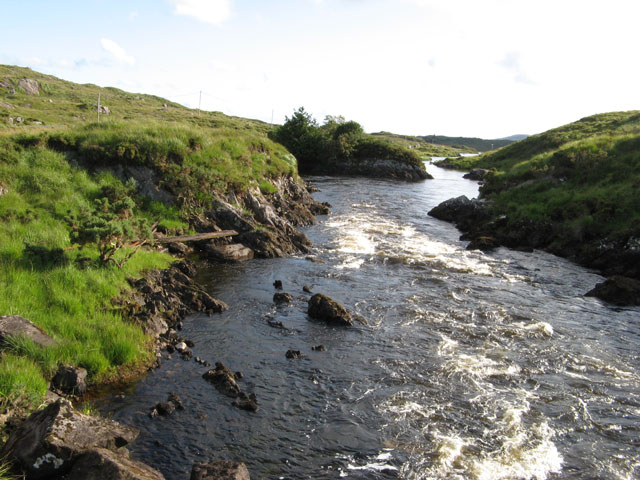
Noted for producing larger-than-average trout. Strong sedge and olive fishing, with the canal connection to Lough Corrib adding historical character to this corner of the lake.
Ferry Bridge (Upper Mask)
The upper section of the lake has a distinct character from the main body — quieter, with productive duckfly and sedge fishing. A worthwhile area to explore mid-season.
Dringeen Bay
Intelligence data shows this as the most consistently productive zone during mayfly season, mentioned in 9 of 50 mayfly period reports. Also productive in early season for buzzer and olive fishing, with 8 mentions across March-April reports.
Tourmakeady
A reliable early season zone, appearing in 8 of 36 March-April reports in the intelligence data. Productive for wet fly fishing and buzzer work as the season begins, with good access and shelter from the southern shore.
Suggested trip formats
🎣 One-Day Visit
Hire a boat and experienced boatman and focus on one productive zone — Cushlough in early season, the mayfly shallows in May–June, or the island margins in August. A focused single-day approach yields far more than trying to cover the whole lake.
🎣 Three-Day Focused Trip
Rotate between the mayfly shallows, island drifts, and dapping zones to experience the range of the lake. Three days gives enough time to adapt to conditions and refine approach based on what the lake is doing.
🎣 Five-Day Premium Trip
Combine Lough Mask mayfly fishing with a session on Lough Corrib via Cong, and add a guided ferox trolling day for anglers who want to target the deep-water leviathans. This is one of the great Irish angling weeks.
Conservation & stewardship
🌿
Lough Mask supports a naturally reproducing wild trout population that deserves careful stewardship. Anglers are encouraged to practise selective harvest within legal limits and to consider catch-and-release for larger fish and ferox trout. Avoid fishing spawning tributaries in autumn and winter when trout are moving to redds. Respect island nesting bird habitats during the breeding season. The statutory 12-inch minimum size must be observed at all times. Live-baiting is prohibited by law and must not be used under any circumstances. The long-term health of this exceptional fishery depends on the responsible behaviour of everyone who fishes it.
No State rod licence is required for brown trout fishing on Lough Mask. Trout season typically runs mid-February to end September — always confirm current dates with Inland Fisheries Ireland before travel.
Main access: Experienced boatmen and ghillies operate around the lake, particularly from Cushlough, Tourmakeady, and Ballinrobe. Strongly recommended for first-time visitors., Ballinrobe is the main angling hub, with tackle shops, accommodation, and local knowledge. Additional services available at Tourmakeady and Cong., Lough Mask and Carra Development Association — the local body supporting fishery conservation and angling development on the lake.