📍Leitrim · North West📐21.25 km²📋IFI (Republic of Ireland)Season Open
7Species Present
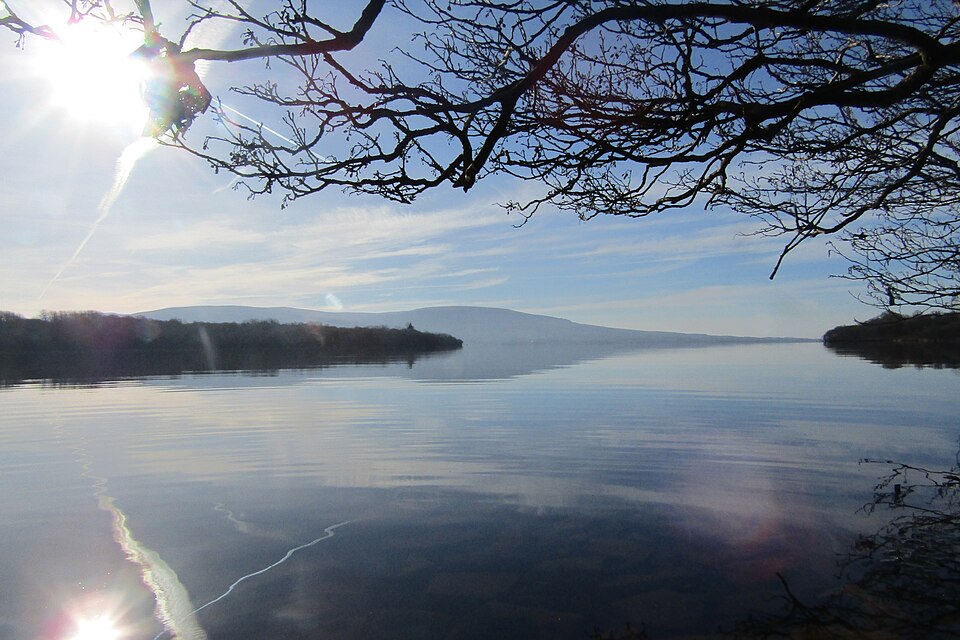
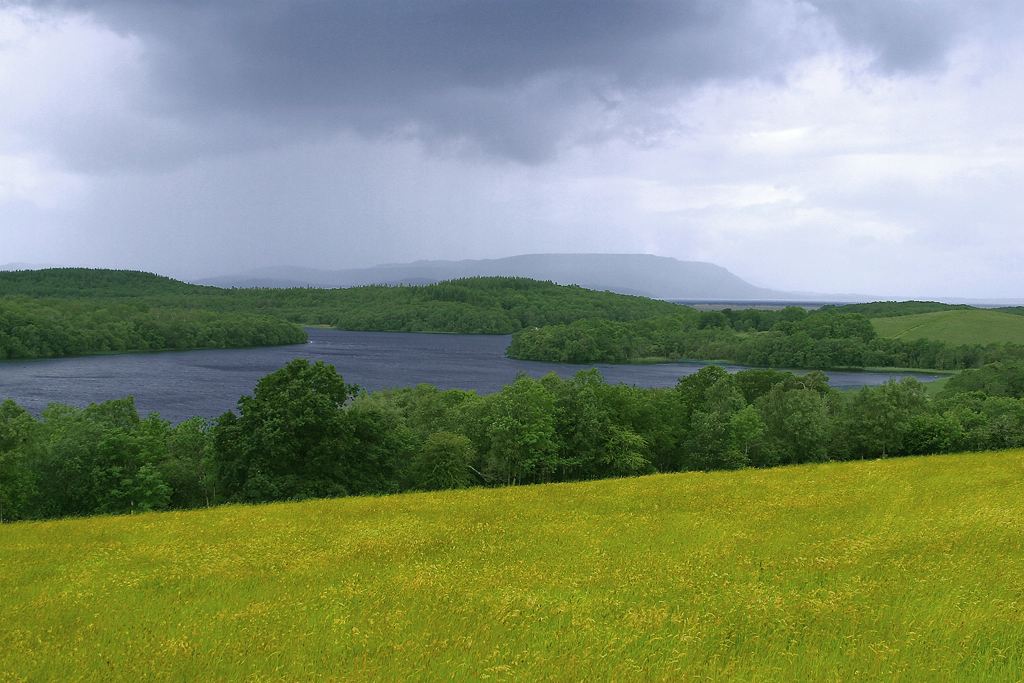
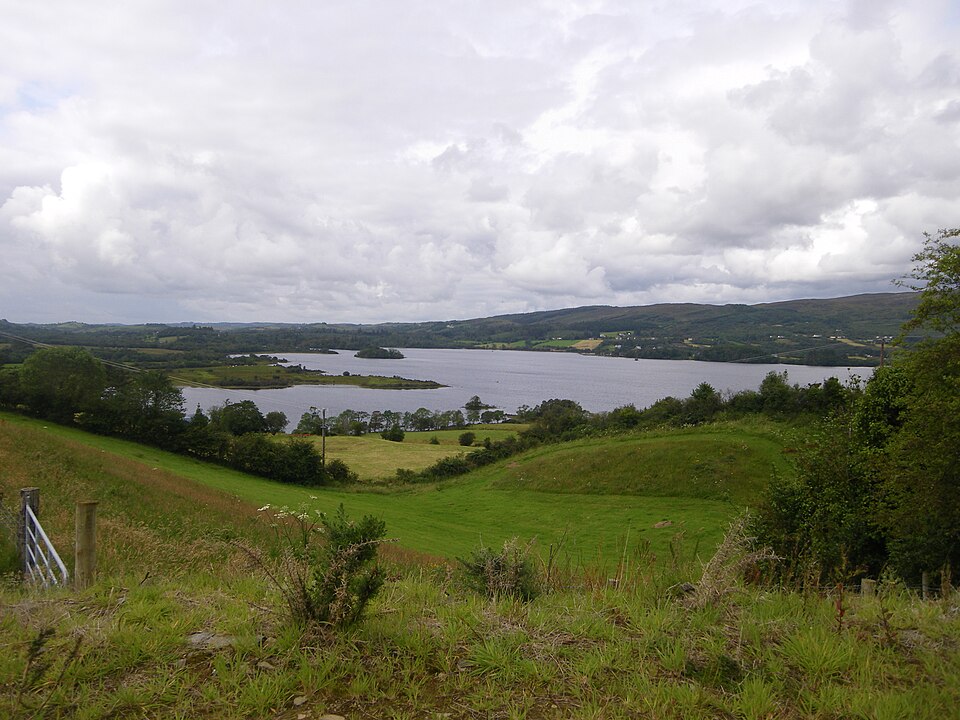
Lough Melvin is a 21.25 km² lake straddling the Leitrim/Fermanagh border, draining via the River Drowes near Garrison. It reaches a maximum depth of 45 m in a trench running from Rossinver Bay to the Drowes outflow, and holds Ireland’s only lake population of three genetically distinct brown trout ecotypes — sonaghen, gillaroo, and ferox — alongside Arctic char and Atlantic salmon.
County
Leitrim
Region
North West
Type
Lough
Surface area
21.25 km²
Maximum depth
45 m
Nearest towns
Garrison
River system
River Drowes
Species
Atlantic Salmon, Gilaroo Trout, Arctic Char, Perch, Brown Trout, Sonaghan Trout +1 more
There are few lakes in Ireland — or in Europe — that carry the scientific and cultural weight of Lough Melvin. Straddling the border between County Leitrim and County Fermanagh, this long glacial water is internationally recognised for something no other lake can claim: four genetically distinct, non-interbreeding races of wild trout sharing the same water. Brown trout, gilaroo, sonaghan and ferox each occupy their own ecological niche, respond differently to fly patterns, and have been doing so since the last Ice Age. Melvin is not a curiosity for scientists alone — these differences show up vividly in the fishing.
The lake runs approximately 13 kilometres from east to west and reaches nearly three kilometres across at its widest. Its character is defined by wind and wave. A moderate south-westerly rolling down the open fetch transforms the surface into ideal drifting conditions — wave-lifted flies, oxygenated water, and trout that move freely to the surface. On flat calms, Melvin can be frustrating; in a good breeze, it can be extraordinary. The limestone influence through much of the catchment gives the water clarity and richness that sustains its exceptional biodiversity, including cold deep basins where Arctic char persist.
Salmon arrive early by Irish standards. Spring fish have been taken from February onward, traditionally by trolling in the Garrison area, with fly-caught fish becoming consistent in Rossinver Bay from late March and through April. These are powerful, bright spring salmon in prime condition. The grilse run follows from June, and summer fish can be encountered across the open mid-lake drifts on traditional wet fly patterns — the Green Peter on the bob being the most celebrated approach on this water.
The trout fishing is the heart of Melvin's reputation. The gilaroo, a mollusc-specialist with deep red spots and a heavier frame than the typical brown trout, is unique to a handful of Irish loughs. The sonaghan, a midwater feeder often focused on daphnia, rises freely during hatch events. The ferox, a deep-water predator of perch and char, is occasionally targeted by dedicated trollers. All four forms share the same water but remain genetically separate — a situation that exists nowhere else in the British Isles at this scale.
Melvin is a boat lake. Shore fishing is limited, and the productive zones — mid-lake drifts, Rossinver Bay, river mouth convergences — are best accessed afloat. Boat hire has traditionally been available from the main angling centres at Kinlough, Garrison and Rossinver, though visitors should confirm availability in advance. A local ghillie is strongly recommended for first visits: Melvin rewards local knowledge, and the right drift on the right day in the right conditions is not always obvious to newcomers.
The lake straddles two jurisdictions, which adds a practical consideration for anglers. Licences and regulations differ between the Republic of Ireland (IFI) and Northern Ireland (DAERA), and the applicable rules depend on where on the lake you are fishing. Always verify current requirements with both authorities before your trip. Melvin remains one of Ireland's most pristine salmonid lakes — its remarkable ecology is worth protecting, and catch-and-release is strongly encouraged for gilaroo, sonaghan and ferox in particular.
Grilse: June, July
Gilaroo: May, June
Sonaghan: May, June, July
Brown Trout: April, May, June
Spring Salmon: March, April
Difficulty
Advanced / Experienced
Access & bases
The main angling centres are Kinlough and Rossinver on the Leitrim (Republic) shore, and Garrison on the Fermanagh (Northern Ireland) shore. Public boat jetties are located at Kinlough Pier, Stracomer, Breffni Pier, Dernaseer, and Garrison. Road access from the Republic is via the N15; from Northern Ireland via the A4 through Enniskillen. Boat hire has traditionally been available locally — confirm in advance with local providers as availability varies by season. A local ghillie is strongly recommended, particularly for first-time visitors unfamiliar with the lake's drift patterns and productive zones.
Signature features
Four Genetically Distinct Trout Races
No other lake in the British Isles holds four genetically isolated, non-interbreeding trout races in the same water. Brown trout, gilaroo, sonaghan and ferox each occupy distinct ecological niches — different depths, different diets, different spawning areas — yet share the lake without interbreeding. This distinction is real and observable in the fishing: each form responds differently to fly patterns, conditions and time of year.
The Green Peter Tradition
Lough Melvin is inseparable from the Green Peter, one of Ireland's most iconic lake flies. From mid-May onward the Green Peter hatch drives some of the most exciting surface fishing in the country. Fished on the bob — the top dropper — it remains the most celebrated pattern for summer salmon and mixed trout on this lake. Intelligence data shows specialized variants like the Leggy Hiniken Green Peter being successful during peak summer months. The Kingsmill pattern was developed specifically for Melvin, adding to a fly-tying heritage unique to this water.
Spring Salmon on the Fly
Rossinver Bay on the western shore is one of Ireland's most productive spring salmon locations. From late March through April, fly-caught spring fish are taken consistently in good conditions — a rarity on many Irish loughs where trolling dominates early season salmon fishing. Intelligence shows fish typically ranging 8.5-9.75lb, with Rossinver Waters and Rossinver Fishery the most frequently mentioned productive areas. These are powerful fish in prime condition and represent some of the finest early salmon sport available on the island.
Post-Glacial Ecology Intact
Lough Melvin is one of the few intact post-glacial salmonid lakes in Ireland. Its deep basins sustain cold water layers that support Arctic char — a species that has persisted here since glacial retreat. The lake's mixed limestone and sandstone catchment provides exceptional water quality. Intelligence data shows ferox reaching 12-13lb, with anglers averaging 2.8 fish per rod across the season. It remains largely free from the agricultural pressures that have degraded many comparable Irish loughs.
Season by season
February – March
Early season salmon fishing, primarily by trolling in the Garrison area. Water temperatures are cold and fish concentrate in bays that warm first. Presentation depth is critical for trolling. Intelligence shows February yielding excellent results (75% positive reports) despite limited activity. March can be challenging (30% positive sentiment) but buzzer hatches begin to appear. Fly fishing for salmon becomes possible in Rossinver Bay from late March in favourable conditions.
April – May
The prime spring salmon and early trout period. Fly-caught salmon in Rossinver Bay are at their most consistent through April, though intelligence shows moderate success rates (46% positive). Buzzer hatches peak in April (mentioned in 5 of 13 reports). Trout respond to early olive hatches and the emerging mayfly. From mid-May the Green Peter hatch begins and traditional drift fishing with mayfly and Green Peter patterns produces excellent mixed sport across the lake. May shows 56% positive sentiment with strong mayfly activity (mentioned in 6 of 9 reports).
June – July
The grilse run begins in June and fish can be encountered across the open mid-lake drifts. This is also peak trout fishing — sonaghan and brown trout rise freely during the Green Peter period. Intelligence confirms June as excellent (77% positive reports) with strong mayfly continuation, while July maintains high success (78% positive). The Kingsmill, a pattern developed specifically for Melvin, comes into its own in summer. A moderate south-westerly produces the ideal drifting conditions for this type of fishing, with intelligence showing SW winds achieving 70% success rates.
August – September
Fishing eases as the season progresses but sport remains available for trout in settled conditions. Intelligence shows August maintaining good results (53% positive) while September becomes more challenging (39% positive). Competition data indicates 2.1-2.5 fish per boat averages during this period. Evening rises can be productive on calm summer evenings. Ferox anglers sometimes focus on this period with trolling in the deeper areas, with the biggest ferox (12-13lb) recorded in July. Regulations should be checked as the season draws toward its close.
Best conditions
Based on analysis of 96 IFI reports (2011–2025):
💨
SW F3
Best wind
70% positive
☁️
Partly cloudy (30-60%)
Best sky
67% positive
🌡️
10-12°C
Best air temp
56% positive
⏰
All day during hatch periods; morning and evening in warm settled weather
Trolling is the primary method for early salmon in the Garrison area. Work the bays that warm first and vary trolling depth until fish are located. From late March, fly fishing for salmon in Rossinver Bay becomes viable — cast across the wind on a good south-westerly drift and allow flies to swing naturally through the wave action. Intelligence shows productive areas include Ward's Point and Eden Point during April.
⚠️Common mistake: Fishing too shallow in cold water — early season fish hold deeper and trolling depth is critical to making contact.
Drift fishing for spring salmon and trout. Set up wind-driven drifts across Rossinver Bay for salmon, with County River and Ward's Point being productive areas. For trout, work the open mid-lake areas during olive and early mayfly hatches, focusing on Western End and Hatchery Shore. As May progresses and the Green Peter hatch strengthens, put the Green Peter on the bob and fish it high in the wave tops — this is the classic Melvin presentation. Intelligence shows buzzer hatches peaking in April, with mayfly emergence building through May.
⚠️Common mistake: Fishing too deep during surface hatch periods — when trout are feeding on emerging flies, your team needs to be fishing just under or in the surface film.
Summer (June–July)
Patterns
Green PeterWatson's FancyMallard & ClaretClaret BumbleFiery BrownInvictaKingsmillSpent GnatBibioSooty OliveGolden Olive BumbleDaddy Long-legsLeggy Hiniken Green PeterClaret George Hopper
This is the peak mixed sport period. Set up long drifts across the mid-lake on a south-westerly breeze with the Green Peter on the bob. Intelligence shows Lareen Bay, Kinlough Bay, and Garrison as most productive areas during this period. Use a 14–18ft leader to allow flies to spread naturally. For grilse, fish the same traditional wet fly team — salmon in summer respond well to the bob fly working in the wave tops. The Kingsmill is worth having as a tail fly throughout this period. Best results come with SW winds (70% success rate).
⚠️Common mistake: Anchoring instead of drifting — Melvin is a wind-driven lake and controlled drifting over productive water is the key to consistent sport.
Core technique
Drift Fishing on a Wind-Driven Lough
1Position the boat so the wind will carry you across a known feeding lane — Rossinver Bay for spring salmon, open mid-lake for summer trout and grilse.
2Cast across the wind at approximately 45 degrees, allowing the team of three wet flies to swing naturally in the wave action.
3Maintain light tension on the line — enough to animate the flies but not enough to drag them unnaturally through the surface.
4Focus attention on the bob fly (top dropper). Use the rod tip to lift and dip it in the wave tops, particularly as the cast reaches the dangle. This is where many takes occur.
5Use a long leader of 14–18 feet to allow flies to spread. In strong wave action, a slightly heavier fly on the point helps anchor the team at the right depth.
💡 Wind direction determines productive drifts far more than fixed marks on this lake. A south-westerly is generally the ideal direction, with intelligence showing SW winds achieving 70% positive reports — learn to read how the wind lays across the lake and set your drifts accordingly.
What works here
Flies and methods reported most successful by the community.
Where to Fish at Lough Melvin
Rossinver Bay
The western arm of the lake on the Republic shore. The most celebrated spring salmon location on Melvin, consistently productive for fly-caught fish from late March through April. Intelligence data shows Rossinver Waters and Rossinver Fishery as the most frequently mentioned early season areas across reports. Sheltered enough to fish in variable conditions but with sufficient fetch to generate good wave action in a south-westerly.
Garrison Area
On the Northern Ireland shore at the eastern end of the lake. Traditionally the primary trolling ground for early season salmon from February onward. Intelligence shows Garrison featuring most prominently in summer reports (July-September), with productive bays in this area warming earliest and attracting the first fish of the season.
Open Mid-Lake Drifts
The broad central expanse of the lake is the primary ground for summer trout and grilse from June onward. Long wind-driven drifts across this open water, with Green Peter on the bob, represent the classic Melvin summer fishing experience. Intelligence data identifies Lareen Bay and Kinlough Bay as particularly productive during the mayfly period (May-early June), with 77% of June reports showing positive results.
River Mouths
The inflowing river mouths — particularly at the western end — concentrate fish in spring as salmon and trout seek fresh water. Worth working in early season, particularly after a flush of rain brings a lift in water temperature. Intelligence shows the Western End and Hatchery Shore areas productive during mayfly emergence.
Suggested trip formats
🎣 3-Day Spring Salmon Trip
Base in Rossinver or Kinlough and focus on April fly fishing for spring salmon in Rossinver Bay. Book a ghillie for at least the first day to learn the productive drifts. Intelligence shows buzzer hatches peaking in April, though success rates can be variable (46% positive reports). This is some of the finest spring salmon fly fishing available in Ireland.
🎣 May Green Peter Experience
A May visit timed for the Green Peter hatch offers the quintessential Lough Melvin experience — traditional drift fishing with mayfly and Green Peter patterns targeting mixed trout forms in ideal wave conditions. Intelligence confirms mayfly hatches across 6 of 9 May reports, with 56% positive sentiment. Plan for 3–4 days to allow for weather variability.
🎣 June Grilse and Trout Combination
June brings the grilse run together with peak Green Peter trout fishing — the best mixed sport the lake offers. Intelligence shows June as the most consistent month (77% positive reports) with strong mayfly activity continuing. Fish the mid-lake drifts, particularly Lareen Bay and Kinlough Bay, for both species on the same traditional wet fly team. Long summer evenings extend the fishing day considerably.
Conservation & stewardship
🌿
Lough Melvin's trout biodiversity is of global scientific importance. The four native trout races — brown trout, gilaroo, sonaghan and ferox — are genetically unique and irreplaceable. Catch-and-release is strongly encouraged for all trout, and considered essential for gilaroo, sonaghan and ferox. Atlantic salmon on this system are wild fish returning from the ocean — handle them with care, use barbless hooks where possible, and return fish quickly in warm conditions. The lake's ecology has remained relatively intact; responsible angling practice is what keeps it that way.
Lough Melvin straddles two jurisdictions. Anglers must hold the appropriate licence for the waters they are fishing — an IFI licence for the Republic of Ireland portion and a DAERA rod licence for Northern Ireland waters.
Main access: Local ghillies are available, particularly based around Kinlough and Rossinver. Booking in advance is recommended, especially for April and June., Kinlough, Rossinver and Garrison are the primary angling bases. Local tackle and permit information is available from angling centres in Kinlough., Lough Melvin Holiday Centre and local development groups support angling infrastructure on the Republic shore.