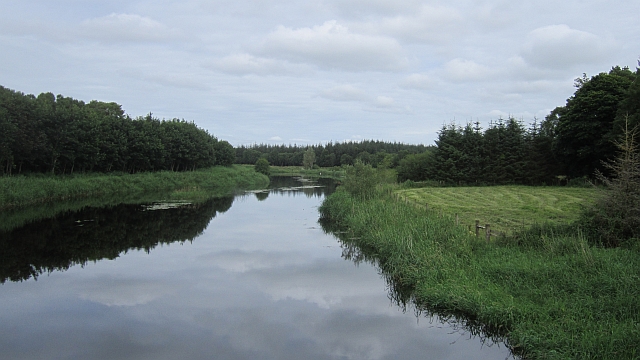
📍Westmeath · Midlands📐1.02 km²📋IFI (Republic of Ireland)Season Open
4Species Present
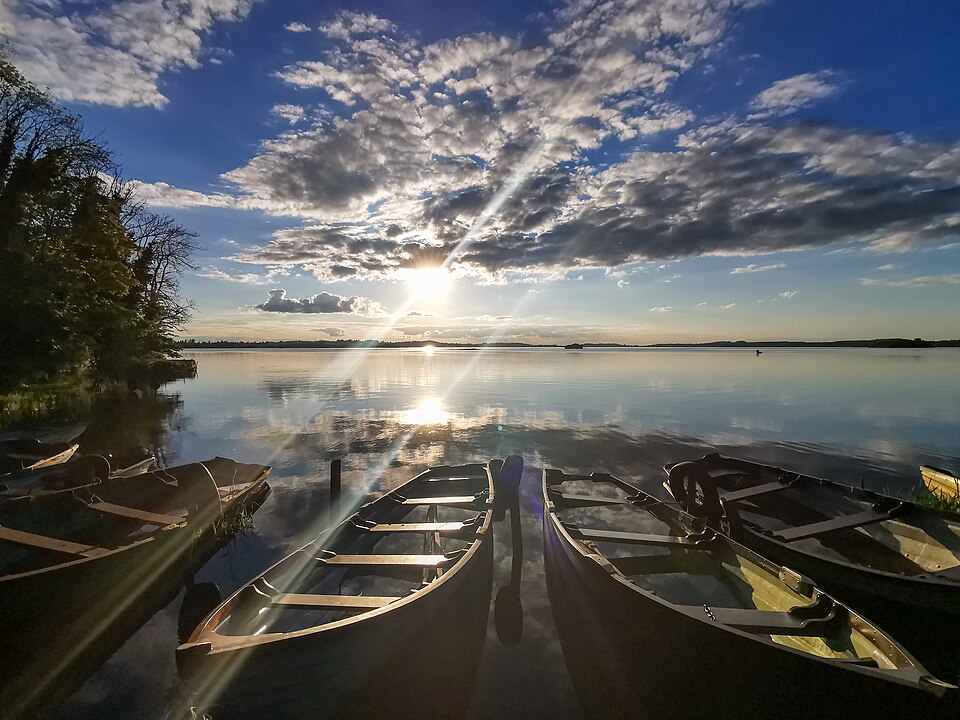
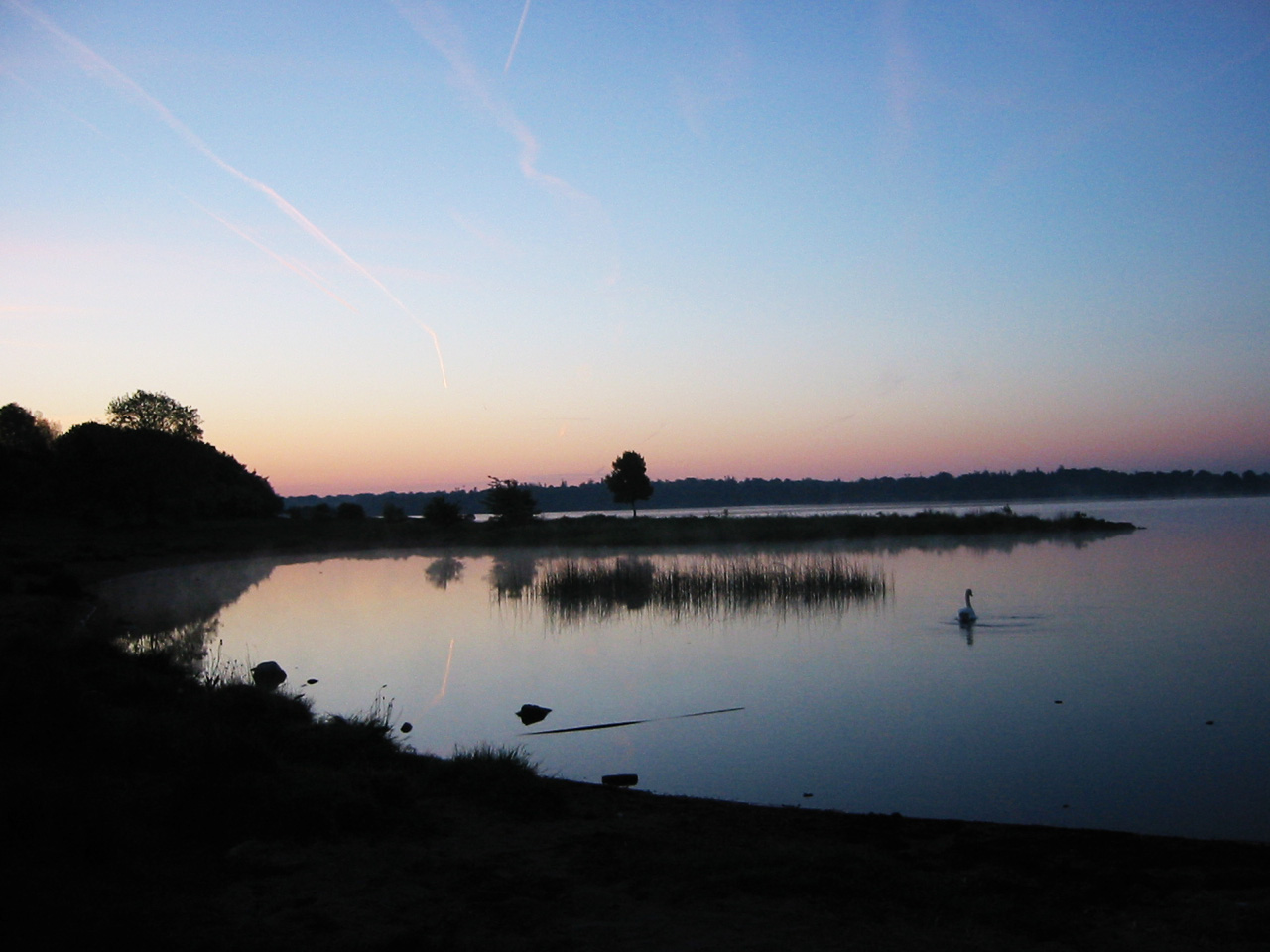
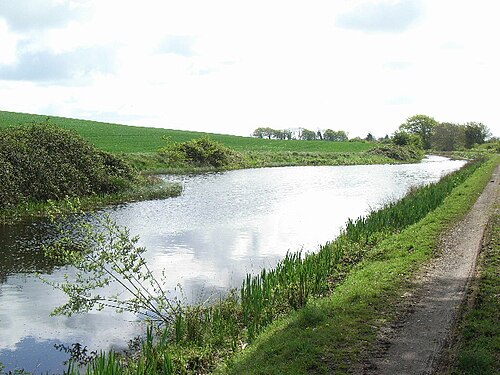
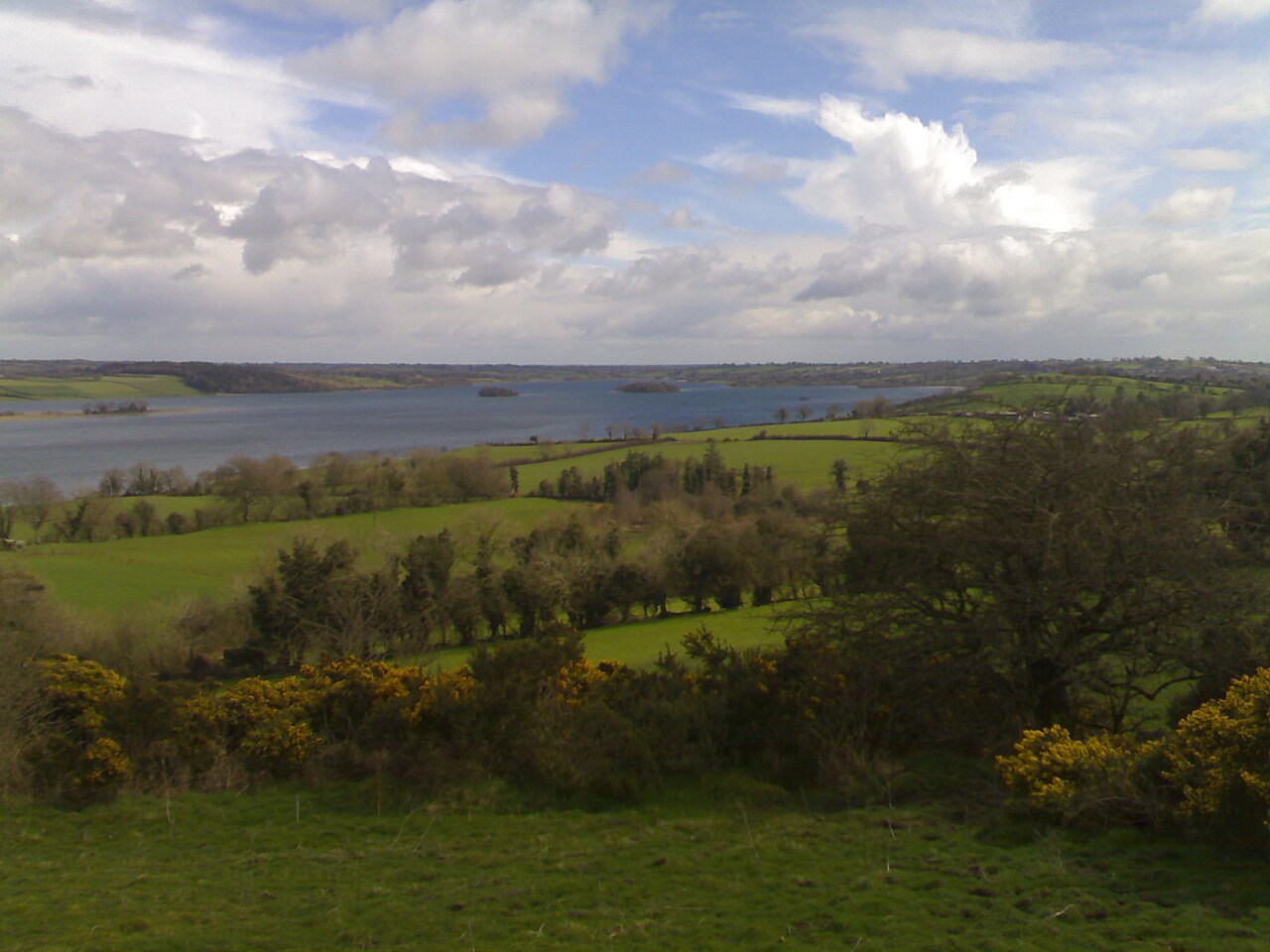
Lough Owel is a 1.02 km² spring-fed limestone lake in the Upper Shannon catchment, four kilometres north-west of Mullingar, County Westmeath. It reaches a maximum depth of 21 m and is the public water supply for Mullingar and the Royal Canal, holding a resident stock of wild brown trout alongside pike, perch, and rudd.
County
Westmeath
Region
Midlands
Type
Lough
Surface area
1.02 km²
Maximum depth
21 m
Nearest towns
Mullingar
River system
River Shannon
Species
Brown Trout, Arctic Char, Pike, Perch
Lough Owel is one of Ireland's purest limestone trout lakes and among the most technically demanding wild brown trout fisheries in the country. A deep, spring-fed water of international renown, it lies just north of Mullingar in County Westmeath, and its extraordinary clarity sets it apart from every other midland lake.
Fed predominantly by underground springs rather than surface streams, Owel maintains remarkable water quality and transparency that can exceed six metres of visibility on bright days. This crystal clarity is both the lake's defining characteristic and its greatest challenge — trout see exceptionally well and respond poorly to heavy presentation. Long leaders, fine tippets, and careful boat handling are not optional here; they are fundamental requirements.
Covering approximately 2,547 acres with a maximum depth of 21 metres, Owel is a designated Ramsar wetland of international importance. The lake supports a resident stock of wild brown trout averaging around two pounds — a remarkable average by any standard. Fish of three to four pounds appear through the season, specimens of seven pounds are taken annually, and fishery staff have encountered fish up to 12 pounds in spawning streams. The lake also holds Arctic char, a glacial relict species that adds scientific interest to this already exceptional water.
Owel's spawning habitat is naturally limited, with few tributary streams. To maintain stocks, native trout are stripped at the nearby Cullion Fish Farm and the resulting fry are reared and returned to the lake. This carefully managed programme supplements natural recruitment without compromising the wild character of the fishery.
The lake's angling calendar revolves around several key hatches. The mayfly period in late May and early June provides the most accessible sport, but Owel's greatest fame rests on its sedge fishing. The Green Peter and Great Red Sedge — known locally as the Murrough — hatch from late June through August, sometimes producing insects over two inches long. These massive sedges bring the lake's biggest trout to the surface, and the best fishing invariably occurs after dark.
For serious trout anglers, Lough Owel represents classic Irish limestone lake fishing at its most refined. It demands patience, finesse, and the ability to read subtle conditions, but rewards those qualities with wild brown trout of exceptional quality in one of Ireland's most beautiful midland settings.
Mayfly: May, June
Dapping: August, September, October
Buzzer Olive: March, April, May
Green Peter Sedge: July, August
Difficulty
Advanced / Experienced
Access & bases
Lough Owel lies 4km northwest of Mullingar, accessed off the N4 Mullingar–Longford road. Boat hire available from Doolan's Boat Hire on the western shore. The lake also serves as Mullingar's water supply reservoir, ensuring excellent water quality. Shore access is limited but available at several points. Approximately one hour from Dublin via the M4, making it practical for day or weekend trips. Mullingar provides full services including tackle shops, accommodation, and dining.
Signature features
Exceptional Water Clarity
Owel's spring-fed system produces extraordinary transparency — visibility can exceed six metres on bright days. This clarity defines the entire fishing experience. Trout see exceptionally well, making heavy leaders, careless casting, and boat noise immediately punishing. It demands the finest presentation of any midland lake.
The Green Peter and Murrough
Owel's sedge hatches are legendary. The Green Peter appears from late June, followed by the Great Red Sedge (Murrough) — insects that can measure two inches in length. These massive flies bring the lake's biggest trout to the surface, and the best fishing always occurs after dark. For many experienced Owel anglers, the sedge fishing is the true highlight of the year, surpassing even the mayfly. Intelligence data confirms Green Peter activity through July and August, though conditions can be challenging during the peak sedge period.
Cullion Fish Farm Partnership
With limited natural spawning streams, Owel's trout stock is supplemented through a carefully managed programme at the nearby Cullion Fish Farm. Surplus ova from native spawning trout are hatched and reared, then returned to the lake. This ensures the fishery maintains its wild character while sustaining healthy stock levels.
Ramsar Site and SAC
Designated as a Ramsar wetland of international importance since 1996, Owel's ecological value extends well beyond angling. The lake supports rare plant species, migratory Greenland white-fronted geese, and Arctic char — a glacial relict. The Lough Owel Trout Preservation Association, established in 1885, has protected this water for well over a century.
Season by season
March – April
Early season brings buzzer and olive hatches. Small nymphs fished on fine fluorocarbon tippets produce subsurface takes. Wind is important — windward shores concentrate food and encourage trout to feed. This period rewards technical anglers willing to work hard for quality fish. Intelligence shows 73% positive reports in April with duckfly mentioned in 8 reports and olive hatches in 5 reports. Anglers average 1.2 fish per rod during this productive early season window.
Late May – Early June
The mayfly hatch is Owel's most accessible fishing. Trout feed confidently during strong hatches, though they can be frustratingly selective even with mayfly on the water. Dapping and dry fly both effective. Wind lanes where naturals collect are the key. May shows exceptional results with 81% positive sentiment and the season's highest catch rate of 3.4 fish per rod. The mayfly is mentioned in 7 reports across this period, with spent gnat patterns also proving effective.
Late June – August
Owel's signature period. The Green Peter and Murrough (Great Red Sedge) hatches produce the lake's biggest trout on the surface. Hatches begin around 10pm and may last an hour or more. The first week of the hatch invariably provides the best fishing — trout feed more avidly early in the cycle. Intelligence data reveals challenging conditions with July showing only 15% positive reports, though August improves to 50% positive sentiment. Green Peter is mentioned in 3 reports with sedge activity noted throughout this period.
September – October
Late season can produce excellent sport. Dapping with Daddy Longlegs and grasshoppers in August and September yields results. Sizeable trout can also be taken on the troll during the final weeks before the season closes on October 12. September shows outstanding results with 76% positive reports and 1.3 fish per rod, validating this as one of Owel's most reliable periods.
Best conditions
Based on analysis of 113 IFI reports (2011–2025):
💨
SW F2
Best wind
61% positive
☁️
Mostly cloudy (60-80%)
Best sky
64% positive
🌡️
<6°C
Best air temp
81% positive
⏰
Daytime during hatches; after dark for sedge (July–August). Force 2-3 winds show the best success rates
Best window
Seasonal fly & tactics guide
Early Season (March – April)
Patterns
Small Olive NymphBuzzerSize 12–14 WetsBlack PennellSilver DabblerClaret DabblerDuckflyTasmanian Lure
Fish fine and slow. Use light fluorocarbon tippets of 4–5lb to minimise visibility in the clear water. Small nymph patterns on a floating line, presented with minimal retrieve, cover the water column effectively. Target windward shores where food concentrates and trout gain feeding confidence from the broken surface. Tullaghan Shore consistently produces fish during this period, mentioned in 7 early season reports.
⚠️Common mistake: Using heavy tippet material. In Owel's clarity, anything over 6lb fluorocarbon will significantly reduce takes.
Fish wind lanes where natural mayfly duns collect on the surface. In wave conditions, dapping is highly effective. During calmer spells, a well-presented dry fly on a long leader will take fish. Watch for subtle rises — Owel trout may sip rather than slash at flies, even during heavy hatches. Focus on proven mayfly areas including the Northern End, Kettle Area, and Shallows Near Church.
⚠️Common mistake: Overcasting in calm water. The clear conditions mean trout are easily spooked by aggressive casting. Present at distance and let the drift do the work.
Green Peter and Murrough (Late June – August)
Patterns
Green PeterMurrough (Great Red Sedge)Cinnamon PeterBlack PeterDabblers
Dapping
GrasshoppersDaddy Longlegs
The best fishing is always after dark. Position your boat over productive ground as light fades and wait for the hatch to begin — typically around 10pm. Fish a large sedge pattern on the surface, allowing it to skate slightly in the ripple. The first week of the hatch produces the most aggressive feeding; after two weeks, trout become more selective. Productive late season areas include Portloman and Mullallys, which account for multiple reports during this period.
⚠️Common mistake: Going home at dusk. On Owel, the real sedge fishing hasn't started until well after sunset. The first hour of the hatch is the golden window.
Late Season (September – October)
Patterns
Daddy LonglegsGrasshopperSmall Fry Imitations
Dapping
Daddy LonglegsGrasshoppers
Dapping comes into its own during September. Daddy Longlegs and grasshoppers presented in a good wave will draw strong takes from trout preparing for the close of season. Trolling with small lures can also produce sizeable fish in the final weeks. September shows 76% positive reports, making it one of the most reliable periods on Owel.
⚠️Common mistake: Ignoring the last two weeks of the season. Some experienced Owel anglers rate late September and early October as the most productive period after the sedge.
Core technique
Fine Presentation in Clear Limestone Water
1Construct a long, well-tapered leader of 12–15 feet, finishing with 4–5lb fluorocarbon tippet. In Owel's clarity, leader visibility is the single biggest factor in success or failure.
2Approach drifts quietly. Avoid unnecessary boat noise, oar splash, or sudden movement. Trout in clear water detect disturbance at considerable distance.
3Maintain a natural, moderate drift speed using a drogue. The boat should move at walking pace — fast enough to cover water, slow enough for trout to intercept flies.
4Strike lightly. Owel trout often sip flies delicately rather than slashing at them. A heavy strike risks breaking fine tippets; a controlled lift is more effective.
5Observe the water constantly. Watch for subtle surface movement, swirls, and the glint of turning fish. In clear water, visual identification of feeding trout dramatically improves targeting.
💡 Heavy-handed tactics are quickly exposed in Owel's clear water. If you fish Ennell-style with thick leaders and fast drifts, expect a blank. Finesse is everything here.
What works here
Flies and methods reported most successful by the community.
Where to Fish at Lough Owel
Central Shoals
The shallow areas towards the centre of the lake produce excellent mayfly and wet fly fishing. Trout congregate on these features during hatches, making them prime drift territory. Intelligence data shows this area includes the productive Kettle Area and Shallows Near Church, which feature consistently in May and June reports.
Windward Shores
Whichever shore receives the wind becomes the priority water. Food concentrates on windward margins, and the broken surface gives trout feeding confidence. Early season sport is particularly strong on windward shallows. Tullaghan Shore is mentioned in 7 early season reports, making it the most productive windward zone from March through April.
Church Island Area
The waters around Church Island and the other main islands provide structured drifts with depth variation. Historical features and underwater contours create holding lies throughout the season. The Shallows Near Church are particularly productive during mayfly season, while the Top End Near The Rookery also features in successful mayfly reports.
Deep Basins
In bright conditions or during mid-season lulls, trout retreat to deeper water. Fishing over the deeper basins with nymphs or during evening sedge activity can produce quality fish when shallows are unproductive. Areas like Portloman and Mullallys become more important from August through September, accounting for 5 mentions in late season reports.
Suggested trip formats
🎣 3-Day Mayfly Technical Trip
Target late May or early June for the mayfly hatch. Day one: pre-hatch exploration, identifying productive drifts and testing depth contours. Day two: peak hatch fishing, mayfly dries and dapping. Day three: spent gnat patterns and the transition to early sedge activity.
🎣 Night Sedge Expedition
Plan a July trip specifically for the Green Peter and Murrough hatch. Fish during the day with wet fly teams, then stay on the water after dark when the sedges emerge. This is when Owel's biggest trout feed most confidently.
🎣 Midlands Trout Circuit
Combine Lough Owel with Lough Ennell and optionally Lough Sheelin for a comprehensive midlands trout experience. Owel provides the technical challenge; Ennell offers broader hatch fishing; Sheelin adds scale and specimen potential.
Conservation & stewardship
🌿
Lough Owel is a Ramsar site and Special Area of Conservation, reflecting its outstanding ecological value. The Lough Owel Trout Preservation Association, founded in 1885, has protected this fishery for nearly 140 years. The Cullion Fish Farm supplements natural spawning to maintain healthy wild trout stocks. Anglers should practise careful catch and release outside any permitted retention, minimise fish handling, respect hatch periods, and avoid disturbance to spring-fed inflows and spawning streams. The lake's long-term sustainability depends on restrained harvest and responsible angling practice.
Frequently asked questions
Before You Go — Key Regulations
Jurisdiction
Republic of Ireland (IFI)
Season
March 1 – October 12
Brown trout season: March 1 to October 12. IFI state fishing permit required.
Main access: Guided angling available through Midland Angling and local boatmen. Boat hire from Doolan's Boat Hire on the western shore of Lough Owel., O'Malley's Fishing Tackle, Dominick Street, Mullingar. Also Conlon's Tackle in Mullingar for permits, local flies, and advice., Lough Owel Trout Preservation Association — one of Ireland's oldest fishery conservation bodies, founded in 1885, actively managing the lake's stocks and environment.