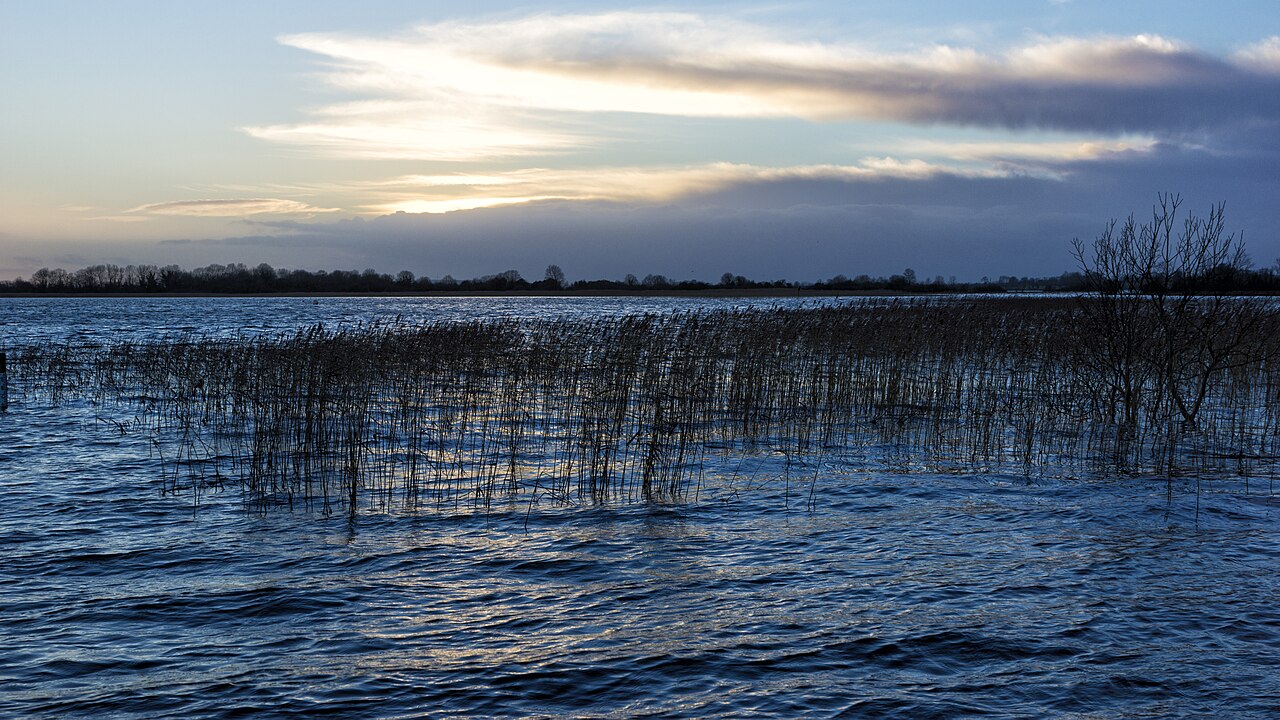
📍Roscommon / Westmeath / Longford · Midlands📐105 km²📋IFI (Republic of Ireland)Season Open
8Species Present
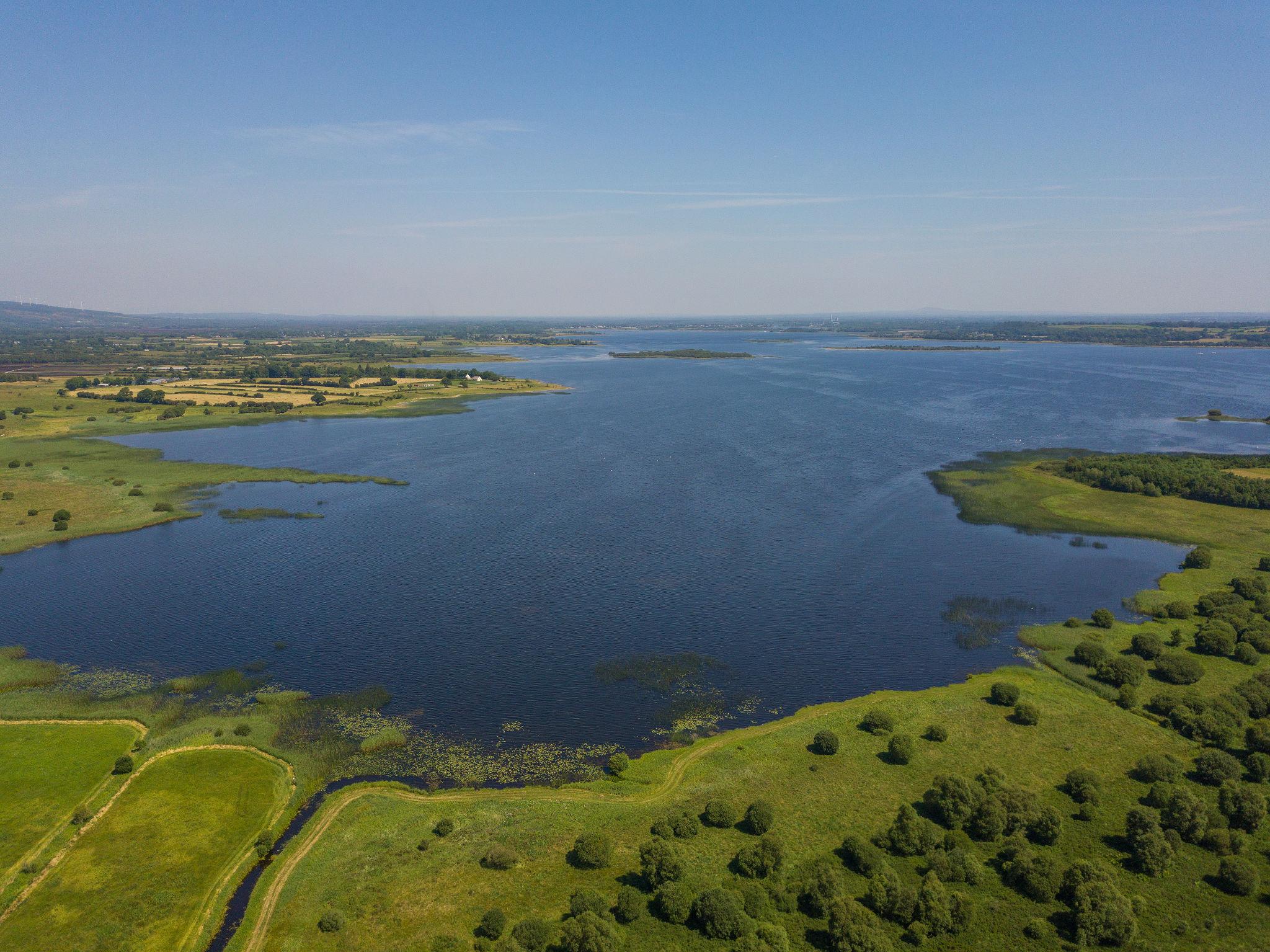
Lough Ree is a 105 km² lake on the River Shannon, spanning counties Roscommon, Westmeath and Longford between Athlone and Lanesborough. It reaches a maximum depth of 36 m, has a mean depth of 6.2 m, and holds brown trout, pike, bream, perch, roach, tench and pollan.
County
Roscommon / Westmeath / Longford
Region
Midlands
Type
Lough
Surface area
105 km²
Maximum depth
36 m
Nearest towns
Athlone, Lanesborough
River system
River Shannon
Species
Bream, Rudd, Eel, Tench, Pike, Perch +2 more
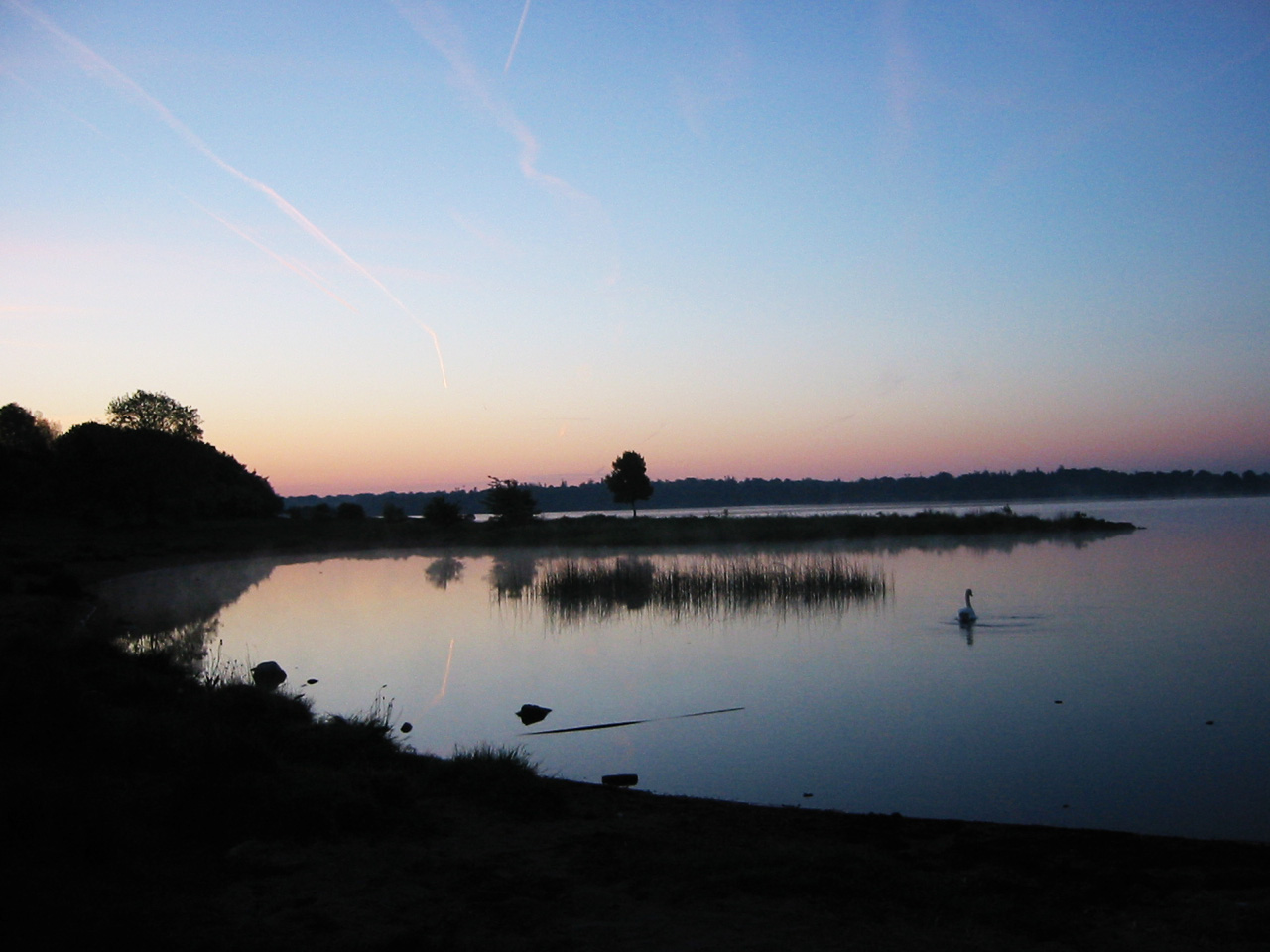
Lough Ree is the great central lake of the River Shannon system — an expansive, island-studded limestone lough that stretches for 26 kilometres between Lanesborough in the north and Athlone in the south. This is not a lake that announces itself loudly. Its character is quieter, more meditative than the celebrated western loughs, and all the better for it.
The lake's limestone basin supports rich aquatic life across its varied geography: open water, sheltered bays, island chains, and shallow shoal systems. Counties Roscommon, Westmeath, and Longford all share its shoreline, and no single access point tells the full story of what Lough Ree holds.
For trout, Lough Ree rewards patience and versatility in equal measure. Outside hatch windows, fish hold deep — sometimes 20 to 30 feet down — feeding methodically on invertebrates in a way that demands trolling or buzzer techniques. But in late May, when the Green Drake hatches and trout move into the shallows around the islands and western shores, the lake transforms. Dapping and drift fly fishing come alive in a way that feels connected to something much older than modern angling.
Pike fishing here is serious business. The lake's extensive weed beds, drop-offs, and island structure hold a substantial pike population, with autumn being the prime time. Specimen-class fish are a genuine possibility for anglers who work the lake's edges methodically with jerkbaits or deadbait.
For coarse anglers, the inner lake systems — Coosan and Killinure Loughs near Athlone — offer sheltered, productive water for bream, roach, tench, rudd, and hybrids. These areas fish well year-round and are more forgiving of wind and conditions than the main lake.
Athlone makes an excellent base: well-serviced, good road connections, and with Hodson Bay and Coosan Point giving easy access to the southern lake. Lanesborough serves the northern basin. Boat fishing is strongly recommended for trout and pike — Lough Ree's scale and wind exposure makes it a proper big-water experience, not a venue for the unprepared.
Also present: Bream, Rudd, Eel, Tench, Perch, Roach
Methods
Fly FishingDappingTrollingSpinningBait Fishing
Venue details
Season dates
Season: 15 Feb – 30 Sep
Best times
Pike: September, October, November
Coarse: June, July, August, September
Brown Trout: May, June
Difficulty
Intermediate
Access & bases
Primary access points are Lanesborough in the north (slipways and moorings on the Shannon) and Athlone in the south via Coosan Point and Hodson Bay. Galey Bay, Portlick, and the Killinure area provide additional access on the western and southern shores. Boat hire operates seasonally from Athlone — book ahead for the Mayfly period as availability is limited. Athlone town centre is 8km from Hodson Bay and has full accommodation, dining, and services. Lanesborough is a smaller base suited to northern lake access.
Signature features
Classic Irish Mayfly Lake
When the Green Drake hatches in mid-to-late May, Lough Ree becomes one of Ireland's great classic mayfly lakes. Trout that have been holding deep for months move into the shallows, feeding confidently on emerging and spent drakes. This is not merely about numbers — it is about quality fish feeding in a way that allows for proper presentation, whether dapping from a drifting boat or casting dry fly patterns along island margins.
Island and Shoal Structure
The lake's numerous islands and limestone reef systems create the feeding habitat that defines Ree's character. Areas around the island chains in the central lake and along the western shoreline have long been regarded as the most productive trout water. These structures concentrate insect life and create the depth changes where trout patrol during hatch periods.
Deep-Holding Trout
Outside the mayfly and select hatch windows, Lough Ree trout are not easy fish. They feed deep — sometimes at 20 to 30 feet — in a way that rewards anglers who adapt their methods. This is what makes the lake genuinely interesting: it is not a one-trick venue. Trolling, buzzer fishing, and wet fly drift all have a role across the season.
Lightly Pressured Water
Compared to the flagship western trout loughs, Lough Ree receives relatively modest angling pressure. For visiting anglers, this translates to a less crowded experience — particularly outside the mayfly peak — and trout that have not been subjected to sustained seasonal pressure. The lake rewards those willing to spend time on it.
Season by season
February – April
Early season on cold water with limited surface activity. Trout hold deep; slow drifts with wet fly teams and buzzer fishing in sheltered bays can produce. Trolling small minnows over deeper contours is often the most consistent approach. Pike fishing can be excellent in late winter before the statutory closed period begins.
Mid-May – Early June
The defining period of the trout year on Lough Ree. The Green Drake hatch draws trout into the shallows around islands and western shores, making dapping and dry fly fishing genuinely productive. Wind direction matters greatly — drifts that push flies toward island shores and western shallows concentrate fish. Quality trout averaging 2lb are common in good conditions.
June – August
Trout retreat to deeper water as temperatures rise. Evening sedge hatches offer localised surface sport, particularly in sheltered bays. Early morning buzzer fishing can produce. Deep trolling becomes the most reliable daytime technique for trout. Coarse fishing in the inner lakes is productive throughout summer.
September – November
Cooling water triggers increased pike activity — autumn is the prime pike season on Lough Ree. Target weed edges, drop-offs near island structures, and bay margins. The final weeks of the trout season (to end of September) can see improved wet fly sport in breezy conditions.
Best conditions
Based on 0 reports, these conditions consistently produce the best fishing on Lough Ree:
💨
SW Force 2–4 for trout drifts
Best wind
☁️
Overcast with occasional breaks
Best sky
🌡️
12–16°C
Water temp
⏰
Morning and evening during mayfly; evening only in summer
Best window
Seasonal fly & tactics guide
Early Season (February – April)
Patterns
Black PennellPeter RossClaret BumbleGold Ribbed Hare's EarBlack and Olive Buzzers
Cold water keeps trout holding deep in early season. Slow drift with traditional wet fly teams along depth contours, or try buzzer fishing in the more sheltered bays on calm days. Trolling small minnow-type lures over deeper channels is often the most productive daytime approach when surface activity is absent.
⚠️Common mistake: Fishing too shallow too early. Many trout remain well below the surface until water temperatures rise — often not until late April.
Mayfly (Mid-May – Early June)
Patterns
Green Drake (wet and dry)Grey WulffMayfly EmergerSpent Drake
Dapping
Natural Green DrakeArtificial Drake
Dap natural or artificial Green Drake in calm-to-moderate conditions, working along island margins and western shore shallows. In a stronger breeze, drift artificial mayfly patterns on a floating line. Fish spent patterns during evening falls when trout become preoccupied with dying naturals on the surface. Watch wind lanes and foam lines near islands — these concentrate naturals and feeding fish.
⚠️Common mistake: Ignoring wind direction. The best drifts push flies toward western shores and island edges where trout congregate. Drifting away from structure produces far fewer fish.
Evening sedge hatches offer the best surface sport of summer, particularly in sheltered bays. Fish dry sedge patterns in the final hour of light. During the day, early morning buzzer fishing can produce before temperatures rise. On bright calm days, deep trolling is the most reliable method as trout hold well below the surface.
⚠️Common mistake: Expecting daytime surface activity during summer. The fish are there — they are just deep. Adapt rather than persist with floating line methods in the heat of the day.
Autumn (September)
Patterns
Wet fly teams in size 10–12
Wet fly drift in breezy conditions for the final weeks of the trout season. For pike — the main autumn target — work jerkbaits and soft plastics along weed edges and drop-offs near island structure. Deadbait (herring or mackerel) fished on bottom near depth changes produces specimen fish.
⚠️Common mistake: Fishing pike too shallow in early autumn. As weed begins to die back, fish move to edges of the remaining growth and to drop-offs adjacent to islands.
Core technique
Drift Fishing on Lough Ree
1Use wind to control the direction and speed of the drift — this is the engine of the technique. Approach each drift with a specific target: a shoal edge, island margin, or depth change rather than open water.
2Fish a team of two or three flies on droppers (point fly and one or two droppers). On Ree, traditional patterns on size 10–12 hooks are standard. Keep the bob fly in or near the surface at the end of each drift.
3In strong winds, deploy a drogue behind the boat to slow the drift to a controllable pace. A properly managed drift keeps flies in the feeding zone for longer and significantly increases contact time with fish.
💡 During the mayfly, watch foam lines and wind lanes near islands. These natural convergence lines concentrate hatching flies and the trout feeding on them — position drifts to cross through them rather than parallel to them.
What works here
Flies and methods reported most successful by the community.
Where to Fish at Lough Ree
Northern Basin (Lanesborough Area)
Broad, open water around the Shannon entry point. Productive in settled conditions with good insect life in the shallower margins. Access via Lanesborough slipways.
Central Island Zone
The archipelago of islands in the central lake creates the most complex and productive trout habitat. Shoal edges, island margins, and the channels between islands are all worth fishing systematically — particularly during the mayfly.
Western Shore
Historically noted for strong trout populations, particularly where wind-driven drifts push flies into the shallower western margins. A consistent first choice during the mayfly period when southwest winds align.
Inner Lakes (Coosan / Killinure)
Sheltered lake systems adjacent to Athlone, primarily coarse-fish water. Excellent for bream, roach, and tench — particularly suited to beginners and coarse anglers who want reliable, sheltered sport away from the main lake.
Hodson Bay Area
Southern lake access near Athlone, providing easy launch and reasonable shelter. A useful staging point for exploring the central and southern lake sections by boat.
Suggested trip formats
🎣 3-Day Mayfly Trout Trip
Mid-May timing is essential. Day one: drift the western shoals with artificial mayfly patterns. Day two: focus on the central island zone with dapping in calm spells. Day three: evening spent fall session along sheltered island margins. Base in Athlone for easy southern access.
🎣 Autumn Pike Expedition
September into October. Target weed edges and drop-offs near island structure with jerkbaits and soft plastics. Mix lure sessions with deadbait overnights for specimen possibilities. Two to three days gives a proper feel for the lake's pike zones.
🎣 Mixed Coarse and Pike Break
Well-suited to groups or families. Coarse fishing in the sheltered inner lakes (Coosan, Killinure) for bream, roach, and tench. A guided pike session on the main lake. Short evening trout drift for the fly angler in the group. Athlone provides everything you need as a base.
Conservation & stewardship
🌿
Catch and release is strongly encouraged for Lough Ree's wild brown trout, particularly outside the mayfly period. Pike must be handled carefully using a large landing net, unhooking mat, and appropriate forceps — never remove pike from the water unnecessarily. Observe the statutory pike closed season (confirm current dates with IFI). Follow Check, Clean, Dry protocols for all boats and equipment to prevent the spread of invasive species within the Shannon system. Respect island bird nesting areas during spring — some island shorelines should be avoided during the breeding season.
Brown trout season runs from mid-February to end of September (confirm annually with IFI). No State rod licence is required for brown trout, pike, or coarse fishing.
Main access: Guiding and boat hire available seasonally from Athlone and Lanesborough. Book ahead for the Mayfly period., Strand Fishing Tackle, Athlone — tackle, licences, local advice, Lough Ree Anglers' Association — local knowledge and information