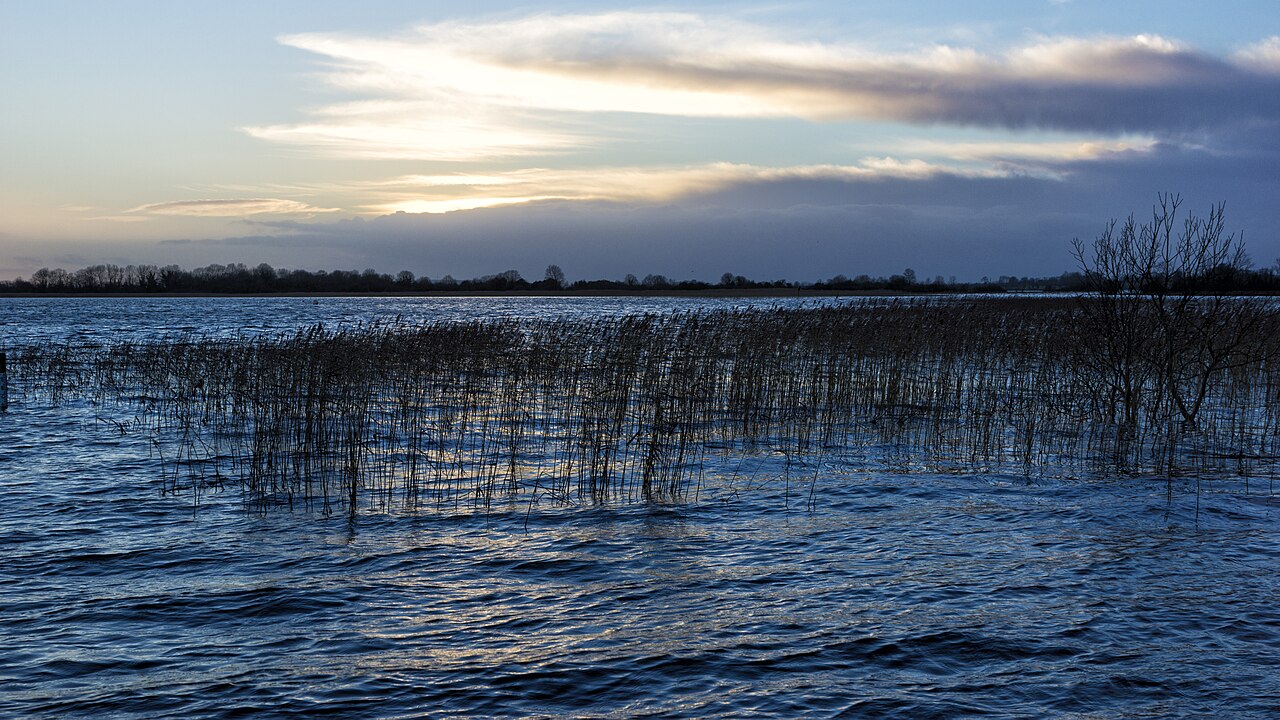
📍Cavan / Meath / Westmeath · Midlands📐19 km²📋IFI (Republic of Ireland)Season Open
4Species Present
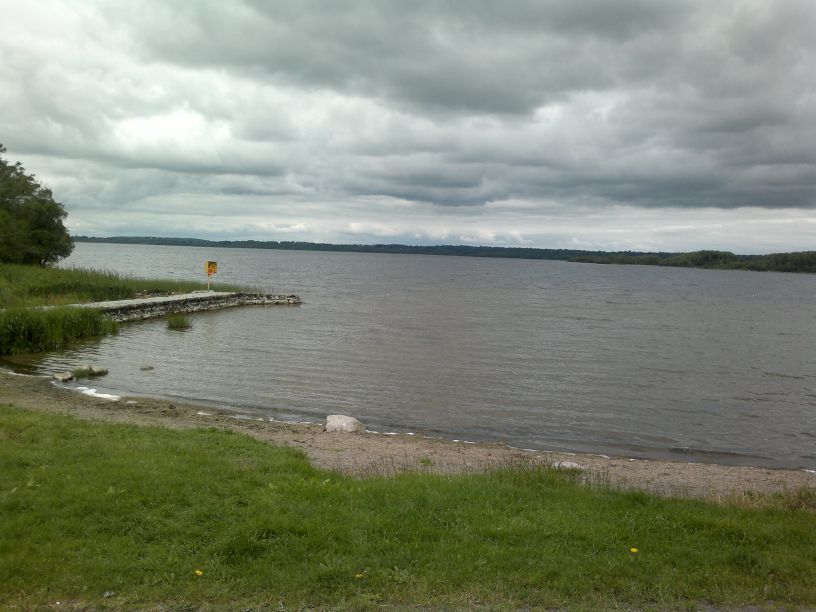
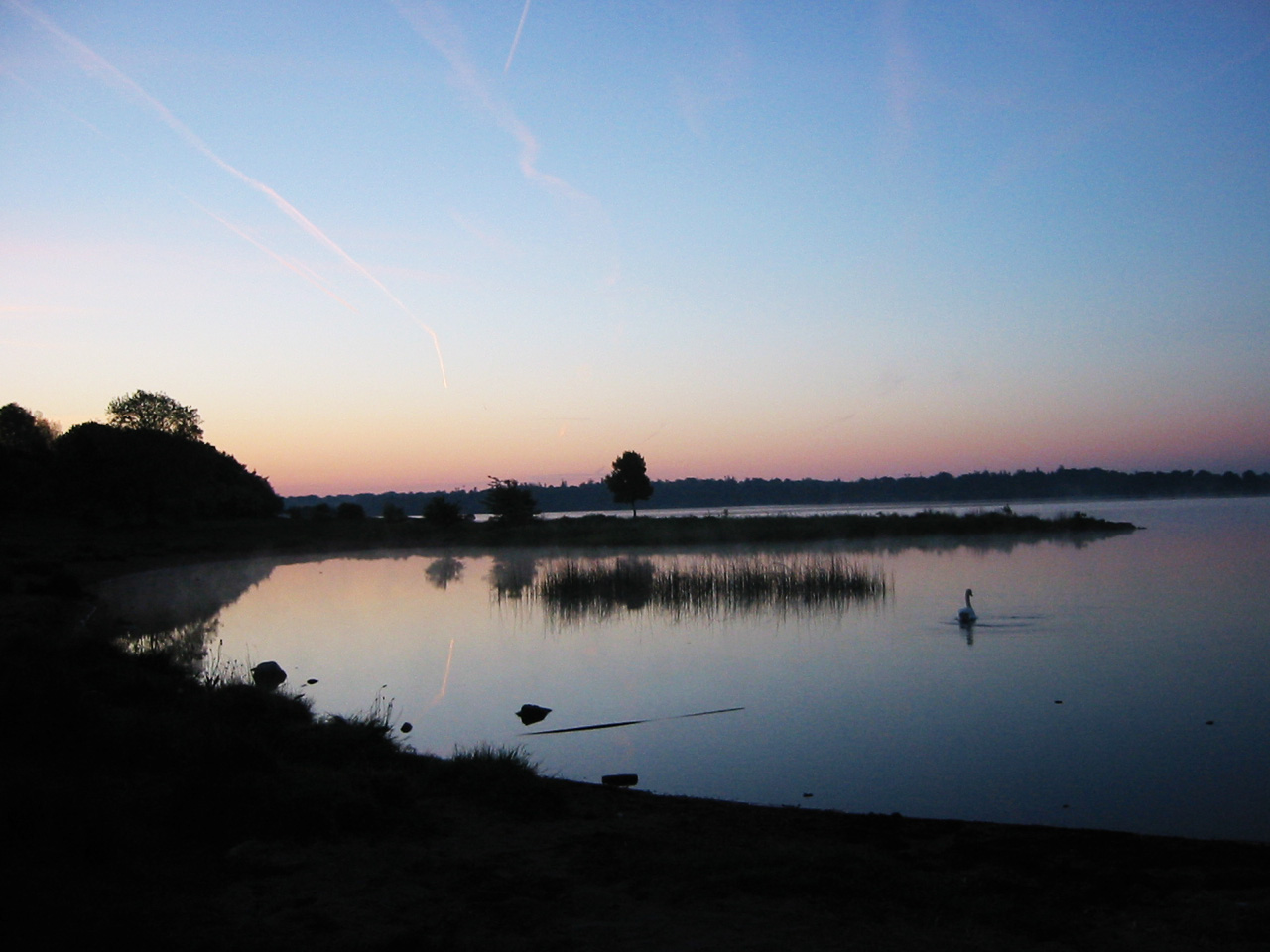
Lough Sheelin is a 19 km² lake spanning counties Cavan, Meath, and Westmeath in the Inny catchment of the Shannon system. It has a mean depth of 4.4 m and a maximum depth of 15 m, and has been one of Ireland’s principal wild brown trout fisheries since the 1960s, alongside stocks of pike, roach, and perch.
County
Cavan / Meath / Westmeath
Region
Midlands
Type
Lough
Surface area
19 km²
Maximum depth
15 m
River system
River Inny
Species
Pike, Perch, Roach, Brown Trout
Lough Sheelin is one of Ireland's most historically revered wild brown trout fisheries — a limestone lake of national significance straddling Counties Cavan, Meath and Westmeath. For generations it has drawn dedicated fly anglers from across Ireland and beyond, its reputation built on fertile water, prolific hatches, and the chance of a truly large wild trout.
At approximately 4,500 acres, Sheelin is a proper drift lake — large enough to demand respect and water-reading skill, yet intimate enough to reward the angler who takes the time to understand its character. Its high-pH limestone basin underpins exceptional invertebrate productivity, sustaining one of the most celebrated mayfly hatches in the country alongside strong populations of duckfly, sedge, and chironomid throughout the season.
The wild brown trout of Sheelin are its defining feature. Historically noted for fish exceeding four pounds, the lake continues to produce well-conditioned trout that test tackle and technique. These are fish that have grown on rich limestone feeding, and they can be subtle takers even when the hatch is at its peak.
Beyond the mayfly, Sheelin offers a full season of fly fishing interest. The duckfly period in April brings a technical pre-mayfly window that rewards emerger and dry fly presentation. Post-mayfly, June and July fish respond to buzzer patterns in sheltered bays, while sedge imitations come into their own on calm summer evenings. September sees traditional wet fly drifts regain their effectiveness as the water cools.
Sheelin is fundamentally a boat lake. Drift fishing parallel to the limestone shorelines and through the productive bays is the primary method, and boat access is essential for reaching the best water. Boat hire is available locally, and the nearest towns of Finea, Mount Nugent and Oldcastle provide comfortable bases for angling visits.
The lake has faced environmental pressures in past decades, and ongoing careful management by IFI aims to preserve and restore its wild trout population. Anglers visiting Sheelin are joining a tradition of responsible fishing on one of Ireland's great midland loughs.
Pike: October, November, March
Wild Brown Trout: May, September, June, April
Difficulty
Intermediate
Access & bases
Public access is available at recognised piers including Kilnahard and Crover — verify current facilities before travelling. A boat and outboard are essential for effective trout fishing on Sheelin; bank fishing is limited. Boat hire is available locally, subject to season and availability. The nearest towns are Finea, Mount Nugent and Oldcastle, all of which offer accommodation suitable for angling trips. Sheelin is located in the Irish Midlands, roughly equidistant from Dublin, Cavan town and Mullingar.
Signature features
The Mayfly Hatch
Sheelin's reputation is built largely on its mayfly. Intelligence from 313 reports shows the hatch typically begins around mid-May and can last approximately two weeks depending on weather and water temperature, with 55 mentions in May extending to 37 in June. Key characteristics include heavy daytime hatches, spinner falls in the evening (spent gnat activity with 20 May mentions and 22 June mentions), and fish that can become highly selective as the hatch progresses. Unlike some western loughs, Sheelin mayfly fishing often involves long drifts parallel to limestone shorelines and through productive shallow bays like Church Island and Bog Bay.
Duckfly (Large Dark Olive) Period
Beginning around mid-April — weather dependent — the duckfly period is one of Sheelin's most technical and rewarding windows. Intelligence shows duckfly activity peaks in March with 25 mentions, continuing into April with 13 reports. Hatches may occur twice daily: late morning and evening. During this time trout feed confidently in surface film on emerging insects, and dry or emerger patterns regularly outperform traditional wet fly teams. For anglers who can read the rise form and match the hatch, this period offers exceptional sport.
Limestone Productivity
Sheelin's high-pH limestone water supports exceptional invertebrate life — chironomids (119 total mentions across the season), Large Dark Olives (70 mentions), mayfly (109 mentions), and a range of sedge species (125 mentions). This fertility is what historically allowed the lake to support a significant wild trout biomass and produce the large fish for which it is celebrated, including the documented 9-10lb specimen and 213 fish over 5lb recorded in intelligence data. The limestone character is visible in the clear water and pale, rocky shorelines that define so many of the lake's productive drifts.
Drift Fishing Country
Sheelin is not a spot lake — it is a drift lake. Successful anglers cover water systematically, adjusting lines, flies and presentation to match wind direction, wave height and hatch activity. Intelligence shows the most productive areas are accessed by specific drift lines: Church Island to Bog Bay during mayfly, Chambers Bay for early season, and Lynch's Point for summer evenings. A drogue is an essential piece of equipment, allowing precise control of drift speed along the productive shoreline margins. Anglers who master drift control on Sheelin unlock the lake's full potential.
Season by season
March – Early April
Early season fishing along rocky shorelines and exposed points. Water temperatures are still cold, and fish are less active, but traditional wet fly teams fished slowly on the drift can produce on the right day. Intelligence shows 37% positive reports during March, with duckfly activity mentioned in 25 of 51 reports. Top productive areas include Chambers Bay, Bog Bay, and Crover. This is a period for patience and covering water rather than chasing hatches.
Mid April – Early May (Duckfly)
The duckfly — Large Dark Olive — brings a technical pre-mayfly window that rewards careful observation. Hatches typically occur in two windows: late morning and again in the evening. Fish can rise confidently but selectively, and emerger or dry fly presentations often outperform traditional wet fly teams during the peak. Intelligence shows buzzer activity peaks in April (32 mentions) with olive hatches also prominent (21 mentions). One of the most underrated periods on the lake, though positive reports drop to 24% as conditions can be challenging.
Mid May (Mayfly Peak)
The defining event of the Sheelin calendar. When conditions align — stable weather, moderate south-westerly wind, water temperatures in the right range — the mayfly hatch can produce outstanding sport. Intelligence confirms this is the most productive period with 51% positive reports and the season's highest catch rate of 2.5 fish per rod. Church Island and Bog Bay show the most consistent activity (23 and 21 mentions respectively). Fish can become highly selective during the peak, switching between nymph, emerger and spent spinner depending on the stage of the hatch. This is the period that draws anglers from across Ireland and abroad.
June – July
Post-mayfly, trout often continue feeding confidently on subsurface patterns and fry. Intelligence shows mayfly activity extends into June (37 mentions) with spent gnat fishing prominent (22 mentions). Sedge activity increases significantly (35 mentions in June), and buzzer fishing in sheltered bays begins to come into its own. Bright conditions during midday may switch fish onto fry-imitating patterns. Evening sessions start to lengthen and patterns like Green Peter and Murrough become effective. A transitional period that rewards versatility, though positive reports average 36-47%.
July – August (Evenings)
Calm summer evenings with sedge and chironomid activity can produce quality fish in sheltered bays. Intelligence shows sedge activity peaks during these months (30 mentions in July, 24 in August) with daddy longlegs patterns becoming important in August (11 mentions). Church Island and Lynch's Point are the most productive summer zones. Daytime fishing can be slow in warm, bright conditions, but the evening window — particularly in calm bays from dusk onwards — offers some of the most atmospheric and productive fishing of the season. Patience and fine presentation are rewarded.
September
As water temperatures cool and the season draws toward its close, traditional wet fly drift fishing regains its effectiveness. Intelligence shows a marked improvement with 55% positive reports — the second-highest of the season. Daddy longlegs activity peaks (18 mentions) while sedge fishing remains strong (27 mentions). Church Island dominates the reports (15 mentions). Teams of classic Irish wet flies fished through the wave on longer drifts can produce well-conditioned autumn trout. A fitting end to the Sheelin season for those who know the water.
Slow drift along rocky shores and exposed points, focusing on Chambers Bay, Crover, and Kilnahard areas which show consistent early season activity. Fish are not yet actively chasing hatches, so a measured retrieve and careful fly presentation are key. Target the duckfly emergence mentioned in 25 of 51 March reports. Cover water methodically rather than targeting specific areas.
⚠️Common mistake: Fishing too fast in cold water. Trout are lethargic in early season and slow, steady presentations almost always outperform a quick retrieve.
Watch for two daily feeding windows — late morning and again in the evening. Target Sailors Garden, Goreport, and Bog Bay areas which show consistent April activity. In calmer conditions, switch to dry or emerger patterns and observe rise forms carefully before casting. During wave, traditional wet fly teams on the drift continue to produce, particularly around buzzer activity which peaks this month with 32 mentions.
⚠️Common mistake: Continuing to fish traditional wet flies through the surface during a calm duckfly hatch. When fish are rising confidently to emergers, switching to a dry or suspender pattern makes a dramatic difference.
Drift shallow limestone margins and work through the productive bays, particularly Church Island and Bog Bay which dominate May reports (23 and 16 mentions respectively). Focus on areas like Sailors Garden, Crover, and Goreport. Watch for subtle takes in the wave — not all takes during the mayfly are dramatic. Be prepared to switch quickly between dry fly and wet fly as the hatch and weather conditions change through the day.
⚠️Common mistake: Staying with one approach all day. Sheelin mayfly fishing requires constant observation and a willingness to change — the fish will tell you what they want if you watch carefully.
Post-Mayfly & Summer (June – August)
Patterns
Chironomid pupaGreen PeterMurraghDunkeldConnemara BlackBuzzer imitationsStimulatorSilver InvictaKlinkhammerGolden Olive BumbleDaddy Long Legs
Target evening sessions in sheltered bays with sedge and buzzer patterns, focusing on Church Island, Lynch's Point, and Kilnahard areas which dominate summer reports. During daytime in wave, bright attractor patterns like the Dunkeld can provoke takes from trout following fry. Buzzer fishing under an indicator in calm conditions works well in July and August. Focus on Green Peter patterns during July when mentioned in 13 reports.
⚠️Common mistake: Fishing daytime sessions in bright, calm summer conditions. Sheelin summer fishing is overwhelmingly an evening proposition — the best of the day's sport often happens in the last two hours of light.
Return to traditional wet fly drift fishing as water temperatures cool, focusing heavily on Church Island which features in 15 of September reports. Target daddy longlegs activity which peaks this month with 18 mentions. Fish are in excellent condition heading into autumn and will take classic Irish wet fly patterns fished with confidence through the wave on longer drifts.
⚠️Common mistake: Thinking Sheelin is finished after the summer. September can produce some of the best-conditioned trout of the year for those willing to put in the time on the water, with 55% positive reports — the second highest of the season.
Core technique
Drift Fly Fishing on Sheelin
1Align your drift parallel to the productive shoreline — Sheelin fish are spread along limestone margins and through the bays, not concentrated in single spots. Use your knowledge of wind direction to plan drifts that cover the most likely water. Target proven areas like Church Island (66 total mentions), Bog Bay (42 mentions), or Kilnahard (35 mentions).
2Control your drift speed with a drogue. Too fast and you'll pull flies unnaturally through the wave; too slow and you lose contact. The goal is a steady, natural presentation that allows the fly team to fish at the right depth throughout the drift. Force 3-4 winds show the best success rates (44% and 42% positive respectively).
3Set up a three-fly team appropriate for conditions: a bushy attractor on the top dropper (Fiery Brown or Claret Bumble in wave), an olive or buzzer imitation on the middle dropper, and a slightly larger point fly. In calm conditions, scale down to finer leaders and smaller patterns.
4Maintain contact without over-tightening. Sheelin trout can take with surprising subtlety in wave conditions — a firm line that detects the take without pulling the fly from the fish requires practice and attention.
💡 Wind direction is more important than any other single factor on Sheelin. Intelligence shows SW winds produce the best results with 53% positive reports, followed by North winds at 52%. SE winds are least favourable at 27% positive. A steady south-westerly that activates the right drifts and pushes fish into productive shoreline zones can transform an ordinary day into an exceptional one. Monitor the forecast carefully and plan your fishing around the wind.
What works here
Flies and methods reported most successful by the community.
Where to Fish at Lough Sheelin
Chamber's Bay Area
One of Sheelin's classic fishing zones, productive during both the duckfly and mayfly periods. Limestone shoreline character makes for excellent drift fishing when the wind is aligned. Intelligence shows this area is particularly productive during early season (March-April) with 11 mentions, making it ideal for duckfly fishing. Also features heavily during mayfly season with consistent reports through May-June.
Merry Point to Stoney Island Drift Line
A drift line favoured by local anglers and experienced visitors. This stretch offers the extended parallel drift that Sheelin is known for — productive throughout the season depending on wind direction. Field reports show Stoney Island area is particularly active during mayfly season, while Merry Point features in both early season and summer reports.
Rusheen Bay
A sheltered bay that comes into its own during calm evening sessions when sedge and buzzer activity is at its height. A key destination for summer evening fishing. Intelligence confirms consistent activity through early season (6 mentions March-April) and summer periods (9 mentions July-September), supporting its reputation for evening sedge fishing.
Goreport Bay
Another productive bay area, particularly during hatch periods when fish concentrate in shallower water to feed on emerging insects. Field data shows this zone is active across all seasons: 8 mentions in early season, 14 during mayfly peak, and 15 in summer months, making it one of the most consistently productive areas on the lake.
Kilnahard Shoreline
The area around Kilnahard pier — one of the lake's public access points — offers productive limestone margin fishing and is a good starting point for anglers new to the lake. Intelligence data shows 18 mentions during summer months (July-September), making it particularly effective for evening sessions and autumn fishing.
Suggested trip formats
🎣 2-Day Spring Fly Trip
Day one focused on learning the lake — shoreline drift practice, reading the wind, establishing productive drift lines around Chambers Bay and Kilnahard areas. Day two targeting a specific hatch window with confidence, focusing on the duckfly emergence that peaks in March-April. An ideal introduction to Sheelin for anglers new to the water.
🎣 Mayfly Specialist Week
Timing a visit to coincide with the mid-May peak when positive reports reach 51% and catch rates average 2.5 fish per rod. Morning drifts through Church Island and Bog Bay targeting rising fish, with evening spinner sessions as the light drops. Focus on areas like Sailors Garden and Goreport which show consistent mayfly activity. The most celebrated week in the Sheelin calendar and worth planning well in advance.
🎣 Mixed Trout & Pike Weekend
Combining trout fly fishing during the productive morning and evening hatch windows with pike sessions during the bright midday periods when trout activity drops. March offers excellent pike opportunities with average competition catch rates of 0.9 fish per rod. An efficient way to make the most of a short trip to Sheelin.
Conservation & stewardship
🌿
Lough Sheelin has faced environmental pressures historically, including nutrient enrichment challenges that affected its wild trout population in past decades. Ongoing management by Inland Fisheries Ireland aims to preserve and restore the lake's exceptional wild brown trout fishery. All visiting anglers are strongly encouraged to practise catch and release wherever possible, to handle fish carefully and keep them in the water during unhooking, to respect spawning stocks in the shallows late in the season, and to comply fully with current IFI regulations including bag limits and size limits. This is one of Ireland's great wild trout lakes — how it fishes for future generations depends on how we treat it today.
A permit is required to fish Lough Sheelin for trout. The trout season generally runs from 1 March to 30 September, though dates and bag limits should be verified annually with Inland Fisheries Ireland (IFI) before fishing.
Main access: Local guide and ghillie services are available for Sheelin — recommended for first-time visitors unfamiliar with the lake's drift lines and hatch patterns. Ask locally in Mount Nugent or contact IFI for current recommendations, Local tackle and permit information available in Mount Nugent and Oldcastle — verify current providers before travelling, Lough Sheelin Trout and Coarse Angling Club — active in local fishery management and a useful contact for visiting anglers