📍Fermanagh · North West📐109.5 km²📋DAERA (Northern Ireland)Season Open
6Species Present
County
Fermanagh
Region
North West
Type
Lough
Surface area
109.5 km²
Depth
12 m
Species
Brown Trout, Pike, Perch, Bream, Roach, Atlantic Salmon
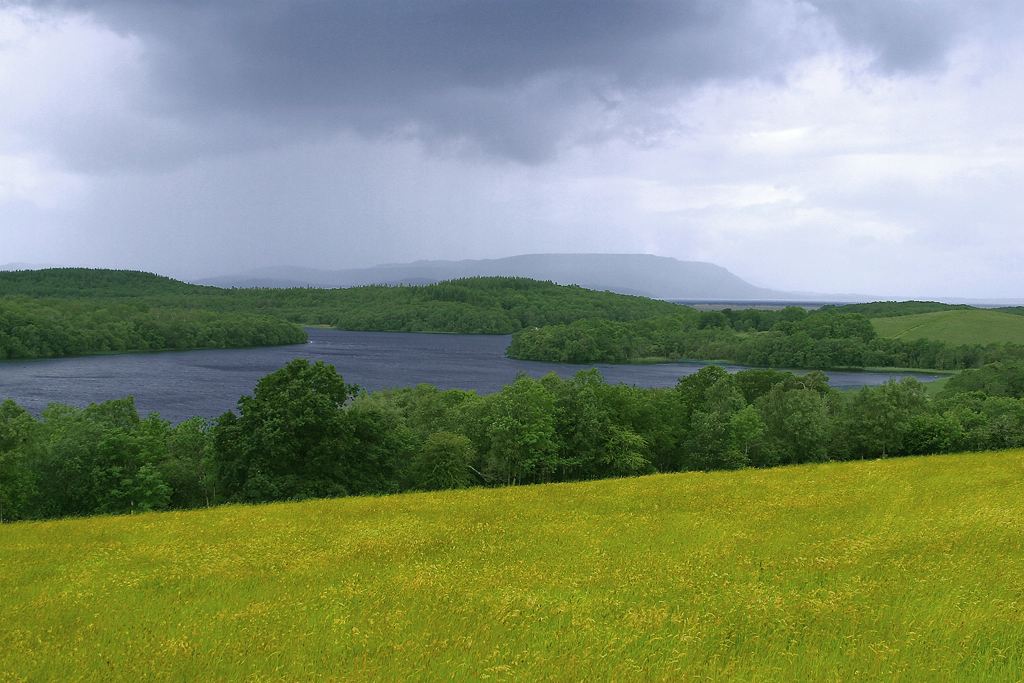
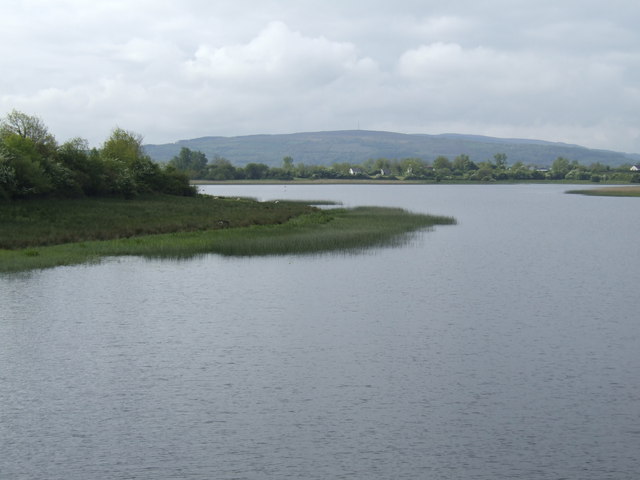
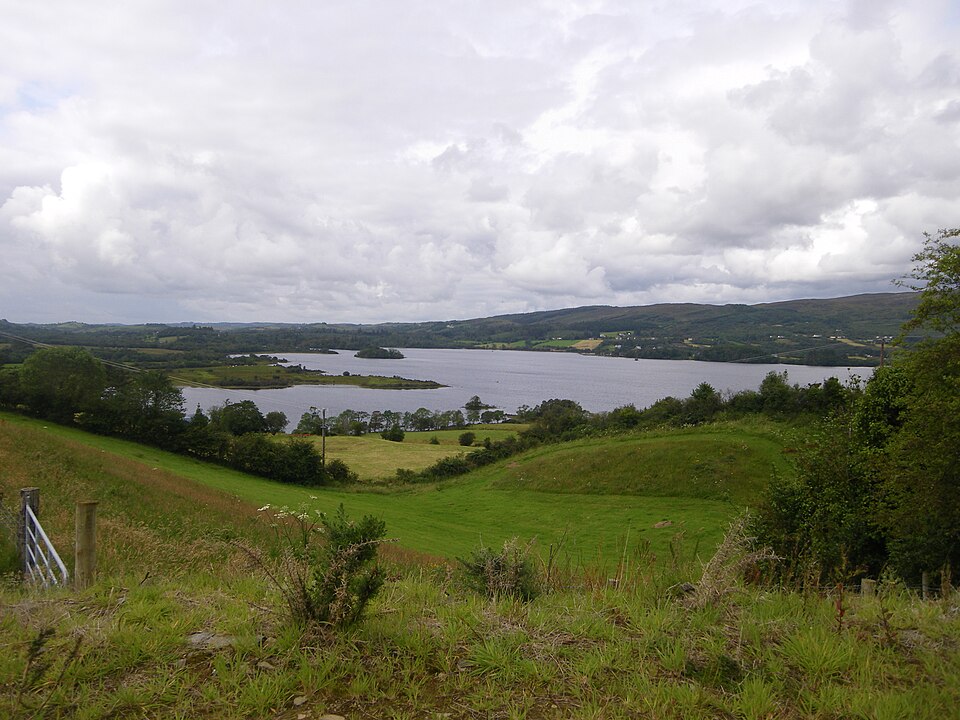
Lower Lough Erne is Northern Ireland's premier limestone trout lake — a vast, island-studded water stretching 30 miles through County Fermanagh that produces some of the finest wild brown trout fishing in Europe. With trout regularly reaching 5kg and occasional specimens between 5-9kg, this is big-fish water by any measure.
The lake forms the northern part of the Erne system, connected to Upper Lough Erne through Enniskillen. Where the Upper Lough is a maze of reedy channels and bays suited to pike and coarse fishing, the Lower Lough is open, windswept, and distinctly game-oriented — a designated game fishery with its own permit and licence requirements. Its limestone geology creates alkaline, nutrient-rich water that supports extraordinary insect hatches and correspondingly well-conditioned trout.
The mayfly hatch in the second or third week of May is the headline event. When it arrives, Lower Lough Erne erupts with feeding trout and the fishing can be genuinely world-class. Goslings, Green Dabblers, Grey Wulffs, and other mayfly patterns produce unforgettable sport. But the fishing extends well beyond the mayfly — Fiery Browns, Extractors, Green Peters, and Bumbles take fish from March through June and again from August into September. An olive hatch in July can also produce good fishing in the right conditions.
Trolling is an alternative approach that offers the best chance of a truly big trout. Large fish have been taken on Tasmanian Devils, Rapalas, and silver spoons. For visitors who prefer this method, the reward is the chance of a genuinely specimen-sized wild brown trout — the kind of fish that would be the catch of a lifetime on many other waters.
The lake is also home to pike, perch, bream, roach, and occasional salmon, though it is the wild brown trout that define Lower Lough Erne's reputation. The DAERA-managed fishing stands around the lakeshore provide excellent access, but the serious angler will want a 17-foot boat with at least a 4hp engine to fish the vast stretches of open water effectively.
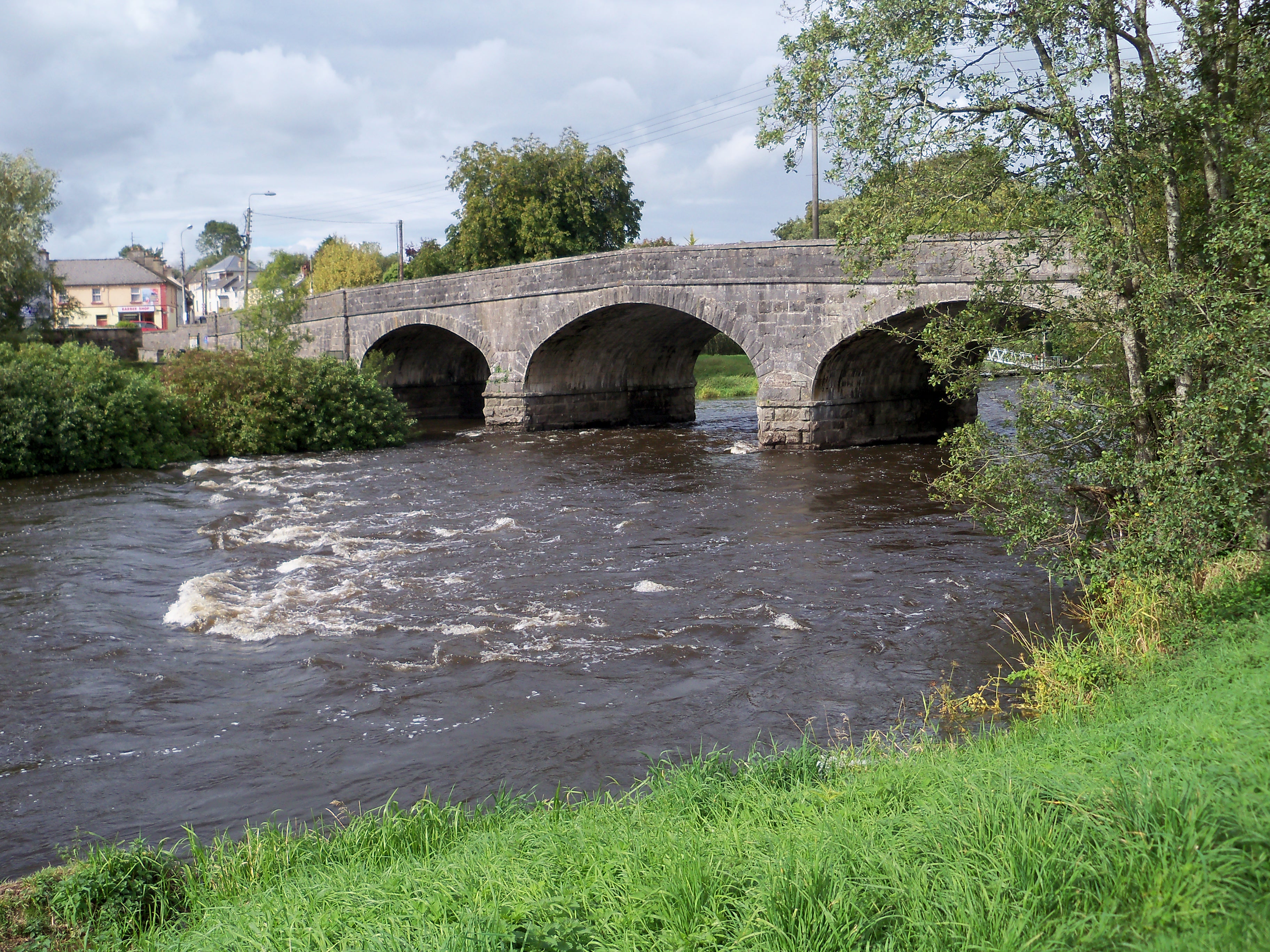
Enniskillen, sitting between the two loughs, is the natural base for any fishing trip to the Erne system. The town has tackle shops, accommodation, and all the services an angler needs. With the stunning Fermanagh Lakeland landscape as a backdrop and a cross-border location that puts it within easy reach of anglers from both jurisdictions, Lower Lough Erne is one of Ireland's great fishing destinations.
Pike: June, July, August
Mayfly: May
Trolling: March, April, September, October
Brown Trout Fly: April, May, June, August, September
Difficulty
Intermediate
Access & bases
The lake is accessible from multiple points along its 30-mile length. Enniskillen is the main base, with several boat hire operators and slipways. Fishing stands have been erected at many popular shore locations along the lake to improve access. DAERA provides a detailed guide map of Lower Lough Erne showing all access points, which is available from Tourist Information offices and online. The A46 and A35 roads follow the lakeshore.
Signature features
World-Class Mayfly Fishing
The mayfly hatch on Lower Lough Erne is one of the great events in Irish angling. The rich limestone water produces a prolific hatch that brings big trout to the surface in numbers. During peak mayfly, surface fishing with dries and dapped naturals is unbeatable.
Specimen Wild Trout
Few Irish lakes can match Lower Lough Erne for the size of its wild brown trout. Fish of 5kg are taken regularly on fly and troll, with the chance of something truly exceptional between 5-9kg. These are genuinely wild, naturally recruited fish in peak condition.
Fermanagh Lakeland Setting
The lake sits within the stunning Fermanagh Lakeland landscape — a region of islands, forests, and quiet waterways that is one of Ireland's best-kept secrets. The setting adds immeasurably to the fishing experience.
Season by season
March – April
Season opens March 1. Early season trout fishing can be productive with wet flies — Fiery Browns, Extractors, and Bumbles — fished across a wave. Water temperatures are still low and fish tend to feed subsurface. Trolling with spoons and lures is also effective for bigger trout.
May (Mayfly)
The mayfly hatch, typically arriving in the second or third week of May, is the standout event on Lower Lough Erne. When it comes, the fishing can be genuinely world-class. Goslings, Green Dabblers, Grey Wulffs, and mayfly dries produce extraordinary sport. This short window draws anglers from across Europe.
June
Post-mayfly fishing continues to be excellent with Green Peters, spent gnat patterns, and sedges. Trout are in superb condition after feeding heavily during the hatch. The longer evenings extend the fishing window.
July
An olive hatch occurs in July and with the right conditions — overcast, moderate wind — trout fishing can remain productive. This is also a good period for pike on the fly during warm, calm spells.
August – October
The trout fishing picks up again as autumn approaches. Wet flies and Bumbles come back into their own. September can produce some of the largest trout of the season as fish feed hard before the close on October 20.
Best conditions
Based on 0 reports, these conditions consistently produce the best fishing on Lower Lough Erne:
💨
SW Force 3-4
Best wind
☁️
Overcast with breaks
Best sky
🌡️
12-16°C
Water temp
⏰
All day during mayfly; mornings and evenings in summer
Best window
Seasonal fly & tactics guide
Early Season (March – April)
Patterns
Fiery BrownExtractorBumbleSilver Spoon
Fish a team of wet flies on a floating or intermediate line, drifting broadside to the wind over shallows around islands and drop-offs into deep water. Trolling with Tasmanian Devils, Rapalas, or silver spoons offers the best chance of a big trout. Work the deeper water and transition zones.
⚠️Common mistake: Fishing too far from shore structure. Early season trout concentrate around islands, shallows, and where deep water meets the littoral zone.
Mayfly (Mid-May)
Patterns
GoslingGreen DabblerGrey WulffSpent Gnat
Dapping
Natural Mayfly
During the hatch, switch to mayfly patterns. A large dry fly or a Gosling/Dabbler pulled through the surface can be devastating. Dapping with natural mayflies is a traditional and highly effective method on the Erne. Focus on the windward side of islands where naturals collect.
⚠️Common mistake: Ignoring the spent fall. Late afternoon and evening when the spent mayflies lie on the surface can produce the biggest fish of the day.
Summer & Autumn (June – October)
Patterns
Green PeterSedgeOliveBumble
Post-mayfly, switch to sedge and olive patterns. Green Peters are particularly effective in June. From August, return to traditional wet flies — Bumbles, Fiery Browns, and Claret patterns drifted across the wave. The autumn fishing can match the spring for quality.
⚠️Common mistake: Assuming the fishing ends after the mayfly. August and September can produce some of the largest trout of the season.
Core technique
Drifting the Erne
1Launch from a slipway with a 17ft boat and minimum 4hp engine — the lake is large and exposed.
2Motor to your chosen drift area — islands and shallow reefs in the northern section are most popular.
3Set up broadside to the wind and drift across shallow areas, drop-offs, and island margins.
4Fish a team of wet flies on a 10-11ft rod with floating line. Adjust fly patterns to match the prevailing hatch.
5Keep an eye on the weather — Lower Lough Erne can turn rough quickly in a strong wind.
💡 Safety is critical on the Lower Erne. Always check the weather forecast, carry safety equipment, and tell someone where you are going. The lake can become dangerously rough in a short time.
What works here
Flies and methods reported most successful by the community.
Where to Fish at Lower Lough Erne
Enniskillen Area
The southern end of the lake near Enniskillen provides easy access with multiple slipways and boat hire options. The islands and shallows in this section hold good trout, particularly during the mayfly.
Devenish Island & Surrounds
The area around the historic Devenish Island is one of the most popular fishing grounds. The shallows and drop-offs around the islands produce excellent trout during hatches.
Kesh & Northern Section
The northern reaches of the lake towards Kesh and Belleek offer more exposed water but can produce the biggest fish. Trolling is particularly effective in the deeper channels. The Castle Archdale area has good facilities.
Shore Fishing Stands
DAERA has installed fishing stands at many locations around the lake to improve shore access. These can be productive, particularly during the mayfly and in the evening, though a boat is recommended for the best fishing.
Suggested trip formats
🎣 Mayfly Week
Time your visit for mid-May and dedicate a week to the mayfly hatch. Book accommodation in Enniskillen, hire a boat, and fish the hatches daily. The mayfly window is short but unforgettable.
🎣 Guided Trout Day
A full day with a local guide who knows the islands, drifts, and hotspots. Covers fly fishing and/or trolling depending on conditions and preference. Best April to October.
🎣 Two-Lake Erne Trip
Combine game fishing on the Lower Lough with pike or coarse fishing on the Upper Lough for a varied multi-day trip. Enniskillen sits between both, making it the ideal base.
Conservation & stewardship
🌿
Lower Lough Erne is a designated game fishery with strict regulations. All salmon must be returned alive. Pike over 4kg must be returned. Anglers should practise careful catch and release, particularly for larger trout, to maintain this exceptional fishery for future generations. The Erne system is vulnerable to pollution from agricultural run-off, and anglers are encouraged to report any water quality concerns to DAERA.
Lower Lough Erne is a designated game fishery in Northern Ireland. A DAERA Game Rod Licence is required, plus a DAERA Game Fishing Permit for trout and salmon.
Main access: Local guides and ghillies are available and highly recommended for first-time visitors. Contact the tourist office or tackle shops for recommendations., Boat hire is available at various points around the lake including the Enniskillen area, Castle Archdale, and Kesh. Most operators provide 17ft angling boats with engines., Several tackle shops in Enniskillen supply DAERA licences, permits, flies, and local knowledge. The Fermanagh Lakelands tourist office on Wellington Road is also a good information source.