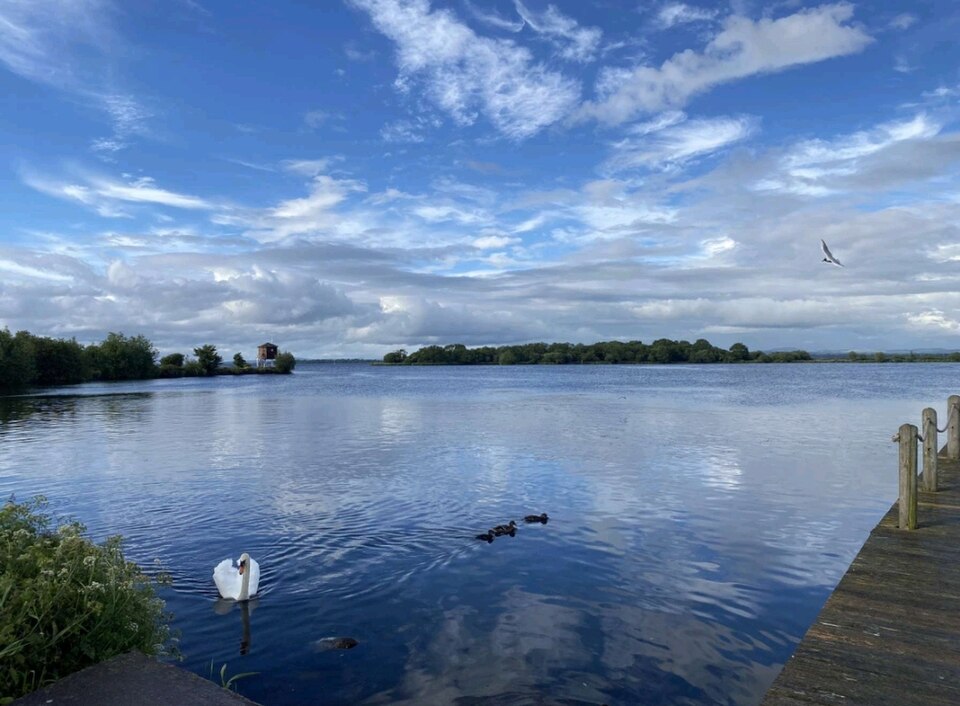
📍Derry / Antrim · Northern Ireland📋DAERA (Northern Ireland)Season Open
8Species Present
County
Derry / Antrim
Region
Northern Ireland
Type
River
Depth
4 m
Species
Atlantic Salmon, Sea Trout, Brown Trout, Dollaghan Trout, Pike, Roach +2 more
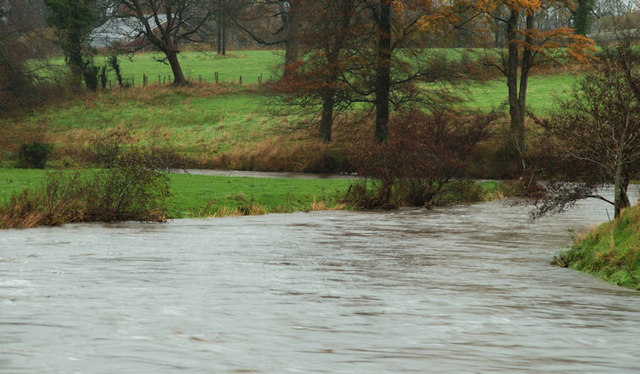
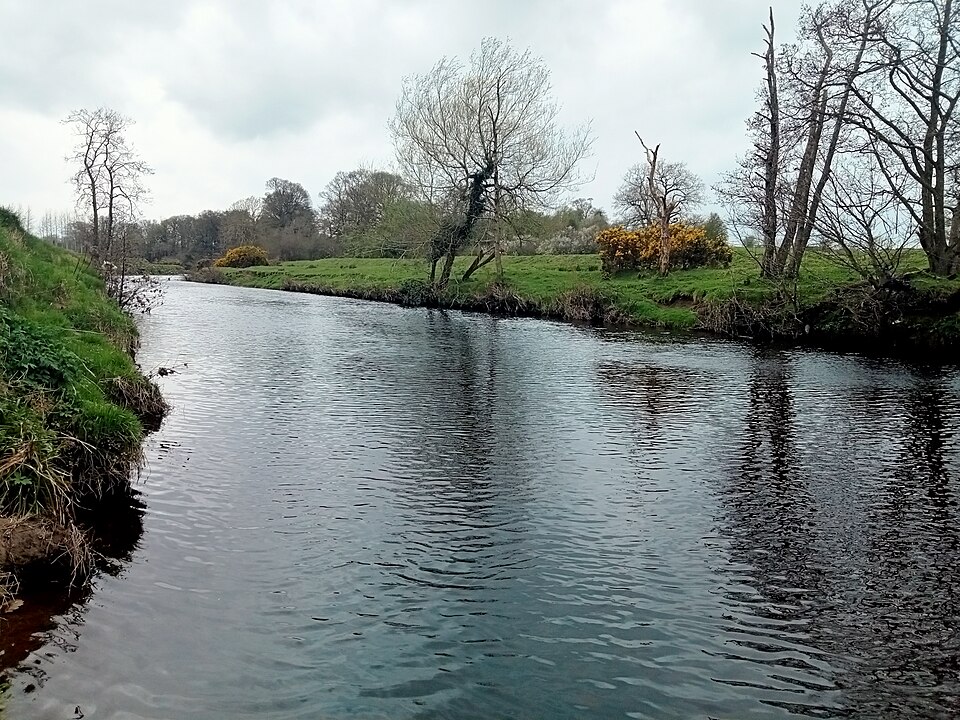
The River Bann is the longest river in Ulster and one of Northern Ireland's most historically important fisheries. At 129 kilometres from source to sea, it winds from the Mourne Mountains in County Down through the vast expanse of Lough Neagh and north to the Atlantic near Coleraine, dividing into two very different angling experiences within a single catchment.
The Lower Bann — flowing 64 kilometres from Lough Neagh to the sea — is the system's flagship salmon water. Its historic weir pools at Carnroe, Movanagher, Portna and the Cutts have drawn salmon anglers for centuries, creating defined holding water where fish congregate on their upstream migration. Carnroe in particular has been described as among the finest grilse fishing stretches in Europe, where salmon stack up below the weir in oxygenated current seams.
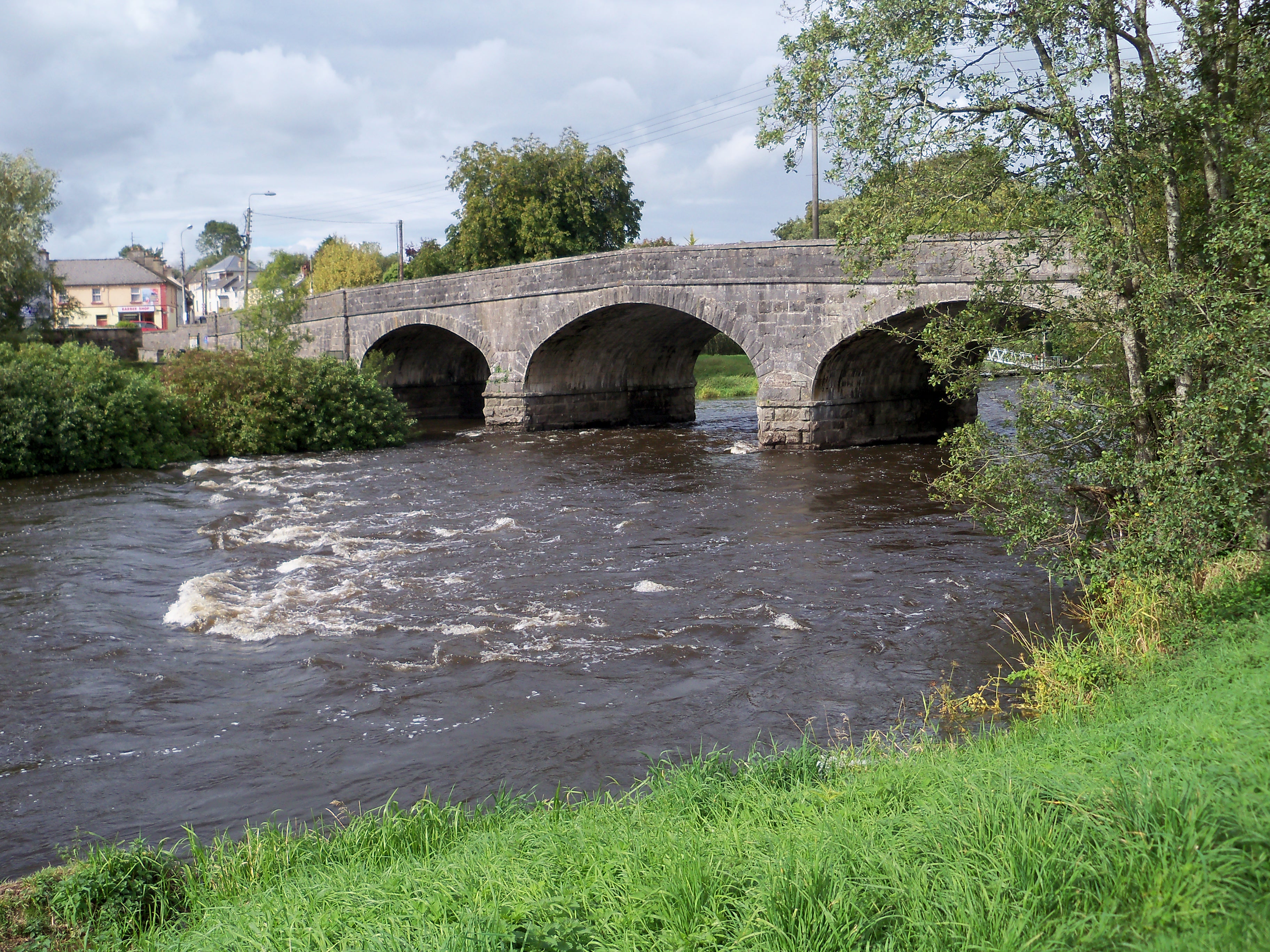
The Upper Bann, by contrast, flows into Lough Neagh from the south and is better known for brown trout, coarse fish and mixed-species angling in slower, more pastoral stretches. It is one of the most popular coarse fishing rivers in Europe, offering pike, bream, roach and perch in accessible water near Portadown.
For serious anglers, the Bann requires understanding of fish passage through Lough Neagh, flow variation through sluice gates and weirs, and seasonal migration timing. This is a large, powerful system — almost 200 feet wide along much of the Lower Bann — with both tradition and technical nuance. The river is managed by The Honourable The Irish Society, which has held fishing rights since the Plantation era, and by local angling clubs on various beats.
The Bann's tributary rivers — the Moyola, Ballinderry, Clady, Agivey and Macosquin — are vital spawning and nursery waters that sustain the wider system. The Ballinderry in particular is regarded as one of Northern Ireland's best brown trout rivers and also holds dollaghan trout, a unique migratory form associated with Lough Neagh.
Atlantic Salmon · Weir Pool Fishing · Lough Neagh System · Grilse · Coarse Fishing · Northern Ireland
Difficulty
Intermediate
Access & bases
The Lower Bann is accessed through a structured beat system managed primarily by The Honourable The Irish Society through Bann Systems Ltd. Day tickets and season rods are available on beats including Carnroe, Movanagher, Culiff Rock, Portna and the Cutts. Access varies between club-controlled water and publicly available beats. Coleraine is the main base for the Lower Bann, with Kilrea, Portglenone and Toome also convenient. The Upper Bann is accessed via Portadown and surrounding areas, with various club waters and public stretches available. Most fishing is bank-based, though boats are available on some Lower Bann beats.
Signature features
Weir Pool Salmon Fishing
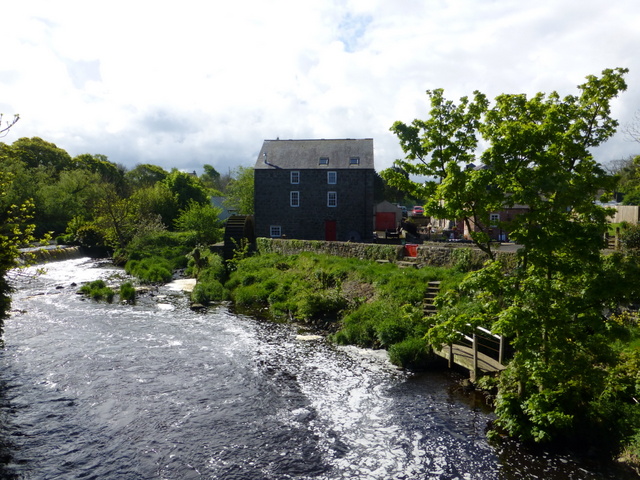
The Lower Bann's defining characteristic is its series of historic weirs — at Carnroe, Movanagher, Portna and the Cutts — which create classic holding pools where salmon congregate during their upstream migration. These weirs were part of navigation works dating back over 160 years, but their effect on salmon fishing is timeless. The oxygenated water below each weir attracts resting fish, creating defined lies that anglers can target systematically.
Lough Neagh Influence
The Bann's identity is inseparable from Lough Neagh — the largest freshwater lake in the British Isles. Salmon must pass through the lough on their migration, affecting timing and stock structure. Water levels in the Lower Bann are controlled by sluice gates at Portna and the Cutts, creating an artificially regulated system that can fish well even in otherwise unfavourable conditions.
Scale and Diversity
Few Irish river systems offer the range of the Bann. From world-class salmon fishing on the Lower Bann to coarse fishing of European standard on the Upper Bann, dollaghan trout on the Ballinderry, and sea trout in the Coleraine estuary — this is a system that can sustain an angler's interest for a lifetime.
Season by season
March – May
The salmon season opens progressively across beats from March and April. Early season can produce spring salmon in suitable water conditions, though the main run has not yet arrived. Brown trout fishing on tributaries like the Ballinderry is excellent from late April, particularly when Hawthorn flies are hatching.
June – July
The peak salmon period. Grilse arrive in numbers from mid-June, and the weir pools come alive. Carnroe, Portna and Movanagher fish consistently through this period. This is the time to be on the Lower Bann for salmon. Sea trout begin their tidal runs in the estuary.
August – September
Autumn salmon arrive with fresh water, and the fishing can be outstanding when conditions align. The tributaries see dollaghan movement from September. Sea trout remain active in the estuary. This is often the most varied month on the Bann system.
October – February
The salmon season closes in mid-October. Coarse fishing on the Upper Bann continues through autumn and winter, with pike fishing coming into its own. The system quietens but retains its appeal for the committed angler.
Best conditions
Based on 0 reports, these conditions consistently produce the best fishing on River Bann:
💨
Light to moderate — river is largely sheltered
Best wind
☁️
Overcast
Best sky
🌡️
10–16°C for salmon
Water temp
⏰
June–July for grilse; September for autumn fish with fresh water
Best window
Seasonal fly & tactics guide
Spring (March – May)
Patterns
Medium to large salmon fliesSink-tip linesDark patterns
Spring salmon fishing requires patience and depth. Sink-tip lines in higher flows, fishing the deeper, slower water below weirs. Medium to large flies worked through the pools methodically. Step down through each pool, covering the water systematically.
⚠️Common mistake: Fishing too fast in the broad pools. The Bann is wide — take time to cover each lie properly before moving.
Summer Grilse (June – July)
Patterns
Small doublesSilver-bodied tubesStoat's TailShrimp patterns
Smaller, brighter patterns for fresh grilse. Floating line standard in moderate flows. Cover pools methodically — grilse can be anywhere in the holding water. Early morning and evening sessions are most productive in warm weather.
⚠️Common mistake: Overlooking subtle grilse takes. Fresh grilse often pluck rather than pull — maintain contact and concentration.
Autumn Salmon (August – September)
Patterns
Medium fliesDark patternsShrimp flies
Fresh water after rainfall is the trigger. Medium flies swung steadily through known lies. The Bann responds well to a rise in water — be ready to fish when conditions change. Repeated passes through productive pools are standard practice.
⚠️Common mistake: Ignoring near-bank lies. Salmon in the Bann often hold closer to the margins than anglers expect, particularly in higher water.
Pike & Coarse (Autumn – Winter)
Patterns
DeadbaitSoft plasticsFeeder tackle
The Upper Bann comes into its own for coarse fishing. Deadbait in deeper glides for pike, soft plastics along slack margins. Feeder fishing for bream shoals in the slower stretches. The Upper Bann near Portadown offers accessible bank fishing.
⚠️Common mistake: Underestimating the Upper Bann's coarse potential. The slower reaches hold quality fish that reward systematic feeding.
Core technique
Weir Pool Salmon Fishing
1Reading the Pool: Salmon hold below weirs in oxygenated current seams. Identify the main flow, the cushion water, and the tail — fish will be in all three zones depending on numbers and conditions.
2Line Selection: Floating line is standard on most Bann beats. Add a sink tip as required when water levels are elevated or fish are lying deep.
3Casting Strategy: Begin near the head of the pool and step down gradually, covering new water with each cast. On the Bann's broad pools, this means systematic coverage over extended sessions.
4Depth Control: Adjust tip weight rather than fly size first. Getting the fly into the fish's zone is more important than pattern selection.
5Patience: Bann salmon can hold for extended periods in weir pools. Repeated passes through productive lies are standard practice — a fish that ignores you on the first pass may take on the tenth.
💡 Because of the pool width, distance casting and mending control are essential skills on the Lower Bann. A double-handed rod of 13-14 feet is standard.
What works here
Flies and methods reported most successful by the community.
Where to Fish at River Bann
Carnroe Beat
The premier salmon beat on the Lower Bann, situated below Carnroe Weir. Fish congregate here in large numbers, with a ten-year average exceeding 1,000 salmon per year. Limited to a small number of rods per day. Both fly and bait fishing permitted.
Movanagher & Portna Beats
Excellent fly water with fast flows and structured pools. Portna is divided into upper and lower sections — the upper beat has fast, wadeable water; the lower is slower with excellent fly fishing. Both produce good numbers of salmon through the season.
Culiff Rock
A powerful, fast-flowing stretch between Carnroe and Movanagher. Primarily fly water with spinning and bait also permitted in higher water. Renowned for brown trout as well as salmon — specimens of 6-7lb are caught regularly.
The Cutts (Coleraine Estuary)
The historic salmon leap near Coleraine, where the river passes over a ridge of rock. Sea trout and salmon are the main quarry. Tidal influence creates unique conditions. Light tackle recommended for sea trout in the clear estuary water.
Upper Bann (Portadown)
Slower, deeper water suited to coarse fishing and pike. The Upper Bann from Portadown south toward Lough Neagh is one of the most popular coarse fishing rivers in Europe, with quality roach, bream and pike.
Suggested trip formats
🎣 Lower Bann Salmon Weekend
Two days on the structured weir pools of the Lower Bann. Fish Carnroe or Movanagher with a local guide for an introduction to the pool rotation system. Base in Coleraine and enjoy the North Coast between sessions.
🎣 Mixed System Trip
Salmon fishing on the Lower Bann combined with a coarse and pike session on the Upper Bann near Portadown. This showcases the extraordinary diversity of the Bann system in a single trip.
🎣 Northern Ireland Salmon Tour
Combine the Bann with neighbouring systems — the River Bush, River Roe, or the Foyle tributaries — for a comprehensive Northern Ireland salmon experience.
Conservation & stewardship
🌿
The Bann system has faced stock management challenges historically, and salmon populations fluctuate with oceanic conditions and environmental pressures. The Carnroe beat now operates a mandatory catch-and-release policy. Responsible angling includes strict adherence to retention rules, careful fish handling using barbless hooks, avoiding obstruction of migratory paths, and supporting habitat conservation initiatives. The tributary rivers are vital spawning and nursery habitat — their health underpins the entire system.
A DAERA rod licence is required for all freshwater fishing in Northern Ireland. Salmon and sea trout fishing requires an additional permit for the specific beat.
Main access: Resident guides are available on the main Lower Bann beats, particularly Carnroe. Booking through Bann Systems Ltd or The Honourable The Irish Society is recommended., Coleraine is the primary angling hub for the Lower Bann. Tackle shops stock salmon and trout gear. Portadown serves the Upper Bann., The Honourable The Irish Society manages fishing rights on the Lower Bann and tributaries. Bann Systems Ltd handles day tickets, season rods and ghillie bookings.