📍Carlow · South East📋IFI (Republic of Ireland)Season Open
8Species Present
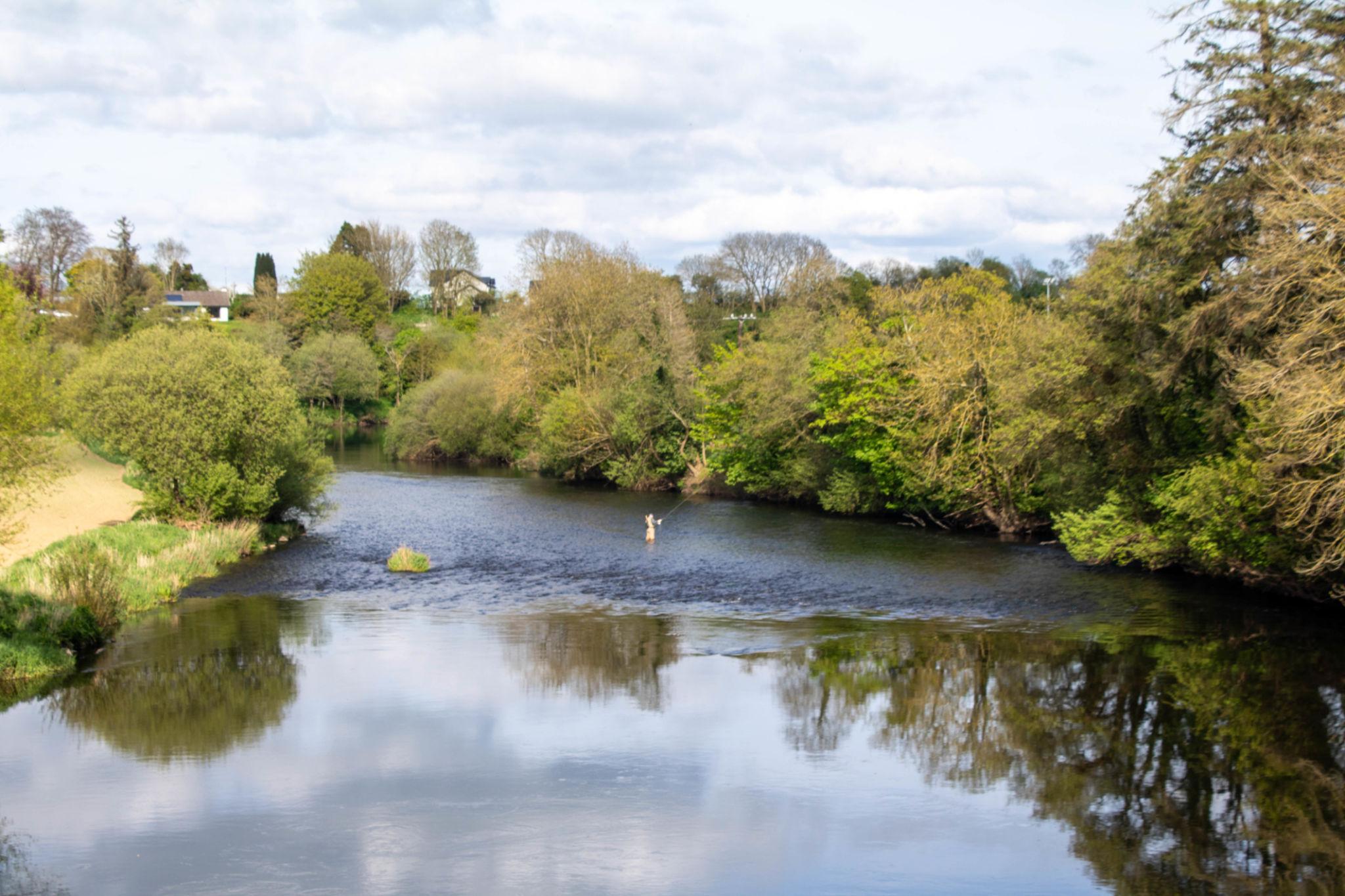
River Barrow rises in the Slieve Bloom Mountains and flows south through Portarlington, Athy, Carlow, and Graiguenamanagh before becoming tidal towards New Ross and Waterford Harbour. Together with the Nore, it forms the River Barrow and River Nore SAC, an internationally important system for Atlantic salmon, sea lamprey, river lamprey, and freshwater pearl mussel.
County
Carlow
Region
South East
Type
River
Nearest towns
Athy, Carlow, Graiguenamanagh, New Ross
River system
River Barrow
Species
Bream, Atlantic Salmon, Pike, Perch, Roach, Brown Trout +2 more
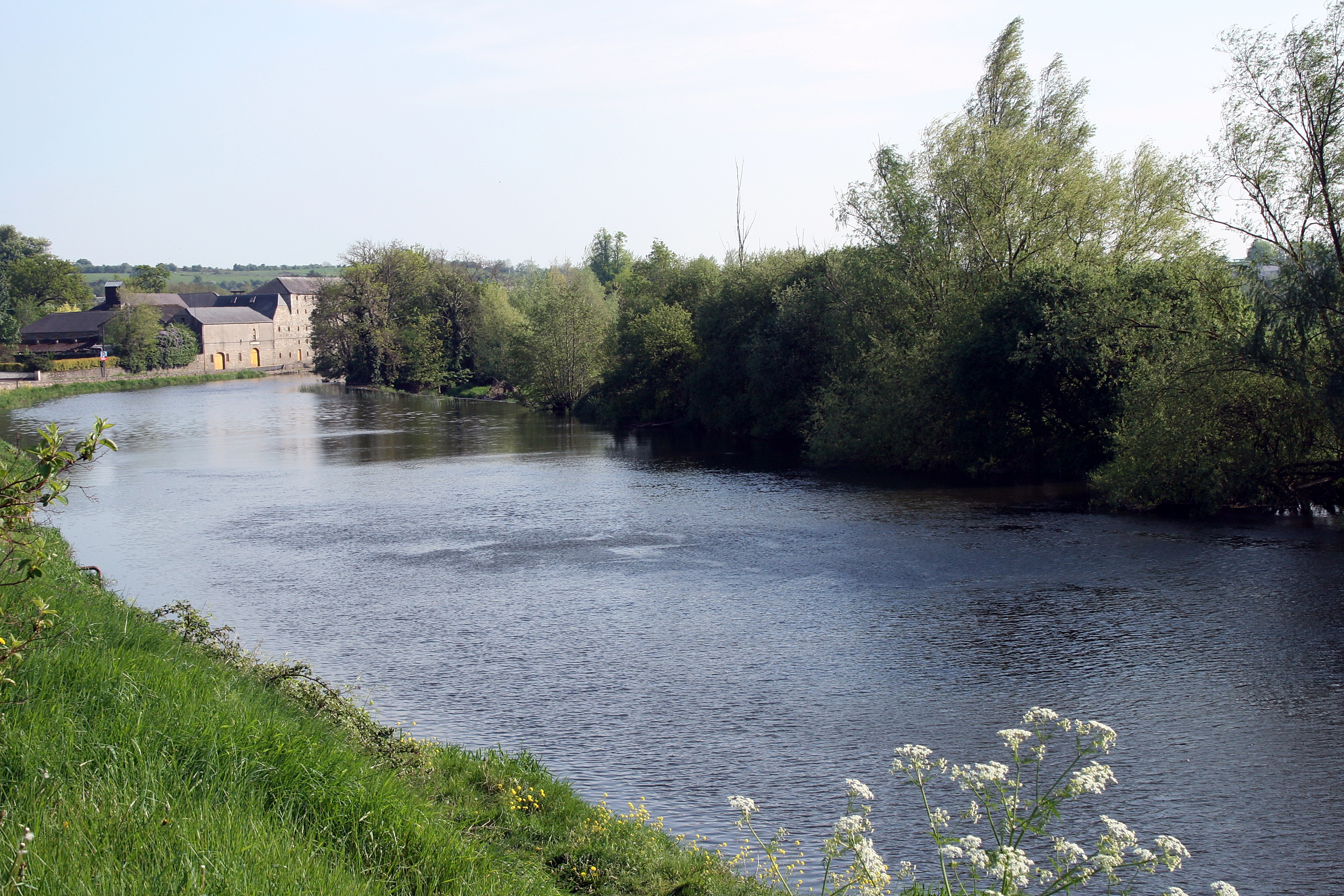
The River Barrow is one of Ireland's great lowland rivers — expansive, measured and quietly powerful. Rising in the Slieve Bloom Mountains and flowing south through the midlands before meeting the sea at Waterford Harbour, it covers 192 kilometres and crosses five counties. For visiting anglers, it is one of the most versatile river fisheries on the island: respected for wild trout, productive for salmon in season, and among Ireland's finest coarse and pike destinations in its slower lower reaches.
The Barrow's character shifts as it travels south. In its upper Laois reaches it flows as a classic intimate trout river, fast and varied. Through Kildare and Carlow it broadens and slows into the limestone country that defines its reputation — wide glides, deep weir pools, and currents that read subtle and deceptive from the bank. This is the water that earns the Barrow its standing among serious fly fishers: technically demanding, wild, and genuinely rewarding when read correctly.
Wild brown trout are the river's signature quarry. Unlike heavily stocked systems, much of the Barrow's trout population is self-sustaining, shaped by natural reproduction in clean limestone water. Fish are strong, well-conditioned and river-wise. Late April through June is prime time, when prolific hatches of large dark olives, blue-winged olives and mayfly draw trout confidently to the surface and reward patient dry fly presentation.
Atlantic salmon and sea trout move through the system seasonally, with prospects improving sharply after summer rainfall events bring fresh water into the river. The weir pools and deeper holding lies created by the Barrow's historic navigation infrastructure concentrate migratory fish and create defined target areas for salmon anglers willing to read water levels and timing carefully.
The lower and middle Barrow adds a third dimension: some of Ireland's most productive coarse and pike fishing. Roach, bream, hybrid, perch and dace populate the slower reaches in numbers that attract specimen hunters, while the broader navigation cuts and pools hold substantial pike through autumn and winter. Few Irish rivers offer credible fly fishing for wild trout, migratory fish, and specimen coarse species in one system.
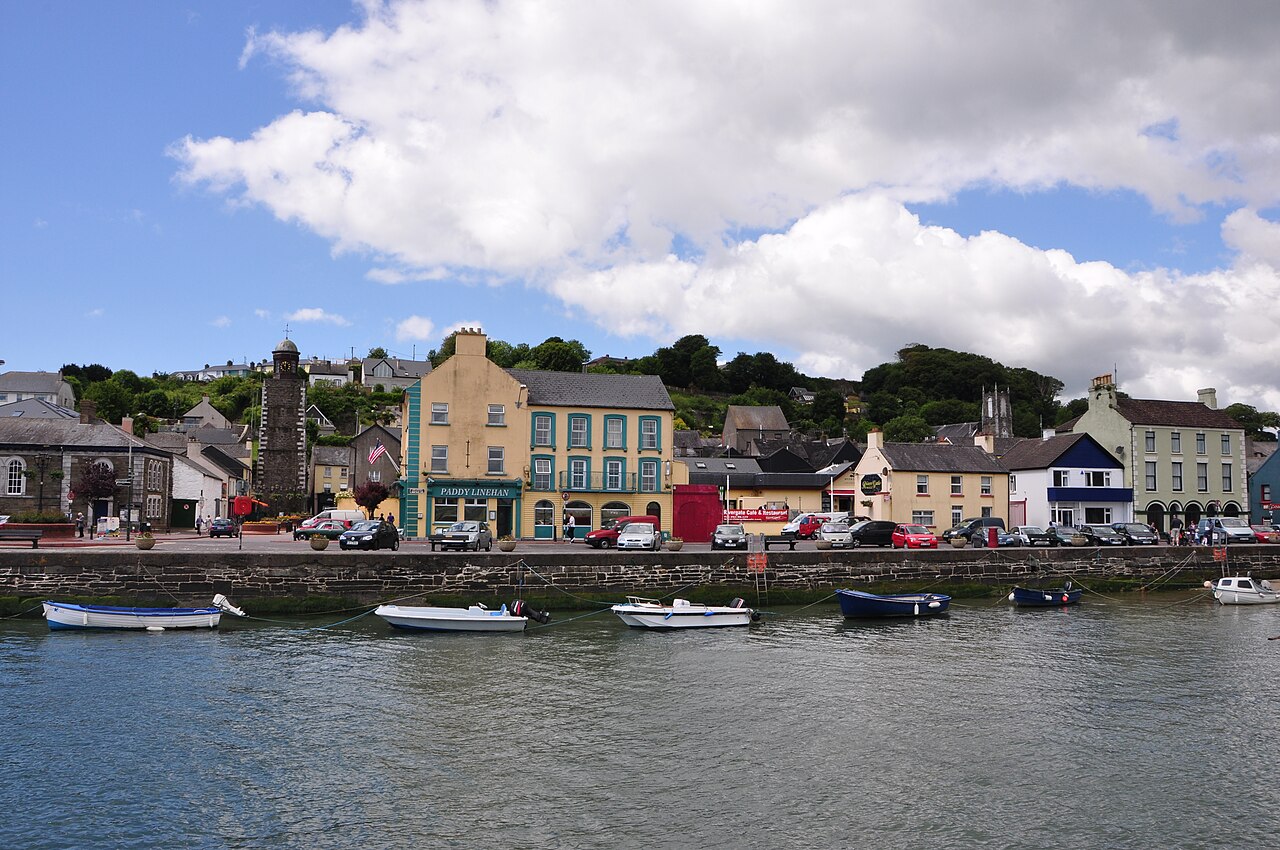
The river is accessible from several midlands and southeast towns — Carlow, Athy and Graiguenamanagh are the natural bases. Many stretches are open along navigation towpaths and near weirs, making access straightforward for visitors. Accommodation and services are well-established throughout the valley, and the journey from Dublin takes under two hours. For serious anglers seeking authentic Irish river fishing beyond the western loughs, the Barrow delivers depth, diversity and genuine sporting challenge.
The tidal reach at St. Mullins, where the ancient weir marks the natural limit of the annual Twaite Shad migration, is covered in its own dedicated venue profile at /venues/st-mullins.
Pike: October, November, December, January, February
Coarse: June, July, August, September
Salmon: July, August, September
Brown Trout: May, June
Difficulty
Intermediate
Access & bases
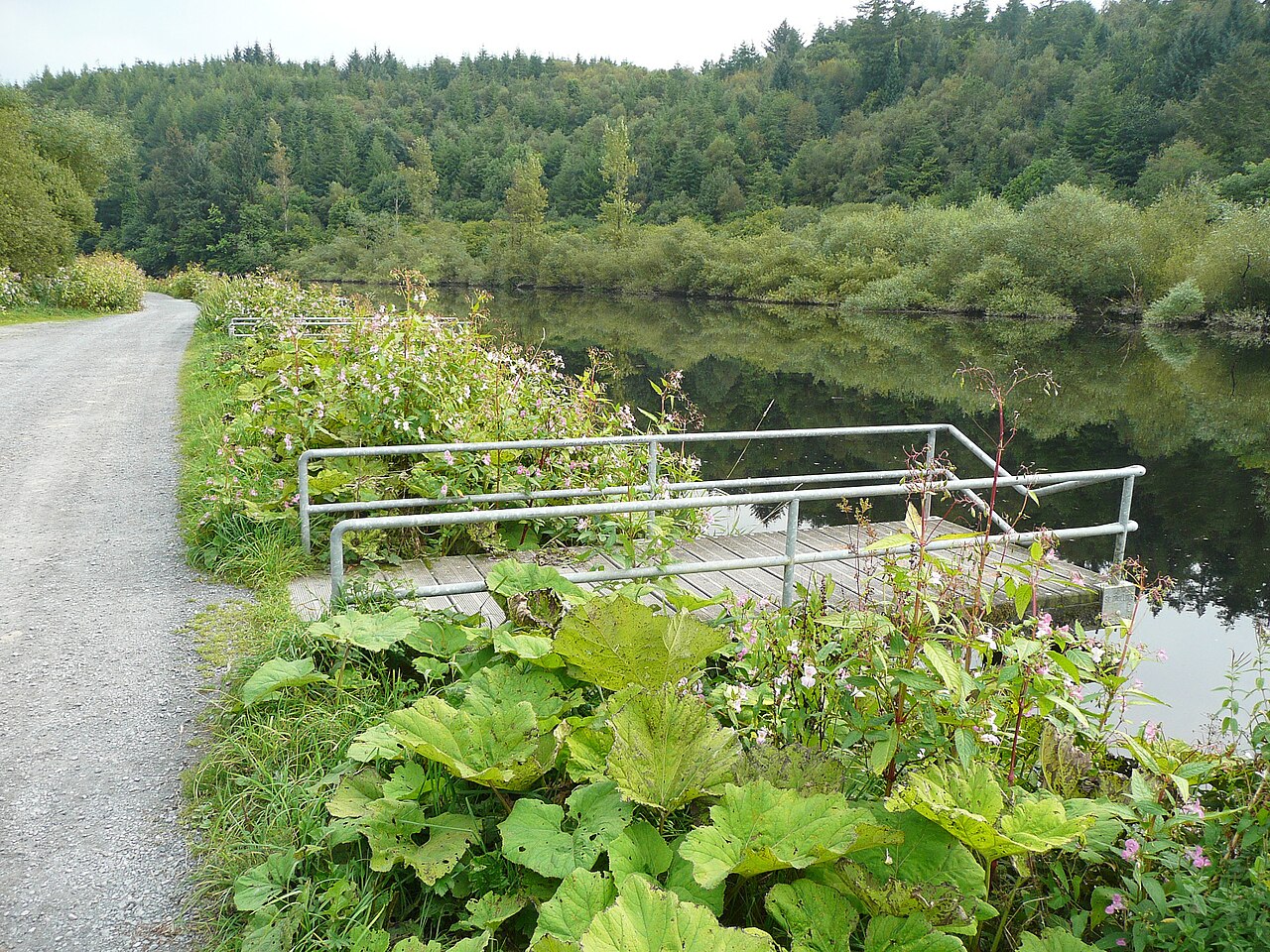
The River Barrow is accessible from several southeast towns. Carlow town is the natural hub for the classic limestone mid-river section, with parking near the weir and riverside walks providing good bank access. Athy offers access to the upper limestone glides. Graiguenamanagh is the base for the lower Barrow and the scenic Kilkenny/Carlow border stretch. Much of the river is publicly accessible along navigation towpaths and near lock systems. Private stretches exist — always observe signage. Wading staff is recommended given slippery limestone substrate and depth changes near weirs.
Signature features
Limestone Hatch Activity
The Barrow's mid-sections flow through classic Irish limestone geology, producing rich invertebrate life that fuels consistent and prolific hatches. Large dark olives, blue-winged olives, mayfly, caddis and midge activity create extended dry fly opportunities throughout the season. The hatch quality here compares favourably with the best limestone trout rivers in Britain and Ireland.
Wild Self-Sustaining Trout
Unlike many accessible river fisheries, the Barrow's trout stock is largely sustained through natural reproduction rather than stocking. This produces fish with genuine wildness — strong-fighting, selective feeders that reward careful presentation. The quality of the wild stock is a direct result of the river's clean limestone water and the ecological health of its insect life.
Weir Pool Structure
Historic navigation works have left the river punctuated by weirs, lock systems and associated pools throughout its length. These structures create defined salmon lies, concentrated trout feeding lanes below the white water, and productive coarse fishing zones in the slack water upstream. Understanding weir pool dynamics is central to reading this river effectively.
Multi-Discipline Fishery
The Barrow is genuinely unusual in offering credible fly fishing for wild trout, migratory salmon and sea trout, specimen pike, and high-quality coarse fishing in one river system. Most visiting anglers focus on one discipline, but the option to vary based on conditions and season adds significant flexibility to any trip.
Season by season
March – April
Opening weeks of the trout season. Water is typically higher and cooler, with fish holding in deeper glides and slower seams. Nymph and wet fly tactics outperform dry fly at this stage. Large dark olives begin hatching from late March and create the first dry fly opportunities of the season on mild afternoons.
May – June
Peak season. Prolific hatches of large dark olives, blue-winged olives and mayfly bring trout up confidently and create the best dry fly conditions of the year. Fishing from late morning through mid-afternoon during hatch windows is the priority. Mayfly typically arrives in May into early June, varying with temperature and water conditions. The river fishes at its best during this period for visiting anglers.
July – August
Summer low water demands stealth and fine presentation. Trout become more cautious in clear conditions, but evening dry fly fishing comes into its own. Sedge and terrestrial patterns — elk hair caddis, black gnat, beetle imitations — produce results during the last two hours of daylight. Long leaders and fine tippet are essential. Salmon and sea trout prospects improve markedly with any significant rainfall that lifts river levels.
Autumn
Coarse and pike fishing strengthens significantly as water temperatures cool through September and into autumn. Trout season closes at the end of September on most sections. Pike fishing is at its peak from October onwards. Any autumn spate events create strong salmon opportunities in the weir pools and holding lies for anglers monitoring water levels closely.
Best conditions
Based on 0 reports, these conditions consistently produce the best fishing on River Barrow:
💨
Light to moderate SW — less critical than on loughs
Best wind
☁️
Overcast with mild temperatures for hatch activity
Best sky
🌡️
10–16°C for trout hatches
Water temp
⏰
Late morning to mid-afternoon during May–June hatches; evenings in summer
Best window
Seasonal fly & tactics guide
Early Season (March – April)
Patterns
Goldhead Pheasant TailHare's Ear NymphSmall Dark Wet
Focus on deeper glides and slower seams where trout lie deep in cooler water. Czech nymphing or indicator nymphing through holding lies is the most productive early approach. As March progresses, watch for large dark olive hatches on mild afternoons and switch to a dry CDC emerger or parachute pattern when fish begin showing on the surface.
⚠️Common mistake: Wading too aggressively in clear early-season conditions and disturbing fish before getting within casting range.
Late Spring (May – June)
Patterns
Green DrakeLarge Dark OliveCDC EmergerParachute AdamsBlue-Winged Olive
Fish the hatches. Late morning to mid-afternoon during hatch intensity is the prime window. Present dry flies upstream and across on a long leader with a drag-free drift. During heavy mayfly, trout station-feed and can be targeted precisely. Between hatches, nymph the seams with a PTN or hare's ear on a long leader.
⚠️Common mistake: Casting repeatedly to rising fish without adjusting the drift angle. On this flat water, a dragging fly will be refused every time regardless of pattern.
Shift to evening sessions. The best dry fly fishing often starts two hours before dark and continues until last light during summer months. Fish low and slow along the margins and in foam lines. Fine tippet (4x or 5x) is non-negotiable in low, clear water. Terrestrial patterns are effective on calm evenings when trout take insects blown onto the surface.
⚠️Common mistake: Fishing during the flat midday hours in summer when trout have retreated to deeper water and are effectively off the feed.
Pike Season (October – March)
Patterns
Soft Plastic ShadsJerkbaitsSpoonsDeadbait
Target slower navigation cuts, reed margins and deep pool edges. Soft plastic presentations on a jig head work consistently through the water column. In colder winter water, slow down the retrieve or switch to deadbait fished stationary. The larger pools in the lower Barrow consistently hold specimen fish.
⚠️Common mistake: Fishing too fast in cold winter water — pike metabolism slows significantly and a slow or static presentation often outperforms an active retrieve.
Core technique
Limestone River Dry Fly Fishing
1Approach from downstream whenever possible, keeping a low profile and moving slowly to avoid disturbing fish in clear water. On a broad river like the Barrow, trout can see movement at considerable distance.
2Use long leaders — 12 to 15 feet — to create distance between fly line and fly. The fine tippet section should be at least 4 feet long, with 4x or 5x appropriate for most Barrow conditions.
3Prioritise drag-free drift above all else. The Barrow's currents are deceptively complex — mend line immediately after the cast to extend the drift window. A fly dragging even slightly across the current will be refused by educated wild fish.
4Target the seams. On flat limestone water, trout hold in subtle current transitions formed by underwater contours rather than visible surface features. Look for foam lines, slight colour changes and the edges of faster runs — these mark the feeding lanes.
5During heavy hatches, locate a rising fish and observe its rhythm before casting. Wait for it to rise twice, confirm the drift direction, then present the fly two feet above the fish on the next rise cycle.
💡 Presentation matters far more than pattern on this river. A well-presented size 14 CDC emerger will outperform a perfectly matched pattern fished with poor drift every time.
What works here
Flies and methods reported most successful by the community.
Where to Fish at River Barrow
Upper Barrow (Laois)
The river in its upper reaches is more intimate and varied in character, flowing as a classic upstream trout stream. Traditional dry fly and wet fly tactics work well here. Less pressure than the mid-river sections.
Mid-Barrow (Athy to Carlow)
The heart of the Barrow's limestone trout fishery. Broad glides, strong and consistent hatch activity, reliable wild trout populations. This is the most visited and most productive section for fly fishing visitors.
Carlow Weir Pools
The weirs at and around Carlow town create the river's most defined holding structure. Deeper pools below weirs concentrate salmon in season and create technical trout fishing along feeding lanes in the broken water.
Lower Barrow (Graiguenamanagh to St. Mullins)
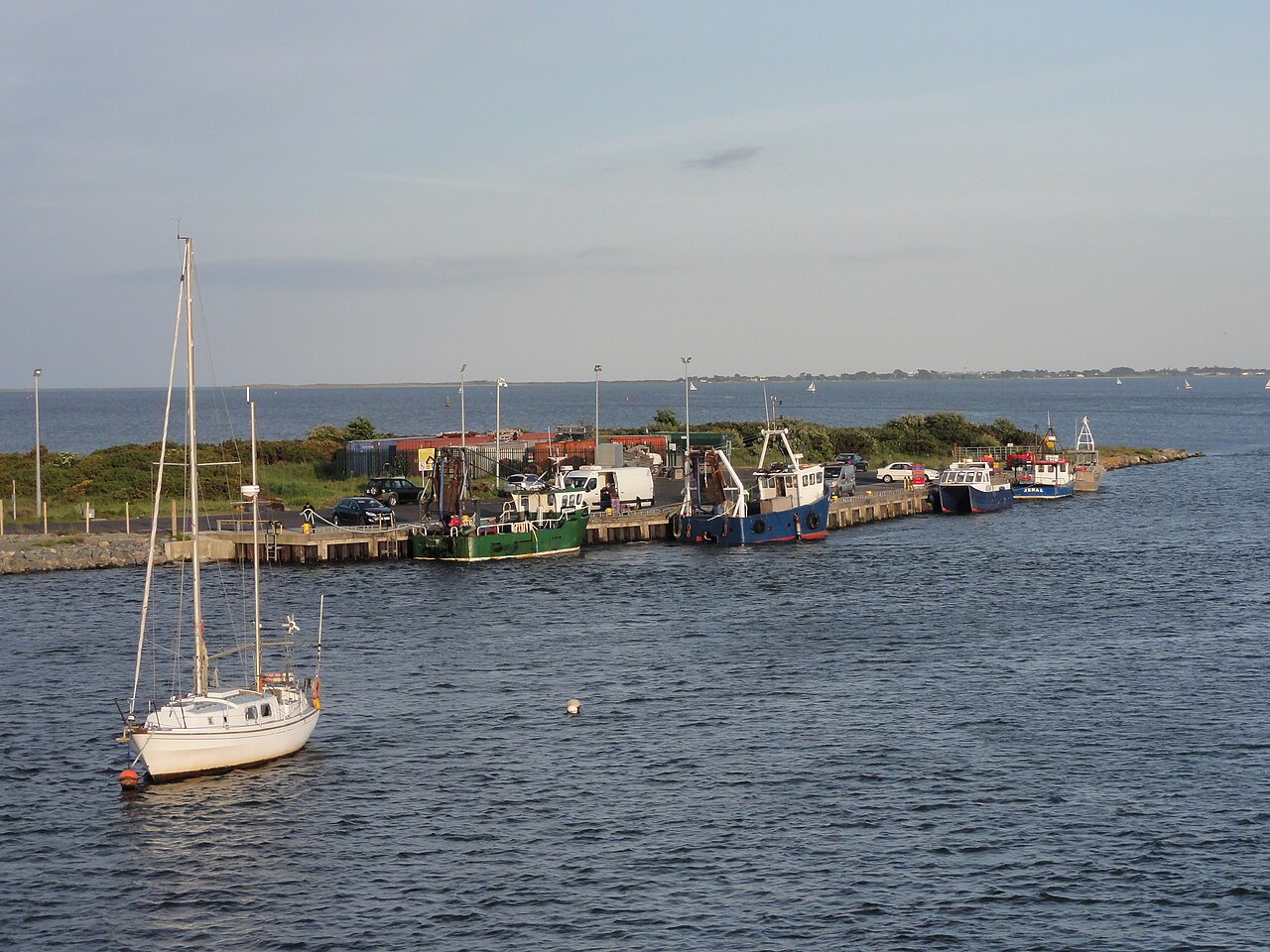
Broader, slower water with a distinct character shift toward coarse and pike fishing. The Kilkenny-Carlow border stretch through Graiguenamanagh is scenic and productive. Salmon movement during higher flows.
Navigation Cuts and Pools
The Barrow Navigation's historic infrastructure created a series of cuts, canals and holding pools alongside the main river channel. These slower, deeper sections are the engine room of the Barrow's coarse and pike fishery.
Suggested trip formats
🎣 2-Day Trout Fly Fishing Break
Base in Carlow town. Fish the classic limestone mid-river section on Day 1 with morning nymphing and afternoon dry fly. Day 2 targets the Athy area glides or the Carlow weir pool complex. Best timed for May or June during hatch season.
🎣 3-Day Mixed Species Trip
Days 1 and 2 targeting wild trout on the limestone mid-river with fly fishing. Day 3 shifts down to the lower Barrow for pike on lures or a coarse fishing session in the navigation pools near Graiguenamanagh. Covers the full range of what the Barrow offers.
🎣 Spate Salmon Short Trip
A reactive trip planned around a summer or autumn rainfall event. Monitor river levels via the OPW gauging station at Carlow. When the river rises and begins clearing after a spate, travel within 24–48 hours and target the weir pool lies with spinner or fly. Timing is everything.
Conservation & stewardship
🌿
The River Barrow is an important ecological system supporting wild trout, migratory fish, and diverse coarse species. Catch-and-release is strongly encouraged for all wild brown trout, particularly during summer low water periods when fish are stressed. Handle trout carefully — keep them in water, minimise handling time, and use barbless or de-barbed hooks where possible. Avoid wading through spawning areas in autumn and winter. Respect private property, observe access signage, and leave no trace along the towpaths and riverbanks. All pike should be returned — these fish are long-lived and slow to grow to specimen size.
Frequently asked questions
Before You Go — Key Regulations
Jurisdiction
Republic of Ireland (IFI)
Season
March 1 – September 30
Licence required
Yes — State Salmon Rod Licence
A valid Irish State Salmon Rod Licence is required when targeting salmon. Brown trout season generally runs March through September — confirm exact dates with IFI annually as these can vary by section.
Main access: Local guiding services available through Carlow Tourism and IFI guide listings — recommended for first-time visitors unfamiliar with weir pool structure and section access, Barrow Valley Angling, Carlow — local tackle, permits and river information, Barrow, Nore and Suir Rivers Trust and local IFI Eastern Regional Fisheries