📍Cork / Waterford · South East📋IFI (Republic of Ireland)Season Open
6Species Present
County
Cork / Waterford
Region
South East
Type
River
Depth
3 m
Species
Bream, Atlantic Salmon, Pike, Roach, Brown Trout, Sea Trout
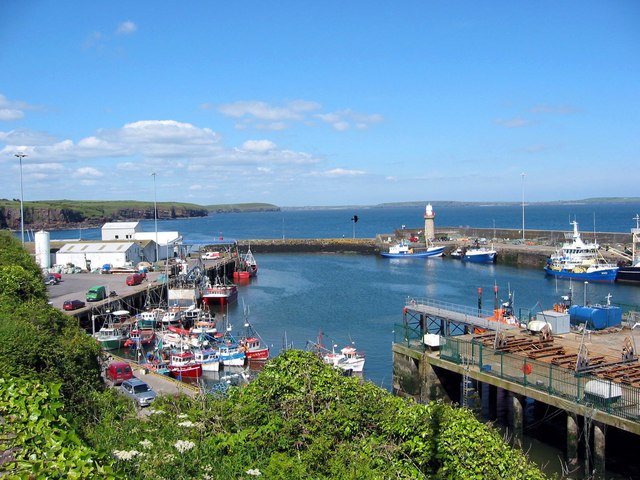
The River Blackwater is one of Ireland's great salmon rivers — long, powerful, and steeped in angling history. Rising in the Mullaghareirk Mountains on the Cork–Kerry border, it flows east for some 160 kilometres before meeting the sea at Youghal. Few rivers in Ireland carry the same combination of scale, tradition, and seasonal reliability. For serious fly anglers, the Blackwater is not simply a venue — it is a system, one that rewards patience, water-reading, and an understanding of how rainfall, temperature, and tidal influence shape the fishing at every point in the season.
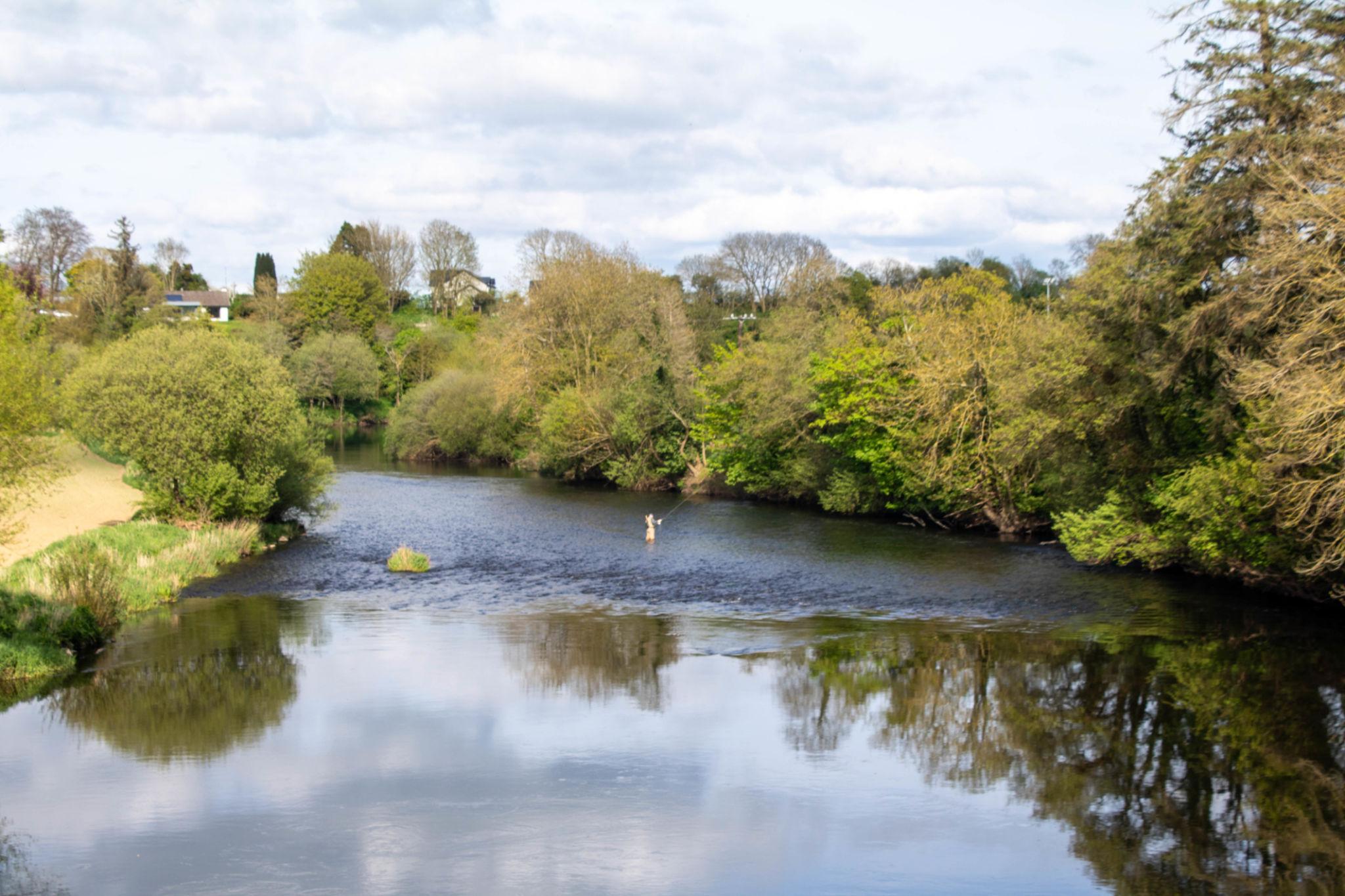
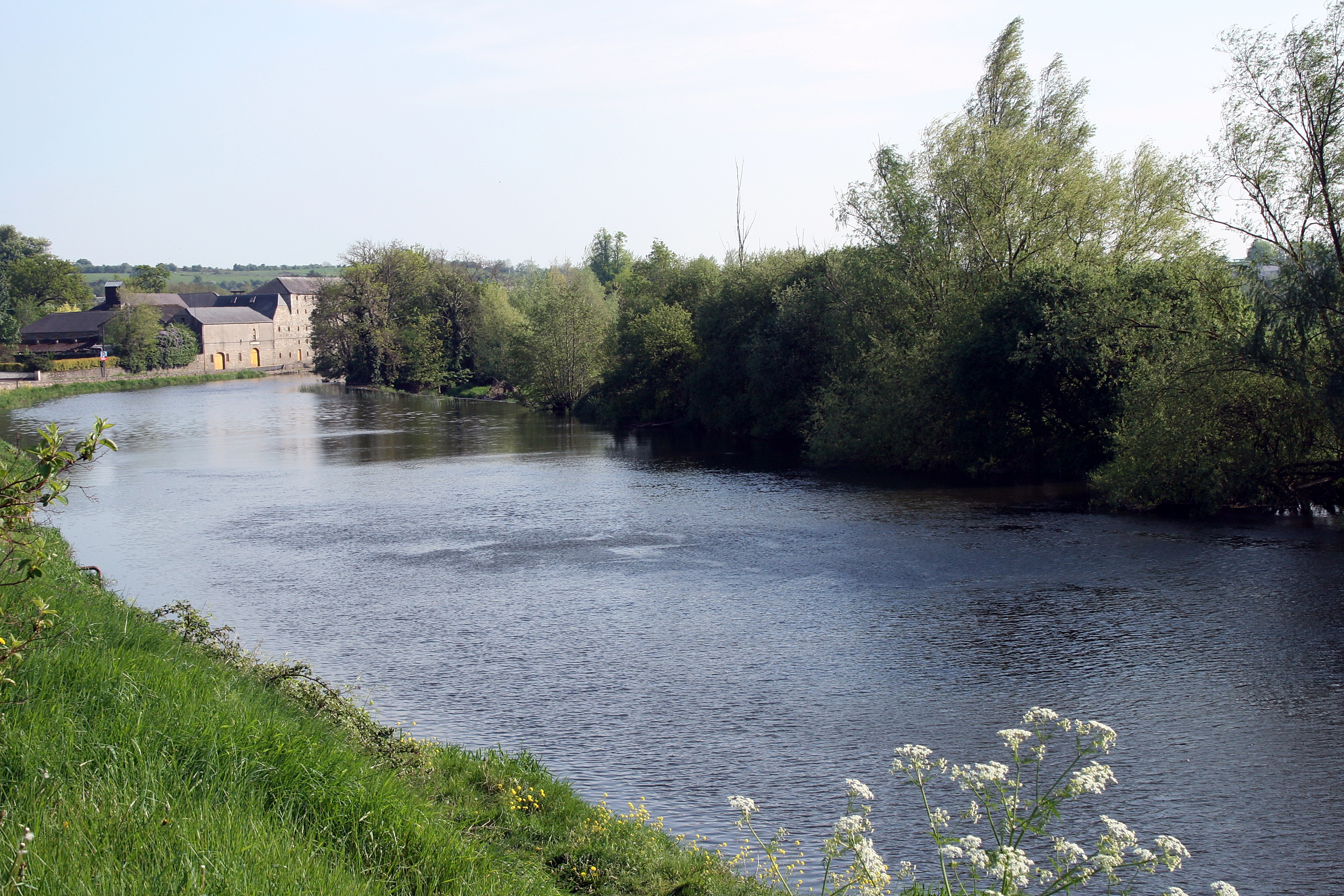
The river's character changes markedly from source to sea. Above Mallow the channel is narrower and more intimate, responding quickly to spate and offering productive fly water when conditions align. Through Fermoy and Lismore the river opens into long, classic glides and defined pools — this is the heart of the salmon fishery, where the Blackwater's reputation was built over more than a century of visiting anglers. Below Cappoquin the lower river carries tidal influence and offers productive fishing for fresh-run fish moving up from the estuary.
The Blackwater's primary draw is its Atlantic salmon, and specifically the summer grilse run that peaks between mid-June and mid-August. These are fresh, silver fish — typically three to eight pounds — and the sight of one rolling in a late-evening glide is what draws anglers back year after year. Larger multi-sea-winter fish are possible in spring, though the grilse fishing is what defines the river's character. The most productive window is almost always in the first day or two after a fresh spate, when water levels are falling and fish are moving freely through the pools.
Brown trout fishing on the Blackwater is underappreciated. Limestone-influenced sections of the river support strong invertebrate populations, and from April through June the hatches can be impressive — olives in spring, localised mayfly on suitable stretches, sedges and terrestrials on summer evenings. The trout fishing offers a genuine contrast to the waiting game of salmon angling and is worth exploring mid-week between salmon sessions.
Access is primarily through private beats and club waters, with some stretches managed by local angling associations. The central towns of Fermoy and Lismore are the best operational bases — both have accommodation options and proximity to prime water. A ghillie or guide is strongly recommended for a first visit; on a river of this size and complexity, local knowledge is not a luxury but a genuine advantage.
The Blackwater demands a state salmon licence and a permit for the specific fishery. Regulations, bag limits, and catch-and-release requirements vary by stretch and are updated annually — always confirm with Inland Fisheries Ireland or the beat manager before fishing. Water height is one of the most important variables; check river levels before each session and adjust tactics and fly size accordingly.
Grilse: June, July, August
Sea Trout: July, August
Brown Trout: April, May, June
Spring Salmon: March, April
Difficulty
Intermediate
Access & bases
The River Blackwater flows through Counties Cork and Waterford, with access points concentrated around the principal towns. Mallow serves the upper river; Fermoy and Lismore the productive central reaches; Cappoquin and Youghal the lower and tidal sections. Most of the prime salmon water is managed through private beats or club waters — day tickets and weekly permits can be arranged through local angling associations and fishery managers. Parking is generally provided at managed fisheries. A wading staff and studded wading boots are strongly recommended given the strength of mid-river currents, particularly during and after spates. Avoid wading during high water.
Signature features
Prolific Grilse Runs
The Blackwater is renowned across Ireland and internationally for the consistency of its summer grilse runs. From mid-June through August, fresh silver fish enter the system in numbers that make it one of the most reliable salmon rivers in Munster. These are typically three to eight pound fish — ideal for fly fishing — and the sight of a good run after fresh water is something that defines the river's character.
Classic Salmon Pool Architecture
The central Blackwater between Fermoy and Lismore offers some of the finest structured salmon pool fishing in Ireland. Long glides, defined heads, and productive tails allow fly anglers to work through pools in the traditional manner — wading down methodically, covering every yard of holding water. These are pools that reward proper technique over improvisation.
Spate River Rhythm
The Blackwater responds quickly and powerfully to rainfall. Rising water moves fish into the system; the critical window is when levels begin to fall and clear — typically 12 to 48 hours after a fresh. Understanding this rhythm and timing sessions accordingly is the single most important tactical skill a Blackwater angler can develop.
Limestone Trout Fishing
Limestone geology influences sections of the river, contributing to alkaline water chemistry, strong invertebrate populations, and well-conditioned wild brown trout. The Blackwater trout fishery receives far less attention than the salmon fishing but offers genuinely rewarding dry fly and nymph fishing from April through the summer months.
Season by season
February – April
Early season brings the possibility of larger spring salmon, though water temperatures are typically cold and fish numbers lower. Sink-tip and sinking lines with larger tube flies and heavy patterns are required. This is a more demanding, less consistent period, but a spring salmon from the Blackwater is a prize worth seeking.
May – June
Water temperatures rise and the first consistent grilse begin entering the system from late May. Intermediate lines and medium-sized tubes come into their own. This is also the best period for trout fishing — olives, mayfly on suitable stretches, and strong evening rises on warmer evenings. A mixed salmon and trout week in this window is one of the most rewarding trips the Blackwater offers.
July – August
Peak season. Fresh grilse are running throughout and the river is at its most productive for fly anglers. Floating lines, small tubes, and doubles are the standard approach in normal summer water levels. Early mornings and late evenings are most productive; midday sessions in low, clear water require smaller flies and precise presentation. The system fishes best when there is some cloud cover and a slight south-westerly breeze.
September
The final month brings late fish and quieter, more precise fishing. Lower water demands smaller flies, lighter tippets, and careful wading. Some excellent days occur after autumn rainfall, when fresh fish move through the system before the season closes at the end of September.
Best conditions
Based on 0 reports, these conditions consistently produce the best fishing on River Blackwater:
💨
SW light to moderate
Best wind
☁️
Overcast with occasional breaks
Best sky
🌡️
10–16°C for salmon
Water temp
⏰
12–48 hours after a fresh, on falling water
Best window
Seasonal fly & tactics guide
Early Season (February – April)
Patterns
Willie GunnTemple Dog TubeCascade (Large)Black & Yellow Tube
Fish cold, deep, and slow. Use sink-tip or full sinking lines to get the fly down to fish lying close to the bottom in cold water. Larger tubes and heavy patterns are appropriate. Cover pools carefully — fish are less willing to move significant distances in cold temperatures. Target the slower, deeper sections of pools rather than the streamy heads.
⚠️Common mistake: Fishing too fast and too shallow. Cold water demands a slow, deep swing. Patience and methodical coverage of holding lies is essential.
Late Spring (May – June)
Patterns
Silver StoatThunder & LightningAlly's ShrimpOrange & Red Shrimp Tubes
Transition to intermediate lines as water temperatures rise above 10°C. Medium-sized tubes (½ to 1 inch) work well in this period. Fish full pools carefully from head to tail, giving attention to the productive lies on the far bank and at pool tails as fish rest. Early grilse are responsive and willing to travel to a well-presented fly.
⚠️Common mistake: Staying on heavy sinking lines into warmer conditions. Switch to intermediate or floating as the season progresses and water temperature rises.
Fish light in summer low water. Floating lines with small doubles or micro tubes are the approach in normal summer conditions. Focus on early mornings and late evenings when light levels are lower and fish more active. In very low, clear water, reduce fly size significantly and approach pools with care to avoid alarming fish. A longer leader helps in clear conditions.
⚠️Common mistake: Using flies that are too large in low summer water. When conditions are clear and fish are visible but not taking, drop to a size 12 or 14 double and fish fine.
Autumn (September)
Patterns
Stoat's TailCascadeMunroe KillerBlue Charm
September fishing rewards precision. Low water demands small flies and careful wading. After autumn rainfall, fish move freely and a well-timed session on falling water can produce excellent results. Classic autumn patterns in moderate sizes work well when fish are fresh and responsive.
⚠️Common mistake: Neglecting September. The month produces some of the season's best fishing on many Blackwater beats, particularly after the first autumn spates.
Core technique
The Downstream Salmon Swing
1Wade into position at the head of the pool. Cast at roughly 45° downstream and across, covering the near bank first on opening casts.
2Mend the line upstream immediately after casting to slow the fly's swing and allow it to fish at the correct depth. In cold or coloured water, mend more aggressively to slow the presentation.
3Allow the fly to swing under gentle tension from the near bank to the dangle directly downstream. Maintain contact throughout — takes can be gentle or savage.
4After each cast, take one or two steps downstream to cover fresh water. Work through the full pool systematically before resting and repeating.
5Adjust fly size to conditions: larger in cold or coloured water, smaller as water clears and warms. On the Blackwater, matching fly size to water height is as important as pattern choice.
💡 Blackwater salmon often lie in very defined holding lies — current edges, pool tails, and the slack water behind rocks or obstructions. If you know where the fish hold, give those lies extra coverage.
What works here
Flies and methods reported most successful by the community.
Where to Fish at River Blackwater
Upper River — Mallow Region
Narrower, more intimate water above Mallow. Responds quickly to spates and offers productive fly fishing when levels are right. Less intensively fished than the central beats and with a different character — more personal and exploratory.
Central River — Fermoy to Lismore
The heart of the Blackwater salmon fishery. Classic glides, defined pools, and structured runs make this the most sought-after section of the river. Private beats and club waters hold the best lies; advance booking is essential for prime summer weeks.
Lismore Beats
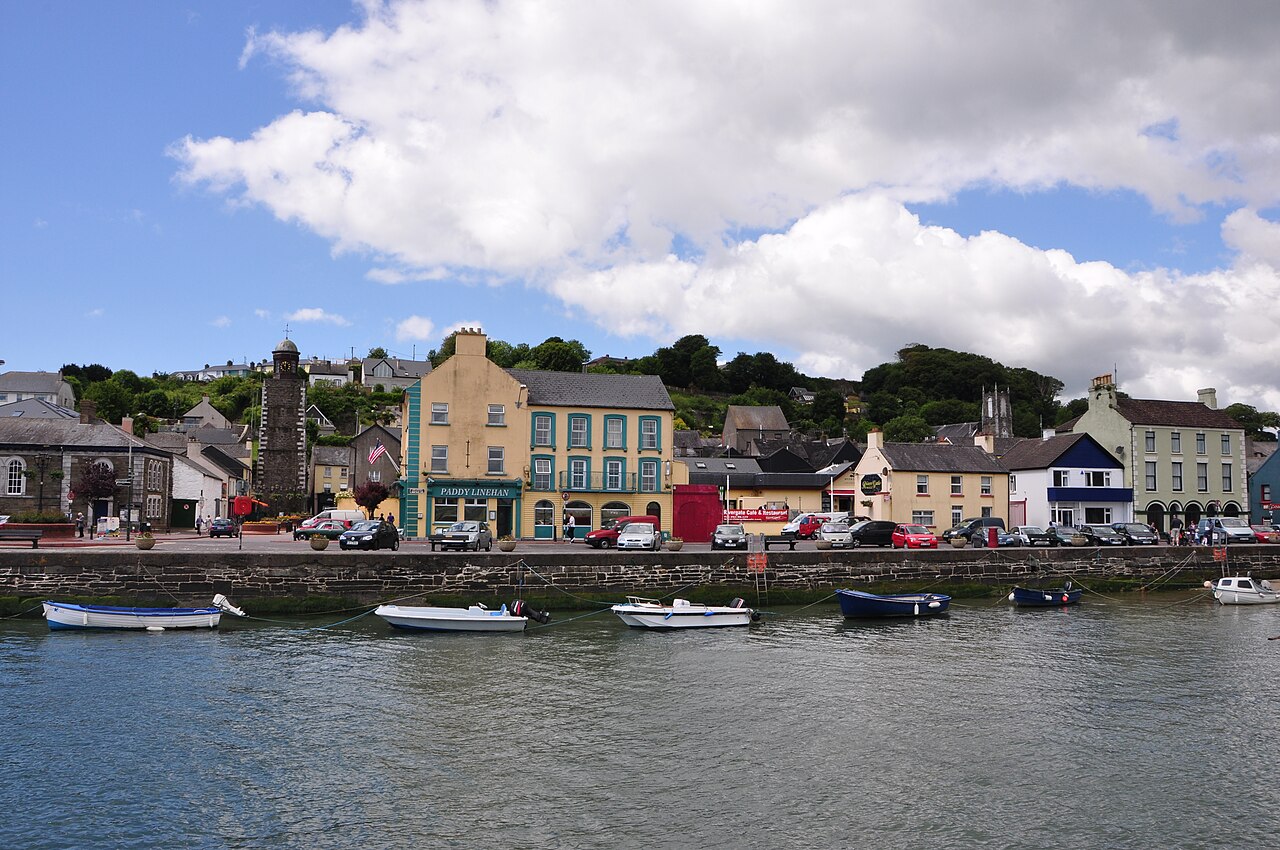
Some of the most storied water on the river, with a history of excellent grilse fishing and a tradition of visiting anglers. The town of Lismore provides a natural base, and the combination of managed beats and consistent fish movement makes this section highly productive from June onwards.
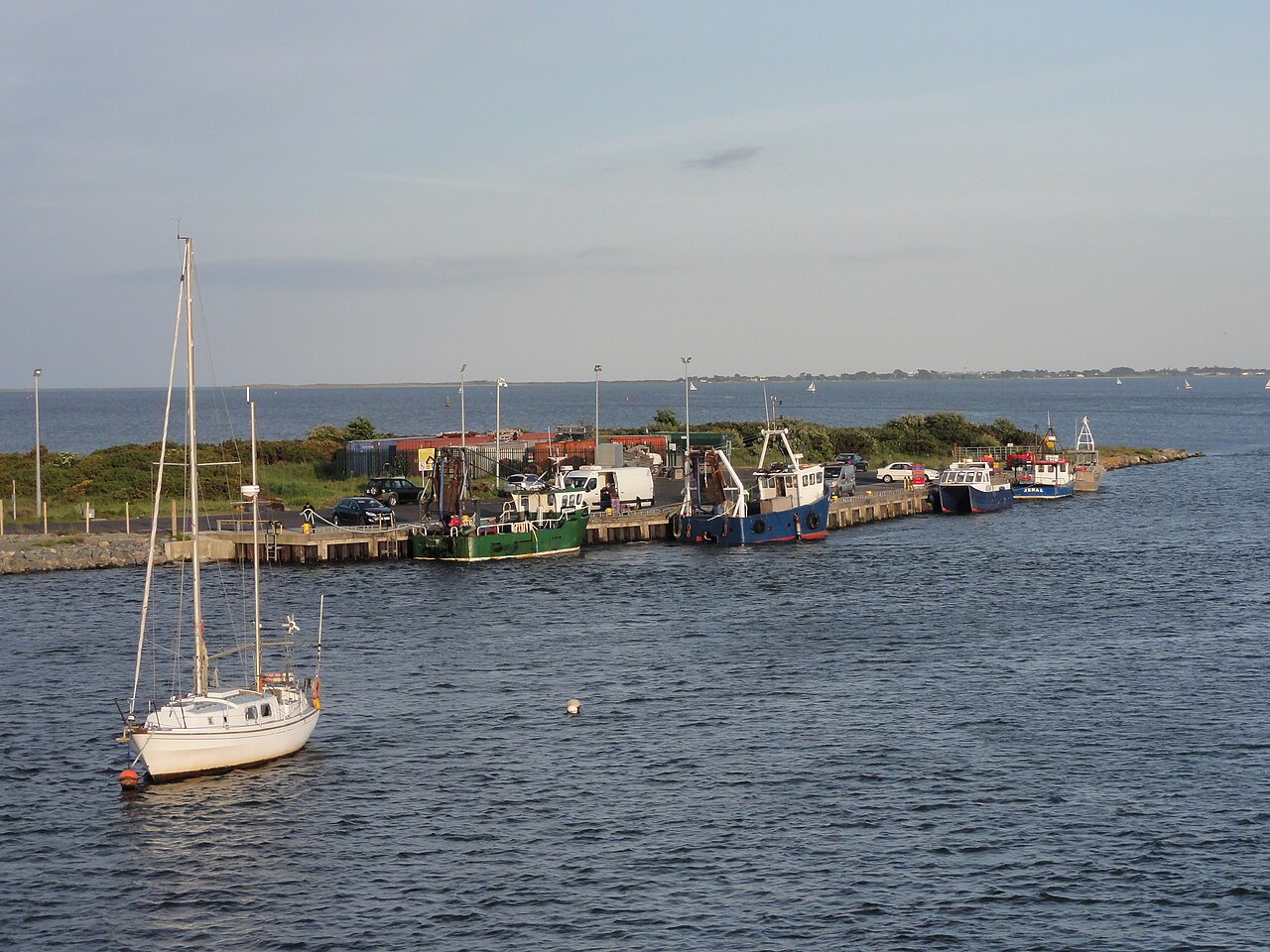
Lower River — Cappoquin to Youghal
Tidal influence becomes significant in the lower reaches. Fresh fish entering from the estuary can be intercepted here in productive conditions. The lower river also holds pike in the slower sections and offers coarse fishing possibilities.
Suggested trip formats
🎣 2–3 Day Grilse Trip (July)
Base in Lismore or Fermoy and focus sessions around rainfall events. Fish early mornings and late evenings. Book beats in advance for the July peak and have a selection of fly sizes to adapt to changing water levels.
🎣 5-Day Mixed Salmon & Trout
Combine booked salmon beats with exploration of trout sections mid-week. Adjust the balance based on river height — trout fishing on the dry fly works well in lower, clearer conditions when salmon fishing is harder. A versatile approach makes the most of the river's full range.
🎣 Guided Introduction
A single guided day to learn the river's character, understand pool structures, and establish the correct fly and line choices for the conditions. Follow up with independent fishing — the investment in a guide on first visit pays dividends across the whole trip.
Conservation & stewardship
🌿
The River Blackwater is managed to sustain wild Atlantic salmon stocks that have faced significant pressure across their range. Anglers should practise careful catch-and-release, using barbless or de-barbed hooks and minimising air exposure when handling fish. Return salmon quickly and support them in the current until fully recovered before release. Respect beat boundaries and the work of the fishery managers who maintain these waters. Sustainable angling practices are essential to protect future runs and to ensure the Blackwater continues to hold its place among Ireland's great salmon rivers.
A state salmon licence (available from IFI) is required for all salmon fishing. A fishery permit or day ticket is also required for specific beats — these vary by stretch and must be arranged with the relevant fishery manager in advance.
Main access: Ghillies and guides are available through beat managers and local angling contacts. Advance arrangement is strongly recommended, particularly for the July–August peak., Blackwater Angling, Fermoy — tackle, permits, and local advice for the central beats, Blackwater Regional Fisheries and local angling clubs manage significant stretches of the river