📍Meath · East📋IFI (Republic of Ireland)Season Open
9Species Present
River Boyne is a limestone salmon and trout river flowing through County Meath past Trim, Navan, and Drogheda to the Irish Sea. Together with its main tributary, the River Blackwater, it forms the River Boyne and River Blackwater SAC, and Atlantic salmon run the river almost every month of the year, with a fishing season from 1 March to 30 September.
County
Meath
Region
East
Type
River
Nearest towns
Trim, Navan, Drogheda
River system
River Boyne
Species
Bream, Atlantic Salmon, Chub, Pike, Perch, Roach +3 more
The River Boyne is one of Ireland's most historically significant and ecologically important rivers — and one of the east coast's finest salmon fisheries. Rising in the hills of County Kildare and flowing east for approximately 112 kilometres to the Irish Sea at Drogheda, it offers a quality of angling that surprises many who associate top-tier Irish salmon fishing exclusively with the west.
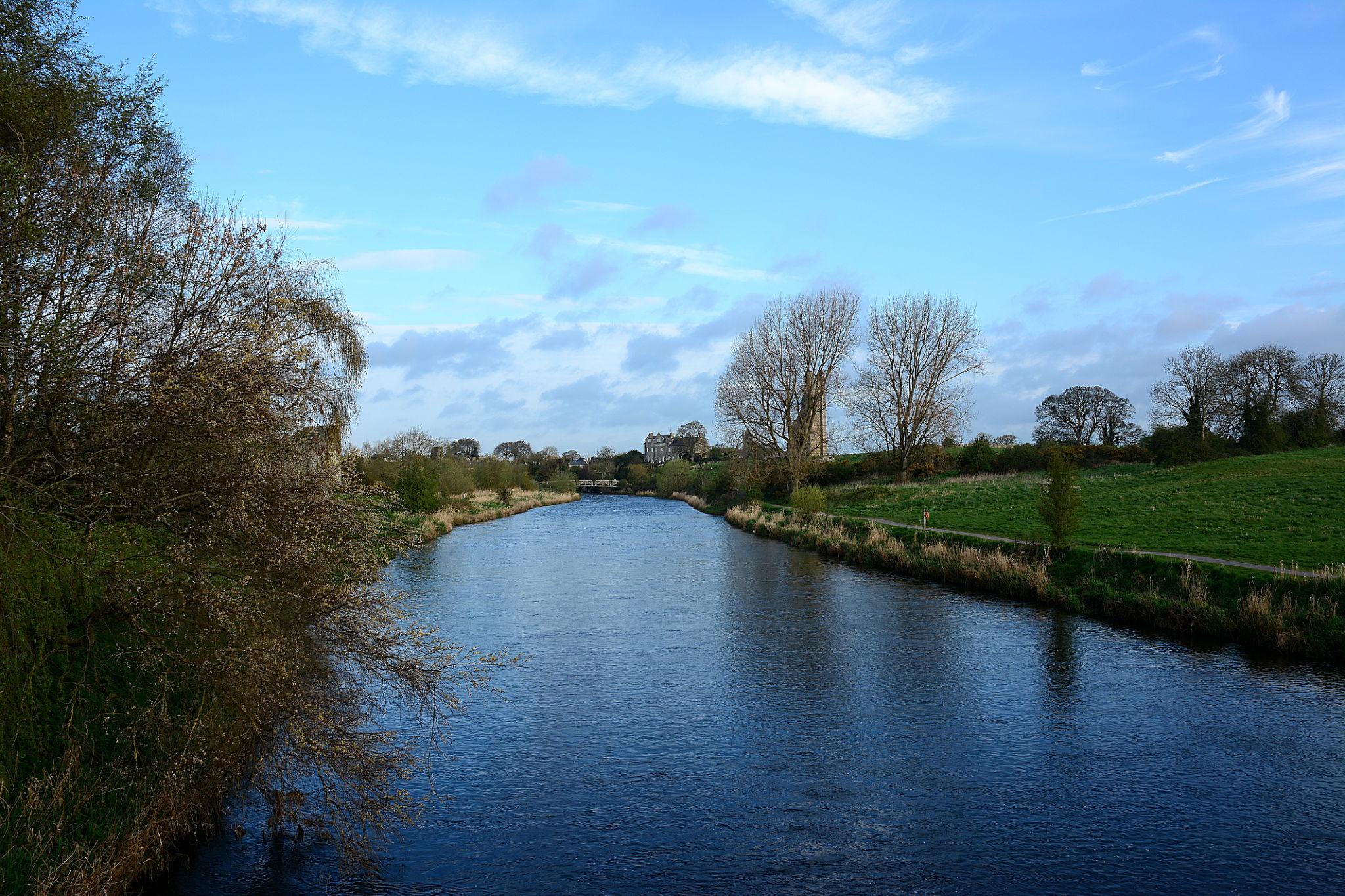
This is a limestone lowland river of classic Irish character: broad glides, defined holding pools, gravel runs, and gentle meanders framed by rich farmland and mature tree lines. Unlike the large spate systems of Connacht, the Boyne is structured and readable. It rewards anglers who take the time to understand where fish rest, how they move after fresh water, and how to present a fly in moderate, clear-running flows.
Salmon are the headline species. The Boyne receives spring fish, a strong grilse run from late May through July, and autumn fish in the right conditions. After a rise in water level following rainfall, fish redistribute through the system — fresh into tidal water near Drogheda, resting in the classic pools of the Slane and Navan reaches before pushing further upstream. This responsiveness to fresh water is the Boyne's defining rhythm for the salmon angler.
Wild brown trout fishing is excellent throughout the catchment and often underappreciated by visitors who come purely for salmon. The limestone influence sustains consistent aquatic insect life, and hatches of olives, march browns and sedges produce some fine dry fly fishing from April through the summer evenings. The upper Boyne above Navan has a more intimate, stream-like character that suits the trout angler well.
The Boyne also carries a strong population of coarse fish — roach, bream, hybrids, perch, dace, chub, and pike — in its slower, deeper stretches. This makes it one of the few Irish rivers where a family or mixed-ability group can fish together, each targeting different species on the same day.
Proximity to Dublin Airport (under an hour) makes the Boyne one of Ireland's most practical destinations for visiting anglers. Bases at Slane, Navan, and Drogheda offer good accommodation, and guided salmon fishing can be arranged for those unfamiliar with the system. The Boyne rewards preparation, patience, and attention to water conditions — but it is never far from spectacular fishing when the river is right.
Pike: October, November, December, January, February
Grilse: June, July
Brown Trout: April, May, June, July, August, September
Spring Salmon: March, April, May
Difficulty
Intermediate
Access & bases
The River Boyne is highly accessible, particularly through County Meath. The main angling bases are Drogheda (lower river), Slane, Navan, and Trim. Road access is generally good throughout the system. Anglers should respect farmland boundaries and obtain the appropriate stretch permits before fishing — most beats are controlled by local angling clubs. Guided fishing is available on select stretches. Tidal awareness is required when fishing near Drogheda.
Signature features
East Coast Salmon Fishery
The Boyne is one of Ireland's most important salmon rivers on the east coast — a practical alternative to the better-known western systems for anglers based in Dublin or travelling through Dublin Airport. It is intimate and technical rather than vast, and this structure rewards skilled presentation over brute casting.
Defined Holding Pools
Classic named pools throughout the Slane and Navan reaches hold salmon during migratory pauses. After a spate, fish redistribute through runs and tailouts before settling — reading this redistribution is the key skill for Boyne salmon anglers.
Limestone Character
The Boyne's limestone substrate supports consistent aquatic insect life year-round. This sustains healthy wild brown trout populations and produces reliable hatch activity from spring through summer — a quality that many east coast rivers lack.
Multi-Species Versatility
Few Irish rivers offer legitimate salmon, trout, and coarse fishing within the same accessible system. This makes the Boyne one of Ireland's most practical destinations for mixed-species trips, family groups, and anglers who want variety across a short break.
Season by season
March – April
Early season salmon fishing with larger flies in cooler water. Brown trout fishing opens from 15 March, with nymph and wet fly most productive before insect hatches establish. The river can run high and coloured after winter rainfall — patience and flexibility with fly size are important.
May – June
One of the most productive periods on the Boyne. Grilse begin entering the system and the first sustained runs appear after fresh water. Brown trout come onto the dry fly as olive hatches peak. Settled, mild conditions with stable water levels suit both species. Evening sessions extend noticeably as the days lengthen.
July – August
Low water conditions require stealth and reduced fly size for salmon. Early morning and late evening sessions are most productive. Brown trout fishing excels on summer evenings with sedge, spinner and small terrestrial patterns. Coarse fishing peaks in warm, settled weather.
September – October
Autumn spates can produce excellent salmon fishing as fish push through ahead of the season close. Brown trout season closes at end of September. Pike fishing strengthens as water temperatures drop. Coarse fishing remains good into autumn.
Best conditions
Based on 0 reports, these conditions consistently produce the best fishing on River Boyne:
Fish larger flies in the colder water of early season. Present across current seams at moderate depth with a controlled swing. Work the classic holding pools methodically, stepping downstream between casts. The fish are slower to move in cold water — give each lie time before moving on.
⚠️Common mistake: Fishing too fast through the pools without allowing the fly to complete a full, slow swing across the likely lies.
Switch to smaller doubles and trebles as water warms and fish freshen. Subtle colours work well in clear conditions — reduce leader diameter proportionally. Fish are more active and will move further to take. After a rise in water, cover tails of pools and running water where fresh fish rest before pushing on.
⚠️Common mistake: Continuing with spring fly sizes into the grilse period. Smaller, sparser patterns in clear water are consistently more effective from late May onward.
Size down significantly in low, clear conditions. Fish hold in deeper slots and undercut banks — presentation must be precise and unhurried. Early morning and late evening are the most productive windows. Avoid repeated casting over the same lie; fish in clear summer water are easily disturbed.
⚠️Common mistake: Fishing through the midday hours in low summer water. Success rates drop sharply between 10am and 6pm — patience and timing matter more than effort in these conditions.
Brown Trout (April–September)
Patterns
March BrownHare's Ear NymphPheasant Tail NymphCDC DrySedgeSpinner
Early season rewards nymph and wet fly fished in the upper and middle reaches. From late April, watch for olive hatches on calm stretches and present dry flies with a delicate drag-free drift. Summer evenings are the prime window — sedge patterns and spinners in the last hour of light produce fish that have been inactive all day.
⚠️Common mistake: Over-casting and wading too early. Boyne trout fishing rewards observation — watch for rises and feeding activity before entering the water, and keep your approach low and slow.
Pike & Coarse (Autumn–Winter)
Patterns
Large soft plasticsJointed crankbaitsDeadbait (winter)
Target pike in slower, deeper bends and slack water from October through February. Lure fishing with large soft plastics and jointed baits covers water efficiently. For coarse species, feeder fishing with groundbait brings bream and hybrids into range — maggot and caster on the float for roach in the evening.
⚠️Common mistake: Fishing pike lures too quickly in cold water. Slowing the retrieve significantly in winter temperatures consistently produces more takes.
Core technique
Salmon Fly Fishing the Boyne
1Identify the seam between fast and slow water — this is where salmon rest. On the Boyne, these seams are defined and consistent, making water reading learnable.
2Cast across and slightly downstream, allowing the fly to swing across the current at controlled tension. The speed of the swing is determined by mending — upstream mend to slow, downstream to speed up.
3Cover water in measured steps downstream after each cast. Work the entire pool before moving on. On the Boyne, thorough coverage of known lies is more productive than repeated casting to one spot.
4Adjust depth before changing fly. If you are not connecting, lengthen or shorten the leader before switching patterns — fly depth is often the issue rather than the pattern itself.
5After fresh water, check the tails and shallower holding areas first. Fish that have just entered the system often rest in less obvious water before pushing upstream to the main pools.
💡 The Boyne is a technical river. Unlike large western spate systems where presentation mechanics matter less, accuracy and fly control here are what separate consistent anglers from those who blank. Time spent reading the water before casting is never wasted.
What works here
Flies and methods reported most successful by the community.
Where to Fish at River Boyne
Lower Boyne — Drogheda Area
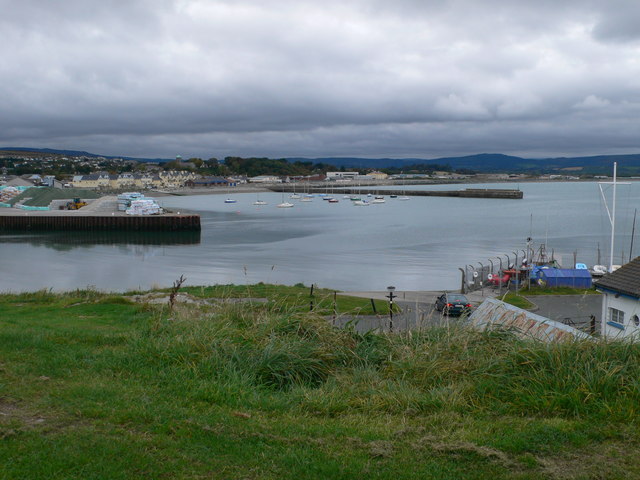
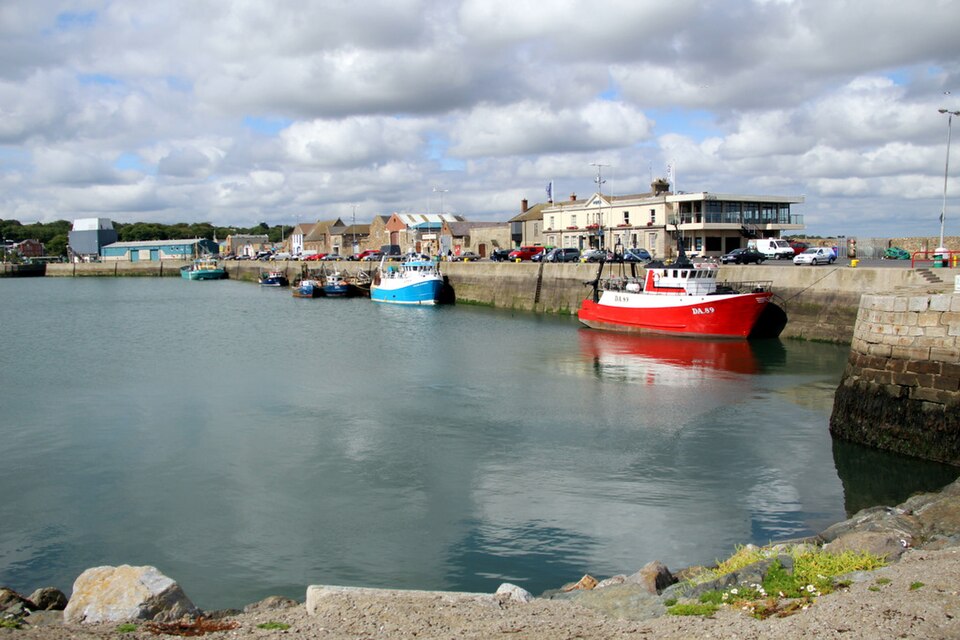
Tidal influence makes this prime salmon entry water. Fish moving from the Irish Sea pass through structured pools and glides before the fresh water begins. Access from Drogheda town and surrounding areas. Tidal awareness is essential.
Middle Boyne — Slane to Navan
The most celebrated stretch for salmon and trout fishing. Classic named pools, balanced flows, and defined holding water make this the heartland of Boyne angling. Most guided fishing and club permits operate in this section.
Upper Boyne — Trim to Kildare
A more intimate, stream-like character above Navan. Strong wild brown trout presence and productive coarse fishing in the slower stretches. Less pressure than the middle river and excellent trout habitat.
Suggested trip formats
🎣 2-Day Salmon Break
Base in Slane or Navan for easy access to the best middle river beats. Fish morning and evening sessions with a break at midday in low summer water. Arrange a day's guided fishing on arrival to learn the key lies — this pays dividends on the second day fishing independently.
🎣 Mixed Species Weekend
Day one targeting salmon on the middle river, day two switching to wild brown trout on the upper Boyne or pike on the lower reaches. The Boyne's versatility makes this a genuinely satisfying two-day programme for the all-round angler.
🎣 Family Angling Break
Combine coarse fishing and light trout fishing on accessible stretches. The slower middle and lower river reaches provide safe, productive coarse fishing for beginners and younger anglers, while more experienced members of the group can explore the salmon and trout fishing nearby.
Conservation & stewardship
🌿
The River Boyne operates under conservation-focused salmon management set by Inland Fisheries Ireland. Many stretches encourage or require catch and release for salmon — always confirm the rules for your specific beat before fishing. Use barbless or de-barbed hooks where possible, minimise handling time, and keep fish in the water during release. Respect spawning areas in the upper catchment from autumn onward. The health of east coast salmon stocks depends on responsible angling practice from every angler on the river.
A State Salmon Licence (IFI) is required for salmon and sea trout fishing. Additional local club or fishery permits are required depending on the stretch — always confirm before fishing.
Main access: Guided salmon fishing is available on select stretches — local guides can be arranged through the main angling clubs or accommodation providers in Slane and Navan, Navan Anglers and local tackle shops in Navan and Drogheda stock permits and local knowledge on current conditions, Boyne Regional Fisheries and local angling clubs manage most of the middle and lower river beats