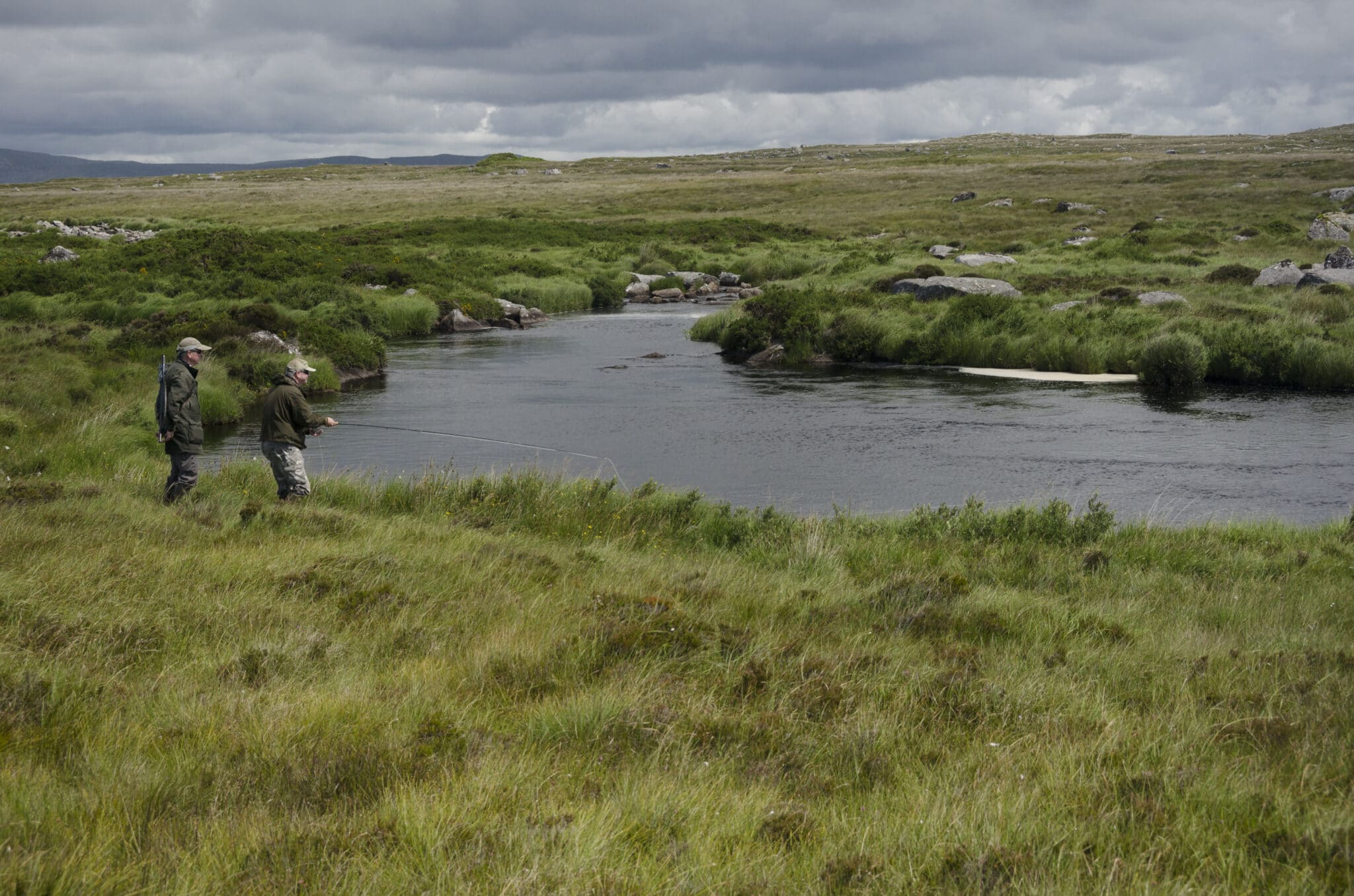
📍Galway · West📋IFI (Republic of Ireland)Season Open
3Species Present
County
Galway
Region
West
Type
River
Species
Brown Trout, Atlantic Salmon, Sea Trout
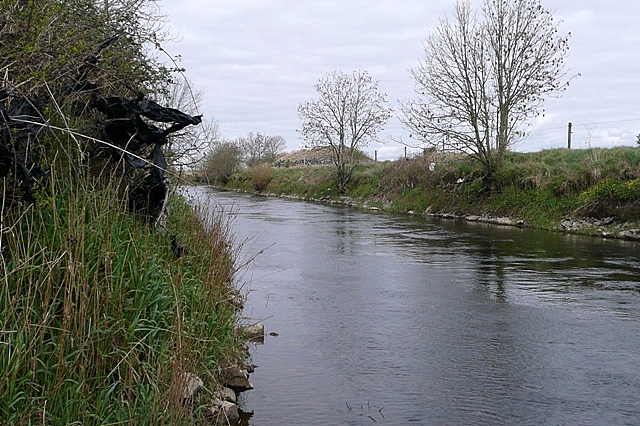
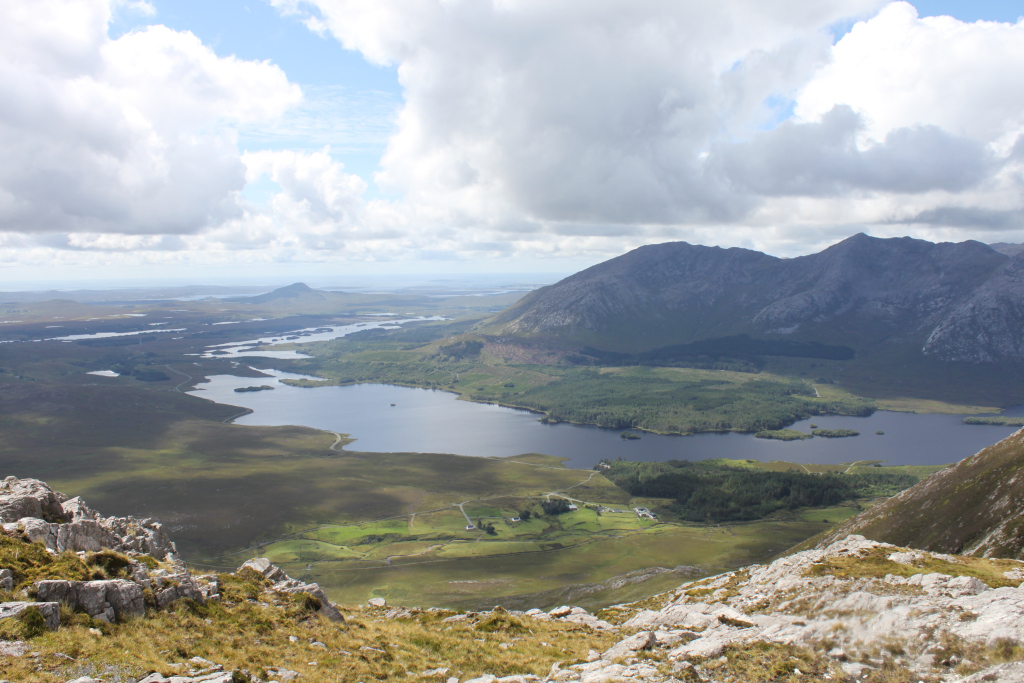
The River Clare is the most important tributary of Lough Corrib and one of the most significant salmon spawning rivers in the west of Ireland. Rising in upland limestone country north of Tuam, the river flows south-west through the agricultural lowlands of east Galway before entering the northern basin of Lough Corrib near Claregalway. It is a water of quiet authority — not dramatic in the manner of the great spate rivers, but fundamental to the ecology and angling character of the entire Corrib system.
As a medium-sized limestone river, the Clare possesses the qualities that make for first-rate trout fishing: clear water under stable conditions, structured glides with defined holding lies, undercut banks that shelter resident fish, and a rich invertebrate population driven by the alkaline geology. Good hatches of olives, sedges and spinners punctuate the season from March through September, and the river supports a healthy population of wild brown trout that typically average between half a pound and a pound, with larger fish present in the deeper pools and bends.
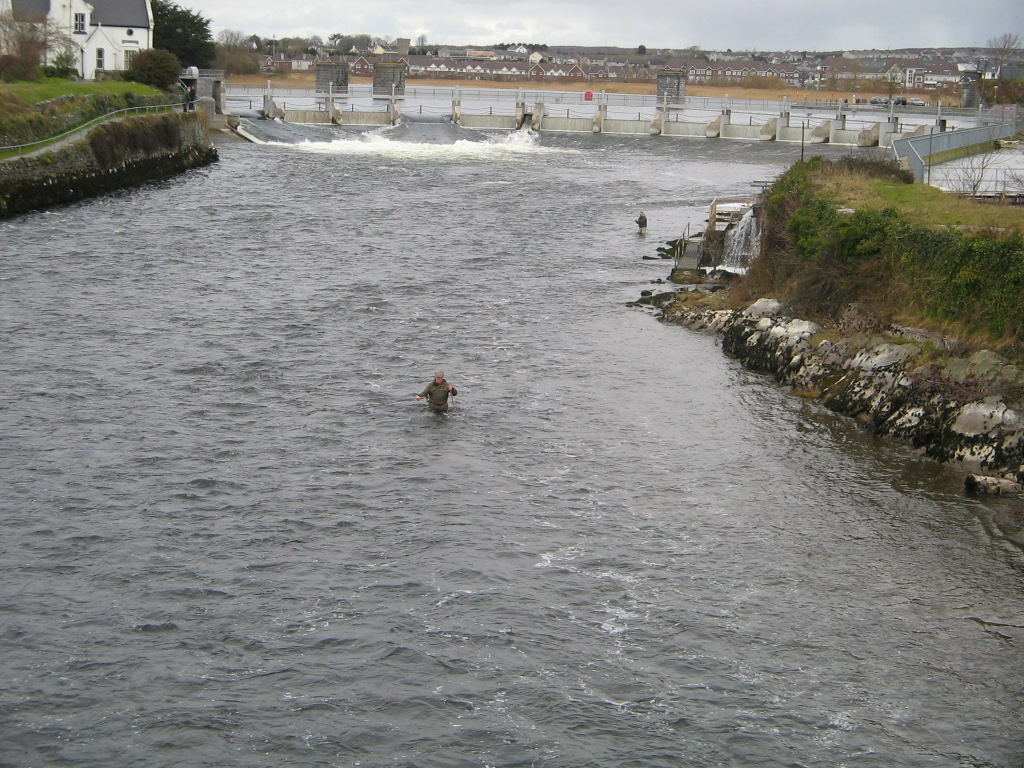
Beyond its trout credentials, the River Clare carries very significant runs of Atlantic salmon and sea trout, serving as the single most important spawning tributary in the Corrib catchment. Six angling clubs manage fishing along different stretches, from upstream of Milltown right down to Lough Corrib, and the river attracts both local and visiting anglers throughout the season. Salmon fishing runs from March to September, with summer grilse providing the most consistent sport when water levels cooperate.
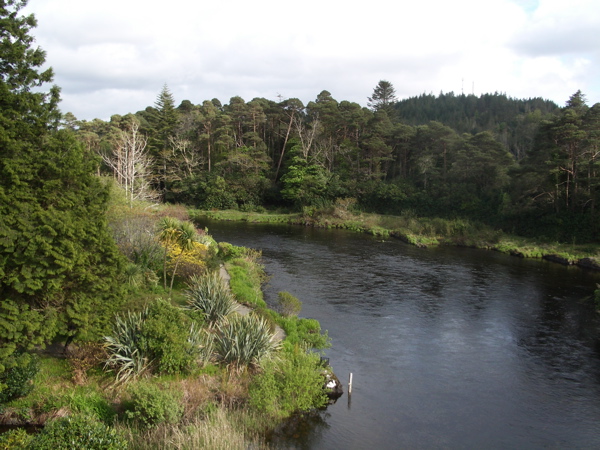
For serious anglers familiar with Lough Corrib, the River Clare represents a complementary and technically engaging experience — a chance to swap the open-water drift for a more intimate pursuit along wooded banks and limestone glides. The river's proximity to Galway City also makes it a convenient option for visiting anglers who want to combine Corrib lake fishing with a day on the tributaries.
Water clarity and height are the governing factors on the Clare. In stable, moderate conditions, presentation matters enormously — light tippets, careful wading and accurate casting are rewarded. After rainfall, the river colours and rises, creating opportunities for salmon anglers as fresh fish push upstream. The falling water after a spate often provides the best window for both salmon and trout.
The River Clare is a water that rewards observation, patience and an understanding of limestone river ecology. It may lack the drama of a west coast spate river, but its consistency, accessibility and ecological importance make it an essential part of the Corrib angling landscape.
Salmon: May, June, July, August
Brown Trout: March, April, May, June, September
Difficulty
Intermediate
Access & bases
The River Clare is managed across multiple stretches by six angling clubs and Inland Fisheries Ireland. Access varies — some stretches run through farmland and require landowner permission. Permits are required on all stretches. Key fishing centres include Claregalway, Milltown, Tuam and Corofin. The river's proximity to Galway City (approximately 15 minutes from Claregalway) makes it one of the most conveniently located trout rivers in the west. Bank fishing predominates throughout — boat fishing is not applicable.
Signature features
Limestone Clarity and Hatch Quality
The Clare's limestone geology produces water of exceptional clarity under stable conditions, supporting rich invertebrate populations. Hatches of blue-winged olives, iron blues, various sedges and spinners provide consistent fly fishing opportunities throughout the season. This clarity demands refined presentation — heavy leaders and clumsy casts are punished — but rewards careful work with responsive, well-conditioned trout.
Corrib System Connectivity
As the most important spawning tributary of Lough Corrib, the River Clare plays a vital ecological role that extends far beyond its own banks. The health of the Clare directly influences trout and salmon populations across the entire Corrib system. This connectivity also means that fish moving between the lake and river create dynamic angling opportunities, particularly during spawning migrations.
Structured Lowland Character
The Clare's moderate gradient and defined channel structure create classic trout holding water — structured glides, undercut banks, deeper bends and tail-outs that can be read and fished systematically. This is a river that rewards watercraft and observation over brute force, making it an excellent venue for anglers who enjoy the intellectual challenge of river trout fishing.
Season by season
March – April
The trout season opens with fish becoming increasingly active as water temperatures rise. Early-season nymphing and wet fly fishing can be productive, particularly in the moderate-depth runs and glides before aquatic vegetation grows thick. This is also the window for early spring salmon, though water levels must be sufficient for fish to run.
May – June
The best all-round period on the Clare. Olive and sedge hatches intensify, bringing trout onto the surface with increasing regularity. Dry fly opportunities develop, particularly during afternoon olive hatches and evening sedge activity. Salmon fishing improves as grilse begin their runs, with rising water after rainfall creating the best opportunities.
July – August
Summer fishing focuses on early morning and late evening sessions, as bright conditions and weed growth can make daytime fishing challenging. Evening sedge hatches are the highlight, with fish rising freely in the fading light. Salmon continue to run when water levels allow, and summer spates can trigger intense activity.
September
The final month of the season often produces excellent fishing, with trout feeding heavily and salmon present in the pools. Water temperatures begin to moderate, and fish become less wary than during the bright summer months. This is also a critical time for spawning preparation — catch-and-release is strongly encouraged.
Best conditions
Based on 0 reports, these conditions consistently produce the best fishing on River Clare:
💨
Light — sheltered river fishing
Best wind
☁️
Overcast with mild temperatures
Best sky
🌡️
8–16°C
Water temp
⏰
Early season: midday warmth; Summer: evening rise; Salmon: falling water after rain
Best window
Seasonal fly & tactics guide
Early Season (March – April)
Patterns
Pheasant Tail NymphHare's Ear NymphDark Olive WetMarch Brown Spider
Focus on upstream nymphing in the moderate-depth runs and glides. Fish slightly deeper water before vegetation grows. Use small, sparse patterns that sink quickly and present naturally in the clear water. The heads and tails of glides are the primary target areas — trout hold where current speed changes.
⚠️Common mistake: Using too much weight in clear water, creating splash on entry that spooks fish in the shallow, transparent conditions.
Surface activity increases significantly through May. Watch for afternoon olive hatches and match the hatch with appropriately sized dry flies. Wet fly teams fished across-and-down remain effective in faster water. The transition period when fish begin moving to surface food is one of the most rewarding times to fish the Clare.
⚠️Common mistake: Fishing too heavy when conditions call for delicacy — switch to 4X or 5X tippet when fish are rising to small olives.
Evening sessions are the highlight. Wait for sedge activity in the last two hours of light, then fish bushy dry flies on a dead drift or with a gentle skate across the surface. Light tippet is essential. Focus on slower glides and the tails of pools where trout rise confidently in the fading light.
⚠️Common mistake: Fishing too aggressively during bright daytime conditions when trout are tucked under weed beds and banks — better to save energy for the evening rise.
Late Season (September)
Patterns
Daddy LonglegsSpent SedgePheasant Tail NymphOlive Dun
September fishing benefits from moderating temperatures and less weed growth. Fish become more active throughout the day, and larger specimens feed more boldly. Nymphing and wet fly methods regain effectiveness as daytime conditions improve. Handle all fish carefully and practise catch-and-release — many trout will be preparing to spawn.
⚠️Common mistake: Retaining trout in September when they should be released to complete spawning.
Core technique
Upstream Nymphing in Limestone Rivers
1Approach each pool or glide from downstream, staying low and using bankside cover. The Clare's clear water transmits disturbance quickly.
2Keep the leader short and direct — maintain close contact with the nymph by fishing a short line with minimal slack.
3Cast upstream into the head of the glide and allow the nymph to sink and drift naturally with the current. Adjust depth by adding or reducing weight minimally.
4Watch the leader tip or a small indicator for any hesitation, deviation or draw under — takes in cool water are often subtle.
5Strike on any suspicion. A gently tightened line is preferable to a dramatic strike that risks breaking light tippet.
6Target the transitions — where fast water meets slow, where the head of a glide deepens, and where undercut banks create sheltered lies.
💡 This technique is especially productive in early season before surface hatches dominate. In clear limestone water, the quality of your drift matters more than the specific fly pattern.
What works here
Flies and methods reported most successful by the community.
Where to Fish at River Clare
Upper Reaches (Near Tuam)
The narrower upper sections offer intimate fishing in a more enclosed channel. Early-season trout fishing with nymphs and small wets is productive here. Managed by Tuam Anglers Association — permits required.
Mid-River (Corofin to Milltown)
Defined glides and holding runs create classic trout and salmon water. This section offers the best combination of depth and structure for fly fishing. Several angling clubs manage fishing here, and the remedial works completed with IFI support have improved habitat quality.
Lower River (Claregalway to Lough Corrib)
The wider, slower lower stretches offer evening dry fly potential for trout and hold salmon as they move upstream from the lake. Some coarse fish species are present in the deeper, slower pools. Accessible from Claregalway with parking nearby.
Suggested trip formats
🎣 Early Season Technical Day
A full day of upstream nymphing and wet fly fishing on the mid-river stretches during March or April. Ideal for anglers who enjoy precision presentation in clear limestone water. Combine with an afternoon exploring different beats.
🎣 Corrib and Tributary Combination
Spend the morning drift fishing on Lough Corrib, then move to the River Clare for an evening dry fly session during sedge activity. The contrast between open-water lake fishing and intimate river work makes for a memorable and varied day.
🎣 Galway Short Break
Base in Galway City and combine a half-day river session on the Clare with cultural sightseeing. The river is just fifteen minutes from the city centre, making it one of the most accessible quality trout rivers in Ireland.
Conservation & stewardship
🌿
As the most important spawning tributary of Lough Corrib, the River Clare carries enormous ecological responsibility. Anglers should practise strict catch-and-release for trout, particularly in September when fish are preparing to spawn. Avoid wading through known spawning gravels (redds), minimise bank erosion by using established access points, and respect agricultural land boundaries. The ongoing collaboration between local angling clubs, Inland Fisheries Ireland and landowners in maintaining habitat quality on the Clare is essential to the wider Corrib ecosystem.
Frequently asked questions
Before You Go — Key Regulations
Jurisdiction
Republic of Ireland (IFI)
Season
March 1 – September 30
Licence required
Yes — State Salmon Rod Licence
Brown trout season runs from 1 March to 30 September. Salmon season typically March to September — a state salmon licence and local permit are required.
Main access: Guide services available through Corrib-based angling centres in Oughterard, Headford and Cong, Tackle available in Galway City; permits from local angling clubs, Milltown Angling Club, Tuam Anglers Association, Corofin Fishing Association — all active in river conservation