📍Fermanagh · Northern Ireland📐161.71 km²📋DAERA (Northern Ireland)Season Open
7Species Present
County
Fermanagh
Region
Northern Ireland
Type
River
Surface area
161.71 km²
Depth
12 m
Species
Atlantic Salmon, Brown Trout, Ferox Trout, Pike, Roach, Bream +1 more
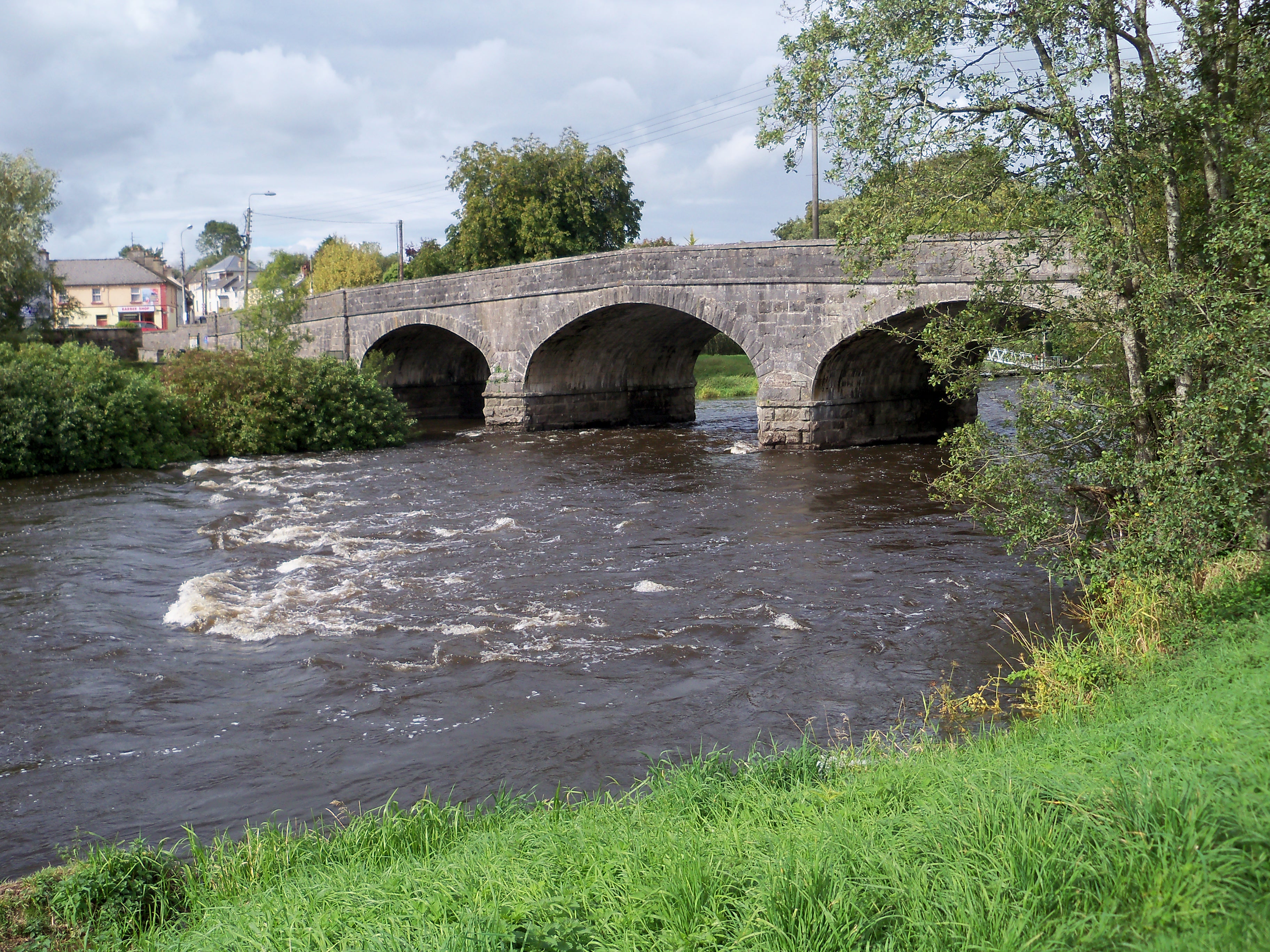
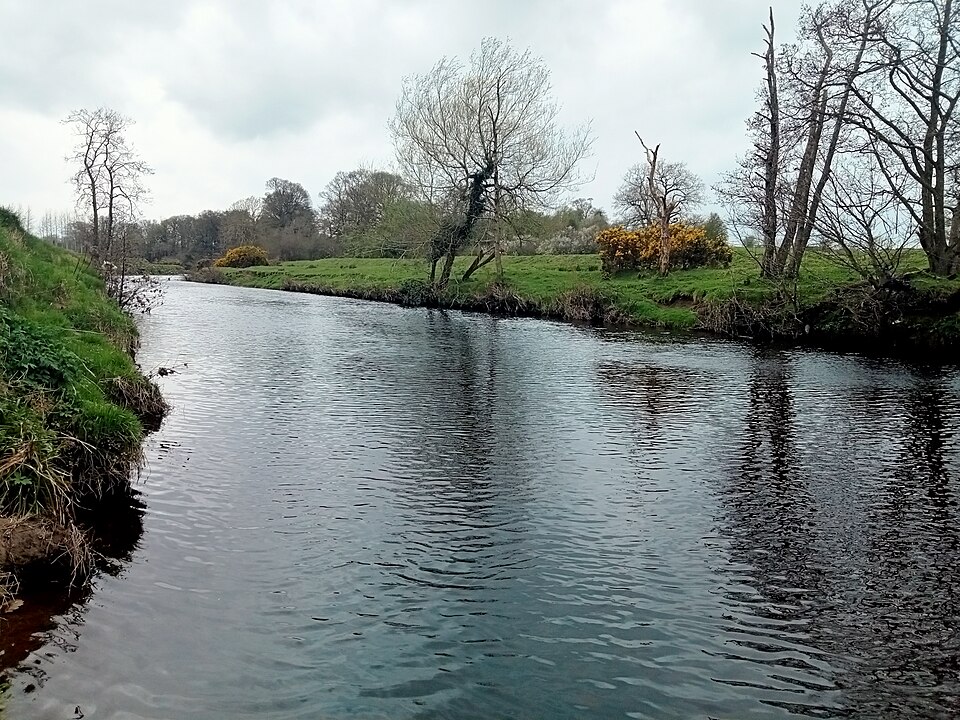
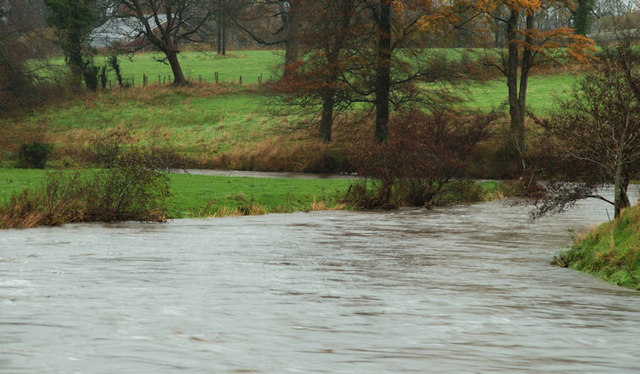
The River Erne is one of Ireland's great water systems — broad, complex and quietly powerful. Rising near Slieve Glah in County Cavan and flowing north through Upper and Lower Lough Erne before entering Donegal Bay at Ballyshannon, it forms a vast mosaic of lakes, channels, islands and managed river sections centred around Enniskillen. At approximately 120 kilometres in length with a total catchment area of over 4,370 square kilometres, it is the second-longest river in Ulster.
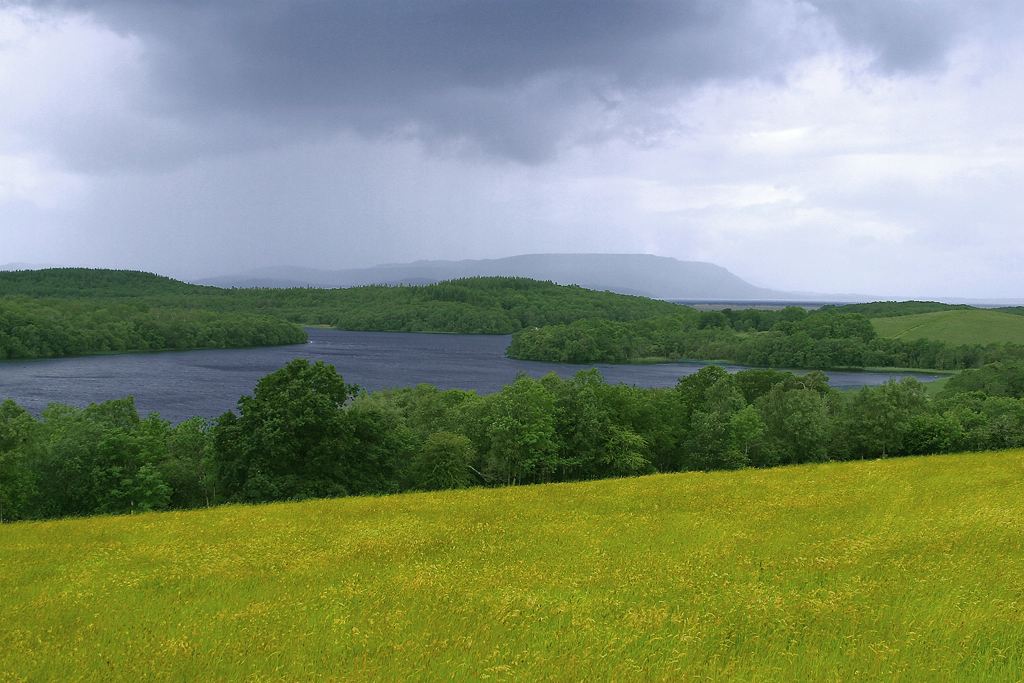
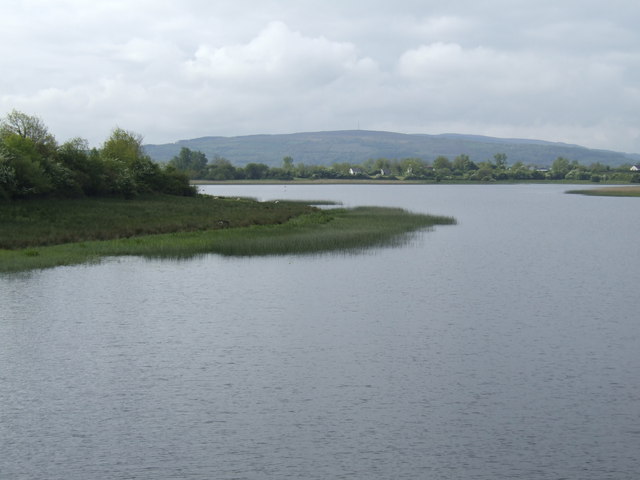
The Erne system is defined by scale and diversity. It is neither a pure river fishery nor a simple lake system. Instead, it is an interconnected hydrological network supporting Atlantic salmon, wild brown trout, ferox trout, pike and coarse species across varied habitats. Upper Lough Erne alone covers nearly 5,800 hectares with over 150 wooded islands creating a maze-like landscape, while Lower Lough Erne extends to over 10,300 hectares with depths reaching 60 metres.
For serious anglers, the Erne offers strategic fishing rather than casual opportunity. Success comes from understanding water movement between lough and river, seasonal fish behaviour, and the influence of managed flows below Enniskillen. The system's character shifts dramatically from the intimate Cavan headwaters to the expansive marl shallows of Upper Lough Erne, through to the structured flows of the Lower Erne tailrace.
Upper Lough Erne has long been recognised as one of Ireland's premier pike waters, producing specimen fish above 30lb through structured habitat and rich prey availability. Lower Lough Erne, meanwhile, is designated as a game fishery supporting trout of five kilograms and above. The cross-border nature of the system — flowing through the Republic and Northern Ireland — adds regulatory complexity but also increases its appeal as a multi-species destination.
The Erne is a river that rewards local knowledge. Wind direction on Upper Lough Erne significantly influences trout drift fishing, light south-westerlies creating productive drifts along marl shallows. Salmon timing in the Lower Erne depends on managed discharge patterns and seasonal migration from the Atlantic. Whether targeting specimen pike among the islands, drifting for wild brown trout on the lower lough, or fishing salmon in the tailrace sections, the Erne system delivers angling of genuine quality and variety.
Pike: October, November, December, January, February, March
Ferox: October, November, December
Salmon: June, July, August
Brown Trout: May, June, July
Difficulty
Intermediate
Access & bases
Primary base is Enniskillen. Boat hire available on Upper Lough Erne with numerous slipways and public access points. Lower Erne salmon fishing is typically club-controlled or permit-based. Upper Lough Erne requires careful navigation among islands. Both bank and boat fishing available depending on section.
Signature features
Interconnected Lough-River Dynamics
Unlike many Irish rivers, the Erne is governed by large lake bodies. Fish movement, feeding behaviour and water temperature are all influenced by lough conditions, creating a uniquely complex system.
Island Archipelago
Upper Lough Erne contains over 150 wooded islands and shallow marl bays, creating diverse holding water for trout and prime ambush territory for pike. Navigation requires care but rewards exploration.
Managed Lower River Flows
Below Enniskillen, the Lower Erne's salmon fishery benefits from regulated discharge patterns. Water height shifts influence salmon holding behaviour and create defined fishing windows.
Specimen Pike Fishery
Upper Lough Erne has produced pike exceeding 30lb and is consistently ranked among Ireland's top pike destinations. Rich prey populations and complex habitat support a healthy specimen population.
Season by season
March – May
Trout season opens. Buzzer and early sedge patterns produce sport on Lower Lough Erne. Traditional wet flies effective during drift fishing. Pike remain active in cooler water.
May – June
Mayfly activity on suitable marl shallows in Upper Lough Erne. Dry mayfly patterns in calm conditions. Salmon begin entering the Lower Erne system with grilse runs building.
July – August
Evening sedge fishing improves on both loughs. Salmon fishing peaks in the Lower Erne tailrace. Pike respond to jerkbaits and soft plastics around weed beds. Coarse fishing productive in sheltered bays.
September – October
Ferox trolling begins along drop-offs with deep-diving lures. Pike deadbaiting becomes increasingly effective as temperatures fall. Trout season closes at end of September.
Best conditions
Based on 0 reports, these conditions consistently produce the best fishing on River Erne:
💨
Light SW for trout drifts
Best wind
☁️
Overcast with breaks
Best sky
🌡️
12–16°C for trout
Water temp
⏰
All day during hatch; dawn/dusk in summer
Best window
Seasonal fly & tactics guide
Spring (March – May)
Patterns
Green PeterBibioMallard & ClaretBuzzer
Trout respond to buzzer and early sedge patterns on Lower Lough Erne. Traditional wets fished in teams of three during controlled drifts across marl shallows. Salmon anglers use small to medium spring patterns in the Lower Erne tailrace.
⚠️Common mistake: Drifting too quickly over feeding fish and fishing too deep during early hatch conditions.
Early Summer (May – June)
Patterns
Mayfly DryGreen DrakeSpent GnatGrilse Tubes
Mayfly activity on Upper Lough Erne marl shallows. Size 8-10 dry patterns in calm conditions. Salmon anglers switch to medium tubes or doubles during building grilse runs.
⚠️Common mistake: Ignoring windward shores where natural flies concentrate.
High Summer (July – August)
Patterns
Small SedgeSilver TubesJerkbaits
Evening sedge fishing improves on both loughs. Smaller salmon flies in clear water. Pike respond to jerkbaits and soft plastics around weed beds in Upper Lough Erne.
⚠️Common mistake: Fishing through the bright midday period when trout retreat to deeper water.
Autumn (September – October)
Patterns
Deep-Diving LuresDeadbaitLarge Soft Plastics
Ferox trolling along drop-offs with deep-diving lures. Pike deadbaiting becomes highly effective in cooling water. Target structured areas around islands and weed edges.
⚠️Common mistake: Retrieving lures too quickly in cold water when pike prefer a slower presentation.
Core technique
Drift Fishing on Upper Lough Erne
1Position boat to drift naturally across marl shallows under wind influence.
2Fish a team of three flies — top dropper, middle dropper and point fly — on a floating or intermediate line.
3Align drift with wind to cover feeding zones along island margins and shoal edges.
4Maintain controlled boat speed using a drogue in stronger conditions.
5Work flies through wave troughs and adjust leader length for wave height.
💡 Common visitor mistakes include drifting too quickly and fishing too deep during hatch conditions. Wind management separates productive sessions from frustrating ones.
What works here
Flies and methods reported most successful by the community.
Where to Fish at River Erne
Upper Lough Erne
Marl shallows and island fringes provide prime trout drift water. Weed beds and reed margins support the exceptional pike fishery. Sheltered bays offer productive coarse fishing.
Lower Lough Erne
Deeper structured trout water designated as a game fishery. Drop-offs around islands hold ferox trout. Wind lanes across open bays create productive drift lines.
Lower River Erne
Tailrace sections below Enniskillen provide salmon fishing under managed flow conditions. Structured holding pools in managed flow stretches offer defined salmon lies.
Suggested trip formats
🎣 3-Day Mixed Species Trip
Day 1: Trout drift fishing on Upper Lough Erne. Day 2: Pike session around island structures. Day 3: Salmon on Lower Erne tailrace (season permitting).
🎣 Autumn Specimen Trip
Ferox trolling mornings on Lower Lough Erne. Pike deadbait afternoons on Upper Lough Erne. Targeting specimen fish in structured habitat.
Conservation & stewardship
🌿
The Erne system is ecologically significant, supporting interconnected populations across the cross-border catchment. Best practice includes careful handling of salmon and large trout, returning pike unharmed, avoiding disturbance of shallow spawning areas, and strict adherence to cross-border regulations.
Main access: Guide services operate on both Upper and Lower Lough Erne, particularly during peak trout and salmon periods, Tackle and advice available in Enniskillen town centre, Local angling clubs manage beats and access on various sections