📍Galway · West📋IFI (Republic of Ireland)Season Open
3Species Present
River Erriff drains the Mweelrea and Sheeffry Hills of south County Mayo into Killary Harbour, forming the southern boundary of the Mweelrea/Sheeffry/Erriff Complex SAC. It supports an important population of Atlantic salmon and is managed by Inland Fisheries Ireland as one of the state-owned game fisheries of the west of Ireland.
County
Galway
Region
West
Type
River
River system
River Erriff
Species
Atlantic Salmon, Sea Trout, Brown Trout
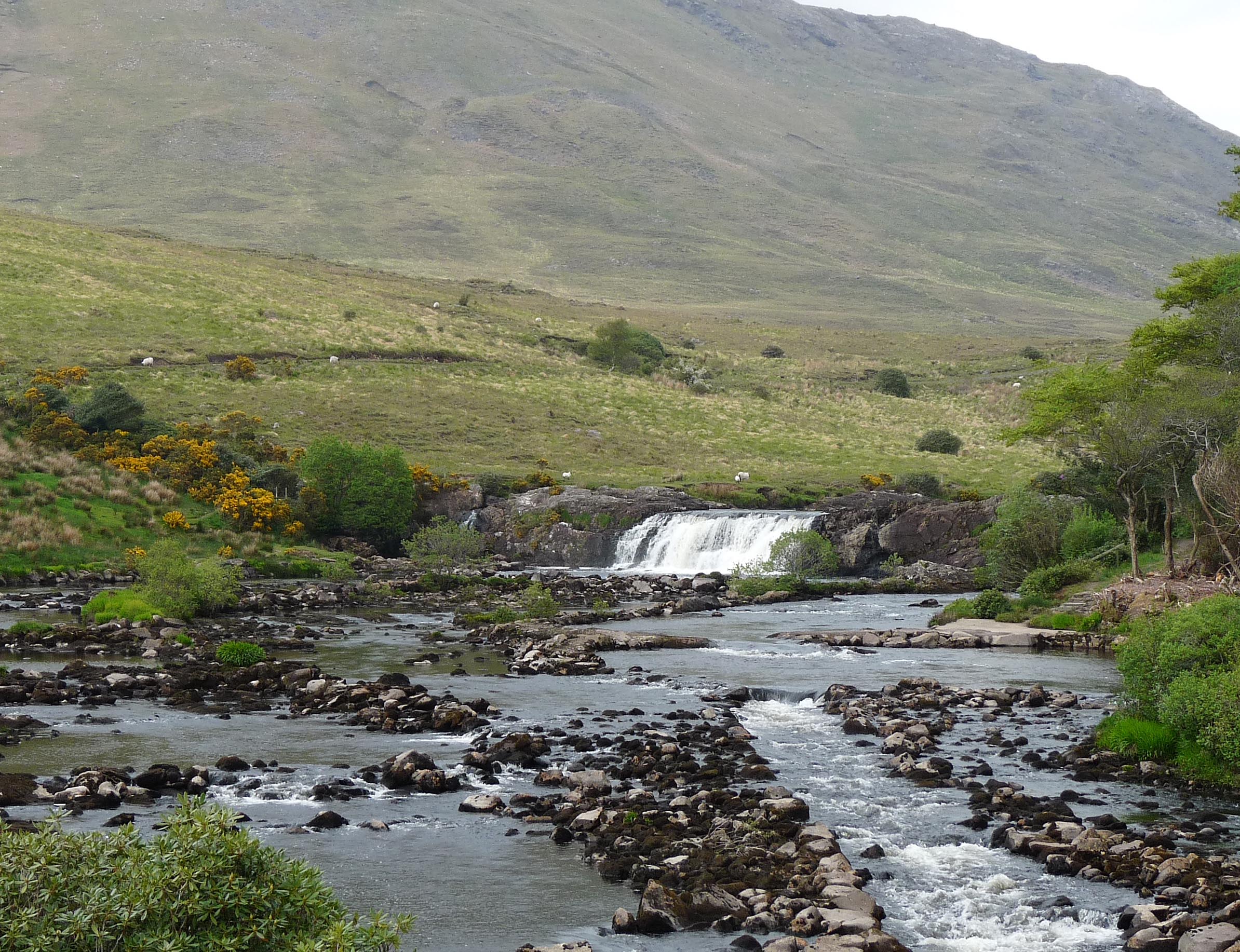
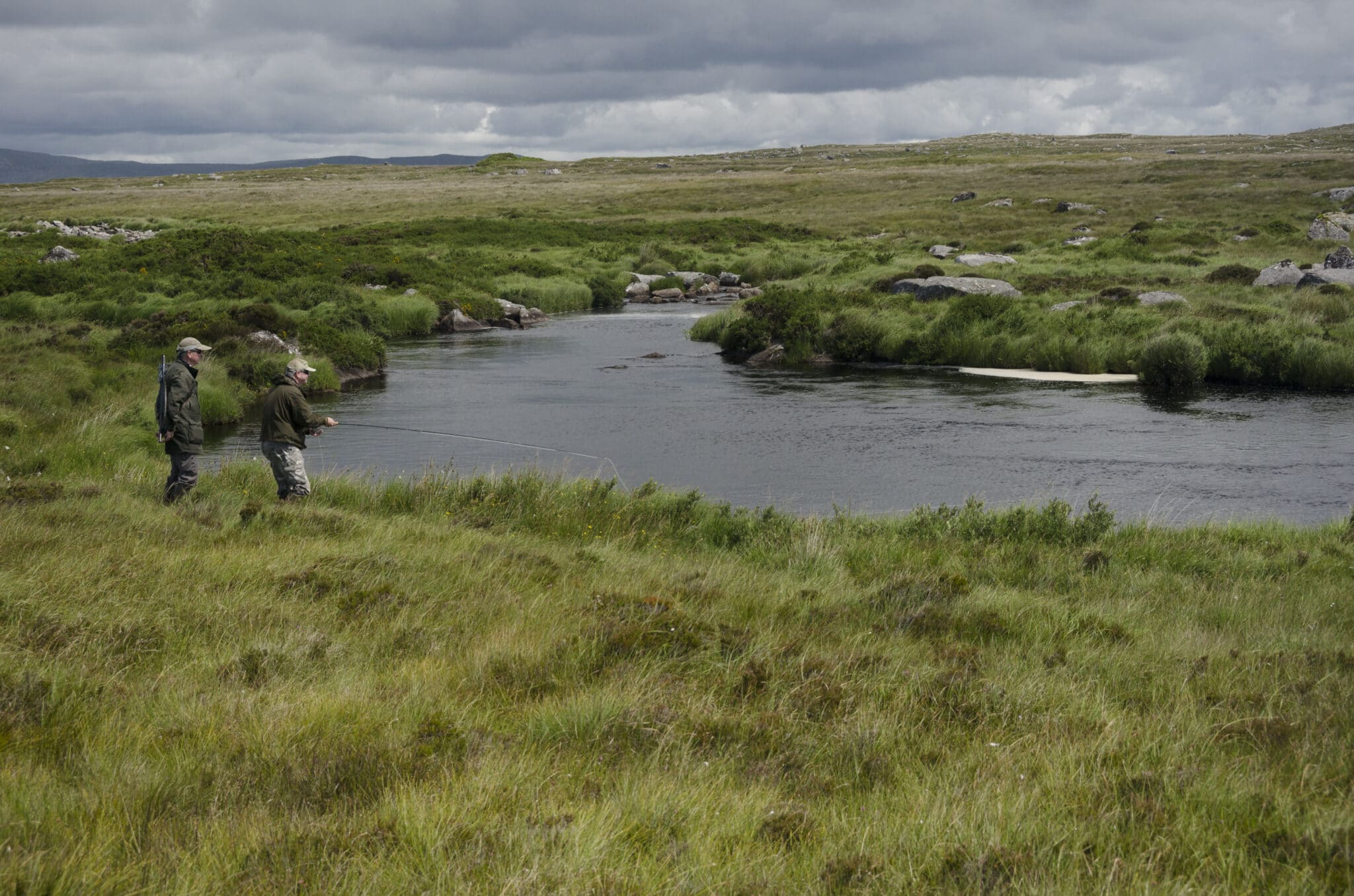
The River Erriff is one of Ireland's most respected and carefully managed west coast salmon fisheries. Flowing from the Sheeffry Hills through a dramatic glacial valley before tumbling over the magnificent Aasleagh Falls and entering Killary Harbour — Ireland's only true fjord — the Erriff combines world-class scenery with classic Atlantic spate river character. It is a water that has drawn distinguished anglers for generations, including Lord Louis Mountbatten and the racing driver Graham Hill, and its reputation endures on the strength of consistent management and reliable sport.
The Erriff Fishery comprises approximately eight miles of prime salmon water, divided into nine beats that are rotated among anglers daily. This structured approach ensures uncrowded fishing — most beats accommodate only two rods, with a maximum of three on the remainder. The result is a civilised, unhurried experience on water that feels genuinely exclusive without the prohibitive costs associated with comparable fisheries elsewhere.
As a spate river, the Erriff's fishing fortunes are tied intimately to rainfall. When fresh water arrives, salmon that have been holding in the tidal reaches of Killary Harbour push rapidly into the lower pools, and fish already in the system are stimulated to move upstream. The defined pool structure — deep holding pools punctuated by lively streams and glides — means that anglers can fish with confidence, knowing that salmon occupy specific, readable lies. Over 60 per cent of the Erriff's annual catch is taken on Beat 9, the lowest beat above the sea, where the iconic Aasleagh Falls form the first significant obstacle for running fish.
The Erriff is primarily a summer grilse river, with the run building from June and continuing through to the end of the season, with July, August and September providing the peak fishing. Spring salmon are present but less numerous, with May typically the best spring month. Sea trout also run the system and can provide excellent sport, particularly during summer evenings in the upper beats and on Lough Tawnyard, a 250-acre lake on the system that holds both sea trout and grilse.
Fly fishing is the primary method, and the river suits a wide range of rod sizes from single-handed ten-foot rods to double-handed Spey rods depending on the beat and conditions. Spinning and other methods may be permitted by the fishery manager in certain circumstances. The combination of clearly defined pools, well-maintained banks, and professional management makes the Erriff an outstanding venue for both experienced salmon anglers and those approaching the discipline for the first time.
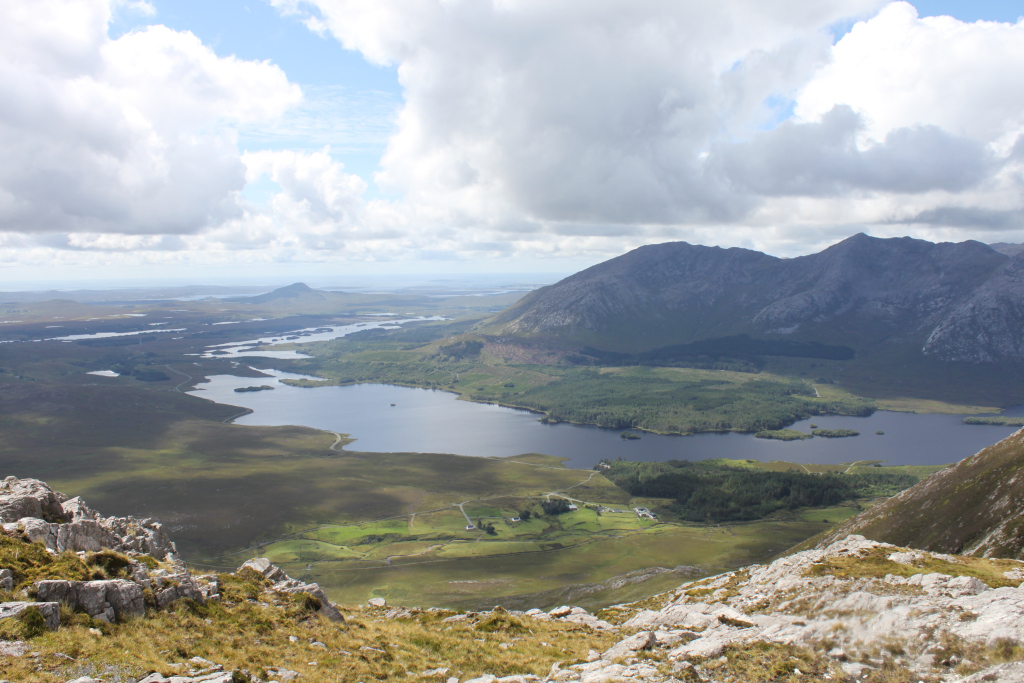
The setting alone justifies a visit. The Erriff valley, framed by the Sheeffry Hills and Mweelrea, is one of Connemara's most spectacular landscapes, and the sight of Aasleagh Falls in full spate is unforgettable. Leenane, at the head of Killary Harbour, provides the primary base with accommodation, dining and that particular west of Ireland atmosphere that makes a fishing trip here about far more than just the fish.
Grilse: June, July, August
Sea Trout: June, July, August
Autumn Salmon: September
Spring Salmon: April, May
Difficulty
Intermediate
Access & bases
The Erriff Fishery is based at Aasleagh Lodge, overlooking Killary Harbour near Leenane. The fishery is well organised with clearly defined beats, maintained paths and good bank access throughout — deep wading is generally not required despite the river being wide in places. Beats are allocated and rotated daily through the fishery office. Leenane is the primary base, with Westport and Clifden as secondary options. The river's position on the Wild Atlantic Way between Westport and Clifden makes it accessible and convenient for touring anglers. Boat fishing is available on Lough Tawnyard for sea trout and grilse.
Signature features
Defined Pool Structure
Unlike some small west coast rivers that are little more than tumbling streams, the Erriff contains well-formed, named pools with clear holding lies. Over 60 per cent of the annual catch is taken on Beat 9, the lowest beat above the sea, but each beat contains identifiable salmon lies that experienced anglers can read and fish systematically. This structure makes the Erriff more approachable than many comparable rivers.
Aasleagh Falls and Fjord Proximity
Aasleagh Falls, situated just above the tidal reach of Killary Harbour, is both a spectacular natural feature and a critical element of the fishery. The falls form the first significant obstacle for running salmon, creating a natural congregation point that accounts for the productivity of the lower beats. The short distance from the sea means fresh fish arrive in the fishable water quickly.
Professional Fishery Management
The Erriff Fishery has a long tradition of structured management, with beats rotated daily, rod numbers limited, and bank access carefully maintained. This approach ensures quality fishing without overcrowding and has contributed to the river's sustained productivity over many decades. The fishery office at Aasleagh provides a professional welcome and valuable local advice.
Scenic Connemara Setting
The Erriff valley, framed by the Sheeffry Hills and Mweelrea — Mayo's highest peak — provides one of the most dramatic backdrops of any fishery in Ireland. The combination of mountain scenery, the fjord landscape of Killary Harbour, and the sound of water over Aasleagh Falls creates an atmosphere that elevates the fishing experience beyond the purely sporting.
Season by season
February – April
The season opens with spring salmon the primary target. Numbers are modest but fish tend to be larger than summer grilse. Fishing is concentrated in the lower beats where early-running fish hold. Medium to large dark flies fished on sink-tip lines are the standard approach. May is typically the best spring month.
May – June
The transition from spring fishing to the summer grilse run. May produces the peak spring salmon fishing, while June sees the first significant grilse appearing as water temperatures rise and summer rainfall patterns begin. Fly sizes reduce as the season progresses and fish become established in pools throughout the system.
July – August
The heart of the grilse season and typically the most productive period. Fresh fish enter regularly when water levels are maintained by rainfall, and pools hold good numbers of fish. Early morning and evening sessions are most productive during warm, bright conditions. Sea trout fishing comes into its own during summer evenings.
September
Autumn salmon enter the system following fresh spates, providing a final peak of activity. Fish that have been in the river through summer become coloured and should be returned. Fresh-run September fish are prized and can provide some of the season's most exciting sport when conditions align.
Best conditions
Based on 0 reports, these conditions consistently produce the best fishing on River Erriff:
💨
Light to moderate — sheltered valley
Best wind
☁️
Overcast
Best sky
🌡️
10–16°C
Water temp
⏰
Falling water after moderate spate; early morning and evening in summer
Best window
Seasonal fly & tactics guide
Spring (March – May)
Patterns
Dark spring tubes (1–2 inch)Willie GunnThunder and LightningCollie Dog
Fish medium to large dark flies on sink-tip or intermediate lines, concentrating on the deeper pools and slower runs where spring fish hold. Methodical coverage is essential — start at the head of each pool and step down through the lies. In higher water, increase sink rate rather than fly size as a first adjustment.
⚠️Common mistake: Fishing too soon after heavy flooding when the river is still high and coloured — wait for the water to drop and clear to a fishable level.
Summer Grilse (June – July)
Patterns
Silver-bodied tubesStoat's TailShrimp FlyCascade
Reduce fly size for grilse — small tubes and doubles in sizes 8–12. Fish floating lines or light sink-tips, covering pools methodically. Grilse are often more aggressive than spring fish and may take a fly presented higher in the water column. Early morning sessions before the sun hits the pools can be particularly productive.
⚠️Common mistake: Leaving productive pools after a single pass — grilse often need multiple presentations, and a resting pool can become active again after a short interval.
High Summer (July – August)
Patterns
Small doubles (10–14)Blue CharmHairy MarySmall black sea trout flies
Fish early and late to avoid the brightness of midday. Small, sparse flies on fine leaders suit the lower water conditions typical of summer. For sea trout, switch to small black flies at dusk and fish the upper beats and Lough Tawnyard. A double-handed Spey rod is the favoured tool for salmon, providing good coverage without excessive false casting.
⚠️Common mistake: Fishing too heavy in low, clear summer conditions — scale everything down and focus on presentation quality.
Autumn (September)
Patterns
Medium tubesGarry DogAlly's ShrimpCascade
Fresh spates are critical for September salmon. Fish holding pools thoroughly when new water arrives, as fresh fish move quickly through the system. Medium-sized flies in slightly coloured water are effective. Return coloured fish that have been in the river through summer — target the fresh-run silver fish.
⚠️Common mistake: Not being ready when the spate arrives — September windows can be short, and preparation matters.
Core technique
Pool Rotation on a Managed Spate River
1Start at the head of the pool where current first slows and fish often lie facing upstream, waiting for food or resting after moving.
2Cast across and slightly downstream, allowing the fly to swing through the current on a controlled arc. Mend line to adjust the speed and depth of the swing.
3Step downstream two or three paces between casts, covering fresh water with each swing. This systematic approach ensures no lies are missed.
4Adjust presentation depth before changing fly pattern — a slightly heavier tip or a longer leader can make more difference than a different fly.
5Respect the rotation system — in shared water, allow pools to rest between passes. A rested pool often fishes better when you return.
6Watch for fish showing — a salmon rolling or jumping reveals its position and confirms the pool is holding fish.
💡 The Erriff's well-defined pools reward methodical coverage. Discipline and patience produce more fish than frantic casting. When you find the right depth and speed of presentation, stay with it.
What works here
Flies and methods reported most successful by the community.
Where to Fish at River Erriff
Lower River — Beat 9 (Aasleagh Falls)
The most productive beat on the fishery, accounting for over 60 per cent of the annual catch. Fresh-run fish from Killary Harbour enter the lower pools and congregate below and around the falls. This is the first water to fish when salmon are running.
Mid-River — Beats 3–7
The core salmon water of the Erriff, with well-defined pools, holding glides and classic fly water. Beats 3 and 6 are notably productive, each accounting for approximately 10 per cent of the total catch. The mid-river pools fish well throughout the summer grilse season.
Upper Reaches — Beats 1–2
Smaller, more intimate pools that fish best for sea trout, particularly during evening sessions. Resident brown trout provide sport between salmon encounters. These beats also produce salmon when fish push through from the lower river.
Lough Tawnyard
A 250-acre lake on the Erriff system, accessible by boat. Tawnyard holds native brown trout and receives runs of both sea trout and grilse. Fly fishing and dapping are the only permitted methods. An excellent complement to the river fishing.
Suggested trip formats
🎣 3-Day Spate-Driven Trip
Monitor rainfall forecasts and book when conditions look promising. Fish intensively during the falling-water phase after a spate, rotating between lower and mid-river beats. Allow rest days for exploration of the Connemara landscape if conditions are unfavourable.
🎣 Summer Grilse Week
A week-long booking during July or August, combining early morning salmon sessions with evening sea trout fishing on the upper beats or Lough Tawnyard. Base at Aasleagh Lodge or in Leenane. The extended stay increases the probability of encountering a productive spate window.
🎣 West Coast Salmon Tour
Combine the Erriff with other west coast fisheries — the Delphi system (Bundorragha River) is nearby, and Lough Mask or Corrib trout days can fill intervals between productive salmon conditions. A varied week based in the Leenane–Westport area.
Conservation & stewardship
🌿
The Erriff has a long tradition of conservation-minded management. Catch-and-release is strongly encouraged, and annual conservation measures may require it for certain periods or categories of fish. Barbless or de-barbed hooks are recommended, and fish handling should be minimised — use wet hands, avoid lifting fish from the water where possible, and return fish quickly. The structured beat rotation system itself is a conservation measure, reducing pressure on individual pools and allowing fish to settle undisturbed.
Main access: Ghillie services available through the Erriff Fishery and Connemara Wild Escapes. French-speaking guide also available., Erriff Fishery Office at Aasleagh — permits, flies and local advice, The Erriff Fishery is professionally managed with a long tradition of structured conservation