📍Kerry · South West📋IFI (Republic of Ireland)Season Open
3Species Present
County
Kerry
Region
South West
Type
River
Depth
1 m
Species
Atlantic Salmon, Sea Trout, Brown Trout
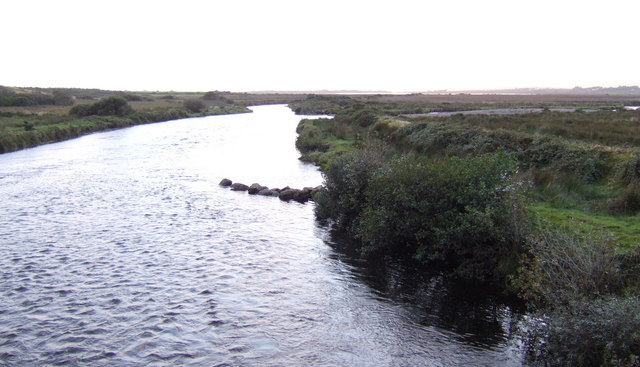
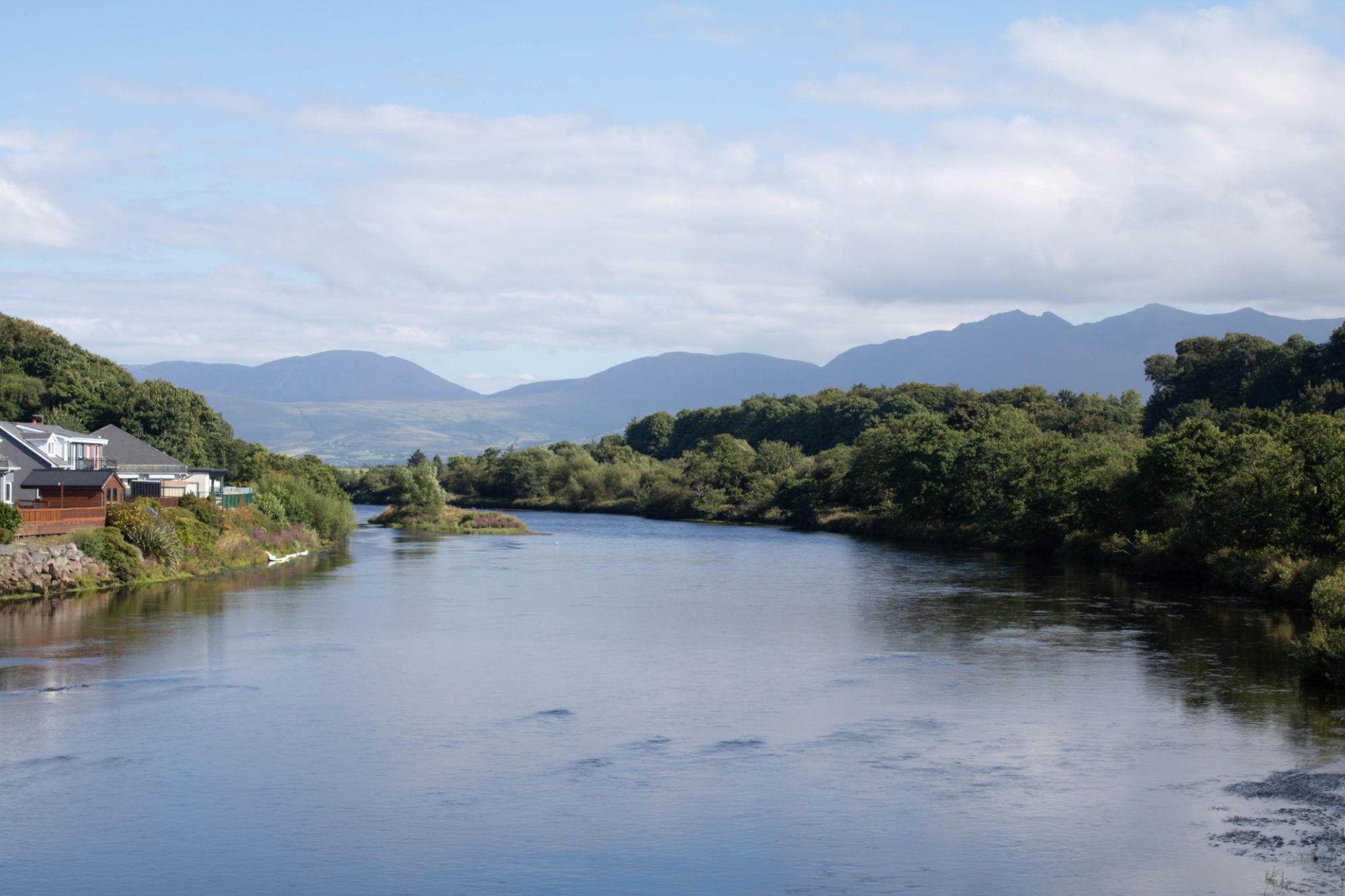
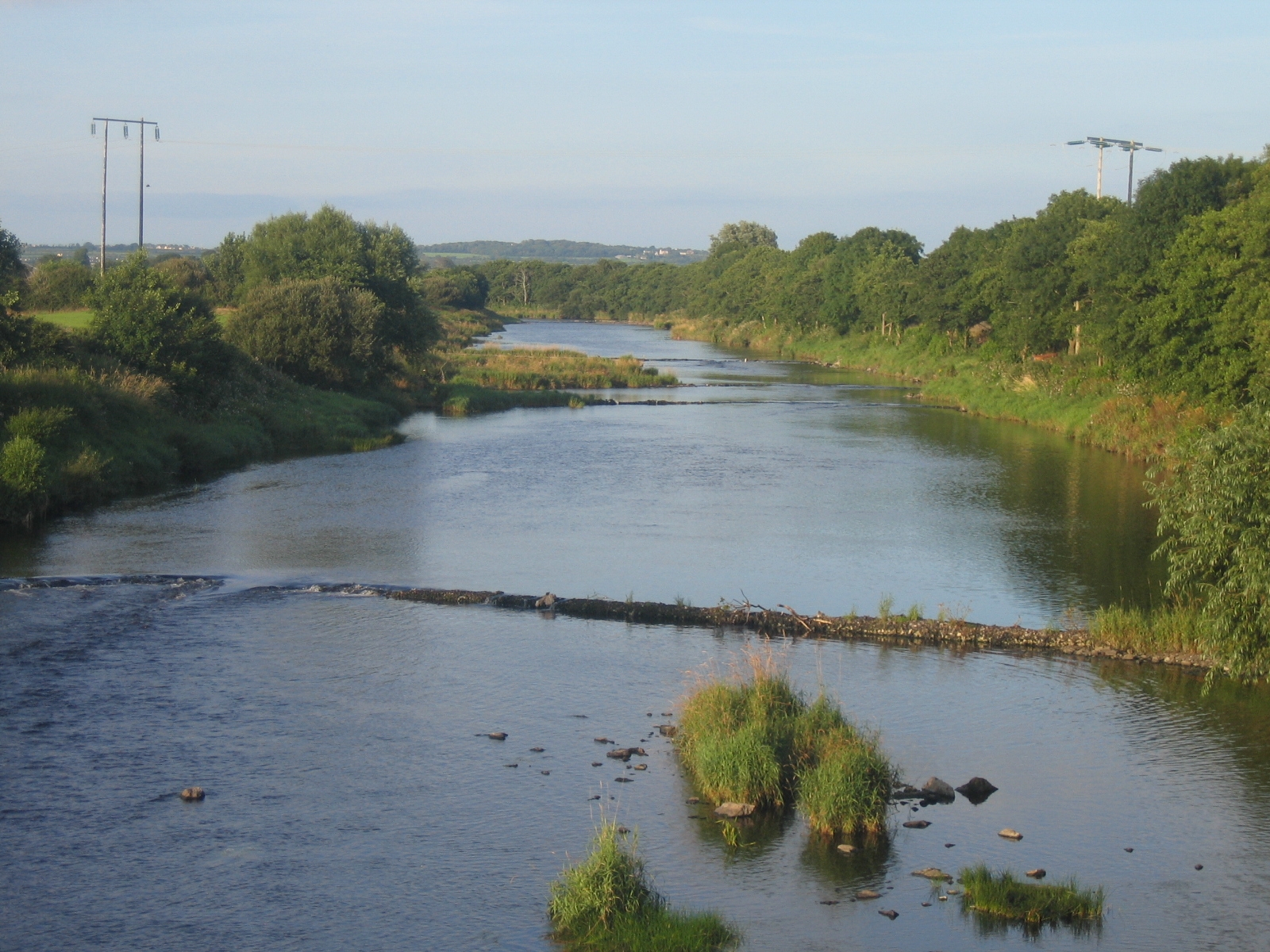
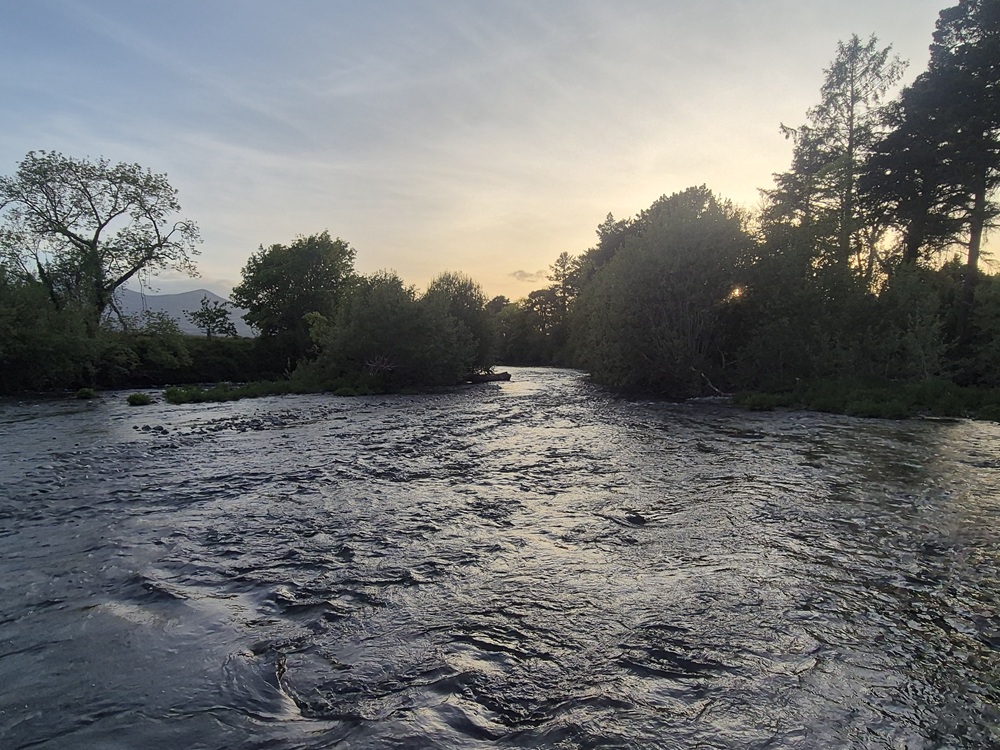
The River Inny of County Kerry is a compact but historically respected Atlantic salmon and sea trout river flowing through Ireland's south-western seaboard landscape. Rising in the upland terrain east of Waterville on the Iveragh Peninsula, the river runs a relatively short course through a narrow mountain valley before entering Ballinskelligs Bay on the Atlantic coast near Inny Beach.
This is a distinctly different river from the midland River Inny that feeds into the Shannon system. The Kerry Inny is a classic west coast migratory fish river: narrow in places, peat-stained in character, and capable of coming alive rapidly after rainfall. Its catchment covers approximately 47 square miles of mountainous Kerry terrain, with the MacGillycuddy's Reeks providing a dramatic backdrop.
River Inny fishing is defined by intimacy, spate dependence and sea proximity. Unlike large-volume salmon rivers that hold fish for extended periods, the Inny's short length means salmon and sea trout enter and move through the system quickly. When fresh fish arrive on a rising spate, they can be in the pools and gone within hours. This creates fishing that is intensely rewarding when conditions align — and frustratingly quiet when they don't.
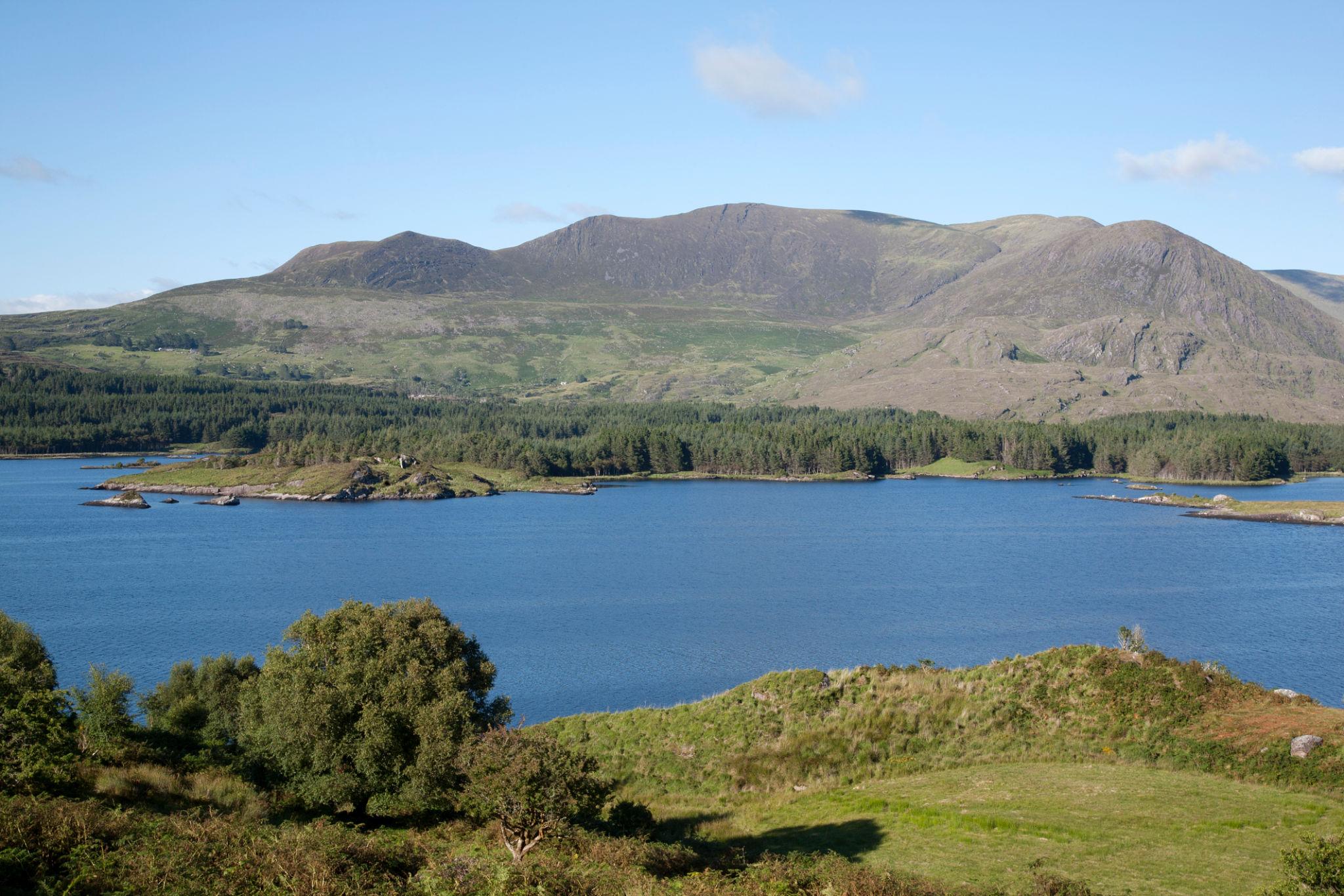
For the serious angler, the Inny rewards close observation of water levels and rainfall patterns. It is part of the wider Waterville system that includes Lough Currane, the Cummeragh River, and several interconnected mountain lakes — one of Ireland's most celebrated migratory fish catchments. The proximity to Lough Currane means the Inny is often fished as part of a broader Waterville trip, offering river sport when lake conditions are unfavourable.
The village of Waterville, situated on the Ring of Kerry, provides an atmospheric base with a deep angling heritage. The area has welcomed fishing visitors for over a century, and the tradition of ghillie-guided fishing on the local waters remains strong.
Salmon: 17 Jan – 12 Oct
Sea Trout: 17 Jan – 12 Oct
Best times
Atlantic Salmon · Sea Trout · Spate River · Ring of Kerry · Wild Atlantic Way
Difficulty
Intermediate
Access & bases
The River Inny is accessed via designated beats and club-controlled water in the Waterville area. Bank access varies from open meadow to more enclosed, tree-lined stretches. The river is short enough to cover in a day's fishing. Waterville village is the primary base, situated on the N70 Ring of Kerry road approximately 80km from Killarney. The nearest airports are Kerry Airport (Farranfore) and Cork Airport. Boat fishing is not relevant on this small river. The river's coastal location on the Iveragh Peninsula makes it attractive for anglers combining river salmon fishing with sea angling or lough fishing on Lough Currane.
Signature features
Compact Spate River Dynamics
The Inny rises and falls quickly after rainfall, creating narrow windows of intense fishing opportunity. Salmon move upstream rapidly in fresh water and can hold briefly in defined pools before continuing their migration. Understanding the river's response to rainfall — and being ready to fish when conditions change — is the defining skill for Inny anglers.
Peat-Stained Clarity
The river carries a light peat stain from its mountain catchment, giving the water a characteristic amber tone. This coloration allows fish to feel secure while still offering reasonable fly visibility — a balance that suits fly fishing well. In very low conditions the water clears significantly, making fish more difficult to approach.
Waterville System Integration
The Inny is part of a broader network of rivers and lakes centred on Waterville. Lough Currane, the Cummeragh River, and several mountain lakes are all interconnected. This means a Waterville fishing trip can flex between river, lough and mountain lake depending on conditions — the Inny provides the spate river element of this exceptional system.
Structured Pool Water
Despite its modest size, the Inny contains classic holding pools and glides suitable for fly presentation. The river's pools are intimate — often fishable in just a few casts — but well-defined, with clear heads, tails and holding lies.
Season by season
January – April
The season opens in mid-January. Early season fishing is possible when water conditions allow, though the Inny is heavily dependent on rainfall and early spring can be quiet. Any salmon present at this time are spring fish of quality.
May – July
The prime period. Grilse begin arriving from late May, and June and July are typically the most productive months. Sea trout (catch-and-release only) are also present. Fishing quality peaks within 24-72 hours of a rainfall event that lifts river levels without excessive turbidity.
August – September
Autumn salmon arrive with fresh spates. September can produce excellent fishing when rainfall coincides with fish movement. The river closes at the end of September. Late season fishing often rewards patience and flexibility.
Best conditions
Based on 0 reports, these conditions consistently produce the best fishing on River Inny (Kerry):
Medium-sized flies in darker patterns suit the peat-stained water. Fish the deeper glides where spring salmon may hold. Floating line with sink-tip in higher water. The river is narrow — accuracy matters more than distance.
⚠️Common mistake: Fishing in low, clear water during bright midday conditions. Early morning and evening are far more productive when water is low.
Summer Grilse (June – July)
Patterns
Small silver tubesSilver StoatBlack DoctorShrimp flies (size 8-10)
Smaller, brighter flies for fresh grilse. Fish mid-column in moderate flow. The key is timing — plan sessions immediately following fresh water. Grilse respond to a well-presented fly with little hesitation when they first arrive.
⚠️Common mistake: Overcasting in narrow pools. The Inny's intimate character means short, accurate casts are more effective than long-range casting.
Late Summer Sea Trout (July – August)
Patterns
Small dark flies (size 10-14)Black PennellBibioPeter Ross
Sea trout respond to small dark patterns fished at dusk. Light tackle and fine tippets. Remember that all sea trout in the Waterville area must be released. Handle fish with extreme care.
⚠️Common mistake: Leaving productive water too quickly after one pass. Sea trout can be present but reluctant — persistence pays.
Autumn (September)
Patterns
Medium fliesDark patternsShrimp and prawn patterns
Fresh water is essential. Medium flies swung steadily through pools that may hold autumn salmon. Cover pools thoroughly — fish hold briefly on the Inny before moving on. Be prepared for sudden, powerful takes in tight pools.
⚠️Common mistake: Not monitoring rainfall. Autumn fishing on the Inny is entirely weather-dependent. A flexible schedule is essential.
Core technique
Small Spate River Salmon Fishing
1Monitor Rainfall: Plan sessions immediately following fresh water. The fishing window on the Inny typically lasts 24-72 hours after a spate event. Online river level data and local weather forecasts are essential planning tools.
2Pool Coverage: Start at the head of each pool and step down methodically, covering new water with each cast. On the Inny's small pools, this may take only 10-15 minutes per pool.
3Fly Depth: Adjust line tip to suit water height. In moderate water, a floating line with short sink-tip is standard. In low water, a floating line with long leader.
4Speed Control: In moderate water, maintain a steady downstream swing. In low water, fish slower and deeper.
5Be Ready: Takes on the Inny can be sudden and powerful in tight pools. Maintain tension and be prepared to give line immediately.
💡 On a small spate river like the Inny, timing is more important than fly pattern choice. Being on the water when fish are running is the single most important factor.
What works here
Flies and methods reported most successful by the community.
Where to Fish at River Inny (Kerry)
Lower River (Near Estuary)
Transitional water near Ballinskelligs Bay where fresh-run salmon and sea trout hold briefly. The first pools fish encounter on their upstream run. Often the most productive zone in the early stages of a spate.
Mid-River Pools
The primary salmon lies. Structured glides and tail-outs where fish rest during their upstream migration. This is the heart of the Inny's salmon fishing, with well-defined lies that experienced local anglers know intimately.
Upper Reaches
Narrower, more intimate water with brown trout potential. The upper river offers a different character — smaller pools, more overgrown banks, and a wilder feel. Less visited but rewarding for the exploring angler.
Suggested trip formats
🎣 3-Day Spate Watch Trip
Monitor the rainfall forecast and base yourself in Waterville. Fish the Inny intensively during the falling water window after rainfall. On dry days, fish Lough Currane for salmon or explore the Atlantic shoreline for sea angling. Flexibility is the key to a successful Waterville trip.
🎣 Southwest Coastal Tour
Combine the River Inny with Lough Currane and nearby Atlantic shore angling for a varied Kerry fishing experience. The Ring of Kerry provides spectacular scenery between fishing sessions.
🎣 Sea Trout Evening Focus
Light tackle, dusk sessions in moderate water. Target sea trout in the lower pools on catch-and-release. Combine with daytime salmon fishing on the Inny or trolling on Lough Currane.
Conservation & stewardship
🌿
Small west coast rivers like the Inny are particularly sensitive to stock fluctuation. Sea trout in the Waterville area have experienced a significant decline — attributed largely to the impact of nearby salmon farming — and a mandatory catch-and-release bye-law is in effect. Best practice includes strict adherence to catch-and-release regulations, minimal handling time, avoidance of low-water fishing during extreme drought when fish are stressed, and respect for spawning areas in late season. The Waterville Lakes and Rivers Trust works actively to protect the system.
Frequently asked questions
Before You Go — Key Regulations
Jurisdiction
Republic of Ireland (IFI)
Season
January 17 – October 12
Licence required
Yes — State Salmon Rod Licence
A salmon licence is required and can be purchased online through Inland Fisheries Ireland. A state permit is required for salmon fishing.
Main access: Several experienced ghillies and guides operate in the Waterville area, offering guided services on the Inny, Lough Currane and the wider system. Booking through local accommodation or the Waterville Angling Centre is recommended., Waterville Angling Centre on Lower Main Street is the local tackle shop and information hub. All licences, permits and local knowledge available here., Waterville Fishery Development Group manages and promotes the local fisheries. The Waterville Lakes and Rivers Trust works on conservation and habitat protection.