📍Westmeath · Midlands📋IFI (Republic of Ireland)Season Open
5Species Present
River Inny is one of the three main inflowing rivers to Lough Ree, alongside the Shannon and the Hind, within the Shannon river system. Inland Fisheries Ireland has carried out in-stream and bank rehabilitation works along the Inny to enhance its wild brown trout stocks.
County
Westmeath
Region
Midlands
Type
River
River system
River Shannon
Species
Brown Trout, Pike, Roach, Bream, Perch
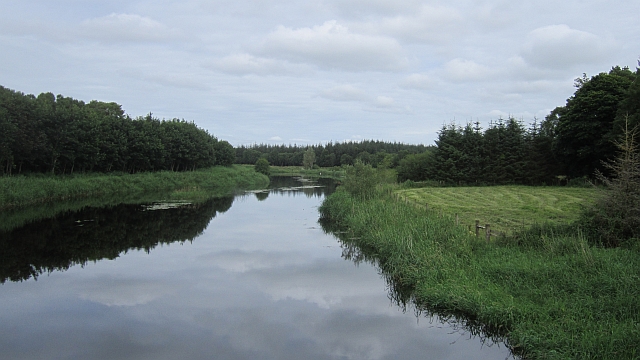
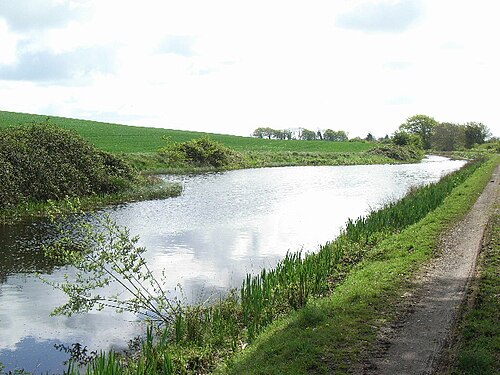
The River Inny of the midlands is a quietly important tributary of the River Shannon system, flowing from Lough Sheelin through Counties Cavan, Westmeath and Longford before entering Lough Ree. Unlike Ireland's headline salmon rivers, the Inny is a measured, lowland river — broad in places, intimate in others — defined by slow glides, reed-lined margins and classic coarse and mixed-species water.
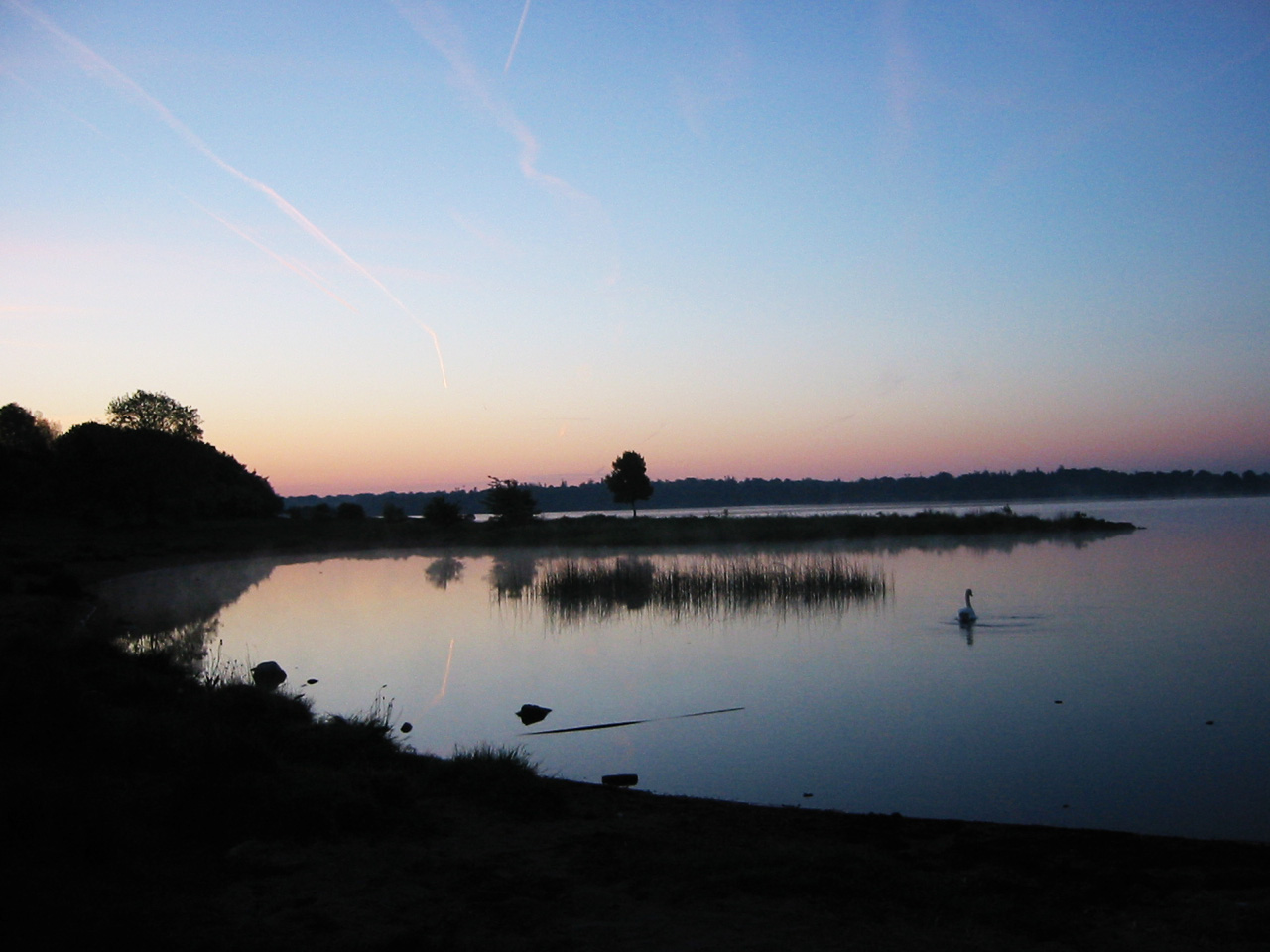
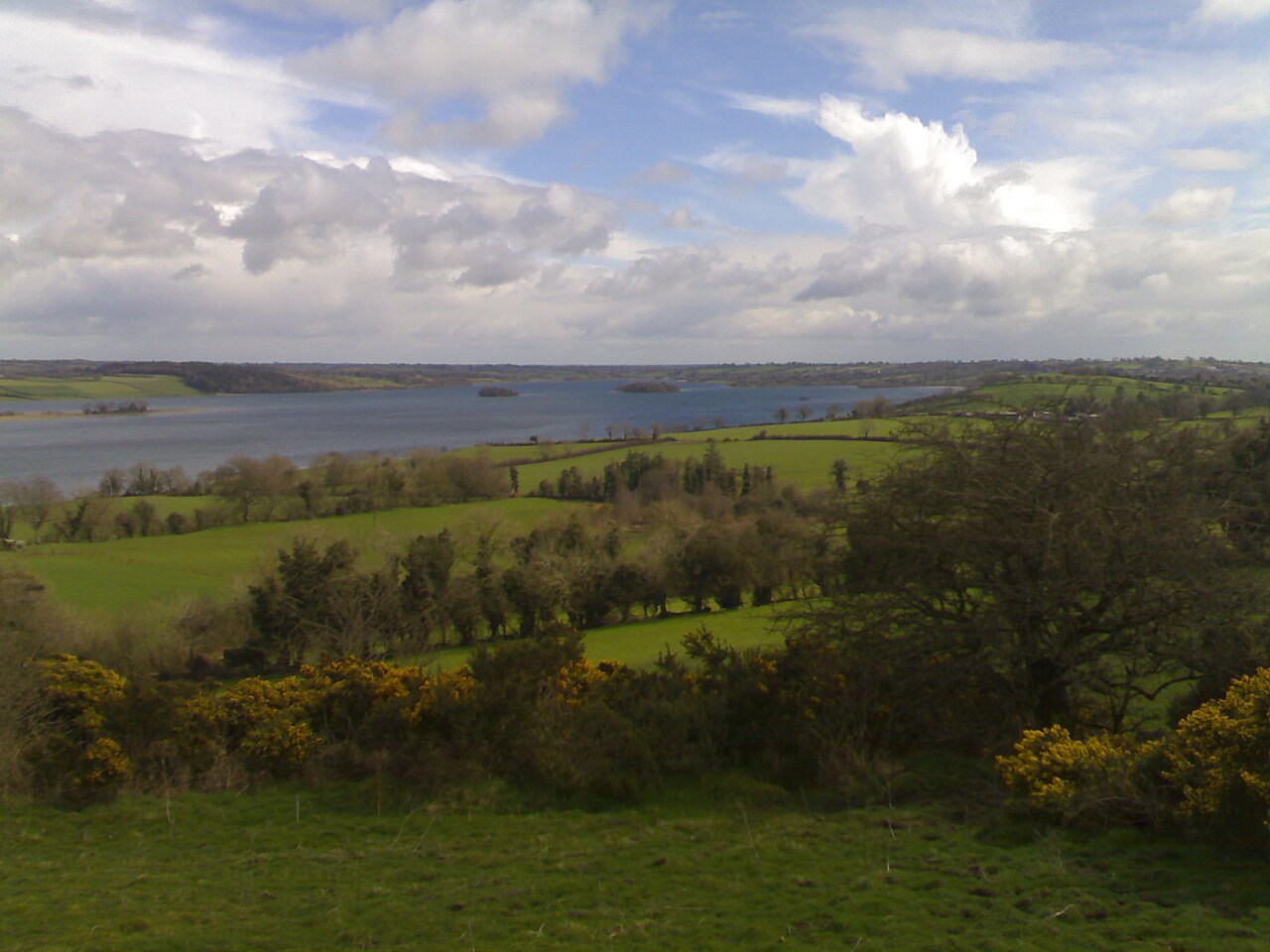
The river's character is shaped by its connection to two major lakes: Lough Sheelin at its head and Lough Ree at its mouth. This connectivity supports wild brown trout movement from Sheelin, robust coarse stocks, specimen pike, and strong populations of roach, bream and hybrids throughout the system.
For the serious angler, the Inny offers technical float fishing, method feeder work, pike lure and deadbait fishing, and seasonal trout opportunity in its upper reaches. It is not a spate-driven salmon river — it is a structured, patient, specimen-oriented midland fishery where watercraft and feeding discipline produce results.
The mid and lower river, particularly around Ballymahon, presents classic midland coarse water: slow glides, reed beds and steady depth ideal for waggler and feeder tactics. As the river approaches Lough Ree, it widens and slows, creating prime pike and hybrid territory in deep bends and marginal structure.
Seasonal flooding expands the fishable area into marginal grassland, offering temporary feeding zones that pike and coarse fish exploit enthusiastically. The upper stretches below Lough Sheelin can produce quality wild brown trout during spring, particularly when mild overcast conditions coincide with stable insect activity.
Pike: October, November, December, January, February, March
Coarse: July, August, September, October
Brown Trout: May, June
Difficulty
Beginner friendly
Access & bases
Primary base is Ballymahon, with Longford and Mullingar nearby. Access is generally good with roadside sections and farmland access available — seek permission where required. Boat fishing is uncommon except near the Lough Ree confluence. Most fishing is bank-based.
Signature features
Lough Sheelin Influence
The Inny's headwaters below Sheelin allow wild trout movement downstream, supporting fish of genuine quality in the upper stretches — a connection that distinguishes this river from purely coarse systems.
Classic Midland Coarse Water
Slow glides, reed beds and steady depth define the mid and lower Inny — textbook water for waggler and feeder tactics in a peaceful rural setting.
Lough Ree Connection
As the river approaches Lough Ree, it widens and slows, creating prime pike and hybrid territory where Shannon system fish move freely between river and lake.
Season by season
June – July
Coarse season opens after the close period. Roach and hybrids become active as water temperatures stabilise. Float fishing for roach improves steadily. Upper river trout respond to small olive nymphs in mild conditions.
July – September
Prime feeder fishing period for bream and hybrids. Evening sessions often outperform midday. Pike become increasingly responsive to lures as autumn approaches.
October – March
Peak pike season. Deadbaiting in deeper bends and slow lure retrieval along marginal structure. Floodwater opens new feeding areas and concentrates fish in stable, deeper sections.
Best conditions
Based on 0 reports, these conditions consistently produce the best fishing on River Inny (Westmeath):
💨
Not wind-dependent (river fishing)
Best wind
☁️
Mild overcast for trout; stable high pressure for coarse
Best sky
🌡️
Cold clear days for pike
Water temp
⏰
Morning and evening for coarse; all day for pike in winter
Best window
Seasonal fly & tactics guide
Early Season (June)
Patterns
WagglerMaggotCaster
Light feeding to locate roach shoals after the close season. Small hooks with maggot or caster on waggler float, set just off bottom. Minimal groundbait at start of session.
⚠️Common mistake: Overfeeding early and pushing fish out of the swim.
Mid-Summer (July – August)
Patterns
Method FeederGroundbaitSweetcorn
Feeder fishing becomes productive for bream and hybrids. Consistent casting to the same clip distance builds a feeding zone. Double maggot, caster or sweetcorn on the hook depending on target size.
⚠️Common mistake: Using tackle too heavy for roach presentation when mixed species are feeding.
Autumn (September – October)
Patterns
Soft PlasticsJerkbaitsDeadbait
Pike become active as temperatures drop. Large soft plastics effective near weed lines and drop-offs. Hybrids and bream feed more confidently in cooler water.
⚠️Common mistake: Fishing too shallow for bream — they often sit tight to the bottom.
Winter (November – February)
Patterns
DeadbaitSlow Lures
Deadbait pike in deeper bends where fish concentrate for winter. Slow, deliberate lure retrieval essential in cold water. Fish concentrated in stable, deeper sections.
⚠️Common mistake: Retrieving lures too quickly in cold water.
Core technique
Midland Float Fishing
1Select steady glides with 1–2 metres depth and marginal cover for your swim.
2Introduce small amounts of groundbait regularly to establish and hold a feeding area.
3Balance tackle carefully — fine lines and small hooks for roach, stronger gear for hybrids.
4Set float depth to fish just off bottom for roach; on the bottom for bream.
5Maintain consistent casting pattern and regular feeding rhythm throughout the session.
💡 Precision and rhythm matter more than volume of feed. Bream and hybrids often feed in waves — wait out quiet spells rather than increasing feed.
What works here
Flies and methods reported most successful by the community.
Where to Fish at River Inny (Westmeath)
Upper Inny (Below Lough Sheelin)
Narrower channel with wild trout potential. Light fly or spinning tactics suit the intimate character. Best in spring during mild, overcast conditions.
Mid-River (Westmeath Section)
Prime coarse glides with steady depth and reed margins. The heart of the river's float and feeder fishing, particularly around Ballymahon.
Lower Inny (Approaching Lough Ree)
Wider channel with deeper bends and slower pools. Pike and hybrid hotspot where the river transitions to lake character.
Suggested trip formats
🎣 Coarse Weekend
Day 1: Float fishing mid-river glides for roach. Day 2: Feeder session targeting deeper bends for bream and hybrids.
🎣 Autumn Pike Trip
Morning lure session working marginal structure. Afternoon deadbaiting in deeper bends. Explore the lower river near Lough Ree for specimen fish.
🎣 Mixed Midlands Tour
Combine Lough Sheelin trout with River Inny coarse fishing and a Lough Ree pike session for a varied multi-species break.
Conservation & stewardship
🌿
The Inny forms part of the wider Shannon catchment ecosystem. Responsible practice includes respecting the coarse close season, using proper pike handling equipment and unhooking mats, avoiding bank erosion, and minimising disturbance to spawning trout in upper stretches.
Frequently asked questions
Before You Go — Key Regulations
Jurisdiction
Republic of Ireland (IFI)
Season
June 16 – March 14
Brown trout open season applies. Statutory coarse close season (15 March – 15 June) in the Republic of Ireland.
Main access: Guided sessions available for pike on the lower river and Lough Ree, Tackle and advice available in Ballymahon and Mullingar, Local angling clubs manage access and maintain stretches