📍Kerry · South West📋IFI (Republic of Ireland)Season Open
3Species Present
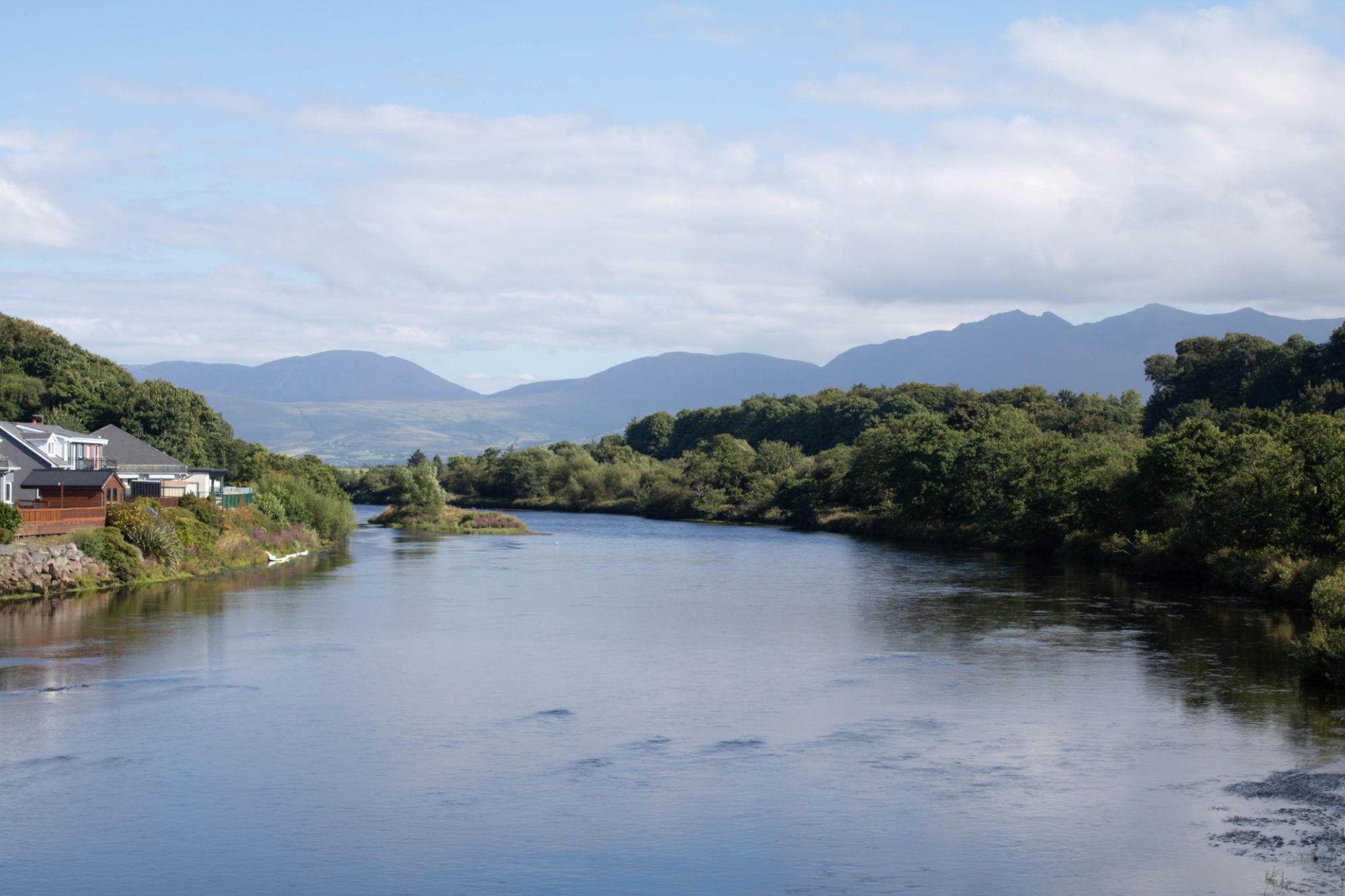
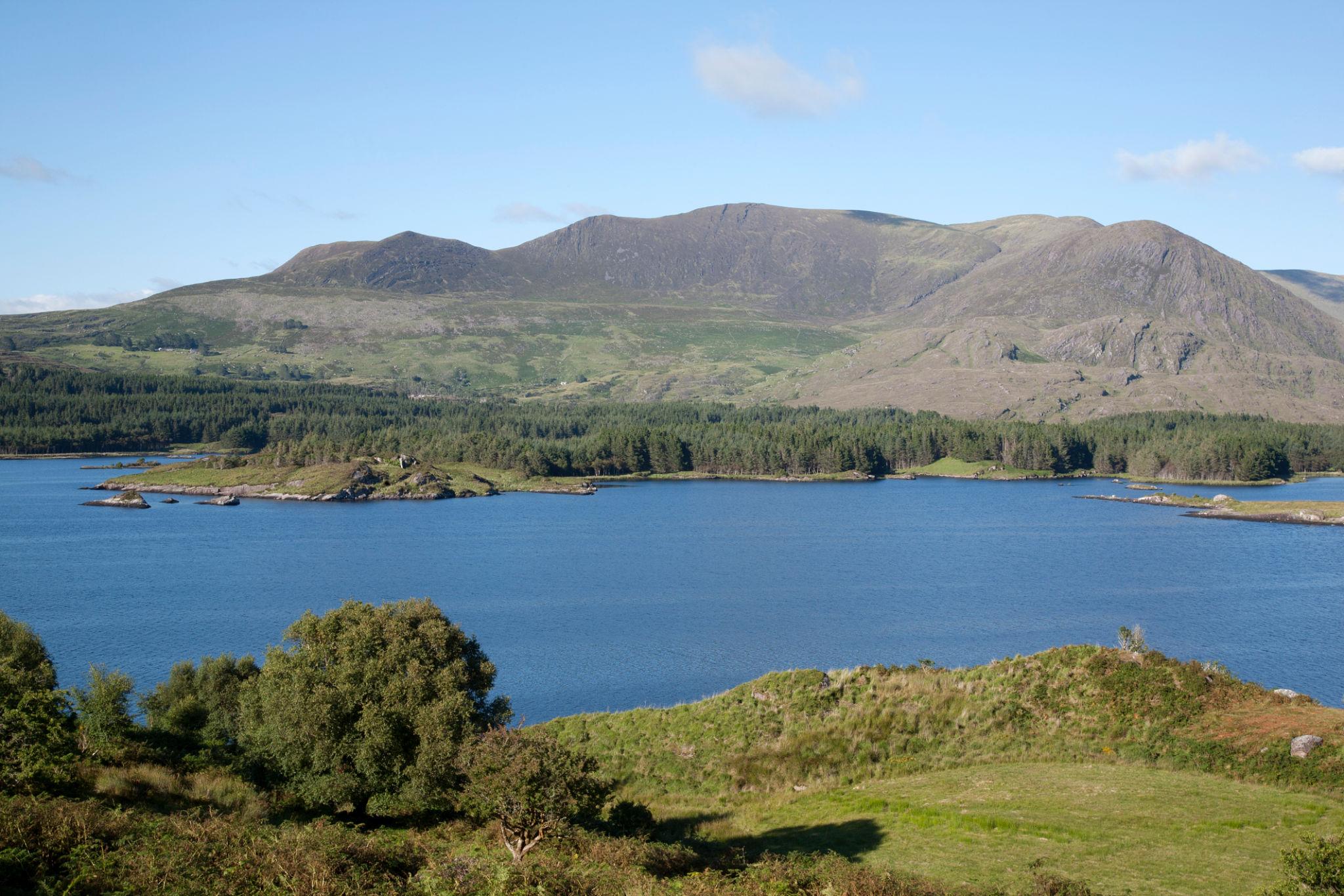
River Laune is the outflow of Lough Leane at Killarney, flowing north-west to Castlemaine Harbour and Dingle Bay. Together with the River Maine, it forms the estuarine catchment protected under the Castlemaine Harbour SAC, and its upper waters fall within the Killarney National Park SAC, home to Atlantic salmon and the landlocked Killarney shad.
County
Kerry
Region
South West
Type
River
Species
Atlantic Salmon, Brown Trout, Sea Trout
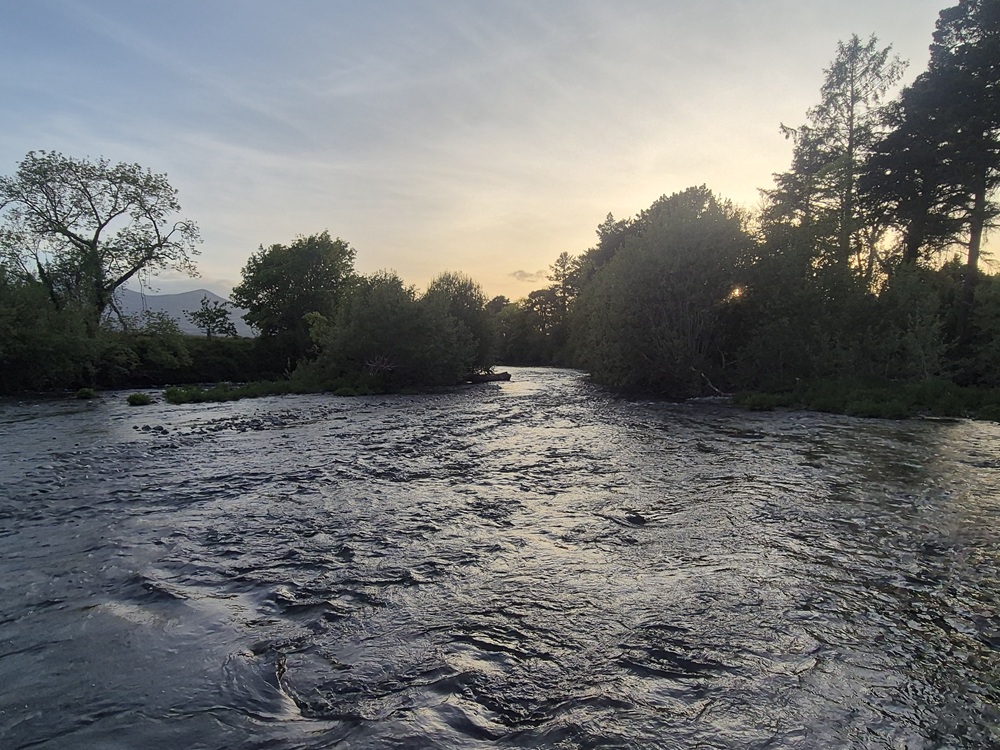
The River Laune is one of Ireland's most productive and historically significant salmon rivers, flowing from the great Killarney lakes through the heart of County Kerry before entering Dingle Bay at Killorglin. Short in length but rich in character, it forms the lower limb of one of Ireland's most celebrated lake systems and carries every salmon and sea trout bound for the upper lakes through its channel. A river of movement and momentum.
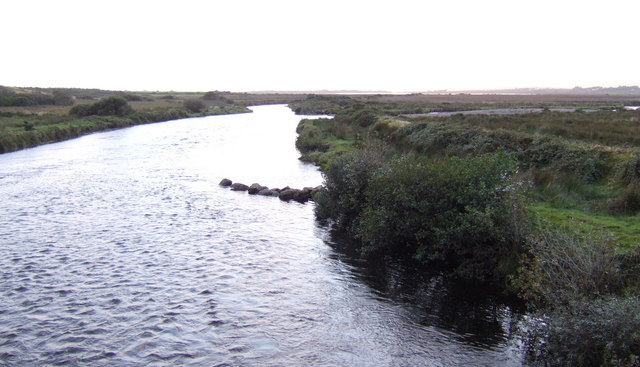
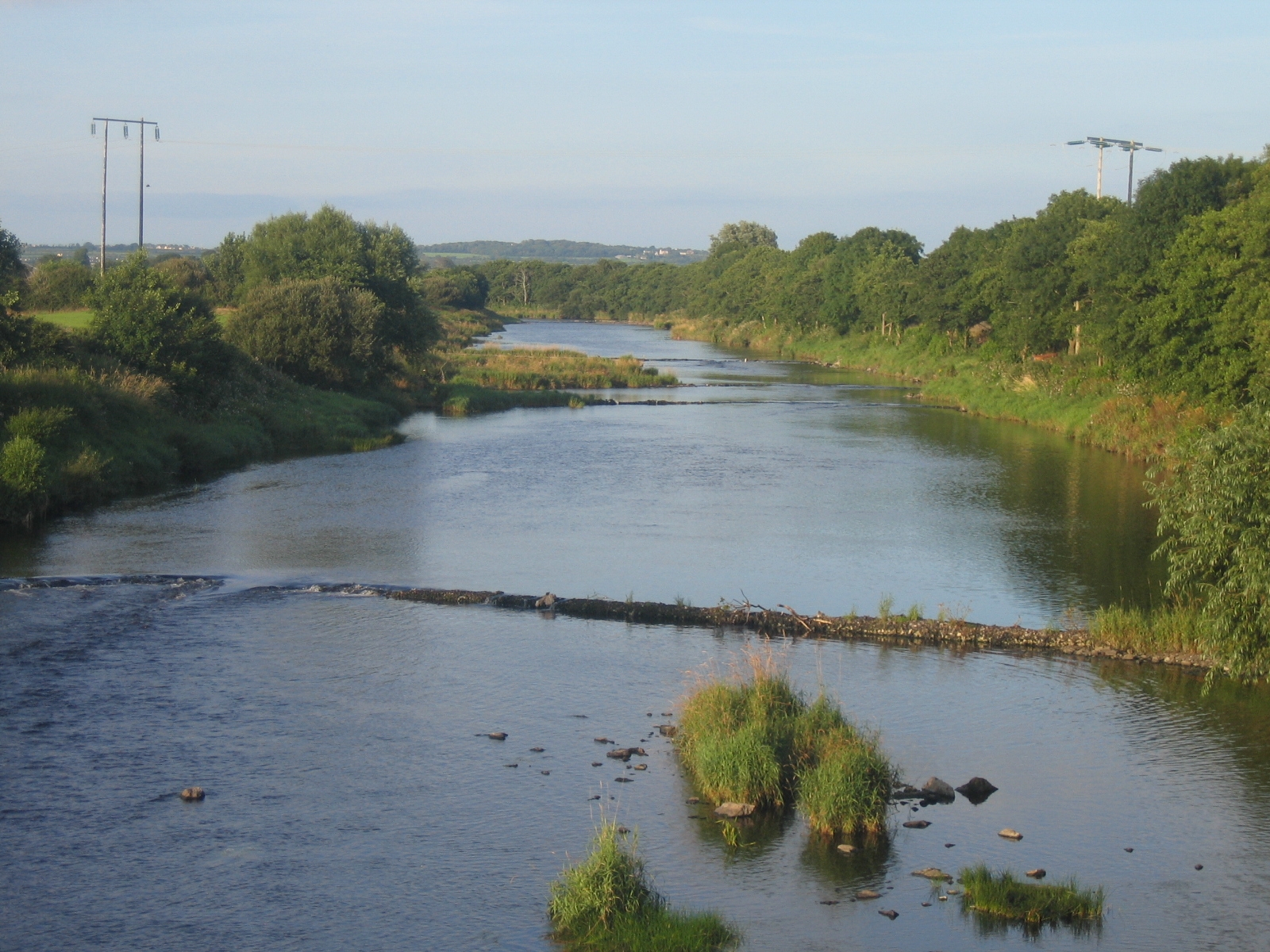
Fed by the Killarney lake system — Lough Leane, Muckross Lake, and Upper Lake — the Laune is a spate river at heart, responsive to rainfall and highly dependent on water levels for its fishing to come alive. Where the limestone loughs above provide clarity and stability, the Laune itself pulses with the weather, rising quickly after rain and dropping just as fast. The lower reaches near Killorglin are tidal, adding another layer of rhythm to the river's character.
Atlantic salmon are the defining species. The Laune holds spring fish in early season, but it is the summer grilse run and the autumn flood fish that draw anglers from across Ireland and beyond. Grilse arrive from June onward — compact, silver, and explosive — with peak activity in June and July when water conditions allow. September brings the autumn fish: larger, running hard on fresh floods, offering some of the most dramatic salmon fishing in Munster.
Sea trout are present through summer, often taken incidentally by salmon anglers fishing lighter patterns in the evening. Resident brown trout and lake-run fish also inhabit the system, providing an additional quarry for those fishing early season or during the quieter windows between salmon runs.
Fly fishing is the traditional and predominant method, with single-handed rods in moderate flows and doubles in height. Spinning is permitted on certain sections in coloured water. The Laune is accessed through a combination of private beats, club fisheries, and day permits — local knowledge and advance planning pay dividends, particularly for visiting anglers unfamiliar with spate dynamics.
Killorglin and Killarney provide the twin bases for any Laune visit. Both offer strong accommodation and easy access to the river, with Killarney providing the broader infrastructure for longer stays. The wider Ring of Kerry touring context makes the Laune an outstanding destination for anglers who want world-class salmon fishing embedded in one of Ireland's most beautiful landscapes.
Salmon: 17 Jan – 30 Sep
Sea Trout: 17 Jan – 30 Sep
Best times
Grilse: June, July
Sea Trout: July, August
Autumn Salmon: September, October
Spring Salmon: February, March, April
Difficulty
Intermediate
Access & bases
The River Laune is accessed primarily through Killorglin town, which sits at the tidal lower river, and via controlled beats and fisheries upstream toward Beaufort and the approaches to the Killarney lakes. Most fishing is structured through day permits, club membership (Kerry Anglers Association is the principal club), guided bookings, or private beat hire. Parking is available near bridges and established fisheries along the river corridor. For visiting anglers, engaging a local guide for at least the first session is strongly recommended — they will know current conditions, fishable sections, and the exact timing of any spate window.
Signature features
Spate River Dynamics
The Laune is a classic Irish spate river — its fishing rises and falls with the weather. After summer rain, water levels climb, fresh salmon enter from Dingle Bay, and a short but intensely productive window opens as levels drop and the river clears. Timing is everything. Experienced Laune anglers monitor rainfall forecasts closely and are prepared to travel at short notice to be on the river as levels fall.
Tidal Lower River
The lower Laune near Killorglin is influenced by Atlantic tides, which push upriver twice daily. This tidal pulse affects fish movement and creates productive holding lies around the tidal push zones. Fishing the lower river demands awareness of both river height and tidal stage — the combination of dropping flood water and incoming tide can concentrate fish in predictable locations.
Gateway to the Killarney Lakes
Every salmon and sea trout entering the broader Killarney lake system must pass through the Laune. This migratory corridor effect means the river sees a continuous stream of fresh fish through the season whenever water conditions allow. Fish do not hold long — they are travelling, not resting — which makes their behaviour predictable and their response to a well-presented fly decisive.
Autumn Flood Fishing
September on the Laune has a reputation that draws anglers from across Ireland and beyond. When the first autumn floods arrive after a dry August, salmon that have been holding offshore run hard and fast. The brief window as flood water peaks, turns, and begins to clear can produce exceptional sport — large fish, aggressive takes, and the raw drama of wild river salmon fishing at its best.
Season by season
January – April
Early season on the Laune can produce spring salmon in suitable water — cold, often high, with fish moving quickly through to the lakes above. Fishing is challenging and rewards persistence. This is double-handed rod territory with heavy flies and sink-tip lines, fishing the deeper lies methodically. Numbers are lower than summer, but spring fish are typically larger and a genuine prize.
June – July
Peak grilse season. Fresh-run fish arrive from Dingle Bay on summer tides and flood pulses, and when conditions align — a lift in river after dry weather, clearing water, overcast skies — the fishing can be outstanding. This is the most reliable and visited period. Light single-handed rods, small flies, and an understanding of tidal timing are the keys.
September
Often the most dramatic fishing of the year. Autumn salmon arrive in numbers on September floods, running hard and taking well as levels drop and clear. Larger patterns come into their own — Templedogs, Willie Gunn tubes, Sunray Shadow on falling water. Anglers who can travel at short notice to meet a September spate window are rewarded with some of the finest wild salmon fishing in Ireland.
Best conditions
Based on 0 reports, these conditions consistently produce the best fishing on River Laune:
💨
Any — less relevant than water level
Best wind
☁️
Overcast with light breeze
Best sky
🌡️
8–16°C
Water temp
⏰
Falling water after rain; early morning and late evening in low summer conditions
Water is often cold and higher in early season. Use double-handed rods (12–14ft) with sink-tip or intermediate lines to get flies down to where fish are holding in deeper lies. Fish the swing slowly and thoroughly — cold fish in cold water will not move far. Target inside bends, slower glides, and the edges of main current. Be methodical and cover every inch of fishable water.
⚠️Common mistake: Fishing too fast and too shallow. In cold early-season water, the fly must be presented deep and slowly. Anglers used to summer grilse fishing often strip through the best pools without their fly ever reaching the fish.
Lower water is typical through June and July. Downsize flies dramatically in clear, warm conditions — size 12–14 singles or small doubles in low water. Fish lighter leaders. The early morning and late evening sessions are far more productive than midday. Focus on runs and tail-outs rather than the deep holding pools, where fish can be dour in warm weather. On a fresh spate, upsize to a size 8–10 and fish as the river begins to drop and clear.
⚠️Common mistake: Fishing large flies in low summer water. When the Laune is low and clear, grilse will spook from heavy presentations. Many visiting anglers use the same flies that worked in high spring water and wonder why they are not connecting.
Fish as water drops after the autumn flood — this is the critical window. Cover water methodically, concentrating on tailouts, crease lines, and the slower edges of main current where fish rest after their run. The Sunray Shadow fished on a floating line and stripped fast across a tail-out can be devastatingly effective on fresh autumn fish. In higher water, sink-tip and larger tubes; on the drop, move to floating lines and surface presentations.
⚠️Common mistake: Arriving too early — on the flood rather than the falling water. Many anglers travel when rain is forecast, but fish that are actively running on coloured flood water are almost uncatchable. The magic window is 12–36 hours after the peak, as levels drop and clarity returns.
Core technique
Spate River Salmon Strategy
1Monitor rainfall forecasts 3–5 days out and plan travel to arrive 12–24 hours after a significant rain event, targeting the falling water window.
2Assess river height on arrival — if still coloured and rising, hold off. The prime moment is clearing water on a falling river, when salmon that entered on the flood begin to settle and respond.
3Match fly size and line to conditions: large patterns and sinking lines in high coloured water; small, light flies and floating lines as the river drops and clears.
4Cover water thoroughly and methodically — wade slowly, fish each cast to the dangle, and step down. Salmon on a spate river do not chase far; presentation and positioning must bring the fly to the fish.
5In tidal lower sections, combine river height awareness with tidal stage — fish tend to move and take best when river flow and incoming tide are in balance.
6In low summer water, fish early morning (5–9am) and evening (7–10pm) exclusively. Midday sessions in warm, clear water are rarely productive.
💡 Local knowledge is invaluable on the Laune. Beat keepers and local ghillies understand the specific character of each section and will know from experience which pools fish at which height. For first-time visitors, one guided session pays for itself many times over.
What works here
Flies and methods reported most successful by the community.
Where to Fish at River Laune
Lower Tidal Zone (Killorglin)
The lowest reaches of the Laune near the town bridge, influenced by Dingle Bay tides. Fresh fish are intercepted here early in any run, and tidal push can concentrate fish in specific lies. Best fished with awareness of both river height and tidal timing.
Middle River Beats
The classic Laune salmon water — a series of pools, runs, and holding lies managed primarily through Kerry Anglers Association and private fisheries. Traditional salmon lies that fish well throughout the season whenever water levels are suitable.
Upper Laune (Beaufort Approach)
Water approaching the Killarney lake system, where the river transitions from typical spate character to the more stable outflow of the loughs. Fish moving toward the lakes pass through here and can hold briefly in suitable conditions. Often most productive when upper lakes are drawing migrating fish upstream.
Suggested trip formats
🎣 Grilse Short Break (2 Days)
Target June or July, monitoring weather forecasts in advance. Focus on the lower and middle river, engage a guide for at least the first session, and be prepared to move sections based on current conditions. Base in Killorglin for river proximity or Killarney for broader options.
🎣 Salmon-Focused Week (4–5 Days)
Allow enough days to encounter at least one productive window. Monitor forecasts before departure, mix lower and middle river beats, and maintain flexibility to fish intensively when conditions align. A week's trip in late June to mid-July typically guarantees at least one productive spate window.
🎣 Autumn Spate Mission
The high-risk, high-reward approach — travel on short notice when September rain is forecast, targeting the falling water window after a significant flood. This format suits anglers who can be flexible with travel dates and want to experience the Laune at its dramatic best. September fish are typically larger and more aggressive than summer grilse.
Conservation & stewardship
🌿
The River Laune is part of a salmon system that has experienced stock management pressure, and conservation responsibilities are taken seriously by the local angling community. Catch and release should be treated as mandatory for all salmon regardless of annual regulation status — verify current rules with IFI before retaining any fish. Use barbless or de-barbed hooks, minimise handling time, and always support the fish in the current until fully recovered before release. Observe all tagging and logbook requirements. Salmon are a protected migratory species and the long-term viability of Laune fishing depends on the stewardship of every angler who visits.
Atlantic salmon fishing on the Laune requires a current IFI state salmon licence. Catch and release regulations apply to salmon and should be treated as mandatory regardless of annual rule variations — always verify with IFI before retaining any fish.
Main access: Local guides and ghillies operate on the Laune, particularly during the main grilse and autumn seasons. Contact Kerry Anglers Association or Killarney-based fishing operators for recommendations., O'Neill's Fishing Tackle, Killorglin — local tackle, permits, and current conditions. Killarney town also has several tackle shops serving the broader catchment., Kerry Anglers Association manages fishing on significant sections of the Laune. Day permits and annual membership available through the association.