📍Cork · South West📋IFI (Republic of Ireland)Season Open
3Species Present
County
Cork
Region
South West
Type
River
Species
Atlantic Salmon, Brown Trout, Pike
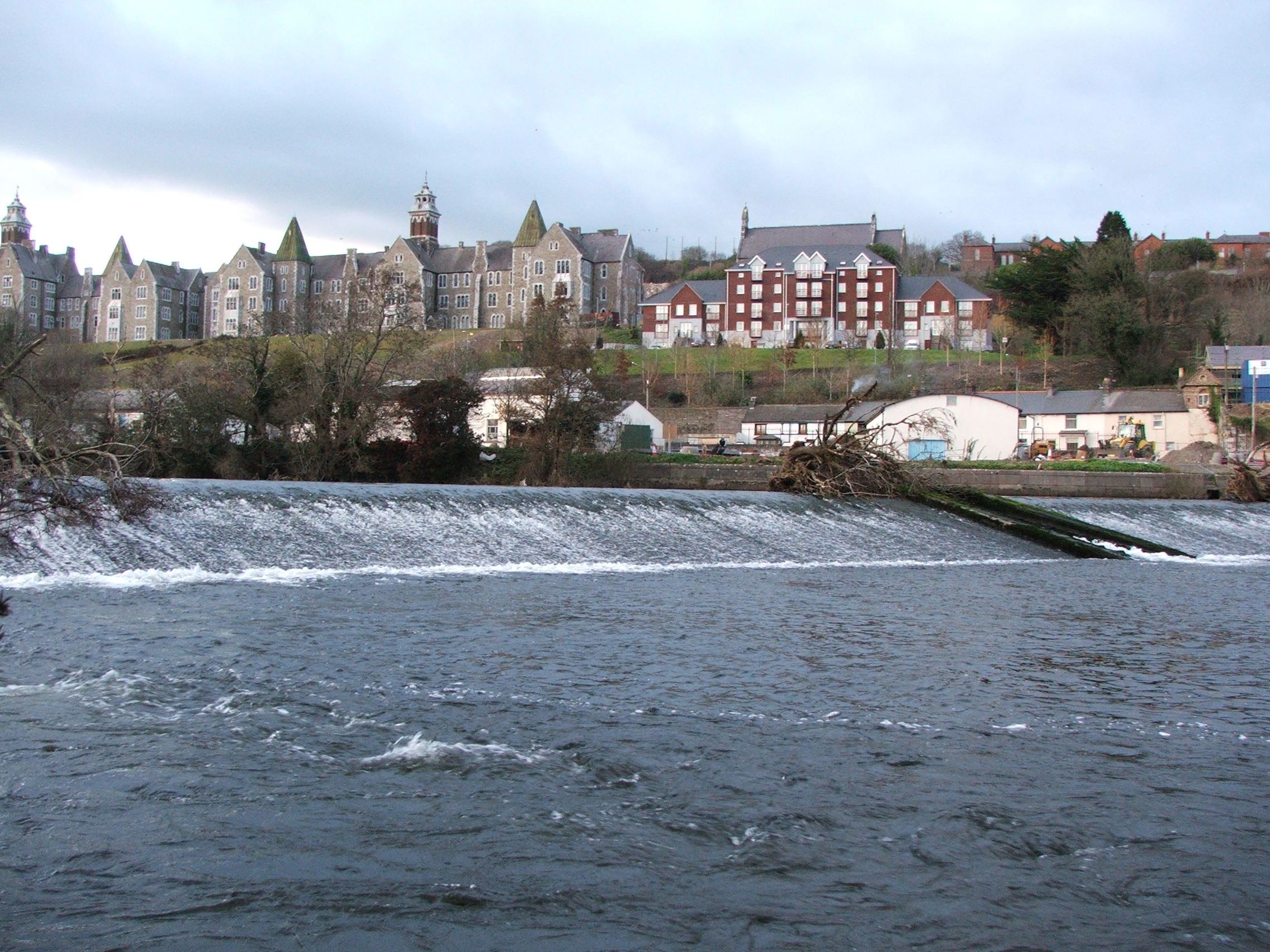
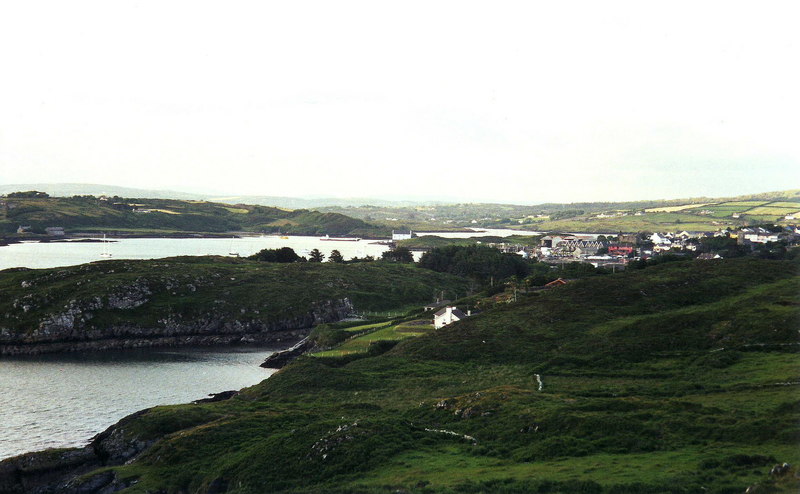
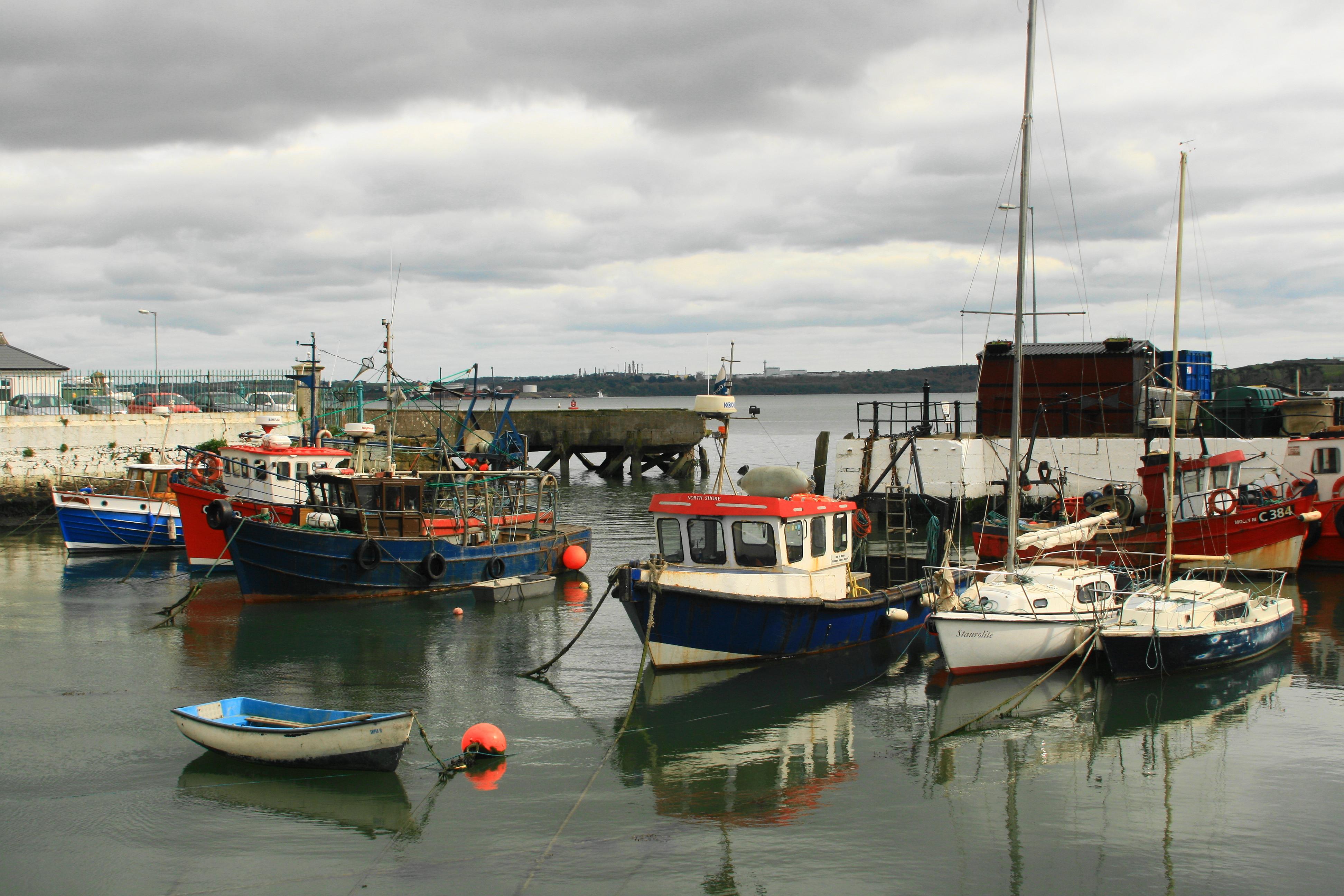
The River Lee is Munster's most urbanised salmon river and one of Ireland's most technically interesting regulated fisheries. Rising in the Shehy Mountains on the Cork–Kerry border, it flows east through rugged upland country before widening through Inniscarra and Carrigadrohid reservoirs, ultimately splitting around Cork City before entering Cork Harbour and the Celtic Sea.
What makes the Lee unusual among Irish salmon rivers is its regulated character. The hydroelectric infrastructure at Inniscarra Dam creates a controlled flow regime that fundamentally shapes the fishing experience. Below the dam, structured holding pools and defined current seams form predictably under certain discharge volumes, creating windows of exceptional productivity when water release schedules and fish movement align.
The most productive salmon fishing occurs in the compact corridor immediately downstream of Inniscarra. This is not a sprawling wilderness river — much of the Lee's salmon potential is concentrated within a relatively short section, making local knowledge of discharge patterns and pool structure particularly valuable. When conditions are right, the river can produce outstanding sport in an accessible urban environment.
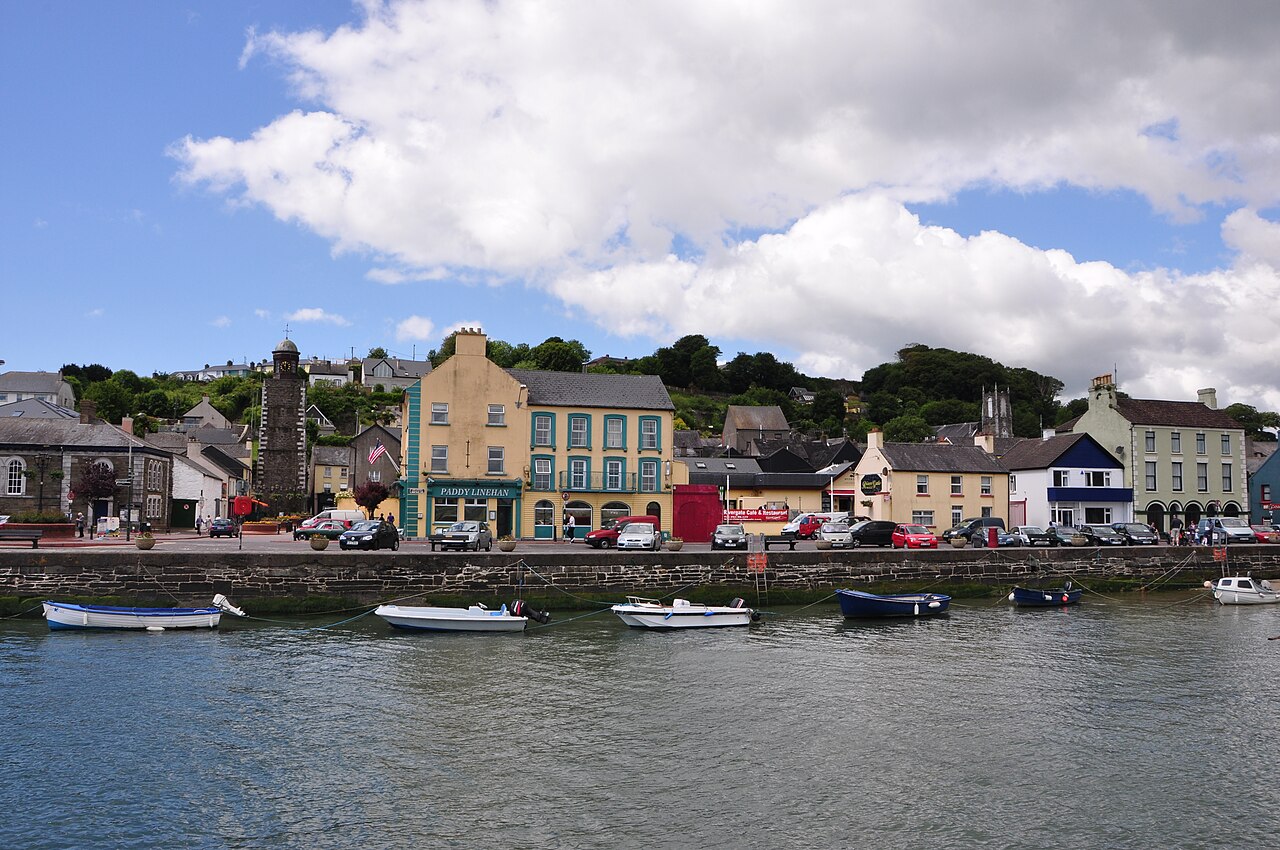
The Lee flows directly through Cork City, offering rare access to salmon angling within an urban setting without sacrificing sporting quality. This proximity to Cork Airport and city infrastructure makes it one of Ireland's most accessible salmon fisheries for international visitors, suitable for 48-hour fly-in trips or business-plus-angling extensions.
Beyond salmon, the upper river and reservoir margins support wild brown trout, pike and coarse species. The reservoirs themselves offer shore-based opportunities in select areas, while the lower river provides consistent trout habitat alongside the salmon beats.
Grilse: June, July
Brown Trout: May, June, July
Autumn Salmon: September
Spring Salmon: April, May
Difficulty
Intermediate
Access & bases
Primary base is Cork City. The lower river is highly accessible with designated angling beats, straightforward parking and riverside access. Boat fishing is not central to the Lee salmon experience. Cork Airport proximity makes this one of Ireland's most accessible salmon fisheries for international visitors.
Signature features
Regulated Salmon Water Below Inniscarra Dam
The most productive fishing occurs in the controlled section immediately downstream. Flow releases create defined holding pools and current seams that fish predictably under certain discharge volumes.
Urban Salmon Fishery
The Lee flows directly through Cork City, offering rare access to salmon angling in an urban environment. This accessibility makes it ideal for short-stay visiting anglers.
Compact High-Quality Stretches
Unlike sprawling systems, much of the Lee's salmon potential is concentrated within a relatively short section, making local knowledge of pool structure particularly valuable.
Season by season
February – April
Season opens. Early spring salmon may be present depending on annual returns and water levels. Trout begin feeding on nymphs as water temperatures rise.
May – July
Peak period. Grilse runs build through June and July. Trout respond to olive and sedge hatches. This is when the Lee fishes at its best, particularly during optimal discharge windows.
August – September
Autumn salmon arrive with fresh water and controlled releases. Low summer water demands subtle presentation with smaller flies. Early morning and late evening windows most productive.
Best conditions
Based on 0 reports, these conditions consistently produce the best fishing on River Lee:
💨
Not wind-dependent (river fishing)
Best wind
☁️
Overcast conditions preferred
Best sky
🌡️
Moderate discharge levels
Water temp
⏰
Early morning and late evening in summer
Best window
Seasonal fly & tactics guide
Spring (March – May)
Patterns
Medium-Large Spring FliesDark Munster PatternsSink-Tip Lines
Traditional Munster-style salmon flies in darker tones. Sink-tip or intermediate lines depending on discharge. Fish slower and deeper in cold water, targeting structured current seams below the dam.
⚠️Common mistake: Fishing too fast in medium water and ignoring defined depressions formed by structured current.
Early Summer (June)
Patterns
Small DoublesSilver TubesPoly Leaders
Reduce fly size for grilse as clarity improves. Floating lines with poly leaders in medium flows. Cover pools methodically, working downstream in controlled steps.
⚠️Common mistake: Overweighting flies in clearing water conditions.
Mid to Late Summer (July – August)
Patterns
Small TubesMicro PatternsLight Tippet
Low water demands subtle presentation. Early morning and late evening windows are most productive. Small tubes or trebles fished on fine tippet through defined holding lies.
⚠️Common mistake: Fishing during bright midday conditions when salmon are least responsive.
Autumn (September)
Patterns
Medium FliesOlive NymphsSedge Patterns
Rising water events trigger fresh fish movement. Medium flies swung steadily through holding runs. For trout, olive nymphs and small sedge patterns produce on the upper river.
⚠️Common mistake: Ignoring subtle takes in low water conditions.
Core technique
Salmon Fly Fishing Below Inniscarra
1Understand discharge schedules — moderate releases create ideal current seams for holding salmon.
2Select line weight to match flow: floating with sink tip in medium water, heavier tips when flow increases.
3Present slightly downstream to allow controlled swing across holding lies.
4Adjust tip weight rather than fly size when fish are not responding.
5Cover defined depressions thoroughly — salmon lie in structured positions created by regulated current.
💡 Patience and repetition of productive lanes are essential on the Lee. Understanding flow timing is often more critical than selecting a calendar month.
What works here
Flies and methods reported most successful by the community.
Where to Fish at River Lee
Below Inniscarra Dam
The core salmon water. Structured pools and tailrace influence create defined holding lies. This compact stretch produces the majority of the Lee's salmon fishing.
Mid-River Urban Sections
Accessible salmon beats through Cork City. Managed angling stretches with straightforward bank access and parking.
Upper River & Reservoir Margins
Brown trout and pike habitat in the stiller waters above the dams. Shore-based opportunities in select areas.
Suggested trip formats
🎣 2-Day Salmon Focus Trip
Day 1: Morning and evening sessions below Inniscarra. Day 2: Adjust tactics based on discharge pattern. Ideal for international visitors with limited time.
🎣 Mixed City & Countryside Trip
Salmon on the lower Lee combined with trout sessions upstream or on reservoir margins. Accommodation in Cork City for convenience.
Conservation & stewardship
🌿
The River Lee is actively managed and monitored. Responsible practice includes strict adherence to salmon regulations, careful handling and release, avoiding unnecessary wading during spawning periods, and supporting local angling clubs maintaining beats.
Frequently asked questions
Before You Go — Key Regulations
Jurisdiction
Republic of Ireland (IFI)
Season
February 15 – September 30
Licence required
Yes — State Salmon Rod Licence
Salmon licence and state permit required. Catch-and-release regulations may apply.
Main access: Local guides operate on the salmon beats below Inniscarra, particularly during peak grilse periods, Tackle shops and advice available in Cork City, Local angling clubs maintain beats and manage access