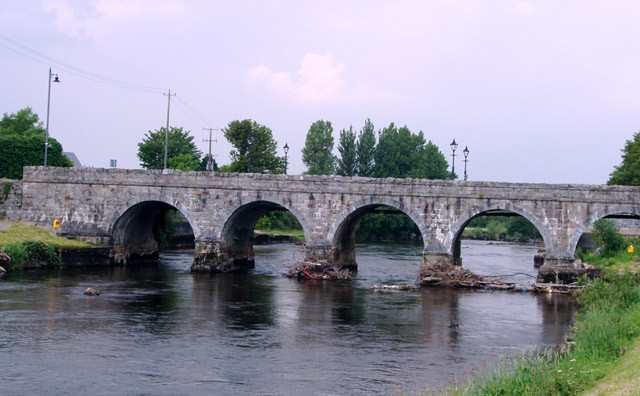
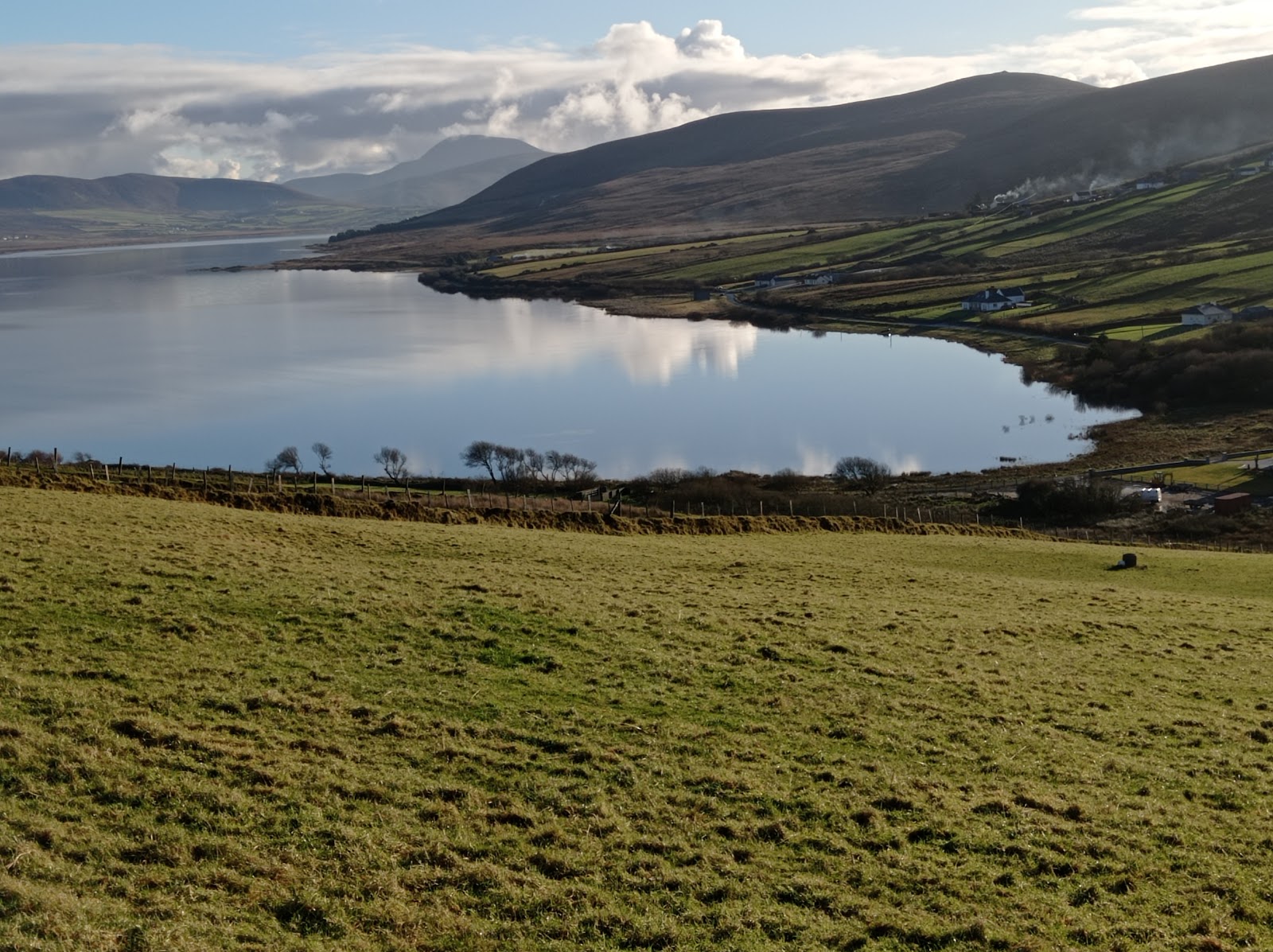
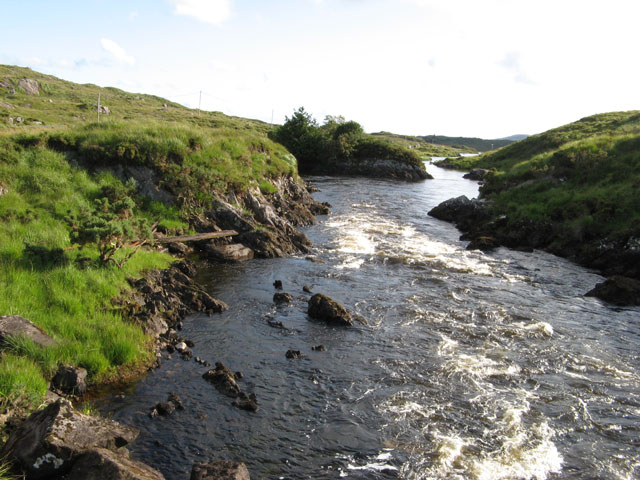
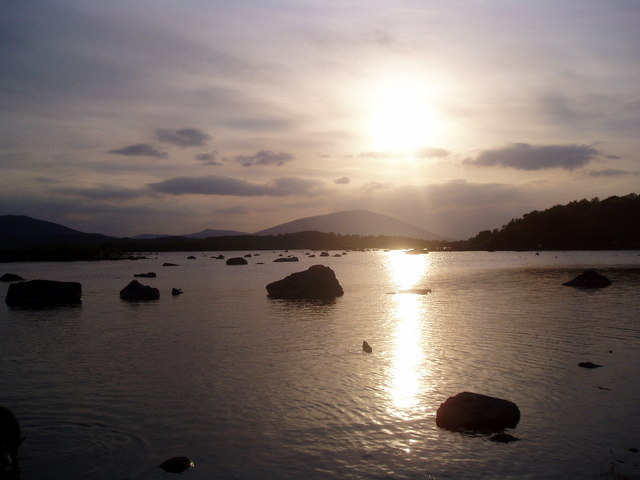
The River Moy is a salmon river in County Mayo, flowing to the Atlantic at Killala Bay through Ballina, Foxford and Swinford. It is among the most productive Atlantic salmon fisheries in Ireland and also holds sea trout and brown trout.
County
Mayo
Region
West
Type
River
Nearest towns
Ballina, Foxford, Swinford
River system
River Moy
Species
Atlantic Salmon, Brown Trout, Sea Trout
The River Moy is Ireland's most celebrated Atlantic salmon river — a name that resonates with anglers across Ireland, Britain, and Europe. Rising in the Ox Mountains and flowing north-east through County Mayo before entering Killala Bay at Ballina, the Moy has shaped Irish salmon angling culture for over a century. It consistently ranks among the country's highest-producing rivers in official IFI returns, and its iconic pools are fished by anglers who have planned their trips months in advance.
The river runs for approximately 110 kilometres, with a catchment that includes significant tributaries — the Deel, Clydagh, and Manulla among them. What distinguishes the Moy is not just its productivity but its structure: much of the fishing is organised through managed fisheries and defined beats, giving visiting anglers a clarity and order that wilder systems cannot offer. This makes it approachable without being easy.
Salmon are the primary quarry and the reason most anglers come. The Moy offers two distinct fishing experiences: the spring season targets larger multi-sea-winter fish — powerful, prized, and fewer in number — while the summer grilse runs deliver higher volumes of fresh fish from June onwards. The river responds quickly to rainfall, and anglers who understand the relationship between water height, tide, and fish movement consistently outperform those who don't.
Brown trout are present throughout the system, particularly in upper stretches and tributaries, and sea trout — once more prominent — are occasionally encountered in the lower reaches. For most visiting anglers, however, the focus is squarely on salmon.
Fishing the Moy means engaging with a living angling tradition. The Ridge Pool at Ballina is arguably Ireland's most famous salmon pool — a tidal holding lie where fresh fish pause before moving upriver, and where early-season spring fish gather in numbers that make it a focal point unlike anywhere else in the country.
Ballina is the principal angling base, offering hotels, tackle shops, guiding services, and straightforward access to the lower river beats. Foxford, further upstream, provides access to mid-river pools and is a quieter alternative for anglers wanting good summer grilse water without the competition of the famous lower pools. Both Dublin and Shannon airports offer practical access, making the Moy one of the most internationally accessible salmon fisheries in Ireland.
Grilse: June, July
Sea Trout: July, August
Brown Trout: April, May, June
Spring Salmon: March, April
Difficulty
Intermediate
Access & bases
Ballina is the principal base for the lower river and is easily reached from Dublin (3 hours) or Shannon (1.5 hours). The Ridge Pool is accessed through the Moy Fishery office in Ballina town. Most beats on the river require advance booking through individual fishery managers — walk-up access is limited during peak season. Foxford (20 minutes south of Ballina) provides access to mid-river beats. The structured fishery system means the majority of the best water is accessed by pre-booked permit rather than informal bank access. Tackle shops in Ballina can advise on day permits and beat availability for the current season.
Signature features
The Ridge Pool
The most famous salmon pool in Ireland. Located at Ballina where the tidal influence begins, the Ridge Pool is a natural holding lie where fresh salmon pause before running upstream. Spring fish congregate here in numbers, and the pool can produce extraordinary sport on a rising tide with fresh fish in the system. It is fished on a rotation system managed by the Moy Fishery office — permits must be booked in advance during peak season.
Managed Beat System
Unlike many Irish rivers where access is informal or unstructured, much of the Moy operates through defined beats with rotation systems, daily catch recording, and organised access. This creates predictability for visiting anglers — you know where you're fishing, for how long, and under what rules. For international visitors unfamiliar with Irish river fishing, this structure is reassuring and enables proper trip planning.
Tidal Influence and Fish Movement
The lower Moy is strongly tidal, and fish movement in this section often correlates with tide cycles rather than time of day alone. Understanding the relationship between tide, water height, and salmon behaviour is a key skill for fishing the lower river effectively. On a rising tide with fresh water running, fish can move rapidly and the fishing can switch on quickly.
Run Consistency
Few Irish rivers match the Moy's season-on-season consistency. While runs fluctuate annually with ocean conditions, the Moy regularly records strong returns in IFI data. The combination of spring fish, grilse, and a long season from February to September gives anglers multiple opportunities throughout the year.
Season by season
February – April
Spring salmon season. Water is cold and often running high after winter. Spring fish are larger and more powerful than summer grilse, but numbers are lower. The Ridge Pool is the focal point for early-season activity. Sink tips and large tube flies are the standard approach. A cold but rewarding time to fish the Moy — the river is quieter and the fish that are here are worth the effort.
May
A transitional month. Late spring fish are still moving through and early grilse begin to appear as water temperatures rise. Methods shift lighter as the season progresses and fly size comes down. A good time to be on the water if you can adapt to changing conditions.
June – July
Peak season. Grilse runs can be strong and fresh fish enter on every suitable tide and spate. This is when the Moy earns its international reputation. Beats fill quickly and advance booking is essential. Late June into July typically offers the best combination of fish numbers and day length. Small to medium flies on floating or intermediate lines are the primary approach.
August – September
Late season fishing is water-dependent. After prolonged dry spells fish can become dour, but a good spate in August or September can trigger fresh movement and excellent sport. Some of the most underrated fishing on the Moy occurs in September when crowds have thinned and the river remains fishable.
Best conditions
Based on 0 reports, these conditions consistently produce the best fishing on River Moy:
💨
Upstream breeze or light variable
Best wind
☁️
Overcast with occasional breaks
Best sky
🌡️
10–18°C
Water temp
⏰
Rising water after rain; first 24–48 hours of a spate
Cold water demands a slow, deliberate presentation. Fish deeper and slower than feels comfortable. Use medium to large flies — often tied on tubes — with a sink tip or full sinking line. Cast square or slightly downstream and mend aggressively to slow the fly in the current. Fish are less inclined to move far in cold water, so getting the fly down to their level is the priority.
⚠️Common mistake: Fishing too fast and too shallow. Spring fish in cold water will not rise to chase — the fly must be presented at their level with a controlled swing.
As water temperatures rise above 10°C, shift to lighter lines and smaller flies. Intermediate or floating lines work well in most conditions. Hairwing doubles and smaller tubes covering the water in an orthodox downstream swing remain the core approach. Fish are more willing to move, so covering water efficiently matters more than searching depth.
⚠️Common mistake: Staying on heavy gear and large flies from the spring. When grilse start appearing, lighter tackle and a more mobile approach consistently outperforms brute-force tactics.
Peak Grilse (Late June – July)
Patterns
Micro CascadeAlly's Shrimp (small)Park ShrimpThunder & LightningCollie Dog
Fresh grilse often respond well to small, lively patterns presented on a floating line. In low water, drop to size 14 or 16 doubles on a fine leader and fish with a delicate swing. In medium water, size 10–12 on an intermediate line covers most situations. Cover all the water methodically — grilse often hold in unexpected places, particularly behind rocks and at current edges.
⚠️Common mistake: Using flies that are too large in low summer conditions. When the river drops and clears, fly size often needs to come down significantly — anglers who adjust quickly are rewarded.
Late Season (August – September)
Patterns
Small doublesShrimp patternsDark hairwingsBlue Charm
Water-dependent tactics. After a spate, fish like fresh-run grilse and treat them accordingly. In prolonged low water, fish become selective and difficult. Smaller, darker flies presented delicately on fine tippet in the early morning or late evening often produce when nothing else will. Perseverance and watercraft — reading where fish are likely to be holding — matters more than pattern choice.
⚠️Common mistake: Fishing through low water in August with summer-weight tackle and abandoning the session. Some of the season's best fish are caught in September by anglers willing to adapt and wait for the right conditions.
Core technique
The Downstream Swing
1Wade into position and cast across and slightly downstream at roughly 45 degrees to the current.
2Immediately mend upstream to slow the fly's swing and allow it to sink to the correct depth.
3Hold the rod at a comfortable angle and allow the fly to swing broadside across the current — do not retrieve.
4As the fly completes its swing and hangs below you, maintain tension and hold for a count of ten before stepping downstream and repeating.
💡 In cold spring conditions, add extra upstream mends and fish with a longer hang time at the end of the swing. In low summer water, reduce mending to speed the fly up slightly — fresh grilse often take on a faster, livelier swing.
What works here
Flies and methods reported most successful by the community.
Where to Fish at River Moy
Lower Moy — Ballina Area
The heartland of Moy salmon angling. Tidal influence, the Ridge Pool, and multiple managed beats make this the most productive and most pressured section. Fresh fish holding water and rotation systems define the experience here.
Middle Moy — Foxford Area
Classic salmon pools with excellent summer grilse water. Slightly less pressured than the lower river and ideal for anglers seeking structured beats in a quieter setting. Foxford is an underrated base for a Moy trip.
Upper Moy and Tributaries
More intimate water suited to single-hand rods. Spate-dependent salmon access and good trout fishing in the tributaries. Less suited to visiting anglers targeting salmon specifically but excellent for those wanting a mixed week.
Suggested trip formats
🎣 3-Day Grilse Introduction
The ideal introduction to Moy salmon fishing. One guided day on the Ridge Pool or a managed lower river beat, followed by two days rotating beats independently. Target the grilse period in late June or July for the best combination of fish numbers and sporting chances.
🎣 Spring Salmon Specialist Trip
March or April targeting multi-sea-winter spring fish. Heavier gear, sink tips, and large tube flies. A local guide is strongly recommended for spring fishing — watercraft and local knowledge make a decisive difference when fish are fewer and conditions demanding.
🎣 Mixed Salmon and Trout Week
Salmon on the managed main river beats combined with trout sessions on upper tributaries. Ideal for anglers wanting variety or travelling with a partner who fishes trout. May and early June works well for this format before the main salmon pressure arrives.
Conservation & stewardship
🌿
The River Moy's exceptional salmon runs are the result of decades of careful management by Inland Fisheries Ireland and individual fishery operators. Every angler on the river has a responsibility to support this work. Catch-and-release is widely practised and strongly encouraged, particularly for spring salmon — these large multi-sea-winter fish are rare and their genetic contribution to future runs is significant. Handle fish carefully, minimise time out of the water, and use barbless hooks where possible. Comply fully with daily bag limits and fishery-specific rules. Report any unusual fish kills or net activity to IFI immediately.
A State salmon licence (rod licence) is required to fish for salmon in the Republic of Ireland — available from IFI or authorised dealers. Individual beat permits are also required for each fishery section; these are separate from and in addition to the licence.
Main access: Professional guiding services are available through Ballina-based operators — strongly recommended for first-time visitors and spring salmon fishing. Local ghillies understand beat rotation, holding lies, and current conditions in a way that significantly improves catch rates., Moy Fishery Office, Ballina — permits, beat booking, and local advice for the lower river, Moy Fishery and IFI Western Region manage much of the river; local angling clubs operate some upper beats