📍Kilkenny · South East📋IFI (Republic of Ireland)Season Open
8Species Present
County
Kilkenny
Region
South East
Type
River
Depth
3 m
Species
Atlantic Salmon, Chub, Pike, Perch, Roach, Dace +2 more
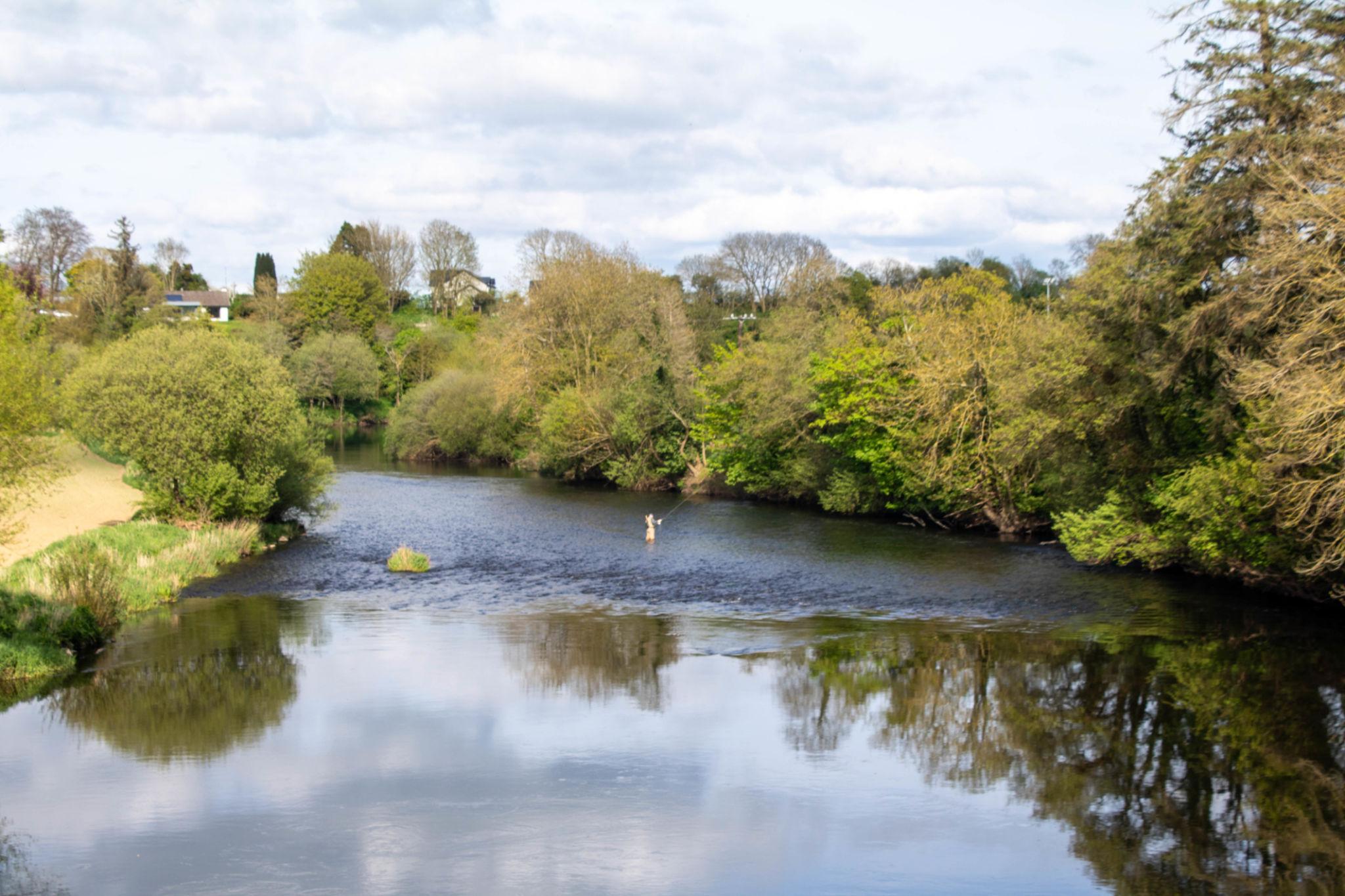
The River Nore is one of Ireland's great limestone rivers — a broad, fertile, life-rich system flowing from the slopes of the Slieve Bloom Mountains through Counties Laois and Kilkenny before joining the Barrow and Suir to form the Three Sisters estuary at Waterford Harbour. For the angler, it represents a classic Irish river experience: wild brown trout rising to prolific hatches, defined salmon runs in the lower river, specimen coarse fish in its deeper glides, and varied water that rewards both the technical fly angler and the traditional bait fisherman.
The river's limestone geology is the defining influence on its character. Unlike the acidic peat-stained systems of the west, the Nore runs clear and alkaline through its middle and lower reaches, fuelling exceptional invertebrate life — olives, sedges, caddis, and a rich assembly of upwing flies that make the season from April through June one of the finest dry fly experiences in Ireland. Trout growth rates here are strong, and fish of 1–2 lbs are common in the productive middle stretches.
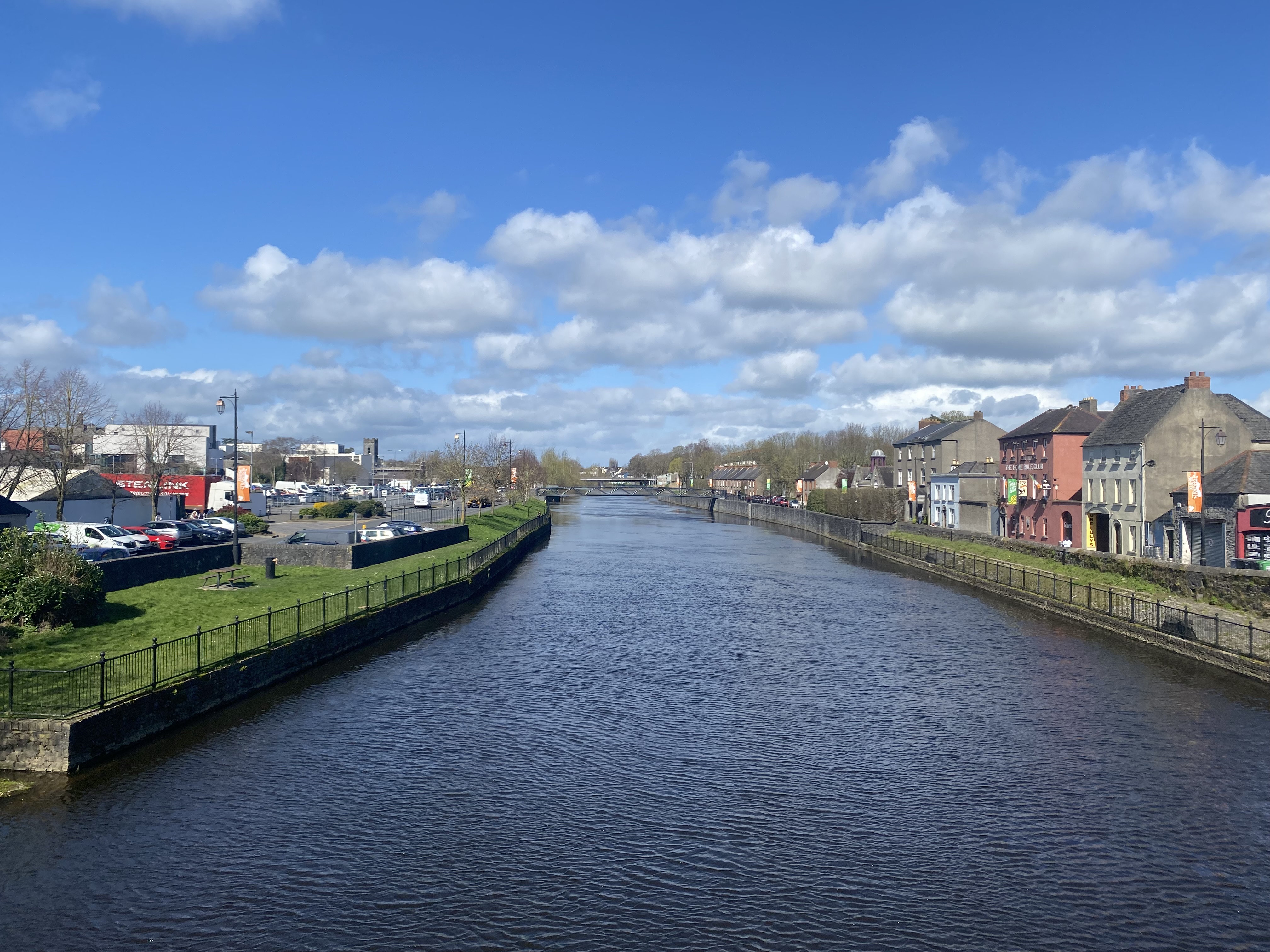
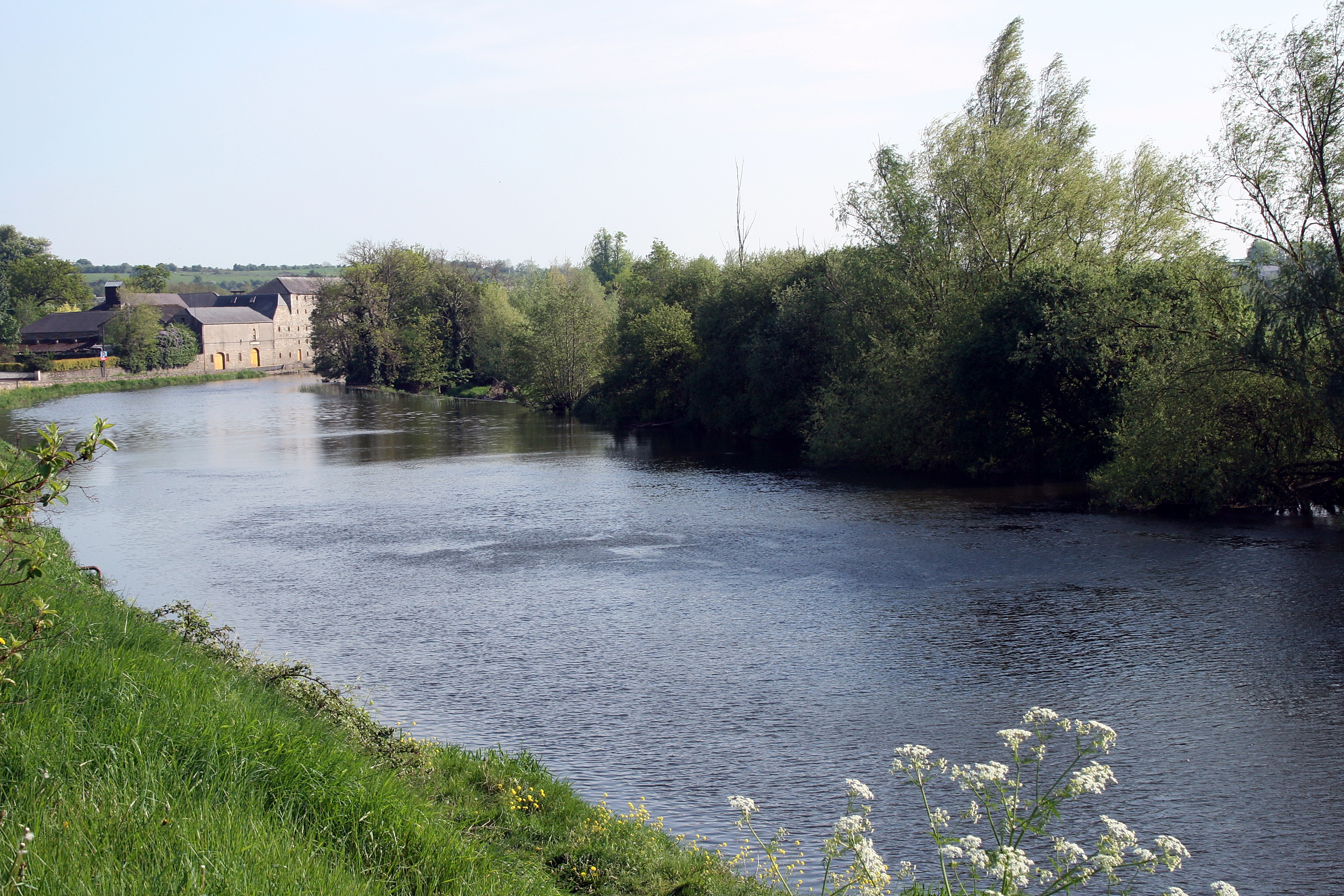
The middle Nore, from the environs of Kilkenny city down through Thomastown and Inistioge, is the heart of the fishery. This is textbook fly water: riffle-run-pool sequences where trout hold predictably in seams and at the tails of pools, rising freely when conditions are right. It is the kind of water that makes you think carefully about presentation, leader length, and fly choice — and rewards that thinking generously.
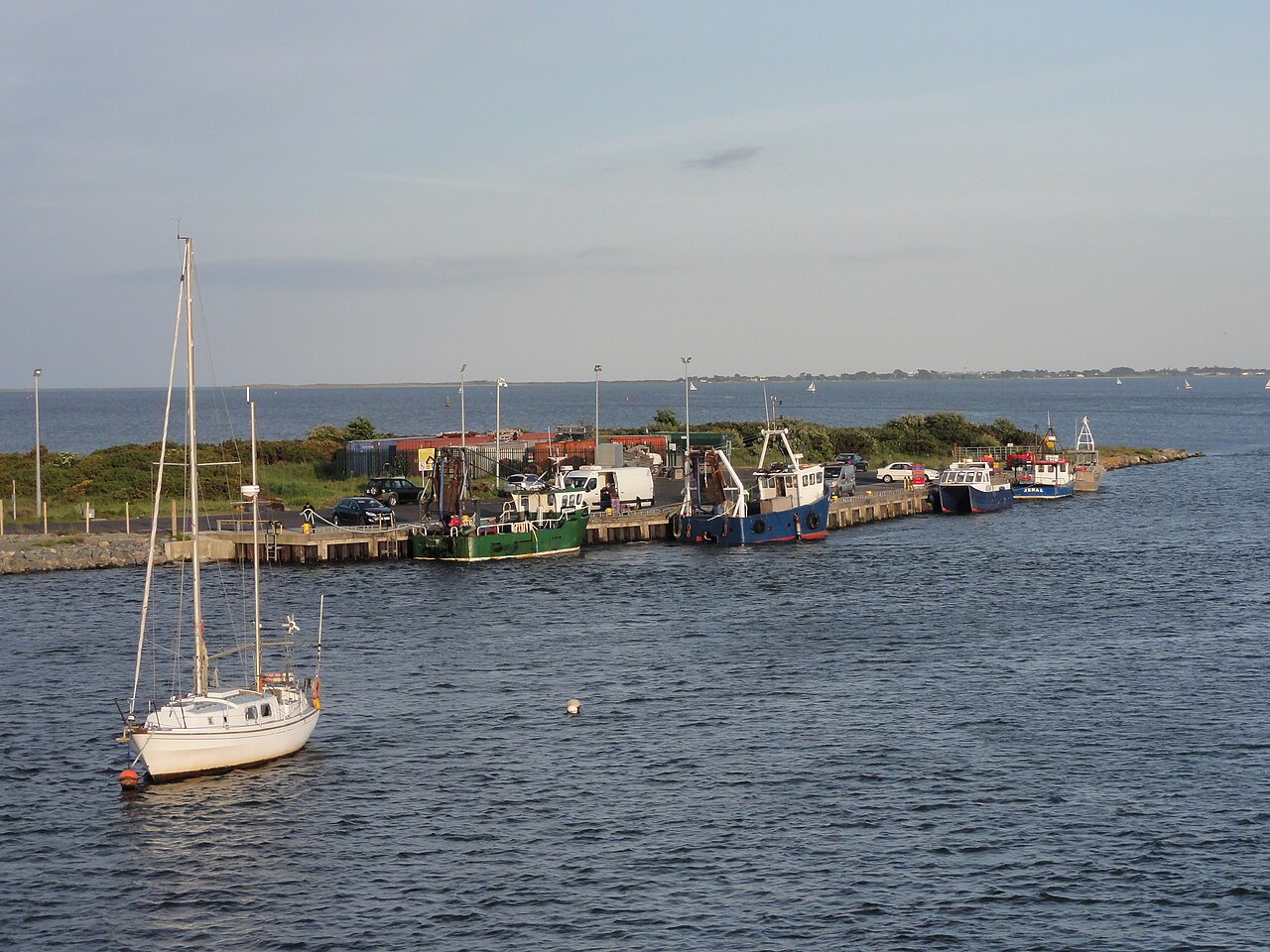
Further downstream, the river broadens and deepens as it approaches the tidal zone. This lower Nore holds salmon runs in season, responding to rainfall events that raise water levels and encourage fish to run. Coarse fishing also comes into its own here, with chub, dace, roach and perch occupying the slower glides alongside occasional pike.
The upper Nore, above Kilkenny in County Laois, has a different character entirely — a freestone stream, quicker to respond to rainfall and quicker to drop back, fishing well in the early season before the limestone middle river comes into its own. This upstream reach suits the angler who enjoys smaller water and a more intimate style of fishing.
The River Nore is managed across multiple stretches by angling clubs and private estates. Access is generally from the bank; wading is common and productive but demands care, as the limestone bedrock is notoriously slippery and water levels can rise quickly after rain. Kilkenny city makes an excellent base — one of Ireland's finest, with accommodation, restaurants and the medieval character of the city adding considerably to any fishing trip.
Salmon: 15 Feb – 30 Sep
Sea Trout: 15 Feb – 30 Sep
Best times
Evening Rise: June, July, August
Atlantic Salmon: September, October
Wild Brown Trout: April, May, June, July, August
Difficulty
Intermediate
Access & bases
The primary access towns are Kilkenny, Thomastown, and Inistioge. Many stretches are controlled by angling clubs or private estates — always confirm access arrangements before fishing. Bank fishing is the norm throughout; wading is widely practised in the middle river but a wading staff is strongly recommended given the slippery limestone bedrock and the river's tendency to rise rapidly after rainfall. Kilkenny city is the natural accommodation base, offering a full range of hotels, guesthouses and self-catering options within easy reach of the best limestone stretches.
Signature features
Limestone Productivity
The geology of the middle Nore is the foundation of everything. Limestone bedrock creates alkaline, mineral-rich water that supports exceptional invertebrate diversity — olives, sedges, caddis, shrimps and snails in abundance. This natural larder drives trout growth rates that are among the best in Ireland, producing well-conditioned wild fish that feed selectively and fight hard when hooked. Intelligence data confirms this productivity with anglers averaging 6.1 fish per rod across the season and achieving 77% positive outcomes overall.
Classic Riffle-Run-Pool Sequences
The middle Nore textbook fly water. Broken riffles give way to steady runs and defined pools, creating the kind of varied structure that allows trout to hold, feed and be targeted with traditional upstream dry fly technique. Reading the water is part of the pleasure — productive lies reveal themselves to the observant angler.
The Evening Rise
In summer, the last two hours of daylight on the River Nore can be transformative. Evening sedge hatches and terrestrial activity bring fish to the surface across the river, and the fading light makes approach and presentation easier. Field reports show sedge hatches peaking in August (mentioned in 11 of 21 reports), while July achieves perfect 100% positive outcomes during evening sessions. Local anglers plan their days around the evening rise, and visiting anglers who do the same are rarely disappointed.
Three Sisters Confluence
The Nore joins the Barrow and Suir near Waterford to form one of Ireland's great estuarine systems. This geographical context gives the lower river significance beyond its trout and salmon fishing — it is part of an ecological network that supports some of the most diverse aquatic life in the country.
Season by season
February – March
Early season on cold, often high water. Nymphing dominates — upstream presentation with Pheasant Tail and Hare's Ear patterns into deeper runs and slower glides. Surface activity is limited but the occasional mild afternoon can produce some dry fly sport on the most sheltered limestone stretches. Field reports show March achieving 53% positive outcomes, with March Brown patterns and wet fly techniques proving most effective. A good time to explore the river and identify productive lies without the pressure of peak season.
April – early May
The river begins to come alive. Early olive hatches trigger surface feeding on mild afternoons from mid-April, and the upstream dry fly approach starts to yield proper results. Intelligence data shows olive hatches peaking in April (mentioned in 8 of 25 reports), with anglers averaging 6.7 fish per rod and achieving 80% positive outcomes. Water temperatures are rising and trout are feeding more actively. This is a transitional period — the fishing can be exceptional when conditions align, but weather and water level remain significant variables.
May – June
Peak season on the River Nore. Limestone hatches are at their strongest — olives, sedges and a broad range of upwing flies bring fish to the surface reliably. Mayfly hatches become prominent from mid-May (mentioned in 6 reports), while sedge activity builds through June (6 mentions). Field data shows May with 79% positive reports and June achieving exceptional 86% success rates. Overcast days produce steady feeding throughout the afternoon; evenings extend into memorable sessions with fish rising freely in the last two hours of light. Fine leaders, careful presentation and well-matched fly patterns define the successful angler in this period.
July – August
Summer brings lower, clearer water and increasingly selective trout. The focus shifts to evening sessions when sedge hatches and terrestrial falls — beetles, hoppers, daddy longlegs — concentrate feeding activity at the tails of pools. July achieves remarkable 100% positive reports, with sedge patterns dominating (11 mentions in August). Daytime fishing demands a stealthy approach and longer, finer leaders. Sight fishing to individual rising fish is one of the great pleasures of the summer Nore, with August maintaining strong 76% positive outcomes.
September
The final month of the season. Water is typically at its lowest and clearest, and trout are at their most technical. Field reports show 61% positive outcomes, indicating more challenging but rewarding conditions. Smaller fly patterns and the lightest practical tippet are required. The fishing is demanding but deeply satisfying for the angler prepared to adapt. A fresh spate in September can revive sport considerably and may bring late salmon through the lower reaches.
Best conditions
Based on analysis of 149 IFI reports (2018–2025):
💨
NW F3
Best wind
86% positive
☁️
Mostly cloudy (60-80%)
Best sky
82% positive
🌡️
10-12°C
Best air temp
91% positive
⏰
Afternoons and evenings May–August, with light rain (0.5-3mm) showing 83% positive outcomes
Upstream nymphing into deeper runs and slower glides. Fish are holding low in cold water and not moving far for food. Present the nymph tight to the riverbed, allowing it to drift naturally through the seam. A strike indicator can help detect the often subtle takes in cold water. Move slowly and cover water methodically — the fish are there, but they need the fly brought to them. Mount Juliet Estate and George's Wall are the most productive early season areas.
⚠️Common mistake: Fishing the surface when water temperature is below 8°C. Trout are unlikely to rise until conditions warm, and persisting with dry fly wastes fishing time.
Watch for olive hatches beginning on mild afternoons from mid-April. Rising fish are your target — locate individual feeders before casting and present the fly slightly upstream of the rise, allowing it to drift drag-free over the fish. A long, fine leader (12–14ft, tapering to 5X) is essential on the clear limestone water. Mount Juliet Estate dominates productive reports during this transition period, while George's Wall also produces consistently.
⚠️Common mistake: Casting over fish before the hatch is properly established. Wait for consistent rising before approaching — premature casting spooks fish that would otherwise feed confidently.
Classic upstream dry fly. Use a 14–16ft leader tapering to 4X or 5X. Approach feeding fish from below, keeping a low profile. Cast to place the fly 2–3 feet above the rise, then mend immediately for a drag-free drift. Match the hatch — observe what is hatching before selecting a pattern, and don't be afraid to change flies if fish refuse consistently. Focus on Mount Juliet and Thomastown areas where mayfly and sedge activity peaks.
⚠️Common mistake: Using flies that are too large. Size 14 is rarely too small in May and June; size 16–18 is often necessary on flat, clear water. Oversized patterns cause refusals that can spook a fish permanently.
Arrive at the river two hours before dark. Fish the tails of pools and the edges of slower glides where sedge hatches concentrate. Terrestrials — beetles, hoppers and daddy longlegs — produce well when the natural insects are active. Present confidently; summer trout often take with purpose in the evening. In low light, a slightly larger fly is justified to maintain visibility. Thomastown and Mount Juliet areas excel during evening sedge hatches.
⚠️Common mistake: Arriving too late. The best evening sport often occurs before full dark, in the last hour of adequate light. Arriving as the rise begins — not after it is underway — gives you the most productive time on the water.
Stealth is everything in September. Low, clear water means fish can see everything. Approach on your knees for rising fish in flat pools. Use the longest, finest leader practical — 5X or 6X tippet is often necessary. Small flies in subdued colours consistently outperform larger patterns. One good fish in an hour's careful hunting is a September success. Thomastown remains the most productive late season area.
⚠️Common mistake: Failing to adjust leader length and tippet diameter. Anglers who fish May leaders in September on low water consistently spook fish. The adjustment is simple and its impact is immediate.
Core technique
Upstream Dry Fly on Limestone Rivers
1Approach from downstream, keeping a low profile and moving slowly. On clear limestone water, trout can see you clearly — any disturbance will shut down feeding activity.
2Locate rising fish before casting. On a productive limestone day there will be multiple risers — choose your target carefully, ideally an actively feeding fish in an accessible position.
3Cast slightly above the rise ring, allowing the fly to drift naturally over the fish's lie. Aim to land the leader on the water first, pulling the fly line away from the fish.
4Mend immediately after the cast to eliminate drag. On the Nore's complex currents, a micro-drag is often invisible to the angler but immediately apparent to the trout.
5Allow a drag-free drift of at least 2–3 feet. If the fish does not take, lift off quietly and recast rather than extending the drift into drag.
6Strike with a firm but controlled upward lift when a fish takes. On flat water, trout often inspect the fly for a moment before committing — wait until you feel resistance, not just see the rise.
💡 Fine tippet (4X–6X) is non-negotiable on the limestone Nore. Trout in clear alkaline water see leader material clearly, and a heavy tippet causes consistent refusals on educated wild fish.
What works here
Flies and methods reported most successful by the community.
Where to Fish at River Nore
Upper Nore (County Laois)
Freestone character in the headwaters and upper reaches above Kilkenny. Smaller, quicker water that responds rapidly to rainfall. Good early season nymphing and productive when a rise of water colours the stream.
Middle Nore (Kilkenny to Inistioge)
The prime limestone trout fishing zone. Classic riffle-run-pool sequences through the Kilkenny, Thomastown and Inistioge reaches. This is the water most visiting anglers target, and for good reason — it offers the best dry fly fishing on the system. Mount Juliet Estate dominates early season reports (9 mentions March-April), while Thomastown becomes increasingly productive through summer (12 mentions July-September).
Thomastown Reaches
Particularly productive middle river stretches with well-defined pool and riffle structure. Multiple access points and a range of water types suit different conditions and angling styles. Field reports show this area excelling in summer months, particularly for sedge fishing from July through September.
Inistioge Area
One of the most atmospheric sections of the Nore. The river moves through wooded valley scenery with excellent fly water on both banks. Evening sessions here in June are particularly memorable.
Lower Nore (Salmon Beats)
The broader, deeper lower river approaching the tidal zone. Salmon runs occur here in season after fresh water. Coarse fishing also productive in the slower glides. Access and regulations vary significantly — local enquiry essential.
Suggested trip formats
🎣 2-Day Spring Trout Session
Base in Kilkenny and fish the middle river morning and evening. Focus on nymphing early in the trip and transition to dry fly as hatches develop through the day. The city offers excellent restaurants for evening recovery.
🎣 3-Day Limestone Hatch Trip (May/June)
Target the peak of the dry fly season. Fish the afternoon rise from 2pm and extend into the evening on productive days. Use mornings for reconnaissance — identifying rising fish, reading the water, and planning approach angles. The definitive River Nore experience.
🎣 Salmon Spate Weekend
Monitor river levels in the lower Nore after significant rainfall. When the river is rising or beginning to fall back with colour, salmon sport can be excellent on the lower beats. Subject to current conservation regulations — always confirm before travelling.
🎣 Summer Evening Session
Arrive at the river at 6pm in July or August. Walk the middle reaches and identify evening risers as the light drops. Fish the sedge rise and terrestrial fall until dark. One of Ireland's great summer fishing experiences — no commitment needed beyond a few evening hours.
Conservation & stewardship
🌿
The River Nore is a protected wild fishery and its wild brown trout stocks deserve careful stewardship. Catch and release is strongly encouraged for all larger fish, particularly during low summer water conditions. Barbless hooks or hooks with barbs pinched down should be used throughout the season. Salmon regulations are strictly enforced — any angler targeting salmon must carry a current state licence and comply fully with conservation controls, which may include mandatory catch-and-release on some beats. In autumn, avoid wading over spawning redds on gravelly riffles, which are easily identifiable by the clean, disturbed substrate. Respect all landowner and club access arrangements, close all gates, and take all litter home.
Trout season runs from approximately mid-February to 30 September — verify with IFI annually. Salmon fishing is subject to conservation controls that vary by stretch and year; a state salmon licence is required and anglers may need to log catches.
Main access: Local guides are available for visiting anglers, particularly valuable for navigating access arrangements and timing hatches correctly — enquire locally or through IFI, Kilkenny city has tackle shops and is the primary hub for angling services on the river, Kilkenny Angling Club manages access to significant stretches of the middle river