📍Multiple Counties · Midlands📐11000 km²📋IFI (Republic of Ireland)Season Open
0Reports this week
0Total reports
9Species present
0Providers nearby
0★Avg rating
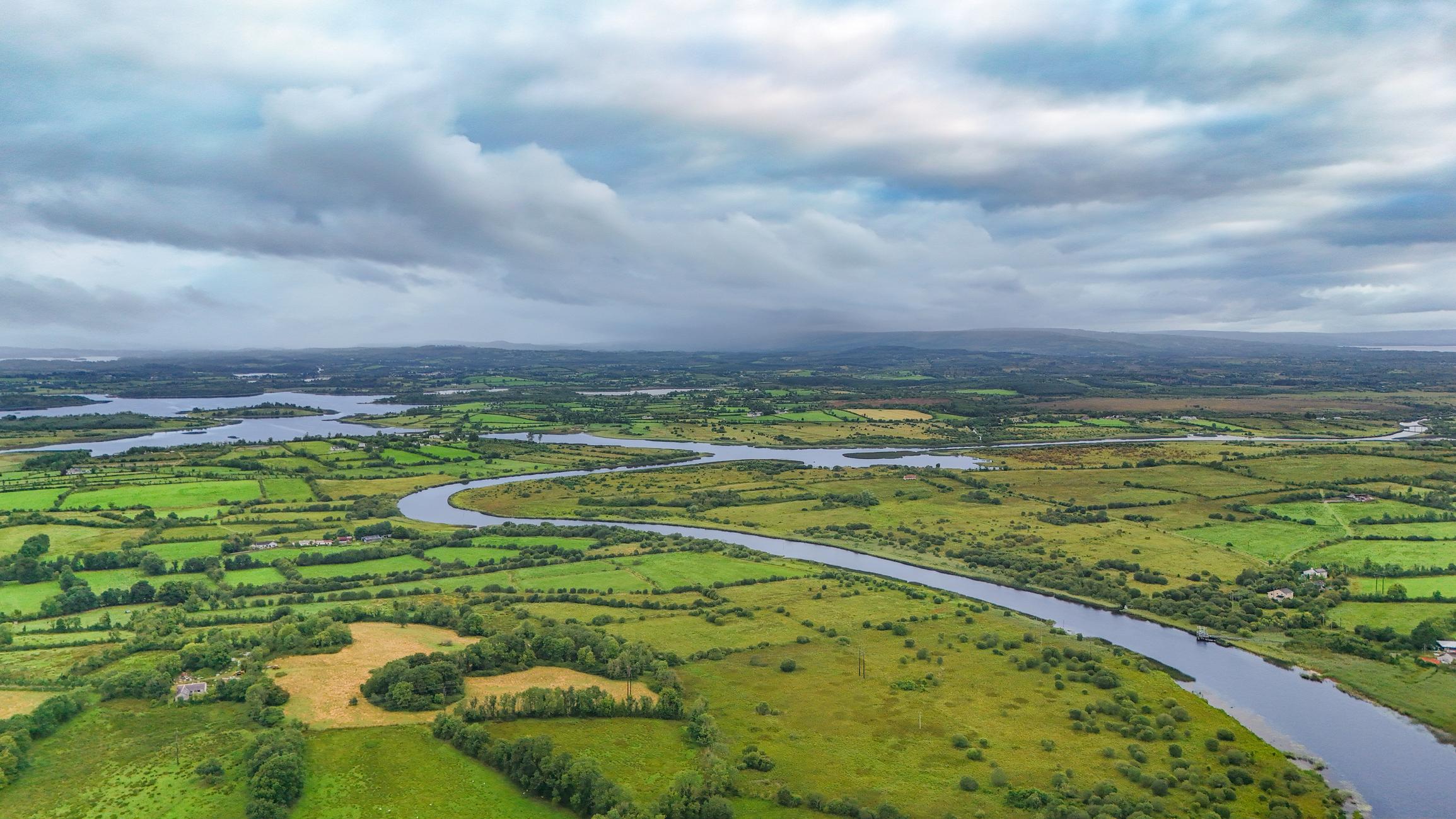
The River Shannon is not simply a river — it is Ireland's defining inland waterway, and one of Europe's great coarse and predator fisheries. Stretching 360 kilometres from the uplands of County Cavan to the tidal estuary below Limerick, the Shannon encompasses a vast interconnected system of river channels, flooded callows, weir pools, and three of Ireland's largest loughs: Allen, Ree, and Derg. For anglers, it is a lifetime's exploration in a single waterway.
The Shannon's identity lies in its scale and diversity. Unlike a limestone lough defined by a single hatch, or a spate river that lives and dies by rainfall, the Shannon offers something different in every season and zone. Its lake-fed, partially regulated character means extremes are less abrupt than upland rivers — water clarity and levels shift gradually, giving anglers more predictable windows and more forgiving conditions for planning.
Pike fishing is the Shannon's flagship offering and its international calling card. Fish exceeding 20 lb are realistic targets in the right conditions, and larger specimens are recorded annually across the lake sections. The combination of abundant prey species — vast roach and bream shoals — with extensive structural habitat produces pike of exceptional size and condition. Autumn and winter, when cooling water concentrates baitfish and triggers aggressive feeding, are widely considered the prime season for big-fish hunting.
Coarse angling on the Shannon is equally outstanding, if less celebrated internationally. Roach, bream, roach-bream hybrids, perch, and tench populate the slower channels, bays, and margins throughout the system. The mid-Shannon between Athlone and Banagher has a particularly strong tradition of feeder and float fishing, attracting visiting anglers from across Europe for its consistent summer sport. For match anglers, specimen hunters, and casual day-trippers alike, the coarse fishing represents some of the best inland angling in Ireland.
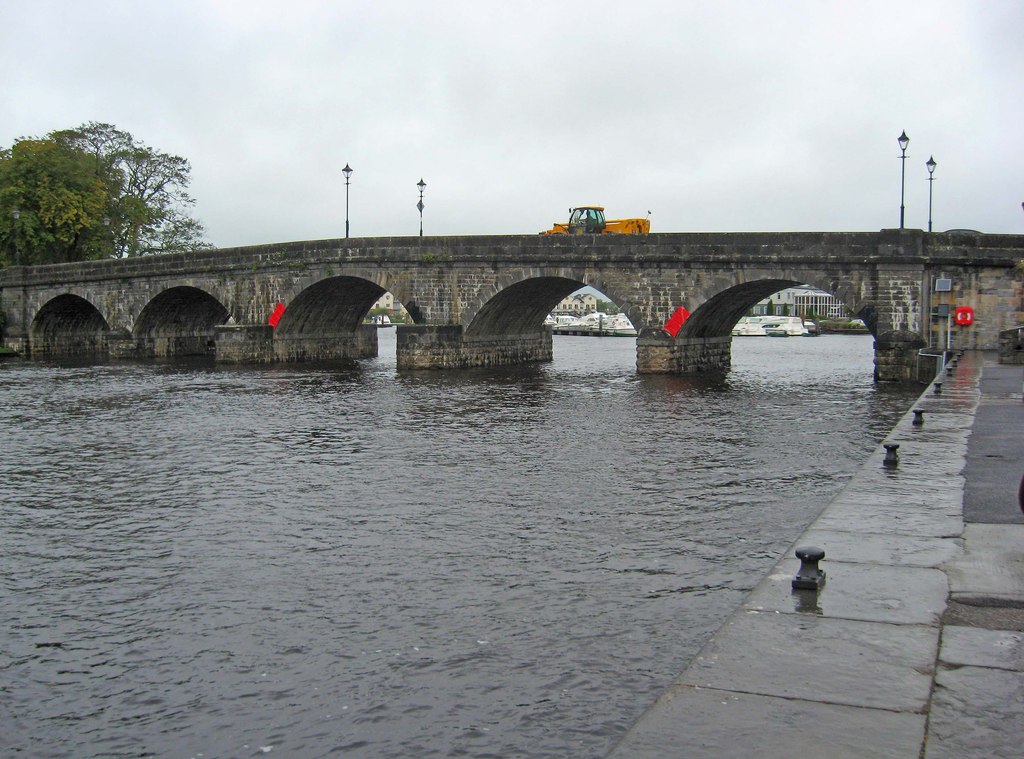
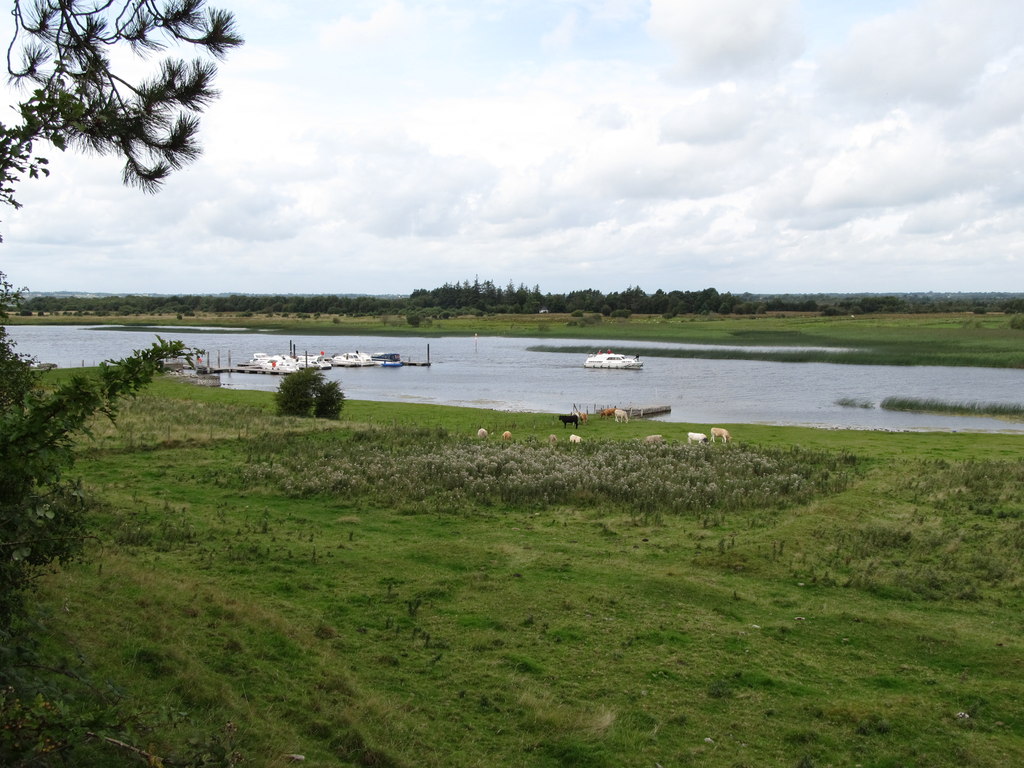
Fishing the Shannon properly rewards preparation. Boat access is strongly recommended for predator fishing — the larger lakes in particular require an understanding of structure, wind direction, and navigation to fish effectively. Bank angling is productive in many areas, particularly for coarse species along steady glides and margins. The system's five key towns — Carrick-on-Shannon, Athlone, Banagher, Killaloe, and Limerick — serve as natural bases, each with boat hire, tackle, and accommodation within minutes of the water.
The Shannon is one of Ireland's most democratic fisheries: no licence is required for pike or coarse fishing, access is generally open, and the river accommodates absolute beginners and specimen hunters with equal generosity. What it asks in return is respect for the water, proper fish handling, and an awareness of the scale and weather patterns that can transform a calm lough into something demanding very quickly.
Species present
🐟
Northern Pike
The Shannon is Ireland's premier pike fishery and one of Europe's most celebrated. The system's combination of vast prey populations — predominantly roach and bream — with diverse structural habitat across three major loughs produces pike of exceptional size and condition. Fish of 20 lb and above are realistic targets for visiting anglers, and specimens well beyond this are recorded each season. Autumn and winter are the prime period, as cooling water concentrates baitfish and triggers aggressive feeding in shallower margins and along drop-offs.
Also present: Roach, Bream, Brown Trout, Atlantic Salmon
Pike: October, November, December, January, February
Trout: April, May, June
Coarse: July, August, September
Salmon: District dependent — consult IFI
Difficulty
Beginner friendly
Access & bases
The Shannon is exceptionally accessible with five major angling towns serving as natural bases. Carrick-on-Shannon (Co. Leitrim) is the northern hub, well-suited for upper Shannon and Lough Allen. Athlone (Co. Westmeath/Roscommon) sits at the system's midpoint with strong boat hire infrastructure and direct access to Lough Ree. Banagher (Co. Offaly) offers excellent mid-Shannon bank fishing. Killaloe (Co. Clare/Tipperary) is the gateway to Lough Derg, the system's largest lake. Limerick city provides access to the lower tidal reaches and regulated salmon beats. Marinas, slipways, and public access points are well-maintained in major towns. Some remote stretches require local knowledge — ask locally or hire a guide for your first visit to a new zone.
Signature features
Scale and Habitat Diversity
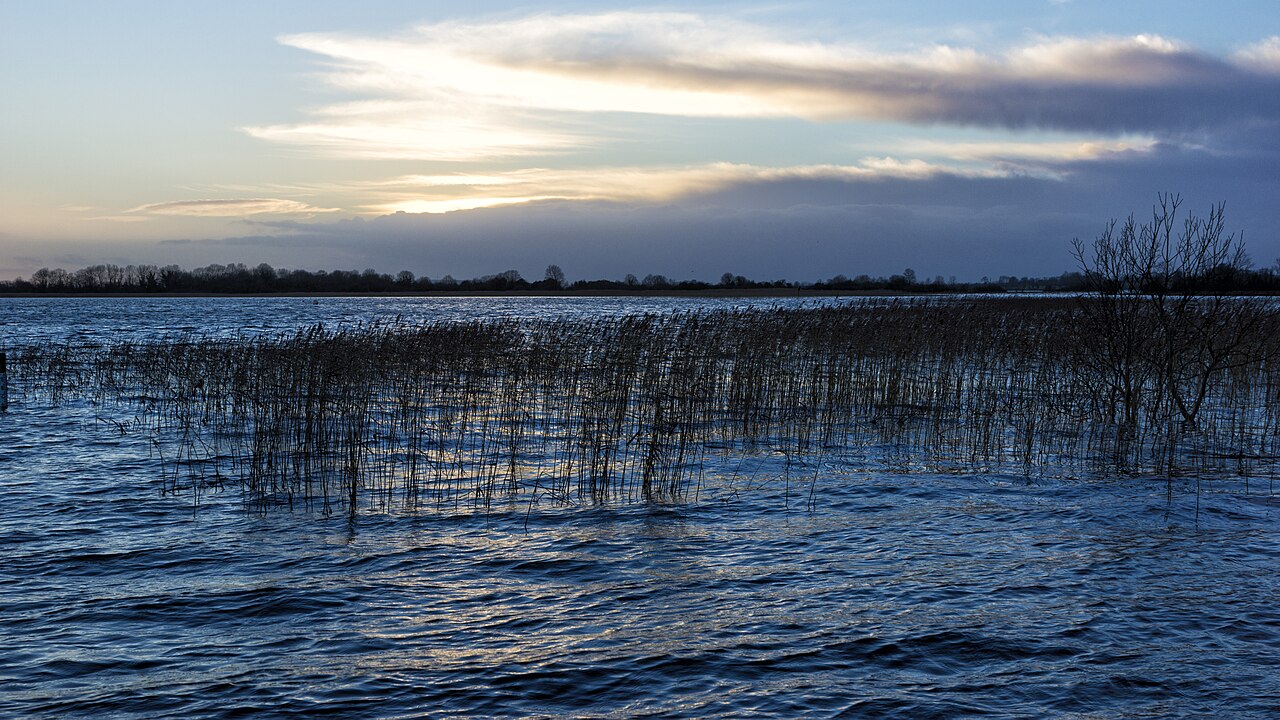
Few European inland systems combine such breadth of habitat: expansive shallow lakes, reed-fringed bays, gravel bars, navigation channels, weir pools, flooded callows, and sheltered island systems. This structural complexity creates ideal conditions for virtually every form of coarse and predator angling, and means that no two sessions on the Shannon fish alike.
European Pike Destination
The Shannon's reputation among pike specialists extends well beyond Ireland. Anglers travel from Germany, France, the Netherlands, and the UK specifically to fish Lough Derg and Lough Ree for large pike. The system's abundant prey base — vast roach and bream populations — combined with the structural complexity of three major loughs creates conditions where exceptional pike reach their full potential.
The Lake-River Hybrid Character
Unlike a typical freestone river that rises and falls with rainfall, much of the Shannon is regulated and lake-fed. Water levels and clarity shift gradually rather than abruptly, making planning more predictable and conditions more forgiving for visiting anglers unfamiliar with the system. This character also means good fishing can be found across a wider range of weather conditions than on faster-responding waters.
A Democratic Fishery
The Shannon is genuinely open: no licence is required for pike or coarse fishing, access points are plentiful, and the system accommodates everything from a family afternoon with a float rod to a serious specimen-hunting expedition across Lough Derg. Few major Irish fisheries are as accessible and as forgiving to newcomers.
Season by season
Spring (April – May)
Trout fishing in upper reaches and tributaries comes alive during April and May. Coarse fishing resumes after the closed season from mid-June, but the last weeks of spring are good for pike recovering from post-spawn in warming shallow bays. Focus on upper river sections and wooded tributary mouths.
Summer (June – August)
Prime coarse angling season. Roach, bream, and hybrid shoals are active and predictable throughout the system. Feeder fishing along steady glides near Banagher, Athlone, and Carrick-on-Shannon is excellent. Pike remain catchable but can be lethargic in warm water — early mornings and evenings, and weed-bed margins are the key. Surface lures occasionally work in calm evening conditions.
Autumn (September – November)
The best all-round season. Pike enter peak feeding as water temperatures drop through September and October, and lure fishing with larger jerkbaits and swimbaits produces the year's best results. Coarse fishing remains strong through September. This is the period most visiting predator anglers target, and boat hire and guiding are in highest demand.
Winter (December – February)
Prime deadbaiting season for large pike. Slow presentations targeting deeper drop-offs and main channel seams are most effective. Cold, stable conditions concentrate fish and big-fish results are most likely in this window. Dress warmly — wind chill on open loughs is significant.
Best conditions
Based on 0 reports, these conditions consistently produce the best fishing on River Shannon:
💨
Overcast with moderate ripple; windward shores concentrate prey
Best wind
☁️
Overcast preferred for pike; stable for coarse
Best sky
🌡️
8–14°C (pike); 15–20°C (coarse)
Water temp
⏰
Dawn and dusk for pike in summer; all-day in autumn and winter
Fish recovering post-spawn are found in shallow, warming bays and margins. Target areas with early weed growth and sun-warmed shallows. Smaller lures at slower speeds are more effective than big presentations. Focus on sheltered bays on the eastern shore of the larger loughs where water warms first.
⚠️Common mistake: Using winter-weight tackle and slow deadbaiting presentations when active lure fishing would produce more encounters in warming water.
Dawn and dusk sessions produce the best action in summer. Fish hold in weed beds and along reed margins to ambush prey. Target weed edges and drop-offs adjacent to structure. Midday fishing in open water is rarely productive — rest during the heat and focus your effort around the low-light windows.
⚠️Common mistake: Fishing open water during the middle of the day. Shannon summer pike are structure-oriented and light-averse in warm conditions.
Pike — Autumn (September–November)
Patterns
Large jerkbaits (natural roach colours)Soft paddle-tail shads (15–20 cm)SpinnerbaitsGlide baits
The prime lure season. Fish are actively feeding to build condition ahead of winter. Cover water methodically, working structural margins, island edges, and drop-offs. On windy days, focus on windward shores where prey fish are pushed. Vary retrieve speed until you find what's working on the day — aggressive burning one cast, a slow crawl the next.
⚠️Common mistake: Staying too long in unproductive areas. Autumn pike fishing rewards mobility — if a zone hasn't produced in 20 minutes of systematic casting, move on.
Pike — Winter (December–February)
Patterns
Dead roach (sea or freshwater)Mackerel sectionsSmeltLarge rubber shads fished slowly
Deadbaiting excels in cold water. Rig ledgered deadbaits near drop-offs and channel edges. Two-rod setups covering different depths and distances are standard (check local rules). Boat positioning is critical — experienced Shannon anglers anchor strategically across current seams rather than drifting. Strike promptly to avoid deep-hooking; strong wire traces are non-negotiable.
⚠️Common mistake: Rushing the presentation. Cold water pike inspect baits slowly — give them time before striking, but not so long that the fish swallows the bait.
Coarse Fishing — Summer to Early Autumn
Patterns
Feeder rig with groundbaitFloat rig on maggotMethod feeder with sweetcorn
Introduce groundbait to draw and hold shoals. Once bream or roach move in, the action can be sustained for hours. Fish along steady glides with consistent depth. Roach-bream hybrids will often out-compete the smaller roach and give better sport. Early mornings before boat traffic starts are consistently productive.
⚠️Common mistake: Neglecting groundbait preparation. A poorly mixed or insufficient feed introduction means the shoal arrives, picks up the feed quickly, and moves on before you can capitalise.
Core technique
Pike Deadbaiting on the Shannon
1Rig a ledgered deadbait — fresh or thawed roach, mackerel section, or smelt — on a two-hook wire trace. Use size 4–6 semi-barbless trebles, positioned through the root of the tail and behind the pectoral fin.
2Position the boat at anchor across a drop-off or current seam. Lower the bait to the bottom and set the rod in a rest with the bale arm open or the reel in free-spool with the clicker on.
3For a second rod, rig a float paternoster and cast to the weed margin or shallower shelf. This covers two depth zones simultaneously.
4When a run develops, give the fish a moment to turn the bait before engaging the reel and striking firmly. Check for deep-hooking on retrieval — have long forceps and an unhooking mat ready before casting.
💡 Strong wire traces are non-negotiable on the Shannon. The pike are large, teeth are sharp, and mono or fluoro will be cut through on a good fish. Minimum 20 kg wire or 49-strand coated trace wire.
What works here
Flies and methods reported most successful by the community.
Where to fish
Upper Shannon (Cavan / Leitrim)
The narrower upper river above Lough Allen. More intimate character, better trout and salmon potential in tributaries, excellent for quiet bank fishing and wildlife. Less pressured than the central lake sections.
Lough Allen
The most northerly of the three main lakes. Rugged and less developed than Ree or Derg. Pike fishing with lures along the rocky margins, and some trout in the northern inflows.
Lough Ree
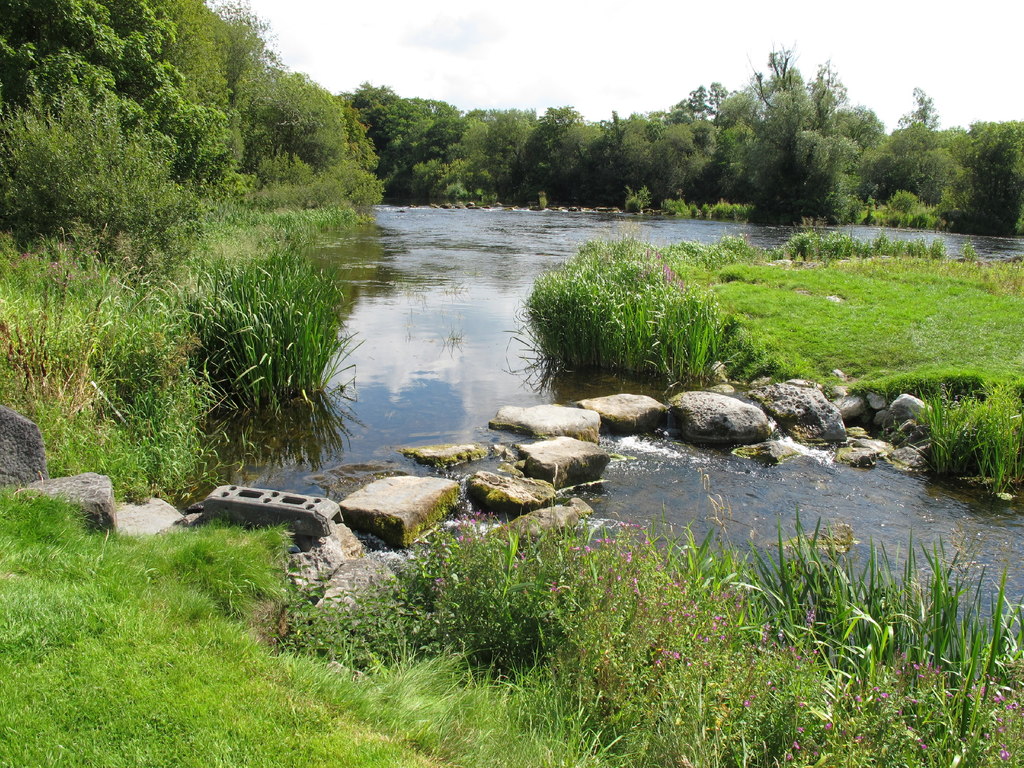
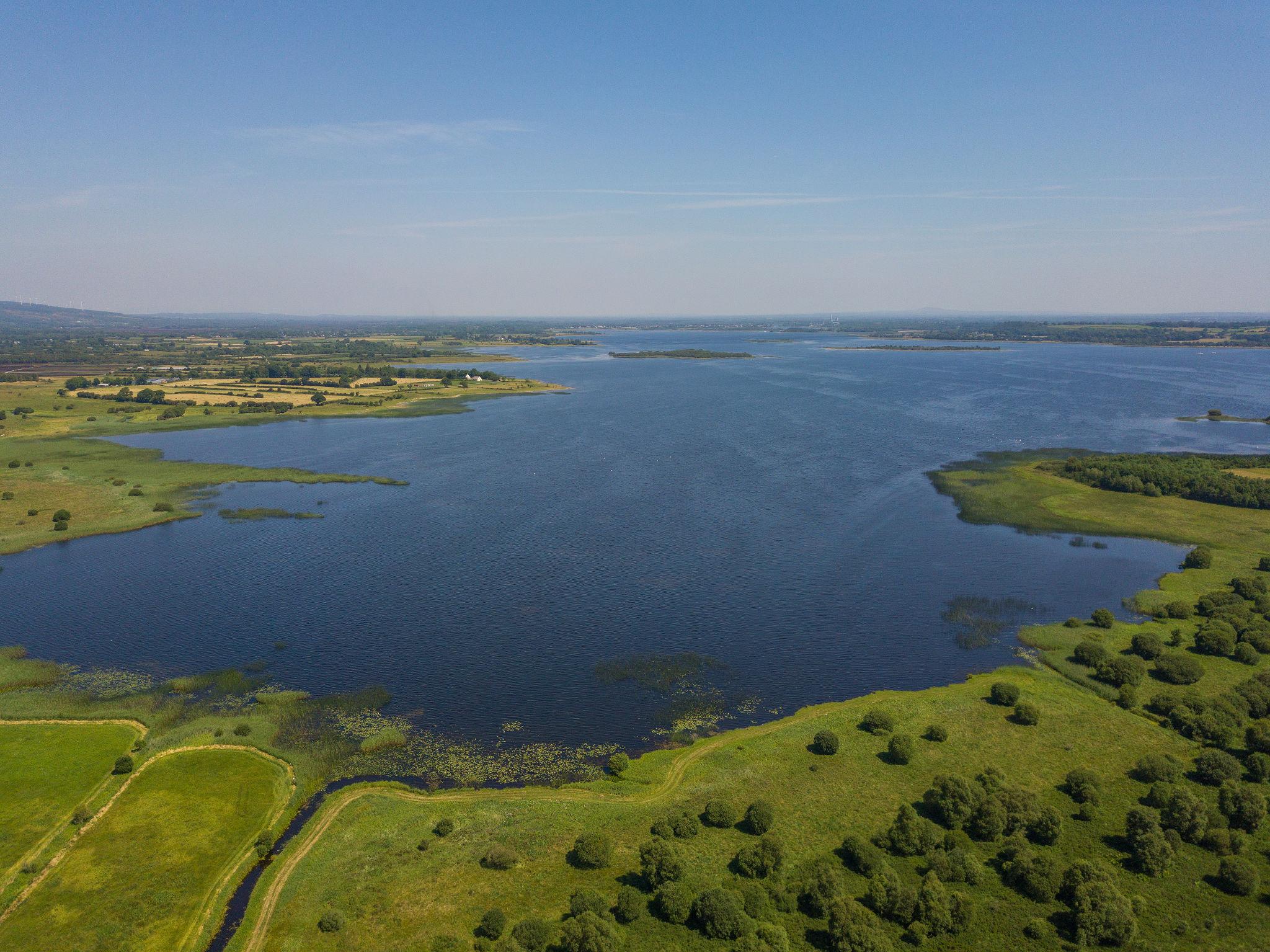
The mid-river lake — a vast and island-dotted water centred on Athlone. Exceptional pike habitat with complex bays, reed beds, and deep channels. A focal point for visiting predator anglers.
Mid Shannon (Athlone to Banagher)
The classic coarse angling zone. Wide, steady river sections with consistent depths and accessible banks. Strong tradition of feeder and float fishing. Popular with match anglers and visiting European coarse specialists.
Lough Derg
The largest and most exposed of the three main loughs. Major pike destination requiring sound boat handling and weather awareness. Numerous bays and deep channels. Killaloe is the main angling base.
Lower Shannon (Below Killaloe)
Tidal influences increase below Killaloe approaching Limerick. Regulated salmon beats and weir pools. Specialist local knowledge required for salmon angling — always verify current regulations.
Suggested trip formats
🎣 Weekend Pike Trip (Autumn / Winter)
Base in Athlone or Killaloe, hire a boat for two days, and work structured margins with lures on day one and deadbaits on day two. October through January offers the best chance of a large fish.
🎣 Summer Coarse Angling Break
Bank fishing near Banagher or Carrick-on-Shannon during July and August. Consistent roach and bream action, no licence required, suitable for all experience levels. A week-long trip is easily filled with varied fishing.
🎣 Guided Predator Day
Hire an experienced Shannon pike guide for your first day on the system. The Shannon rewards local knowledge — understanding where to find fish at different times of year and how to read the loughs saves days of exploration.
🎣 Mixed Family Boating Holiday
Hire a Shannon cruiser for a week and combine gentle boating with casual coarse fishing at each stop. Perch and roach fishing from the boat or bank keeps all ages entertained. No licence required.
Conservation & stewardship
🌿
The Shannon's pike population is a national resource and a significant draw for international angling tourism. Catch and release of all pike is strongly encouraged — use an unhooking mat, long forceps, and minimise air exposure. Invasive species biosecurity is critical: clean, dry, and if possible disinfect all equipment between waters, as signal crayfish and other invasives threaten the system's ecology. Do not transfer water, weed, or fish between waterways. Report any unusual species observations to Inland Fisheries Ireland.
Main access: Experienced Shannon pike guides available through local tackle shops and tourism offices in Athlone and Killaloe — recommended for first-time visitors to the lake sections, Multiple tackle shops in Athlone, Carrick-on-Shannon, and Killaloe — ask locally on arrival for current recommendations, Inland Fisheries Ireland (IFI) manages the system; Shannon River Basin District; local angling clubs active in most towns