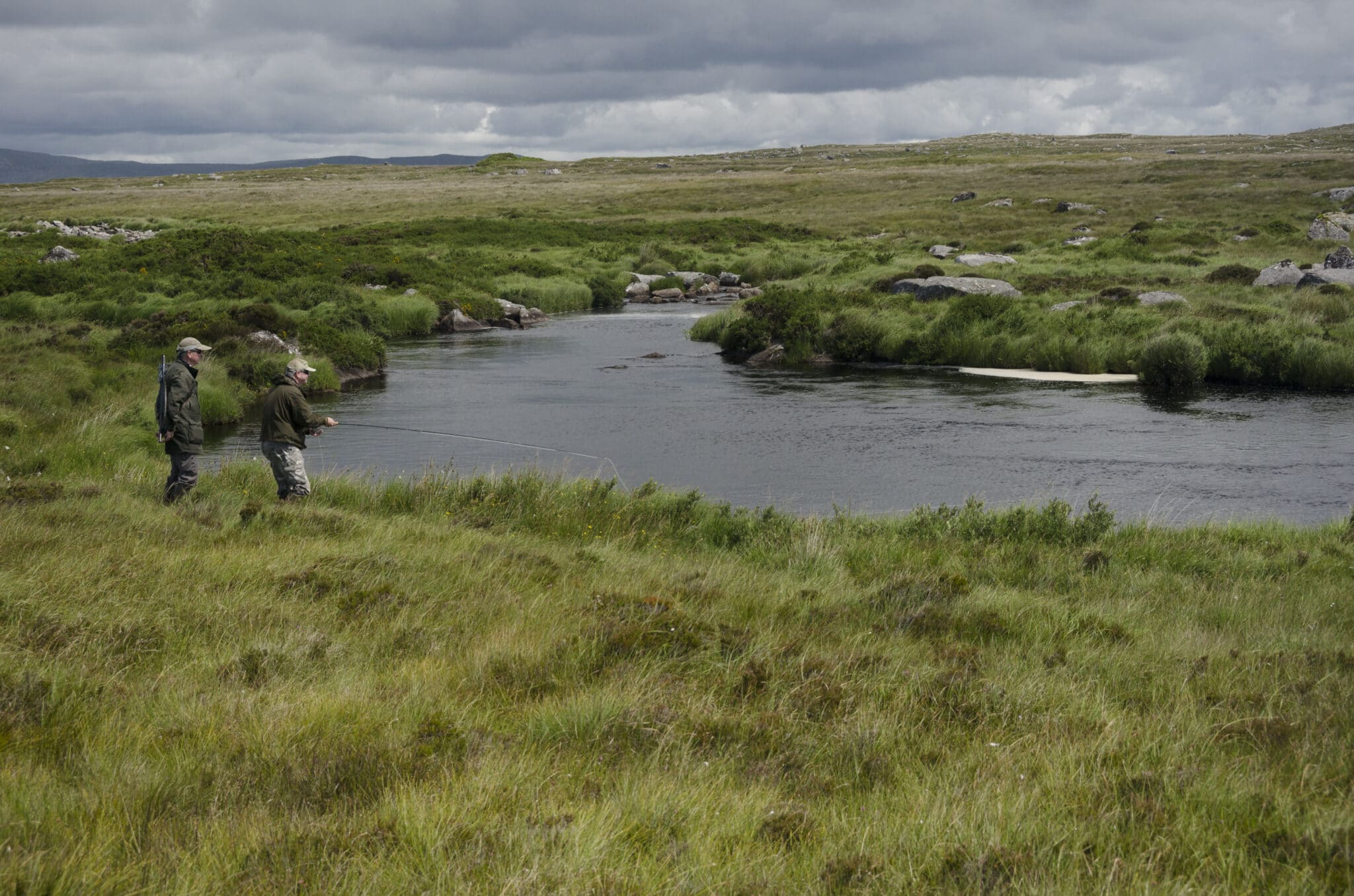
📍Galway · West📋IFI (Republic of Ireland)Season Open
8Species Present
River Suck forms the Galway–Roscommon county boundary, flowing through Ballinasloe before joining the River Shannon at Shannonbridge. Its callows — seasonally flooded wet grassland along the river — hold nationally and internationally important numbers of wintering waterfowl, including Greenland white-fronted geese, alongside brown trout in the river itself.
County
Galway
Region
West
Type
River
Nearest towns
Ballinasloe
River system
River Shannon
Species
Pike, Bream, Roach, Perch, Tench, Rudd +2 more
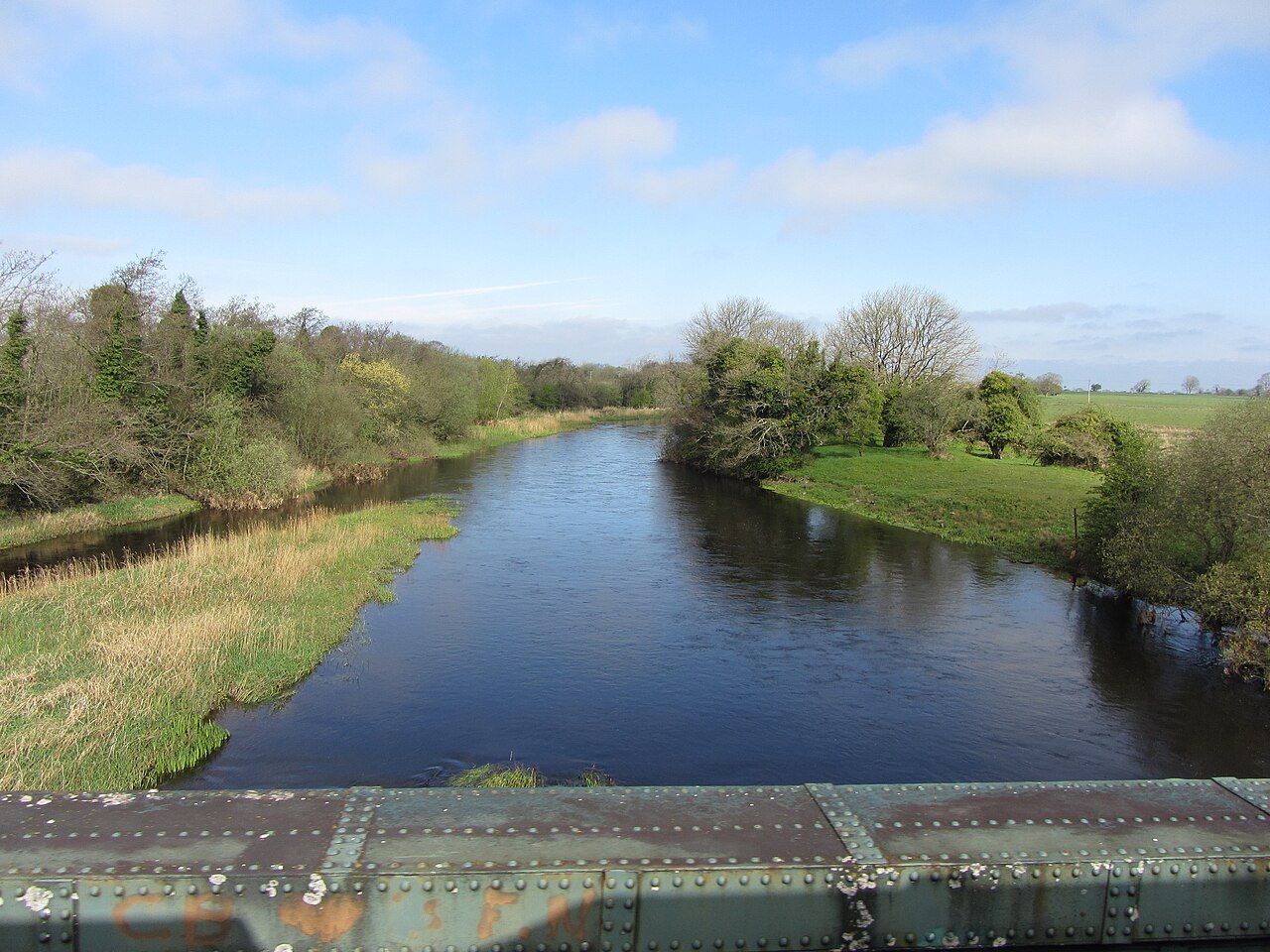
The River Suck is the Shannon's principal tributary and one of Ireland's most important coarse and pike fishing rivers. Rising on the Mayo-Roscommon border, it flows for one hundred and thirty-three kilometres through the quiet agricultural heartlands of east Galway and west Roscommon before joining the Shannon at Shannonbridge. This is a river of slow, deep meanders through water meadows and pastureland — unhurried, unspoilt, and holding exceptional stocks of fish.
The Suck Valley corridor, stretching five miles wide on either side of the river, encompasses some of the finest coarse and pike fishing in Ireland. The river itself varies from fast-flowing upper reaches to the broad, deep, slow-moving lower sections between Ballinasloe and Shannonbridge where depths can exceed twenty-five feet. Clean, unpolluted water supports an abundance of bream, roach, roach-bream hybrids, perch, rudd, tench, pike and brown trout, with the mix of species varying along the river's length.
Pike fishing is what the Suck is best known for. The river has produced some of the largest pike in Irish freshwater history, with a verified specimen of thirty-eight pounds two ounces taken at Athleague in 1997. Double-figure pike are recorded annually, and fish over twenty pounds are a realistic prospect for dedicated anglers fishing the deeper pools and backwaters. The Athleague, Castlecoote and Donamon stretches are particularly renowned, with Inland Fisheries Ireland having developed excellent access facilities including fishing stands and footbridges.
Coarse fishing on the Suck is equally impressive. Bream shoals inhabit the deeper, slower sections, with catches of fifty to a hundred pounds in a session possible for match and pleasure anglers who bed in with groundbait. Roach and hybrids provide consistent sport throughout the river, while tench occupy the quieter backwaters and adjacent lakes. The virtually unexploited forty-kilometre stretch from Willsbrook Bridge to Mount Talbot Bridge is regarded as some of the finest undiscovered coarse water in the country.
The Suck Valley also includes numerous feeder lakes — Hollygrove Lake, Stoneham's Lake, Lough Loung, Black's Lake and others — each with their own character and fish populations. These still waters complement the river fishing and provide options when the main river is in flood. International wheelchair angling events are hosted at the purpose-built Donamon facility, reflecting the excellent accessibility that IFI has developed along the river.
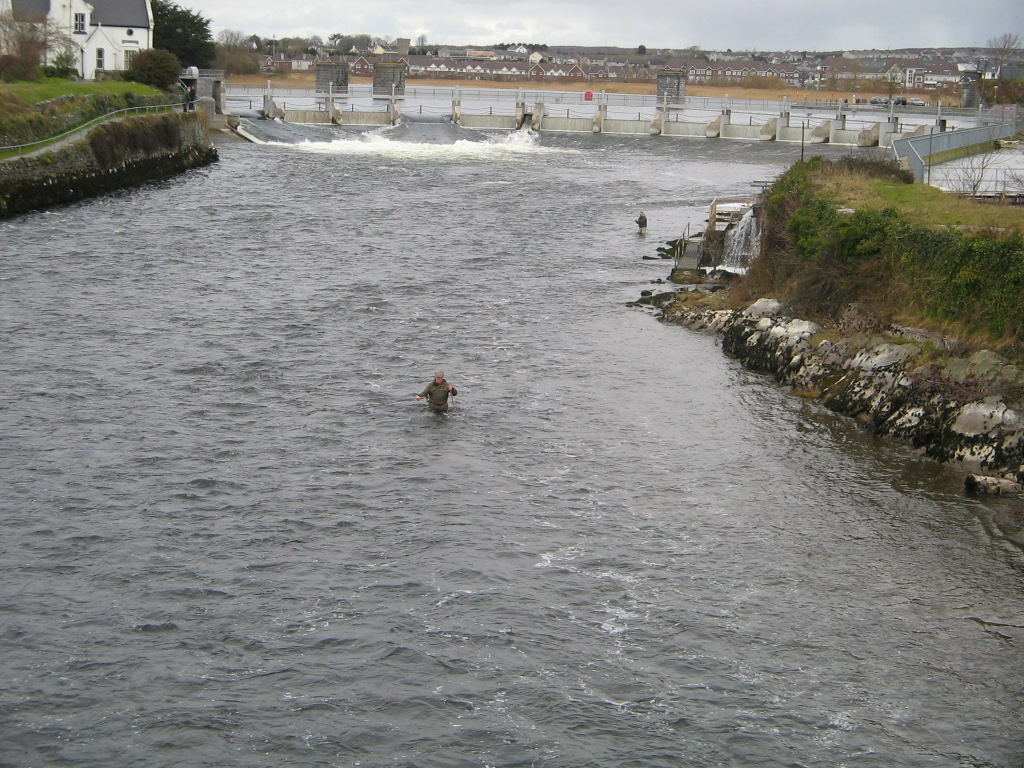
Ballinasloe, the principal town on the river, is the traditional angling centre with tackle shops, accommodation and all services. The town sits on the main Galway-Dublin road with excellent transport links. The surrounding countryside, dotted with ruined castles and medieval churches, has a timeless quality that makes fishing here feel like stepping back to a quieter Ireland.
Pike: October, November, December, January, February, March
Bream: June, July, August, September
Roach: April, May, June, July, August, September
Tench: June, July
Difficulty
Beginner friendly
Access & bases
The River Suck is accessible from the M6 motorway (Galway-Dublin) via Ballinasloe. Key access points include road bridges at Ballinasloe, Athleague, Castlecoote, Mount Talbot, Donamon and Castlestrange. IFI has developed fishing stands and footbridges at many stretches, particularly at Donamon where a purpose-built 'access for all' facility has thirty fishing stands. Minor roads between bridges provide additional bank access. Boat launching is possible at several locations.
Signature features
Specimen Pike Water
The River Suck consistently produces pike of specimen proportions. The deep, slow-moving water with abundant prey fish creates ideal conditions for pike to grow large. The Athleague stretch in particular has an outstanding record, with multiple fish over thirty pounds verified by the Irish Specimen Fish Committee. For dedicated pike anglers, the Suck is a pilgrimage destination.
Accessible Coarse Fishing
Inland Fisheries Ireland has invested heavily in developing fishing facilities along the Suck. The Donamon facility features thirty purpose-built fishing stands including wheelchair-accessible pegs, and hosts national and international coarse angling events. Additional stands and footbridges at Athleague, Castlecoote and other stretches make the river unusually accessible for a natural waterway.
Unexploited Water
Despite its reputation among pike and match anglers, much of the River Suck remains lightly fished. The forty-kilometre stretch from Willsbrook Bridge to Mount Talbot Bridge is considered some of the finest undiscovered coarse water in Ireland. Anglers willing to explore beyond the well-known pegs are rewarded with virgin water and undisturbed fish populations.
Season by season
March – May
Spring is prime time for pike as they recover from spawning and feed aggressively. Dead baiting and lure fishing in the deeper pools produce the biggest fish of the year. Coarse fishing improves steadily as water temperatures rise. Tench begin feeding in the backwaters. Early bream start showing on the deeper pegs.
June – August
Peak coarse fishing season. Bream fishing is at its best in warm weather, with large catches possible on the established match stretches. Tench fishing peaks in June and July. Roach and hybrids are prolific. Pike fishing with lures is productive in the early morning and late evening when predators are most active.
September – November
Autumn brings excellent pike fishing as predators feed heavily before winter. Lure fishing and dead baiting both produce well. Coarse fishing remains good into October, with bream still feeding in the deeper sections. Perch fishing improves as shoals move into deeper water.
December – February
Winter pike fishing can be outstanding on mild days. The deeper pools and slacker backwaters hold pike throughout winter. Dead baiting is the most consistent method in cold water. Coarse fishing slows but roach and perch can still be caught on milder days. The river may flood periodically but clears quickly.
Best conditions
Based on 0 reports, these conditions consistently produce the best fishing on River Suck:
💨
Light winds for float fishing. Any conditions for pike.
Best wind
☁️
Overcast and mild for coarse fishing. Low pressure for pike.
Best sky
🌡️
15–20°C for bream. 6–12°C for pike.
Water temp
⏰
Dawn and dusk for pike and tench. All day for bream and roach in season.
Best window
Seasonal fly & tactics guide
Pike Fishing (Year-round, best October – March)
Patterns
Herring dead baitMackerel tailSmeltJerkbaitsLarge soft plastic shads
The deep pools and backwaters of the Suck are ideal dead bait water. Fish static herring or mackerel baits on leger rigs in the deeper sections — depths of fifteen to twenty-five feet are not unusual on the lower river. Use bite alarms and drop-off indicators for long sessions. Lure fishing is effective along the margins, around structure and in the faster streamy sections. Work large shads or jerkbaits slowly through deeper water. Always use wire traces.
⚠️Common mistake: Neglecting the backwaters and side channels. Many of the largest pike are caught in the slacker water behind islands and in flooded meadow channels rather than the main river flow.
Bream Fishing (May – October)
Patterns
SweetcornCastersBread punchWorm
Select a peg on one of the established match stretches with fishing stands. Heavy initial groundbaiting is essential — mix bread-based groundbait with sweetcorn and casters and introduce several balls at the start. Fish at range with a feeder rod or waggler float, presenting hookbait on or just off the bottom. Bream feed in waves, so patience during quiet spells is rewarded. Evening sessions into dark can be particularly productive.
⚠️Common mistake: Underfeeding the swim. Bream need a substantial bed of groundbait to hold them in position. Anglers who skimp on initial baiting often fail to attract the shoals that heavier feeding would bring in.
General Coarse (Year-round)
Patterns
MaggotsCastersSweetcornWormBread
A light float rod and waggler setup is ideal for mixed fishing on the Suck. Fish at medium depth over a bed of loose-fed maggots or casters for roach and hybrids. Perch respond well to worm fished close to structure. Tench in the backwaters take sweetcorn or worm presented close to reed beds. Adapt bait and depth through the session as different species move through the swim.
⚠️Common mistake: Using gear that is too heavy. The Suck's coarse fish are not tackle-shy in most areas, but lighter setups — 3-4lb mainline, fine wire hooks — produce better presentation and more bites, particularly for roach.
Core technique
Dead Baiting for Pike
1Select a peg with deep water and visible features — slack water behind an island, a deeper bend pool, or the confluence with a tributary.
2Set up two rods with 15lb mainline, wire traces (at least 18 inches) and size 8 semi-barbless treble hooks.
3Lip-hook a whole herring or mackerel tail on one rod and cast it to the far bank or into the main channel.
4Fish the second rod closer in, along the near-side margin or into a backwater feature.
5Use drop-off indicators with bite alarms. Set the bait runner on your reel.
6On a take, allow the pike to run for five to ten seconds before engaging the reel and striking firmly.
7Use an unhooking mat and long-nosed forceps. Hold pike horizontally for photographs and return them carefully.
💡 Pike over 6.6lb (3kg) must be returned alive by law. Use barbless or semi-barbless hooks to facilitate quick, clean unhooking.
What works here
Flies and methods reported most successful by the community.
Where to Fish at River Suck
Ballinasloe Town Water
The river through and around Ballinasloe provides accessible fishing close to all town amenities. Good mixed coarse fishing with bream, roach, hybrids and pike. Several access points from road bridges and public paths. The area below the bridge is a traditional match stretch.
Athleague & Rookwood
The most famous pike stretch on the entire river. Deep water with pools to twenty-five feet, slow-moving current and extensive backwaters. Home to the thirty-eight-pound pike record. Specimen pike over twenty pounds are caught here regularly. Access from road bridges at Castlestrange, Athleague and Rookwood with IFI footbridges on most stretches.
Donamon
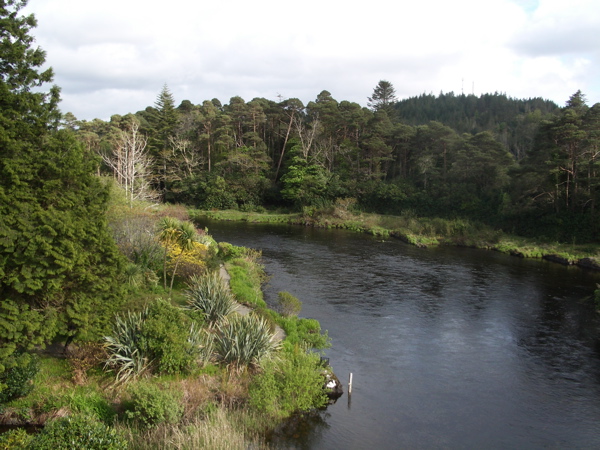
A purpose-built 'access for all' facility with thirty fishing stands in one of the most beautiful sections of the river. The river is wide and fairly deep with uniform depth along the fishing section. Mature poplar trees and forestry line the opposite bank. Excellent for bream, roach, hybrids and pike. Hosts national and international coarse angling events including wheelchair competitions.
Mount Talbot to Willsbrook
A largely unexploited forty-kilometre stretch that is considered some of the finest undiscovered coarse water in Ireland. Mixed fishing with bream, roach, rudd, tench and pike. Less developed access than the established stretches, making it ideal for anglers who prefer solitude and exploration.
Feeder Lakes
Hollygrove Lake, Stoneham's Lake, Lough Loung, Black's Lake and numerous smaller waters dot the Suck Valley. These lakes offer varied fishing for pike, bream, tench, rudd and perch, often with better shelter than the main river on windy days. Access varies — some have developed facilities, others require local knowledge.
Suggested trip formats
🎣 Pike Specimen Hunt
A dedicated two or three-day pike fishing trip targeting the renowned Athleague, Castlecoote and Donamon stretches. Dead baiting and lure fishing through the deeper pools and backwaters. Best from October through March when pike are most active. Base in Ballinasloe or Roscommon town.
🎣 Coarse Fishing Week
A week-long coarse fishing holiday mixing river sessions with lake fishing. Target bream on the main river stretches, pike on the deeper sections, and tench on the quieter backwaters and feeder lakes. The variety of water within easy reach of Ballinasloe supports a different session every day.
🎣 Match Fishing Outing
The Donamon facility and other established match stretches are ideal for club outings and competitions. Purpose-built stands, good road access and consistent fishing make organising events straightforward. Contact IFI Limerick for information on booking match stretches.
Conservation & stewardship
🌿
Pike conservation is enforced by law — fish over 6.6lb (3kg) must be returned alive. Live fish as bait is illegal throughout Ireland. A maximum of four coarse fish may be retained per day under IFI conservation bylaws. The Suck's fish populations benefit from clean, unpolluted water and relatively light fishing pressure. Practice careful handling and return all pike and specimen coarse fish. Use barbless hooks where possible to minimise handling time.
Frequently asked questions
Before You Go — Key Regulations
Jurisdiction
Republic of Ireland (IFI)
Season
Year-round – Year-round
A Midland Fisheries Group Permit is required to fish for pike, coarse fish or trout on the River Suck and its tributaries. This permit is available from IFI online at permits.fishinginireland.info or from local tackle shops.
Main access: Bait, tackle and permits available in Ballinasloe — enquire locally for current stockists, Hotels, B&Bs and self-catering in Ballinasloe, Roscommon town and surrounding villages, Ballinasloe serves as the main angling centre for the Suck Valley with full services and specialist accommodation