📍Tipperary · South East📋IFI (Republic of Ireland)Season Open
3Species Present
County
Tipperary
Region
South East
Type
River
Depth
2 m
Species
Atlantic Salmon, Brown Trout, Sea Trout
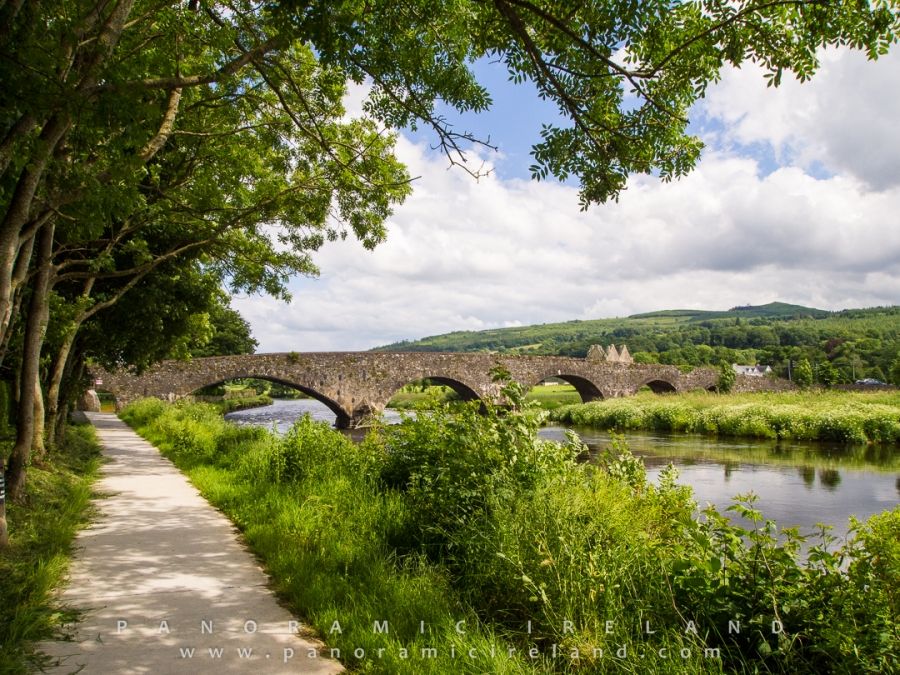
The River Suir is one of Ireland's great limestone rivers — a 185-kilometre system rising in the Devil's Bit Mountains of County Tipperary and flowing south-east through Cahir, Clonmel, and Carrick-on-Suir before meeting the tidal estuary near Waterford. It is the defining river of the Irish south-east, and for dry-fly anglers, one of the finest stretches of water in the country.
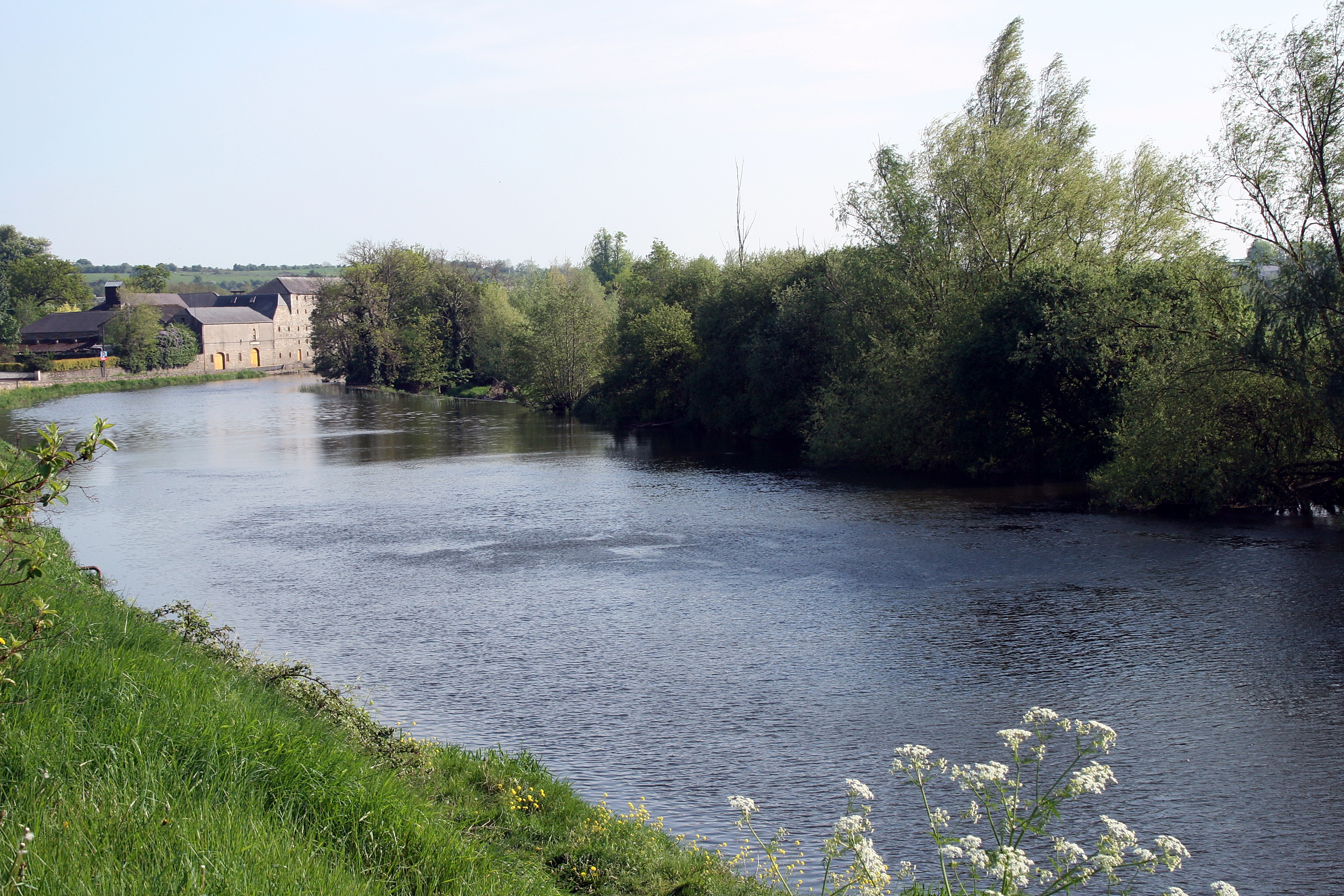
Limestone defines everything here. The Suir's alkaline base drives extraordinary aquatic productivity — prolific hatches of olives, sedges, and spurwings that bring wild brown trout to the surface in conditions that reward patient, technical fishing. Long gliding runs, classic pool-and-riffle sequences, and gravel shallows create holding lies that feel textbook from the bank. These are educated fish in clear, nutrient-rich water.
Wild brown trout are the soul of the Suir. Fish average a healthy half-pound to a pound, with specimens of two pounds and beyond present in the best stretches. They are well-conditioned, hard-fighting, and deeply selective during hatch periods. The evening rise on a settled May evening — rising fish spread across the tailout, olives coming off in waves — is among the most evocative experiences in Irish river fishing.
Atlantic salmon run the Suir throughout the season, with spring fish, summer grilse, and autumn salmon all possible. Salmon prospects are closely linked to water levels; a fresh spate after rain transforms the river and can trigger dramatic runs through the middle and lower beats. The system is capable of producing significant fish when conditions align.
Access operates through a mix of club waters, private beats, and limited public stretches, depending on the section. Many of the most productive middle and upper stretches require advance permit planning — particularly during the peak April-to-June window. Local clubs and angling associations manage most of the best water, and engaging with them before travel is essential. A local guide for the first day pays dividends on an unfamiliar river.
The towns of Cahir and Clonmel are the natural bases for visiting anglers, with accommodation ranging from guesthouses to boutique hotels within easy reach of multiple beats. The Suir is accessible from both Dublin and Cork airports, making it a practical destination for international visitors seeking authentic Irish river fishing with genuine heritage and tradition.
Salmon: 15 Feb – 30 Sep
Sea Trout: 15 Feb – 30 Sep
Best times
Grilse: June, July
Sea Trout: July, August
Brown Trout: April, May, June
Spring Salmon: February, March, April
Difficulty
Intermediate
Access & bases
The River Suir runs through Counties Tipperary, Waterford and Kilkenny with major access points near Cahir, Clonmel, and Carrick-on-Suir. Access varies significantly by section: many of the most productive middle and upper stretches are managed through local angling clubs and require permits in addition to the national licence. Some private beats operate independently. Limited public access exists in certain areas. Advance planning and direct contact with local clubs is strongly recommended, particularly during peak months (April–June). Roadside parking is available at many popular access points. Wading is required on most sections — breathable waders and a wading staff are essential kit.
Signature features
Limestone Productivity
The Suir's limestone base drives a food chain of exceptional richness. Prolific hatches of olives, sedges, spurwings and terrestrials define the character of the river and explain the quality of its wild brown trout. On a good evening in May, insect activity can be dense enough to darken the surface — and fish rise confidently across the whole width of the river.
Dry Fly Culture
Unlike many Irish rivers where subsurface tactics dominate, the Suir has a deeply rooted dry fly tradition. Fish are selective and educated. Presentation is everything — a well-presented fly in the right lane will be taken; a dragging fly will be refused. This is the river for anglers who have developed their upstream dry fly skills and want to test them on wild, wary fish.
Classic Pool and Riffle Structure
Long riffle sections feeding into glassy tailouts and classic holding pools give the Suir a textbook river structure. Each section fishes differently — fast-water nymphing in the riffles, dry fly on the glides, swung wet fly and salmon tactics in the deeper pools. Reading the water is a core skill, and the river rewards those who spend time understanding its rhythms.
Spate Response for Salmon
The Suir responds quickly to rainfall. A significant spate — typically 12–24 hours after peak rain — can trigger impressive salmon runs through the middle and lower beats. Anglers who monitor rainfall and plan flexible travel dates are best positioned to capitalise on these windows. Local knowledge of which beats fish best in different water heights is valuable.
Season by season
February – March
Early season trout fishing is technical and temperature-dependent. Nymphing tactics dominate as water remains cold and hatches are limited. The first large dark olives begin to appear on milder days. Fish hold in slower, deeper water and move cautiously. Patience is essential and rewards come to those who fish slowly and methodically.
April
The river wakes up in April as water temperatures rise and large dark olive hatches become more reliable. Dry fly opportunities begin in earnest, particularly on calmer, overcast days. Fish riffle heads and the transitional water between fast and slow sections. Evening activity increases through the month as settled spring weather arrives.
Late April – June (Peak)
The finest period on the Suir. Limestone hatches are at their best — olives, sedges, and spurwings produce consistent surface activity and evening rises that can be extraordinary on settled evenings. Salmon fishing strengthens through May and June. Dry fly fishing reaches its peak during this window and the Suir fishes at its most productive and character-defining.
July – August
Summer conditions push the best trout fishing into early mornings and late evenings. Evening sedge hatches and terrestrials (beetles, crane flies) keep fish looking up after dark. Salmon prospects depend on water levels — a good spate can transform the salmon fishing quickly. Fish become very selective in low, clear conditions and stealth is critical.
September
The season closes with late-season trout fishing and the possibility of autumn salmon if spate conditions arrive. A wet September can produce memorable late-season salmon sport on the middle and lower beats. Trout fishing is often underestimated in September — hatches of autumn olives and sedges continue on warmer days.
Best conditions
Based on 0 reports, these conditions consistently produce the best fishing on River Suir:
💨
Low — key for dry fly presentation
Best wind
☁️
Overcast with mild temperatures
Best sky
🌡️
12–16°C
Water temp
⏰
Evening (6pm–dusk) in summer; all day in April–May
Deep nymphing with upstream presentation. Fish hold in deeper, slower water in cold temperatures. Use a light indicator or tight-line technique and cover the water methodically. Hatches are sparse early on — fish the most productive-looking lies rather than waiting for surface activity.
⚠️Common mistake: Fishing too quickly and not giving fish time to take. Cold trout are lethargic and deliberate. A slow, thorough approach covering each lie properly outperforms rushing through the water.
Fish riffle heads and transitional water where feeding lanes concentrate in the transition from fast to slow flow. Switch between nymph and dry fly as conditions dictate — watch for large dark olive hatches on overcast, calmer days and switch to the surface when fish begin to show.
⚠️Common mistake: Presenting dry flies on bright, sunny days when fish are not rising. Save the dry fly for overcast conditions and the evening — switch to nymphs when fish are not looking up.
Target the evening rise in tailouts and glide water. Approach from downstream, maintaining a low profile. Cast beyond the feeding lane and achieve a completely drag-free drift — fish in glide water are highly sensitive to micro-drag. Evening sessions often produce the best sport of the season during settled conditions.
⚠️Common mistake: Moving too quickly between rising fish and disturbing the pool. Pick one fish, present carefully, and work it patiently before moving on. Spooking fish in glide water can kill the evening rise for a long stretch.
July – August
Patterns
Small SedgeSpent SpinnerBeetle PatternCrane FlySmall Double (salmon)
Concentrate effort into early mornings and the last two hours before dark. Evening sedge hatches and terrestrials are the key. For salmon in summer water, fish small doubles or tubes on a floating or intermediate line, swinging across current seams and stepping down methodically through likely lies.
⚠️Common mistake: Persisting through midday in low summer flows. Fish become inactive in bright, warm conditions. Rest the water and return at dusk — the transformation can be dramatic.
Fish 12–36 hours after peak rainfall when levels are dropping and fish are running. Swing patterns across current seams on a medium-sink or intermediate line. Cover water methodically, moving downstream after every few casts. Focus on the middle and lower beats where running fish congregate in holding lies.
⚠️Common mistake: Fishing at peak flood when water is coloured and running hard. Wait for the first colour to drop and the level to fall — this is when salmon take most readily.
Core technique
Upstream Dry Fly on Limestone Glides
1Approach from downstream, keeping low — crouch where necessary on flat glide water where fish have a wide field of vision.
2Identify the fish's feeding lane by watching successive rises and noting the drift line of naturals on the surface.
3Cast to land your fly 2–3 feet above the fish, slightly beyond the feeding lane so the fly drifts naturally into it.
4Mend immediately after the cast if needed to eliminate any drag-inducing bow in the line.
5Watch the fly closely and lift at the moment of a take — do not strike hard, a gentle raise is sufficient.
💡 The most common cause of refusal on glide water is micro-drag — an almost invisible tightening of the fly that no fish will touch. If a fish refuses repeatedly, change your position before changing your fly. Often the issue is angle, not pattern.
What works here
Flies and methods reported most successful by the community.
Where to Fish at River Suir
Upper Suir (Above Cahir)
Smaller, more intimate water with strong wild trout populations. Technical dry fly fishing in confined, tree-lined sections. Ideal for experienced dry fly anglers who prefer precision over casting distance.
Middle Suir (Cahir to Clonmel)
The classic limestone heart of the river. Productive trout water with excellent hatch activity in season. Salmon run through during suitable flows. This is where the river's reputation is most fully realised.
Lower Suir (Clonmel to Carrick-on-Suir)
A larger river profile with the emphasis shifting towards salmon. Deeper pools and longer glides hold running fish after spates. Tidal influence increases approaching Waterford Harbour.
Suggested trip formats
🎣 2–3 Day Trout-Focused Trip
Base in Clonmel or Cahir. Fish mornings and evenings on middle Suir beats, resting the water through midday. Book a guide for the first day to learn the key lies and access points. Target the late April to June window for peak hatch activity and the best dry fly opportunities.
🎣 Salmon Spate Trip
Plan with flexible travel dates and monitor rainfall forecasts for the catchment. Fish middle and lower beats in the 24–48 hours after a significant spate when fish are running. Focus May through July for grilse runs. Local knowledge from a guide or tackle shop is essential for reading the water height and choosing the right beats.
🎣 Mixed River & Coastal Experience
Combine Suir trout fishing with nearby Waterford coastal angling — bass, pollock and mackerel from the estuary and nearby headlands provide variety. A four or five-day trip split between river and sea gives a rounded south-east Irish angling experience accessible from Waterford city.
Conservation & stewardship
🌿
The River Suir is an ecologically significant river system carefully monitored by Inland Fisheries Ireland. Salmon stocks are subject to annual conservation assessment and catch-and-release regulations may apply — always confirm before fishing. Responsible practice includes strict adherence to current regulations, proper wet-hand fish handling for all catch-and-release, use of barbless hooks, avoiding spawning redds in late season, and respecting landowners and farm gates. Licence fees and club membership fees directly fund river management, habitat work, and restocking programmes that benefit the fishery for all anglers.
Frequently asked questions
Before You Go — Key Regulations
Jurisdiction
Republic of Ireland (IFI)
Season
February 15 – September 30
Licence required
Yes — State Salmon Rod Licence
A valid state salmon licence is required for all salmon fishing. Tagging and logbook requirements apply to any retained salmon.
Main access: Local guides are available and strongly recommended for first-time visitors. A guide will significantly improve access to the best beats, knowledge of current fishing conditions, and success rate on selective fish in unfamiliar water., Several tackle shops operate in Clonmel and Cahir. Local clubs including the Suir Valley Trout Anglers and Golden Trout Anglers can provide permit information and local knowledge., Inland Fisheries Ireland (IFI) South Eastern Region manages the Suir system. Local angling clubs hold much of the prime water and are the primary contact for visiting anglers seeking beat access.