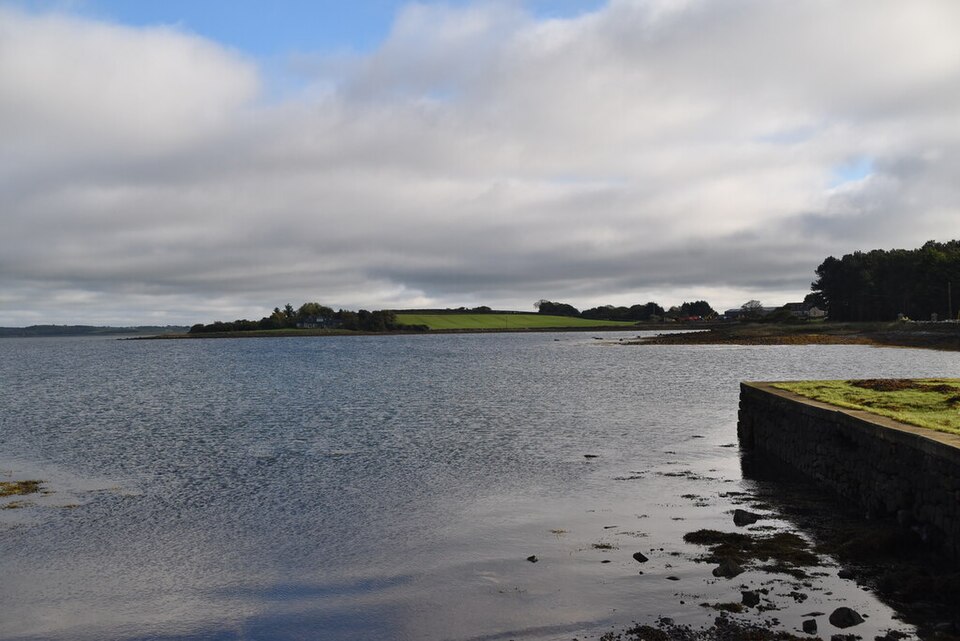
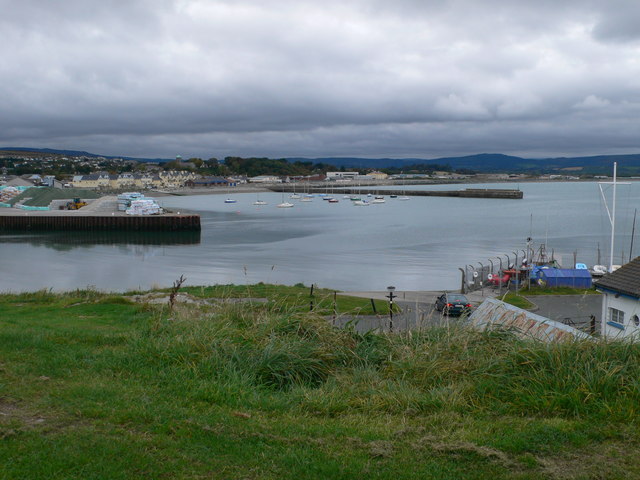
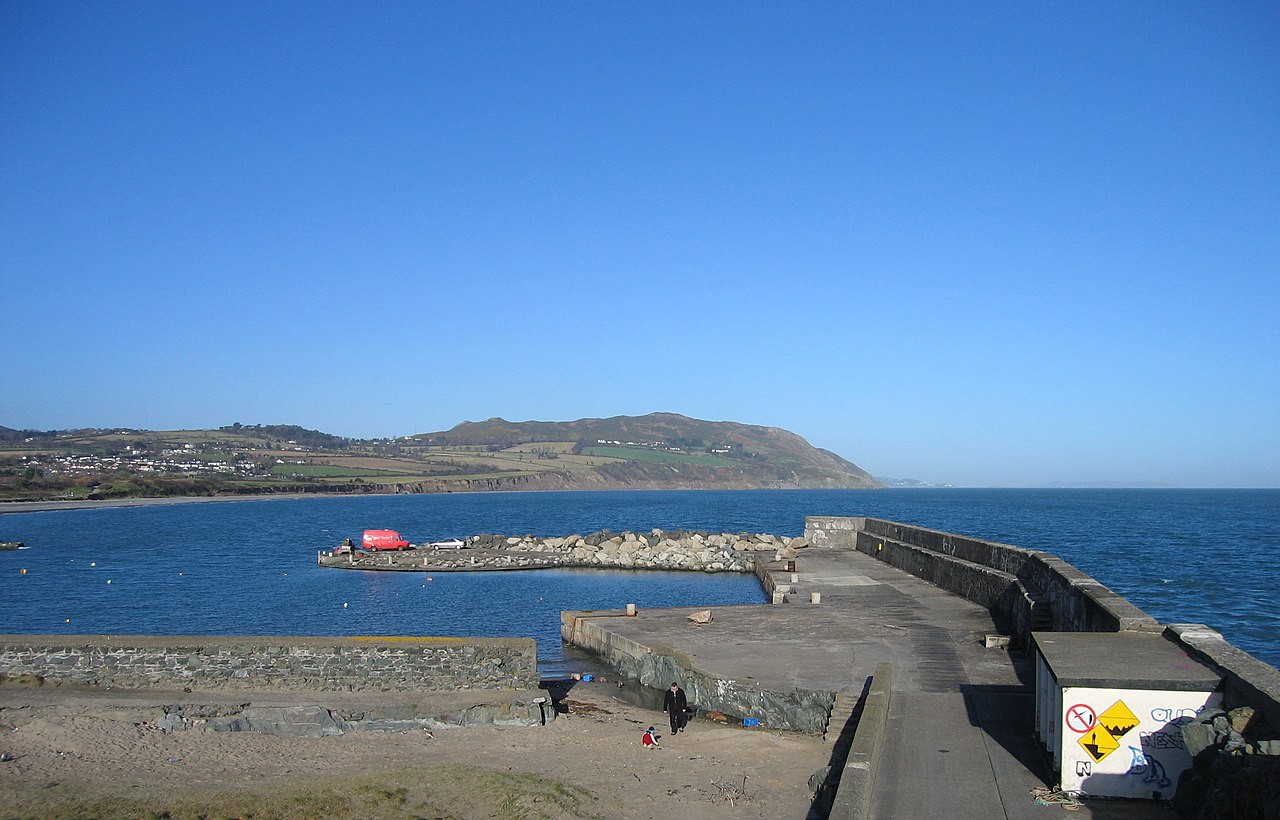
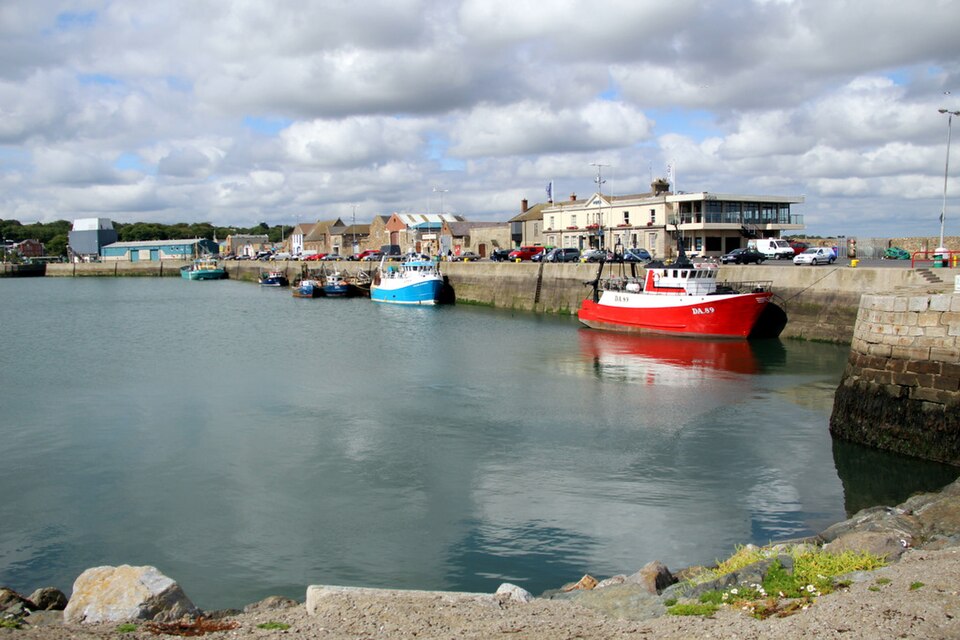
Strangford Lough is a large sea lough in County Down, connected to the Irish Sea by a narrow tidal channel between Strangford and Portaferry. Its many islands and shoreline support boat and shore angling for pollack, mackerel, and flatfish.
County
Down
Region
East
Type
Coastal
Nearest towns
Downpatrick, Newtownards
Species
Pollack, Wrasse, Cod, Coalfish, Conger Eel, Tope +12 more
Strangford Lough is the largest sea inlet in Ireland and the wider British Isles — 150 square kilometres of sheltered tidal water on the east coast of County Down, almost entirely enclosed by the Ards Peninsula. The lough connects to the Irish Sea through a narrow channel at Portaferry and Strangford village known as the Narrows, where tidal currents can exceed eight knots. Its name derives from the Old Norse Strangfjörthr — the fjord of the strong current — a description that any angler who has felt the pull of the Narrows tide will immediately understand.
This is a genuinely unique fishing environment in Ireland. The main body of the lough contains over seventy islands, countless rocky outcrops known locally as pladdies, extensive mudflat systems, sheltered bays, and a central channel that plunges to 50–60 metres. It was designated as Northern Ireland's first Marine Conservation Zone in 2013, and protection measures are beginning to restore fish populations that were significantly impacted by decades of commercial dredging pressure. The lough's wildlife is remarkable — common seal colonies on the pladdies, basking sharks in the outer channel in summer, and three-quarters of the world's population of pale-bellied brent geese spending winter here.
For the angler, Strangford Lough offers a different kind of proposition to the headline sea angling venues of the west coast. This is not a venue of easy, predictable large fish. The fishing is characterised by diversity across an exceptional range of habitats — pier walls, sheltered rocky ground, kelp forests, deep channels, wrecks, and the open coast at St. John's Point beyond the lough mouth. Pollack and wrasse are the most consistently reliable sport fish within the lough. Cod and coalfish dominate the colder months. Conger and bull huss inhabit the rougher ground. Historically the lough was famous for very large common skate and tope, and while populations were severely impacted by commercial pressure, the protected status is beginning to show results.
The mouth of the lough and the open coast at St. John's Point provide the most consistent quality sport, while the inner lough rewards patient and exploratory anglers willing to read its complex tidal patterns. The Portaferry–Strangford car ferry, operating across the Narrows every thirty minutes, gives visiting anglers the flexibility to fish both shores in a single day. The towns of Portaferry, Strangford, and Killyleagh that ring the lough are pleasant and unhurried bases, and Belfast is only thirty to forty-five minutes away for those who prefer city lodging.
Strangford Lough sits within the Strangford and Lecale Area of Outstanding Natural Beauty, and the combination of extraordinary marine wildlife, historic landscape, and accessible proximity to Belfast makes it a sea angling destination of genuine distinctiveness — one where the experience extends well beyond the fish in the landing net.
Also present: Tope, Common Skate, Bull Huss, Mackerel, Sea Trout, Ling, Grey Mullet, Flounder, Dab, Plaice, Dogfish, Red Gurnard, Bass
Methods
Lure FishingPier FishingBait FishingKayak FishingCharter BoatFloat FishingLight Rock Fishing
Venue details
Season dates
Fishing season: January – December
Best times
Cod: October, November, December, January, February
Conger: June, July, August, September, October
Wrasse: April, May, June, July, August, September
Pollack: April, May, June, July, August, September, October
Coalfish: May, June, July, August, September, October
Difficulty
Beginner friendly
Access & bases
Strangford Lough is approximately 30 minutes south-east of Belfast. Portaferry is reached via the A20 along the Ards Peninsula (around 45 minutes from Belfast). Strangford village is reached via the A25 from Downpatrick. The Portaferry–Strangford car ferry runs every 30 minutes and takes 8 minutes to cross. Multiple slipways around the lough for small boats and kayaks — ferry slipways at both Portaferry and Strangford and Castle Ward on the western shore. Charter boats operate from Portaferry and from nearby Donaghadee, Bangor, and along the Down coast. Tackle shops in Bangor, Newtownards, and Belfast. Bait can be dug on the mudflats at low water (lugworm, ragworm) or purchased from tackle shops. Fresh mackerel available from piers in summer.
Signature features
Northern Ireland's First Marine Conservation Zone
Strangford Lough was designated Northern Ireland's first Marine Conservation Zone in 2013 following decades of pressure from commercial dredging and scallop fishing that impacted both the seabed habitat and fish populations. The protection is beginning to show measurable results, and the lough's fish populations are gradually recovering. Fishing here supports and benefits from that conservation — every responsibly-returned fish contributes to the long-term recovery of this exceptional marine environment.
The Narrows
The bottleneck connecting the lough to the Irish Sea is one of the most distinctive and demanding fishing environments in Ireland. Tidal currents up to 8 knots scour the rocky seabed clean, creating habitat for pollack, coalfish, wrasse, and conger that benefits from constant water movement and oxygenation. Fishing the Narrows demands precise timing around slack water — but the angler who reads the tide correctly is rewarded with some of the best fishing the lough offers.
St. John's Point — The Open Coast Mark
The lighthouse headland south of the lough mouth represents the transition from sheltered tidal lough to open Irish Sea and provides the best overall shore fishing in the wider area. Deep water close to shore, very rough ground, and strong tidal flows combine to produce pollack, wrasse, bass, coalfish, cod, bull huss, conger, and ling from accessible rock marks. It is a more demanding mark than the pier fishing inside the lough but significantly more productive for larger fish.
Kayak Fishing Destination
Strangford Lough has become one of the premier kayak fishing destinations in Ireland. The sheltered inner waters allow exploration of the seventy-plus islands, the pladdies, and the channels that larger boats cannot manoeuvre into. Jigging with shads for cod and pollack, light spinning for coalfish and mackerel, and bottom fishing over sand for flatfish are all productive from a kayak. The combination of accessible sheltered water, diverse habitat, and extraordinary wildlife makes this an exceptional paddling and fishing experience.
Season by season
March – May
The lough begins to wake up as water temperatures rise. Pollack and wrasse return to the inshore reefs and rock marks. Shore fishing from piers improves steadily through April and May. Boat fishing over broken ground near the Narrows produces early-season pollack and coalfish. Sea trout begin moving into the lough's feeder streams as the season progresses.
June – August
The most varied fishing period of the year. Mackerel arrive — though timing can be unpredictable from year to year — bringing activity to pier marks. Pollack and wrasse fishing peaks. Sea trout are present throughout the lough. Conger become active at night from pier walls. Long summer evenings allow extended sessions. Kayak anglers explore the islands and channels to great effect. Mullet cruise harbour walls in calm conditions.
September – November
Many experienced local anglers consider autumn the best overall season on Strangford. Cod begin moving inshore from October and the shore fishing along the open coast at St. John's Point and around the lough mouth improves dramatically. Coalfish and pollack remain active. Conger fishing at night reaches its peak. The diversity of species available through this period is outstanding.
December – February
Cod fishing is the main attraction through winter, with fish present in the lough and along the Down coast. Shore fishing from piers for cod, whiting, and coalfish on bottom baits. Calm winter days offer good boat fishing over broken ground near the Narrows. The spectacle of thousands of pale-bellied brent geese on the lough is a remarkable bonus for visiting anglers.
Best conditions
Based on 0 reports, these conditions consistently produce the best fishing on Strangford Lough:
💨
Any direction below Force 4; SE to NE winds push better fish into the Narrows from the Irish Sea
Best wind
☁️
Overcast preferred for daytime lure fishing; calm evenings for pier conger sessions
Best sky
🌡️
Above 10°C for pollack and summer species; dropping water temperature triggers autumn cod
Water temp
⏰
Slack water at the Narrows for all boat and kayak fishing; first two hours of darkness for pier conger
Best window
Seasonal fly & tactics guide
Light Rock Fishing and Species Hunting
Strangford Lough's diversity of habitats makes it ideal for species hunting with ultra-light LRF tackle. A 6–7ft rod rated 1–7g casting weight with micro lures covers piers, rocky ground, kelp, and sand in a single session. Fish too heavy and you will miss much of what the lough offers — scale down and the variety of species encountered is remarkable.
⚠️Common mistake: Using tackle that is too heavy for the species present. Many of the lough's fish are juvenile or of modest size — light gear turns a tiddler session into genuinely engaging sport and maximises the species count.
Pollack on Lures (April – October)
Work the edges of kelp beds, rock ledges, and channel margins around Portaferry and the Narrows. Pollack ambush prey from cover and will not chase into open water — the productive cast lands tight to a rock edge or kelp fringe. Dawn and dusk are prime times. The marks around the Narrows are most productive at slack water when the current is manageable.
⚠️Common mistake: Casting into open mid-channel water rather than working the edges. Pollack hold tight to structure — the lure needs to pass within a metre of rock or kelp to trigger consistent takes.
Cod on Bottom Baits (October – February)
Focus on marks near the mouth of the lough and along the open coast from October onwards. Cod entering the lough through the Narrows tend to be lighter in colour than resident fish, indicating recent arrivals from offshore. Night fishing consistently outperforms daylight for this species. The piers at Portaferry and along the Ards coast are reliable autumn and winter cod marks.
⚠️Common mistake: Fishing too far into the inner lough for cod. The best autumn and winter cod fishing is at the lough mouth and along the open coast — cod do not penetrate deep into the inner lough in significant numbers.
Conger at Night (Year-round)
30 lb class rod and multiplier reel with 30–50 lb line. Running ledger with a large 6/0–8/0 hook and a whole mackerel or large fillet. Fish tight to pier walls, wreck marks, and any significant structure. The first few hours of darkness are most productive — conger are ambush feeders that position alongside structure where tidal flow delivers food. Portaferry pier is the most accessible conger mark.
⚠️Common mistake: Using baits that are too small. Conger inside Strangford Lough reach significant size — a whole mackerel or large fillet is not excessive. Small baits produce small or no results.
Core technique
Kayak Jigging for Cod and Pollack
1Plan your session around slack water, particularly if fishing anywhere near the Narrows. The tidal currents at peak flow are dangerous for kayak anglers — plan your launch, fishing time, and return around the slack periods.
2Position the kayak up-current of a mark — a rocky platty, an island shore, or a known wreck position. Use a drift anchor or paddle to maintain position at slow speed over the mark.
3Lower a shad lure (3–5 inch) or metal jig on a 15–25g head to the seabed. Count the fall — knowing the depth allows you to work the lure precisely.
4Jig the lure upward in sharp lifts of 0.5–1 metre, then allow it to fall on a semi-slack line. The fall triggers most takes — feel for a tightening or weight on the descending line.
5When a fish hits, set the hook firmly and keep the rod tip high to steer fish away from kelp. A kayak rod should be kept away from the water — the lower position gives fish more leverage.
6Land the fish carefully into the kayak — have a rubber mat or wet cloth to hand. Release fish with minimal handling and with the fish in the water wherever possible.
💡 Never kayak near the Narrows on a running tide. The tidal currents are genuinely dangerous and should be treated with absolute respect regardless of conditions elsewhere on the lough.
What works here
Flies and methods reported most successful by the community.
Where to Fish at Strangford Lough
The Narrows (Portaferry – Strangford)
The bottleneck connecting the lough to the Irish Sea with tidal currents up to 8 knots. Rocky ground with kelp beds. Best fished at slack water for manageable conditions and reduced tackle losses. Pollack, coalfish, wrasse, cod, and conger inhabit the scoured rocky seabed. Shore fishing from piers on both sides of the channel — the Portaferry pier is the most accessible and productive shore mark.
Inner Lough (North of Narrows)
A vast area of islands, pladdies, and channels with generally shallower water and extensive mudflats on the northern shore. The deeper channels and isolated rocky patches offer the best prospects — juvenile cod, whiting, and coalfish are most common further into the lough. The wrecks near Portaferry, including the well-known Lee's Wrecks, provide structure that concentrates pollack, cod, and coalfish. Ideal for kayak exploration.
St. John's Point (Open Coast)
The lighthouse headland south of the lough mouth is the best overall shore fishing location in the wider area. Deep water over very rough ground close to shore. Pollack, wrasse, bass, coalfish, cod, bull huss, conger, and ling from rock platforms. Mackerel on feathers in summer. Very snaggy — experienced anglers only for bottom fishing. Float and lure methods preserve tackle while still reaching productive water.
Ards Peninsula Coast
The east-facing coastline from Portaferry north through Ballywalter to Donaghadee with piers and harbour marks producing mackerel, pollack, coalfish, wrasse, and flatfish. Less demanding than St. John's Point, more accessible and suitable for all abilities. The pier marks are particularly productive for beginners and for family sessions.
Offshore Irish Sea (Charter)
Outside the Narrows, the open sea offers wreck fishing, reef fishing, and seasonal tope marks that significantly outperform the inner lough for larger species. Charter boats access these marks from Portaferry, Strangford, and nearby harbours. The offshore grounds have seen significantly less pressure than the lough interior and produce consistently better quality fish.
Suggested trip formats
🎣 Species Hunter's Weekend
Two days fishing the diverse habitats of the lough with light LRF and spinning gear. Portaferry pier on day one for coalfish, wrasse, and mackerel. St. John's Point on day two for pollack, wrasse, and bass. Aim for maximum species count — Strangford rewards the exploratory angler more than most venues.
🎣 Kayak Exploration
Two to three days kayak fishing the inner lough — jigging for cod and pollack around the pladdies and islands, light spinning for coalfish, bottom fishing for flatfish over sand. Plan each session around slack water. Launch from Portaferry ferry slipway or Castle Ward. Extraordinary wildlife as standard.
🎣 Belfast-Based Day Trips
Strangford Lough is 30–45 minutes from Belfast, making it ideal for a series of day trips from a city base. Morning at St. John's Point for pollack and wrasse, afternoon pier fishing at Portaferry, evening conger session from the pier. Return to Belfast for dinner. An accessible and genuinely productive combination for visiting anglers staying in the city.
🎣 Autumn Cod and Wreck
A charter-based trip in October or November targeting the offshore Irish Sea marks and the wrecks near the lough mouth for cod, ling, and coalfish. Combine with evening pier sessions for conger. The most productive approach for larger fish in the autumn and winter period.
Conservation & stewardship
🌿
Strangford Lough is Northern Ireland's first Marine Conservation Zone and the conservation of its marine environment is a genuine ongoing project rather than a designation in name only. Anglers who fish here are guests in a recovering ecosystem. All tope and common skate must be returned alive — these species are protected. Wrasse are slow-growing and should always be returned immediately and carefully. Comply fully with bass and cod regulations. No gaffs are legal in Northern Ireland — carry a landing net or lip grips. Observe the Marine Conservation Zone exclusion zones around the horse mussel beds. Remove all tackle waste and litter from pier and shore marks. Handle every fish with wet hands, minimise air exposure, and return fish promptly to the water. The lough's recovery depends on this collective responsibility.
Frequently asked questions
Before You Go — Key Regulations
Jurisdiction
Northern Ireland (DAERA)
Season
January – December
Licence required
Yes — State Salmon Rod Licence
Strangford Lough is in Northern Ireland — DAERA regulations apply, not IFI. No licence is required for general sea angling in Northern Ireland.
Main access: John Murray Sea Angling — Saint Brendan charter boat, 6 The Strand, Portaferry; additional charter boats operating from Donaghadee and Bangor along the Down coast — advance booking recommended, Tackle shops in Bangor, Newtownards, and Belfast — stock up before heading to the lough as local tackle availability is limited; bait can be dug on the mudflats at low water, Strangford Lough and Lecale AONB — strangfordlough.org; Exploris Aquarium Portaferry for insight into the lough's marine life; Castle Ward (National Trust) for western shore access