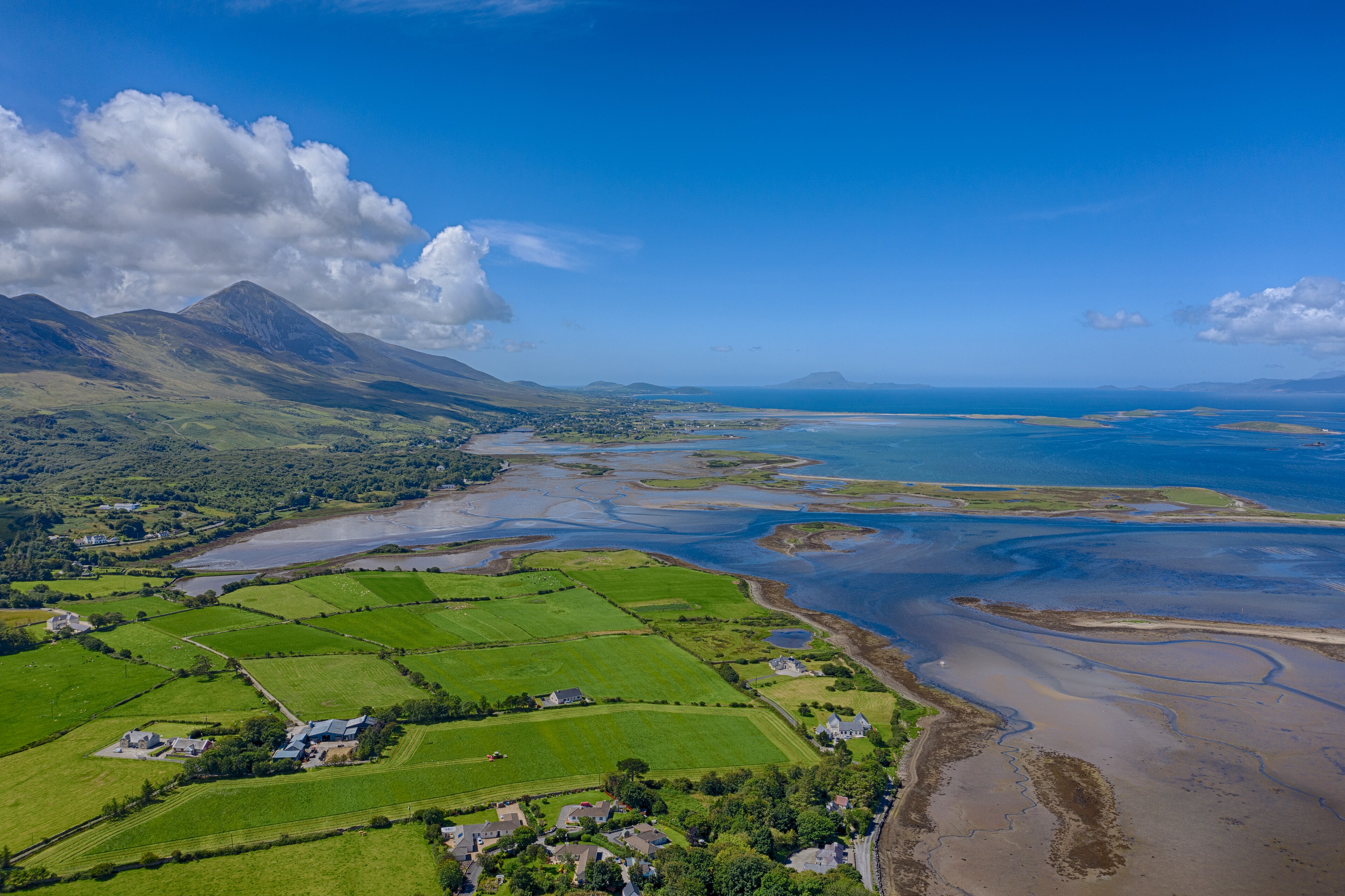
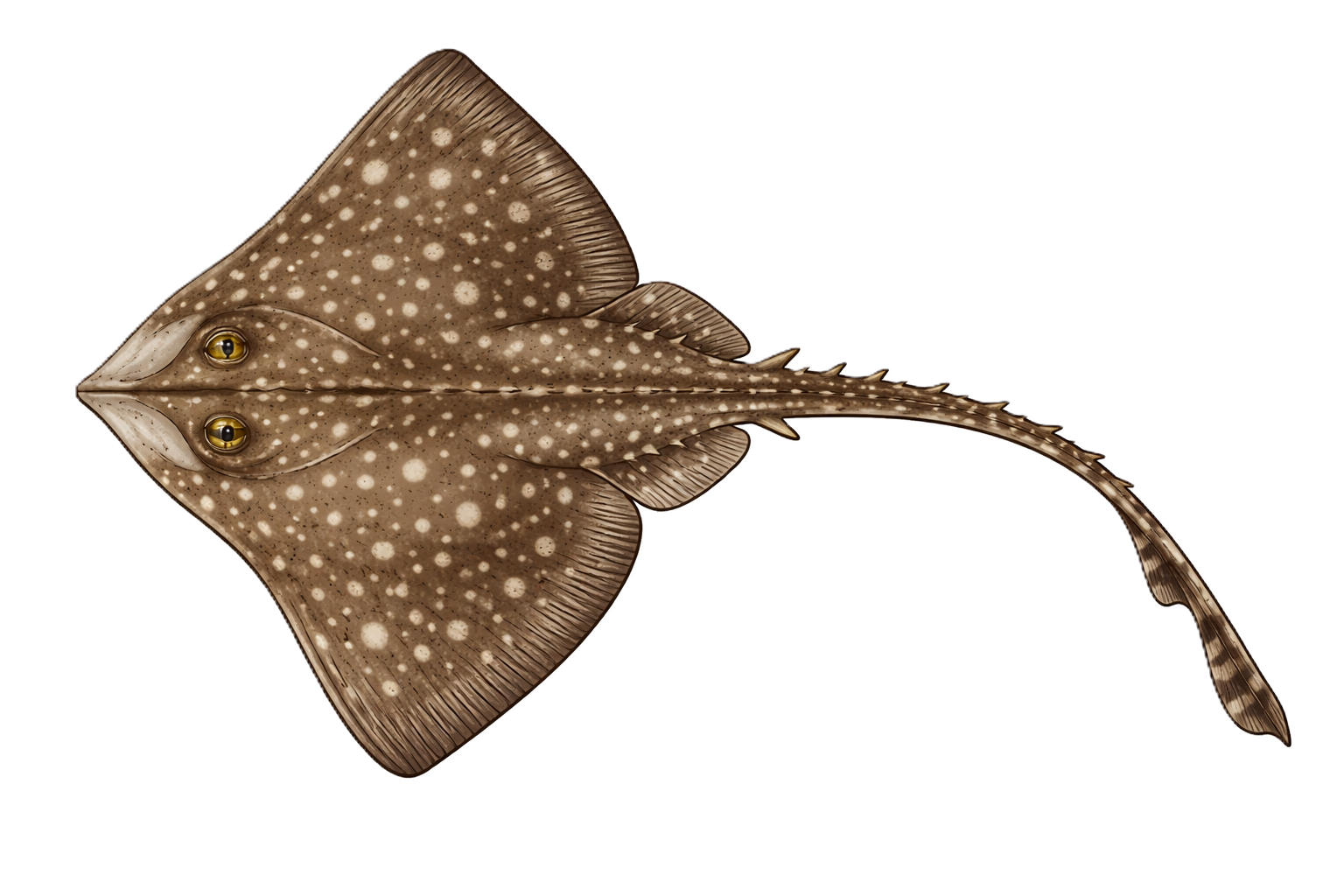
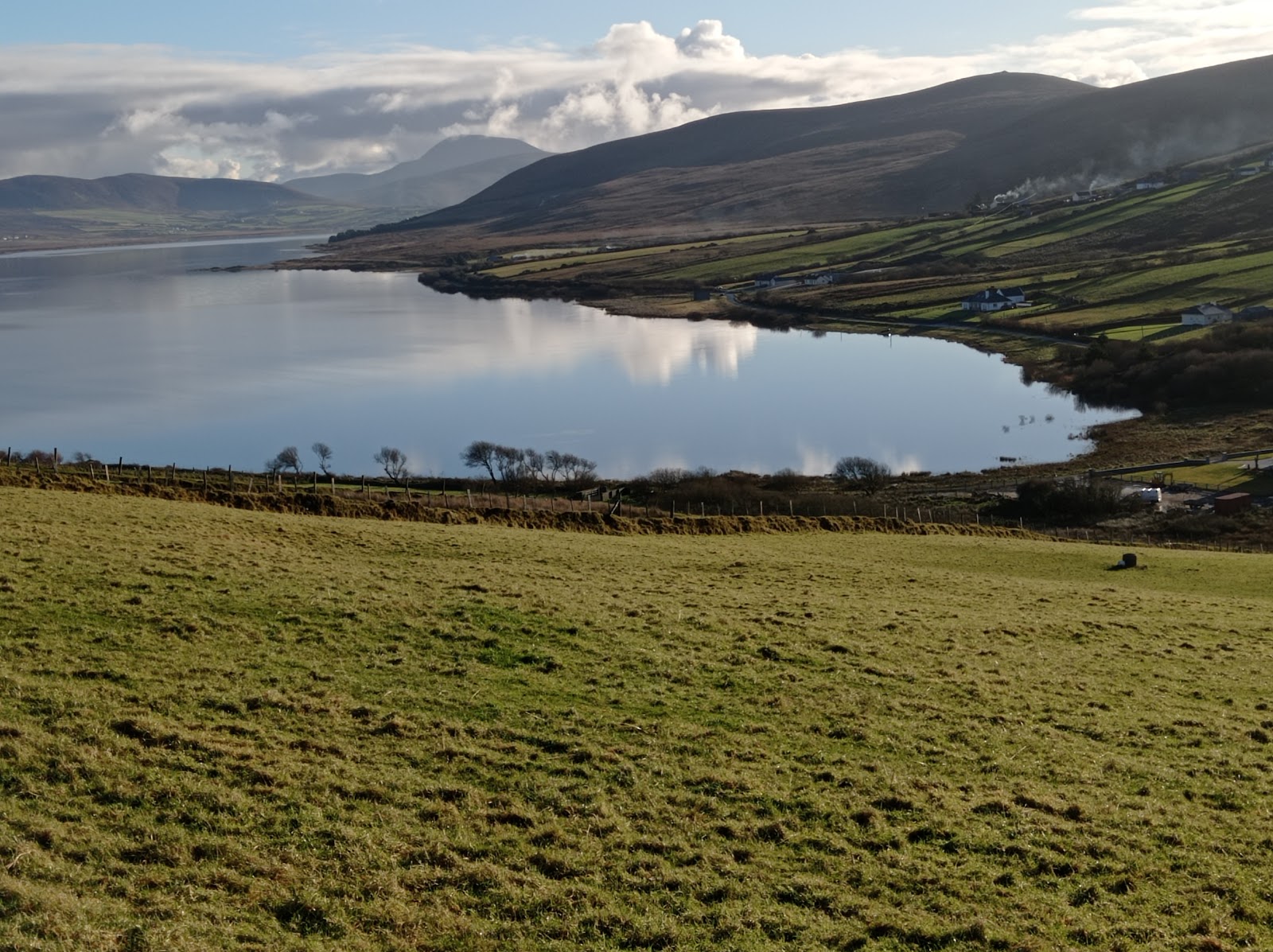
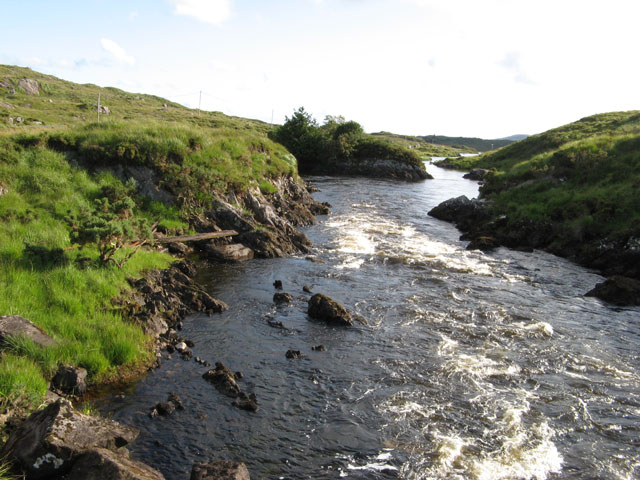
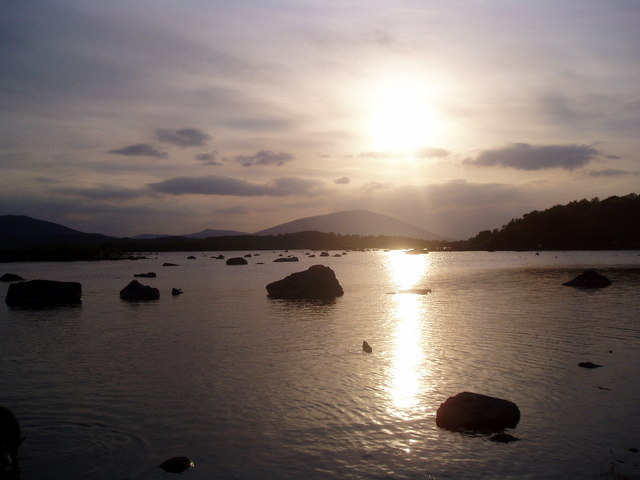
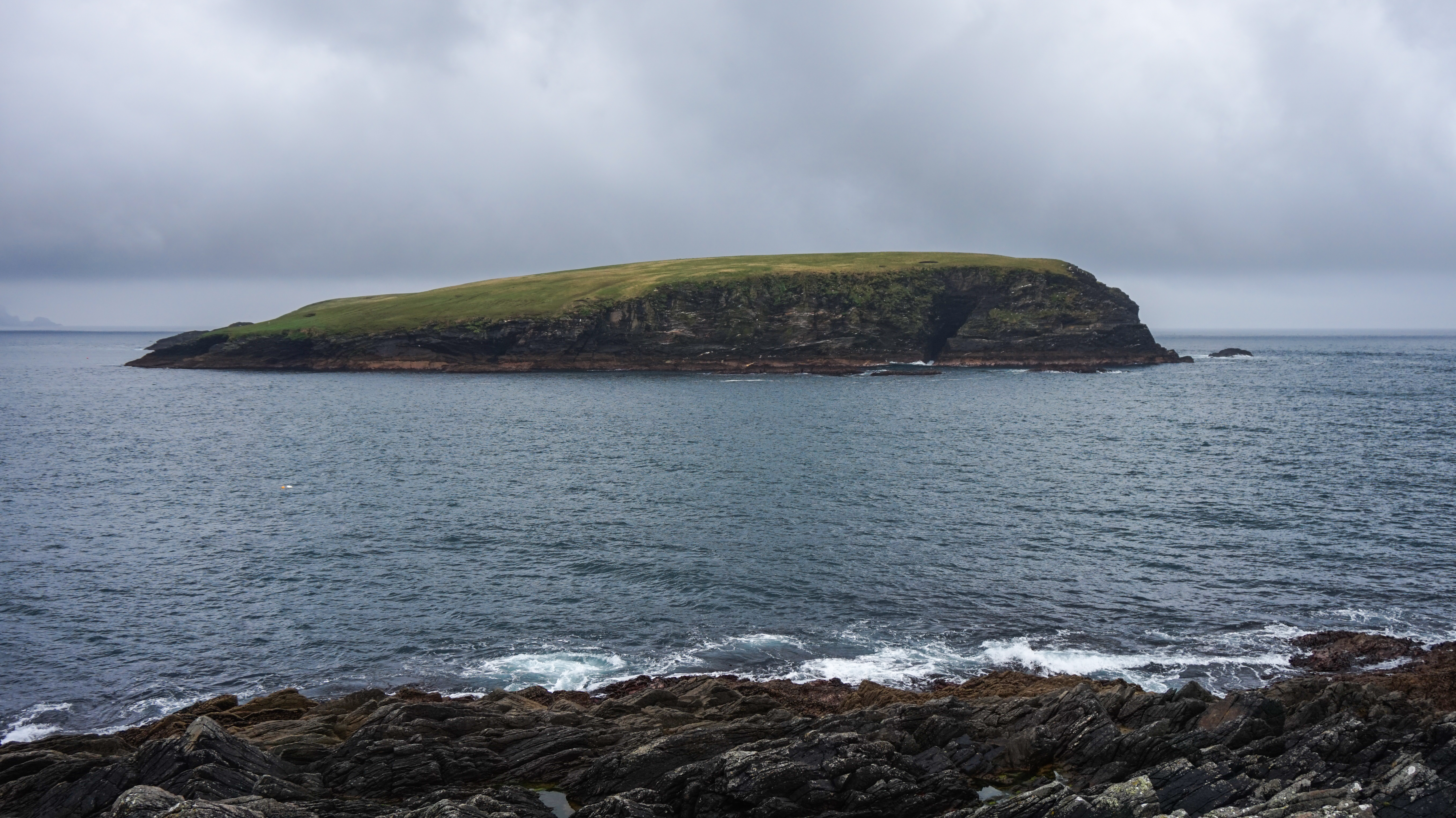
Clew Bay lies on the County Mayo coast beside Westport, studded with drumlin islands and overlooked by Croagh Patrick. It is fished for pollack, mackerel, and ray, with several sheltered shore marks around Westport Quay.
Clew Bay is one of the great natural harbours of the Irish Atlantic coast — a broad, island-studded inlet on the south shore of County Mayo, sheltered from the open ocean by the bulk of Clare Island to the west and the mountainous Corraun Peninsula to the south. Dominated by the unmistakable conical profile of Croagh Patrick rising directly from its southern shore, the bay is as visually striking as any body of water in Ireland. Less obvious but no less significant, it is an outstanding and remarkably varied sea fishing destination.
The bay's most distinctive physical feature is its extraordinary collection of islands — drowned drumlins left by retreating ice sheets that now form a unique archipelago visible in their entirety from the summit of Croagh Patrick above. Tradition claims 365 islands, one for every day of the year. The reality varies with the tide, but the practical effect is the same: a complex underwater landscape of channels, reefs, sandy shallows, and deep-water passages that creates a mosaic of habitats supporting an impressive diversity of marine life. Bass patrol the current-swept channels between islands. Thornback and blonde ray rest on the sandy ground in the sheltered depressions. Pollack hold the reef edges and rocky island shores. Wrasse work the kelp forests in the more sheltered sections. This complexity is the foundation of the Clew Bay fishing experience.
Westport, situated at the head of the bay, is the natural base for visiting anglers and consistently rated among the most attractive towns in Ireland. A planned Georgian settlement with a tree-lined canal walk, excellent restaurants, a genuine traditional music scene, and a warm welcome that does not feel manufactured, it provides a quality of visitor experience that few sea fishing bases anywhere in the country can equal. The town is connected by rail to Dublin and is within reasonable driving distance of both Knock and Shannon airports.
Charter boats operate from Westport Quay, Rosmoney, and Old Head, offering access to the full range of the bay's fishing — from sheltered island-hopping trips for bass and ray through to more ambitious runs toward Clare Island and the open Atlantic marks beyond. The bay's sheltered nature also makes it ideal for small boat and kayak fishing, and a kayak or small dinghy opens up dozens of island channels and shorelines that shore anglers cannot reach and charter boats cannot manoeuvre into.
For visiting anglers who also fish freshwater, Westport offers an additional advantage that no other Mayo sea fishing base can match. Loughs Mask and Corrib — two of Ireland's greatest trout and pike loughs — are within thirty to forty-five minutes by road. A week based in Westport, alternating between Clew Bay sea fishing and the western loughs, is one of the most varied and rewarding fishing itineraries available in Ireland.
Charter BoatLure FishingBait FishingPier FishingKayak FishingSmall BoatFloat Fishing
Venue details
Season dates
Fishing season: April – November
Best times
Ray: May, June, July, August, September
Bass: June, July, August, September, October
Pollack: April, May, June, July, August, September
Mackerel: June, July, August, September
Tope Shark: June, July, August, September
Difficulty
Beginner friendly
Access & bases
Westport is an exceptional base. The town has a wide range of accommodation from hostels to luxury hotels, outstanding restaurants, a vibrant pub and music scene, and genuine warmth. It is connected by rail to Dublin (approximately 3.5 hours) and is around 1.5 hours from Knock Airport and 3 hours from Shannon Airport by road. Charter boats depart from Westport Quay (ten minutes from the town centre), Rosmoney, and Old Head. A car is useful for accessing shore marks around the bay, though the town itself is walkable. There is a tackle shop in Westport town and bait can be sourced locally. Loughs Mask and Corrib are 30–45 minutes by road for anglers combining sea and freshwater fishing.
Signature features
The Drumlin Islands — A Labyrinth of Habitat
Clew Bay's islands are drowned drumlins — glacial deposits submerged as sea levels rose after the last ice age — and they create an underwater landscape of extraordinary complexity. Rocky island shores, sandy channels, deep passages, and shallow sandbanks exist in constantly shifting proximity. For fish, this complexity means shelter, food, and ambush positions at every state of tide. For anglers, it means discovery — you can fish a different island every day of a week's trip without running out of new ground.
Sheltered Atlantic Fishing
Clew Bay is sheltered to a degree that is remarkable for the west coast of Ireland. Clare Island and the Corraun Peninsula absorb the worst Atlantic weather, and the inner bay remains fishable in conditions that would close every other Mayo sea venue. This shelter extends the fishable season significantly and provides reliable weather windows that visiting anglers planning trips from abroad can depend on.
Westport as a Base
Few sea fishing destinations in Ireland are served by a town as well-equipped as Westport. Accommodation ranges from hostels to boutique hotels. The restaurant and pub scene is outstanding. The town's proximity to Loughs Mask and Corrib opens the possibility of genuinely combining sea and freshwater fishing in a single trip — a combination that makes Westport unique among Irish angling bases.
Clare Island — The Outer Mark
Clare Island guards the bay mouth and the waters around it represent the transition from sheltered bay to open Atlantic. Reef systems, deeper water, and stronger currents produce bigger pollack, coalfish, and genuine tope and shark fishing. A charter day to Clare Island is a different experience to the inner bay — more exposed and more powerful, but still within comfortable reach of the harbour on suitable days.
Season by season
January – March
Winter fishing focuses on flounder, codling, and whiting on baited rigs from pier walls and accessible shore marks. The bay's shelter means fishable conditions persist through most of winter. Charter activity is limited but not absent — wreck and reef marks produce ling and conger for hardy anglers and experienced skippers willing to work around the weather.
April – May
Bass and pollack return to the bay marks as water temperatures climb. Wrasse become active around the island shorelines. Ray fishing improves on the sandy marks. First mackerel by late May. Charter boats begin regular schedules. A rewarding transitional period — the bay is warming, species are building, and visiting anglers encounter far less competition for marks and charter availability.
June – August
Peak season with the full species complement available simultaneously. Bass, pollack, wrasse, ray, mackerel, coalfish, tope, and shark are all present. Multi-species charter days produce impressive variety. Shore fishing from piers and accessible marks is at its most productive. The bay is at its most beautiful — Croagh Patrick reflected in still water at dawn, the islands green against the Atlantic.
September – October
Excellent autumn fishing that experienced anglers prize highly. Bass in peak condition, aggressive and feeding hard before winter. Ray fishing continues strong. Pollack and coalfish are active. Tope remain into October. Westport is quieter than the summer peak, making it a particularly pleasant and uncrowded time to visit.
November – December
Transition to winter species. Flounder, codling, and whiting from piers and sheltered bay marks. Wreck and reef charter trips for conger and ling when weather allows. The bay's exceptional shelter extends the fishable season well beyond what the open coast allows.
Best conditions
Based on 0 reports, these conditions consistently produce the best fishing on Westport & Clew Bay:
💨
Any direction below Force 4 for inner bay; SW to W Force 2–3 for outer bay and Clare Island
Best wind
☁️
Overcast to partly cloudy; calm evenings for pier fishing and kayak sessions
Best sky
🌡️
Above 14°C for full summer species range
Water temp
⏰
Flooding tide through island channels for bass; slack water for anchored ray fishing; dawn and dusk for bass from shore
Best window
Seasonal fly & tactics guide
April – May (Bay Awakens)
Focus on the inner bay where water warms first and conditions are most manageable. Fish the flooding tide through island channels for bass. Pollack appear on reef marks from April. Charter boats begin working ray marks from late May. Do not head straight for the outer bay — the inner islands fish earlier and more comfortably.
⚠️Common mistake: Heading immediately to the outer bay marks. The inner islands warm earlier and fish well from April, while the outer bay is still transitioning through May.
June – July (Peak Variety)
Multi-species charter days are the highlight of the season — island drift for bass and pollack in the morning, anchor for ray over lunch, finish on a reef mark for wrasse. Shore evenings at Westport Quay and Old Head for mackerel. Clew Bay rewards versatility — the angler who switches between lure and bait, drift and anchor, will catch more species.
⚠️Common mistake: Fishing with only one method. Clew Bay's diversity of habitat requires a diversity of approach — carry both lure and bait gear on every session.
August – September (Specimen Season)
Focus on the island channels specifically for bass. Fish the strongest part of the flooding tide through narrow channels between islands — bass move through predictable corridors at predictable states of tide. Slow, deliberate lure presentations close to island shorelines outperform long casts into open water. Tope and shark charters peak in August.
⚠️Common mistake: Casting into open water rather than tight to island structure. Clew Bay bass are ambush feeders that use the islands as cover. The productive cast lands within a metre of the island shore, not into the channel centre.
October – December (Autumn Transition)
The inner bay remains productive well into autumn. Pier fishing for flounder and codling is rewarding winter sport. Charter boats fish wreck and reef marks for ling and conger as the season winds down. Do not assume September ends the fishing — the bay's shelter means October and November produce genuine catches for those willing to visit.
⚠️Common mistake: Assuming the season ends in September. The bay's exceptional shelter means productive fishing continues well into autumn — October and even November offer genuine sport on the inner bay marks.
Core technique
Island Channel Bass Fishing
1Position the boat or kayak up-tide of a channel between two islands. The channel should narrow to a point where the current accelerates — this is where bass hold and wait to ambush baitfish being swept through.
2Cast a soft plastic shad (4–5 inch, 10–15g jig head) as tight to the island shoreline as possible. Bass hold on the downstream edge of rocks and any reef feature — not in open mid-channel water.
3Retrieve slowly across the current. The lure should sweep past the downstream face of rocks and any visible structure. Work both sides of the channel as the boat drifts through.
4Bass takes in the channels are often aggressive — a sharp pull followed by a powerful run along the island shore. Keep the rod tip up and apply side pressure to steer the fish clear of snags.
5Note the precise position of any take. Bass in Clew Bay patrol regular routes between islands — where you catch one, others follow. Mark the spot with a waypoint.
6Motor back up-tide and repeat the drift. Bass frequently continue feeding through a specific tidal window — make the most of active periods by running the same channel multiple times.
💡 The key insight is that Clew Bay bass are structure-oriented. They use the island shorelines as ambush cover. Fish the edges, fish the current pinch-points, and fish close — the productive cast is tight to the island, not into open water.
What works here
Flies and methods reported most successful by the community.
Where to Fish at Westport & Clew Bay
Westport Quay & Harbour
The departure point for charter boats and a productive pier fishing location. Mackerel, pollack, flounder, and mullet on feathers, float rigs, and baited leger. Evening mackerel sessions from the quay are a pleasant and productive way to end a day. Suitable for all levels.
Inner Bay Islands
The sheltered waters between the drumlin islands — prime bass and ray territory accessible by charter, small boat, or kayak. Work the flooding tide through island channels for bass on lures. Anchor over sandy ground for ray. Drift island shorelines for wrasse and pollack. The core Clew Bay experience.
Old Head & Rosmoney
Piers on the southern shore providing shore access for mackerel, pollack, and wrasse. Also charter pick-up points. Rocky marks either side of the piers for lure fishing. More sheltered than the outer bay marks and suitable for anglers of all experience levels.
Outer Bay & Clare Island
Deeper water with stronger currents and reef marks producing the bay's biggest pollack and coalfish. Tope over sandy ground in the outer bay. Clare Island's reef systems are the highlight — charter boats run regularly in settled conditions and the quality of fishing around the island is significantly higher than the inner bay.
Open Atlantic Beyond Clare Island
Shark and deep-water marks requiring a longer charter day and calm conditions. Blue shark, tope, ling, and offshore reef pinnacles beyond the island chain. Full Atlantic fishing — a different experience to the sheltered inner bay and not available on every trip.
Southern Shore Shore Marks
Accessible rocky marks along the Westport to Louisburgh road providing shore pollack, wrasse, and bass fishing with lures and bait. Several access points with parking. Less dramatic than open Atlantic rock fishing but productive and suitable for visiting anglers without boat access.
Suggested trip formats
🎣 Weekend Bass and Bay
Two charter days working the island channels for bass and the sandy marks for ray. Evening pier fishing at Westport Quay. Dinner in Westport. A focused, rewarding short break that covers the best of what the bay offers.
🎣 Week-Long Sea and Freshwater
Three days sea fishing in Clew Bay — island bass, anchored ray, Clare Island reef — combined with two days on Lough Mask or Corrib for trout or pike. Westport is the ideal base for this unique combination and one of the most varied fishing weeks available anywhere in Ireland.
🎣 Kayak Explorer
Three to four days kayak fishing the inner bay islands systematically. Bass in the channels, wrasse along the island shorelines, ray on the sandy ground between islands. Launch from Rosmoney or Old Head. Requires own or hired kayak and competent paddling skills.
🎣 Family Holiday with Fishing
A week based in Westport combining pier fishing, a family charter for mackerel and mixed species, Croagh Patrick, Westport House, and the beaches of Clare Island. One of the best towns in Ireland for a family holiday with fishing as one element among many.
Conservation & stewardship
🌿
European sea bass are subject to conservation measures under Irish and EU law. Under 2026 IFI regulations, bass must be returned alive during February and March. In all other months, the minimum size to retain a fish is 42cm and the daily bag limit is 2 fish per angler. Regulations are reviewed annually — check fishinginireland.info for the current season rules before retaining any bass. Catch and release is practised as standard by local guides and serious bass anglers throughout the year, regardless of what the regulations permit. Handle bass with wet hands, support the fish fully, minimise time out of water, and return it carefully. This approach protects a hard-won recovery in bass stocks and ensures the sport survives for future generations.
Frequently asked questions
Before You Go — Key Regulations
Jurisdiction
Republic of Ireland (IFI)
Season
April – November
Licence required
Yes — State Salmon Rod Licence
No licence or permit is required for sea fishing in Ireland. European sea bass are subject to annual regulations set by Inland Fisheries Ireland.
Main access: Charter boats operating from Westport Quay, Rosmoney Pier, and Old Head — contact Westport Tourist Office or search locally for current operators; advance booking essential for July and August, Tackle shop in Westport town — bait and equipment available; stock up before heading to shore marks around the bay, Mayo Sea Angling Club — active regional angling organisation; Clew Bay Heritage Trust for local maritime information