- Specimens recorded
- 525 (2000–2025)
- Years on record
- 2000–2025
- Top venue by specimens
- The Lough, Cork
- Current specimen threshold
- 5.90kg (13lb 0oz)
- Irish record
- 14.24kg (31lb 6oz)
Carp in Ireland
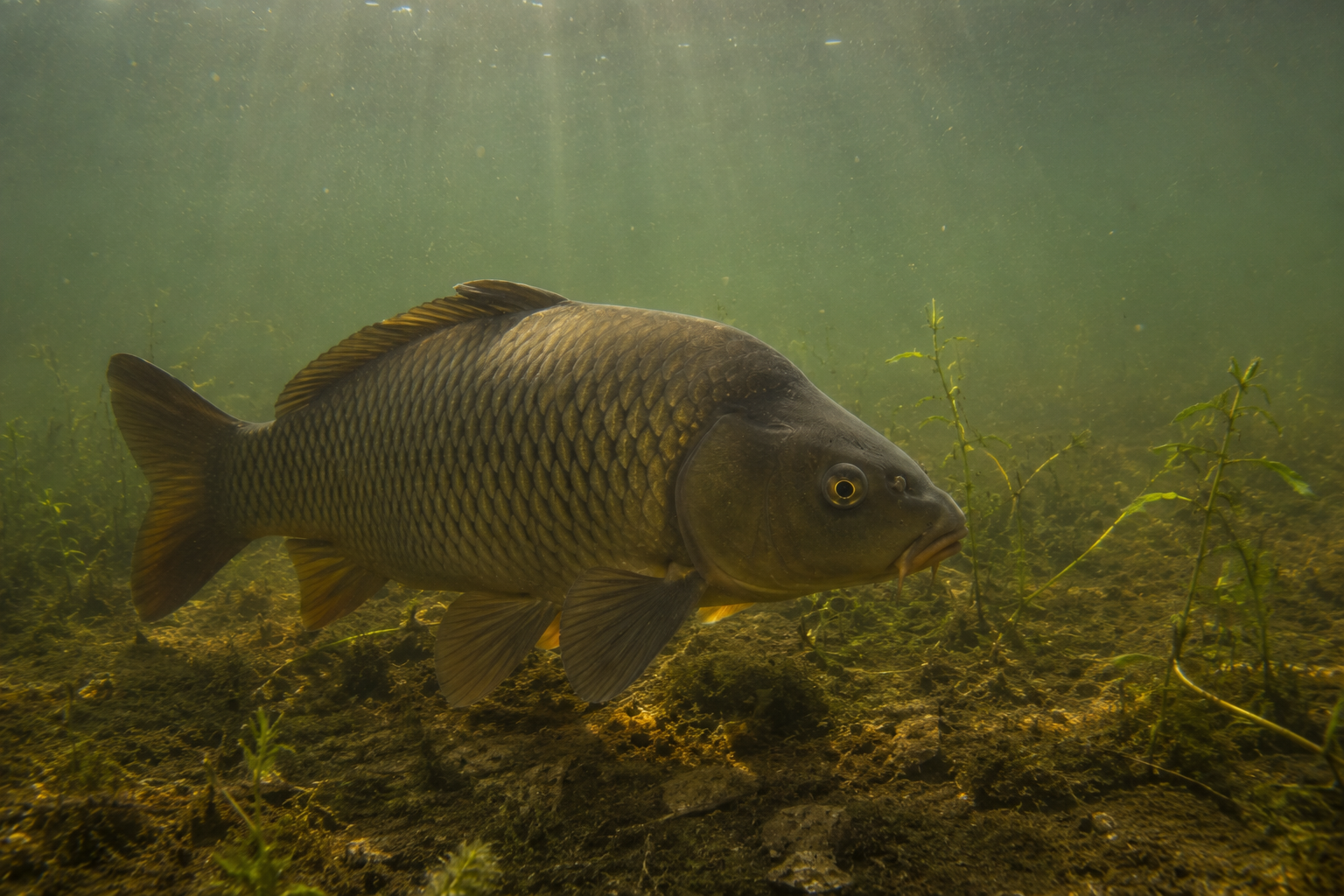
Carp (Cyprinus carpio) is one of the largest coarse species an Irish angler can target — a powerful, long-lived fish stocked into lakes and fisheries across the country — though pike, also classed as coarse fish in Ireland, grow considerably larger still. Carp angling has its own dedicated culture in Ireland, with specialist anglers often fishing multi-day sessions on waters known to hold genuinely large fish.
Carp is not native to Ireland — but neither are most of the country's other coarse species; roach, dace, tench, and perch were all introduced too. The biggest carp waters tend to be specifically-managed day-ticket or club fisheries rather than incidental populations in natural lakes.
The ISFC specimen record for carp is dominated overwhelmingly by a single venue, reflecting just how concentrated serious carp angling is around a small number of exceptional Irish waters.
When Carp Fish in Ireland
ISFC specimens peak in April, May, and July — carp become catchable as water temperatures rise in spring, with activity holding well into summer as fish feed hard through the warmer months.
Based on ISFC specimen records — reflects where anglers fish and submit claims, not necessarily where the species is most abundant.
Where Carp Fish Best
Venue rankings below come from ratified specimen submissions, not scientific stock surveys — popular, well-fished venues will always show more specimens than remote or lightly-fished ones holding the same fish.
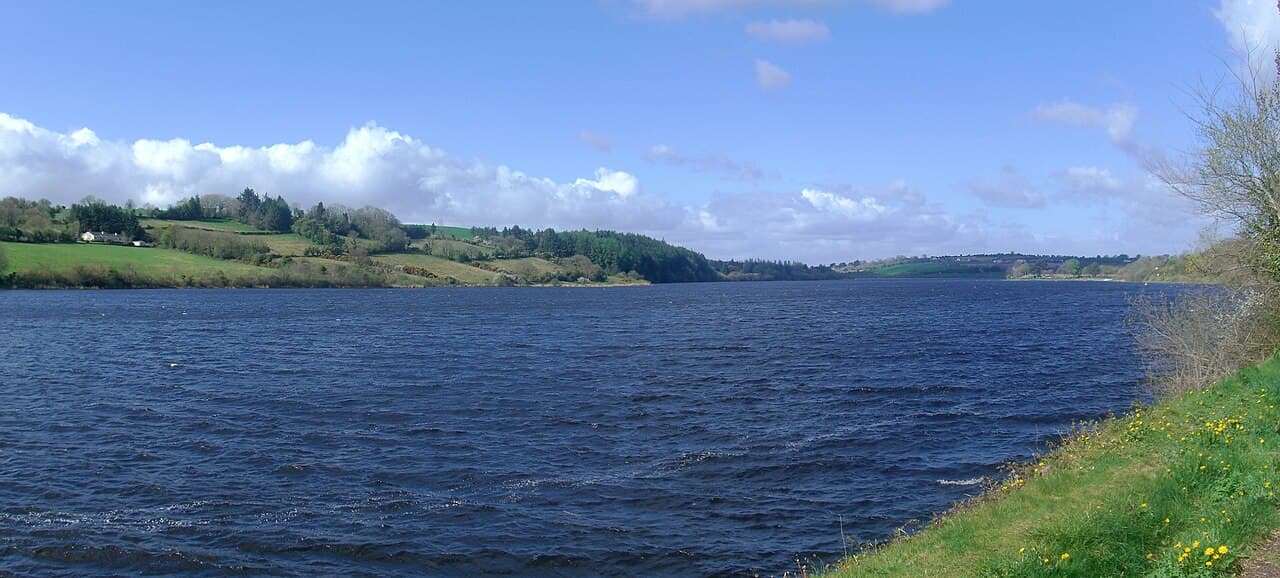
One venue — a well-known Cork carp water — accounts for the overwhelming majority of all Irish carp specimens on ISFC record, with Ballinafid Lake, Gorteen Lake, Decoy Lake, and Inniscarra Reservoir also contributing to a much smaller degree.
See every fishing.ie venue for carp — ISFC-ranked or not — in the full directory below.
Size and Specimens
Carp are capable of reaching some of the largest weights of any Irish coarse species, though pike grow larger still — the gap between the current specimen threshold and the Irish record reflects the scale carp can reach given the right water and enough years to grow.
Based on ISFC specimen and threshold records — reflects where anglers fish and submit claims, not necessarily where the species is most abundant.
How to Catch Carp
Modern carp fishing centres on rig-based bottom baits — boilies, particles, and pellets — fished on a semi-fixed or running rig, often with a bite alarm setup for long, patient sessions.
Pre-baiting a swim over several days or weeks before fishing it is standard specialist practice on serious carp waters, drawing fish into a consistent feeding pattern.
Location within a lake — margins, weed edges, features, depth changes — matters enormously, and carp anglers often spend as much time watching for showing fish as actually casting.
Because carp can grow so large and live so long, careful handling — a proper unhooking mat, a weigh sling, minimal time out of water — is essential practice, not optional.
Rules and Conservation
No state rod licence is required for coarse fishing in the Republic. Many productive coarse waters are day-ticket fisheries or club waters, so a local permit may still apply.
A DAERA coarse rod licence is required for anyone aged 12 or over fishing for coarse species in Northern Ireland, and covers up to two rods.
Carp Venues in Ireland
11 more waters with ISFC specimens (not yet on fishing.ie)
Frequently Asked Questions
What's a specimen carp in Ireland?
The current ISFC threshold is 5.9kg (13lb) — though Ireland's best carp waters are capable of producing fish well beyond that.
Best time of year for carp?
Spring into summer, particularly April through July, based on the ISFC specimen record.
Why does one venue dominate the carp record so heavily?
A small number of Irish waters are specifically known and fished hard for carp, so specimen submissions concentrate there rather than reflecting carp being absent elsewhere.
Do I need a licence for carp fishing?
No state licence in the Republic; a DAERA coarse rod licence is required in Northern Ireland.