- Specimens recorded
- 273 (2000–2025)
- Years on record
- 2003–2025
- Top venue by specimens
- Rosscarbery
- Current specimen threshold
- 0.68kg (1lb 8oz)
- Irish record
- 1.52kg (3lb 6oz)
Golden Grey Mullet in Ireland
Golden Grey Mullet (Chelon auratus) is the smallest of Ireland's three mullet species, distinguished by a golden spot on each gill cover that gives the species its name. It shares estuarine and harbour habitat with its thick- and thin-lipped relatives but tends to be found in slightly more sheltered, brackish water, including further up estuaries than the other species typically range.
Golden grey mullet is well represented in the ISFC record — more so than thin lipped mullet — reflecting a healthy population in Ireland's southern estuaries in particular.
As the smallest of the three mullet species, golden grey mullet's specimen threshold is proportionately much lower than its thick-lipped relative, reflecting genuine size differences between the species rather than a data anomaly.
When Golden Grey Mullet Fish in Ireland
ISFC specimens peak in July, August, and September — the same high-summer-into-early-autumn window that produces the best mullet fishing generally in Ireland.
Based on ISFC specimen records — reflects where anglers fish and submit claims, not necessarily where the species is most abundant.
Where Golden Grey Mullet Fish Best
Venue rankings below come from ratified specimen submissions, not scientific stock surveys — popular, well-fished venues will always show more specimens than remote or lightly-fished ones holding the same fish.
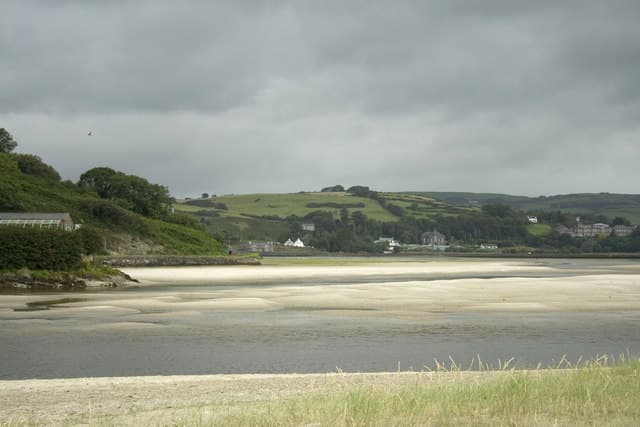
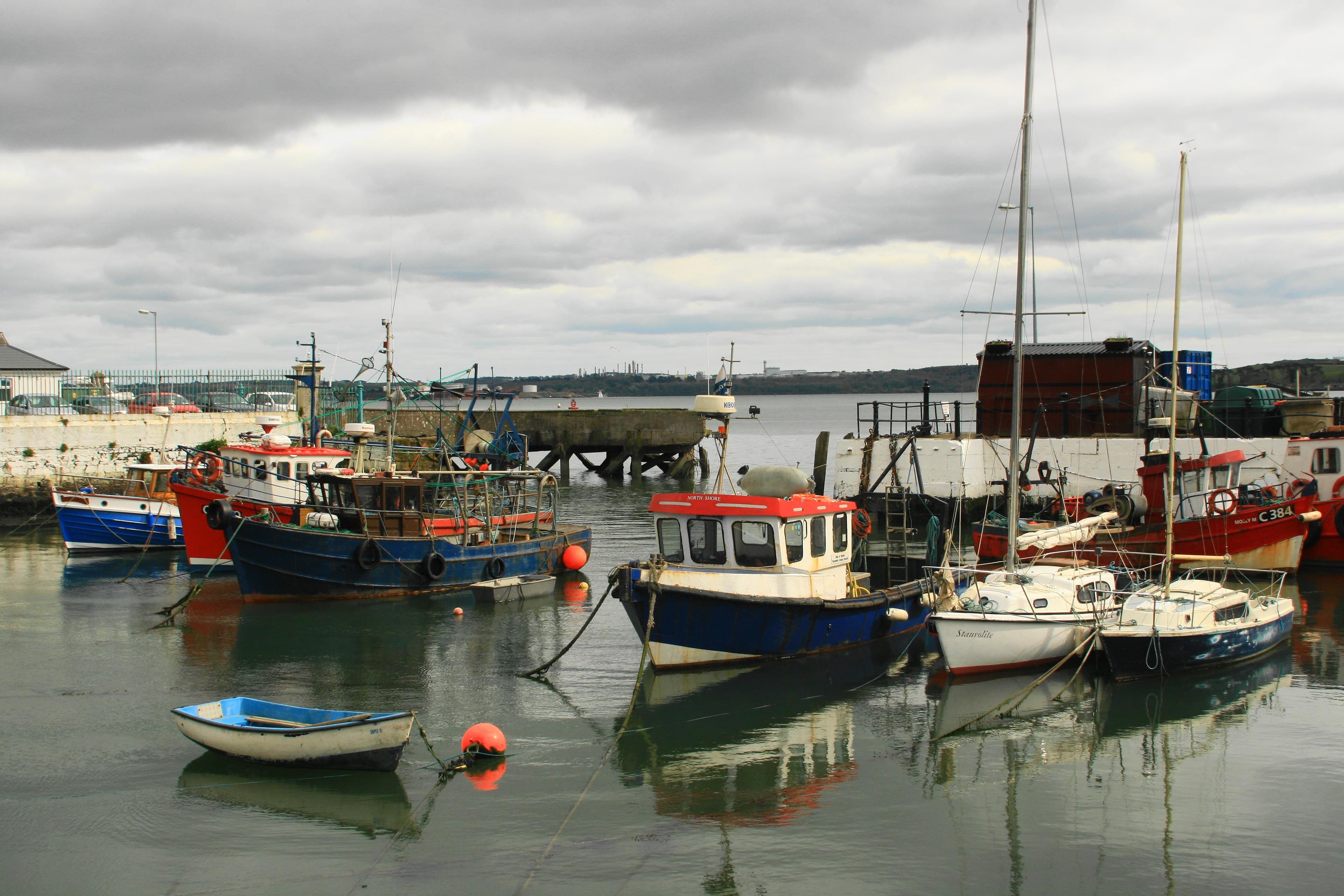
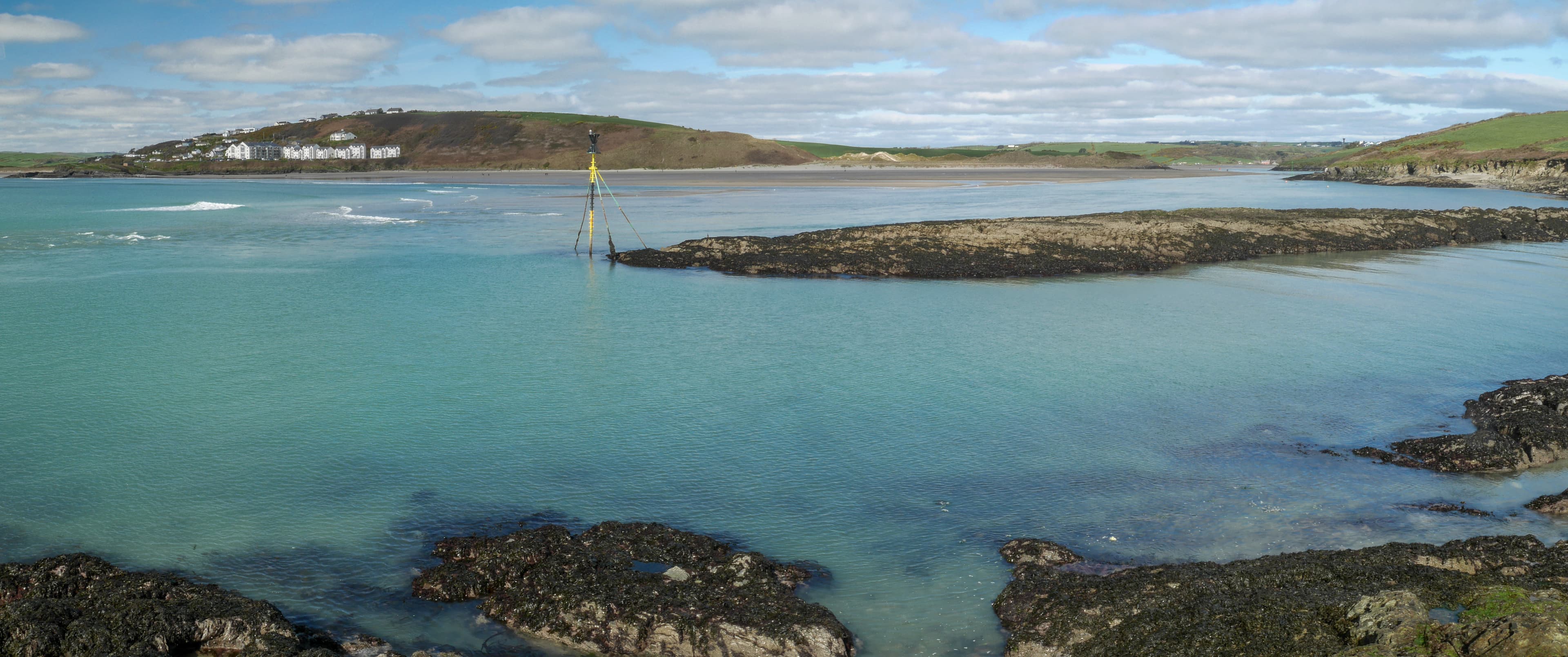
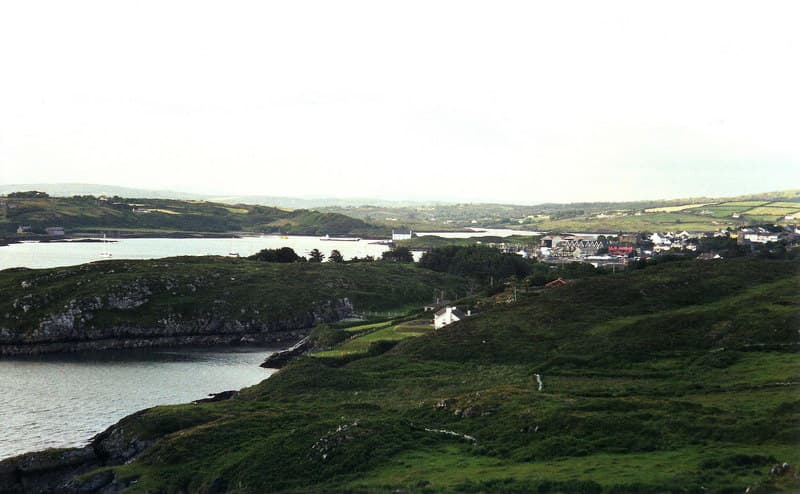
Rosscarbery and Cork Harbour lead the specimen record by a clear margin, with Clonakilty and Clonakilty Bay also strongly represented — west Cork's estuarine marks dominate golden grey mullet fishing as they do for the other mullet species.
See every fishing.ie venue for golden grey mullet — ISFC-ranked or not — in the full directory below.
Size and Specimens
Golden grey mullet run smaller than the other Irish mullet species, so the current specimen threshold — while modest in absolute terms — represents a genuinely large individual for the species.
Based on ISFC specimen and threshold records — reflects where anglers fish and submit claims, not necessarily where the species is most abundant.
How to Catch Golden Grey Mullet
The same freelined bread flake and groundbait mash approach used for thick lipped mullet works well for golden grey mullet, adjusted to slightly smaller hooks given the species' smaller average size.
Golden grey mullet are often found further up estuaries in more brackish water than thick lipped mullet, so exploring upstream marks can locate fish other mullet anglers overlook.
Fine tackle and a natural, drag-free presentation remain essential — golden grey mullet are just as wary as their larger relatives despite the smaller size.
Sight-fishing with polarised glasses in clear shallow water is a productive approach given the species' preference for skinnier water than other mullet.
Rules and Conservation
No state licence is required for sea angling from shore or boat in the Republic of Ireland.
No licence is required for sea angling in Northern Ireland — DAERA rod licences apply to freshwater and game/coarse fishing, not sea fishing.
Golden Grey Mullet Venues in Ireland
9 more waters with ISFC specimens (not yet on fishing.ie)
Frequently Asked Questions
How do I identify golden grey mullet?
Look for a golden spot on each gill cover — the feature that gives the species its name and distinguishes it from thick and thin lipped mullet.
What's a specimen golden grey mullet?
The current ISFC threshold is 0.68kg — modest in absolute terms, but a genuinely large fish for what is the smallest of Ireland's three mullet species.
Best time of year for golden grey mullet?
High summer into early autumn, particularly July and August, based on the ISFC specimen record.
Do I need a licence for mullet fishing?
No — sea angling from shore or boat doesn't require a licence in Ireland.