📍Cork · South West📋IFI (Republic of Ireland)Season Open
7Species Present
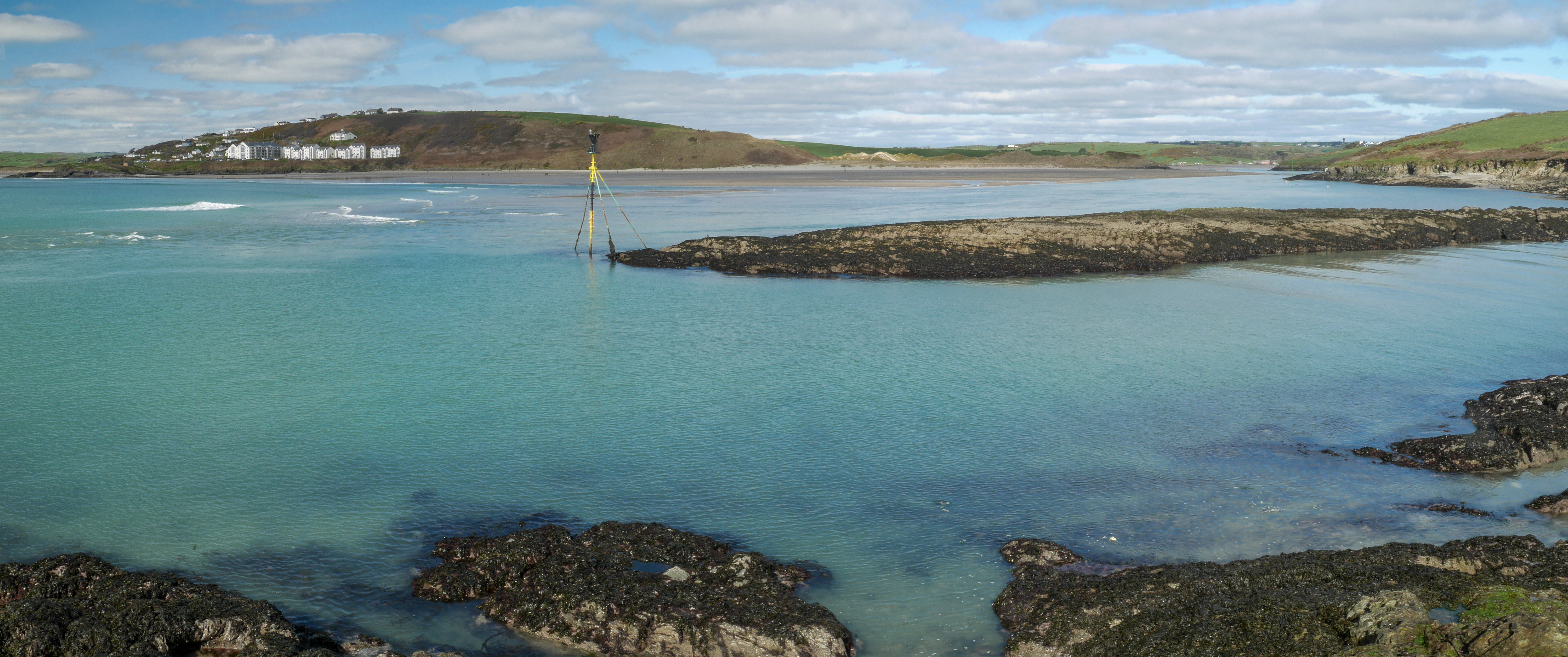
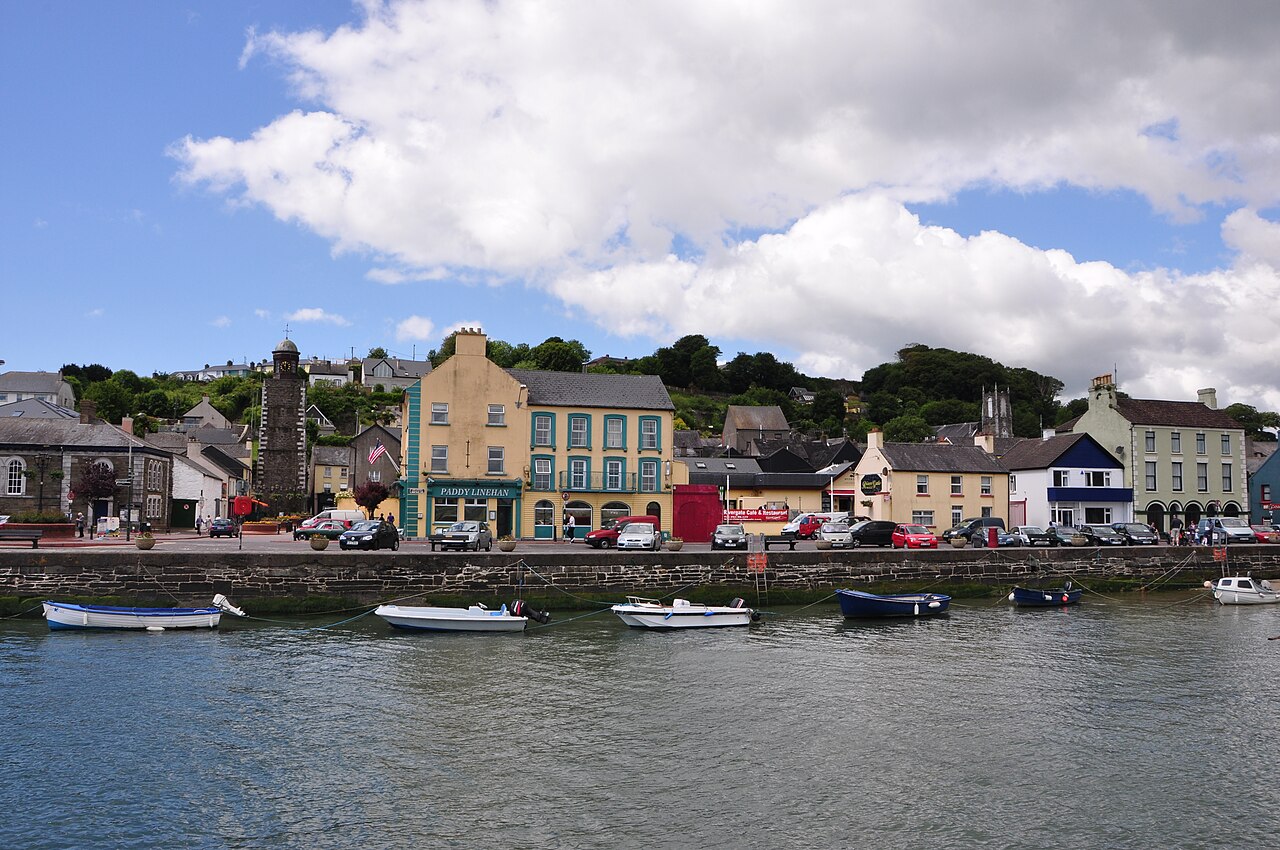
This stretch of the west Cork coast is centred on Clonakilty Bay, with a mix of sandy beaches and rocky headlands. It is fished for bass, flatfish, and pollack from both shore and boat.
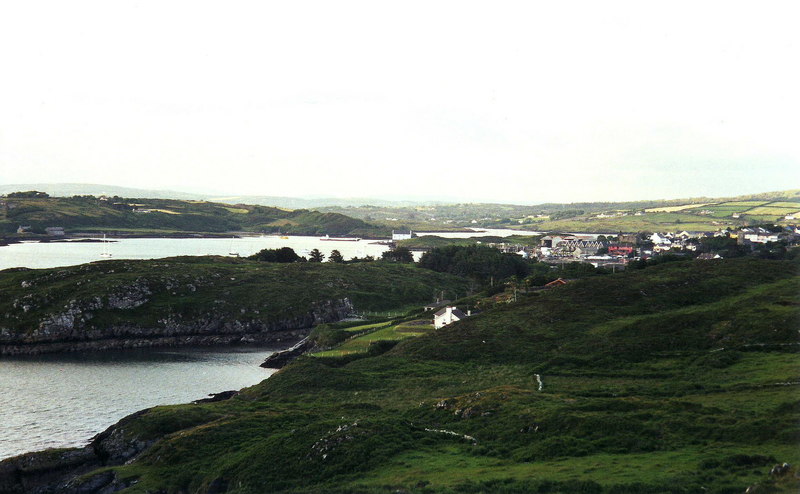
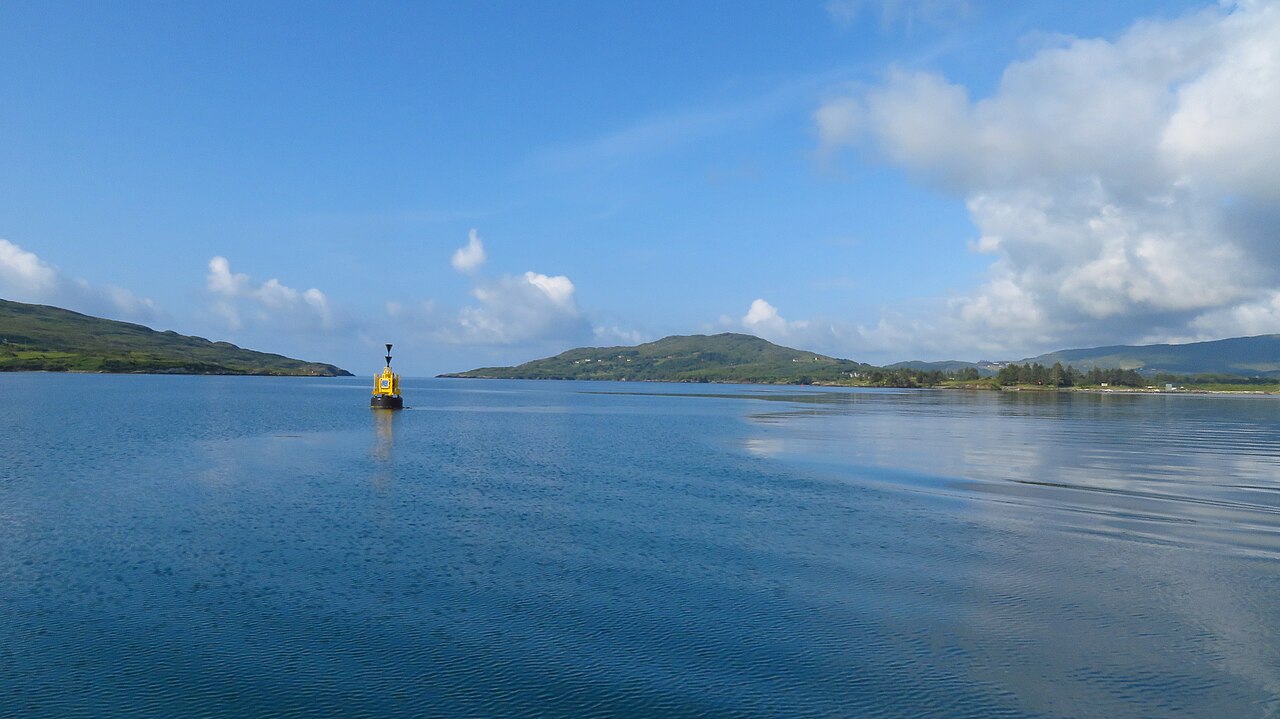
The West Cork coastline around Clonakilty is one of Ireland's finest saltwater fishing destinations — a deeply indented shoreline where rocky headlands meet sandy beaches and tidal estuaries, all washed by clean Atlantic swells.
The area is defined by diversity. Within a few kilometres you can fish sheltered estuary channels for thick-lipped mullet, work lures over kelp beds for double-figure pollock, cast from sandy surf beaches for schoolie bass, or paddle a kayak along boulder-strewn headlands where wrasse hold in every crevice. The rugged geography creates an enormous variety of fishing marks, each productive under different tidal and weather conditions.
Bass fishing is the star attraction here. From May through September — and sometimes later if autumn weather holds — schools of bass move into the bays and estuaries on the flood tide, feeding aggressively on sand eels, crabs, and baitfish. The fishing is superb on both lure and fly, with topwater strikes at dawn and dusk offering some of the most exciting fishing in Ireland. Night fishing under starry skies, with bioluminescence washing around your waders, is a West Cork speciality.
Pollock are the other headline species — powerful, hard-fighting fish that crash-dive for the kelp forests when hooked. Fish over 10lb are regularly encountered. Kayak anglers working lures and flies around rocky marks enjoy fast-paced action, while shore anglers spinning from headlands at dawn can expect multiple hookups on a good morning.
The area is also one of Ireland's finest venues for thick-lipped mullet — grey ghosts that arrive in huge shoals as early as January and settle into their feeding routines by March. Float-fishing with light fly tackle (5wt) for these spooky, powerful fish requires patience and stealth, but when you hook one it fights like a bonefish. Fish over 5lb are common.
Unlike venue-specific fisheries, this is mobile fishing — guides and experienced anglers move between marks based on tide, wind, and target species. A southwest wind might see you fishing the sheltered side of Galley Head for pollock, while a neap tide at dawn could mean bass from Inchydoney Beach. Local knowledge and adaptability are everything.
Bass: June, July, August, September
Mullet: February, March, April, May
Wrasse: May, June, July, August, September, October
Pollock: April, May, June, July, August, September, October
Difficulty
Intermediate
Access & bases
Access to the West Cork coast around Clonakilty is excellent, with multiple public slipways, beaches, and shore marks. Popular access points include Inchydoney Beach (parking and facilities), Red Strand, Long Strand, Clonakilty Estuary (town access), Ring Harbour, and Galley Head. Many headland marks require scrambling over rocks — proper footwear essential. Kayak launch sites at multiple points. Always check tide tables and weather forecasts — exposed marks can be dangerous in heavy Atlantic swells. Mobile phone coverage is generally good along the coast.
Signature features
Mobile Mark Selection
Unlike fixed-venue fishing, success on the West Cork coast depends on reading conditions and choosing the right mark for the tide, wind, and target species. A southwest gale means fishing the sheltered side of headlands. A neap tide at dawn suggests bass from sandy beaches. Spring tides and darkness bring big bass into shallow estuaries. Experienced anglers and guides maintain a mental map of dozens of marks, each productive under specific conditions. This adaptability is what makes the area so productive — there is always somewhere to fish effectively.
Kayak Fishing Opportunity
West Cork is one of Ireland's finest kayak fishing venues. The indented coastline offers endless sheltered bays and rock marks accessible only by kayak, while the relatively calm summer conditions allow safe exploration. Kayak anglers work lures and flies over kelp beds for pollock, drift estuaries for bass, and target wrasse along boulder-strewn shorelines. The mobility of a kayak unlocks marks that are unfishable from shore, and the low profile allows stealthy approaches to shallow-water bass and mullet. Multiple launch sites and relatively sheltered waters make this an ideal kayak fishing destination.
Night Fishing for Bass
Night fishing along the West Cork coast is a magical experience — starry skies, bioluminescent plankton washing around your waders, and aggressive bass feeding in darkness. The bigger spring tides bring bass into very shallow water at night, hunting crabs and baitfish. Fishing by headlamp with surface lures produces heart-stopping strikes. The intimate, sensory experience of night fishing — the sound of swells on rocks, the electric blue glow in the water, the sudden weight of a bass — makes this some of the most memorable fishing Ireland offers.
Season by season
January – April (Early Season)
The quietest time on the coast, but productive for those willing to brave the conditions. Mullet arrive in huge shoals from January onwards, settling into harbours and estuaries. By March, dedicated anglers sight-fishing with fly tackle enjoy exceptional sport. Some pollock fishing from shore marks on calm days. Bass are absent.
May – June (Spring Run)
Bass return to the coast in numbers, with the first fish arriving in May. The fishing builds through June as water temperatures rise and baitfish schools arrive. Excellent topwater lure fishing at dawn and dusk. Pollock fishing peaks as fish move into shallower water. Wrasse become very active. Weather is often settled, making kayak fishing highly productive.
July – September (Peak Season)
The best fishing of the year. Bass schools feed aggressively throughout the tidal cycle, with morning and evening sessions producing explosive topwater action. Night fishing is spectacular on the bigger spring tides. Pollock fishing remains excellent. Mullet are still present but more challenging in warmer water. Weather is generally settled, with long daylight hours allowing extended sessions.
October – December (Autumn Extension)
Bass fishing can extend well into autumn if weather holds mild — some of the largest fish of the season are caught in October and November as they feed heavily before moving offshore. Pollock fishing remains good. Wrasse feed actively before winter. Weather becomes more unpredictable with Atlantic gales, but settled windows offer excellent fishing.
Best conditions
Based on 1 reports, these conditions consistently produce the best fishing on West Cork Coast — Clonakilty Area:
💨
Light to moderate, offshore or side-shore to the mark being fished
Best wind
☁️
Overcast for daytime bass; clear for night fishing
Best sky
🌡️
14-18°C for bass; 10-15°C for mullet
Water temp
⏰
Last 2 hours of flood tide and first hour of ebb for bass; any tide state for pollock from kayak
Target bass in estuaries and along beaches as they return to the coast. Fish the flood tide, especially the last two hours before high water when bass push into shallow water. Topwater lures at dawn and dusk produce explosive strikes. Work lures slowly with long pauses — early season bass can be lethargic. Fly anglers should use intermediate lines with Clouser Minnows or small baitfish patterns in white or chartreuse.
⚠️Common mistake: Fishing too fast. Early season bass are often sluggish and need lures worked slowly with long pauses. Also, many anglers give up too early in the season — bass can arrive as early as May in mild years.
Prime time for bass. Fish mornings and evenings with topwater lures for spectacular surface strikes. Night fishing on spring tides is deadly — big bass feed aggressively in darkness. Work sandy beaches and rocky headlands on the flood tide. Fly anglers should use floating or intermediate lines with baitfish patterns. Watch for diving birds and surface disturbance indicating feeding bass. Kayak anglers can position themselves over shallow reefs and sandbars that bass patrol.
⚠️Common mistake: Overlooking night fishing. Some of the largest bass of the season are caught after dark on spring tides, yet many anglers pack up at sunset. Also, using tackle that is too heavy — bass fishing is more exciting on lighter lure or fly gear.
Pollock (April – November)
Patterns
Metal jigsSoft plastic shadsBucktail jigsLarge streamers (fly)
Target pollock around rocky headlands, kelp beds, and offshore reefs. Kayak fishing is highly productive — position over kelp and work jigs vertically. Shore anglers should fish dawn and dusk, casting jigs or soft plastics and working them back with an erratic retrieve. Pollock often hit on the drop, so keep the line tight. When hooked, they dive hard for cover — keep steady pressure and be ready for powerful runs. Fly anglers should use fast-sinking lines and large streamers (white, chartreuse, or olive) worked in short, sharp strips.
⚠️Common mistake: Not being ready for the initial dive. Pollock make a brutal first run when hooked, often wrapping your line in kelp if you give them slack. Keep the rod high and apply steady pressure immediately.
Mullet (January – June)
Patterns
Bread fly patternsSmall nymphsTiny white streamers
Sight-fishing for mullet requires stealth and patience. Use polarised sunglasses to spot fish in clear water, then present small flies on 5-weight or 6-weight fly tackle with a 10-12ft leader tapered to 6lb. Cast well ahead of cruising fish and let the fly sink slowly. Mullet sip rather than strike — watch for the subtle take and tighten gently. They spook easily, so approach low and quiet. Early morning on calm days is best. Estuaries and harbours with clear water and visible fish are prime locations.
⚠️Common mistake: Too aggressive a strike. Mullet have soft mouths and gentle takes — yanking the rod often pulls the hook straight out. Also, using flies that are too large. Mullet feed on tiny food items and are very selective.
Core technique
Reading the Coast — Choosing Your Mark
1Check the weather forecast and wind direction. Southwest to northwest winds generally make the eastern side of headlands fishable, while northeast to southeast winds shelter the western marks.
2Consult tide tables. Bass fish best on the flood tide, especially the last two hours before high water when they push into shallow areas. Pollock can be caught on any tide state but are often most active around tide changes.
3Choose your target species based on conditions. Calm conditions and clear water? Target mullet. Big spring tide at night? Bass in estuaries. Moderate swell on rocky marks? Pollock.
4Select the appropriate mark. Sandy beaches and estuaries for bass, rocky headlands and kelp beds for pollock, harbours and clear-water estuaries for mullet.
5Adapt your tactics to the mark. Topwater lures on beaches at dawn, vertical jigging from kayaks over kelp, sight-fishing for mullet in harbours.
💡 Local guides know dozens of marks and can adapt to any conditions. For visiting anglers, investing a day with a guide is the fastest way to learn the area and catch fish consistently.
What works here
Flies and methods reported most successful by the community.
Where to Fish at West Cork Coast — Clonakilty Area
Clonakilty Bay and Estuary
The sheltered estuary and bay offer excellent bass fishing, particularly on the flood tide when fish push into shallow channels. The estuary is also a top mullet venue in spring. Multiple shore access points including the town waterfront. Popular kayak launch site. Best fished on moderate to neap tides — spring tides can create very strong currents in the narrow channels.
Inchydoney Beach
A beautiful sandy beach offering classic surf fishing for bass. The eastern end near the stream mouth is particularly productive. Fish the flood tide, especially early morning and evening. Also produces flatfish (flounder and plaice) and occasional ray on distance casts. Excellent access and parking. Popular with families during summer days, so dawn and dusk sessions are more productive.
Long Strand and Red Strand
Expansive sandy beaches west of Clonakilty offering surf fishing for bass, flatfish, and dogfish. The river mouth at Long Strand is a bass hotspot on the flood. Both beaches fish well in moderate surf — too much swell makes them unfishable. Best on neap to moderate spring tides. Good access and parking at both.
Galley Head
Rocky headland offering spectacular scenery and excellent pollock, wrasse, and mackerel fishing. Shore anglers can spin or fly fish from the rocks, targeting pollock in deeper water. Exposed to southwest swells, so fish on calm days or when wind is from the north or east. Requires scrambling over rocks — proper footwear essential. Some very large pollock caught here.
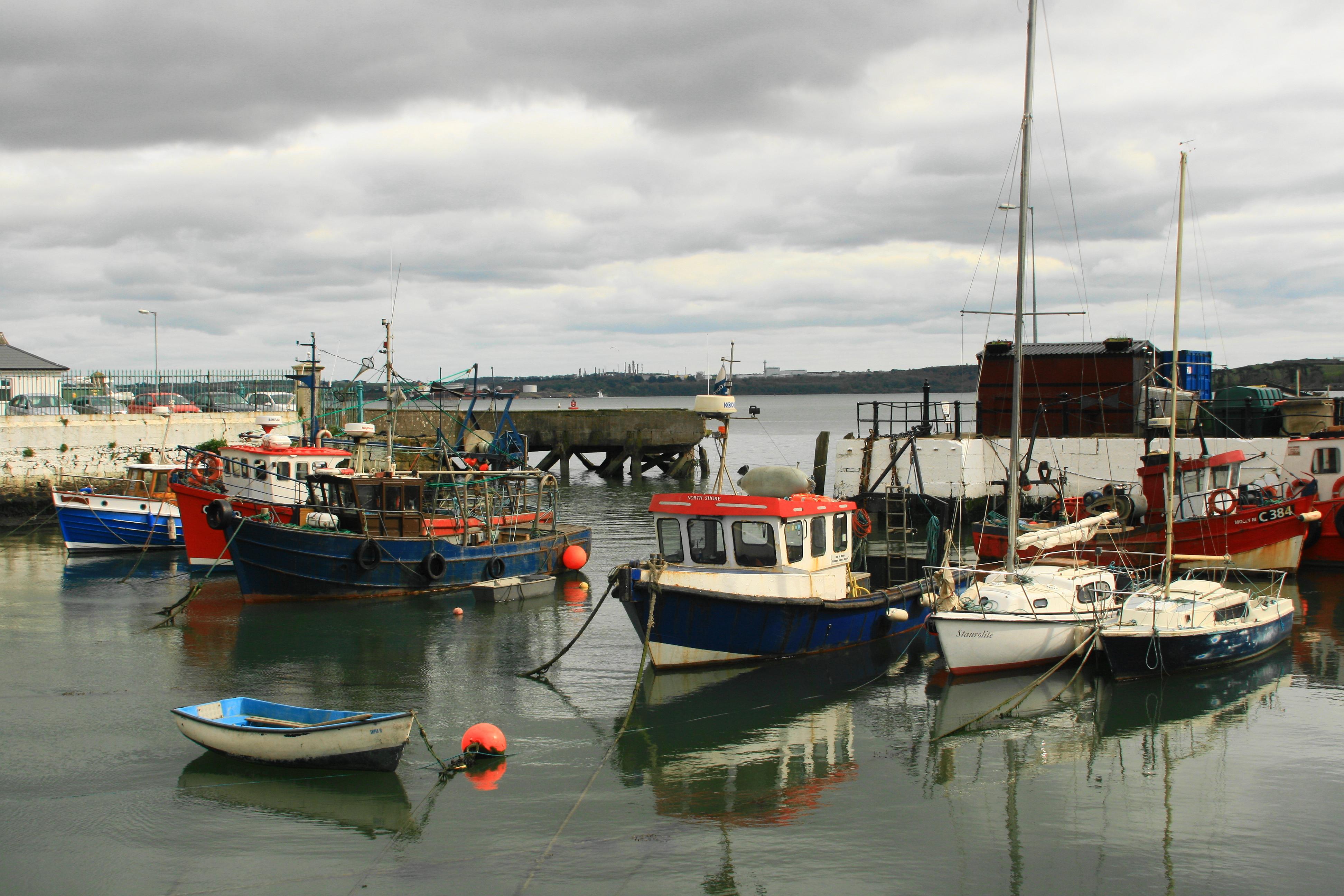
Ring Harbour and Virgin Mary's Point
Sheltered estuary marks offering bass and flounder on the flood tide. Specimen-sized flounder have been caught at Ring. Good mullet fishing in spring. Easier fishing than exposed headlands, making these marks ideal when weather is poor elsewhere. Limited parking — respect local access.
Suggested trip formats
🎣 Morning Bass Session (3-4 hours)
Dawn start targeting bass with topwater lures from a sandy beach or rocky headland. Fish the last two hours of the flood tide and first hour of ebb. Spectacularly visual fishing with surface strikes. Suitable for reasonably fit anglers comfortable wading or scrambling rocks.
🎣 Night Bass Adventure (4-5 hours)
Experience the magic of night fishing for bass on a spring tide. Fish shallow estuaries or surf beaches after dark when big bass hunt in inches of water. The bioluminescence alone is worth the trip. Requires headlamp and willingness to wade in darkness — not for nervous beginners.
🎣 Kayak Pollock Hunt (4-5 hours)
Launch kayaks and explore rocky headlands and kelp beds, working jigs and lures vertically for hard-fighting pollock. Fast-paced action with double-figure fish possible. Suitable for confident kayakers with basic paddling skills. All tackle and kayaks provided by guides.
🎣 Mullet Sight-Fishing (Half day)
The ultimate finesse fishing challenge. Stalk thick-lipped mullet in clear estuaries using light fly tackle. Requires patience, stealth, and accurate casting. When it comes together, it is some of the most rewarding fishing Ireland offers. Best February through May.
Conservation & stewardship
🌿
European sea bass are subject to conservation measures under Irish and EU law. Under 2026 IFI regulations, bass must be returned alive during February and March. In all other months, the minimum size to retain a fish is 42cm and the daily bag limit is 2 fish per angler. Regulations are reviewed annually — check fishinginireland.info for the current season rules before retaining any bass. Catch and release is practised as standard by local guides and serious bass anglers throughout the year, regardless of what the regulations permit. Handle bass with wet hands, support the fish fully, minimise time out of water, and return it carefully. This approach protects a hard-won recovery in bass stocks and ensures the sport survives for future generations.
Frequently asked questions
Guides & Services on West Cork Coast — Clonakilty Area
Main access: Several experienced sea angling guides operate from Clonakilty offering bass, pollock, and mullet trips. Guided trips include all tackle, safety equipment, and local knowledge. Booking recommended, especially peak season., West Cork Bait & Tackle, Clonakilty (bait, tackle, local advice), West Cork Bass (Facebook group) — active community sharing reports and conservation information