📍Clare · West📋IFI (Republic of Ireland)Season Open
7Species Present
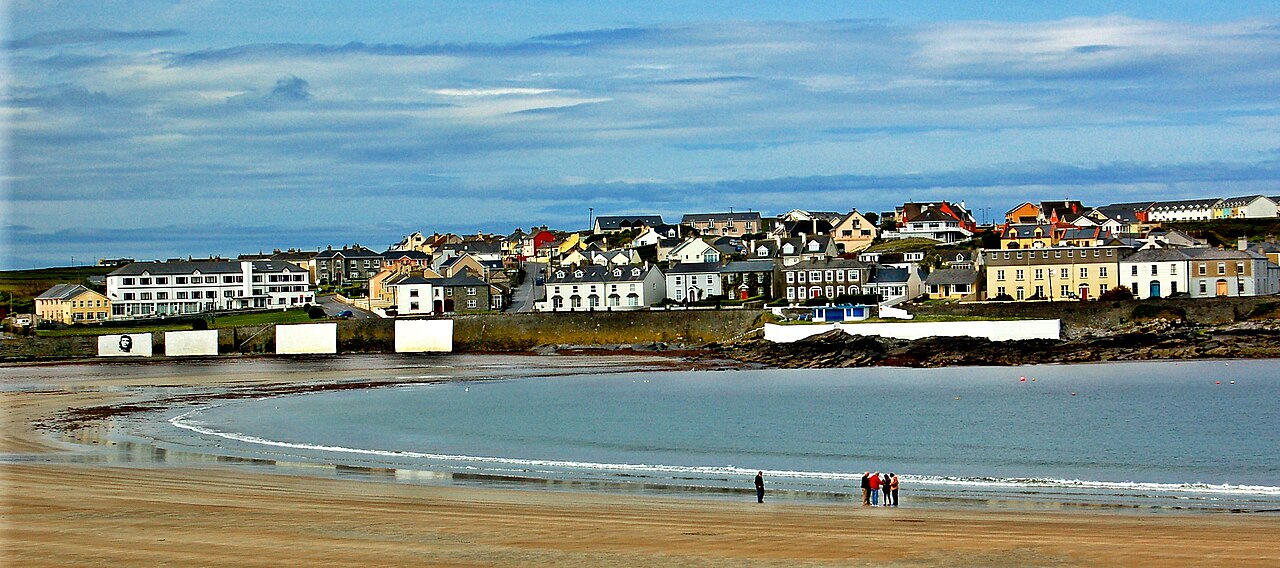
Kilkee is a seaside town on the Atlantic coast of County Clare, set on a horseshoe-shaped bay backed by cliffs. The surrounding rock marks and cliffs are noted for bass, pollack, and wrasse fishing.
County
Clare
Region
West
Type
Coastal
Nearest towns
Kilrush
Species
Pollack, Mackerel, Bass, Wrasse, Conger Eel, Flounder +1 more
Kilkee sits at the top of the Loop Head Peninsula in County Clare, where the Atlantic swings into a sheltered horseshoe bay flanked by dramatic carboniferous limestone cliffs. For shore anglers, it is one of the most varied and accessible marks on the west coast of Ireland — a place where a family holiday angler can spin for mackerel off the pier on a summer evening, while a few kilometres south the same coastline offers serious rock fishing over deep gullies and specimen wrasse.
The bay itself is modest in scale, curving around a sandy beach with a pier on its northern side. But the angling interest lies in the layered terrain surrounding it: the sheltered pier, the exposed rocks at the southern end of the beach, the dramatic Pollock Holes near the Amphitheatre, George's Head on the western headland, and the spectacular cliff marks at Castle Point along the Dunlicky coastal road.
Pollack is the signature species here. The deep channels and gullies cut into the rock around the bay provide ideal habitat, and fish are present year-round. The Pollock Holes near the Amphitheatre are particularly productive, with deep water accessible from close to shore. Spinning with a Dexter wedge or jelly worm near dusk consistently produces results on a rising tide.
Mackerel flood into the bay from late spring through to October or November and can be taken in numbers from the pier on feathers. They are excellent bait for the larger species — conger eel, bull huss, and dogfish — that inhabit the deeper rocky ground beyond the pier. Bass are present on the surf beaches, particularly at the south end of the main beach and at Edmonds Point where a freshwater stream enters on the flooding tide.
Shore fishing at Kilkee requires no licence or permit for most species, making it genuinely accessible. The pier is suitable for beginners and families; the rock marks around the Amphitheatre and the cliff marks at Castle Point demand more experience and careful attention to conditions, particularly swell and wet rock. Kilkee town has all the facilities a visiting angler needs — accommodation, restaurants, and parking within easy reach of the water.
Kilkee is on the Wild Atlantic Way and well-served by guesthouses and self-catering accommodation throughout the summer season. It makes a natural base for exploring the wider Loop Head Peninsula, which offers additional shore marks extending south towards Carrigaholt and Kilbaha.
Accessible Pier · Rock Fishing · Wild Atlantic Way · Bass Shore · Specimen Wrasse · Family Friendly
Difficulty
Beginner friendly
Access & bases
Kilkee Pier is on the north side of the main beach with easy access and parking close by in the town. The south beach has a car park at the end of the coast road south of the town. The Pollock Holes and Amphitheatre area are accessible on foot from the town. Castle Point cliff marks are approximately 7.5km south of Kilkee via the Dunlicky coastal road — there is a car park at the top, with a rough stony path leading down to the rock. Suitable footwear and caution are essential, particularly in wet or windy conditions. George's Head is accessed from the western side of the bay.
Signature features
The Pollock Holes
One of the most distinctive features of Kilkee as a fishing destination is the Pollock Holes near the Amphitheatre — a series of deep rock gullies close to shore that concentrate fish. Spinning directly into the gullies near dusk on a flooding tide produces consistent results, and the proximity of the water to the angler makes this mark unusually accessible for deep-water rock fishing. A pitch and putt course nearby makes it easy to locate.
Castle Point Cliff Marks
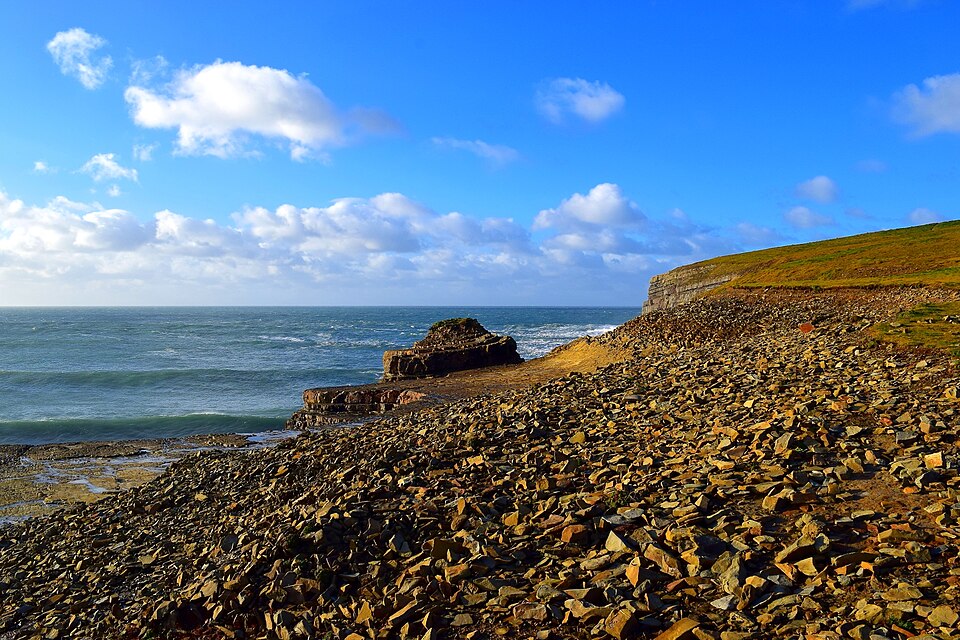
Around 7.5km south of Kilkee via the Dunlicky coastal road, Castle Point is a serious rock mark offering spinning and float fishing for pollack, mackerel, and wrasse from the cliff edge. Conger and rockling are taken from the rocks below. The mark requires care and appropriate footwear. It is one of the most scenic fishing locations on the Loop Head Peninsula and consistently produces fish in settled conditions.
Kilkee Pier
The pier on the north side of the main beach is the most accessible mark at Kilkee and ideal for families and beginners. High water produces the best results for mackerel and pollack on spinning gear, while the bottom fishing at low water picks up flounder and occasional bass. The pier also holds mullet, which have been reported here by local anglers, and is worth trying with float tackle on a warm summer evening.
Season by season
Spring (March–May)
Pollack and wrasse fishing picks up as water temperatures rise. The first mackerel arrive towards the end of this period. Bass become more active as conditions improve. Cliff and rock marks are productive for pollack on spinning gear.
Summer (June–August)
The peak season for Kilkee. Mackerel are abundant and accessible from the pier. Wrasse fishing is at its best from the rocky marks. Bass are active on the surf beaches. Trigger fish have been recorded at the Castle Point area during summer months. The area is busy with holiday visitors and competition for marks can be an issue on the pier at weekends.
Autumn (September–November)
Often the best time for bass on the beaches as shoals move inshore. Mackerel remain until the water cools. Pollack and conger fishing continues strongly. Bottom fishing for flounder and dogfish is productive through this period.
Winter (December–February)
Quieter period with fewer species active, but pollack remain catchable year-round from the deeper rock marks. Bottom fishing for dogfish, bull huss, and flounder is possible in settled conditions. Check IFI regulations as bass is catch and release only during February under current rules.
Best conditions
Based on 0 reports, these conditions consistently produce the best fishing on Kilkee:
💨
Light to moderate westerly or southwesterly for pier and bay; avoid strong onshore swell at cliff marks
Best wind
☁️
Overcast or clear — both productive; early morning and dusk best for pollack
Best sky
🌡️
Mackerel and bass best June–October; pollack year-round
Water temp
⏰
One to two hours either side of high water for pier and beach marks; dusk at the Pollock Holes
Best window
Seasonal fly & tactics guide
Pier Fishing
Patterns
FeathersDexter WedgeSmall spinners
At high water, cast feathers into the bay and retrieve steadily for mackerel. Spinning with a Dexter wedge or small metal lure along the pier wall picks up pollack and the occasional bass. For bottom fishing, use a 2-hook flapper rig with lugworm or ragworm cast towards the sandy ground for flounder. The pier fishes best on the ebb as fish return with the falling tide.
⚠️Common mistake: Fishing at low water for mackerel — they come in on the flood and are most accessible from one hour before high water.
Rock and Cliff Marks
Patterns
Jelly wormsDexter WedgeFloat rig with crab
Spinning with jelly worms or metal lures into the deep gullies at the Pollock Holes near dusk is the most productive approach. At Castle Point, cast towards the open water beyond the reef. For wrasse, float fish with crab or ragworm tight to the rocks — keep the bait close to the weed line. Always check swell conditions before committing to a cliff or exposed rock mark.
⚠️Common mistake: Underestimating the swell at cliff marks after offshore weather — conditions can change quickly and wet rock is extremely dangerous.
Bass on the Beach
Patterns
Pulley rig with lugwormSandeel on running ledger
Fish the south side of the main beach or Edmonds Point on a flooding tide in light to moderate surf. A pulley rig or running ledger with lugworm or sandeel cast towards the gutter behind the breaking waves is the standard approach. Fishing into darkness produces better results. Check IFI current bass regulations before fishing.
⚠️Common mistake: Fishing in flat calm conditions — bass prefer some surf and movement, particularly on the flooding tide.
What works here
Flies and methods reported most successful by the community.
Where to Fish at Kilkee
Kilkee Pier
North side of the main beach. Easy access, no parking issues. Mackerel and pollack at high water on spinning gear. Bottom fishing for flounder and occasional bass. Mullet present in summer. Suitable for beginners and families.
South Beach and Edmonds Point
South side of the main beach extending to Edmonds Point where a freshwater stream enters the sea. Primary bass mark in the Kilkee area, best fished on the flooding tide in light surf. Float fishing from the rocky outcrops also picks up pollack and mackerel.
Pollock Holes and Amphitheatre
Deep rock gullies accessible on foot from the town, near the pitch and putt course. Best mark for consistent pollack on spinning gear, particularly near dusk. Deep water close to shore makes this an unusually productive rock mark.
George's Head
The western headland of Kilkee Bay. Rock fishing for pollack, wrasse, and mackerel with exposure to the open Atlantic. More exposed than the pier or south beach and requires care in swell.
Castle Point
Approximately 7.5km south of Kilkee via the Dunlicky coastal road. Cliff and rock mark for pollack, mackerel, wrasse, conger, and rockling. Rough path from car park. Take extreme care, particularly in wet or windy conditions. One of the most productive marks on the Loop Head Peninsula.
Dunlicky Cliffs
The dramatic cliff marks along the Dunlicky coastal road between Kilkee and Castle Point offer excellent mackerel fishing from late spring through autumn. Feathers or small spinners cast from the cliff edge into deep water produce fast action when the shoals are moving along the coast. The height of the cliffs gives good visibility for spotting shoals. These are exposed, serious marks — check swell and wind conditions before committing, wear appropriate footwear, and never fish alone.
Conservation & stewardship
🌿
European sea bass has been a protected species in Ireland since 1990. Recreational bag limits and catch-and-release periods are in place and change annually — check current IFI regulations at fishinginireland.info before targeting bass. Porbeagle shark, common skate, undulate ray, spurdog, and angel shark are all endangered species and must be returned immediately if caught. Tope are also best returned alive. Handle all fish with wet hands and return quickly where not being retained.
Frequently asked questions
Before You Go — Key Regulations
Jurisdiction
Republic of Ireland (IFI)
Season
Year-round – Year-round
Sea angling at Kilkee requires no licence or permit for most species. Bass (European sea bass) is a protected species — recreational anglers must check current IFI regulations before fishing, as bag limits and catch-and-release periods change annually.
Main access: No dedicated shore guiding operation based in Kilkee. Fishing Adventures (based in Kilbaha, Loop Head) offer sea angling trips in the wider Clare area., Kilkee town has tackle available from local shops. Carrigaholt Pier (approx 20km south) is a source of bait., West Clare Anglers — contact details available locally.