- Specimens recorded
- 10 (2000–2025)
- Years on record
- 2006–2025
- Top venue by specimens
- Cobh & Cork Harbour
- Current specimen threshold
- 1.00kg (2lb 3oz)
- Irish record
- 1.81kg (4lb 0oz)
Mackerel in Ireland
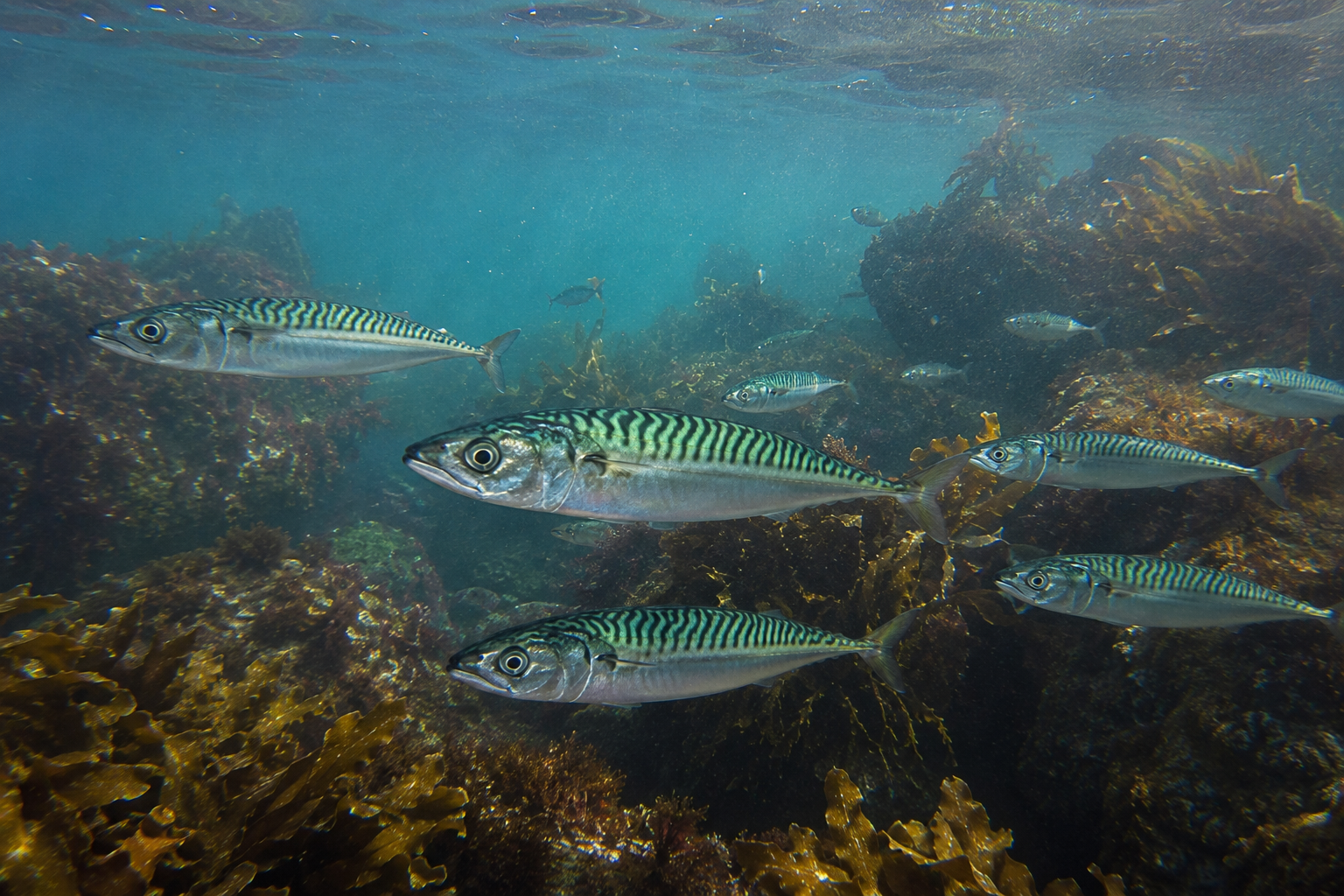
Mackerel (Scomber scombrus) is a fast-moving, schooling sea fish found in huge numbers around the entire Irish coast from late spring through autumn. It's one of the most commonly caught fish in Irish sea angling — a rite of passage for most anglers — but it's rarely pursued as a specimen target in its own right, since most mackerel are caught well below specimen weight and the fish is at least as often used as bait for larger predators like tope and spurdog as it is targeted for itself.
Mackerel are recognisable by their streamlined, torpedo-shaped body and distinctive dark, wavy barring across an iridescent blue-green back, fading to silver on the flanks and belly. They hunt in tight, fast-moving shoals, following inshore concentrations of sprat and sandeel, which is why they turn up suddenly and in numbers at piers, rock marks, and inshore boat marks once the water warms.
The ISFC specimen record for mackerel is thin by design rather than by scarcity of the fish — mackerel are abundant, but a genuinely specimen-sized mackerel, roughly double the size of an average catch, is a much rarer thing to land and submit.
When Mackerel Fish in Ireland
Mackerel arrive inshore around the Irish coast from May onwards, with numbers building through the summer and peaking in June, July and August as they follow bait shoals close to shore. They remain catchable into early autumn before moving into deeper, offshore water as it cools from October. The handful of ISFC specimen records span July through November, but cluster around August — the point in the season when the largest individual fish tend to be among the shoals.
Based on ISFC specimen records — reflects where anglers fish and submit claims, not necessarily where the species is most abundant.
Where Mackerel Fish Best
Venue rankings below come from ratified specimen submissions, not scientific stock surveys — popular, well-fished venues will always show more specimens than remote or lightly-fished ones holding the same fish.
Mackerel show up at coastal marks the length of the country whenever bait fish are inshore, which makes them a poor fit for a single "best venue" story — the ISFC specimen submissions are scattered rather than concentrated, coming from harbours and open coastal marks in Cork, Donegal, Antrim and Dublin alike. In practice, any pier, rock mark or boat trip within reach of an inshore bait shoal has a chance of producing a specimen-class fish.
Where recorded: 2 shore, 3 boat (5 not recorded).
See every fishing.ie venue for mackerel — ISFC-ranked or not — in the full directory below.
Size and Specimens
The current ISFC specimen threshold for mackerel is 1kg — roughly double the size of a typical mackerel caught on feathers, which usually runs 200–400g. The Irish record stands at 1.81kg as of the most recent ISFC report. A fish anywhere near a kilo is a genuinely large mackerel, worth weighing rather than assuming it's ordinary.
Based on ISFC specimen and threshold records — reflects where anglers fish and submit claims, not necessarily where the species is most abundant.
How to Catch Mackerel
Mackerel feathers or a multi-hook mackerel rig, worked with a sink-and-draw retrieve, is the classic method and will often connect with several fish at once when a shoal is located — from a pier, rock mark, or boat.
Small spinners, spoons and soft plastics worked at speed will also take mackerel and tend to select for larger individual fish than a multi-hook rig, since only one lure is presented at a time.
Bait fishing with a strip of mackerel or sandeel on a simple running leger works well from marks where the fish are holding rather than constantly moving, and can also pick out bigger fish from a shoal.
Tackle can be kept light — mackerel don't require heavy gear — but a wire or heavier trace is worth using if there's any chance of a mixed bag with sharper-toothed species like garfish or small tope feeding in the same water.
Rules and Conservation
Mackerel are not currently subject to a recreational bag limit in Ireland, unlike bass or the newly introduced pollack limit — reflecting how abundant the species is relative to angling pressure. The EU's Minimum Conservation Reference Size of 20cm applies to mackerel taken from Irish waters; fish below this size should be returned.
No state licence is required for sea angling from shore or boat in the Republic of Ireland, including for mackerel. The 20cm EU minimum size applies.
No licence is required for sea angling in Northern Ireland — DAERA rod licences apply to freshwater and game/coarse fishing, not sea fishing. The same EU-derived minimum size guidance applies to mackerel taken from NI waters.
Mackerel Venues in Ireland
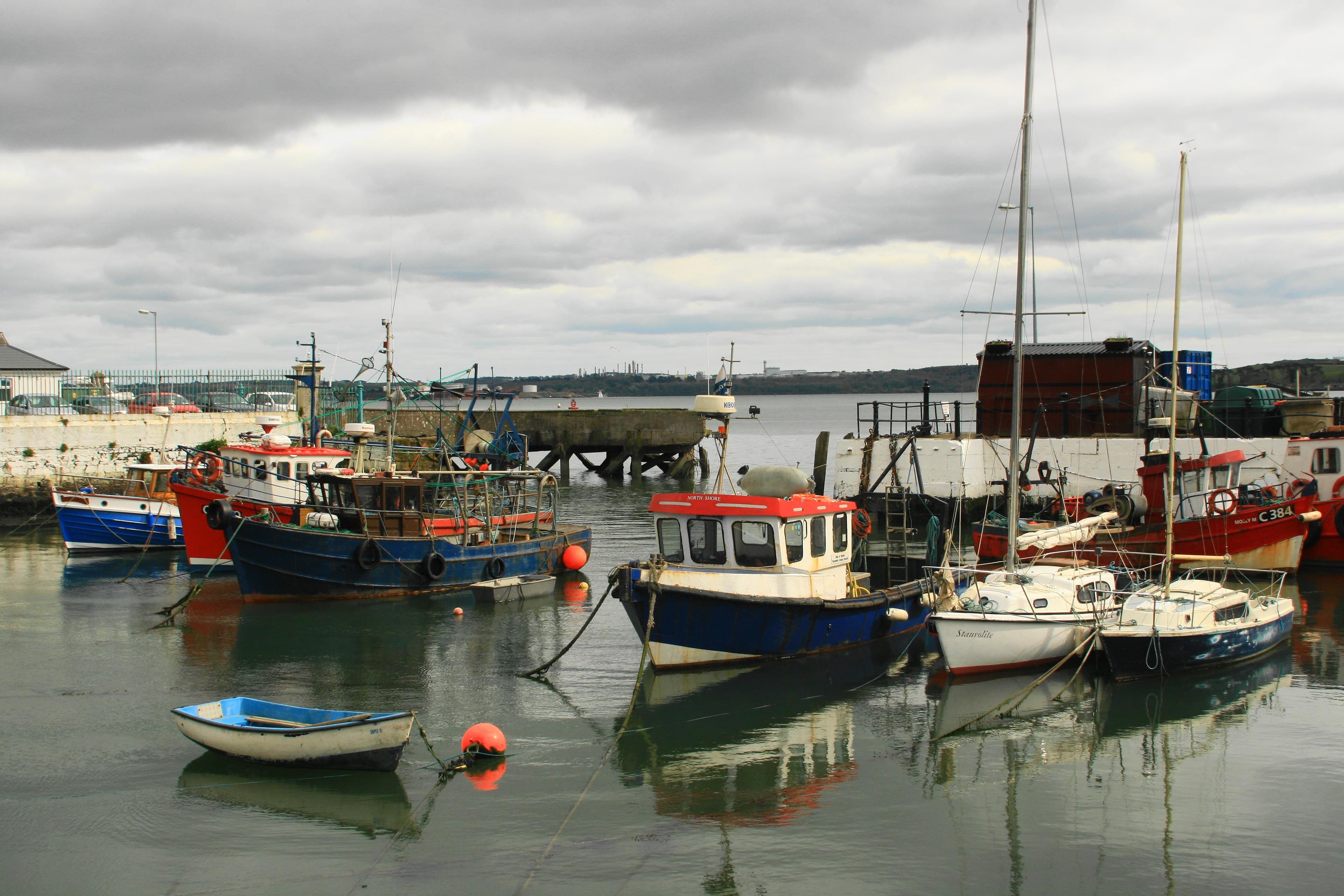
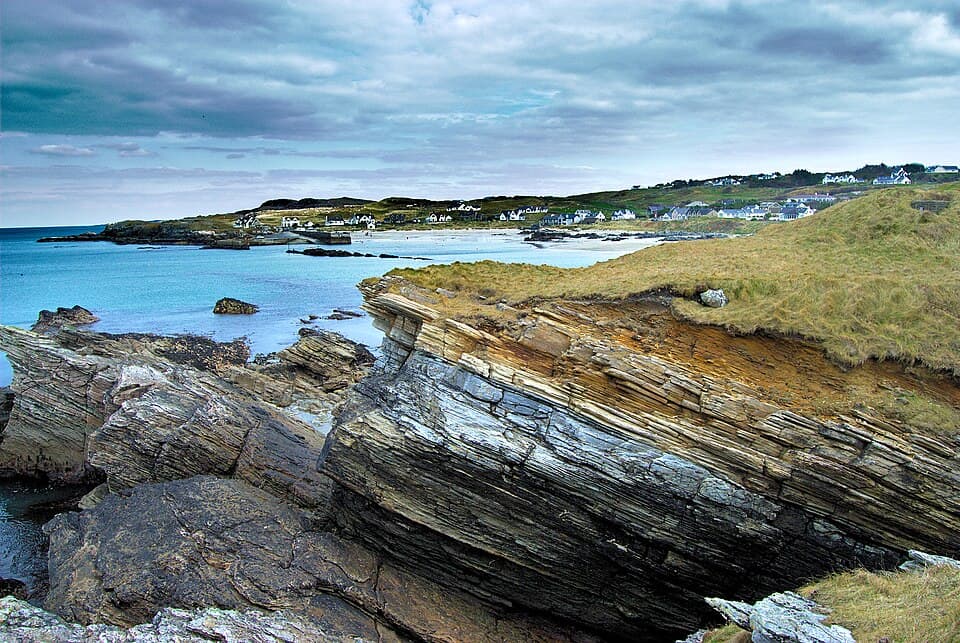
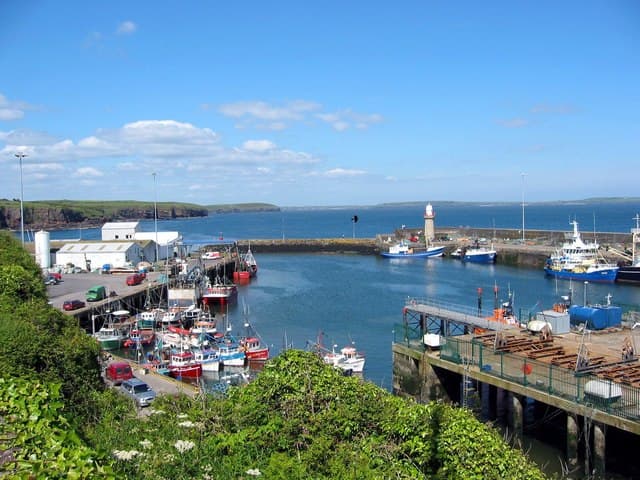
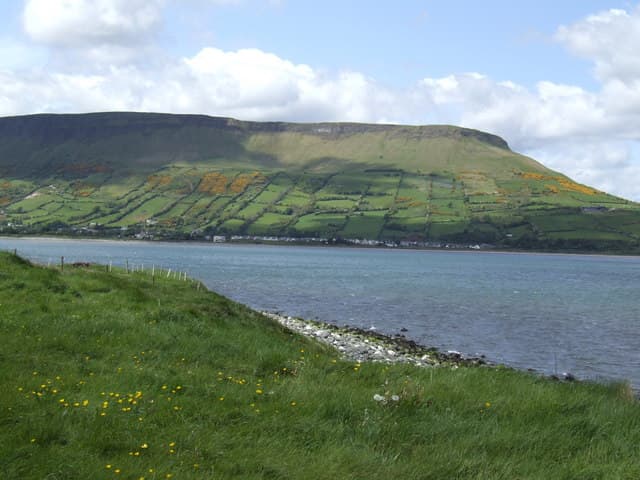
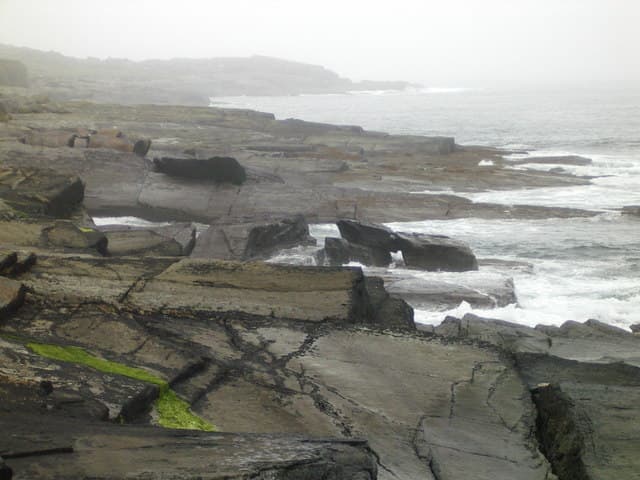
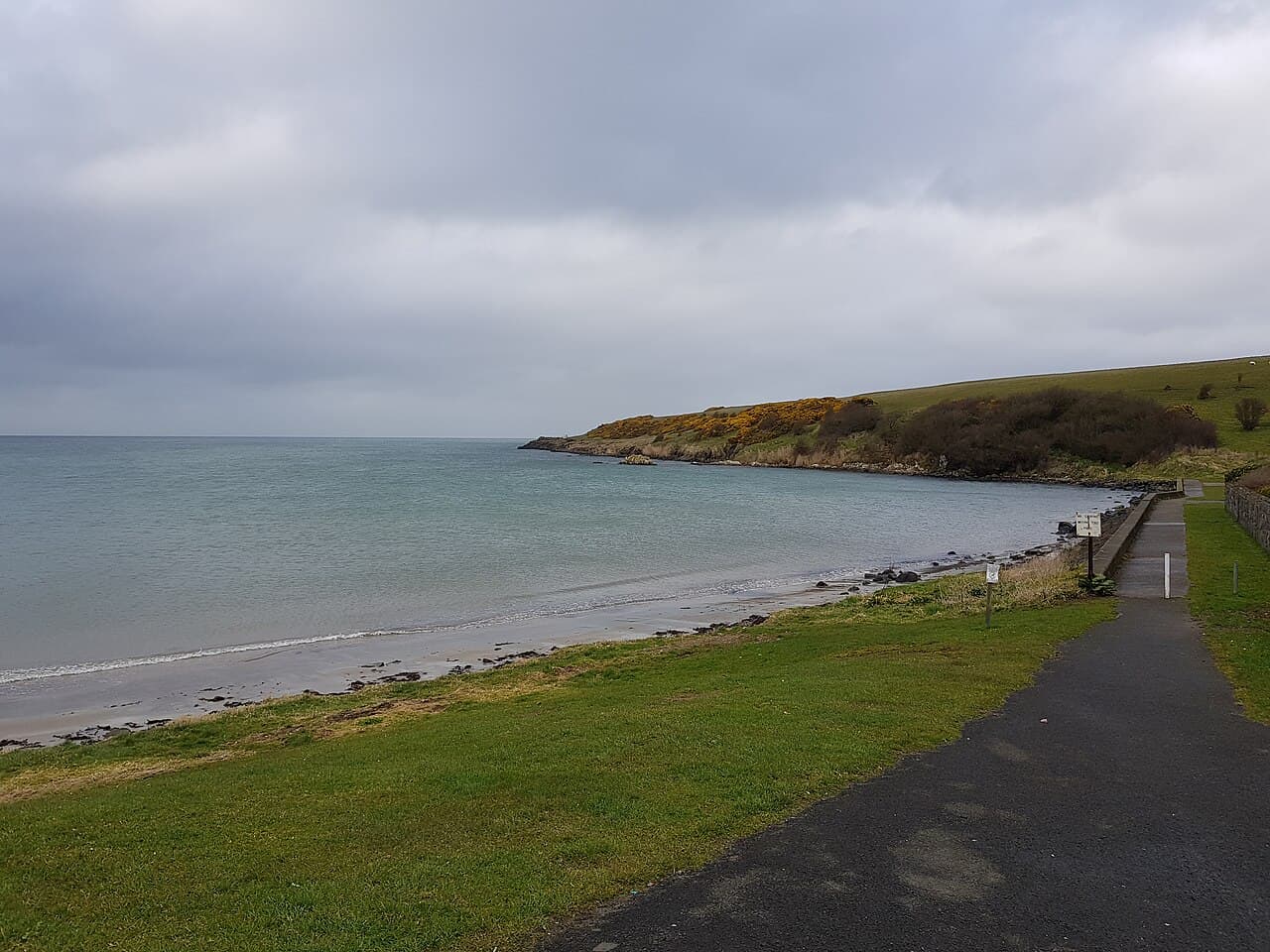
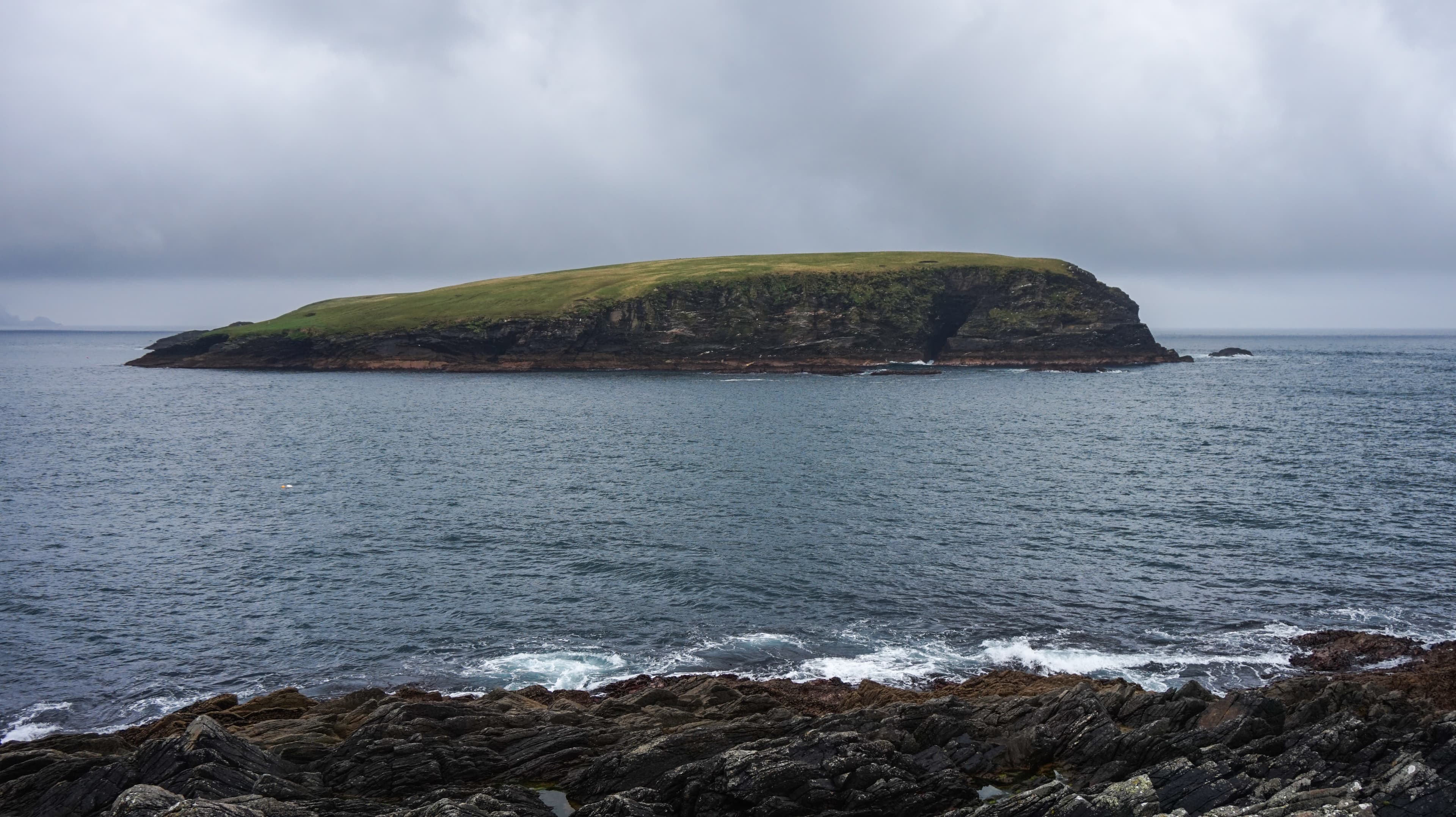
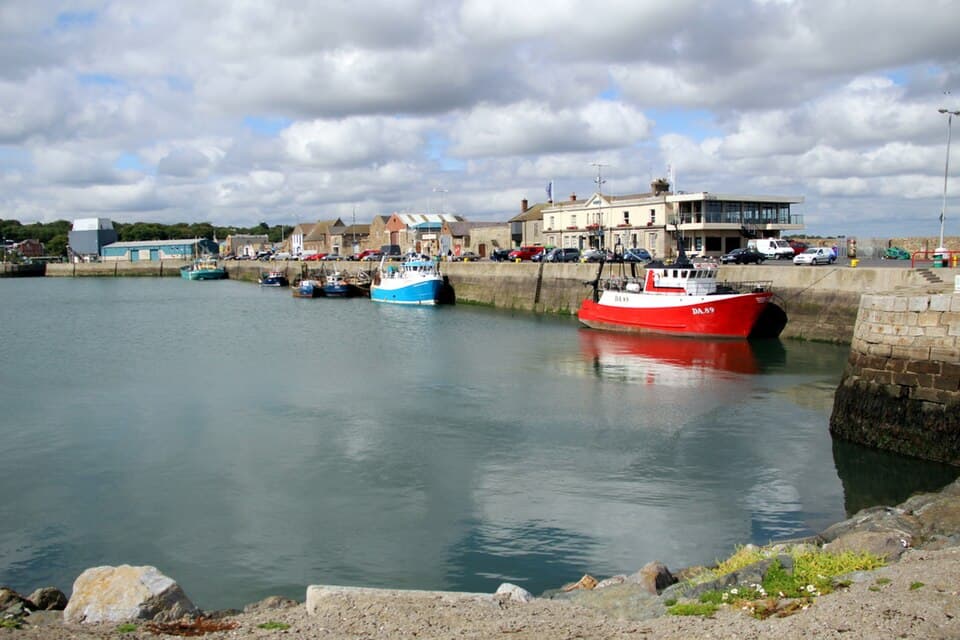
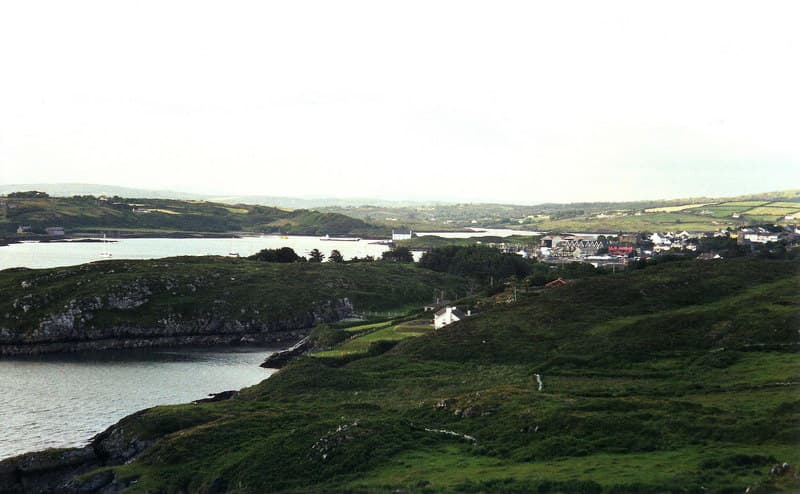
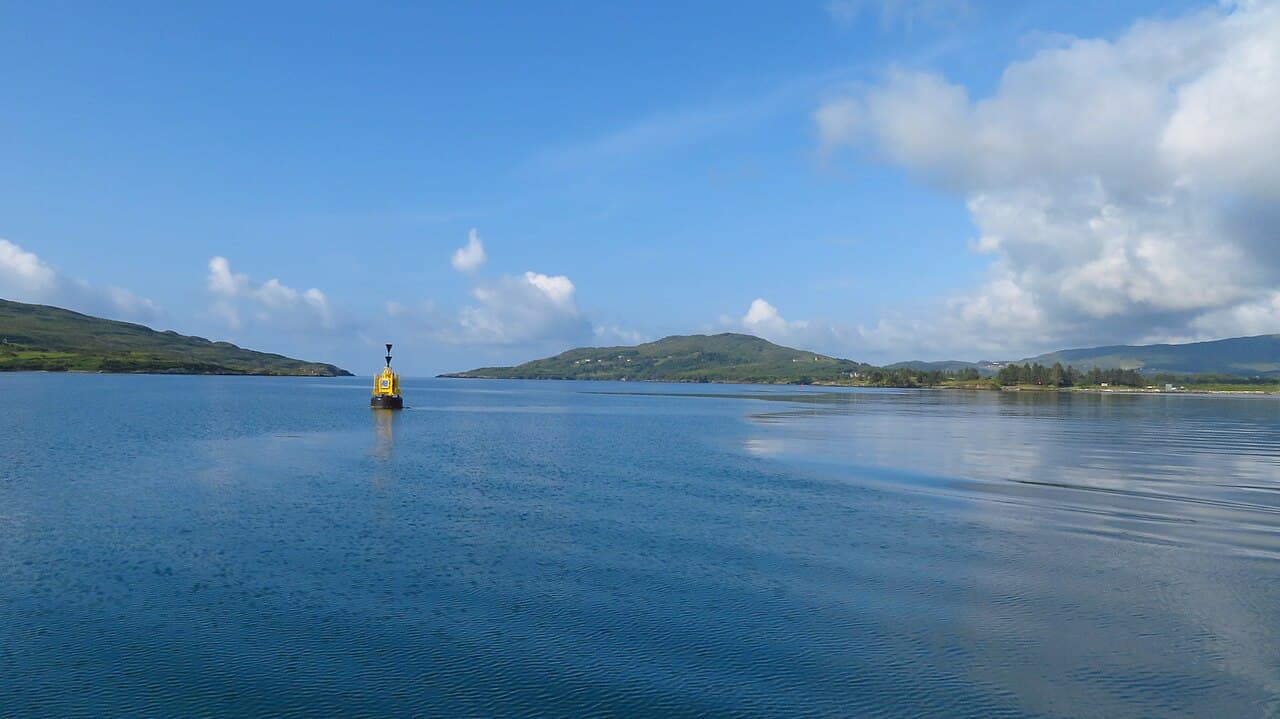
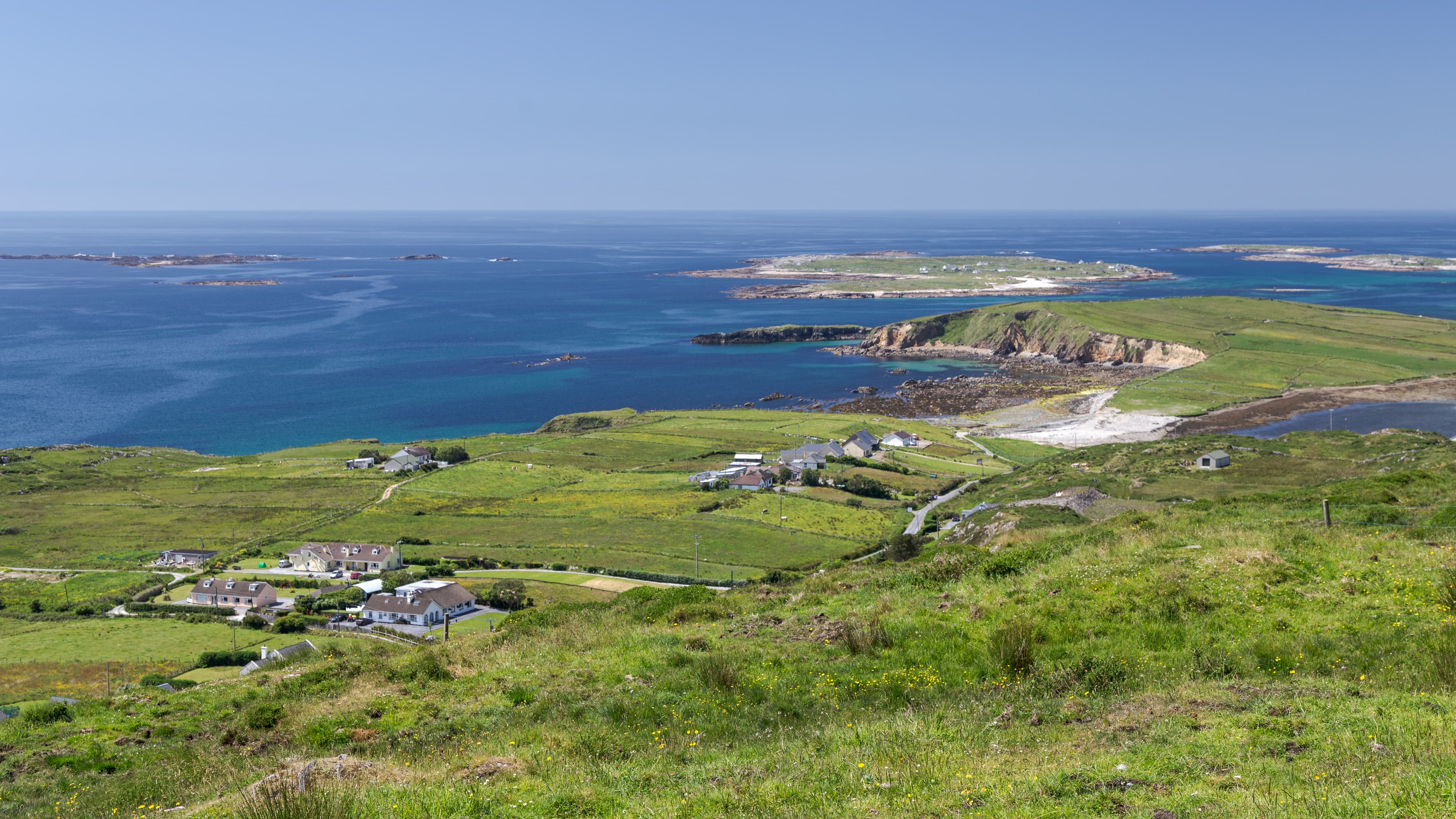
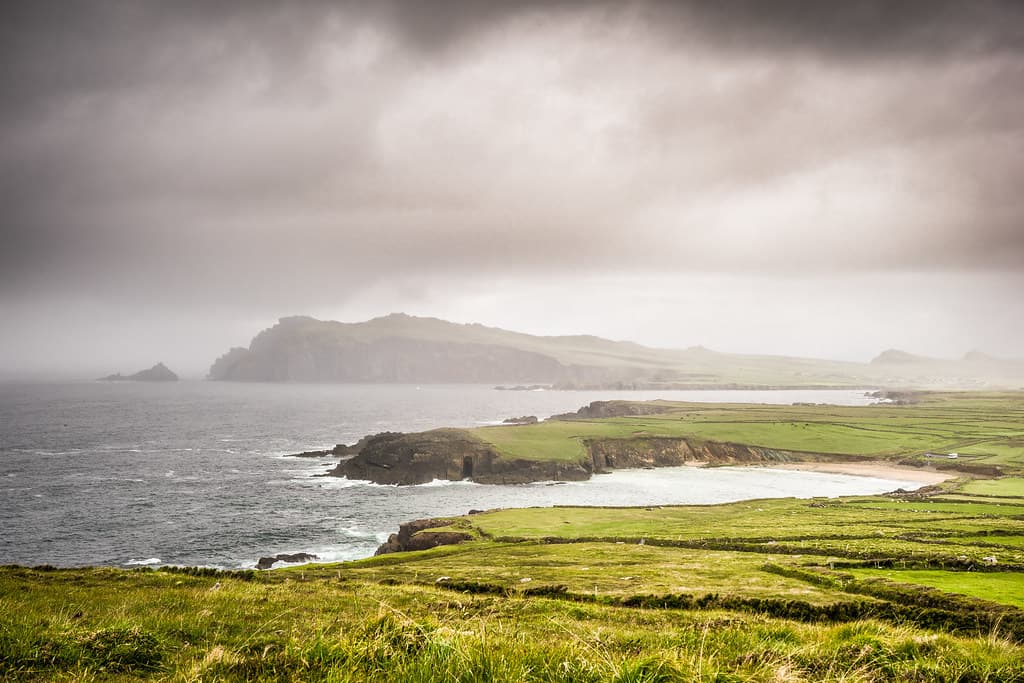
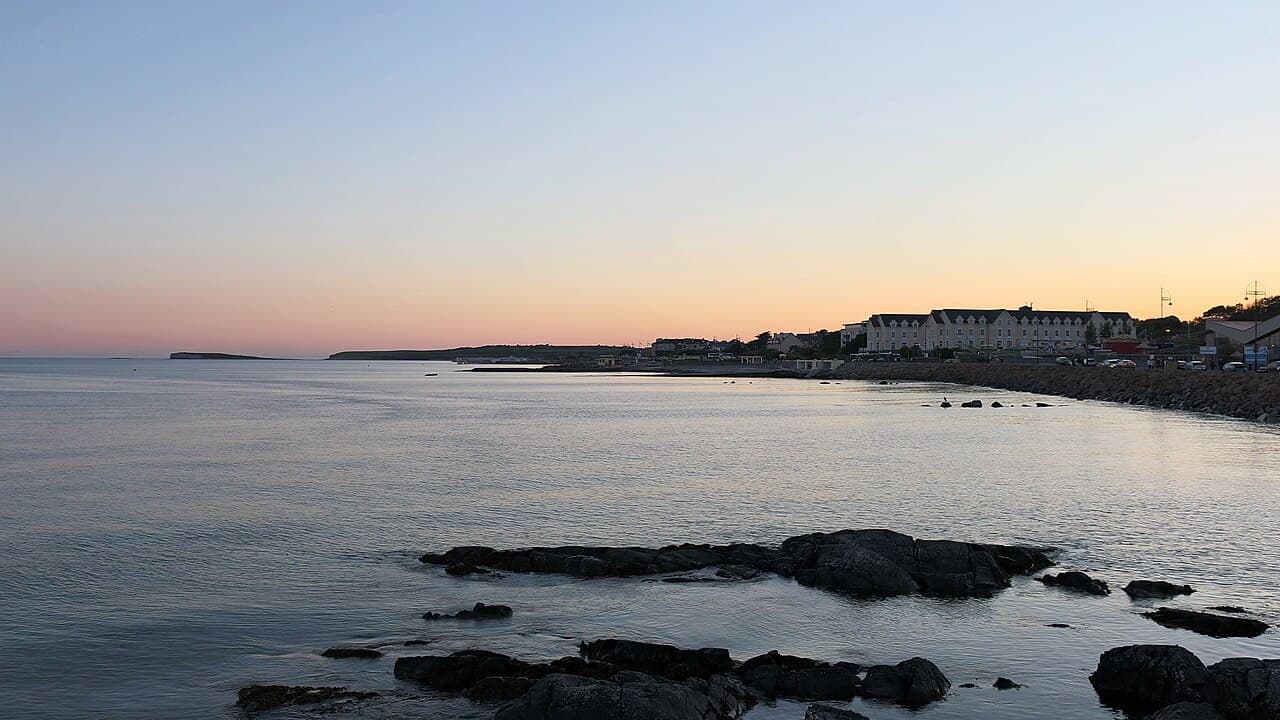
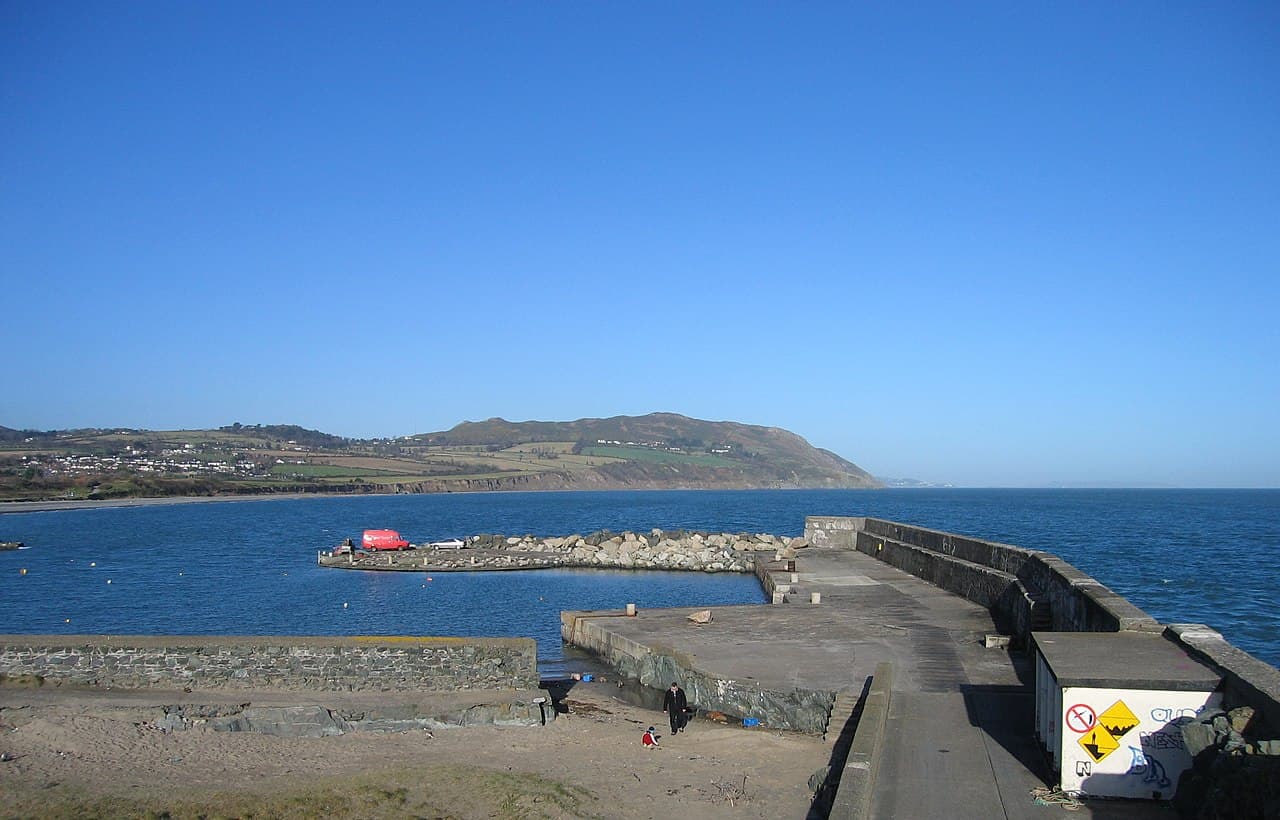
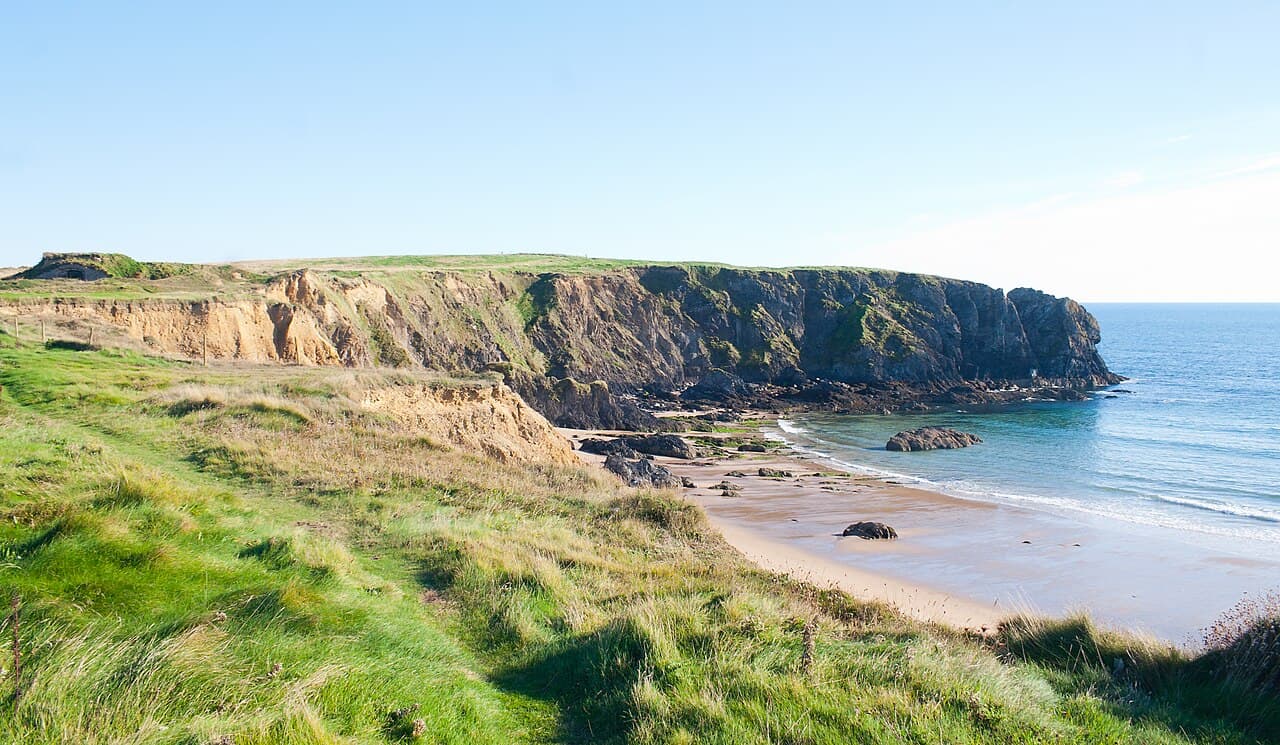
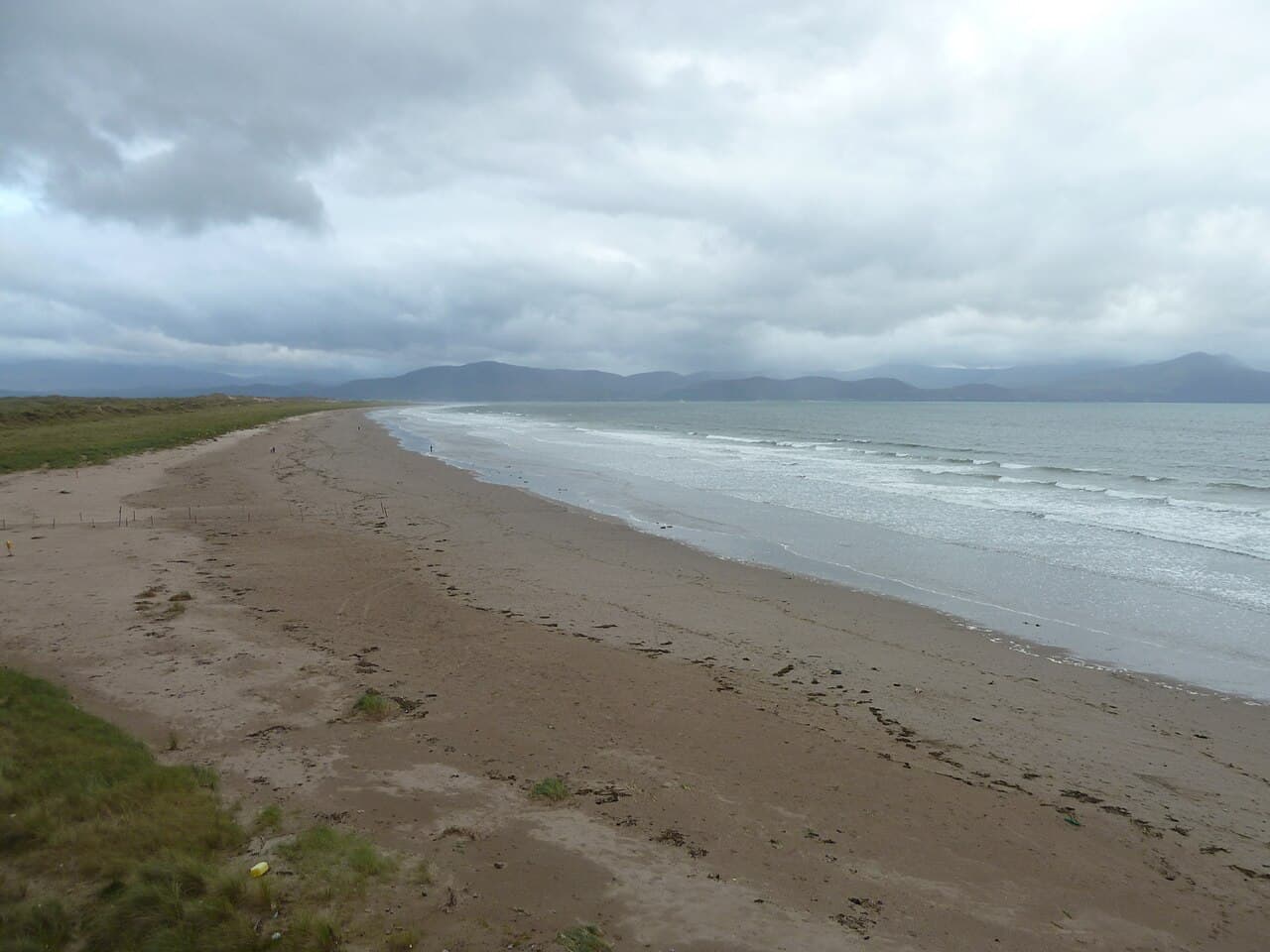
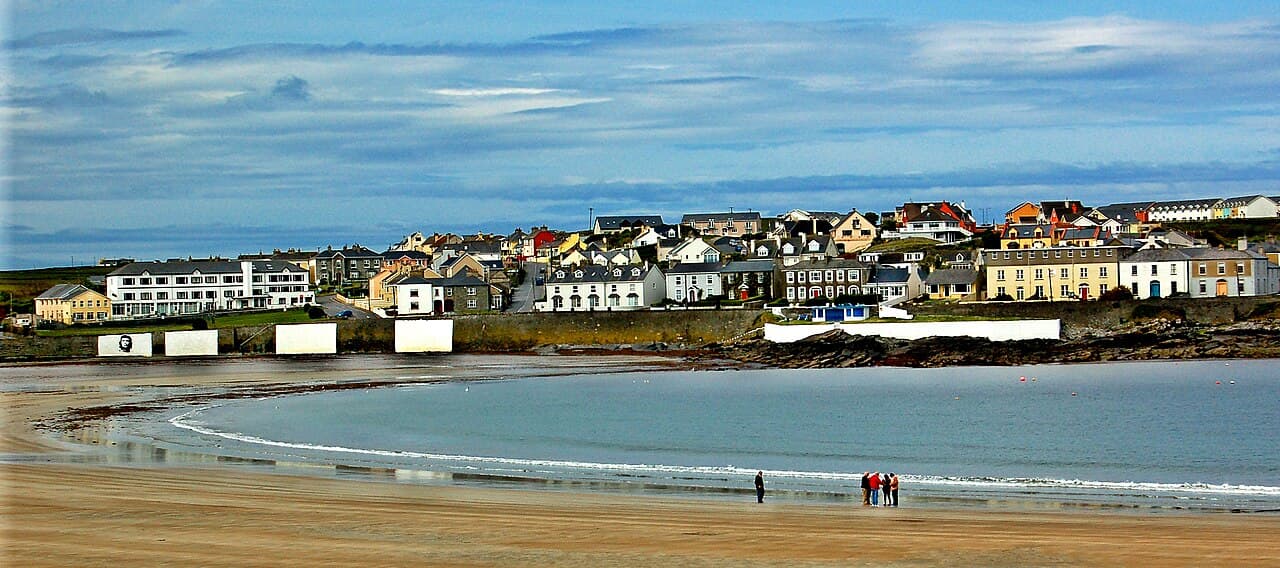
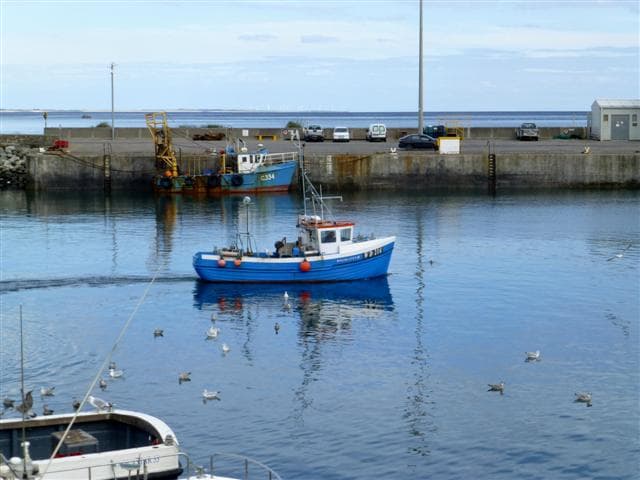
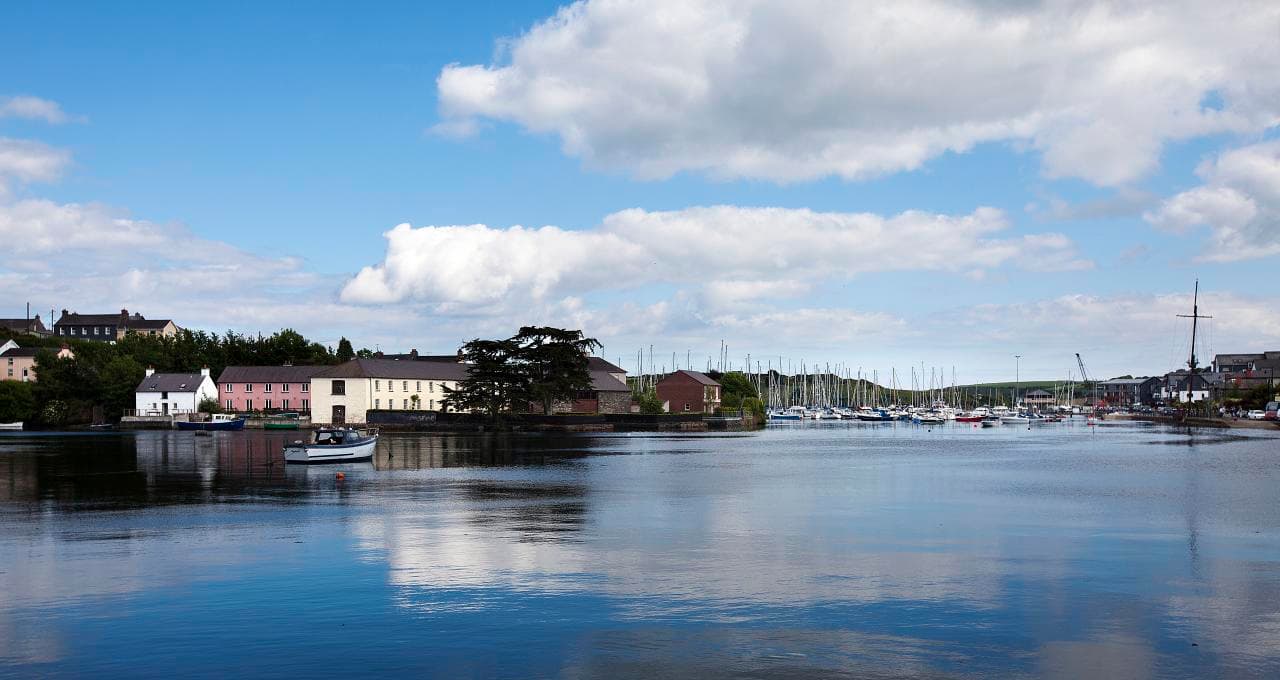
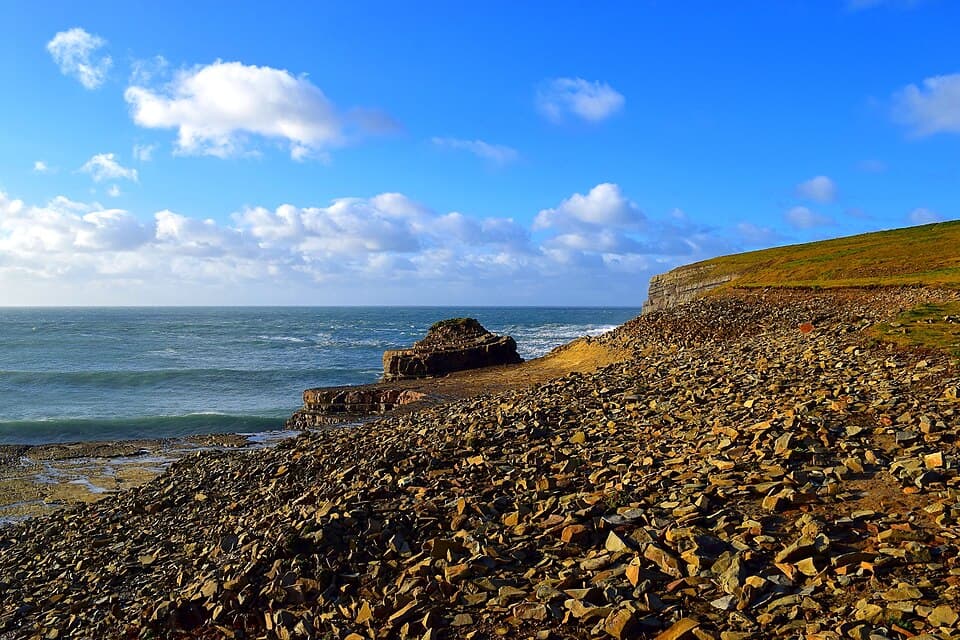
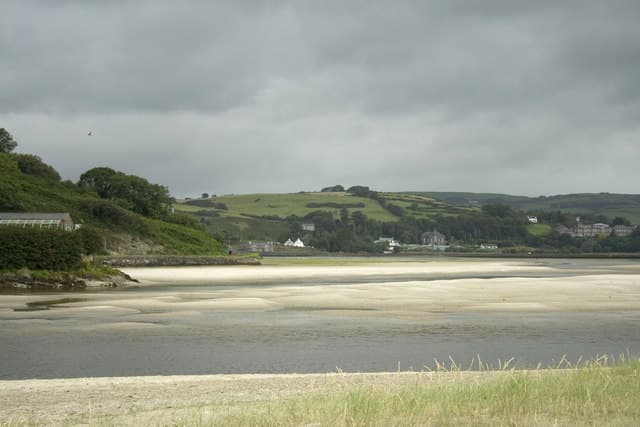
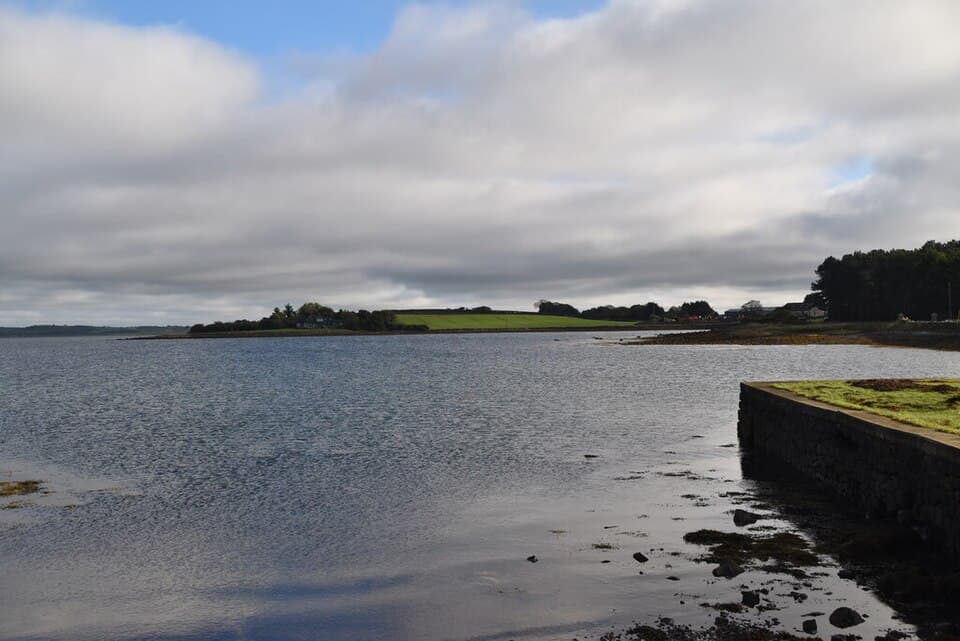
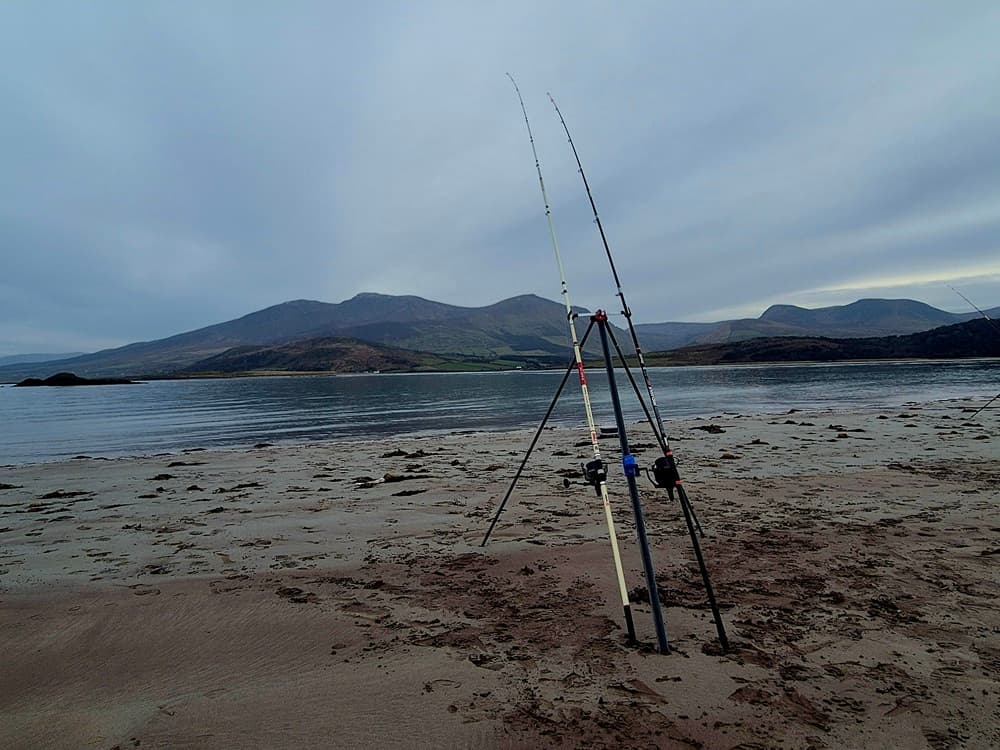
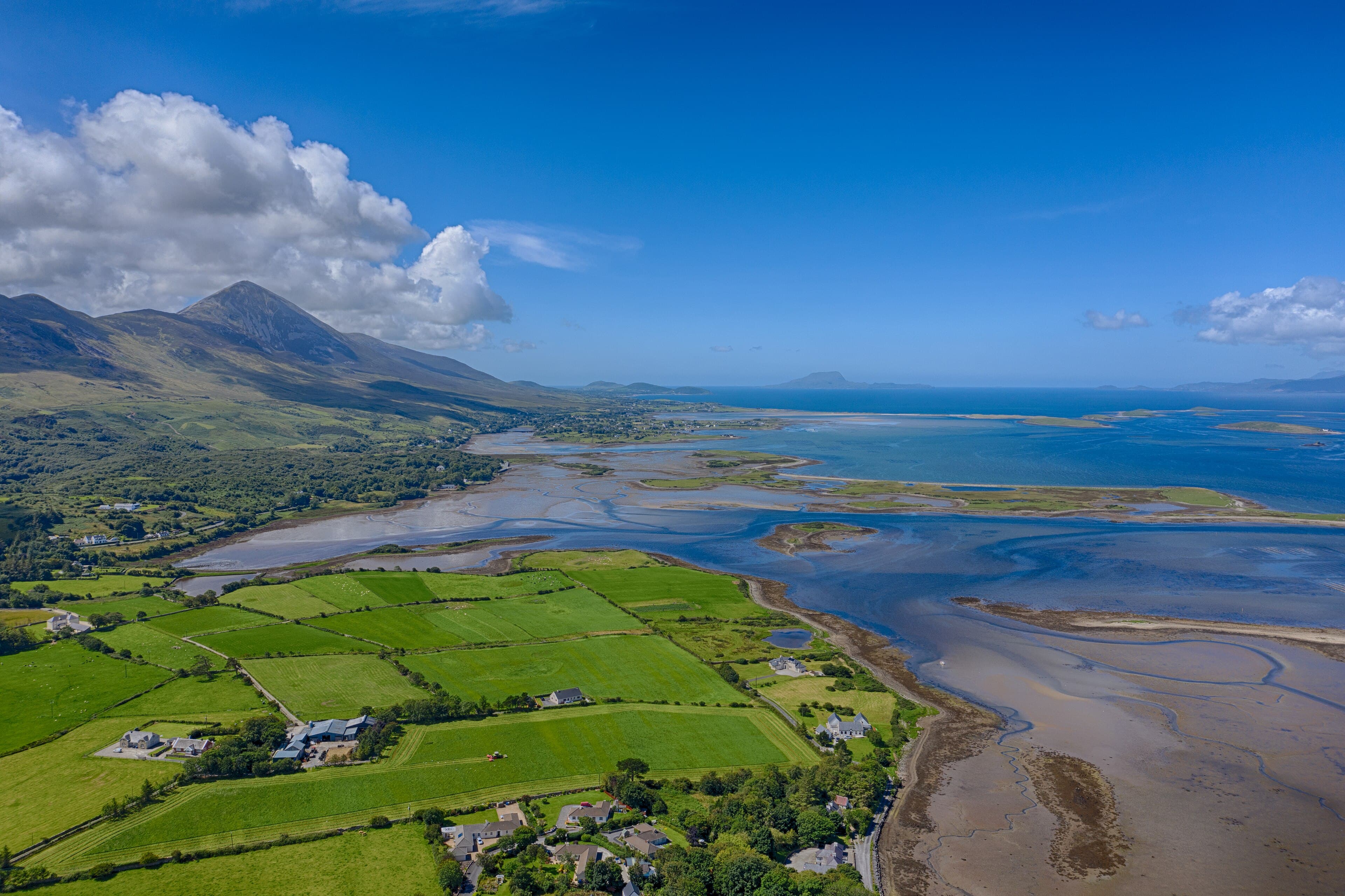
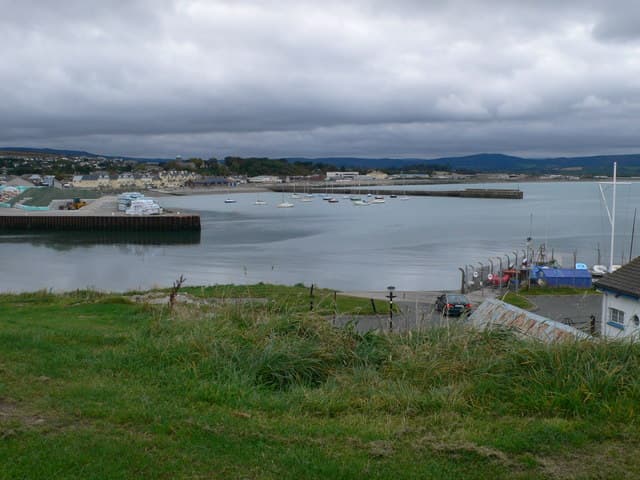
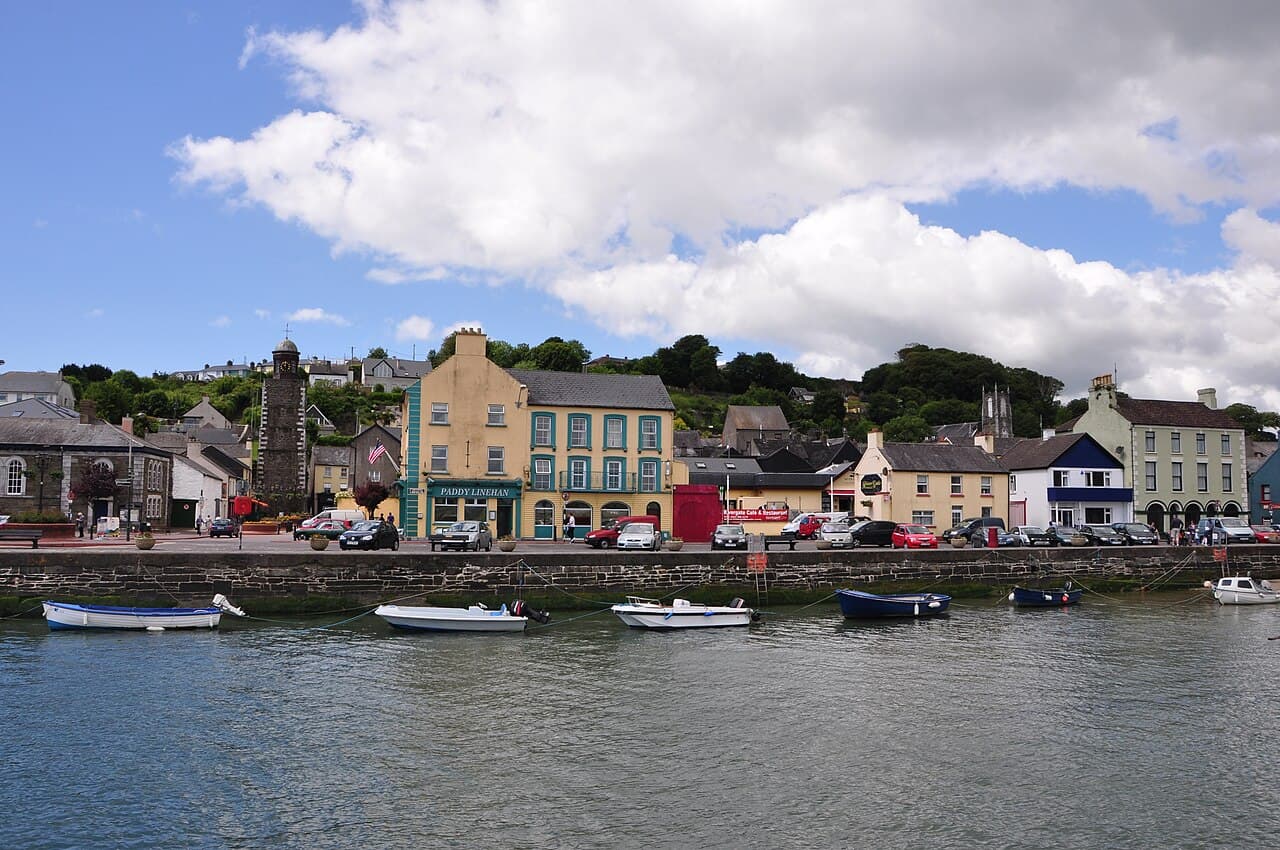
2 more waters with ISFC specimens (not yet on fishing.ie)
Frequently Asked Questions
What's the ISFC specimen weight for mackerel?
1kg, based on the current ISFC threshold. Most mackerel caught on feathers are well under half this weight.
Is there a bag limit for mackerel in Ireland?
No — mackerel currently has no recreational bag limit, unlike bass or pollack. The 20cm EU minimum size still applies.
When's the best time of year to catch mackerel?
Summer, typically June to August, once shoals move inshore chasing bait fish. They're catchable from May into early autumn.
Do I need a fishing licence for mackerel?
No — sea angling from shore or boat doesn't require a licence anywhere in Ireland.