📍Dublin · East📋IFI (Republic of Ireland)Season Open
3Species Present
County
Dublin
Region
East
Type
River
Species
Brown Trout, Sea Trout, Mullet
The River Dodder is one of Ireland's most remarkable urban fisheries — a 26-kilometre river that rises on Kippure Mountain in the Dublin Mountains, flows north-east through the southern suburbs of the capital, and joins the Liffey at Ringsend near Grand Canal Dock. For much of its length it passes through populated neighbourhoods, yet the fishing it provides for wild and stocked brown trout is genuinely good, making it one of the most accessible angling venues in the country for anyone based in Dublin.
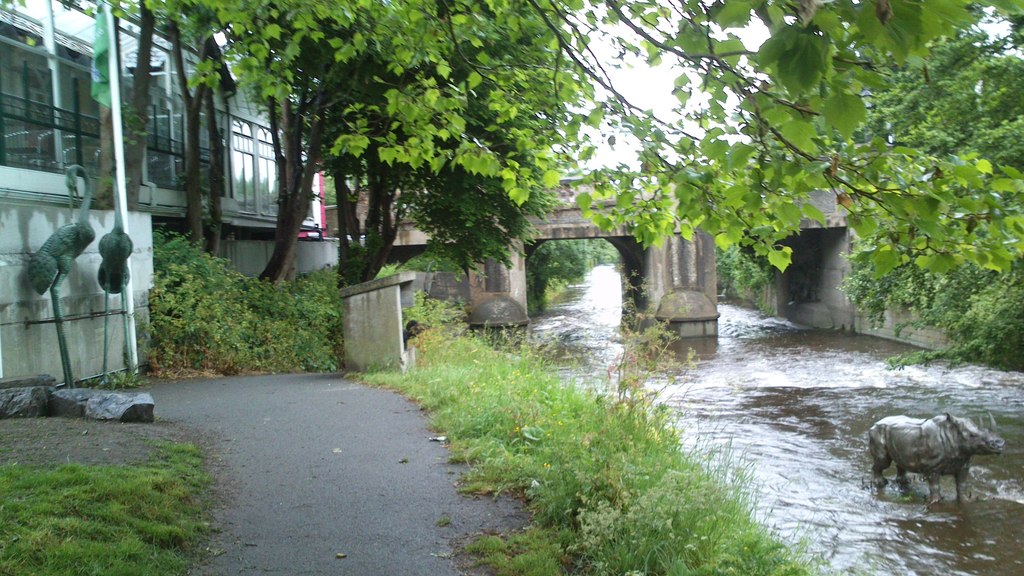
The river descends through the Glenasmole valley in its upper reaches, where the Bohernabreena Reservoirs form part of Dublin's water supply system. Below Glenasmole it enters the suburban landscape, passing through Tallaght, Firhouse, Rathfarnham, and Templeogue before winding through Milltown, Clonskeagh, Donnybrook, and Ballsbridge. Linear parks and walking paths follow much of the river through these areas, making it easy to walk the bank and find productive stretches.
Brown trout are the main quarry. The Dodder carries a population of wild fish throughout its length, supplemented each season by stocking from the Dodder Anglers Club. The best of the trout fishing is generally found between Old Bawn in Tallaght and Ballsbridge. Wild fish are typically modest in size, but the deeper pools around weirs can hold larger fish, and evening sessions when hatches are underway produce the most consistent action. The river is known for midge and olive hatches in the warmer months, and dry fly fishing in the evening can be rewarding.
Sea trout are present in the lower reaches, downstream of Ballsbridge, in late summer. Mullet have been recorded in the tidal section of the river near Ringsend. The river becomes tidal approximately at the Lansdowne Road bridge, and from that point the regulations are subject to specific restrictions — notably a catch-and-release requirement for all species downstream of Clonskeagh Road bridge from 1 June to 30 September under SI 1021 of 2025.
Fishing the Dodder requires awareness that it is a shared urban amenity. Walkers, cyclists, dog walkers, and families use the river corridor throughout the day, and anglers need to cast with care and move with patience. Wading is sometimes the most practical way to fish the better runs. Evening sessions, when foot traffic quietens and trout begin to rise, are the most enjoyable time to fish this river.
Sea Trout: August, September
Brown Trout: May, June, July, August, September
Evening Hatches: May, June, July, August
Difficulty
Beginner friendly
Access & bases
The Dodder is accessible at many points along its length via the public parks and linear walkways that border much of the river through south Dublin. Key access points include: Bushy Park (Rathfarnham), Milltown, Clonskeagh, Herbert Park (Ballsbridge), and Ringsend Park near the tidal section. Most access is on foot from public roads, parks, and car parks. The river is well served by Dublin Bus routes throughout its length. Parking is mostly off-road in the residential areas along the bank. Always respect private land adjacent to the river — access to the bank does not imply a right of way across private property.
Signature features
Urban Wild Fishery
The Dodder is exceptional in offering genuine wild trout fishing within easy reach of Dublin city centre. For visitors to Dublin who want a few hours on a river, or for city-based anglers who cannot travel far, it provides an experience found in very few European capitals.
Evening Hatches
The river is known for midge and olive hatches during the warmer months, particularly from May onwards. The productive window is typically from evening into dusk, when wild fish that have stayed hidden during the day begin to rise and can be tempted on a dry fly or small wet.
Milltown to Rathfarnham Stretch
The section from Milltown to Rathfarnham is regarded as one of the most accessible and productive stretches on the river. A linear park runs alongside the water with footbridges at several points, making it easy to walk and fish methodically. This stretch holds both wild and stocked fish.
Herbert Park to Beaver Row
The Ballsbridge to Donnybrook stretch, running through Herbert Park and down to Beaver Row, is another recommended section. The water is slightly more urban here but the fishing holds up well, and the weir pools in this area can hold better fish.
Season by season
Opening Weeks (March 17 – April)
The early weeks of the season coincide with the stocking programme. The river tends to be busiest at this time, with bait and spinner anglers targeting the newly stocked fish. Cold water temperatures mean hatches are limited and dry fly fishing is not yet productive.
Spring and Early Summer (May – June)
The pace of the river relaxes as stocked fish settle. Natural fly life becomes more active from May onwards and fly anglers begin to appear on the banks in greater numbers. Midge and olive hatches kick in during warm evenings. Note: the catch-and-release regulation below Clonskeagh Road bridge comes into effect from 1 June.
Summer (July – August)
The prime season for evening fly fishing. Hatches of midges and olives can bring fish to the surface from dusk. Sea trout begin to show in the lower reaches in late summer. The river can run low and clear in prolonged dry spells — approach quietly and fish fine.
Late Season (September)
The season closes on 30 September. September can produce good evening fishing as temperatures cool slightly from the summer peak. Sea trout are active in the lower reaches. The river fishes best on slightly elevated water after autumn rain.
Best conditions
Based on 0 reports, these conditions consistently produce the best fishing on River Dodder:
Arrive at the river an hour before dusk and spend time watching the surface for rises before casting. Dodder trout are easily spooked in clear, low summer water — use a long, fine tippet (7X in low clear conditions) and approach slowly. Target rising fish rather than fishing blind. The productive window is typically the last 90 minutes of light.
⚠️Common mistake: Wading too early and disturbing fish that are not yet actively rising. Stand back from the bank and observe the water before wading. Much of the Dodder can be fished from the bank with careful positioning.
Early Season – Bait and Spinner
Patterns
Worm on a size 10–12 hookSmall spinners (Mepps, Toby in silver)
In the early season when water is cold and stocked fish are present, a worm fished upstream and allowed to drift naturally through pools is highly effective. Small spinners worked through the deeper runs also take fish. All legitimate methods are permitted on the Dodder subject to salmon regulations.
⚠️Common mistake: Using too heavy tackle on this small river. A light spinning rod or 4–5 weight fly rod is ideal. Heavy gear is unnecessary and makes fishing the tighter sections more difficult.
In off-peak hours when fish are not rising, a team of two soft-hackled wet flies fished upstream and across covers the water well. Fish the deeper runs beneath the weirs and the shaded sections under tree cover. The Dodder's wild trout respond well to traditional wet fly methods throughout the season.
⚠️Common mistake: Neglecting the shaded, tree-lined sections in favour of the more open water. In summer, Dodder trout seek cover under overhanging trees and in the shadow of bridges — these spots consistently hold fish.
What works here
Flies and methods reported most successful by the community.
Where to Fish at River Dodder
Old Bawn to Rathfarnham
The upper fishable section, starting from the Old Mill area at Old Bawn in Tallaght. Good access from adjacent parks and roads. Holds both wild and stocked fish early in the season.
Milltown to Rathfarnham
A recommended stretch with a linear park running alongside and footbridges at several crossing points. Accessible and productive. Rated by the Dodder Anglers Club as one of the best sections.
Herbert Park to Beaver Row (Ballsbridge–Donnybrook)
The lower stretch through Ballsbridge and Donnybrook. Weir pools in this section can hold better fish. The river is more urban here but fishing remains good.
Below Clonskeagh Bridge (Tidal/Lower Reaches)
From Clonskeagh Road bridge to the Liffey at Ringsend. Catch and release only for all species from 1 June to 30 September (SI 1021 of 2025). Sea trout are present in late summer. Mullet recorded near Ringsend. A State salmon and sea trout licence is required if targeting sea trout.
Suggested trip formats
🎣 Dublin Evening Session
Take the bus or DART to Ballsbridge or Milltown and fish the evening hatch from 7pm to dusk. This is the most productive window on the Dodder and requires no car. A Dodder Anglers permit, a 4-weight rod, and a box of midges and olives is all you need.
🎣 Half-Day Explorer
Walk the Milltown to Rathfarnham stretch over a half day, fishing the more productive runs and pools as you go. The linear park makes it easy to cover ground. Bring both a fly rod and light spinning tackle to cover different conditions.
Conservation & stewardship
🌿
The Dodder is a shared urban amenity and its trout population depends on the care anglers take in handling and returning fish. Catch and release is strongly encouraged throughout the river and is mandatory below Clonskeagh Road bridge from 1 June to 30 September. Barbless hooks reduce harm to returned fish. The river is subject to periodic flood events — the Dodder is known as a flashy river that rises quickly after heavy rain. Do not fish in or near the river during flood conditions.
A permit from the Dodder Anglers Club is required to fish the River Dodder. Annual membership is €10 for adults and €5 for juniors (subject to change).
Main access: No dedicated guiding service operates on the Dodder. The Dodder Anglers Club is the best point of contact for local knowledge., Rory's Fishing Tackle, Temple Bar, Dublin 2 — permits, flies, and tackle. Henry's Tackle Shop — permits and tackle available online and in store., Dodder Anglers Club — manages the fishery and issues permits. Active club with junior membership and regular competitions. Facebook: facebook.com/dodder.anglers